2027 Exercise Science Degree Master's Programs Accepting Students Now

Co-Founder and Chief Data Scientist
Choosing a master's program in exercise science is usually a timing, fit, and admissions decision—not just a question of which school has the most appealing course list. Recent graduates may be looking for a stronger path into clinical exercise physiology, sports performance, wellness leadership, or doctoral study. Career changers may need a program that accepts applicants from related or even less traditional academic backgrounds while offering prerequisite support, online coursework, or part-time pacing.
The demand for advanced health and movement science training is also rising. According to the National Center for Education Statistics, enrollment in health-related master's programs, including exercise science, has grown by 15% over the past five years. That growth reflects increased interest from working adults, healthcare-adjacent professionals, fitness specialists, and students preparing for more specialized roles.
This guide explains what exercise science master's programs cover, who they serve, how admissions requirements work, what GPA and prerequisite expectations to watch for, how long programs take, what they cost, and how to evaluate online and accredited options before applying.
Key Things to Know About Exercise Science Degree Master's Program Accepting Students Now
- Many exercise science master's programs offer part-time and online options, allowing working professionals to balance employment with advanced study effectively.
- Accelerated curricula enable students to develop specialized skills and complete degrees in as little as 12 to 18 months, expediting entry into health and fitness fields.
- Students gain access to global alumni networks and professional organizations, enhancing career opportunities and cross-cultural collaboration in sports medicine and wellness industries.
What are exercise science master's programs, and who are they designed for?
Exercise science master's programs provide advanced study of human movement, exercise testing, physiology, biomechanics, strength and conditioning, health behavior, and performance or rehabilitation programming. Most programs take one to two years, although the exact timeline depends on whether students enroll full time, part time, online, on campus, or in a hybrid format.
These degrees are designed for several types of students. Recent bachelor's graduates often use them to qualify for more specialized jobs or prepare for doctoral study. Working professionals may enroll to move into leadership, clinical, wellness, or performance roles. Career changers may use the degree to build a stronger scientific foundation for entering health, fitness, rehabilitation, or sports-related fields.
A master's degree differs from a bachelor's degree because it assumes more independent study, deeper scientific analysis, and stronger applied decision-making. It also differs from a doctoral program because most master's tracks focus on professional preparation rather than original academic research, university teaching, or advanced research leadership.
- Program structure and duration: Most programs take one to two years and may be offered full time, part time, online, on campus, or through hybrid delivery.
- Common student profiles: Programs may fit recent graduates, fitness professionals, healthcare-adjacent workers, coaches, wellness staff, and career changers who need graduate-level preparation.
- Academic focus: Coursework usually moves beyond introductory anatomy and physiology into advanced exercise testing, program design, research methods, biomechanics, and applied physiology.
- Career direction: Graduates often pursue roles connected to rehabilitation, sports performance, corporate wellness, health promotion, coaching, or preparation for additional graduate or professional study.
- Flexible formats: Online and hybrid programs can help working adults study without leaving their jobs, but students should confirm whether any labs, internships, or campus visits are required.
Applicants comparing graduate exercise science programs should pay close attention to prerequisites, GPA expectations, lab or practicum requirements, and whether the curriculum aligns with their target career. Students who want a flexible pathway may also compare an exercise physiology degree online with campus-based or hybrid exercise science options to understand differences in delivery and hands-on requirements.
Career demand for professionally credentialed exercise science graduates is expanding rapidly; the U.S. Bureau of Labor Statistics projects a 13% growth in related health and fitness jobs between 2022 and 2032. Applicants looking at accelerated or flexible graduate structures in related health fields may find a 1 year MSN to DNP program useful as a comparison point for how intensive, compressed graduate study can be organized.
Which exercise science master's programs are currently accepting applications?
Exercise science master's programs may accept applications on fixed annual deadlines, semester-based deadlines, rolling admissions, or multiple start dates throughout the year. Because application windows change, the safest approach is to verify current availability directly through each university's graduate admissions page and the program department. The phrase "accepting applications now" can mean very different things: immediate review, a future-term deadline, a waitlist, or admission for the next available cohort.
Before applying, confirm the start term, deadline, prerequisite policy, required materials, and whether the program has space in your preferred concentration. This is especially important for online, hybrid, thesis, internship, or cohort-based programs, where capacity and start dates may be more limited.
- Thesis-based master's programs: These programs emphasize research design, data analysis, and a faculty-supervised thesis. They are often a good fit for students considering doctoral study, research roles, or academic pathways.
- Professional master's programs: These are usually course-based and may include internships, capstone projects, or applied practica instead of a thesis. They often suit students who want direct career preparation.
- Accelerated master's formats: Some programs compress coursework into 12 to 18 months. These can reduce time to completion but usually require a heavier workload and careful planning around employment.
- Hybrid and fully online programs: These formats support working professionals and students who cannot relocate. Applicants should still ask whether labs, clinical experiences, practicums, or exams require in-person attendance.
- Specialized concentrations: Tracks in sports performance, rehabilitation, wellness coaching, strength and conditioning, or clinical exercise physiology may have separate prerequisites or limited start terms.
Applicants should build a short list of programs by matching three items: admission timing, academic fit, and delivery format. A program that is open now is not automatically the best choice if it lacks the concentration, practicum structure, accreditation, or faculty expertise needed for your career goal.
Students comparing health-related training options outside exercise science may also review medical coding and billing certification pathways, especially if they are considering administrative or healthcare support roles rather than movement science careers.

What are the admission requirements for an exercise science master's program?
Admission requirements for an exercise science master's program usually measure two things: whether you can handle graduate-level science coursework and whether your goals match the program's strengths. Most programs require a bachelor's degree, official transcripts, recommendations, a statement of purpose, and a resume or CV. Some also require prerequisite courses in areas such as anatomy, physiology, biology, kinesiology, statistics, or exercise physiology.
Requirements vary widely. A program designed for clinical exercise physiology may expect stronger science preparation than a general wellness or performance-focused track. A thesis program may value research experience, while a professional track may place more weight on coaching, fitness, healthcare, or rehabilitation experience.
- Undergraduate transcripts: Programs use transcripts to verify bachelor's degree completion, GPA, science preparation, and prerequisite coursework.
- Letters of recommendation: Strong letters should come from professors, supervisors, clinicians, coaches, or employers who can speak to your academic ability, professionalism, and readiness for graduate study.
- Statement of purpose: This essay should explain why you are pursuing exercise science, what career or academic goal you are working toward, and why the specific program is a good match.
- Resume or CV: Include relevant coursework, certifications, internships, research, coaching, fitness, healthcare, volunteer work, and professional experience.
- Standardized tests and additional materials: Some institutions still request GRE/GMAT scores, though many have eliminated these mandates. Certain programs may also ask for certifications, writing samples, portfolios, or interviews.
Career changers should not assume they are ineligible simply because their bachelor's degree is not in exercise science. Many programs review applicants holistically, but they may require prerequisite completion before enrollment or during the first term. If your background is outside kinesiology, health science, biology, athletic training, or a related field, contact admissions early and ask which courses must be completed before you apply.
A professional who pursued an online master's degree in exercise science to change careers said the application process felt manageable only after he created a checklist by school. "Gathering the right transcripts and securing strong recommendations took longer than I expected," he explained. He also noted that the statement of purpose mattered because it had to connect his previous work experience to a credible future in exercise science.
What is the minimum GPA requirement for an exercise science master's program?
Most exercise science master's programs use a minimum GPA of 3.0 on a 4.0 scale as a common admissions baseline. More selective programs may prefer applicants with GPAs around 3.5 or above, especially when seats are limited or the curriculum includes advanced physiology, research, or clinical preparation.
A GPA below the stated minimum does not always end the application. Some schools review applicants holistically, especially if the student has an upward grade trend, strong grades in science prerequisites, relevant professional experience, strong recommendations, or a compelling statement of purpose. Some programs may also offer conditional admission, allowing a student to enroll under specific academic terms.
- Typical minimum GPA threshold: A 3.0 GPA is the common baseline many programs require for regular admission.
- Higher expectations at competitive schools: Selective programs may prefer GPAs exceeding 3.3 to 3.5, particularly for research-intensive or clinically oriented tracks.
- Upward academic trend: Stronger junior- and senior-year grades, especially in science courses, can help offset weaker early undergraduate performance.
- Relevant experience: Coaching, fitness, healthcare, rehabilitation, research, military, or wellness experience may strengthen an application, but it usually does not erase prerequisite gaps.
- Conditional admission: Some programs admit students conditionally and require them to earn a specified graduate GPA in the first term or complete missing prerequisites.
Applicants near the cutoff should contact the admissions office before spending money on applications. Ask whether the program uses a hard GPA screen, whether prerequisite grades are reviewed separately, and whether additional materials can strengthen a borderline file. Nearly 40% of exercise science programs are known to evaluate candidates beyond GPA numbers, emphasizing professional accomplishments and recommendations.
Students comparing affordability across health-related graduate options may also review cheapest DNP program options to understand how tuition structures and financial planning can differ across graduate healthcare fields.
How long does it take to complete an exercise science master's program?
Most exercise science master's programs take one to two years for full-time students. Part-time students often need two to four years, depending on course availability, work schedules, internship requirements, and whether the program sets a maximum time limit for completion. Some universities also offer accelerated 12-month tracks or combined bachelor's/master's (4+1) pathways that allow students to complete both degrees in about five years.
The fastest option is not always the best option. A 12-month program can work well for students who can study intensively, already meet prerequisites, and do not need extensive scheduling flexibility. A part-time or hybrid program may be more realistic for working professionals, parents, or career changers who need time to complete prerequisite science courses.
- Full-time study: Usually takes 1-2 years and works best for students who can prioritize graduate coursework.
- Part-time study: Can extend up to 4 years and may be better for students balancing work, family, or professional obligations.
- Accelerated and 4+1 options: Some schools offer 12-month accelerated tracks or combined bachelor's/master's programs to shorten the overall timeline.
- Thesis versus non-thesis route: Thesis tracks may take longer because they require research design, faculty supervision, data collection or analysis, and formal writing.
- Internship or practicum requirements: Field experiences can add scheduling complexity but may improve career readiness and employer connections.
- Transfer credits: Approved graduate credits may reduce time to completion, but policies differ by institution and are often limited.
Students should ask each program for a sample plan of study before enrolling. This helps reveal whether required courses are offered every term, whether prerequisites delay progress, and whether practicum hours can be completed near where the student lives.
One professional who completed an online exercise science master's degree while working said the flexible format made the degree possible, but the thesis required sustained focus. "The flexible scheduling really helped me manage my time, but the thesis phase required intense focus and commitment," she said. Her experience highlights a common trade-off: online flexibility can reduce relocation pressure, but it does not reduce the academic expectations of graduate research or applied work.
What is the cost of an exercise science master's program, and how is it calculated?
The cost of an exercise science master's program is usually calculated by multiplying tuition per credit by the number of required credits, then adding university fees, technology fees, books, supplies, lab costs, travel, practicum expenses, and living costs if applicable. The published tuition is only the starting point; the net cost after scholarships, assistantships, employer benefits, and loans may be very different.
Public universities usually charge residents lower tuition, often between $400 and $700 per credit hour, while non-residents may pay $1,000 or more per credit. Private colleges tend to have consistent tuition fees for all students, typically ranging from $800 to $1,500 per credit hour. Online programs often offer flat tuition rates regardless of where students live, which can make cost comparisons easier.
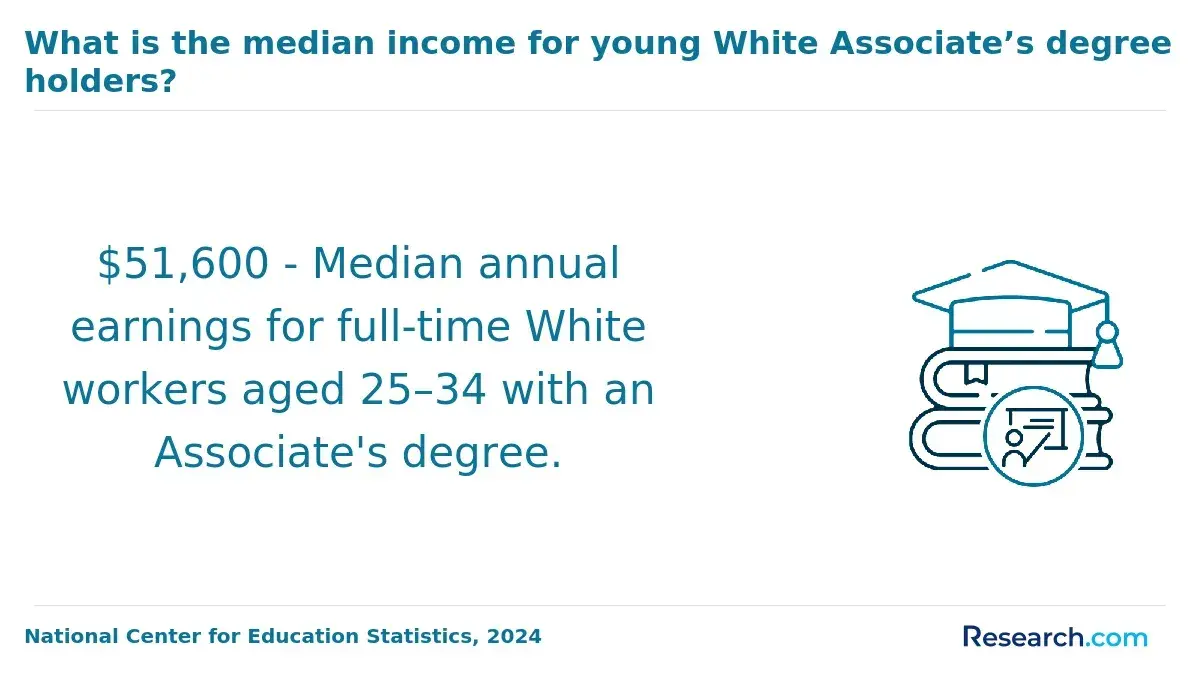
Students should also budget for fees beyond tuition. Program-specific, administrative, lab, and technology fees usually cost between $100 and $500 each semester. On-campus students must also consider housing, food, transportation, and personal expenses, with annual costs often estimated between $10,000 and $15,000 depending on location. National figures suggest that the total expense to complete a master's degree in exercise science is commonly between $20,000 and $50,000.
- Tuition per credit hour: This is the largest direct cost and varies by institution type, residency status, and delivery format.
- Required credits: A lower tuition rate may not mean a lower total price if the program requires more credits.
- Program and technology fees: Online platforms, lab access, student services, and administrative costs can add several hundred dollars per semester.
- Living and travel costs: On-campus and hybrid students should include commuting, relocation, campus visits, parking, and housing costs.
- Practicum and certification expenses: Some students may need background checks, liability insurance, CPR certification, exam fees, or travel to approved sites.
- Net cost: Grants, scholarships, assistantships, employer tuition benefits, and loans can change the actual out-of-pocket cost.
Before committing, ask for a full cost sheet that includes tuition, fees, expected credits, estimated books and supplies, and any required campus or clinical experiences. If two programs appear similarly priced, compare graduation timeline, assistantship availability, internship support, and whether online students pay the same rate as in-state residents.
What financial aid options are available for exercise science master's students?
Graduate financial aid for exercise science students is usually less grant-heavy than undergraduate aid, but several options can reduce or spread out the cost. The first step is completing the Free Application for Federal Student Aid (FAFSA), which determines eligibility for federal graduate loans and may be required for some institutional or state-based aid.
Federal loans often form the foundation of graduate funding because they are broadly available to eligible students and may offer fixed interest rates and flexible repayment options. However, loans must be repaid, so students should compare projected debt with realistic career outcomes before borrowing the maximum amount.
- Federal loans via FAFSA: Completing the FAFSA is required to qualify for federal graduate loans such as Direct Unsubsidized Loans and Grad PLUS Loans.
- Institutional grants and fellowships: Some universities offer merit- or need-based awards, but funding can be limited and competitive at the master's level.
- Graduate assistantships: Assistantships may include tuition waivers, stipends, or both in exchange for teaching, research, lab, coaching, or administrative work.
- Employer tuition benefits: Students already working in healthcare, fitness, wellness, sports, education, or public service should ask whether their employer offers tuition reimbursement.
- Private scholarships: Professional associations, foundations, and health-related organizations may offer awards for students in exercise science or allied health fields.
- State aid: Some state-funded programs may support graduate study depending on residency, institution, field, and eligibility rules.
To control borrowing, apply for funding early and ask each program about assistantship deadlines, departmental scholarships, and whether online students are eligible for the same aid as campus students. If you plan to work while enrolled, also ask whether the course schedule supports full-time employment.
Are there scholarships specifically for exercise science master's students?
Yes. Scholarships for exercise science master's students exist, but they are often more targeted and competitive than general undergraduate scholarships. Most awards fall into two categories: institutional scholarships from the university and external scholarships from professional associations, foundations, public agencies, or health and sports-related organizations.
Institutional scholarships may be based on academic merit, financial need, research interests, leadership, or departmental priorities. External scholarships may focus on exercise science, kinesiology, sports medicine, health promotion, strength and conditioning, allied health, or wellness. Some awards may require membership in a professional organization, a research interest, a service commitment, or a specific career goal.
- Institutional scholarships: Universities may offer departmental awards, graduate school scholarships, fellowships, or tuition discounts for qualified students.
- External scholarships: Professional associations and foundations may support students in exercise science, sports science, public health, rehabilitation, or allied health.
- Professional association resources: Students can check organizations such as the American College of Sports Medicine or the National Strength and Conditioning Association for scholarship opportunities.
- Scholarship databases: Tools such as Fastweb, Scholarships.com, and federal resources including the U.S. Department of Education's FAFSA or Scholarship Search can help identify broader awards.
- Renewable awards: Some scholarships provide support across multiple years, which can be especially useful for typical two-year programs.
Data from a recent survey shows that nearly 42% of graduate students in health science fields benefit from scholarship or fellowship funding. To improve your chances, begin searching before admission decisions are finalized, track deadlines in a spreadsheet, request recommendations early, and tailor each essay to the award's purpose rather than submitting the same generic statement everywhere.
When comparing graduate health programs for affordability and flexibility, students may also review affordable MHA online programs to see how funding, tuition, and online delivery differ across related fields.
What are the best online exercise science master's programs available today?
The best online exercise science master's program is the one that is accredited, academically aligned with your goal, realistically affordable, and structured for your schedule. A strong program should clearly explain admission requirements, curriculum, faculty credentials, practicum expectations, student support, and career outcomes. Online convenience should not be the only deciding factor.
Accreditation is the first checkpoint. Students should confirm that the institution is properly accredited and that any relevant programmatic recognition fits their intended career path. Faculty quality also matters. Look for instructors with advanced degrees, research or clinical experience, and expertise in the concentration you want, such as strength and conditioning, sports performance, health promotion, rehabilitation, or clinical exercise physiology.
- Accreditation: Verify institutional accreditation and any relevant programmatic accreditation or recognition before applying.
- Curriculum fit: Review required courses, electives, thesis or capstone options, and whether the program supports your intended job or doctoral pathway.
- Hands-on requirements: Ask whether labs, practicums, internships, or assessments can be completed remotely or near your location.
- Student support: Strong online programs should provide academic advising, library access, tutoring, technical support, and career services.
- Career alignment: Review employer connections, internship support, alumni outcomes, and whether graduates pursue the roles you want.
- Flexibility: Compare asynchronous courses, live class times, part-time pacing, start dates, and whether working adults can realistically complete the workload.
Online study can be a strong option for working adults and students who cannot relocate, but it may offer fewer in-person networking and lab experiences than a campus-based program. Students pursuing careers that depend heavily on supervised practice should ask detailed questions about field placements before enrolling.
Applicants interested in shorter timelines may also compare accelerated career programs to understand the trade-offs between speed, workload, cost, and career preparation.
How do accreditation standards affect the value of an exercise science master's degree?
Accreditation affects whether an exercise science master's degree is recognized by employers, eligible for federal financial aid, and useful for certain professional or academic pathways. At minimum, students should confirm that the university has recognized institutional accreditation. Depending on the career goal, programmatic accreditation or recognition may also matter.
Regional accreditation applies to the entire institution and signals that the school meets broad educational and operational standards. Programmatic accreditation focuses on a specific program's curriculum, faculty, outcomes, and professional preparation. In exercise science and allied health areas, relevant accrediting bodies may include the Commission on Accreditation of Allied Health Education Programs (CAAHEP) and, in certain cases, the National Strength and Conditioning Association (NSCA) for specialized certifications.
Accreditation also connects directly to cost and risk. Only students attending accredited institutions or programs qualify for federal financial aid. Employers may also prefer or require degrees from accredited schools because accreditation provides an external quality check. In some health-related professions, state rules, certification eligibility, or licensure pathways may depend on graduating from an accredited institution or program.
Prospective students should independently verify accreditation through the U.S. Department of Education's official Database of Accredited Postsecondary Institutions and Programs. Do not rely only on marketing language from a school website. If a program's accreditation status is unclear, ask admissions for the exact accrediting agency name and confirm it yourself before applying.
What career outcomes can exercise science master's graduates expect?
Exercise science master's graduates can pursue roles in clinical, fitness, sports performance, wellness, rehabilitation, research support, and health promotion settings. Outcomes depend heavily on the program's curriculum, accreditation, internships, certifications, local labor market, and the student's prior experience. A master's degree can strengthen qualifications, but it does not guarantee a specific job title, salary, license, or certification.
According to the U.S. Bureau of Labor Statistics, occupations such as athletic trainers, exercise physiologists, and health specialists are expected to grow faster than the average for all jobs. Professionals with a master's degree typically earn higher salaries-often between $50,000 and $70,000 annually-compared to those with only a bachelor's degree.
- Clinical exercise physiology: Graduates may work in cardiac rehabilitation, pulmonary rehabilitation, hospital wellness, or medically supervised fitness settings, depending on credentials and employer requirements.
- Sports performance: Some graduates pursue strength and conditioning, athlete monitoring, performance testing, or coaching support roles.
- Health promotion and wellness: Opportunities may exist in corporate wellness, community health, public health programs, and lifestyle intervention initiatives.
- Rehabilitation and allied health support: Graduates may work alongside physical therapists, occupational therapists, athletic trainers, or other clinicians, though separate licensure is required for many clinical professions.
- Leadership roles: A master's degree may support advancement into program coordination, staff supervision, facility management, or specialized service development.
- Doctoral or professional study: Thesis-based or research-oriented programs may help prepare students for PhD, professional healthcare, or other advanced study pathways.
Students should evaluate career outcomes before enrolling by asking where recent graduates work, what certifications they pursue, whether internships are required, and whether career services maintain employer relationships in the student's target region. For career changers, the degree may be most valuable when combined with relevant field experience, networking, and certifications aligned with the desired role.
What Graduates Say About Their Exercise Science Degree Master's Program
- : "Choosing the exercise science master's degree was a pivotal decision for me because I wanted a program that balanced advanced coursework with practical skills. The affordability of the program made it accessible without compromising quality, which was crucial as I transitioned careers. Since graduating, I've seen a clear impact on my professional opportunities, opening doors to leadership roles I hadn't imagined before. — Alexei"
- : "Reflecting on my time in the exercise science master's program, I appreciate how it combined rigorous scientific training with real-world applications. The cost was a considerate investment given the depth of knowledge I gained and the network I built. Professionally, it has truly elevated my credibility and effectiveness in wellness consulting, allowing me to deliver evidence-based recommendations confidently. — Jeanne"
- : "My motivation for pursuing the exercise science master's degree stemmed from a passion to enhance people's health through evidence-based strategies. The program's cost was reasonable compared to other options, which made it easier to commit financially. After completing the degree, the impact on my career was profound-I advanced into specialized roles and now influence client care and program development at a higher level. — Edward"
Other Things You Should Know About Exercise Science Degrees
Choosing the right exercise science master's program involves evaluating your career objectives, whether in clinical practice, research, coaching, or wellness management. Consider programs that offer specializations aligned with your interests and check if they provide practical experiences such as internships or laboratory work. Accreditation status and faculty expertise are also critical factors to ensure the quality and recognition of your degree.
In 2027, applying to an exercise science master's program typically involves submitting an online application, transcripts, letters of recommendation, a personal statement, and GRE scores (if required). Check specific program websites for detailed instructions and any additional requirements.
Application deadlines vary widely by institution but often fall between December and April for fall enrollment. Some programs use rolling admissions and accept applicants until slots are filled. It is important to check each school's website for exact dates, especially for programs that accept students now, to avoid missing critical deadlines.
References
- master Scholarships in sports science https://www.applykite.com/search/scholarships/master/all/sports-science
- MS in Exercise Physiology Program | Barton College https://www.barton.edu/graduate/master-of-science-exercise-physiology/
- Exercise Science (M.S.) Admission Requirements https://www.kean.edu/academics/nathan-weiss-graduate-college/exercise-science-ms-admission-requirements
- Everything You Need to Know About a Master's in Exercise Science https://www.snu.edu/blog/everything-you-need-to-know-about-a-masters-in-exercise-science
- University of Montevallo https://bulletin.montevallo.edu/preview_program.php
- Clinical Exercise Science | Master/Ph.D. https://www.uni-potsdam.de/en/studium/what-to-study/master/clinical-exercise-science
- Program: Exercise Science [EXSC] M.S. - SUNY Cortland https://catalog.cortland.edu/preview_program.php
- MS in Exercise Science https://www.liu.edu/brooklyn/academics/school-of-health-professions/academic-programs/MS-exercise-science
- Building Trust in Qualified Exercise Professionals: The Power of Alignment, Professional Competencies and Academic Accreditation https://acsm.org/building-trust-certified-pros/
- Careers with a Master’s in Applied Exercise Science https://exsci.cuchicago.edu/careers-with-masters-in-applied-exercise-science/