2027 Entry-Level Jobs With an Exercise Science Master's Degree

Co-Founder and Chief Data Scientist
The transition from graduation to the workforce for exercise science master's graduates is shaped by nuanced employer expectations and sector-specific hiring practices. Entry-level roles often demand multifunctional skills, including data literacy, client communication, and regulatory understanding, reflecting a shift toward integrated health and wellness approaches.
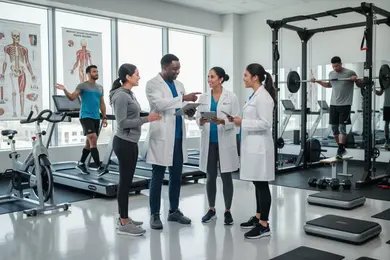
Hiring structures in clinical, corporate, and community settings vary, with some employers prioritizing certifications and practical experience over academic credentials alone. Current labor market trends show an increasing emphasis on interdisciplinary collaboration and adaptability, requiring graduates to navigate evolving professional standards. This article examines common entry-level job types and their situational workforce contexts within exercise science.
Key Benefits of Entry-Level Jobs With a Exercise Science Master's Degree
- Entry-level roles often require balancing broad applied knowledge with limited specialization, creating tradeoffs that influence early-career skill development and progression speed in clinical or fitness settings.
- Employers increasingly favor graduates with integrated data analysis skills; this shift means traditional exercise physiology roles now often demand proficiency in digital health tools for competitive candidacy.
- The typical timeline and cost of completing a master's degree may delay workforce entry, impacting immediate earning potential but enabling access to roles unavailable to bachelor's holders, affecting long-term career trajectory.
What Entry-Level Jobs Can You Get With a Exercise Science Master's Degree?
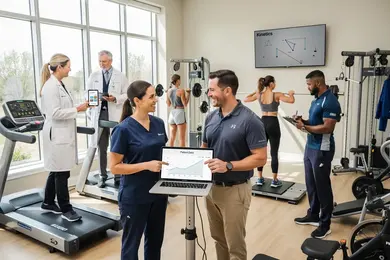
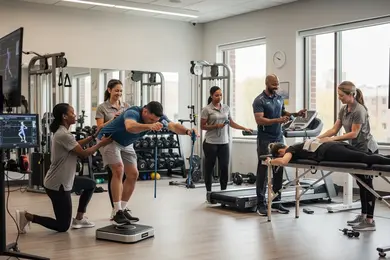
Entry-level positions for graduates with a master's degree in exercise science often entail significant responsibility, specialized expertise, and analytical tasks, despite being early in professional tenure. Unlike typical perceptions of entry-level roles as beginner tasks, these positions integrate graduate-level knowledge in human physiology, biomechanics, and fitness assessment to impact client outcomes and program development.
Opportunities at this stage depend heavily on industry demands, previous experience, and the specific focus of the master's program, allowing many to engage in meaningful, outcome-driven work while building professional expertise and niche skills.
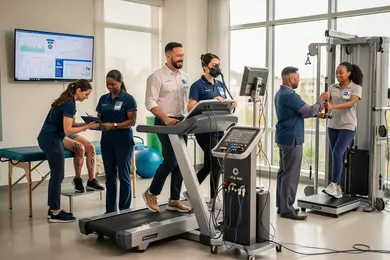
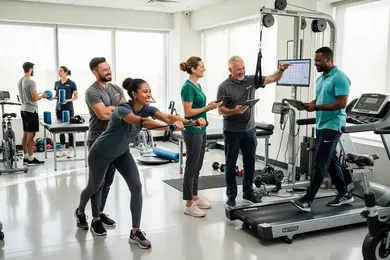
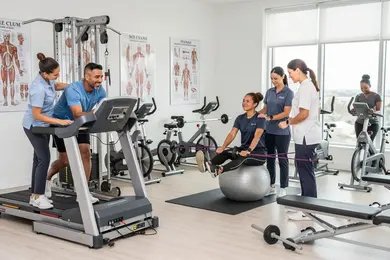
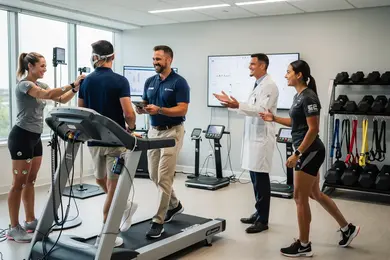
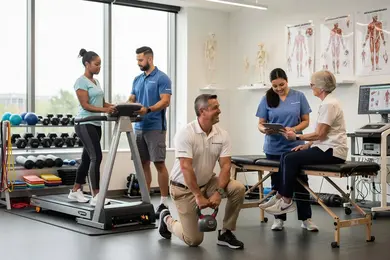
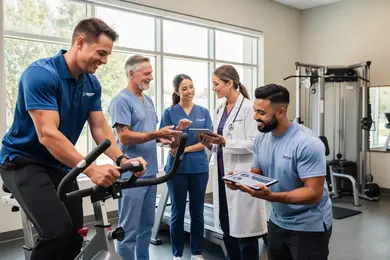
- Exercise Physiologist: This role involves designing and administering exercise programs tailored to improve cardiovascular health, strength, and mobility, often for clinical or rehabilitative purposes. Classified as entry-level because it typically requires supervised practice or certification alongside a graduate degree, it offers a clear path to specialization in clinical exercise testing or chronic disease management. Labor market data projects an 11% employment growth over the next decade, signaling expanding demand that supports progression into advanced practitioner or research roles.
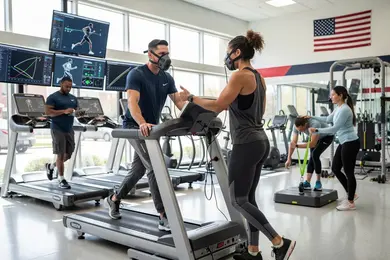
- Fitness Trainer/Instructor: Working primarily in gyms or wellness centers, these professionals guide individualized exercise regimens, applying advanced knowledge to optimize client performance and safety. Considered entry-level for master's graduates due to the accessibility of certification-based positions, these roles serve as foundational steps toward management, therapeutic specialties, or clinical exercise roles, especially when combined with additional credentials.
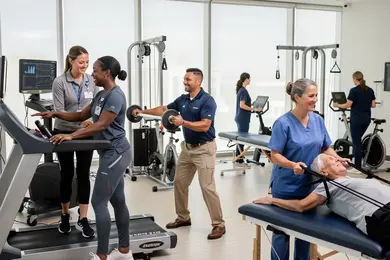
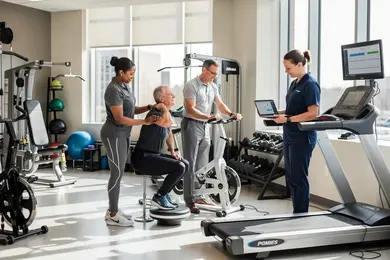
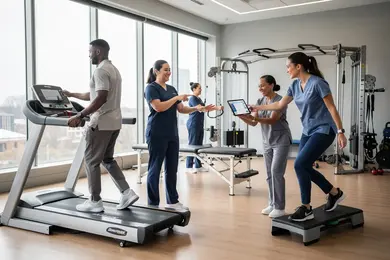
- Rehabilitation Specialist: Supporting patients recovering from injuries or surgeries, this role includes developing and implementing evidence-based treatment plans under professional supervision. Entry-level status here reflects a bridging function between trainee and licensed practitioner, facilitating skills development in patient assessment and functional restoration, which can lead into physical therapy or occupational therapy career tracks.
- Wellness Coordinator in Corporate Settings: These positions focus on designing and managing employee wellness programs that improve health outcomes and reduce organizational healthcare costs. Although entry-level in management hierarchy, the role demands data analysis, health education expertise, and program evaluation skills, positioning graduates for expanded roles in public health administration or organizational consultancy.
Applying a deep knowledge of body mechanics and metabolic profiling sets a clear baseline for maximizing human performance. For professionals looking to pivot these specialized physical training skills into high-level school administration, understanding the athletic director salary landscape highlights the financial upside of shifting from the field to the front office.
Overseeing district-wide budgets, hiring coaching staff, and managing compliance requires a distinct mix of sports science credibility and business acumen, which routinely commands a premium administrative salary over standard training roles.
What Sectors Have the Strongest Demand for Graduate-Level Talent?
Employer demand for master's graduates in exercise science is heavily influenced by structural shifts in healthcare, wellness, and research rather than degree popularity alone. Sectors exhibiting sustained need typically require advanced technical knowledge, research literacy, or regulatory compliance skills embedded in graduate-level training.
These drivers shape hiring patterns, reflecting broader trends in aging populations, preventive health emphasis, and workplace wellness priorities that impact workforce composition and role specialization.
- Healthcare and Rehabilitation: With demographic trends pointing to an aging population and increased prevalence of chronic conditions, healthcare systems prioritize hiring professionals versed in clinical exercise prescription and rehabilitation science. Hospitals, outpatient clinics, and rehab centers seek exercise science graduates to develop targeted therapeutic programs, manage cardiac or neurological rehabilitation, and support long-term patient recovery. This sector provides relatively stable demand supported by policy shifts toward value-based care and preventive health strategies.
- Fitness and Corporate Wellness: The wellness industry's growth is propelled by organizational investments in employee health initiatives and consumer preference for science-based fitness programming. Graduates with technical expertise in exercise physiology and behavioral intervention models are sought for roles that blend clinical rigor with commercial fitness delivery. Though entry salaries may start modestly, management trajectories or specialization in clinical fitness enhance earning potential and role complexity.
- Sports Science and Athletic Training: Demand here is shaped by increasing professionalization of sport and collegiate athletic programs, emphasizing data-driven performance enhancement and injury prevention. Exercise science graduates with research skills and applied biomechanics knowledge gain competitive advantage for roles designing training protocols or conducting sports-specific assessments. However, this niche faces intense competition and compensation varies widely by geographic and institutional context.
- Public Health and Research Institutions: Government agencies and academic research centers require graduates who can design, implement, and analyze population-level interventions in physical activity and chronic disease prevention. These roles often demand fluency in epidemiology and statistical methods, linking exercise science expertise to policy development and workplace health programming. Funding variability impacts job stability but allows engagement with innovative, large-scale health initiatives.
A recent exercise science graduate shared how navigating graduate admissions underscored the sector demand realities. Initially hesitant when waitlisted, they balanced application submissions amid rolling admissions timelines, realizing that program selection had to align not just with academic fit but also with sector-specific career pathways highlighted during interviews.
The experience of delayed decisions sparked urgency to clarify specialization goals-particularly toward healthcare or research-related roles-before finalizing enrollment, illustrating how awareness of sector demand informs strategic admissions choices and early professional focus.

Which Entry-Level Exercise Science Careers Have the Highest Starting Salaries?
Starting salaries for entry-level roles in exercise science depend on multiple factors beyond the degree itself, including required certifications, market demand, and the complexity of job responsibilities.
Positions that command higher initial pay often require specialized skills, regulatory compliance, or directly impact client health outcomes or organizational performance. These roles also tend to demand stronger analytical abilities and offer clearer advancement pathways within clinical, therapeutic, or corporate wellness settings.
- Physical Therapist Assistant ($50,000-$65,000): This role commands one of the highest starting salaries because it supports licensed physical therapists in delivering complex rehabilitation treatments, requiring state licensure and passing rigorous certification exams. The combination of clinical responsibility and regulatory oversight drives compensation up, signaling employers' valuation of this intermediate but essential clinical skill set and its role in long-term patient outcomes.
- Occupational Therapy Assistant ($48,000-$62,000): With a focus on improving patients' functional independence, this position also demands licensure and hands-on skill application in diverse therapeutic environments. The salary reflects both the technical expertise required and the steadily increasing demand for occupational therapy services in aging and rehabilitative care markets.
- Clinical Exercise Physiologist ($45,000-$60,000): Typically employed in hospital or cardiac rehabilitation settings, this role's pay aligns with its technical nature, requiring a deep understanding of exercise's clinical applications and often certifications like ACSM or equivalent. Employers compensate for the specialized knowledge needed to manage medically complex clients safely, which enhances career growth potential.
- Corporate Wellness Coordinator ($42,000-$55,000): Although certifications are less standardized, this role's salary reflects organizational priorities around employee health programs that reduce healthcare costs and improve productivity. Its position outside direct clinical settings suggests lower entry barriers but increased reliance on networking and demonstrated program success for advancement.
- Strength and Conditioning Coach ($40,000-$55,000): Entry-level salaries here are influenced heavily by certifications such as CSCS and the hiring organization's size and competitiveness. The role's starting pay signals the premium placed on expertise in athlete performance optimization, but often requires time and proven outcomes to reach higher compensation tiers.
Which Industries Pay the Most for Entry-Level Exercise Science Master's Graduates?
Entry-level salaries for exercise science master's graduates often mirror the economic and regulatory complexities of the industries that employ them. Sectors with high entry-level pay typically feature considerable profit margins, stringent compliance requirements, or rapid innovation cycles where specialized exercise science expertise directly supports organizational outcomes such as risk reduction, patient recovery, or employee productivity.
Understanding which top sectors hire exercise science master's degree holders reveals how labor market dynamics and skill scarcity influence compensation.
- Healthcare Facilities: Hospitals, outpatient clinics, and rehabilitation centers frequently top the list for entry-level earnings due to the critical role exercise science professionals play in clinical exercise physiology and patient rehabilitation. These settings operate under intensive regulatory scrutiny (e.g., HIPAA, Medicare standards) and generate substantial revenue through insurance reimbursements, elevating the value of specialized knowledge that enhances therapeutic protocols and improves patient outcomes.
- Corporate Wellness Programs: Large corporations investing heavily in employee health initiatives drive higher salaries for exercise science graduates working as wellness coordinators or fitness managers. The growing recognition of wellness as a driver of reduced healthcare costs and increased productivity incentivizes firms to offer competitive pay, reflecting both the strategic importance of these roles and the scarcity of candidates who combine exercise science with business acumen.
- Professional Sports Organizations: Athletic teams and sports performance centers reward entry-level specialists in strength conditioning and athletic training with premium pay due to the direct impact their expertise has on athlete performance and injury prevention. This niche labor market remains highly competitive, with demand concentrated in leagues and franchises willing to invest in cutting-edge sports science innovations.
- Research Institutions and Government Agencies: Though often less lucrative than private sector roles, positions in federally funded research or public health agencies still offer solid entry-level salaries driven by grant funding and policy mandates. These roles emphasize applied research and program evaluation, underscoring the growing use of exercise science in evidence-based health initiatives and population-level interventions.
Entry-level salaries in these industries commonly range from $50,000 to $70,000, shaped by geographic location, employer size, and required certifications, according to recent industry compensation surveys for 2024. Graduates should weigh the long-term advantages of positioning themselves within high-regulation or innovation-driven industries against the often competitive hiring landscapes.
For those seeking alternative academic pathways or admission options, exploring flexible programs such as online self-paced degrees may provide access to employers valuing ongoing professional development and diverse skill sets in exercise science.
Which Skills Are Most Valuable in Entry-Level Positions?
Entry-level hiring in exercise science increasingly centers on demonstrated skills rather than solely on academic credentials. Employers scrutinize candidates' ability to translate technical knowledge into effective solutions that align with clinical, athletic, or rehabilitative objectives. Even at early career stages, this practical application can differentiate candidates by showing readiness to meet workplace demands and contribute to organizational outcomes.
- Communication Skills: Clear and empathetic communication is vital for explaining exercise strategies to clients and collaborating with interdisciplinary teams. Employers view strong communicators as more likely to ensure client adherence and prevent misunderstandings that could hinder program success, making this skill a key hiring and retention factor.
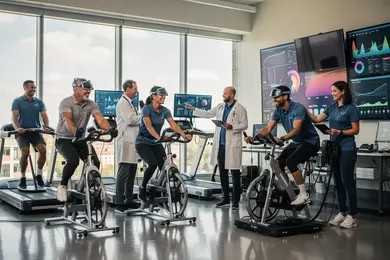
- Analytical Ability: The capacity to interpret physiological data and adapt protocols is crucial in dynamic settings like performance labs and rehabilitation centers. Hiring managers prioritize candidates who demonstrate analytical agility because it directly supports personalized client programming and continuous improvement.
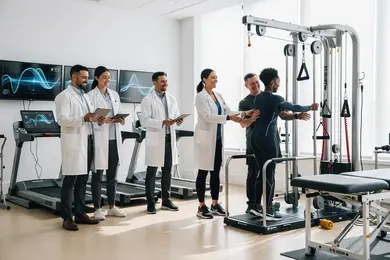
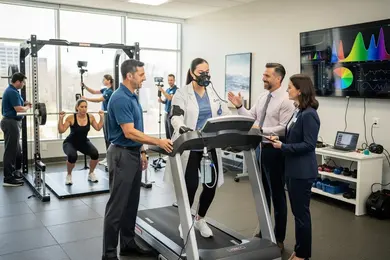
- Technical Proficiency: Familiarity with exercise testing tools and data management systems reduces onboarding time and signals operational independence. Proficiency in equipment such as metabolic analyzers or motion-capture devices allows entry-level professionals to contribute confidently and immediately, improving workflow efficiency.
- Adaptability and Problem-Solving: The exercise science field frequently demands real-time adjustments due to client health variations or emerging trends. Candidates who exhibit flexibility and sound judgment are favored for their potential to manage uncertainty and devise workable solutions, qualities that affect early career trajectory and compensation negotiations.
One graduate recalled the challenges of navigating rolling admissions while applying to graduate programs in exercise science. They hesitated to submit final materials immediately, hoping for additional feedback to strengthen their application, but delays created uncertainty about acceptance chances.
This experience underscored for them the importance of strategic timing and preparedness, skills they later recognized as parallels to clinical decision-making where timing and judgment affect outcomes. Their early-career success, they noted, hinged not just on academic standing but on demonstrating such practical skills in unpredictable environments.
Do Employers Hire Exercise Science Master's Graduates Without Professional Experience?
Many employers do hire exercise science master's graduates without prior professional experience, particularly for structured entry-level jobs for exercise science master's degree graduates created to develop early-career talent pipelines. Workforce reports from 2024 highlight that these positions often exist in fitness programming, wellness coordination, or assistant-level roles where foundational academic training and the ability to apply theoretical knowledge are prioritized over extensive hands-on work history.
Employers weigh these candidates' potential to quickly absorb role-specific skills within supervised settings, recognizing the growing role of internships and practicum experiences embedded in graduate programs as vital indicators of readiness. Hiring trends for exercise science master's degree holders with no experience reflect this nuanced approach, balancing the risks and benefits of onboarding fresh graduates into operational roles.
This hiring flexibility stems from the ability of candidates to demonstrate competency through non-traditional experience pathways such as internships, capstone projects, and relevant certifications, which often substitute for direct job tenure. Graduates who excel academically while accumulating practical skill exposure during their studies fulfill many employers' core criteria, showcasing technical aptitude and critical thinking required in entry-level positions.
Labor market analyses reveal that internship ecosystems and credentialing efforts significantly influence employers' willingness to overlook the traditional professional experience gap, especially when candidates can present concrete evidence of applied knowledge and analytical capabilities. This dynamic supports a pathway where competency-based hiring complements academic achievement, mitigating the challenges faced by graduates lacking formal work experience.
Industry variation notably affects these hiring dynamics, with less regulated or data-driven sectors more inclined to recruit graduates without prior exposure, whereas specialized or client-facing roles demand previous practical involvement due to higher liability and complexity.
For example, cardiac rehabilitation or clinical research positions generally require graduates to pursue additional supervised clinical hours or certifications before independent practice, reflecting stricter professional standards. Recent labor market surveys underscore that exercise science master's graduates targeting these augmented roles encounter higher entry barriers compared to those prioritizing less specialized tracks.
For prospective graduates exploring professional pathways, it is essential to understand that while some sectors embrace entry-level hiring without experience, others maintain rigorous expectations influenced by risk assessment and workforce readiness.ASN programs online represent one example where related fields intensify the emphasis on clinical readiness, illustrating broader healthcare industry trends impacting exercise science employment prospects.
Which Certifications Help Entry-Level Exercise Science Master's Graduates Get Hired?
Employers often rely on certifications to verify practical competencies that master's programs may not fully capture, especially in entry-level exercise science roles. While a master's degree provides essential theoretical knowledge and research understanding, certifications serve as concrete evidence of job-ready skills aligned with current industry standards and workflows.
They act as critical differentiators by signaling specialized technical abilities and commitment to professional responsibilities beyond academic achievement.
- Certified Personal Trainer (CPT): This credential is widely respected in both commercial fitness centers and clinical settings, as it demonstrates proficiency in designing and implementing safe exercise regimens for diverse populations. For graduates entering generalist roles in gyms or wellness programs, the CPT validates applied skills that employers expect for client engagement and program management, helping to offset the gap between academic theory and real-world application.
- Certified Strength and Conditioning Specialist (CSCS): Valued primarily by sports organizations and collegiate athletic departments, the CSCS certification signals expertise in enhancing athletic performance through scientifically grounded training protocols. It functions as a targeted hiring signal for employers seeking graduates who can deliver measurable improvements in athlete conditioning, integrating advanced biomechanics and physiology into practice.
- Clinical Exercise Specialist Certifications: These focus on exercise prescription for patient populations with chronic conditions, positioning entry-level candidates for roles within healthcare systems and rehabilitation clinics. Achieving this certification indicates readiness to navigate clinical workflows and compliance requirements, thereby enhancing credibility for employers prioritizing patient safety and evidence-based interventions.
- CPR/AED and First Aid Certifications: Though baseline credentials, they remain mandatory in virtually all exercise science environments. Holding up-to-date certifications reassures employers of basic emergency preparedness, a non-negotiable facet of workplace safety that often becomes a threshold hiring criterion.
In sum, these certifications do not replace a master's degree but complement it by validating skills that hiring managers observe as essential for immediate job performance. Candidates combining academic credentials with aligned certifications tend to present stronger profiles that accommodate employer preferences for practical readiness, particularly in competitive early-career labor markets where demonstrable applied expertise can accelerate hiring decisions.
What Remote Jobs Can You Get With a Exercise Science Master's Degree?
Remote opportunities for graduates with a master's degree in exercise science have expanded significantly due to digital transformation, cloud-based collaboration platforms, and broader global talent sourcing. The suitability of remote work in this field hinges on the ability to produce measurable, data-driven outcomes with limited need for real-time, in-person interaction or hands-on supervision.
Roles that emphasize digital deliverables, asynchronous workflows, and the use of virtual communication tools tend to align best with remote structures, reshaping employer expectations around productivity and career development.
- Remote Health Coach: This role involves designing individualized fitness and wellness plans and monitoring client progress via virtual platforms. It leverages exercise science expertise to interpret health metrics remotely, relying heavily on digital communication tools and outcome tracking, which makes asynchronous client engagement possible. Employers commonly expect consistent data reporting and measurable client improvements as core performance indicators.
- Wellness Program Coordinator: Managing corporate or community wellness initiatives remotely involves planning, coordinating, and evaluating programs through cloud-based project management systems. Exercise science knowledge supports evidence-based wellness strategies, while digital collaboration ensures alignment across dispersed teams. The remote framework often requires clear deliverables and regular virtual updates to maintain program efficacy.
- Research Assistant/Data Analyst: These positions entail analyzing exercise-related datasets, conducting literature reviews, and supporting virtual research projects, often within health informatics or wellness research domains highlighted for growth by the U.S. Bureau of Labor Statistics. Advanced analytical skills from a master's curriculum enable effective remote task execution using specialized software, with productivity measured through timely deliverables and methodological rigour.
- Digital Content Specialist: Developing instructional materials, educational videos, or curricula for online fitness and health programs integrates exercise science with digital media production. The role requires strong science communication skills and the ability to work independently within cloud environments, where output quality and adherence to deadlines are key performance metrics.
Overall, the remote exercise science roles suitable for master's graduates emphasize data fluency, self-direction, and proficiency with digital collaboration tools. However, while digital skills bolster entry into these positions, limited direct client contact and hands-on practice can constrain clinical skill development, impacting long-term clinical career trajectories without supplemental in-person experience or certifications.
How Competitive Is the Entry-Level Job Market for Exercise Science Master's Graduates?
Entry-level job market competitiveness for graduates with a master's degree in exercise science varies widely depending on geographic location, industry demand, and specialization within the field. Certain sectors such as rehabilitation centers and collegiate sports programs may have higher candidate density due to their popularity and perceived prestige, while emerging interdisciplinary areas combining exercise science with technology or nutrition can be less saturated.
Regional labor market conditions further influence hiring intensity, with urban areas typically offering more opportunities but attracting larger applicant pools, affecting how graduates position themselves in these competitive environments.
Employer expectations significantly shape the competitive landscape for entry-level jobs with a master's degree in exercise science. Beyond academic credentials, many organizations require practical experience in client assessments, program design, and familiarity with health data analytics, effectively raising the bar for candidates.
Certifications like ACSM or NSCA, internships, and hands-on project experience act as critical signals of readiness, creating a bottleneck where roughly 40% of graduates report difficulty securing roles within six months post-graduation. This environment encourages applicants to demonstrate technical proficiency and applied skills rather than relying solely on degree attainment.
Graduates can strategically differentiate themselves by targeting less crowded subfields or industries experiencing talent shortages, such as corporate wellness or clinical research roles, where demand outpaces supply. Continuous skill development and specialization remain essential for navigating hiring dynamics in these entry-level positions.
Those considering additional credentials may also explore pathways like BSN to MSN online options to pivot within allied health professions, potentially easing entry into related job markets that value interdisciplinary expertise.
The entry-level salaries for exercise science master's graduates typically range from $45,000 to $60,000, but actual compensation depends on location, employer type, and certifications held.
Which Entry-Level Roles Have the Strongest Long-Term Growth Potential?
Long-term career growth in exercise science often depends less on the initial job title and more on the specific skills, responsibilities, industry exposure, and advancement opportunities a role provides. The entry-level positions with the strongest potential typically offer transferable skills, insight into strategic decision-making, and the ability to cultivate expertise that remains valuable as industry demands evolve.
Selecting roles that facilitate skill accumulation and professional network development can significantly impact sustainable salary growth and leadership pathways.
- Clinical Exercise Physiologist: This role provides hands-on experience in patient assessment and rehabilitation, fostering skills that are crucial for advancement into specialized health and wellness management or clinical leadership. It bridges healthcare and exercise science, offering visibility into interdisciplinary team dynamics.
- Strength and Conditioning Coach: Entry into athletic performance roles exposes professionals to programming, biomechanics, and athlete development, creating pathways toward high-performance team leadership or sports science specialization. The role's evolving importance in injury prevention supports long-term demand.
- Rehabilitation Specialist: Involving direct patient care combined with therapeutic exercise prescription, this position builds clinical reasoning and protocol development skills that underpin opportunities in clinical management or chronic disease prevention programs.
When evaluating a conditional admission offer for a master's program in exercise science, students should weigh several critical factors to determine if it is a worthwhile step toward their career goals. Conditional admission often hinges on completing prerequisite coursework, maintaining a minimum GPA, or fulfilling testing requirements within a specified time frame. Understanding these contingencies is fundamental.
First, students must assess the likelihood of successfully meeting these conditions without undue stress or delay. If prerequisites require additional study that significantly lengthens the program duration or raises costs, the long-term benefits might diminish.
The financial investment, including potential tuition increases or loss of income during extended study, should be carefully compared against projected career gains. The decision is similar to considerations in programs such as an online environmental health and safety degree, where balancing time, cost, and outcome realities shapes overall value.
Secondly, it is essential to examine employment outcomes tied to graduates of the programs offering conditional admission. Entry-level exercise science careers with highest growth potential include clinical exercise physiologist, strength and conditioning coach, and rehabilitation specialist. These positions frequently offer paths to leadership or specialization in areas like sports performance, wellness management, or chronic disease prevention, increasing earning potential over time.
Additional considerations involve the program's network strength, access to internships, and alignment with industry certifications that employers prioritize. Students should confirm that the conditionally admitted program's curriculum and resources provide these advantages, as they strongly influence employability and long-term advancement potential in early-career roles.
Ultimately, a conditional offer's value rests on balancing realistic program completion expectations with the quality of career pathways it enables, focusing on roles known for sustainable salary growth and long-term advancement in exercise science entry jobs.
What Graduates Say About Entry-Level Jobs With a Exercise Science Master's Degree
- Shmuel: "After completing my master's in exercise science, I found that employers really valued my internship experience and a solid portfolio of client case studies over certifications alone. The job market felt competitive, especially since many entry-level roles favored candidates who combined practical skills with strong communication. Navigating hiring processes, I realized flexibility was crucial-some positions allowed remote work while others required hands-on involvement at clinics or gyms. Overall, my career progression hinged more on continuous learning and networking than simply having the degree."
- Shlomo: "My path after earning an exercise science master's was a mixture of optimism and reality checks. Although I secured a role relatively quickly, the starting salary had limited growth without pursuing licensure or additional certifications. I appreciated that the program prepared me to adapt to different workplace environments, from rehabilitation centers to fitness facilities. Understanding the trade-offs early on helped me plan for a potential pivot toward specialized areas, which seemed necessary to advance beyond entry-level roles."
- Santiago: "Graduating from exercise science taught me the importance of being pragmatic about hiring trends. Many of my peers struggled with roles because employers prioritized applicants with specific credentials or hands-on experience, sometimes more than academic achievements. I often found that showcasing real-world skills through internships and part-time positions accelerated my entry into the workforce. Rather than relying solely on degrees, being proactive about gaining relevant experience made the biggest difference."
Other Things You Should Know About Exercise Science Degrees
The specific focus of your exercise science master's-whether in biomechanics, clinical exercise physiology, or sports performance-can significantly shape early career options. Employers often seek graduates whose training aligns directly with their needs, meaning a mismatch may limit practical opportunities even if the degree is the same.
When choosing your specialization, prioritize programs with applied training and internships that match the sector you intend to enter, as hands-on experience frequently outweighs generalist credentials in entry-level hiring decisions.
While certifications can enhance employability, immediate post-graduation priorities should focus on securing a role that builds relevant job experience. Certifications hold most value when paired with applied skills gained through real-world practice, enabling graduates to contextualize and apply their credentials effectively.
Pursuing certification too early without practical exposure may limit returns on investment and reduce time spent cultivating professional networks crucial for long-term advancement.
Geographic flexibility profoundly impacts entry-level job access, as many specialized exercise science roles cluster regionally near healthcare centers, research institutions, or athletic hubs.
Willingness to relocate or commute can dramatically increase opportunities, particularly in competitive markets where local demand is limited. Graduates should weigh personal constraints against the advantage of mobility, as staying static often means accepting fewer choices and slower career progression in this field.
References
- Top 20 Careers With a Master’s in Exercise Science | PLNU https://www.pointloma.edu/resources/health-sciences/top-20-careers-masters-exercise-science
- ESSA's career guide for Accredited Exercise Physiologists https://www.essa.org.au/Web/Web/Resources/Tools-and-templates/ESSA-AEP-Guide.aspx
- Exercise Science Degree Careers: The complete list https://traineracademy.org/blog/exercise-science-careers/