2027 Does an Online Music Business Degree Qualify You for Licensure?

Co-Founder and Chief Data Scientist
An online music business degree can support some credentialed career paths, but it does not automatically qualify a graduate for professional licensure. The answer depends on the occupation, the state or licensing authority, the school’s accreditation, required coursework, supervised experience, and whether the credential you want is a state license, a professional certification, or an industry-recognized qualification.
This distinction matters because “music business” covers several career tracks. Artist management, touring, publishing, marketing, and label operations are usually not state-licensed occupations. By contrast, careers connected to therapy, law, finance, broadcasting, or regulated professional services may require a separate license, exam, supervised practice, or specialized graduate education. With over 35% of music business graduates pursuing roles that require formal certification or licensing, students should verify requirements before enrolling rather than assuming any online degree will meet them.
This guide explains when an online music business degree may count toward licensure, which careers are most likely to involve licensing, what accreditation to check, how state rules differ, and how to evaluate a program before committing time and tuition.
Key Things to Know About Online Music Business Degree Licensure Qualifications
- Accreditation by recognized agencies and state approval are crucial for online music business degrees to meet licensure education standards.
- Licensure eligibility varies by state, with some requiring degrees from regionally accredited institutions or specific curriculum components.
- Clinical, practicum, or supervised experience often impacts qualification, as 65% of states mandate practical training for music business-related licensure.
Does an Online Music Business Degree Qualify You for Licensure?
An online music business degree may qualify you for certain licensure-related educational requirements only if the program meets the standards set by the relevant licensing board or professional authority. The online format itself is usually not the deciding factor. Accreditation, curriculum, supervised experience, and state approval matter more.
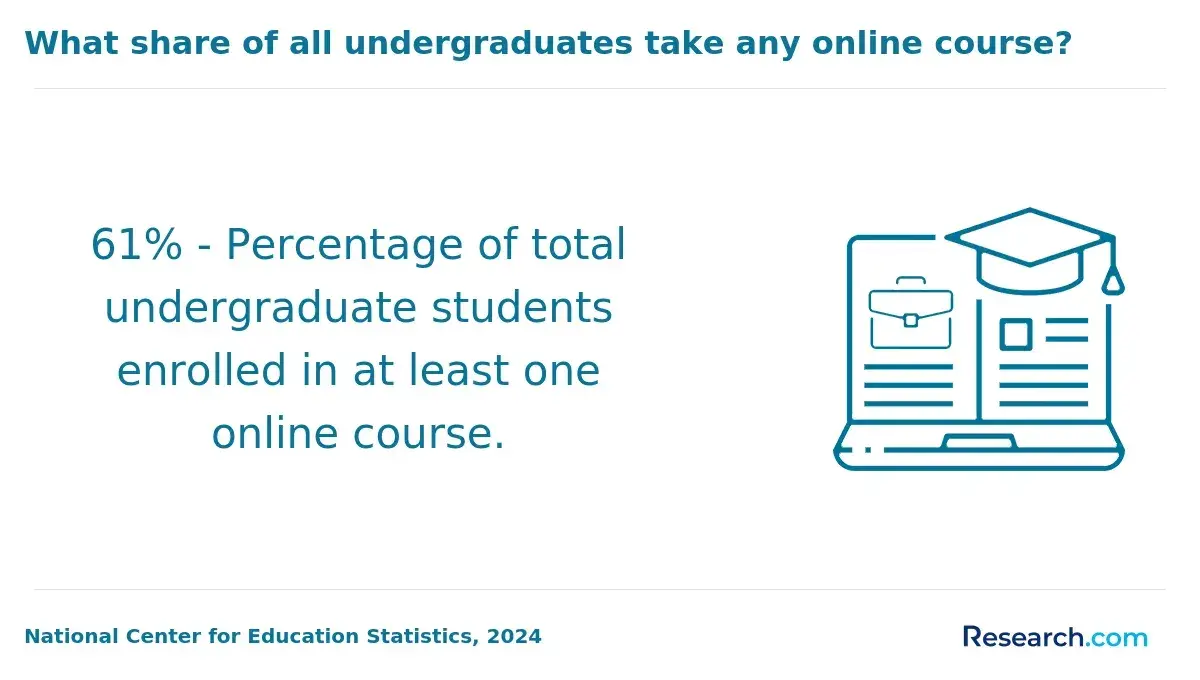
Online education is now common in higher education. Nearly 45% of higher education students took at least one online course, which has helped normalize online study across many academic and professional fields. Even so, licensing boards do not approve degrees simply because they are convenient or institutionally legitimate. They evaluate whether the program satisfies specific educational prerequisites.
For music business students, the key question is not, “Is the degree online?” but, “Does this program match the requirements for the exact license or credential I plan to pursue?” In many music business careers, a degree can strengthen employment prospects without being a formal licensing requirement. In regulated occupations, however, the degree may need to include prescribed coursework, clinical or supervised hours, legal training, or board-approved field experience.
What determines whether the degree counts?
- Institutional accreditation: The school should be accredited by a recognized accreditor accepted by the licensing authority.
- Program relevance: The curriculum must align with the profession’s required competencies, such as law, finance, ethics, music therapy, or broadcasting standards.
- Practical experience: Some credentials require internships, supervised practice, clinical hours, or documented professional projects.
- State or board approval: A program accepted in one state or profession may not satisfy another state’s rules.
- Documentation: Students may need syllabi, course descriptions, fieldwork verification, and official transcripts to prove eligibility.
Students comparing academic paths should also review broader guidance on best degrees to understand how different majors align with long-term professional goals.
Which Music Business Careers Require Professional Licensure?
Most music business jobs do not require a state license. Roles in artist management, concert promotion, label operations, music marketing, booking, distribution, and publishing administration are typically governed by employer expectations, contracts, industry experience, and professional reputation rather than licensure. However, some careers adjacent to music business are regulated because they involve healthcare, law, public broadcasting, or financial responsibility.
Approximately 20% of all occupations in the U.S. require state licensure, so students should identify whether their intended role falls into a regulated category before choosing a program. The following careers are the most likely to involve formal licensing, certification, or board approval.
- Music Therapist: Music therapists use structured music interventions to support physical, emotional, cognitive, and social goals. This career often requires specialized education, supervised clinical training, and credentialing beyond a general music business degree. A standard music business curriculum alone is unlikely to meet all requirements unless it is specifically designed for music therapy preparation.
- Copyright Lawyer or Entertainment Attorney: Professionals who provide legal advice, represent clients, negotiate legal disputes, or practice intellectual property law must generally complete law school requirements and obtain a law license. A music business degree can be useful background, but it does not replace a Juris Doctor or bar admission.
- Performing Rights or Licensing Specialist: Many rights administration roles do not require state licensure, but legal representation or formal legal counsel does. Students should distinguish between business-side copyright administration and licensed legal practice.
- Broadcast or Audio Engineer: Some technical roles in regulated broadcasting environments may require licenses, certifications, or compliance training. Requirements vary based on job duties, equipment, employer, and applicable FCC standards.
- Escrow Agent, Royalty Accountant, or Entertainment Accountant: Handling client funds, escrow accounts, tax matters, or regulated financial services may trigger state licensing, accounting credentials, or other compliance requirements. A music business degree may support the role but may not satisfy financial licensing rules on its own.
A useful way to evaluate a career goal is to ask whether the work involves treating clients, practicing law, handling regulated funds, operating regulated communications systems, or signing official professional documents. If it does, licensure may be relevant. If the work is primarily creative operations, marketing, management, or administration, licensure is less likely to be required.
- : "“I didn’t realize how complex the process was until I started working within roles that demanded specific licenses. The paperwork and waiting periods often felt overwhelming, especially while I was also gaining practical experience. Ultimately, obtaining the proper license built my confidence and credibility with clients, but the process required patience and careful attention to regulatory details.”"
What Accreditation Is Required for Music Business Licensure?
Accreditation is one of the first things licensing boards, employers, and graduate programs review when evaluating an online degree. It signals that a school or program has been reviewed against defined academic standards. For licensure, however, the type of accreditation matters. A school can be legitimately accredited and still not meet the specialized requirements for a specific license.
Graduates from accredited music business programs experience a 35% higher success rate in securing relevant credentials, which underscores why students should verify accreditation before enrolling. The most relevant accreditors depend on whether the program is housed in a music school, business school, or broader university structure.
- The National Association of Schools of Music (NASM): NASM is a major accreditor for music-related programs. For students pursuing music-focused credentials, NASM accreditation may indicate that the curriculum meets recognized artistic, academic, and professional standards in music education and training.
- The Accreditation Council for Business Schools and Programs (ACBSP): ACBSP focuses on business education quality. This can be relevant when music business programs emphasize management, entrepreneurship, marketing, accounting, or business operations.
- The Middle States Commission on Higher Education (MSCHE): MSCHE is a regional institutional accreditor. Regional accreditation is often important because licensing boards and graduate schools commonly require degrees from recognized institutions.
- The Southern Association of Colleges and Schools Commission on Colleges (SACSCOC): SACSCOC is another major regional accreditor. Its recognition can support the legitimacy of the institution offering the degree, though students must still confirm whether the specific program meets any profession-specific requirements.
How to read accreditation for licensure purposes
| Accreditation question | Why it matters | What students should verify |
| Is the institution accredited? | Licensing boards often reject degrees from unrecognized institutions. | Confirm the accreditor through official school and accreditor sources. |
| Is the program itself accredited or approved? | Some professions require specialized program approval, not just school accreditation. | Ask whether the music business program satisfies the intended licensing pathway. |
| Does the accreditor match the career goal? | Music, business, law, therapy, and finance credentials may rely on different standards. | Compare the accreditor with the licensing board’s published requirements. |
| Will the accreditation be accepted in your state? | State licensing rules can differ even for similar careers. | Contact the state board before enrolling, especially if you may move. |
Do Licensure Requirements Vary by State for Music Business Careers?
Yes. Licensure requirements can vary significantly by state, especially in professions tied to healthcare, law, accounting, finance, and regulated technical work. Nearly 40% of licensed professions display considerable variation in educational prerequisites across states, which means an online music business degree that supports eligibility in one jurisdiction may not be sufficient in another.
State variation is especially important for online students because they may enroll in a program based in one state while living, interning, and seeking licensure in another. The licensing board that matters is usually the board in the state where the student plans to practice, not necessarily the state where the school is located.
Common ways state requirements differ
- Accepted accreditation: Some states specify regional accreditation, specialized accreditation, or board-approved programs.
- Required coursework: States may require particular subjects, credit hours, or course sequences for regulated roles.
- Supervised experience: Internship, clinical, or fieldwork hour requirements may differ by state and profession.
- Exam eligibility: Some states require board approval before a candidate can sit for a licensing exam.
- Reciprocity rules: A license earned in one state may not transfer automatically to another.
- Online education policies: Some boards accept online coursework readily, while others scrutinize remote labs, practicums, or supervised experiences more closely.
Students should not rely only on admissions representatives for licensing guidance. A school can explain its program, but the licensing board controls eligibility. Before enrolling, compare the program’s disclosures with the state board’s rules and keep written records of any guidance you receive.
Students who want to understand how licensing rules differ across helping professions may find related comparisons, such as an online family counseling degree, useful for seeing how state-by-state licensure review works in another regulated field.
What Online Courses Are Required for Music Business Licensure?
There is no universal set of online music business courses that guarantees licensure because licensure depends on the specific profession. Still, programs that support credentialed or regulated career paths usually include coursework in music industry operations, business fundamentals, law, ethics, finance, and applied professional practice. With over 40% of higher education students engaged in at least one online course, many schools now deliver these subjects in flexible formats.
Students should review course titles, descriptions, credit hours, and learning outcomes rather than relying only on the degree name. A “music business” degree can vary widely from one school to another. Some programs emphasize entrepreneurship and promotion, while others include stronger legal, financial, or technical preparation.
- Foundational Theory: Courses in music theory, music history, and industry structure help students communicate with artists, producers, publishers, and rights organizations. These courses are usually supportive rather than licensing-specific.
- Applied Practice: Courses in artist management, music marketing, concert promotion, royalty administration, and entrepreneurship build practical business skills. These are valuable for employment and may help document professional preparation.
- Legal and Ethical Standards: Coursework in contract law, intellectual property, copyright, licensing, negotiation, and ethics is especially important for students working with rights, royalties, client agreements, or entertainment law teams.
- Research Methods: Courses in market analysis, data interpretation, consumer behavior, and industry research help students make evidence-based business decisions.
- Finance and Accounting: Students interested in royalty accounting, publishing administration, escrow-related work, or entertainment finance should look for coursework in accounting, budgeting, taxation, and financial compliance.
- Technology and Production Operations: Students pursuing broadcast, audio, or technical roles may need training in audio systems, digital distribution, production workflows, and regulatory compliance.
One graduate described the legal coursework as the most valuable part of her online program: “Understanding contracts and rights felt daunting at first but became my strongest asset.” Her experience reflects an important point: online coursework can be rigorous and useful, but students must confirm that required subjects are present before assuming the degree will satisfy a credentialing pathway.

Do Online Music Business Programs Require Internships for Licensure?
Some online music business programs require internships, while others offer them as optional electives or career-development experiences. Whether an internship is required for licensure depends on the profession. For many music business roles, internships improve employability but are not a formal licensing requirement. For regulated careers, supervised experience may be mandatory and must meet board standards.
Research shows that nearly 60% of hybrid or online degree programs in arts and business include experiential learning opportunities. These experiences can be valuable because the music industry depends heavily on relationships, portfolio evidence, negotiation skills, and real-world problem-solving. However, students should not assume that any internship will satisfy licensure requirements.
Internship requirements: what to check
- Is the internship required for graduation? Some programs require an internship to complete the degree, regardless of licensure.
- Is the internship approved by a licensing board? If the career is regulated, the board may require specific supervision, documentation, and hour totals.
- Can online students complete placements locally? Strong programs help remote students find approved opportunities near where they live.
- Who supervises the experience? Some credentials require supervision by a licensed or certified professional.
- What documentation is provided? Students may need signed logs, evaluations, role descriptions, and proof of completed hours.
The practical value of an internship is often high even when it is not required for licensure. Internships can help students build references, understand industry workflows, develop client communication skills, and test whether a career path fits their goals. The risk is assuming an internship “counts” without written confirmation from the program and, when applicable, the licensing board.
How Do Licensing Exams Work for Online Music Business Graduates?
Licensing exams are usually tied to specific regulated professions, not to music business degrees in general. If a graduate pursues a licensed role, the exam process normally begins with an eligibility review. The licensing board or credentialing organization checks education, supervised experience, application materials, fees, and sometimes background requirements before allowing the candidate to test.
About 78% of candidates holding online music business degrees pass their professional certification exams on the first try. That figure suggests online graduates can be well prepared when their programs align with exam content and when students use focused preparation strategies. Still, exam eligibility is not guaranteed by degree completion alone.
- Eligibility Requirements: Candidates may need a degree from an accredited institution, specific coursework, official transcripts, supervised experience, or board approval. Online graduates should verify that remote coursework and field experiences are accepted before applying.
- Exam Content: Depending on the credential, exams may cover music industry law, rights management, marketing, contract negotiation, financial operations, ethics, or profession-specific regulations.
- Preparation Strategies: Strong preparation often combines program coursework with practice exams, case studies, legal scenarios, calculation practice, and review of current industry rules.
- Exam Administration: Exams may be delivered through secure online testing platforms or authorized testing centers. Identity verification, proctoring, and exam rules are used to protect test integrity.
- Retake and renewal policies: Some credentials require continuing education, renewal fees, or periodic retesting. Students should review long-term maintenance requirements, not just initial exam eligibility.
The safest approach is to work backward from the exam requirements. Identify the credential, read the candidate handbook, compare required topics with the program curriculum, and ask the school how it helps students document eligibility.
How Do You Verify an Online Music Business Program's Licensure Status?
To verify whether an online music business program supports licensure, students should check three sources: the school, the accreditor, and the licensing board or credentialing organization. Do not rely on general statements such as “career-ready,” “industry-aligned,” or “professional preparation.” Those phrases may be accurate but do not necessarily mean the program satisfies licensing requirements.
Studies indicate nearly 30% of students nationwide enroll in programs lacking proper accreditation or licensure support, which can limit eligibility for professional practice. A careful verification process can prevent costly surprises after graduation.
- Identify the exact credential you want. Determine whether your target career requires a state license, professional certification, registration, graduate degree, or no formal credential.
- Find the official licensing authority. Use the state board, professional association, or credentialing body that controls eligibility for your intended role.
- Read the education requirements directly. Look for required accreditation, degree level, course topics, credit hours, supervised experience, and exam prerequisites.
- Check the school’s disclosures. Reputable programs should state whether they meet, do not meet, or have not determined licensure requirements in specific states.
- Confirm institutional recognition. Verify that the institution is recognized by legitimate regional or national education authorities.
- Ask for documentation. Request course descriptions, syllabi, internship policies, field placement procedures, and any licensure alignment documents.
- Review outcomes when available. Licensure exam pass rates, graduate employment data, and placement information can help assess whether the program supports student goals.
- Get answers in writing. Save emails from the school and licensing board in case you need to document what you were told.
Students considering management or executive roles may also compare broader graduate options, including a PhD in leadership online, if their long-term plans involve organizational leadership in music, entertainment, or arts administration.
The most important rule is simple: verify before enrolling. Licensure rules can affect where you study, where you complete fieldwork, where you live, and where you can legally practice.
What Challenges Do Online Music Business Students Face With Licensure?
Online music business students face the same core licensing challenge as campus-based students: they must prove that their education matches the rules of a specific profession and jurisdiction. The added difficulty is that online students may cross state lines, complete remote coursework, arrange local internships, or enroll in programs that were not designed for every state’s requirements.
Graduates from online programs report up to 20% lower rates of licensure attainment compared to on-campus students, which points to the importance of early planning. The barrier is rarely the online format alone. More often, students run into problems with documentation, state authorization, field placement, or curriculum mismatch.
- Varied Program Expectations: Licensing requirements differ across states and professions. A program may be academically strong but still fail to match a particular board’s required coursework or supervised experience standards.
- Documentation Requirements: Boards often ask for detailed proof, including official transcripts, syllabi, hour logs, supervisor credentials, and course descriptions. Online students should confirm that the school can provide this documentation.
- Curriculum Alignment: Some music business programs emphasize entrepreneurship or marketing but offer limited coursework in law, finance, ethics, therapy, or technical compliance. That mismatch can delay or block eligibility for regulated roles.
- Field Placement Access: Remote students may need approved internships or supervised experience in their local area. Programs that do not assist with placements can leave students responsible for finding eligible sites on their own.
- State Authorization Issues: Schools may not be authorized to offer online education or supervised placements in every state. Students should confirm both enrollment eligibility and licensure alignment.
- Credential Confusion: Students sometimes confuse certificates, professional certifications, and state licenses. These credentials serve different purposes and have different requirements.
Students comparing music business programs with other flexible business pathways may also review business degrees online to understand cost, accreditation, and delivery options across related fields.
For broader context on graduate-level online business education, students may also consult an online MBA programs comparison when evaluating whether a specialized music business degree or a broader business credential better fits their goals.
Are Online Music Business Degrees Respected in Licensed Professions?
Online music business degrees can be respected in licensed and credentialed professions when they come from accredited institutions, include relevant coursework, document practical experience, and prepare students for the standards of the profession. Employers and licensing bodies increasingly focus on program quality and demonstrated competence rather than delivery format alone.
A 2023 report from the National Association of Colleges and Employers found that 84% of employers regard online degrees from accredited schools as equally credible to traditional ones. That acceptance is important, but it does not remove licensing requirements. A respected degree and a license are separate things: the degree may support eligibility, while the licensing authority decides whether the applicant meets legal or professional standards.
What makes an online degree credible?
- Recognized accreditation: The institution and, when relevant, the program should be accredited by accepted bodies.
- Transparent licensure disclosures: The school should clearly state whether the program meets educational requirements in specific states.
- Relevant curriculum: Courses should match the student’s intended career path, whether that involves law, finance, management, rights administration, or technical operations.
- Experienced faculty: Instructors with music industry, legal, business, or technical experience can strengthen applied learning.
- Career and fieldwork support: Internships, networking, portfolio development, and documentation support matter in a relationship-driven industry.
- Graduate outcomes: Employment data, certification outcomes, and alumni roles can help students judge whether the program delivers practical value.
This evaluation is similar to how professional readiness is assessed in other fields, including architecture programs, where delivery format matters less than accreditation, supervised experience, portfolio quality, and compliance with professional standards.
The bottom line: an online music business degree can be respected, but students pursuing licensed roles should choose programs based on accreditation, licensure alignment, and documented outcomes rather than convenience alone.
What Graduates Say About Online Music Business Degree Licensure Qualifications
- : "“Deciding to pursue an online music business degree for licensure was a game-changer for me. I appreciated the flexibility it offered while still meeting the necessary educational standards. It turned out to be an effective pathway that balanced my career growth with obtaining the credentials I needed.” — Pascal"
- : "“When I started my online music business degree, I was skeptical about whether it would qualify for licensure. After careful research, I found that many programs can meet licensure requirements if chosen carefully. This process taught me the importance of verifying accreditation, state rules, and program disclosures before making a decision.” — Ralph"
- : "“Having obtained licensure through an online music business degree, I can confidently say the license opened new doors professionally. It gave me a stronger foundation in industry knowledge and demonstrated my commitment to the field. The credential improved my opportunities and the respect I receive from clients and colleagues.” — Antoinette"
Other Things You Should Know About Music Business Degrees
Online music business degree programs typically focus on industry knowledge, marketing, and management rather than preparing students for licensure exams. Since music business careers rarely require formal licensure, these programs do not usually include exam preparation for state or national licenses. Students interested in licenses related to specific roles, such as intellectual property law or entertainment law, may need additional legal education beyond the music business curriculum.
In 2027, an online music business degree primarily prepares students for roles within the music industry and does not directly qualify one for specific professional licensure. However, optional certifications such as music copyright or production may enhance career opportunities and recognition in the field.
In the rare instances where licensure is required in music business-related fields, such as artist management certification or financial licensing for handling royalties, further certifications beyond the degree are necessary. Online music business degrees usually do not grant or directly lead to these additional certificates. Students must seek these credentials separately through professional organizations or licensing boards.
Credits earned in an online music business degree program may count toward educational prerequisites for some licenses if they align with course requirements. However, since licensure criteria vary widely depending on the specific career path, students must verify with relevant licensing authorities whether their online coursework is accepted. Transferring credits usually depends on the accreditation and curriculum relevance of the program.
References
- ASCAP Music Licensing & Music Licenses https://www.ascap.com/music-users
- Bachelor's Degree - BA Global Music Business | Online https://edu.garnishmusicproduction.com/ba-music-business/
- TheMusicLicence https://pplprs.co.uk/themusiclicence/
- MEIEA https://www.meiea.org/Journal/Vol10/Channell_Anderson
- Certification Criteria - RIAA https://www.riaa.com/gold-platinum/certification-criteria/
- Understanding Music Licensing - NFIB https://www.nfib.com/news/legal-blog/understanding-music-licensing/
- Study Music Business | Ultimate Guide https://www.icmp.ac.uk/blog/study-music-business-ultimate-guide
- How to Get Business Licenses and Permits for Your Music or Arts Business | Trinity Orchestra | Harrow's premier orchestra https://trinityorchestra.org.uk/how-to-get-business-licenses-and-permits-for-your-music-or-arts-business/
- Manager Certification - Music Managers Forum (MMF) https://themmf.net/manager-certification/
- National Association of Schools of Music Commission on Accreditation - (NASM) https://www.chea.org/national-association-schools-music-commission-accreditation