2027 Cheapest Accelerated Music Business Degree Programs Online

Co-Founder and Chief Data Scientist
Choosing an accelerated online music business degree is a cost-and-time decision, not just a program search. The right option can help working adults, parents, transfer students, and military-affiliated learners finish faster, use prior credits, and avoid unnecessary debt. The wrong option can leave students with nontransferable credits, unclear fees, or a credential employers may question.
This guide explains how to compare the cheapest accelerated music business degree programs online by total cost, accreditation, transfer policy, schedule flexibility, and career relevance. It also covers financial aid, prior learning credit, and the program features that matter most if you need to keep working while earning a degree. Because only 35% of music business graduates in the U.S. earn salaries above $50,000 within five years, affordability and credential quality should be evaluated before enrollment—not after loans are taken out.
Key Things to Know About the Cheapest Accelerated Music Business Degree Programs Online
- Accelerated online music business programs cut time and tuition via flexible scheduling, transfer credits, and fast-track formats-reducing student debt and enabling quicker entry into the $43 billion music industry.
- Compare accreditation, total costs, financial aid availability, and hidden fees carefully-many low-cost programs lack regional accreditation, affecting transferability and employer recognition.
- Verify transfer policies, pacing rules, residency requirements, and career outcomes before enrolling to ensure the program supports timely graduation and aligns with professional licensure or job market demands.
What Are the Cheapest Accelerated Music Business Degree Programs Online?
The cheapest accelerated online music business degree programs are usually found at accredited public universities, transfer-friendly colleges, and online institutions that let students move faster through previous coursework, prior learning, or competency-based formats. The lowest advertised tuition is not always the best deal; the real measure is the total cost to finish the degree.
Data from the U.S. Department of Education shows that accelerated degrees reduce completion time by up to 50%, but students only see meaningful savings when the program also accepts credits efficiently and avoids excessive fees. Look closely at these common low-cost program models:
- Public universities: State-funded institutions often provide lower online tuition than private colleges, especially for residents. Many also have established transfer pathways from community colleges, which can reduce the number of credits students still need to complete.
- Competency-based education: Competency-based programs allow students to advance by demonstrating mastery rather than sitting through a fixed semester schedule. This can be valuable for students who already have music, entertainment, marketing, business, or management experience.
- Transfer-friendly programs: Programs that accept up to 90 credits can significantly shorten the path to graduation. This is especially important for students with an associate degree, unfinished bachelor’s credits, military training, or prior professional coursework.
- Flat-rate tuition models: Some online schools charge a flat rate per term or use subscription-style pricing. These models can lower costs for disciplined students who can complete multiple courses in a term, but they may cost more if a student needs to slow down.
When comparing options, ask each school for a written transfer evaluation and a full degree plan before enrolling. A program that looks cheap per credit may become expensive if few credits transfer or if the school requires many upper-division courses in residence. Students comparing music business with broader business pathways may also want to review this guide to online programs that pay well.
How Much Does an Accelerated Online Music Business Degree Cost?
The cost of an accelerated online music business degree depends on tuition structure, transfer credits, fees, enrollment pace, and financial aid. A low per-credit price helps, but the biggest savings often come from reducing the number of credits you must take and finishing before additional terms add up.
- Per-credit pricing: Many public universities offer per-credit tuition ranging from $200 to $300. This model is easier to compare across schools, but students should still ask whether online, technology, course material, or graduation fees are charged separately.
- Flat-rate tuition: Competency-based models, such as those at Western Governors University, allow students to pay a fixed amount per term regardless of course load. This can be cost-effective for students who can move quickly, but less efficient for students who need a lighter schedule.
- Transfer credit savings: Transfer credits can reduce both tuition and time in school. Before committing, request a formal or preliminary credit evaluation so you know which credits apply to the major, general education, electives, and upper-division requirements.
- Reduced indirect costs: Fully online programs can eliminate housing and commuting expenses. However, students should still budget for books, software, recording or production tools, exam proctoring, and reliable internet access.
Students should compare programs using “total cost to degree,” not just annual tuition. For example, a school with a slightly higher tuition rate may be cheaper overall if it accepts more credits, offers stronger financial aid, or lets students finish sooner. For a broader view of how online programs structure affordability, cost-conscious students can also compare pricing models used in masters in psychology online programs.
Are Cheap Accelerated Music Business Degree Programs Accredited and Legitimate?
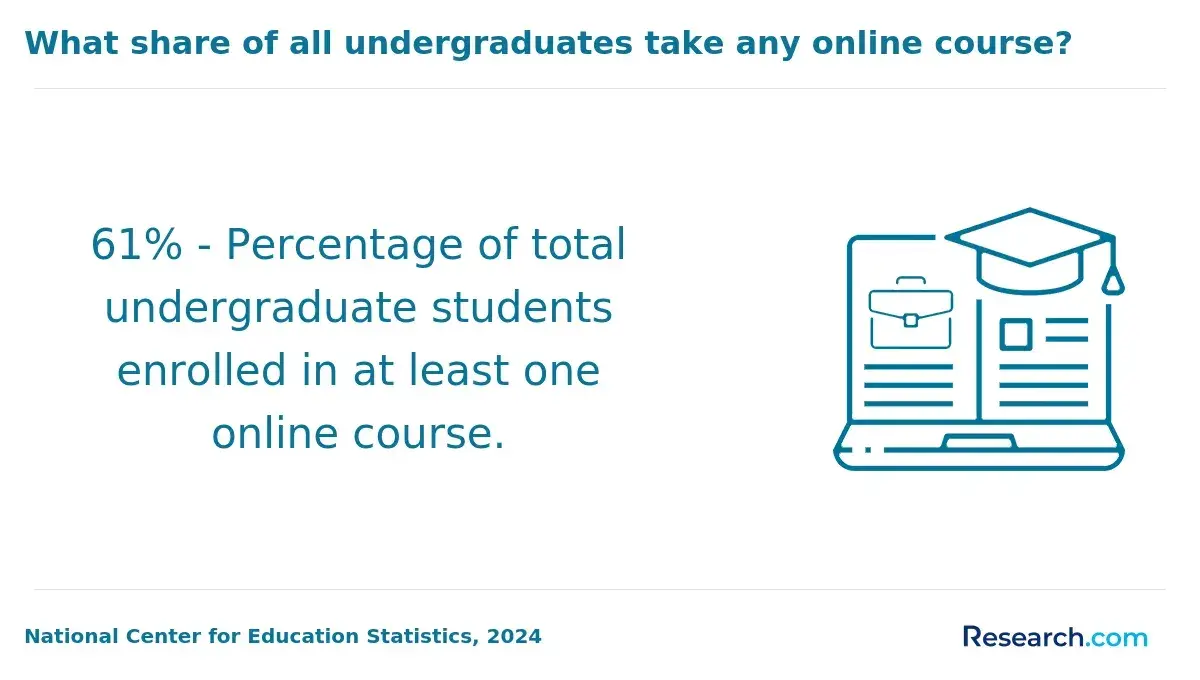
Cheap accelerated music business degree programs can be legitimate, but affordability should never replace accreditation review. As online education expands—enrolling over 6 million students annually—students need to verify whether a program is recognized, transferable, and respected by employers.
Before applying, confirm these quality markers:
- Regional accreditation: Regional accreditation is widely recognized in U.S. higher education and is important for credit transfer, graduate school admission, employer acceptance, and federal financial aid eligibility. Always verify accreditation through official accreditor or institutional sources rather than relying only on marketing pages.
- Public or nonprofit status: Public and nonprofit universities often have stronger oversight, clearer academic governance, and more established reputations than many for-profit providers. This does not mean every nonprofit program is strong, but it is a useful risk filter.
- State authorization: Online programs must be authorized to enroll students in applicable states. This matters because authorization affects consumer protections, complaint processes, and whether the school can legally offer instruction to students where they live.
- Industry alignment: Music business programs should connect coursework to entertainment law, artist management, publishing, licensing, marketing, finance, entrepreneurship, live events, and digital distribution. Faculty experience, internships, capstone projects, and employer partnerships can signal whether the curriculum reflects current industry practice.
Students should be cautious of programs that promise unrealistically fast completion without evaluating prior credits, avoid publishing tuition details, or make vague claims about job placement. A credible accelerated program should still require meaningful academic work, transparent policies, and documented learning outcomes.
One graduate who completed an accelerated music business degree described accreditation research as the step that gave him confidence before enrolling: “It gave me confidence knowing my degree would be respected when I applied for jobs. The pace was fast, but I never felt the program sacrificed quality—just flexibility.” His experience highlights an important point: acceleration is useful only when the credential remains credible.
What Are the Fastest Online Music Business Degree Programs?
The fastest online music business degree programs are usually designed around transfer credit, short terms, year-round enrollment, and competency-based progress. Recent data shows that adult student enrollment in online degree programs has increased by over 30% in the past five years, which helps explain why more schools now offer flexible completion pathways.
- Competency-based education: Self-directed learners may finish quickly by proving mastery of required competencies. Some students finish in 12 to 18 months, especially if they bring prior coursework, professional experience, or strong familiarity with business concepts.
- Transfer-credit-optimized pathways: Students entering with an associate degree, prior bachelor’s credits, or approved certifications may be able to finish a bachelor’s degree in as little as 1 to 2 years, depending on how credits apply to major and residency requirements.
- Year-round enrollment and 8-week courses: Programs with multiple start dates and shorter course sessions allow students to take classes continuously instead of waiting for traditional fall and spring semesters. These formats typically reduce total study time to 2 to 3 years.
- Prior learning assessment: Some colleges award credit for military training, professional portfolios, exams, or industry certifications. This can reduce both time and cost, but policies vary by institution and may require fees or documentation.
The fastest program is not automatically the best program. Students should match pace to available study time, work responsibilities, and academic readiness. A compressed 8-week course can be efficient, but it may require a heavier weekly workload than a traditional semester. Before enrolling, ask how many hours students typically spend per course each week and whether courses are offered every term. For additional perspective on balancing cost and speed in online education, students may find this online psychology degree cost resource useful.
Which Online Music Business Degree Programs Are Best for Working Adults?
The best online music business degree programs for working adults combine asynchronous coursework, predictable scheduling, generous transfer policies, and strong advising. A fast program is only practical if it fits around employment, family responsibilities, and unpredictable weekly demands. A 45% rise in adult learners choosing flexible online options over traditional formats reflects that need.
- Asynchronous learning: Asynchronous courses let students access lectures, discussions, and assignments on their own schedule. This format works well for people with rotating shifts, caregiving duties, touring schedules, or freelance work.
- Competency-based pathways: Students with music industry, marketing, sales, event, production, or management experience may benefit from programs that let them move quickly through familiar material. This model requires self-motivation and careful time management.
- Transfer-friendly colleges: Working adults often bring prior credits from more than one institution. Programs with clear transfer maps and adult learner advising can prevent credit loss and reduce repeated coursework.
- Part-time flexible formats: Not every working adult should choose the most aggressive pace. A steady part-time plan may be better for students with full-time jobs, family obligations, or inconsistent work hours.
Students comparing music business programs with broader business pathways may also consider whether a business management degree online offers more flexibility if they want a credential that applies beyond the music industry.
A graduate working in music business described asynchronous learning as the feature that made completion realistic: “The asynchronous setup was a game-changer—I could study after late work shifts and still keep up with family.” She also noted that a clear degree roadmap and responsive faculty helped her stay on track. For working adults, that structure can matter as much as speed.
What Flexible Scheduling Options Are Available in Accelerated Music Business Programs?
Flexible scheduling is one of the main reasons students choose accelerated online music business programs. Because 60% of online learners are adults balancing multiple obligations, schools increasingly offer formats that let students move quickly without requiring daily campus attendance.
- Asynchronous coursework: Students complete lectures, readings, discussions, and assignments at times that fit their schedule. This is the most flexible model, but it requires strong planning because deadlines still apply.
- Competency-based progression: Learners advance after demonstrating mastery of required outcomes. This can help experienced students accelerate, while also allowing extra time for unfamiliar subjects.
- Evening and weekend classes: Some programs include live sessions outside traditional business hours. These can improve interaction with faculty and classmates, but students should confirm attendance expectations before enrolling.
- Rolling start dates: Multiple start dates reduce the wait between application, admission, and enrollment. This helps students begin sooner and maintain momentum across terms.
- Condensed terms: 8-week courses allow students to complete more classes during the year. The trade-off is intensity: assignments, readings, projects, and exams arrive faster than in a standard semester.
The best schedule depends on work patterns and learning style. Students who need maximum control should prioritize asynchronous and competency-based formats. Students who prefer accountability may do better with structured weekly deadlines or scheduled live sessions.
Which Accelerated Music Business Degree Programs Accept the Most Transfer Credits?
Accelerated music business programs that accept the most transfer credits are usually built for adult learners, degree-completion students, and military-affiliated students. Nearly 40% of college students transfer at least once, and prior learning assessments can reduce time to degree by up to a semester, so transfer policy can be one of the biggest affordability factors.
- Community college articulation: Programs with formal agreements with community colleges can make it easier to transfer general education, business, and introductory music industry courses. These agreements reduce uncertainty because students know in advance which courses will count.
- Prior learning assessments: CLEP or DSST exams, military training, portfolios, professional certifications, and documented work experience may qualify for academic credit. Policies vary, so students should ask what evidence is required and whether assessment fees apply.
- High transfer credit limits: Adult-focused programs may require only 12-30 credits to be completed through the degree-granting institution, with transfer caps reaching 90-105 credits. These policies can dramatically reduce the remaining cost of a bachelor’s degree.
- Statewide transfer pathways: Some states use standardized transfer systems across public colleges and universities. These pathways can simplify planning for students moving from a community college to an online bachelor’s program.
Do not rely on a general statement such as “transfer credits accepted.” Ask how credits apply: major requirements, electives, general education, upper-division courses, and residency rules are all different categories. A school may accept many credits overall while still requiring additional music business major courses.
Can Prior Learning or Work Experience Reduce the Time and Cost of a Music Business Degree?
Yes. Prior learning, work experience, military training, professional certifications, and previous college coursework can reduce both time and cost if the school has clear policies for awarding credit. Nearly 70% of adult learners transfer credits or use prior-learning assessments to fast-track degree completion, making this a major consideration for nontraditional students.
- Transfer credit articulation: Credits from accredited colleges may transfer directly into general education, business, elective, or major requirements. Students should request a course-by-course evaluation before deciding where to enroll.
- Competency-based education models: These programs may allow students to move faster through subjects they already understand. For students with practical experience in music marketing, artist services, production coordination, or entrepreneurship, this can reduce repeated instruction.
- CLEP and DSST exams: These standardized exams can provide a lower-cost way to earn credit in subjects such as business, communications, or general education areas, depending on institutional policy.
- Portfolio assessments and prior learning assessment (PLA): Some schools review portfolios, certifications, military records, or workplace documentation to determine whether experience meets college-level learning outcomes.
The amount of credit awarded depends on the institution’s residency requirements, accreditation standards, faculty review process, and degree requirements. Students should ask three specific questions: how many credits can transfer, how many must be completed at the institution, and whether prior learning credits count toward the music business major or only electives.
For students comparing fast, transfer-friendly business pathways, this accelerated business administration degree online guide provides additional context on competency-based and credit-efficient options.
What Financial Aid Options Are Available for Online Music Business Students?
Online music business students may qualify for federal aid, scholarships, employer tuition support, military benefits, and state aid, depending on the school and the student’s eligibility. Approximately 60% of adult online learners utilize some form of financial support, so students should complete financial planning early rather than assuming an “affordable” program will be manageable out of pocket.
- Federal grants and loans: Pell Grants and Direct Subsidized Loans from the U.S. Department of Education can help eligible students pay for accredited programs. Grants are especially valuable because they do not require repayment.
- Employer tuition assistance: Some employers reimburse tuition for degrees connected to current or future roles. Students working in entertainment, marketing, administration, event operations, or business settings should ask whether music business coursework qualifies.
- Institutional scholarships: Accredited universities may offer merit-based, need-based, transfer student, adult learner, or online student scholarships. Scholarship deadlines may differ from admission deadlines, so students should check both.
- Military education benefits: Veterans, active-duty service members, and eligible dependents may be able to use GI Bill® benefits or tuition assistance for approved programs.
Students should compare the net price after grants and scholarships, not just the published tuition. They should also confirm whether accelerated enrollment affects aid disbursement, satisfactory academic progress rules, and eligibility for part-time study. For comparison across online fields, students can review how aid and affordability are discussed in masters in therapy programs.
What Should Students Look for When Choosing an Affordable Accelerated Music Business Program?
Students should choose an affordable accelerated music business program by evaluating accreditation, total cost, transfer policy, schedule design, and student support—not by tuition alone. Nearly 70% of adult learners rely on transfer credits or accelerated formats to finish degrees faster and more affordably, but those benefits depend on the school’s actual policies.
- Accreditation status: Confirm that the institution is properly accredited and that the program meets your academic, transfer, and employer-recognition needs.
- Total tuition cost: Review tuition, fees, books, technology requirements, portfolio assessment charges, and graduation fees. Ask for an estimated total cost to completion.
- Transfer credit policies: Look for generous transfer limits, clear residency requirements, and written evaluations. Credits should reduce the number of required courses, not just appear on a transcript as unused electives.
- Flexible accelerated scheduling: Decide whether you can manage 8-week courses, competency-based pacing, year-round enrollment, or a part-time plan. Faster is only better if it is sustainable.
- Student support services: Strong online advising, tutoring, library access, technical support, and career services can improve completion odds, especially for students who have been away from college for several years.
| Program Feature | Why It Matters | Question to Ask |
| Accreditation | Protects degree credibility, transfer options, and financial aid access | Who accredits the institution, and is the program eligible for federal aid? |
| Transfer credit | Can reduce time and tuition | How many of my credits apply to the degree requirements? |
| Accelerated format | Shortens completion time but increases workload intensity | How many hours per week should I expect per course? |
| Career relevance | Connects coursework to music business roles and industry needs | Are there projects, internships, faculty with industry experience, or career support? |
The strongest choice is usually the program that gives you the clearest path to graduation at the lowest realistic net cost while still offering a recognized credential and relevant music business training.
What Do Students Say About Cheap Accelerated Online Music Business Degree Programs?
- Paxton: "Balancing a full-time job while pursuing an accelerated music business degree online was intimidating at first, but the flexible schedule made it realistic. Financial aid for online students helped reduce the pressure, and choosing an affordable program let me focus on finishing without taking on more debt than I was comfortable with."
- Ameer: "Changing careers in my early 30s meant I needed a program that was both efficient and cost-conscious. The online format gave me room to manage personal responsibilities, and the accelerated structure helped me keep momentum instead of stretching the degree out for years."
- Nathan: "As a nontraditional student, I cared most about affordability, pacing, and whether the program respected the credits I already had. The best options I found combined flexible scheduling with financial aid guidance, which made the degree feel possible instead of overwhelming."
Other Things You Should Know About Music Business Degrees
Many affordable accelerated music business programs provide career services such as resume building, interview preparation, and job placement assistance. Some schools also offer networking events and industry connections to help students secure internships or entry-level positions in the music industry. Access to alumni networks can add further value in launching a music business career.
Yes, these accelerated programs generally cover core music business subjects like music marketing, copyright law, artist management, and revenue streams in the music industry. The curriculum is often condensed but designed to meet the same academic standards as traditional programs while allowing students to complete courses faster.
Students typically need reliable internet access, a computer capable of running multimedia applications, and software relevant to music business tasks such as audio editing or music management tools. Programs may also require access to video conferencing platforms for live classes and group collaboration.
References
- Join Our Music Business Program Online | Musicians Institute https://www.mi.edu/music-business/
- How to Choose the Best Music Business Program https://blog.trevecca.edu/thehill/how-to-choose-the-best-music-business-program
- Music Business Online Degree https://go.degreegrad.com/learn/musicbus
- Careers for Music Business Majors https://majoringinmusic.com/careers-for-music-business-majors/
- 7 Best Music Business Degree Programs https://www.careersinmusic.com/music-business-degree/
- Music Business Bachelor of Science - Online Degree Course Listing https://www.fullsail.edu/degree-course-listing/music-business-bachelor-of-science-online
- Music Business Degree: Is It Worth It? | Orphiq https://orphiq.com/resources/music-business-degree-worth-it
- Music Business - ACM https://www.acm.ac.uk/courses/music-business/
- Career Paths You Can Take in the Music Industry | SPARDHA https://www.spardhaschoolofmusic.com/blog/music-industry-careers
- pointblank Music School | Scholarships & Financial Support https://www.pointblankmusicschool.com/about-point-blank/about-online-us-school/studying-at-point-blank-online-us/scholarships-and-financial-support/