2027 Can a Music Business Degree Lead to Remote Jobs?

Co-Founder and Chief Data Scientist
Choosing a music business degree now often means asking a practical career question: can the credential lead to work that is flexible, digital, and not tied to a major industry hub? The answer depends less on the degree title and more on the role you target. Music licensing, digital marketing, royalty administration, streaming analytics, content operations, and artist communications are far more remote-friendly than live events, studio production, touring, or hands-on artist management.
Remote work in the music business sector has expanded as labels, publishers, distributors, management firms, and independent artists rely more heavily on digital project management tools, audio production software, cloud-based rights systems, and customer relationship platforms. Programs that build proficiency in tools such as Avid Pro Tools and Salesforce CRM can help, but graduates also need a working understanding of music publishing, licensing requirements, royalty collection, digital distribution, and professional communication across time zones. According to the U. S. Bureau of Labor Statistics report on arts and entertainment occupations, remote positions among music-related roles increased by 18%, reflecting a clear shift toward distributed collaboration.
This guide explains where remote work is realistic for music business graduates, which entry-level and senior roles are most compatible with remote or hybrid work, how salaries may differ, what challenges to expect, and how students can prepare for competitive remote hiring.
Key Points About Music Business Degrees That Lead to Remote Jobs
- Emerging remote careers like music licensing and digital marketing demand specialized certifications; this deepens skillsets but may extend time to entry, requiring deliberate course and project selection for portfolio readiness.
- Employment growth in remote artist management reflects industry reliance on digital networking platforms, signaling candidates must prioritize practical online engagement experience despite fluctuating freelance income stability.
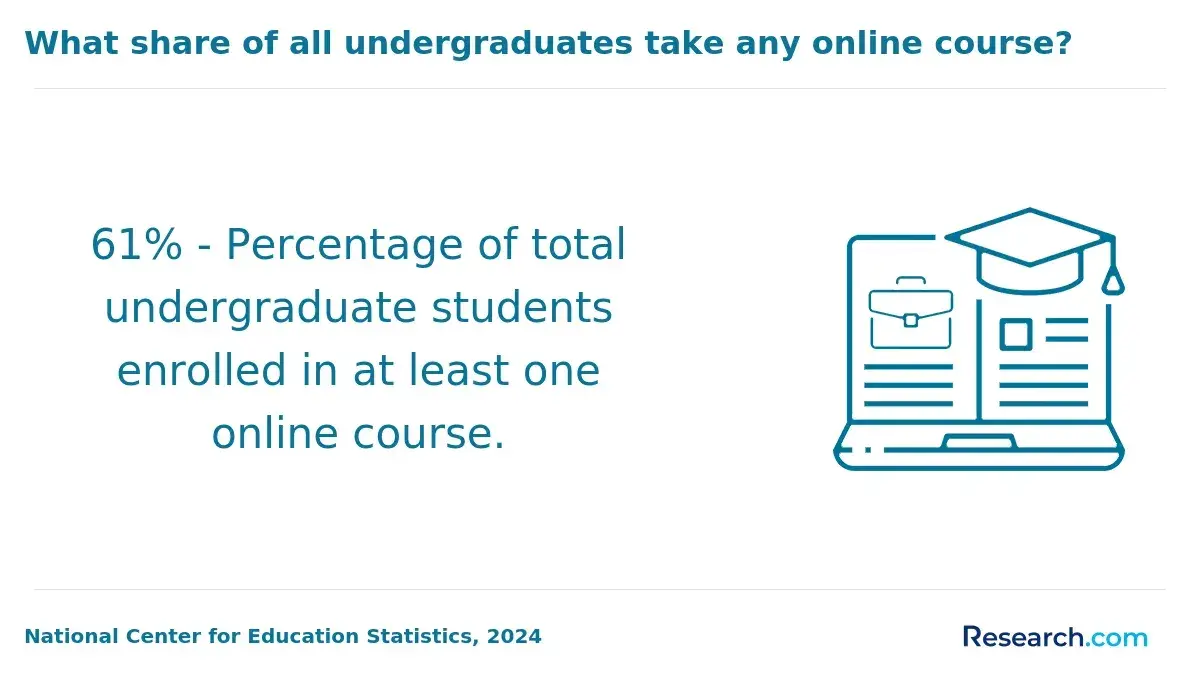
- Data from the 2024 National Center for Education Statistics shows adult learner enrollments in online music business programs growing, highlighting access improvement but also emphasizing the need to balance cost and pacing amid variable institutional flexibility.
Is it possible for music business graduates to work remotely?
Yes, music business graduates can work remotely, but remote access is uneven across the industry. The strongest opportunities are in roles where the core work happens through software, databases, contracts, analytics dashboards, content platforms, and online communication. Jobs tied to digital marketing, licensing, publishing administration, royalty tracking, streaming data, and content operations are usually more adaptable to remote or hybrid arrangements.
By contrast, roles built around live events, studio sessions, touring, venue operations, and intensive in-person artist development often require physical presence. Even when a job is listed as remote, candidates should expect that some employers may require travel for showcases, release meetings, conferences, artist visits, or team planning sessions.
Remote-friendly music business work usually includes:
- Digital marketing and campaign support: planning release calendars, managing social content, reviewing campaign performance, and coordinating assets online.
- Music licensing and rights administration: reviewing permissions, tracking usage, managing contracts, and supporting sync or publishing workflows through cloud-based systems.
- Royalty and metadata operations: maintaining accurate song, ownership, and payout data for labels, publishers, distributors, and platforms.
- Streaming and audience analytics: interpreting listener behavior, playlist performance, demographic trends, and engagement data.
- Remote artist communications: coordinating schedules, updates, deliverables, and industry outreach when the position does not require frequent in-person representation.
The main trade-off is that remote music business workers must be more deliberate about communication and visibility. In an office, informal conversations can solve small problems quickly. In a remote setting, progress depends on written updates, reliable response times, organized documentation, and comfort with digital collaboration tools. Graduates who can combine industry knowledge with disciplined remote work habits are better positioned than candidates who only want location flexibility.
What are the typical entry-level remote positions for new music business graduates?
Entry-level remote roles for music business graduates are most common in administrative, analytical, marketing, and content-support functions. These jobs rarely involve full creative control at the start. Instead, they give new graduates exposure to rights systems, artist campaigns, distribution workflows, metadata standards, streaming platforms, and professional client communication.
The most realistic early-career options include the following:
| Entry-level role | Why it can work remotely | Skills employers usually expect |
| Music Licensing Assistant | Much of the work involves permissions, usage records, agreement tracking, email coordination, and database updates. | Copyright basics, detail accuracy, contract organization, spreadsheet skills, and professional written communication. |
| Digital Marketing Coordinator | Campaign calendars, social posts, ad reporting, email updates, and performance reviews can be managed through online platforms. | Social media planning, analytics interpretation, copywriting, campaign reporting, and comfort with project management tools. |
| Music Data Analyst | Streaming metrics, engagement patterns, audience demographics, and trend reports are typically platform-based. | Spreadsheet analysis, data visualization, streaming platform familiarity, and the ability to explain insights clearly. |
| Artist Relations Assistant | Scheduling, follow-ups, briefing documents, and routine communications can often be handled by email, chat, and video meetings. | Responsiveness, tact, organization, calendar management, and the ability to work with multiple stakeholders. |
| Content Coordinator | Playlist support, metadata checks, platform compliance, asset tracking, and release coordination are usually digital workflows. | Metadata accuracy, platform literacy, quality control, deadline management, and cross-team coordination. |
New graduates should not assume that “remote” means easier to obtain. Many employers expect entry-level remote hires to show unusual reliability because managers cannot supervise them in person. A strong application should include examples of independent work: campaign reports, mock release plans, metadata projects, licensing research, playlist strategy, internship deliverables, or analytics summaries.
Students can also strengthen their profile through targeted training in digital tools, analytics, project management, and online marketing. Relevant online certification courses may help when they document skills that a music business degree covers only broadly.
Are there senior-level remote positions for music business professionals?
Senior-level remote roles exist in the music business, but they are often hybrid rather than fully remote. At higher levels, the work may be more strategic and software-based, yet the industry still depends on trust, negotiation, relationship-building, and visibility at key events. Professionals who reach remote senior roles usually have a proven record, strong networks, and the ability to lead teams across labels, publishers, agencies, distributors, artists, and external partners.
Common senior remote or hybrid roles include:
- Senior Artist Manager: Oversees career strategy, release planning, business negotiations, partner communication, and long-term artist positioning. Much of the coordination can happen digitally, but travel for meetings, performances, and negotiations is often part of the role.
- Director of Music Licensing: Leads rights strategy, licensing partnerships, contract workflows, and high-value placement opportunities. The document-heavy nature of the work supports remote execution, although relationship management may still require occasional in-person meetings.
- Head of Digital Marketing: Directs release campaigns, audience development, paid media strategy, reporting, and cross-platform promotion. This role is highly compatible with remote work because performance data and campaign execution are digital.
- Content Strategy Manager: Guides distribution priorities, platform positioning, editorial calendars, social messaging, and brand consistency. Remote collaboration is realistic when teams use clear workflows and shared performance dashboards.
- Music Licensing Coordinator Lead: Manages licensing operations, international client requests, contract status, and team processes. Because the work often involves global stakeholders, remote work can be practical when systems are secure and well organized.
The main difference between entry-level and senior remote work is accountability. Senior professionals are expected to make decisions, handle ambiguity, protect relationships, and keep projects moving without constant direction. They also need excellent judgment around confidentiality, contracts, artist reputation, and revenue impact.
Music business professionals who want remote leadership roles should build strengths in digital platforms, remote team management, rights administration, negotiation, and data-informed decision-making. Some students also explore adjacent fields to develop communication, organizational behavior, or people-management skills; for example, reviewing the cheapest online master's in psychology can provide context on interdisciplinary graduate study, though music-specific experience remains central for senior industry roles.
Which industries hire the most remote workers with music business degrees?
Music business graduates are not limited to record labels. Remote-friendly opportunities often appear in companies that manage digital rights, distribute content, analyze audiences, support creators, or market entertainment products online. The best industry fit depends on whether the graduate is stronger in business operations, marketing, analytics, rights administration, or artist-facing communication.
- Digital music and streaming platforms: These employers use distributed teams for content operations, playlist support, artist services, audience analytics, platform compliance, and digital campaign coordination. Because the product and the data are already online, many functions can be remote or hybrid.
- Music publishing and licensing: Publishers, sync agencies, rights administrators, and licensing companies hire graduates for copyright research, royalty support, agreement tracking, rights clearance, and client service. Cloud-based rights systems make many of these tasks remote-compatible.
- Entertainment marketing and media: Agencies and media companies need people who understand music audiences, release cycles, fan engagement, and digital promotion. Remote work is common in campaign planning, social media, influencer coordination, and reporting, although client meetings or creative sessions may still be in person.
- Independent music management and consulting: Smaller firms and consultants often operate flexibly, especially when serving artists across regions. Graduates may support branding, rollout planning, booking research, email outreach, and digital strategy from a remote setting.
- E-learning and online education: Music schools, course platforms, creator education companies, and virtual workshop providers may hire music business graduates for course coordination, digital content support, student communication, and program operations.
Industries tied to live event coordination, venue management, touring logistics, studio operations, and performance production tend to offer less remote flexibility. Graduates who want remote work should read job descriptions carefully and look for clues such as “distributed team,” “remote-first,” “asynchronous communication,” “digital operations,” “rights administration,” “metadata,” “CRM,” and “analytics.”
How do salaries differ for remote vs on-site roles in music business?
Salaries for remote and on-site music business roles can differ because employers set pay using different compensation models. Some pay according to the role and level regardless of location. Others adjust compensation based on the employee’s local labor market, especially when the employee lives outside major industry centers. As a result, a remote employee may earn less than an on-site counterpart doing similar work, depending on company policy.
General remote roles can experience up to a 15% salary decrease compared to counterparts in key hubs. However, this is not universal. Specialized skills can narrow or eliminate the gap. Copyright analysts, licensing specialists, digital marketing experts, and professionals who can directly improve revenue, compliance, or campaign performance may command equivalent or higher pay regardless of work location.
| Factor | How it may affect remote pay |
| Geographic pay policy | Some employers reduce pay for workers outside high-cost industry centers; others maintain national salary bands. |
| Role specialization | Hard-to-find expertise in licensing, rights management, analytics, or digital growth can strengthen salary leverage. |
| Seniority | Experienced professionals with proven results usually have more negotiating power than new graduates. |
| Remote competition | Fully remote jobs may attract a larger applicant pool, which can affect entry-level compensation. |
| Travel expectations | Hybrid jobs that require industry events or periodic office visits may include different compensation or reimbursement terms. |
Students comparing degree options should consider both expected earnings and education cost. Reviewing business administration degree online cost can be useful when weighing a music business pathway against broader business programs with overlapping marketing, management, and analytics skills.
It is also worth comparing how online credentials are priced across fields. A resource such as a cheap online psychology degree can provide a broader view of how flexible degree pathways vary by discipline, although salary outcomes will depend on the specific music business role, employer, and market conditions.
What are the common challenges of working remotely with a music business degree?
Remote music business work is flexible, but it can be difficult because the industry is relationship-driven, deadline-heavy, and often confidential. Graduates need to manage not only their assigned tasks but also communication gaps, security concerns, and the risk of becoming less visible than colleagues who work near decision-makers.
- Coordinating complex collaborations: Music projects may involve artists, managers, labels, publishers, producers, attorneys, marketers, distributors, and platform representatives. Remote work can slow approvals when responsibilities are unclear. Shared trackers, written next steps, and defined deadlines reduce confusion.
- Protecting sensitive information: Contracts, royalty reports, unreleased music, financial records, and licensing terms require careful handling. Remote workers should use approved platforms, strong passwords, secure file-sharing systems, and limited-access folders.
- Avoiding communication delays: Campaigns and releases can move quickly. If teams rely on too many channels, important decisions may be scattered across email, chat, project boards, and calls. Remote workers need a reliable system for documenting final decisions.
- Managing proximity bias: In-office employees may be remembered more easily when promotions, stretch assignments, or informal opportunities arise. Remote professionals should make their work visible through concise updates, measurable results, and regular check-ins.
- Maintaining discipline and boundaries: Remote flexibility can lead to irregular hours, distractions, or overwork. Consistent schedules, task prioritization, and clear availability windows help preserve performance.
When I asked a music business professional with an online degree about these challenges, he emphasized the emotional strain of feeling out of sync with colleagues during critical project moments. He described frequent reliance on asynchronous communication tools, which sometimes led to “chasing answers across multiple channels” and delayed decisions.
He also said that contract work required extra caution even when secure software was available. To stay visible, he made a habit of sending routine updates that documented completed tasks, pending approvals, and next steps. His experience shows that remote success in music business depends on both technical safeguards and intentional communication habits.
Are there certifications that can improve remote hiring outcomes for music business graduates?
Certifications can help music business graduates compete for remote jobs when they validate practical skills employers can use immediately. They are not a substitute for internships, portfolio work, or industry relationships, but they can make a résumé stronger in areas such as digital marketing, project management, licensing, rights administration, and technical production.
- Certified Music Business Professional (CMBP): This credential focuses on music industry operations and contract negotiation. It can support candidates pursuing remote business administration, rights, or operations roles. It typically requires passing an exam and evidence of industry experience.
- Music Licensing Specialist Certification: This type of credential emphasizes copyright law, permissions, and digital licensing frameworks. It is most useful for candidates interested in sync licensing, publishing administration, rights clearance, or royalty-related work.
- Digital Marketing Certification: Credentials from platforms such as Google or HubSpot can show that a graduate understands online promotion, campaign tracking, search or social strategy, and performance reporting. These skills are widely relevant for remote music marketing roles.
- Project Management Professional (PMP): This credential can strengthen a candidate’s ability to coordinate remote teams, manage timelines, and lead complex projects. Achieving PMP status requires documented project experience and passing a comprehensive exam.
- Audio Engineering Society (AES) Certifications: These credentials validate technical skills related to audio production and sound design. They may help graduates targeting remote or hybrid roles connected to production workflows, technical content, or sound-related services.
For broad remote hiring value, digital marketing and project management credentials are often the most transferable because many music business roles involve campaigns, timelines, reporting, and cross-functional coordination. Licensing or AES-related credentials may be more valuable for specialized tracks.
Students should choose certifications based on the job descriptions they want to pursue, not simply because a credential sounds impressive. Those comparing credential-heavy career paths in adjacent fields may also review resources such as MFT programs online, but music business hiring remains strongly tied to demonstrated industry work, portfolio evidence, and professional contacts.
How can music business degree students increase the chances of landing remote roles?
Students who want remote music business jobs should prepare before graduation. Employers need proof that a candidate can work independently, communicate clearly, use digital tools, and understand how music revenue, rights, marketing, or distribution workflows operate. A degree can open the door, but remote hiring often rewards evidence of execution.
- Build a targeted digital portfolio: Include release plans, mock marketing campaigns, royalty or metadata projects, licensing research, playlist strategy, social media reports, analytics summaries, or virtual event plans. Each item should explain the goal, your process, the tools used, and the outcome or recommendation.
- Use remote and industry-specific job sources: Search remote-first job boards, music industry communities, distributor career pages, publishing company listings, artist services firms, and entertainment marketing agencies. Remote openings may use titles that do not include “music business,” such as content operations assistant or digital campaign coordinator.
- Master collaboration tools: Familiarity with Trello, Slack, Zoom, shared drives, spreadsheets, CRM systems, and analytics dashboards helps signal readiness for remote workflows. Mention tools only when you can describe how you used them.
- Practice concise professional communication: Remote interviews often include written tasks, case exercises, or asynchronous responses. Candidates should be able to summarize a campaign, identify a problem, recommend next steps, and write updates that are clear without being long.
- Network in music business communities: Join professional groups, virtual panels, alumni networks, Slack communities, and forums where music marketers, publishers, managers, and distributors share opportunities. Remote jobs are often found through referrals and niche networks.
- Seek internships that produce measurable work: A remote internship is more valuable when it results in concrete deliverables, such as campaign reports, database cleanup, licensing research, artist outreach logs, or content calendars.
A common mistake is applying broadly to every remote music-related job without aligning the résumé to the role. A licensing assistant application should highlight copyright, detail accuracy, and contract organization. A digital marketing application should emphasize campaign planning, platform knowledge, analytics, and audience insight. Remote employers look for focus because they have less time to train candidates who are unclear about the work.
For additional context on how specialized online training can affect remote employability, students may compare this field with resources on an environmental engineering online degree, while recognizing that music business hiring depends more heavily on portfolio, networking, and industry-specific experience.
How do remote music business roles impact long-term career trajectory and promotions?
Remote music business roles can support long-term career growth, but they change how advancement happens. In an office, employees may benefit from informal visibility, hallway conversations, and spontaneous involvement in new projects. Remote workers must replace that informal access with documented performance, deliberate relationship-building, and consistent communication with supervisors and stakeholders.
Promotion in remote music business roles often depends on measurable results: campaign performance, licensing turnaround time, royalty accuracy, client satisfaction, artist growth, platform engagement, revenue contribution, or successful project delivery. Workers who track accomplishments and connect their work to business outcomes are easier to evaluate fairly.
Remote workers can protect career momentum by:
- Documenting wins: Keep records of completed projects, solved problems, improved processes, campaign metrics, and positive stakeholder feedback.
- Scheduling regular feedback: Do not wait for annual reviews. Short check-ins can clarify priorities and reduce the risk of being overlooked.
- Volunteering for cross-functional work: Projects involving marketing, licensing, distribution, analytics, or artist teams can increase visibility across departments.
- Building leadership presence online: Clear written updates, organized meeting notes, and reliable follow-through help establish trust.
- Maintaining external industry relationships: Conferences, virtual panels, alumni contacts, artist communities, and professional groups can offset the networking limits of remote work.
The risk is that remote professionals may be evaluated only by output, while in-office peers also benefit from relationship capital. To counter that, remote workers should make their contributions easy to see and hard to misunderstand. The strongest long-term trajectory belongs to professionals who combine results, communication discipline, and ongoing industry visibility.
Is a remote career in music business sustainable for the next decade?
A remote career in music business can be sustainable over the next decade, especially for professionals working in digital distribution, licensing, publishing administration, analytics, online marketing, content strategy, and rights management. These functions already depend on digital systems and can often be performed across locations. At the same time, the industry will continue to value in-person trust-building, live experiences, studio work, showcases, touring, and relationship-driven negotiation.
Technologies such as blockchain for rights management and AI-driven tools for marketing and analytics may expand remote-compatible work by making complex information easier to track and analyze. Virtual and augmented reality experiences may also create new forms of fan engagement that support distributed teams. Still, technology will not remove the need for judgment, ethics, communication, and human relationships in music business decisions.
Sustainability depends on continuous upskilling. Remote professionals will need to stay current with rights systems, streaming platforms, analytics tools, CRM systems, campaign technology, and secure collaboration practices. They will also need to maintain professional networks intentionally because physical distance can limit informal access to opportunities.
When discussing sustainability in remote music business careers, a professional who completed an online music business degree said that early remote jobs required intensive self-management and rapid adoption of new software. Over time, the harder challenge became preserving relationships. He noted, “It's easy to get isolated without regular face-to-face meetings, so I constantly allocate time for virtual catch-ups and industry forums.”
He also emphasized that adapting to emerging tools like blockchain and AI analytics took significant effort but helped him remain relevant as job demands changed. His experience suggests that a remote music business career is viable for disciplined professionals who keep learning, stay visible, and treat networking as part of the job rather than an occasional activity.
What Graduates Say About Music Business Degrees That Lead to Remote Jobs
- Paxton: "My degree in music business was instrumental in landing a remote role at a digital music distribution company, where they valued my internship experience over formal certifications. Working remotely has allowed me to manage client relations and campaign analytics flexibly, but I've realized that advancement in this field often demands building a diverse portfolio rather than relying on licensure or formal credentials."
- Ameer: "After graduating with my music business degree, I faced stiff competition for traditional in-house roles, so I shifted focus to remote consulting for independent artists. This pivot taught me that practical industry experience-like managing live-stream events and digital marketing-was more critical to employers than the degree itself. Remote work has offered unique challenges in networking but faster entry into the workforce compared to corporate tracks."
- Nathan: "I landed a remote A&R coordinator role soon after completing my music business program, leveraging a combination of relevant internships and a strong portfolio of artist research projects. The role demands constant virtual communication and market analysis, and while salary growth can be limited without further certification, the flexibility of remote work and exposure to multiple projects have been invaluable in shaping my career path."
Other Things You Should Know About Music Business Degrees
Programs heavily based on synchronous sessions simulate traditional office hours but may not cultivate the autonomous time management skills critical for most remote work settings in music business. On the other hand, asynchronous formats foster independence but risk less direct interaction with instructors and industry mentors, which can affect networking outcomes. Students aiming for remote careers should favor programs that integrate substantial asynchronous content with structured mentorship or live networking events to reflect real work rhythms and build professional relationships.
Employers expect proficiency in project management, digital distribution, CRM software, and social media analytics for remote music business jobs, which traditional curricula might underemphasize. Programs that embed hands-on experience with current technology stack tools significantly boost graduates' job-readiness, reducing onboarding times and signaling adaptability. When evaluating programs, prioritize those that continuously update course content to include emerging platforms and technology trends relevant to remotely managing music projects and marketing campaigns.
Choosing broad electives in areas like general marketing, finance, or communications can enhance adaptability to various remote roles beyond conventional music business jobs, cushioning against industry volatility. Conversely, tightly specialized electives-such as music licensing law or audio production management-may limit immediate flexibility but deepen expertise valued in niche remote positions. For those prioritizing sustainable work-life balance through diverse online opportunities, a strategy leaning toward breadth typically offers more resilience in shifting market conditions.
References
- Work in Music | Recording Academy Careers | RECORDINGACADEMY.com https://www.recordingacademy.com/jobs
- Remote vs Onsite Jobs in Germany: Key Pros & Cons by Talents2Germany https://talents2germany.de/remote-vs-onsite-jobs-in-germany/
- Music Industry Jobs from Music Business Worldwide https://www.musicbusinessworldwide.com/jobs/
- Career Opportunities with a Music Business Management Degree https://www.lccm.ac.uk/blog/career-opportunities-with-a-music-business-management-degree/
- Remote Jobs vs Onsite Pay Comparison Guide 2025 Pro https://aciano.net/blog/remote-onsite-pay/
- Remote jobs | Doors Open https://www.doorsopen.co/cities/jobs-in-remote/
- Music Industry Jobs https://musically.com/jobs/
- How To Find Lucrative Remote Work As a Musician https://www.jropro.com/how-to-find-lucrative-remote-work-as-a-musician.html
- How To Work Remotely in the Music Business | An Exploration Guide https://exploration.io/how-to-work-remotely-in-the-music-business/
- In-Office vs Remote Pay Trends https://madisondavis.com/in-office-vs-remote-pay-trends/