2027 Music Business Degree Completion Programs for Working Adults

Co-Founder and Chief Data Scientist
Finishing a music business degree is often a different decision for working adults than it is for first-time college students. You may already have credits, professional experience, military training, or industry certifications, but you also have less room for wasted coursework, unclear transfer policies, or a schedule that conflicts with work and family obligations.
Music business degree completion programs are built for students who started college but did not finish a bachelor's degree. The strongest programs combine recognized accreditation, flexible delivery, transparent costs, and practical coursework in areas such as artist management, publishing, live events, marketing, licensing, and entertainment business operations. According to the Bureau of Labor Statistics, graduates with a music business degree earn a median salary 15% higher than those without credential completion.
This guide explains how to evaluate music business degree completion programs in 2026: who they are designed for, how they differ from traditional programs, what prior learning may count, how long completion can take, what accreditation to verify, how costs and aid work, and what career outcomes working adults can reasonably expect.
Key Things to Know About Music Business Degree Completion Programs for Working Adults
- Maximize credit for prior learning by submitting military transcripts and professional certifications-many programs grant up to 50% credit, accelerating degree completion for working adults.
- Choose programs with regional accreditation and industry partnerships to ensure employer recognition and eligibility for relevant licensure in the music business sector.
- Access financial aid through employer tuition reimbursement, federal aid for part-time students, and specialized scholarships targeting mid-career professionals and veterans.
What Are Music Business Degree Completion Programs, and Who Are They Designed For?
Music business degree completion programs are bachelor's pathways for students who already have college credit but have not yet earned a degree. Instead of starting over in a traditional four-year sequence, students enter with prior coursework and complete the remaining general education, upper-division, and major requirements needed for a bachelor's degree in music business or a closely related field.
These programs are most useful when they do three things well: accept legitimate prior credit, offer schedules that fit adult learners, and lead to a credential employers and graduate schools recognize. The best-fit student is usually not looking for a campus-centered undergraduate experience, but for a credible way to finish a degree while continuing to work.
Common student profiles
- Adults with unfinished college credits: Students who completed some general education or major courses and want to convert those credits into progress toward a bachelor's degree.
- Working music and entertainment professionals: People already involved in venues, labels, artist services, production, marketing, publishing, or live events who need a degree for promotion or career mobility.
- Military-affiliated learners: Veterans or active-duty students who may have training evaluated by the American Council on Education (ACE) and want that learning reviewed for possible credit.
- Career changers: Adults from sales, communications, hospitality, media, technology, or business who want a structured route into the music business field.
- Students seeking flexible delivery: Learners who need online, evening, weekend, hybrid, or accelerated options because a traditional weekday campus schedule is not realistic.
What makes a completion program different
A completion program is not simply a shortened degree. It is a pathway that depends heavily on transfer evaluation, advising, degree mapping, and adult-focused course sequencing. Strong programs show students exactly which credits transfer, which requirements remain, how often required courses are offered, and whether internships, capstones, or residencies are mandatory.
Students comparing programs should be cautious about vague promises such as “finish fast” or “generous transfer credit” without a written evaluation. Program legitimacy depends on regional accreditation, transparent credit transfer policies, employer recognition, and clear financial aid information. Related adult degree pathways, such as online MSW programs, can also be useful comparison points for understanding how flexible professional programs handle accreditation, scheduling, and field requirements.
How Do Music Business Degree Completion Programs Differ From Traditional On-Campus Degree Programs?
Music business degree completion programs differ from traditional on-campus programs mainly in schedule, pacing, credit use, and student support. The credential may still be a Bachelor of Arts or Bachelor of Science, but the pathway is designed around adults who bring prior credits and cannot pause full-time employment to attend weekday classes.
| Feature | Music business degree completion program | Traditional on-campus program |
| Primary student profile | Adults with prior credits, work experience, military training, or interrupted college histories | First-time or full-time undergraduates following a four-year sequence |
| Schedule | Evening, weekend, hybrid, fully online, or asynchronous formats are common | Often built around weekday campus attendance |
| Pace | May offer accelerated terms, cohort models, or part-time enrollment | Typically follows standard semester or quarter calendars |
| Credit transfer | Central to the admissions and advising process | Often more limited or less central to program design |
| Residency expectations | Often reduced, online, or limited to short intensives | Usually requires sustained campus participation |
| Advising needs | Focused on degree audits, transfer credit, course sequencing, and adult learner barriers | Focused on first-year progression, major exploration, and campus resources |
Completion programs often use asynchronous coursework so students can study before work, after family responsibilities, or on weekends. Some programs add synchronous sessions, short residencies, or applied projects to preserve interaction and industry relevance. Traditional programs may offer more campus networking, rehearsal or production facilities, student activities, and in-person access to faculty, but they usually require more schedule flexibility from the student.
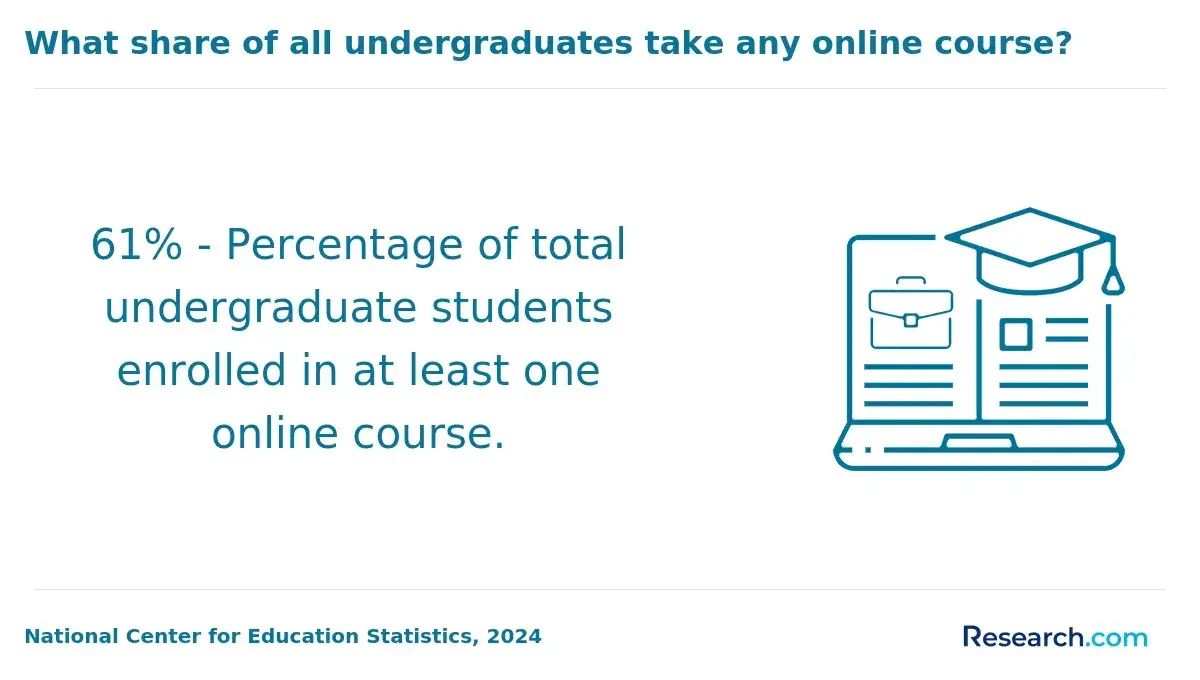
Data from the National Center for Education Statistics and IPEDS reveal rising enrollment in degree completion programs over the past decade, which reflects demand from adults who need flexible but legitimate bachelor's pathways. Still, flexibility should not be mistaken for lower standards. A credible completion program should require upper-division coursework, documented learning outcomes, and a final credential comparable to the institution's traditional degree.
When comparing options, ask whether the program will provide a written degree plan before enrollment, whether required courses are available often enough to avoid delays, and whether the diploma or transcript indicates the same degree level as the campus program. Students comparing tuition across business-related online degrees may also review business administration degree online cost to understand how credit transfer and institutional pricing affect total affordability.
What Prior Credits and Experiences Count Toward a Music Business Degree Completion Program?
The credits that count toward a music business degree completion program depend on the receiving institution's transfer policies, accreditation standards, degree requirements, and faculty review process. Before applying or committing financially, request an official or pre-enrollment transfer evaluation that shows accepted credits, rejected credits, remaining requirements, and estimated time to completion.
Types of prior learning that may count
- College transfer credits: Most programs review credits from regionally accredited colleges. Courses in general education, business, communications, music, media, accounting, marketing, or technology may apply if they match degree requirements. Some schools limit older coursework or require minimum grades.
- Associate degree coursework: Students with an associate degree may enter with substantial lower-division requirements complete, but this is not automatic. The school must still map credits to the bachelor's curriculum.
- Military training credits: Training evaluated through the American Council on Education (ACE) registry may be considered for academic credit. Veterans and active-duty students should ask how the school applies ACE recommendations and whether credits count as electives or toward specific requirements.
- Professional certifications: Certifications in business, audio technology, project management, marketing platforms, entrepreneurship, or related areas may qualify for credit or placement in some programs. Acceptance varies widely.
- Prior Learning Assessment (PLA): PLA may allow students to document college-level learning from work, military service, or professional projects through portfolios, faculty review, or structured assessments. Research by the Council for Adult and Experiential Learning (CAEL) shows PLA reduces time-to-degree and lowers tuition costs significantly.
- Credit-by-examination: Exams such as CLEP and DSST may satisfy some general education or elective requirements when accepted by the institution.
Questions to ask before enrolling
- Will I receive a written credit evaluation before I deposit or register?
- How many transfer credits can apply to the bachelor's degree?
- Do you accept ACE-reviewed military training, CLEP, DSST, or portfolio-based PLA?
- Which transferred credits apply to major requirements, and which only count as electives?
- Are there age limits on business, technology, or music industry coursework?
- What minimum number of credits must be completed at your institution?
Be cautious with programs that advertise large transfer allowances but do not show how those credits reduce actual degree requirements. A student may transfer many credits and still need several terms of coursework if credits apply only as electives. AACRAO transfer credit guidelines can help students understand whether institutional policies appear fair and transparent.
One professional who completed a music business degree described the turning point this way: “I had military credits, a couple of certifications, and years of industry experience, but every school's policies felt like a puzzle. The pre-enrollment credit evaluation was a turning point-it showed me exactly what counted, helping me map out the shortest path to finish. It was empowering to see my prior learning recognized rather than starting over. The process wasn't always smooth, but having clear guidance made all the difference in balancing work, life, and finishing my degree.”
What Is the Minimum GPA Requirement for Music Business Degree Completion Programs?
Minimum GPA requirements for music business degree completion programs generally range from 2.0 to 2.5 on a 4.0 scale. Programs use prior college GPA to estimate whether applicants are prepared for upper-division coursework, but many adult-focused schools also consider work history, time away from school, military service, and evidence of recent academic readiness.
A GPA below the stated cutoff does not always end the application. Some institutions offer conditional admission, academic probation, or provisional enrollment for students who can show professional maturity or an improved academic trajectory. In those cases, students may need to earn specific grades in the first term, meet with advisors, use tutoring, or limit course loads until they establish satisfactory progress.
How GPA policies usually work
- Standard admission: Applicants meet the published minimum cumulative GPA and submit official transcripts from all prior institutions.
- Conditional admission: Applicants fall below the usual GPA threshold but are admitted with additional requirements or monitoring.
- Holistic review: Programs consider professional experience, certifications, military training, personal statements, or recent coursework alongside GPA.
- Open or flexible admission: Some adult completion pathways emphasize readiness and experience more than a strict GPA cutoff, though students must still meet graduation standards.
Applicants with lower GPAs should not hide prior academic records; colleges typically require transcripts from every institution attended. A better strategy is to ask admissions staff how repeated courses, recent credits, withdrawals, or long gaps are evaluated. If your older transcript is weak, completing a few current transferable courses with strong grades may improve your application and show readiness.
GPA is only one factor. Students should evaluate it alongside credit transfer, course availability, accreditation, student support, and total cost. Comparing flexible programs in other fields, such as a criminal justice degree online, can help adult learners see how admissions standards and affordability vary across online degree completion models.
How Are Music Business Degree Completion Programs Structured Around Full-Time Work Schedules?
Music business degree completion programs are usually structured to reduce schedule conflict for full-time workers. Common formats include evening cohorts, weekend intensives, asynchronous online classes, hybrid courses, and shorter academic terms. The goal is not to make the degree effortless, but to make progress possible without requiring students to leave the workforce.
Many programs recommend 6 to 9 credits per term for working adults. This course load can be manageable for students with steady schedules, though it still requires consistent weekly study time, deadline planning, and support from family or employers. Students in demanding jobs, seasonal entertainment work, touring roles, or caregiving situations may need a lighter load even if that extends the timeline.
Scheduling models to compare
- Asynchronous online: Best for students who need maximum flexibility. The trade-off is that students must be self-directed and comfortable working independently.
- Live online evening classes: Useful for students who want real-time discussion and accountability. The trade-off is less flexibility when work obligations change.
- Weekend intensives: Helpful for applied projects, networking, or residencies. The trade-off is travel, childcare, or missed weekend work.
- Cohort-based programs: Students progress through a planned sequence together. This supports accountability and predictable scheduling but may offer fewer options to speed up or slow down.
- Self-paced or flexible enrollment: Students can move around work demands more easily. The trade-off is that less structure can lead to procrastination or delayed completion.
Data from the National Student Clearinghouse Research Center indicates that working adults in cohort-based degree completion programs tend to persist and graduate at higher rates than those in conventional enrollment formats. The benefit comes from structure: students know what to take next, when courses are offered, and who to contact when work or life disrupts the plan.
Before enrolling, ask for a sample weekly schedule, not just a program brochure. Clarify whether lectures are recorded, whether attendance is required at set times, how group projects are handled, and what happens if a required course conflicts with a work obligation. A student who completed a music business degree recalled that evening classes initially felt difficult alongside 40-plus-hour workweeks, but a predictable cohort schedule and access to an advisor made the plan realistic: “The program's design transformed what felt impossible into an achievable goal-support was always just a call away.”
Is Online or Hybrid Delivery Available for Music Business Degree Completion Programs?
Yes. Online and hybrid delivery are common in music business degree completion programs because the target students are often working adults who cannot relocate or attend campus several days per week. Delivery format matters because it affects scheduling, networking, hands-on experiences, internship access, and the level of structure students receive.
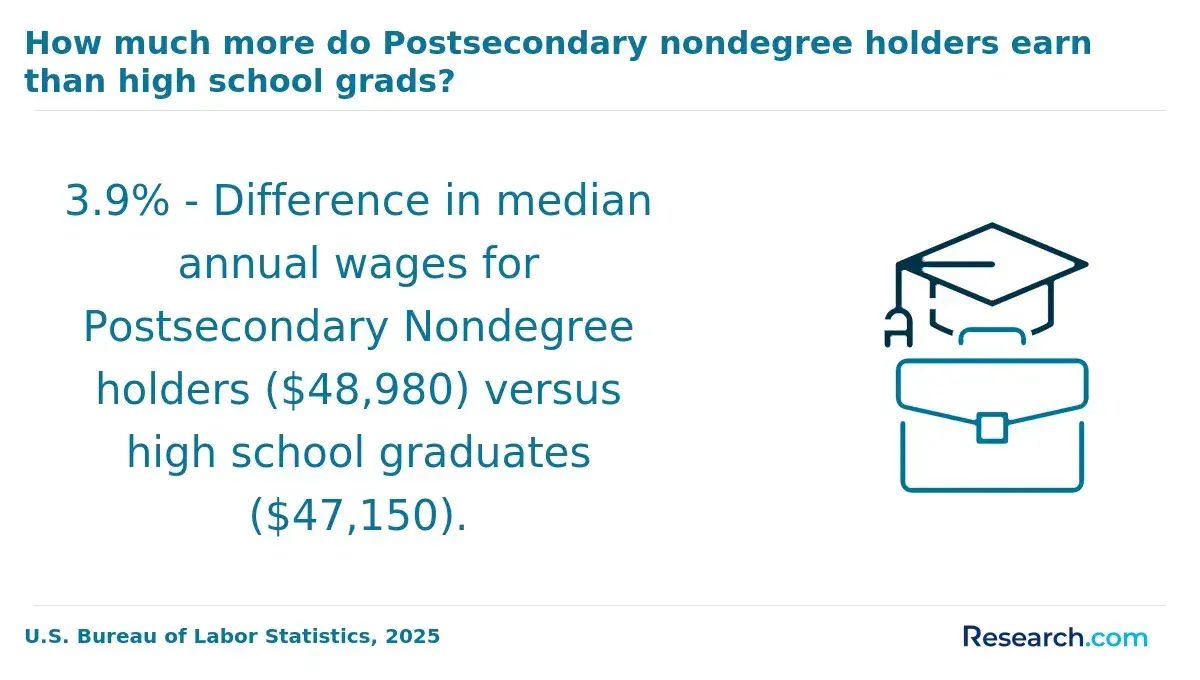
Fully online programs usually combine asynchronous materials, such as recorded lectures and discussion boards, with occasional synchronous sessions for presentations, advising, or industry discussions. According to data from the National Center for Education Statistics (NCES) and the Online Learning Consortium (OLC), approximately 62% of adult completers enrolled in fully online programs in 2023, reflecting accelerated adoption since the COVID-19 pandemic expanded digital teaching capabilities.
Hybrid programs combine online coursework with required in-person components. These may include weekend residencies, short campus intensives, studio or venue experiences, internship requirements, or final presentations. Hybrid formats attract about 25% of adult learners and can be a strong option for students who want some face-to-face interaction without committing to a traditional campus schedule.
How to choose between online and hybrid
- Choose fully online if: You live far from campus, travel often, work irregular hours, or need the highest level of scheduling flexibility.
- Choose hybrid if: You value in-person networking, live feedback, campus facilities, or structured residencies and can manage occasional travel.
- Choose in-person if: You live near the institution and want regular access to faculty, classmates, venues, studios, or local music industry networks.
Prospective students should ask whether online students receive the same advising, library access, career services, internship support, and faculty access as campus students. They should also confirm technology requirements, whether exams use proctoring, how group projects work across time zones, and whether employers view the online or hybrid pathway differently. The key is not whether the program is online, but whether it is accredited, well-supported, and aligned with the student's career goals.
How Long Does It Take to Complete a Music Business Degree Completion Program?
Completion time depends primarily on how many credits are accepted, whether the student enrolls part time or full time, and whether the program has fixed requirements such as internships, capstones, or residency courses. Students entering with approximately 60 prior credits-typically from an associate degree or transferable coursework-usually spend two to three years completing upper-division courses. Those with 90 or more credits, nearer the bachelor's degree threshold, may finish in as little as one year if enrolled full-time.
Learners with substantial prior learning assessments (PLA), including military training recognized by ACE credit evaluations, may shorten the timeline further if credits apply to degree requirements. However, not every awarded credit reduces time equally. Credits that satisfy required courses are more valuable than credits that only fill elective space.
| Student situation | Likely timeline factor | What to verify |
| About 60 accepted credits | Often two to three years of remaining study | Whether lower-division and general education requirements are complete |
| 90 or more accepted credits | May finish in as little as one year if enrolled full-time | Whether remaining courses are offered in the right sequence |
| Part-time enrollment | Often between two and four years | Whether the school allows continuous part-time progress without course gaps |
| Full-time or accelerated enrollment | May finish within one to two years | Whether the workload is realistic with employment and family obligations |
| Internship, capstone, or residency required | May create a minimum completion time | Whether requirements can be completed locally, online, or through current employment |
Students should not rely only on the shortest advertised timeline. Ask each program for actual average time-to-degree data for students who enter with a credit profile similar to yours. Also ask how often required music business courses are offered, whether courses have prerequisites, and what happens if you need to stop out for a term.
Faster completion can reduce tuition and accelerate access to post-degree opportunities, but overloading courses can backfire if it causes poor grades, withdrawals, or burnout. The best timeline is the shortest realistic path that preserves academic performance and work-life stability.
What Accreditation Should a Music Business Degree Completion Program Hold?
A music business degree completion program should be offered by an institution with recognized accreditation, preferably regional accreditation. Regional accreditation from agencies such as the Higher Learning Commission (HLC), the Middle States Commission on Higher Education, and SACSCOC is widely recognized by employers, graduate schools, and the federal student aid system. It also supports smoother credit transfer and helps protect the value of the degree over time.
National accreditation, including accreditation from organizations such as the Distance Education Accrediting Commission (DEAC), can be legitimate, but it may carry more limitations. Credits from nationally accredited institutions may be harder to transfer, and some employers or graduate programs may prefer or require regionally accredited degrees. Students should verify acceptance before enrolling, especially if they plan to pursue graduate school, public-sector employment, or roles with credential requirements.
Music business does not have one universal specialized accreditor. However, business-related accreditation can strengthen a program's reputation. Relevant business accreditors include the Accreditation Council for Business Schools and Programs (ACBSP) and the Association to Advance Collegiate Schools of Business (AACSB). These accreditations are not always required, but they can signal additional review of business curriculum quality.
Accreditation checks before applying
- Confirm the institution's accreditation through the U.S. Department of Education's Database of Accredited Postsecondary Institutions and Programs (DAPIP).
- Verify whether accreditation applies to the institution, the business school, or a specific program.
- Ask whether online and completion students are covered under the same accreditation status as campus students.
- Check whether graduate schools, employers, or licensing-related bodies in your target path accept the credential.
- Avoid schools that rely on vague accrediting claims, unrecognized agencies, or pressure-based admissions tactics.
Accreditation is not just a compliance detail. It affects federal financial aid eligibility, transfer credit, graduate admission, employer trust, and long-term credential value. Adults investing limited time and money should verify accreditation independently rather than relying only on marketing language. Students planning future business leadership or entrepreneurship pathways may also compare advanced options such as the best MBA for entrepreneurship after confirming bachelor's degree recognition.
How Much Do Music Business Degree Completion Programs Cost, and What Financial Aid Is Available?
The cost of a music business degree completion program depends on tuition per credit, the number of credits you still need, fees, residency requirements, materials, and how much aid or employer support you receive. Published tuition is only the starting point; the real cost is the net price after accepted transfer credits and financial aid.
Public regional universities charge $300 to $600 per credit hour for in-state students, while private nonprofit schools range from $600 to $1,200. For-profit colleges often exceed $1,200 per credit hour. Mandatory fees, including technology and student services, add $500 to $1,500 annually. Some programs require on-campus residencies or intensives with additional travel and lodging expenses-commonly $1,000 or more per event. Materials, software, and equipment needs can also affect the total.
Financial aid and cost-reduction options
- Federal financial aid: Eligible students should file the FAFSA. Pell Grants may be available to eligible part-time students, and federal loans may also be part of an aid package.
- Military benefits: Military-affiliated learners may be able to use GI Bill and MyCAA benefits, depending on eligibility and program approval.
- Employer tuition reimbursement: Some employers reimburse tuition for degree programs connected to business, management, media, or professional advancement. Confirm annual limits, grade requirements, and repayment obligations if you leave the employer.
- Adult learner scholarships: Some institutions offer scholarships for non-traditional students, returning adults, transfer students, or students completing interrupted degrees.
- Tax benefits: Adults paying out of pocket may benefit from the Lifetime Learning Credit for qualified education expenses. Employer-provided educational assistance under IRS Section 127 allows up to $5,250 annually in tax-free benefits. A tax professional can clarify how these apply to individual circumstances.
How to compare programs by real cost
Ask each school for a total cost estimate based on your transfer evaluation. A program with higher tuition per credit may cost less overall if it accepts more credits and requires fewer remaining courses. Conversely, a low per-credit price may not be the cheapest option if the school rejects many prior credits or requires expensive residencies.
Students should compare: total credits required after transfer, tuition per credit, annual fees, residency and travel costs, software or materials, expected aid, employer reimbursement, and the cost of extending enrollment if required courses are not available on schedule. For a broader affordability comparison framework, the cheapest data science degree analysis offers a useful model for evaluating programs by net cost rather than sticker price alone.
What Career Outcomes Can Working Adults Expect After Completing a Music Business Degree?
Working adults may use a completed music business degree to qualify for promotions, move into management, shift into music and entertainment roles, or meet bachelor's degree requirements for graduate study. Outcomes depend on prior experience, location, network, internships or projects, and the reputation of the institution. A degree can improve eligibility, but it does not guarantee a specific job title or salary.
Data from the Georgetown University Center on Education and the Workforce shows that median salaries for degree completers increase by 15% to 25% compared to peers with some college but no degree. For adults who already have industry experience, the value often comes from combining the credential with a track record in operations, marketing, sales, artist services, live events, publishing, or management.
Potential career advantages
- Promotion eligibility: Some employers require a bachelor's degree for supervisory, management, or corporate roles, even when the employee already has strong experience.
- Career mobility: A completed degree can make it easier to move between labels, venues, agencies, publishing companies, technology platforms, nonprofit arts organizations, and entertainment businesses.
- Credential-gated roles: Certain specialized careers-like licensed music managers or certified analysts in the entertainment sector-mandate formal degree completion, making the credential essential for entry.
- Experienced professional advantage: Adults may be able to target mid-level roles instead of entry-level positions when their prior work experience aligns with the degree.
- Graduate program access: A bachelor's degree can satisfy admission prerequisites for programs in arts administration, business, entertainment management, law-related pathways, or music industry studies.
Students should evaluate career outcomes before enrolling. Ask programs for graduate employment data, internship placement support, employer partnerships, alumni examples, and career services access for online or adult learners. Also review whether the curriculum includes practical work in contracts, copyright, licensing, music marketing, data-informed decision-making, live event operations, entrepreneurship, and revenue models.
The most important question is whether the program connects to your intended outcome. A student seeking artist management may need different projects, mentors, and internships than someone pursuing music publishing, venue operations, digital marketing, or entertainment entrepreneurship.
How Do Employers View a Music Business Degree Completed Through a Completion Program?
Most employers focus on whether the degree comes from an accredited institution, whether the candidate has relevant skills, and whether the applicant can show credible experience. The fact that a student completed the degree through an adult-focused completion pathway is usually less important than the legitimacy of the school and the quality of the candidate's work history.
According to surveys by the Society for Human Resource Management (SHRM) and the National Association of Colleges and Employers (NACE), the diploma issued by an accredited school typically does not differentiate between graduates of traditional programs and those who used accelerated or adult-focused pathways. Graduates should list the degree plainly on a resume, using the official degree title, institution name, and graduation date.
How to present the degree to employers
- Use the official credential: List the bachelor's degree exactly as awarded. There is usually no need to label it as a “completion program.”
- Emphasize relevant coursework and projects: Highlight music business projects, capstones, internships, licensing work, marketing campaigns, budgeting, analytics, or artist development plans.
- Connect the degree to experience: Working adults should frame the degree as formal training that strengthens existing professional experience.
- Prepare for questions about online study: If asked, focus on accreditation, faculty quality, applied work, and the discipline required to complete a degree while working.
- Verify requirements for regulated settings: Some fields-like federal government positions regulated by Office of Personnel Management (OPM) standards or professions requiring state licensure-may require closer credential review.
In private-sector music business hiring, employers often weigh experience, portfolio evidence, references, internships, technical skills, communication ability, and industry relationships heavily. A completion degree can strengthen the application, but it works best when paired with evidence of practical competence.
What Graduates Say About Music Business Degree Completion Programs for Working Adults
- : "Choosing a completion program with flexible scheduling was a game-changer for me as a full-time professional. The program's accreditation assured me that I was earning a credential respected across the industry-something you don't always get with generic degrees. Plus, their generous credit transfer policies meant that my previous coursework counted, saving both time and money while maintaining quality. Olivia"
- : "Reflecting on my experience, the cost considerations were crucial-this program offered real value without sacrificing standards. What sets it apart is how the curriculum is tailored specifically for working adults trying to break into the music industry, rather than a one-size-fits-all approach. I found the career outcomes to be very promising-graduates consistently landed meaningful roles, which definitely motivated me to push through challenges. Amelia"
- : "Professionally, I appreciated the program's structure-intensive yet manageable-designed to fit alongside a busy work life without losing academic rigor. Meeting accreditation standards gave me confidence that my degree would hold weight with future employers. Also, the sequencing of courses and option to transfer credits made my pathway more straightforward and efficient than many traditional undergraduate alternatives. Nathan"
Other Things You Should Know About Music Business Degrees
Many music business degree completion programs provide tailored support services designed for working adults. These often include flexible academic advising, career counseling, and technical assistance for online course platforms. Some programs also offer mentorship opportunities with industry professionals to help students navigate their careers effectively.
Credits earned in music business degree completion programs typically meet transfer standards set by many graduate schools, especially if the program is regionally accredited. Students planning to pursue advanced degrees should verify articulation agreements between their undergraduate program and potential graduate institutions to ensure seamless credit transfer.
Faculty interactions in music business degree completion programs are vital, fostering guidance, mentorship, and industry insight for working adults. Through personalized support and real-world experience, faculty aid in developing skills directly applicable to the music industry, enhancing both academic and career outcomes.
Military veterans can use education benefits such as the GI Bill to enroll in music business degree completion programs. Many institutions accept ACE credits for military training and service, allowing veterans to maximize prior learning and reduce the time needed to graduate. Veterans should consult the school's veterans affairs office to understand eligibility and benefit application procedures.
References
- National Association of Schools of Music Commission on Accreditation - (NASM) https://www.chea.org/national-association-schools-music-commission-accreditation
- Athens State University | Music Industry Degree https://www.athens.edu/online-degree-completion-programs-working-adults/hit-the-right-notes-with-athens-state-universitys-music-industry-degree/
- Music Business Degree & Music Business Courses | Musicians Institute https://www.mi.edu/programs-industry-programs-music-business/
- Entertainment Business Online - Music Business - Completion https://www.lafilm.edu/programs/entertainment-business-online/music-business-completion/
- Music Business, BBA Adult Degree https://www.belmont.edu/academics/majors-programs/ad-music-business/
- How To Balance Making Music With A Full Time Job https://www.cmsounds.com/news-article/how-to-balance-making-music-with-a-full-time-job
- Bachelor of Music (BM) Online Degree — European Center for Accreditation https://www.ecaonline.eu/landingbachelorsmusic
- What Can I do With a Music Business Degree? https://www.icmp.ac.uk/blog/what-can-i-do-with-a-music-business-degree
- Which Music Business Degree is Right for You? https://aim.edu.au/news/which-music-business-degree-is-right-for-you/
- Career Opportunities with a Music Business Management Degree https://www.lccm.ac.uk/blog/career-opportunities-with-a-music-business-management-degree/