2027 Best Value Online Music Business Degree Programs: Affordable Accredited Options with the Strongest ROI

Co-Founder and Chief Data Scientist
Choosing an online music business degree is a cost, time, and career decision. The right program can help you build skills in artist management, publishing, licensing, promotion, digital distribution, and entertainment entrepreneurship without putting your work or family responsibilities on hold. The wrong program can leave you with credits that do not transfer, debt that is hard to justify, or a credential employers question.
This guide is for budget-conscious students, working adults, transfer students, military-affiliated learners, and career changers comparing affordable online music business degree options. Because graduates with music business degrees report a median annual salary of approximately $65,000, the best choice is not always the program with the lowest tuition. You also need to weigh accreditation, total fees, transfer credit, scheduling format, career support, and realistic salary outcomes.
Use this article to identify what makes an online music business program a strong value, how to compare ROI, what accreditation matters, what financial aid may be available, and which career paths can follow after graduation.
Key Things to Know About the Best Value Online Music Business Degree Programs
- The best-value online music business programs feature competitive tuition, financial aid, transfer credit options, and flexible formats, minimizing total costs without sacrificing quality.
- Evaluate accreditation, graduation rates, student support, pacing, and career outcomes to ensure a program truly delivers educational value and job market readiness.
- Review hidden fees, residency rules, credit policies, salary expectations, and employer recognition carefully to select programs fostering career growth and financial stability long term.
What Are the Best Value Online Music Business Degree Programs?
The best value online music business degree programs combine recognized accreditation, manageable tuition, flexible online delivery, useful career services, and a curriculum tied to how the music industry actually works. Value is not only about paying less. It is about completing the degree efficiently and using it to qualify for better roles without taking on unnecessary debt.
That distinction matters because average student debt has surpassed $30,000 in the U.S. At the same time, approximately 40% of employers now prioritize candidates with accredited online degrees, making institutional quality and credential recognition central to ROI.
When comparing programs, these categories often offer the strongest balance of cost and career usefulness:
- Public regional universities: Public institutions can be strong options for students who qualify for in-state tuition, military benefits, or transfer pathways. They often offer regionally accredited degrees, established advising systems, and lower per-credit costs than many private colleges.
- Competency-based programs: These programs can benefit students who already have relevant experience in music, marketing, business, or media. Instead of moving at a fixed pace, students may advance by demonstrating mastery, which can reduce time in school and total tuition if they progress quickly.
- Transfer-friendly institutions: Students with community college credits, prior bachelor’s-level coursework, or military training should prioritize schools with generous transfer policies. Every accepted credit can reduce both tuition and time-to-degree.
- Career-aligned private colleges: Some private nonprofit programs charge more but may offer stronger music industry networking, portfolio-based assignments, internships, and career coaching. These features can improve value if they lead to better job access or faster advancement.
A good value program should make costs easy to calculate before enrollment. Ask for a full estimate that includes tuition, required fees, technology costs, books or digital materials, and any residency or campus requirements. Students considering graduate pathways can also compare flexible online masters programs to understand how degree timelines affect long-term planning.
How Do You Choose an Affordable Accredited Online Music Business Degree?
To choose an affordable accredited online music business degree, start by confirming accreditation, then compare total program cost, transfer credit, online flexibility, student support, and career outcomes. A low advertised tuition rate does not guarantee a low final cost, especially if the program limits transfer credits, adds fees, or requires more terms than expected.
With average student loan debt in the U.S. exceeding $30,000, students should evaluate affordability through the full completion pathway, not just the first semester bill.
- Verify institutional accreditation first: Choose a school with recognized institutional accreditation, preferably regional accreditation. This affects employer confidence, federal financial aid eligibility, graduate school options, and the likelihood that credits will transfer.
- Calculate the full cost of attendance: Compare tuition by credit hour, required credits, online fees, course materials, graduation fees, and any residency requirements. Ask whether rates differ for in-state, out-of-state, military, or fully online students.
- Review transfer credit policies before applying: Transfer-friendly schools can help adult learners, community college graduates, and military students avoid repeating coursework. Ask for a preliminary credit review and confirm how many credits must be completed at the degree-granting institution.
- Match the format to your schedule: Asynchronous courses are usually better for working adults with changing schedules. Synchronous courses may provide more real-time interaction but can be harder to manage around work, caregiving, or touring schedules.
- Assess music industry relevance: Look for coursework in music publishing, copyright, artist management, marketing, live events, digital distribution, royalties, entrepreneurship, and entertainment law. Practical projects often matter more than broad business theory alone.
- Compare student support: Strong advising, tutoring, technical support, career counseling, internship guidance, and portfolio support can improve completion odds and job readiness.
If you are unsure whether you want a specialized entertainment credential or a broader business foundation, compare music business programs with accredited online business degree programs before committing.
Students who need a faster path can also review accelerated bachelors degrees, but speed should not come at the expense of accreditation, support, or realistic workload planning.
Which Online Music Business Degree Programs Offer the Highest ROI?
The highest-ROI online music business degree programs are typically those that keep debt low, help students graduate, and connect coursework to paid roles in the music and entertainment economy. ROI depends on both sides of the equation: what you pay and what the degree helps you earn or qualify for afterward.
This matters because the average student debt for graduates exceeds $30,000, and employers increasingly seek job-ready candidates. A program with a higher sticker price may still deliver better ROI if it has strong completion support, credible accreditation, and industry-facing career preparation. A cheaper program may be a poor investment if students struggle to finish or employers do not recognize the credential.
- Affordable tuition: Programs with transparent, low tuition reduce financial risk. Some public and nonprofit institutions fall under $10,000 per year, which can help students limit borrowing and reach positive ROI sooner.
- Strong graduation rates: Completion matters. Institutions with online graduation rates above 50% may signal better advising, course design, and student support, all of which reduce the chance of paying for credits without earning the degree.
- Career-connected curriculum: The strongest programs teach applied skills such as royalty tracking, digital marketing, contract basics, artist development, music supervision, event promotion, and entrepreneurship.
- Career support and networking: Look for career services that understand entertainment careers, not just general business employment. Internship guidance, alumni connections, portfolio reviews, and employer partnerships can all improve outcomes.
- Accreditation and institutional quality: Regionally accredited universities usually offer stronger credibility with employers and graduate schools, which can support long-term earnings potential.
One professional who earned an online music business degree described the experience as both demanding and practical. “Balancing work, family, and school meant I needed a program that was flexible yet rigorous,” he shared.
He noted that deadlines were stressful, but clear communication and an industry-focused curriculum helped him build skills that translated into promotions and new job offers. His advice was straightforward: “Look beyond cost alone. Seek programs that prepared me for real-world music industry demands and supported me throughout the process.”
What Is the Average Cost of an Online Music Business Degree Program?
The average cost of an online music business degree program can vary widely, with full bachelor’s programs averaging between $10,000 and $40,000. The final amount depends on tuition structure, transfer credits, residency status, fees, course load, and how long you remain enrolled.
Students should compare total degree cost, not just tuition per credit. A program that looks inexpensive per course can become costly if it requires many additional credits, charges high online fees, or does not accept previous coursework.
- Public university tuition: State universities often offer the lowest rates for in-state students, sometimes charging less than $300 per credit hour. Out-of-state learners should check whether online students receive a special rate or pay a higher nonresident rate that approaches private college pricing.
- Flat-rate pricing: Some schools charge a fixed amount per term rather than billing strictly by credit. This can benefit students who can handle heavier course loads because completing more credits in a term may lower total cost.
- Transfer credit savings: Transfer credits can reduce both tuition and time in school. This is especially important for adult learners, veterans, and students who started at community colleges.
- Accelerated degree options: Programs condensed into 12 to 18 months can reduce time away from full earning potential, but they require substantial weekly commitment. They are best for students with strong time management and fewer competing obligations.
- Additional costs: Budget for technology fees, digital course materials, books, graduation fees, proctoring fees, and possible residency or travel requirements. These can change the true affordability of a program.
Cost-control strategies are similar across career-focused online degrees. Students comparing cheapest construction management degree options, for example, may also see the importance of transfer credit, tuition transparency, and time-to-degree when evaluating online music business programs.
Are Affordable Online Music Business Degrees Respected by Employers?
Affordable online music business degrees can be respected by employers when they come from accredited institutions and prepare students for practical industry work. The delivery format matters less than the school’s credibility, the student’s skills, and the evidence a graduate can show through projects, internships, portfolios, or work experience.
Employer confidence has improved as online education enrollments surged over 40% in recent years. Studies also show that nearly 70% of hiring managers now consider accreditation status critical when evaluating online credentials.
- Regional accreditation: A degree from a regionally accredited institution signals that the school has met recognized academic and operational standards. This is one of the clearest ways to protect the credibility of an online credential.
- Nonprofit versus for-profit status: Employers often view nonprofit institutions with transparent outcomes more favorably. For-profit status does not automatically make a program invalid, but students should review graduation rates, student debt, complaints, and employment outcomes carefully.
- Workforce alignment: Programs that include industry projects, employer input, and current tools used in music marketing, publishing, licensing, and distribution are more likely to produce job-ready graduates.
- Transfer-credit flexibility: A school that recognizes prior learning can help students finish efficiently. Employers may not ask about transfer credits, but timely completion can help candidates return to or advance in the workforce sooner.
- Institutional transparency: Schools that publish graduation rates, employment information, tuition, fees, and student support resources make it easier for students and employers to evaluate quality.
One graduate who earned an affordable online music business degree said she initially worried about employer skepticism. That concern eased once she could point to accredited coursework, industry partnerships, and concrete projects.
“Navigating skepticism from hiring managers was tough at first,” she shared, “but demonstrating the practical skills I developed, along with the school’s accredited status, helped open doors.” Her experience shows why students should choose programs that produce visible, career-relevant work, not just a diploma.
What Accreditation Should You Look for in an Online Music Business Program?
For an online music business program, institutional accreditation is the first credential to verify. Over 80% of employers recognize credentials from regionally accredited institutions, which makes accreditation one of the most important safeguards for degree value.
Accreditation affects more than reputation. It can influence federal financial aid eligibility, transfer credit, graduate school admission, and employer acceptance. Before applying, confirm accreditation directly through the school and a recognized accreditation database.
- Regional accreditation: Regional accreditation is widely treated as the benchmark for institutional quality. It reviews academic standards, faculty qualifications, student services, financial stability, and institutional governance.
- Programmatic accreditation: Specialized accreditation is less common in music business than in fields such as nursing, education, or engineering. If a music-related program claims programmatic recognition, treat it as a useful supplement, not a replacement for institutional accreditation.
- Nonprofit status: Nonprofit institutions often emphasize academic mission and student outcomes, though students should still compare completion rates, pricing, and career support. For-profit schools require closer review because cost, transferability, and reputation can vary significantly.
- Financial-aid eligibility: Schools with recognized accreditation may participate in federal aid programs, which can make grants and loans available to eligible students. Lack of recognized accreditation can sharply limit aid options.
- Transparency and outcomes: Credible programs should make graduation rates, employment information, tuition, fees, and program requirements easy to find. If a school is vague about outcomes or costs, proceed carefully.
Students should also be cautious about terms such as “licensed,” “approved,” or “authorized.” These do not always mean the same thing as recognized accreditation. When in doubt, ask the admissions office to name the accrediting agency and verify it independently.
Which Online Music Business Programs Are Best for Working Adults?
The best online music business programs for working adults are flexible, transfer-friendly, well-supported, and realistic about weekly workload. They should allow students to keep earning while building credentials for advancement in music, media, entertainment, or related business roles.
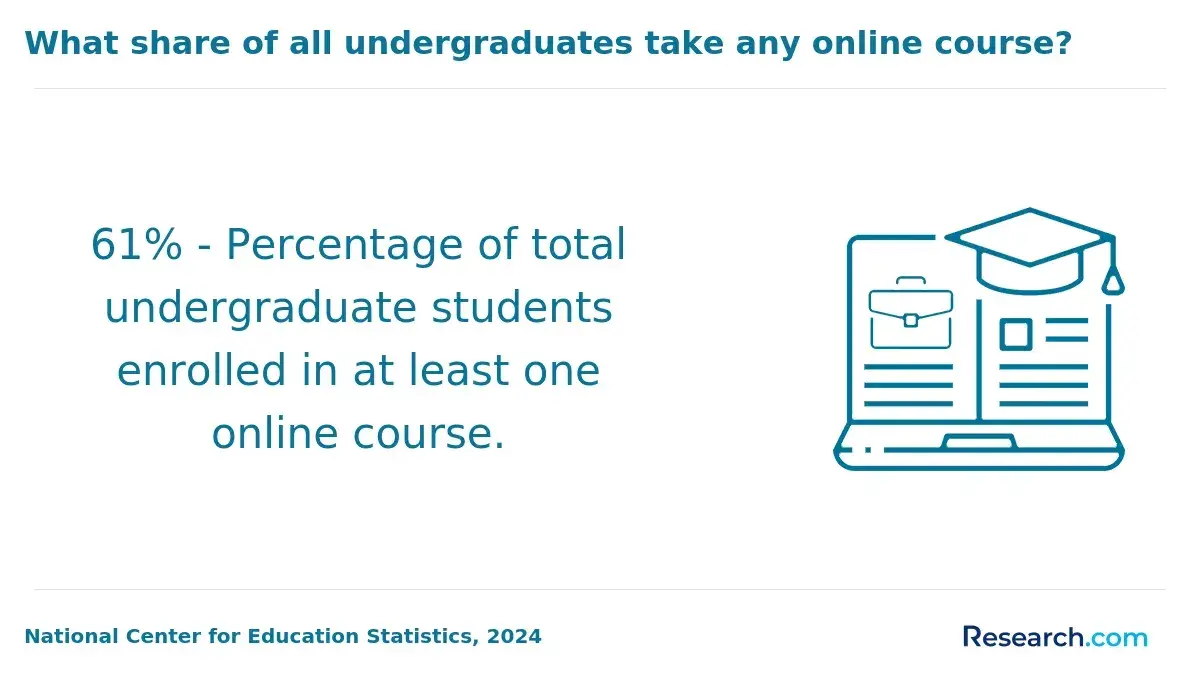
With over 40% of all higher education students enrolled in some form of online learning, more schools now design programs for adults who cannot attend daytime campus courses. Still, flexibility varies widely by institution.
- Asynchronous learning models: These programs let students access lectures and complete assignments on their own schedule. They are often the best fit for adults working full time, parenting, freelancing, touring, or managing irregular shifts.
- Competency-based pathways: Students with prior knowledge in business, marketing, audio production, media, or music administration may benefit from programs that allow faster progress through mastered material.
- Transfer-friendly institutions: Adults returning to school should prioritize programs that accept previous college credits and evaluate military or professional learning where applicable. This can lower tuition and shorten the path to graduation.
- Employer-aligned programs: Programs connected to current industry needs can help students apply coursework immediately in areas such as digital promotion, rights management, music analytics, and event operations.
- Flexible part-time formats: A part-time option can be more sustainable for students with demanding jobs or family responsibilities. The trade-off is a longer completion timeline, which may increase total fees or delay career benefits.
Working adults should ask three practical questions before enrolling: How many hours per week will each course require? Are deadlines weekly or self-paced? What happens if work or family obligations force a temporary course reduction? Clear answers can prevent burnout and improve completion odds.
What Financial Aid Options Are Available for Online Music Business Students?
Online music business students may qualify for federal aid, scholarships, grants, employer tuition assistance, military benefits, and transfer-credit savings, depending on the school and the student’s eligibility. Because student loan debt in the U.S. continues to exceed $1.7 trillion, reducing borrowed amounts should be a major part of program selection.
Nearly 60% of undergraduates complete a FAFSA form annually, which can unlock access to federal funding. Students should complete the FAFSA early and confirm that the online program participates in the aid programs they plan to use.
- Federal aid: Eligible students in accredited programs may access Pell Grants and Direct Subsidized or Unsubsidized Loans. Grants do not require repayment, while loans must be repaid according to federal terms.
- Employer tuition assistance: Working professionals should ask whether their employer offers reimbursement or upfront tuition support. Some employers require students to earn a minimum grade or stay employed for a set period after receiving assistance.
- Institutional scholarships and grants: Schools may offer merit-based, need-based, transfer, adult learner, or online student awards. Confirm whether awards renew each year and whether part-time students qualify.
- Transfer credit opportunities: Accepted credits can function like a cost reduction because they decrease the number of courses you must pay for. Request a transfer evaluation before enrolling whenever possible.
- Military and veteran benefits: Active service members, veterans, and eligible family members may use GI Bill funding, Yellow Ribbon programs, and other tuition assistance. Benefit rules can be complex, so students should work with a school certifying official before registering.
Financial aid can reduce upfront cost, but it does not automatically make a program affordable. Compare net price after grants and scholarships, likely borrowing, monthly repayment obligations, and expected career outcomes.
Students comparing flexible online programs in other emerging fields can also review the blockchain masters degree landscape to see how online pricing, career alignment, and value-focused program design vary by discipline.
What Careers Can You Pursue With an Online Music Business Degree?
An online music business degree can prepare students for roles in artist management, music publishing, licensing, marketing, live events, digital distribution, rights administration, and entertainment entrepreneurship. Career outcomes depend on experience, location, networking, portfolio quality, and the student’s ability to combine business skills with music industry knowledge.
Because the entertainment sector includes both traditional companies and digital-first employers, graduates may pursue office-based, hybrid, freelance, or remote-friendly work.
- Entry-level roles: Graduates may begin as artist management assistants, music licensing coordinators, marketing aides, venue assistants, label support staff, or publishing assistants. These roles build industry knowledge and professional contacts.
- Specialized industry positions: Record labels, publishers, streaming companies, sync agencies, and media firms may hire professionals for royalty administration, catalog coordination, contract support, digital campaign coordination, and music supervision support.
- Management careers: With experience, graduates may move into project manager, label operations, festival coordinator, tour support, artist relations, or entertainment marketing roles. These positions require organization, budgeting, negotiation, and leadership.
- Remote-friendly work: Digital distribution, metadata management, rights administration, online marketing, and analytics-related roles may offer remote or hybrid arrangements, although networking and industry presence remain important.
- Graduate school preparation: A bachelor’s degree in music business can also support future study in business, arts administration, entertainment management, law-adjacent fields, or an MBA with an arts or entertainment focus.
Students should choose electives and projects based on the career direction they want. Someone interested in artist management may need negotiation, branding, and touring knowledge, while a student targeting music publishing should prioritize copyright, licensing, royalties, and catalog administration.
Students who want flexible, customizable academic pathways can compare online interdisciplinary studies bachelor programs low cost while also researching the highest paying music business jobs in the US.
What Is the Salary Potential for Graduates of Online Music Business Programs?
Salary potential for online music business graduates varies by role, experience, employer type, location, and specialization. Median annual earnings for entry roles often range from $40,000 to $55,000, while graduates who build expertise in higher-value areas may earn more over time.
Students should treat salary estimates as planning tools, not guarantees. The music industry is competitive, and earnings can differ sharply between full-time corporate roles, nonprofit arts positions, freelance work, live events, and entrepreneurial careers.
- Industry specialization: Digital rights management, music supervision, and publishing analytics typically offer higher salaries, frequently between $60,000 and $80,000. Specialized technical and legal-adjacent knowledge can improve earning power.
- Experience level: Early-career workers often start in support roles. Salary growth usually improves as professionals build networks, manage projects, negotiate contracts, or supervise teams. Seasoned professionals in management positions can exceed $100,000 annually.
- Geographic location: Major markets such as Los Angeles, Nashville, and New York often offer more music industry opportunities and higher wages, but they also have higher living costs. Students should compare salary potential with cost of living.
- Transferable skills: Digital marketing, contract negotiation, analytics, budgeting, project management, and communication skills can help graduates move across music, media, entertainment, and broader business roles.
- Program outcomes: Accredited online music business programs with strong employment rates, career support, and competitive alumni salaries may offer better long-term ROI than programs that provide limited career guidance.
The strongest salary strategy is to pair the degree with experience. Internships, freelance projects, campus media work, event production, artist support, and portfolio-ready assignments can help graduates compete for better roles after graduation.
What Graduates Say About Best Value Online Music Business Degree Programs
- : "As a student with a tight budget, I found the best value online music business degree programs were those that balanced affordability with accreditation. It’s important to choose schools that fit your finances and offer courses known for delivering a strong return on investment. Knowing which careers thrive with this degree, like artist management or music publishing, helped me feel confident about my future. —Tyson"
- : "After researching various online music business degree programs, I’m impressed by how some accredited options offer strong ROI with flexible schedules for working professionals like me. Prioritizing programs that focus on real-world skills and industry connections can make all the difference when advancing your career. I personally value degrees that open doors to roles in music marketing and rights management. —Zara"
- : "Choosing an online music business degree as a career-focused adult learner meant looking beyond cost to the actual value provided. Accredited programs that emphasize entrepreneurship and digital strategy produced the highest returns for me professionally. Understanding the career paths available, such as music licensing or concert promotion, truly shaped my decision to invest in this education. —Nathan"
Other Things You Should Know About Music Business Degrees
Many online music business degree programs incorporate practical learning opportunities such as virtual internships, project-based assignments, and collaborations with industry professionals. Some programs partner with music companies or provide access to real-world case studies to ensure students gain applicable skills. However, the level of hands-on experience varies, so prospective students should verify the availability of experiential components before enrolling.
Networking is crucial in the music business industry, and quality online programs often facilitate virtual networking through alumni groups, industry guest speakers, and live online events. These connections can lead to internships, job opportunities, and mentorships. Students should seek programs that actively support community, building to maximize career prospects.
Affordable online music business degree programs in 2027 still offer a variety of specialization opportunities. Many institutions provide tracks in areas like music production, management, and marketing, ensuring that students can tailor their education to align with specific career goals without compromising on value.
Shorter degree programs allow students to enter the workforce faster, minimizing tuition costs and lost income potential, thus improving return on investment. Many online music business programs offer accelerated schedules or flexible pacing to accommodate working adults. Choosing a program that matches one's timeline is essential for optimizing long-term financial benefits.
References
- Music Business Bachelor's https://www.fullsail.edu/degrees/music-business-bachelor-degree-program
- Best Online Music Business Courses and Programs | edX https://www.edx.org/learn/music-business
- Join Our Music Business Program Online | Musicians Institute https://www.mi.edu/music-business/
- Scholarships https://nafme.org/student-opportunities/scholarships/
- 2025 Most Affordable Online Degrees in Music https://www.onlineu.com/most-affordable-colleges/music-degrees
- 7 Best Music Business Degree Programs https://www.careersinmusic.com/music-business-degree/