
2027 Does an Online Forensic Accounting Master's Degree Qualify You for Licensure?

Co-Founder and Chief Data Scientist
Before enrolling in an online forensic accounting master’s program, the key question is not whether the classes are online. It is whether the degree, coursework, supervised experience, and exams will satisfy the licensing or credentialing rules in the state where you plan to practice. A student can complete a rigorous program and still face delays if the school lacks the right accreditation, the curriculum misses required accounting credits, or supervised hours are not documented in the format a board expects.
This matters because nearly 30% of online forensic accounting programs fail to meet specific state credentialing standards, placing graduates at risk of wasting time and resources. Licensure usually involves more than earning a graduate degree. Depending on the jurisdiction and career goal, candidates may need accredited coursework, supervised experience, background checks, ethics requirements, the Uniform CPA Examination, or professional certifications such as the CFE.
This guide explains how online forensic accounting master’s degrees are reviewed for licensure, what state boards typically look for, where online students run into problems, and how to verify a program before you commit tuition dollars or career time.
Key Benefits of Qualifying for Online Forensic Accounting Master's Degree Licensure
- Online forensic accounting master's degrees often fulfill state licensure education requirements if properly accredited, ensuring graduates can pursue certification by recognized boards and national organizations.
- The flexibility of online programs benefits working professionals, career changers, and re-entrants, allowing them to complete supervised practicums and coursework without sacrificing employment or family commitments.
- Graduates must verify state-specific licensing rules, exam prerequisites, and continuing education obligations to ensure their online degree qualifies for licensure and interstate credential portability.
What Is a Forensic Accounting Master's Degree, and What Forms Does It Take Online?
A forensic accounting master’s degree is a graduate program that combines advanced accounting with fraud examination, auditing, litigation support, financial investigation, and legal procedures. Online versions can be a strong fit for working accountants, auditors, finance professionals, and career changers, but the exact degree title and curriculum matter when licensure is the goal.
Common degree formats
- Master of Science (M.S.) in Forensic Accounting: Usually the most technical option. It often emphasizes accounting analytics, audit methods, financial reporting, fraud schemes, and evidence-based investigation.
- Master of Arts (M.A.) in Forensic Accounting: Often places more weight on legal context, investigative writing, regulatory issues, and fraud prevention. The accounting depth varies by school.
- MBA with a forensic accounting concentration: Broader and more management-focused. This can be useful for leadership roles, but students seeking CPA licensure should verify that the accounting credits are sufficient.
Online delivery models
- Synchronous programs require live online attendance. They offer more real-time discussion but less scheduling flexibility.
- Asynchronous programs allow students to complete coursework on their own schedule, which can work better for full-time employees.
- Hybrid programs combine online classes with limited in-person sessions, residencies, or local fieldwork.
- Cohort-based programs move students through courses together, while self-paced models allow more individual timing but may offer less peer interaction.
The format alone rarely determines licensure eligibility. The more important issues are accreditation, accounting credit hours, course content, supervised experience, and whether the program’s documentation will satisfy the state board where you intend to apply. Students comparing forensic accounting with other academic paths can also review broader guidance on majors in college.
Do State Licensing Boards Recognize Online Forensic Accounting Degrees for Licensure Purposes?
State licensing boards generally focus less on whether a degree was earned online and more on whether it came from an accredited institution and includes the required accounting, business, ethics, and experience components. A 2023 survey found that over 70% of state boards now explicitly recognize accredited online degrees, but acceptance is still not automatic in every case.
What boards usually review
- Institutional accreditation: Boards commonly expect a degree from a regionally or nationally accredited institution. Programmatic accreditation may also help, especially when employers or boards value recognized business-school standards.
- Course content and credit hours: A forensic accounting concentration may not by itself meet CPA-related education requirements. Boards may count only specific accounting, auditing, taxation, business law, or ethics courses.
- Delivery method: Many boards accept online credits from accredited schools, but some still review distance-learning coursework more closely.
- Supervised experience: Academic approval does not remove work-experience obligations. Boards may require experience under a properly licensed supervisor.
- State-specific rules: California and New York have well-documented rules outlining the acceptance of online education for licensure, while many other states review applications individually.
The safest approach is to contact the state board before enrolling and ask whether the specific school, degree, and planned coursework will meet the educational requirements for the license or credential you want. Keep the written response. It can help if requirements are later questioned. Readers comparing other online pathways can also review the most affordable online doctoral programs for context on how online credentials are evaluated across fields.
What Supervised Clinical or Practicum Hours Are Required for Forensic Accounting Licensure After an Online Degree?
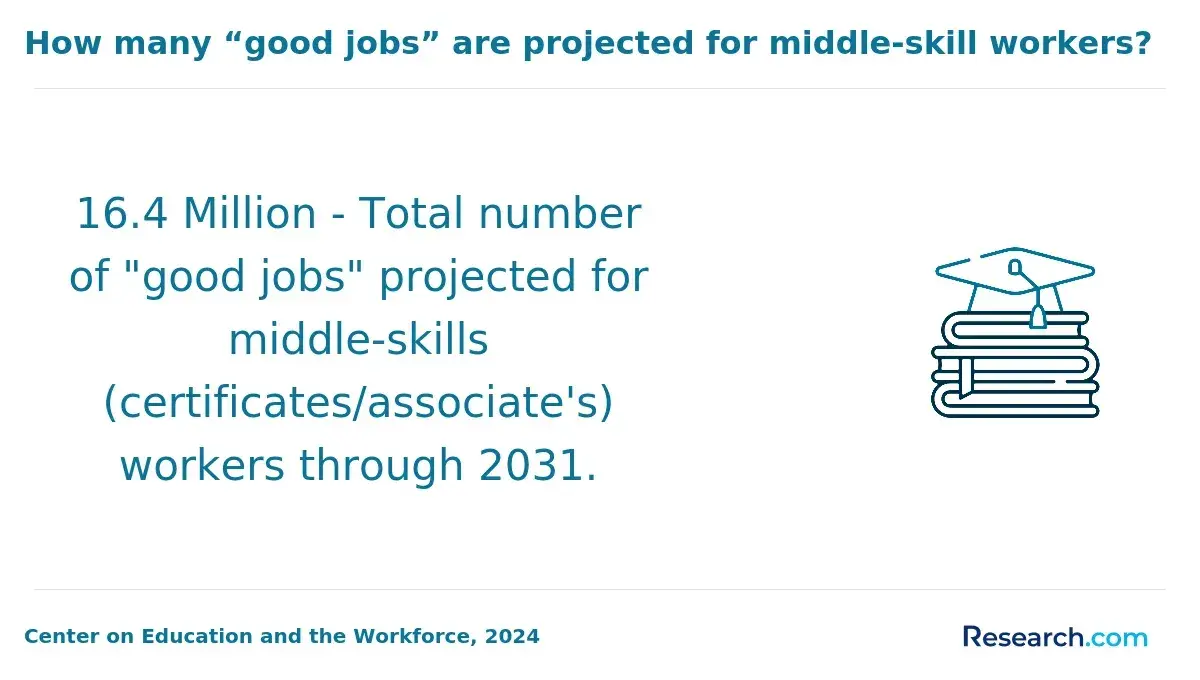
Forensic accounting does not usually use “clinical hours” in the same way healthcare fields do, but many licensure and credentialing pathways require supervised professional experience. About 75% of licensure boards require documented supervised experience before granting credentials. For candidates pursuing CPA licensure or forensic accounting credentials, this experience can be just as important as the degree.
Typical experience expectations
- Hour ranges: Most boards expect candidates to complete between 1,500 and 2,000 hours of supervised work, often through accounting, auditing, fraud examination, compliance, litigation support, or investigative finance roles.
- Approved supervision: The supervisor may need to hold a CPA license or another recognized credential, depending on the board or certifying body.
- Location rules: Hours generally must satisfy the rules of the state where licensure is sought, not necessarily the state where the online school is located.
- Documentation: Boards may require employer verification forms, supervisor signatures, position descriptions, dates of employment, and descriptions of qualifying tasks.
What online students should confirm
- Whether the program helps students identify local internship or practicum sites.
- Whether remote work experience can count toward supervised hours.
- Whether the school reviews supervisor credentials before the experience begins.
- Whether the program provides templates for documenting hours in board-approved language.
One professional who completed an online forensic accounting master’s degree allowing transfer credits described the experience requirement as the most difficult part of the licensure process. He had to verify that his supervisor’s credentials matched state board expectations, arrange local work experience, and wait for official approval before moving forward with the exam timeline. His experience shows why students should ask about practicum placement and documentation procedures before enrolling, not after graduation.
What Examinations Must Forensic Accounting Graduates Pass to Obtain Licensure?
Most forensic accounting careers do not require a separate state “forensic accountant license.” Instead, many professionals pursue CPA licensure through their state board and then add forensic-focused credentials. Online forensic accounting graduates are generally considered on the same basis as campus graduates if their degree, credits, and accreditation meet board requirements.
Approximately 50% of candidates pass the Uniform CPA Examination on their first try, so exam preparation should be part of the program-selection decision. A program that covers auditing, financial accounting, regulation, business concepts, ethics, fraud investigation, and evidence handling can make the transition to exams more manageable.
- Uniform CPA Examination: This is the main U.S. licensure exam for candidates seeking CPA status. It consists of four sections covering auditing, financial accounting, regulation, and business environment topics. Eligibility depends on state education rules, not simply on having a master’s degree.
- Certified Fraud Examiner (CFE) Exam: Offered by the Association of Certified Fraud Examiners, this exam is widely relevant for forensic accountants who investigate fraud. It typically considers education and experience and does not reject a degree simply because it was earned online.
- State board requirements: Some states require ethics exams, background checks, specific accounting courses, or additional experience before issuing a license.
- Certified Forensic Accountant (Cr.FA) Credential: This voluntary credential can strengthen a forensic accounting résumé, but it is not usually a substitute for a state-issued accounting license where one is required.
Before choosing a program, compare the curriculum with the exam path you intend to follow. Students who are weighing forensic accounting against other financially oriented paths can also review majors that make the most money.
What Is the Minimum GPA Requirement for Forensic Accounting Master's Programs That Lead to Licensure?
The most common GPA requirement is set by the school, not the licensing board. Approximately 75% of accredited programs mandate a minimum GPA of 3.0 for admission. A 3.0 GPA on a 4.0 scale is therefore a practical benchmark for applicants to online forensic accounting master’s programs.
- Admissions GPA: Many programs use a 3.0 minimum to screen applicants for graduate-level readiness in accounting, auditing, analytics, and legal coursework.
- Online and on-campus parity: Online programs usually apply the same GPA expectations as comparable campus programs because the degree requirements are intended to be equivalent.
- Licensure impact: Most licensing boards do not impose a separate GPA requirement. They usually care more about accredited credits, required subjects, degree completion, exams, and supervised experience.
- Conditional admission: Applicants below the stated GPA may sometimes qualify through professional experience, prerequisite coursework, strong recommendations, or provisional enrollment, depending on the school.
- Exam readiness: GPA may not determine licensing exam eligibility, but weak preparation in accounting fundamentals can make CPA or fraud-exam preparation harder.
A forensic accounting professional who moved into the field through an online master’s program described GPA as “the door-opener,” not the final measure of readiness. In her view, the harder work came from building practical investigative skills, meeting experience requirements, and preparing for certification exams.
How Do Online Forensic Accounting Programs Fulfill the Residency or In-Person Requirements Tied to Licensure?
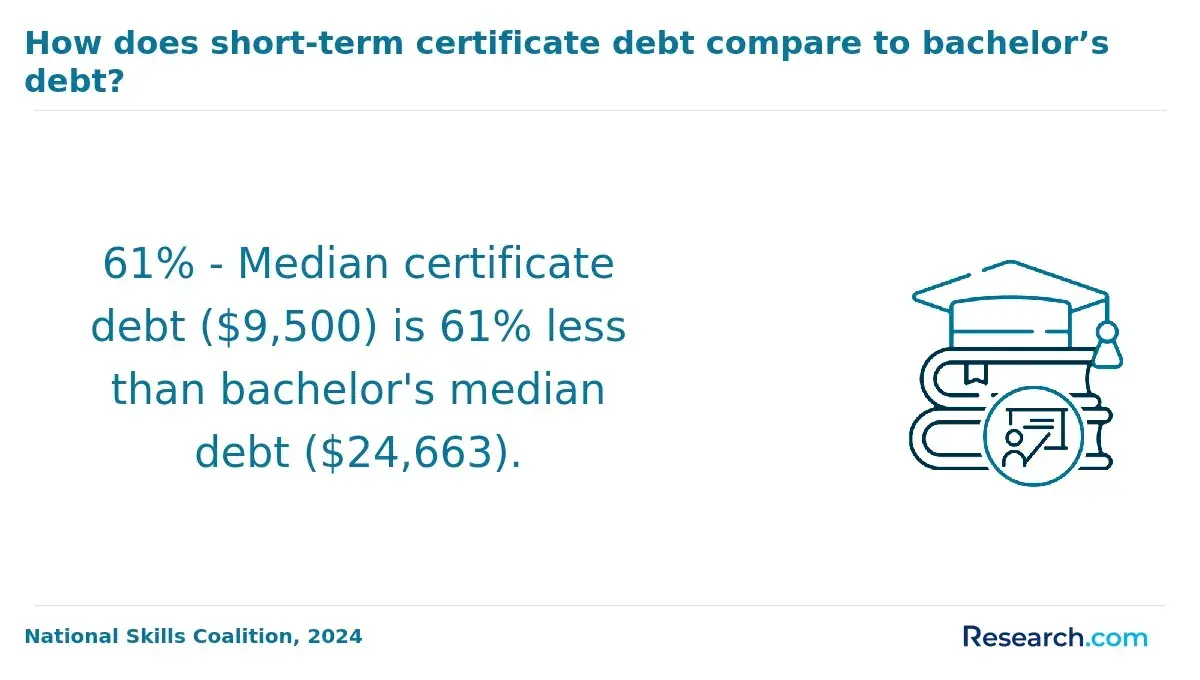
Enrollment in online forensic accounting master’s programs has increased by around 25% annually, but online delivery does not always eliminate in-person requirements. Some programs, boards, or credentialing bodies may expect students to complete residencies, proctored assessments, internships, or supervised work in approved settings.
- Short residencies: Some online programs require brief campus visits for case simulations, presentations, networking, or applied forensic exercises.
- Hybrid coursework: Hybrid programs may place certain courses, labs, or seminars in person while keeping most lectures and assignments online.
- Local site partnerships: Many programs allow students to complete supervised experience at approved accounting firms, government agencies, financial institutions, or compliance departments near their residence.
- Board review timing: Licensing authorities typically evaluate residency or in-person requirements during the licensure application process, when they review transcripts and experience records.
- Transfer credit review: Students using transfer credits should be prepared to provide official transcripts, course descriptions, syllabi, and credit-hour documentation.
- Changing rules: Recent adjustments in policy, partly influenced by technological advances and pandemic adaptations, have eased some in-person training demands; however, students must confirm their state’s current rules because requirements still vary substantially.
When speaking with admissions staff, ask a direct question: “What in-person, residency, proctored testing, internship, or supervised experience requirements must I complete to qualify for licensure in my state?” A general promise that the program is “licensure-friendly” is not enough.
How Does Interstate Licensure Portability Work for Online Forensic Accounting Graduates?
Interstate portability matters for students who study online in one state, live in another, or expect to serve clients across state lines. About 80% of forensic accounting graduates seek licensure across state lines, so students should plan for mobility before choosing a program.
- CPA mobility: Forensic accounting itself does not have a dedicated national licensure compact, but CPA licensure benefits from the Uniform CPA Examination and CPA Mobility rules. These rules can allow CPAs who meet standards to practice across certain state lines, subject to state limits.
- Endorsement: Some states allow licensed accountants from another jurisdiction to apply by endorsement rather than retaking exams. The applicant may still need to show comparable education, experience, ethics training, and good standing.
- Reciprocity: Full reciprocity is uncommon. Many states will recognize credentials from accredited online programs only if the coursework and experience match that state’s requirements.
- Documentation problems: Online graduates can face delays if transcripts do not clearly show accounting credits, if practicum hours were completed out of state, or if supervisor qualifications are unclear.
- Career planning: Students who expect to relocate should compare requirements in both their current state and likely future states, especially before choosing electives or accepting a supervised position.
The practical rule is simple: prepare for the strictest state in which you realistically expect to practice. It is easier to choose the right coursework and experience upfront than to return later for missing credits or additional supervised hours.
What Are the Common Reasons Online Forensic Accounting Graduates Are Denied Licensure?
Licensure denials often result from preventable gaps: the wrong accreditation, missing coursework, poorly documented experience, or incomplete disclosures. Online graduates are not automatically at a disadvantage, but they must be able to prove that their education and experience meet the same standards applied to other applicants.
- Insufficient program accreditation: Boards may reject degrees from schools that lack recognized accreditation. Before enrolling, confirm both institutional accreditation and any accreditation preferences listed by the state board.
- Missing accounting or business credits: A forensic accounting master’s program may include investigative courses but still fall short on required accounting, auditing, taxation, ethics, or business-law credits.
- Lack of documented supervised hours: Many applicants complete relevant work but fail to document it in a board-approved format. Supervisor credentials, dates, hours, and duties must be clear.
- Unapproved practicum arrangements: Experience may not count if the supervisor does not meet board standards or if the work was completed in a setting the board does not recognize.
- Background check issues: Incomplete disclosures, legal concerns, or inconsistencies in the application can lead to denial even when academic requirements are met.
- Late discovery of state-specific rules: Students sometimes learn after graduation that their state requires a course, residency, ethics exam, or experience category their program did not provide.
- Limited appeal options: Most boards offer appeal or remediation processes, but the options vary. Some applicants may need additional coursework, corrected documentation, or more supervised experience.
Students should treat licensure verification as part of program selection, not as a post-graduation task. Those comparing entirely different licensed professions can also examine how requirements differ in fields such as marriage and family therapy master’s programs.
What Technology and Simulation Requirements Must Online Forensic Accounting Programs Meet to Support Licensure-Track Students?
Technology quality matters because forensic accounting is an applied field. Students need to practice with digital records, financial datasets, investigative workflows, secure testing tools, and case-based simulations. With master’s degree holders in forensic accounting earning a median annual salary exceeding $85,000, choosing a program with credible applied training can affect both licensure readiness and career competitiveness.
- Learning Management Systems: Accredited programs generally use platforms such as Blackboard or Canvas to deliver lectures, assignments, discussions, exams, case files, and faculty feedback.
- Simulation labs: Strong programs include virtual fraud investigations, audit trails, data analysis exercises, document review, interview planning, and litigation-support scenarios.
- Secure assessment tools: Licensure-track programs may use identity verification, proctored exams, plagiarism detection, and controlled testing environments to preserve academic integrity.
- Data and analytics exposure: Students should look for coursework that uses spreadsheet modeling, database review, forensic analytics, and fraud-detection tools rather than relying only on textbook discussion.
- Faculty interaction: Online programs should offer access to instructors, feedback on investigative writing, and opportunities to discuss complex cases.
- Accreditation and licensing review: Agencies like AACSB and state boards may examine whether programs include supervised practicums, secure testing methods, and technology that supports competency development.
- Emerging tools: Pilot initiatives are incorporating AI-driven forensic tools and immersive virtual reality training, potentially becoming future licensure requirements. Students interested in adjacent technical skills may also explore an online master’s degree cyber security.
Ask the program for examples of actual simulations, software access, proctored assessment policies, and how remote students receive feedback on investigative work. A program that only states that it has “online technology” may not provide the practical training expected in forensic accounting roles.
What Continuing Education Requirements Must Licensed Forensic Accounting Professionals Meet After Earning Their License?
Licensure is not a one-time obligation. Nearly 90% of states require forensic accounting professionals to complete ongoing CE credits, especially when they hold CPA licensure or related credentials. Continuing education helps professionals stay current with fraud schemes, accounting standards, ethics rules, litigation practices, and regulatory changes.
- Credit-hour requirements: Most jurisdictions mandate between 20 to 40 hours of CE annually or every two years. The exact number, reporting cycle, and approved topics vary by state.
- Ethics training: Many states require some CE hours in ethics, professional responsibility, independence, or regulatory compliance.
- Specialized forensic topics: Fraud detection, digital evidence, anti-money-laundering controls, litigation support, valuation disputes, and investigative interviewing may help maintain forensic competence.
- Online CE: Online continuing education is widely available, but not every state accepts every provider or format. Licensees should confirm approval before paying for a course.
- Professional associations: Organizations such as the AICPA and National Association of Forensic Accountants offer CE options that may support state and credentialing requirements.
- Recordkeeping: Professionals should retain completion certificates, course descriptions, provider information, dates, and credit-hour records in case of audit.
New graduates should create a CE calendar as soon as they become licensed. Missing renewal deadlines can lead to penalties, inactive status, or additional reinstatement requirements.
How Should Prospective Students Evaluate Whether a Specific Online Forensic Accounting Program Will Qualify Them for Licensure in Their State?
Evaluating licensure fit before enrollment is essential because nearly 85% of states impose specific educational and experience standards before granting licenses. Do not rely only on a school’s general marketing language. Verify the exact path from admission to graduation to licensure in your intended state.
- Identify your target credential. Decide whether you are pursuing CPA licensure, a forensic accounting certification, a fraud-examiner credential, or an employer-preferred graduate degree.
- Check state board rules. Review the accountancy board requirements in the state where you plan to practice. Confirm education, exam, ethics, residency, and experience requirements.
- Verify accreditation. Confirm that the institution holds accreditation recognized by your state board. If programmatic accreditation matters in your field or state, verify that as well.
- Map the curriculum. Compare required courses and electives against the state’s accounting, auditing, business, taxation, and ethics credit requirements.
- Ask about online credit acceptance. Request written confirmation when possible, especially if the board has special rules for distance education.
- Confirm practicum or experience support. Ask whether the program helps students secure supervised experience and whether it provides documentation templates acceptable to licensing boards.
- Review residency requirements. Determine whether you must travel to campus, attend intensives, complete proctored exams, or work at an approved local site.
- Compare total cost and funding. Tuition is only part of the decision. Include fees, software, travel, exam preparation, credentialing costs, and the cost of accounting degree online when comparing options.
- Request outcomes information. Ask for licensure exam preparation support, graduate placement information, and whether graduates from your state have successfully qualified.
- Keep records. Save emails from advisors, program disclosures, syllabi, catalogs, accreditation pages, and board responses.
The best program is not simply the most flexible or fastest. It is the one that can document how its degree, credits, technology, field experience, and support services align with your state’s licensure rules.
What Graduates Say About Qualifying for Online Forensic Accounting Master's Degree Licensure
- Nathanael: "Choosing an online forensic accounting master's degree was pivotal for me to balance work and study without relocating. I made sure to verify the program's alignment with licensure requirements by consulting my state board and reviewing curriculum details thoroughly. This degree not only fulfilled the educational prerequisites but also gave me the confidence to advance my career in financial crime investigation."
- Russell: "Pursuing my forensic accounting master's online allowed me to gain specialized knowledge while maintaining my job in auditing. A critical step was confirming the program's accreditation and licensure eligibility with professional bodies, which involved detailed research and communication. Reflecting on the journey, I appreciate how this degree opened doors to becoming a licensed forensic accountant and enhanced my professional credibility."
- Jose: "I opted for an online forensic accounting master's degree to accelerate my career transition into the field without interrupting my income stream. Ensuring that my coursework met licensure criteria meant carefully cross-checking state requirements and program offerings. The result was a seamless path to licensure that broadened my expertise and dramatically increased my marketability."
Other Things You Should Know About Forensic Accounting Degrees
In 2027, an Online Forensic Accounting Master's Degree may not automatically qualify you for licensure. It's crucial to check your state's specific licensure requirements, as these can differ significantly. Some states may require additional coursework or examinations beyond a master's degree, while others might accept it as part of the licensure process. Ensure you understand these requirements before enrolling.
Accreditation ensures the program meets recognized academic standards and is crucial for licensure eligibility in most states. Regional accreditation is generally required, while programmatic accreditation specific to accounting or forensic accounting strengthens your credentials. Without proper accreditation, your degree may not be accepted by licensing boards or employers, potentially hindering your ability to become a licensed forensic accountant.
Not all online forensic accounting master's programs meet licensure requirements. It's essential to verify if a specific program is accredited by a recognized accrediting body, ensuring it meets the professional standards needed for licensure. Accreditation affects eligibility for licensure exams and career prospects.
The licensure process duration varies by state but generally takes between 6 to 12 months after graduation. This period includes passing required exams, completing any necessary supervised work experience, and submitting documentation for licensure review. Graduates should plan for additional time if they need to complete clinical hours or address state-specific requirements beyond their online degree.
References
- CA Forensic Accounting Specialisation Program | CA ANZ https://www.charteredaccountantsanz.com/learning-and-events/specialisations/forensic-accounting
- Forensic Accounting Certificate Online https://www.snhu.edu/online-degrees/certificates/graduate-forensic-accounting-and-fraud-examination
- Our Guide to Becoming a Forensic Accountant https://www.learndirect.com/pillar/our-guide-to-becoming-a-forensic-accountant
- Get Certified - The Forensic CPA Society https://fcpaglobal.org/get-certified/
- Bridging the Gap. Why Forensic Accounting Education Must Evolve to Combat Modern Financial Crime - GRIN | Grin https://www.grin.com/document/1577599
- Top Master's in Forensic Accounting Online | Accounting.com https://www.accounting.com/degrees/forensic-accounting/masters/best-online-programs/
- How to Become a Forensic Accountant | University of Phoenix https://www.phoenix.edu/articles/accounting/how-to-become-a-forensic-accountant.html
- Accounting Major Online Degree | SUNY Plattsburgh https://www.plattsburgh.edu/programs/accounting-major-online.html
- How to Become a Forensic Accountant https://www.allbusinessschools.com/specialties/how-to-become-a-forensic-accountant/
- Decisions, Decisions, Decisions: Considerations Regarding License Portability and Compacts - Family Therapy Magazine https://ftm.aamft.org/decisions-decisions-decisions-considerations-regarding-license-portability-and-compacts/


