2027 Best Online Forensic Accounting Degree Master's Programs for Career Changers

Co-Founder and Chief Data Scientist
Switching into forensic accounting is a practical goal, but it requires more than an interest in fraud investigations. Career changers need graduate programs that teach accounting fundamentals, investigative methods, financial analysis, legal procedures, and data-driven evidence review without assuming every student already has an accounting degree. The challenge is finding an online master's program that is flexible enough for working adults, credible enough for employers, and structured enough for students entering from business, law, technology, compliance, marketing, or other non-accounting backgrounds.
According to the National Association of State Boards of Accountancy, online forensic accounting master's programs show a 35% increase in enrollment among non-accounting majors over the past five years. That growth reflects a clear trend: professionals are using online graduate education to move into fraud examination, litigation support, compliance, internal audit, and financial investigation roles. This guide explains what career changers should know before choosing a program, including admissions expectations, curriculum design, program length, cost, employer recognition, skills gained, hiring industries, and earning potential.
Key Benefits of Online Forensic Accounting Degree Master's Programs for Career Changers
- Online forensic accounting master's programs offer flexible scheduling, enabling working professionals to balance job, family, and study commitments without compromising career progression.
- Accelerated curricula focus on practical skills and industry standards, allowing career changers to swiftly gain expertise necessary for entry into forensic accounting roles.
- Virtual classrooms connect students worldwide, fostering diverse professional networks that enhance job prospects and provide insights into global forensic accounting practices.
What Are the Best Online Forensic Accounting Master's Programs for Career Changers?
The best online forensic accounting master's programs for career changers are not simply accounting degrees offered online. They are programs that deliberately help non-accounting professionals build a bridge from their current experience into financial investigation. A strong program should provide accounting foundations, forensic accounting coursework, applied casework, flexible scheduling, and clear preparation for roles involving fraud, litigation, compliance, or risk analysis.
For career changers, specialization matters because it can make the transition more focused. The Bureau of Labor Statistics projects a 16% employment growth in investigative and fraud-related financial roles from 2022 to 2032, so students should choose a concentration that matches both their prior experience and their target job market.
- Financial Fraud Examination: This track is a strong fit for students coming from compliance, business operations, finance, criminal justice, or legal studies. It usually emphasizes fraud schemes, internal controls, interviewing, evidence review, and fraud prevention.
- Cyber Forensic Accounting: This option is especially useful for IT, cybersecurity, information systems, or data professionals who want to investigate digital financial activity, electronic records, and technology-enabled fraud.
- Litigation Support: This path works well for professionals with law, communications, consulting, or dispute-resolution experience. Students learn how forensic accountants support attorneys, organize financial evidence, prepare reports, and contribute to courtroom proceedings.
- Fraud Risk Management: This specialization fits students with backgrounds in insurance, audit, risk analysis, project management, or corporate governance. It focuses on identifying vulnerabilities, designing controls, and reducing fraud exposure before losses occur.
When comparing programs, career changers should look beyond the specialization title. Review course descriptions, faculty credentials, capstone requirements, internship options, and whether the curriculum assumes prior accounting knowledge. Students interested in the technology side of investigations may also compare adjacent programs such as the best online AI degree programs, since data analysis and automation are increasingly relevant to financial crime detection.
What Are the Admission Requirements for Online Forensic Accounting Master's Programs for Non-Majors?
Online forensic accounting master's programs commonly accept applicants who did not major in accounting, but students should expect to prove graduate readiness. Over 60% of programs now accept students from diverse academic backgrounds when they demonstrate relevant competencies. For non-majors, the strongest application connects prior work experience to forensic accounting skills such as analysis, documentation, ethics, investigation, risk assessment, or regulatory awareness.
- Accredited Bachelor's Degree: Most programs require a bachelor's degree from an accredited institution. The degree may be in any field, but applicants without accounting coursework may need additional preparation.
- Professional Resume: A resume should highlight transferable skills, not just job titles. Useful experience may include budgeting, reporting, compliance, data analysis, legal support, operations, management, auditing, investigations, or client advisory work.
- Personal Statement: Career changers should explain why they are moving into forensic accounting, what relevant experience they bring, and how the specific program supports their goals. A generic statement is a missed opportunity.
- Bridge Coursework: Many programs require accounting, finance, business law, or statistics prerequisites. These courses may be completed before admission, during the first term, or through designated online bridge modules.
- Letters of Recommendation: Recommendations should come from people who can speak to analytical ability, ethics, writing skills, persistence, and readiness for graduate-level work. Professional references can be especially valuable for career changers.
Applicants should ask admissions advisors whether prerequisite courses add time or cost to the degree. They should also confirm whether bridge courses count toward the master's credits or are billed separately. Professionals comparing accelerated online formats may find it useful to review how other fields structure condensed graduate study, including one year MSW programs, while recognizing that forensic accounting timelines depend heavily on accounting prerequisites and course sequencing.
How Is the Curriculum Structured for Career Changers in Online Forensic Accounting Master's Programs?
For career changers, the strongest online forensic accounting master's curricula move in stages: first accounting foundations, then forensic methods, then applied investigations. This matters because students without an accounting background need enough technical grounding to analyze financial statements, trace transactions, understand audit evidence, and communicate findings in legal or regulatory settings. Notably, 68% of graduates report feeling significantly better prepared for jobs due to these carefully designed programs.
Typical curriculum sequence
- Foundational Bridge Modules: These courses introduce accounting principles, finance concepts, auditing basics, business law, and regulatory frameworks. They help non-accounting students understand the language and logic of financial records before moving into investigation work.
- Core Industry Competencies: Core courses usually cover fraud examination, forensic accounting methods, financial statement analysis, internal controls, ethics, data analytics, evidence handling, and investigative reporting.
- Applied Capstone Projects: Capstones, simulations, case analyses, internships, or practicum experiences help students apply classroom concepts to realistic fraud scenarios. These experiences are especially important for career changers who need credible examples of forensic accounting work for interviews.
A well-designed program should not leave non-majors to “catch up” on their own. Students should look for clear prerequisite maps, tutoring or faculty support, practice-based assignments, and courses that explain how accounting evidence is used in investigations. The best curriculum for a career changer is sequential, applied, and transparent about expectations.
One common adjustment for non-accounting students is learning to slow down and document conclusions carefully. Forensic accounting is not only about identifying suspicious activity; it is about building a defensible explanation from records, controls, interviews, and financial patterns. Programs that repeatedly require written reports, exhibits, and case-based reasoning tend to prepare students more effectively for real investigative work.
Is an Online Forensic Accounting Master's as Respected as an On-Campus Degree?
An online forensic accounting master's degree can be respected by employers when it comes from an accredited institution with a credible business, accounting, or forensic accounting curriculum. Employer acceptance of online education has changed substantially: 67% now consider online degrees on par with traditional on-campus credentials, according to a 2023 Strada Education Network survey. For hiring managers, the most important factors are usually accreditation, school reputation, curriculum relevance, applied experience, and the candidate's ability to explain their skills.
Career changers should not assume that “online” is a disadvantage. Completing a graduate degree while working can signal discipline, time management, digital collaboration skills, and professional commitment. In many cases, universities issue the same diploma for online and campus-based students, with no notation that the degree was completed remotely.
What makes an online degree more credible?
- Institutional accreditation: The university should be properly accredited by a recognized accrediting body.
- Relevant curriculum: Courses should directly address fraud examination, forensic accounting, auditing, financial analysis, ethics, and legal issues.
- Applied assignments: Employers value casework, capstones, simulations, and projects that resemble professional forensic accounting tasks.
- Qualified faculty: Faculty with forensic accounting, auditing, fraud examination, litigation support, or investigative experience can strengthen the program's practical value.
- Career support: Resume help, networking opportunities, employer connections, and interview preparation matter more for students changing fields.
Students evaluating career value should separate program credibility from broad assumptions about online learning. The delivery format is only one factor. A rigorous online program with strong outcomes may be a better choice than a convenient on-campus program with limited forensic accounting coursework. Readers comparing degree choices by compensation and career relevance may also review easiest college majors with high pay, but forensic accounting should be evaluated on fit, credential quality, and long-term career goals.
How Long Does It Take to Complete an Online Forensic Accounting Master's Degree for Career Changers?
Most career changers complete an online forensic accounting master's degree based on three variables: course load, prerequisite requirements, and work schedule. Recent data indicates that 65% of online graduate students find digital learning tools help them finish their degrees faster by enhancing flexibility and accessibility. Even so, the fastest option is not always the best option for students who are new to accounting.
- Standard Full-Time: A full-time plan is typically completed within 18 to 24 months. This path may work for students who can reduce work hours, have strong quantitative preparation, or want to enter the field as quickly as possible.
- Part-Time Study: Part-time enrollment may extend up to three or four years. This option is often more realistic for working adults, parents, military learners, and students who need additional time with accounting or analytics concepts.
- Accelerated Tracks: Some programs can be completed in as little as 12 months. Accelerated programs can be efficient, but they require substantial weekly time and may be difficult for students who need bridge coursework.
Career changers should ask whether prerequisite courses are included in the published completion time. A program advertised as short may take longer if a student must complete accounting foundations first. Students should also review whether courses are offered every term or only once per year, since course rotation can affect graduation timing.
The best timeline is the one that allows the student to learn the material well enough to use it professionally. A slower pace may be worthwhile if it creates room for internships, certification preparation, networking, or work projects related to fraud, compliance, or audit.
How Much Does an Online Forensic Accounting Master's Degree Cost for Career Changers?
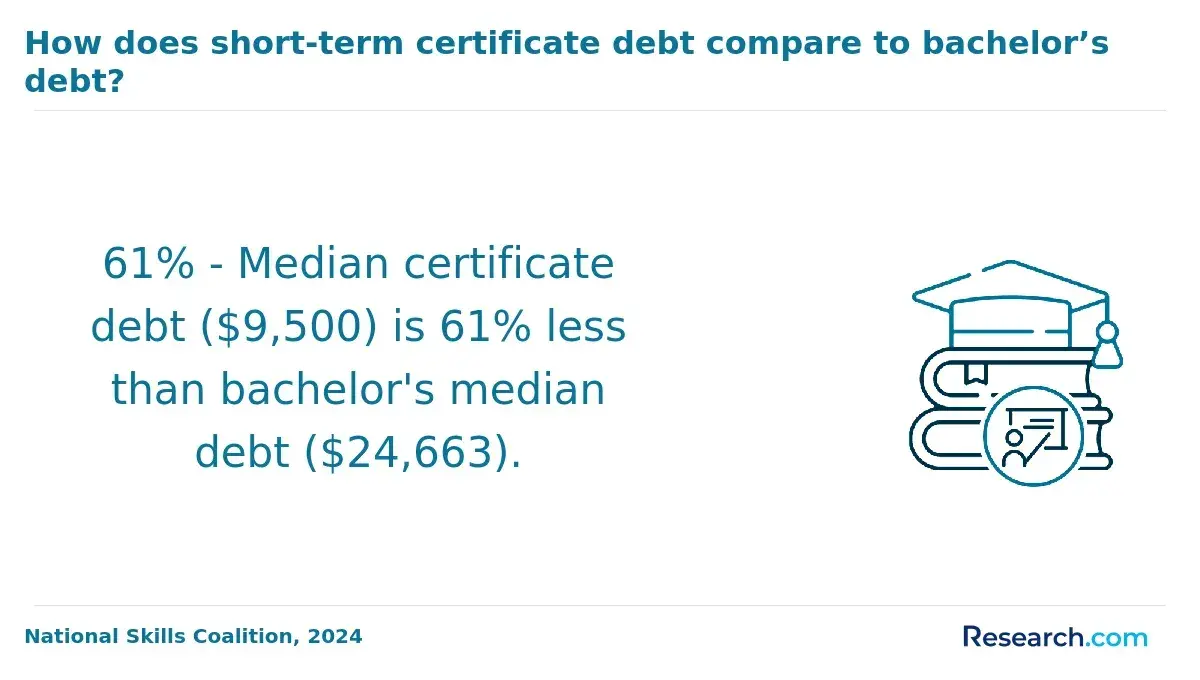
The total cost for an online forensic accounting master's degree typically falls between $15,000 and $50,000. Online programs can reduce expenses tied to relocation, commuting, housing, and campus-based fees, but students should still calculate the full cost before enrolling. For career changers, affordability also depends on whether the program requires extra bridge courses and whether the student can continue working while studying.
- Credit Hour Requirements: Programs with more required credits usually cost more. Students should confirm the total number of credits needed for graduation and whether prerequisites are billed separately.
- Institution Reputation: Well-known universities or highly specialized programs may charge higher tuition. The higher price may be justified for some students if the program offers stronger employer recognition, faculty expertise, or career support.
- Residency Status: Public universities may offer lower tuition to in-state students. Some online programs charge a flat online rate, while others still distinguish between in-state and out-of-state tuition.
- Financial Aid Availability: Scholarships, grants, employer tuition assistance, payment plans, and federal student aid eligibility can change the true out-of-pocket cost. Students should confirm aid options before committing.
- Additional Materials: Textbooks, accounting software, forensic tools, proctoring fees, technology fees, and certification-related expenses can add to the budget.
Students should compare programs using total estimated cost, not only per-credit tuition. A lower tuition rate may not be the lowest-cost option if the program requires more credits, additional prerequisites, or fees that are not obvious at first glance. Career changers should also weigh opportunity cost: keeping a full-time job while studying online may make a moderately priced program more financially manageable than a faster program that requires reducing work hours.
What Skills Do Career Changers Gain in an Online Forensic Accounting Master's Program?
An online forensic accounting master's program helps career changers convert existing professional strengths into specialized investigative accounting skills. According to the Bureau of Labor Statistics, employment for accountants and auditors is projected to grow 7% between 2022 and 2032, reflecting continued need for professionals who can analyze records, assess controls, support compliance, and investigate financial irregularities.
- Fraud Detection and Prevention: Students learn how common fraud schemes work, how to identify warning signs, and how internal controls can reduce exposure.
- Advanced Financial Analysis: Coursework develops the ability to interpret financial statements, trace transactions, compare records, and recognize inconsistencies that may require deeper investigation.
- Legal and Regulatory Expertise: Students study how financial evidence is used in legal, regulatory, and compliance contexts. This may include expert reports, litigation support, ethics, and testimony preparation.
- Data Analytics and Technology: Programs often emphasize digital tools, spreadsheets, databases, forensic software, and methods for reviewing large volumes of financial data.
- Communication Skills: Forensic accountants must explain complex findings clearly. Students build skills in report writing, visual presentation, documentation, and communication with attorneys, executives, auditors, regulators, and nontechnical stakeholders.
Career changers should pay close attention to communication and documentation training. Technical ability is essential, but forensic accounting work often succeeds or fails based on whether the accountant can explain what happened, how it was discovered, why it matters, and what evidence supports the conclusion.
What Industries Hire Forensic Accounting Master's Graduates with No Prior Experience?
Forensic accounting master's graduates without prior forensic accounting experience may still compete for entry-level or transitional roles if they can demonstrate analytical ability, accounting knowledge, documentation skills, and applied project experience. A forecast by the U.S. Bureau of Labor Statistics projects an 11% growth in demand for forensic accountants over the next decade, which supports opportunities across multiple sectors.
Career changers should target industries where their previous experience creates an advantage. For example, a former IT professional may be competitive for cyber-related financial investigations, while a legal assistant may be well positioned for litigation support.
- Government Agencies: Organizations such as the FBI, IRS, and state audit offices use forensic accounting skills to investigate financial crimes, support enforcement actions, review records, and prepare evidence.
- Public Accounting Firms: Firms with forensic, audit, advisory, and litigation support practices may hire graduates for fraud examination, dispute analysis, damages calculations, and investigative accounting projects.
- Financial Services: Banks, insurance companies, investment firms, and related employers need professionals who can identify suspicious transactions, assess claims, examine risk, and support anti-fraud programs.
- Legal Consultancies: Law firms and consulting practices may use forensic accounting graduates to organize financial evidence, assist with discovery, prepare exhibits, and support expert witnesses.
- Corporate Internal Audit Departments: Corporations hire forensic accounting talent to strengthen internal controls, detect irregularities, investigate misconduct, and support regulatory compliance.
Students should not rely on the degree alone. To improve employability, they should build a portfolio of case projects, learn relevant software, pursue internships or consulting-style capstones when available, and translate previous work experience into forensic accounting language. Professionals who come from research-heavy fields may also recognize transferable skills from programs such as a library degree, including evidence organization, information retrieval, and careful documentation.
Can a Forensic Accounting Master's Increase Earning Potential After a Career Switch?
A forensic accounting master's can increase earning potential after a career switch, especially when it helps a student qualify for specialized roles in fraud examination, litigation support, compliance, internal audit, or financial investigations. The degree is most valuable when paired with applied experience, strong analytical skills, and a clear career target. Students comparing costs before committing may also want to evaluate whether a cheap accounting degree online provides a more affordable foundation before pursuing advanced forensic specialization.
- Immediate Post-Graduation Salary Bump: Career switchers moving into forensic accounting roles often see a 20%-35% increase in salary compared to their previous industries. This reflects demand for skills in fraud examination, financial investigation, and legal accounting support.
- Long-Term Career Trajectory: The master's credential can support progression toward leadership roles, shortening the typical timeline from 10-15 years down to around 5-7 years. Career growth still depends on performance, experience, employer type, location, and professional credentials.
- Regional and Remote Premiums: Graduates of online forensic accounting programs may be able to compete for remote or hybrid roles beyond their local market. Demand in major financial centers can create opportunities for qualified candidates in other regions.
Students should treat salary projections as directional, not guaranteed. Prior experience, certifications, technical skills, networking, and the strength of the program all influence outcomes. A career changer with compliance, law, IT, finance, audit, or investigation experience may be able to reposition more quickly than someone starting with fewer related skills.
What Should Career Changers Look for in a Forensic Accounting Master's Program?
Career changers should choose an online forensic accounting master's program that closes knowledge gaps, builds credible investigative skills, and supports a realistic job transition. The field is projected to expand by 7% over the next decade according to the Bureau of Labor Statistics, but students still need a program that prepares them for the specific roles they want.
- Foundational Coursework: Non-accounting students should confirm that the program teaches accounting, finance, auditing, and business law fundamentals in a structured way. A program that assumes prior knowledge may create avoidable frustration.
- Targeted Forensic Training: The curriculum should include fraud detection, forensic accounting methods, litigation support, investigative techniques, internal controls, ethics, and financial evidence analysis.
- Flexible Learning Options: Working adults should look for asynchronous courses, multiple start dates, part-time pacing, clear assignment schedules, and online access to faculty support.
- Hands-On Experience: Internships, case studies, simulations, virtual labs, and capstone projects help students show employers that they can apply forensic accounting concepts, not just define them.
- Accreditation and Professional Links: Students should verify institutional accreditation and look for connections to professional organizations such as the Association of Certified Fraud Examiners. These connections can support networking, certification awareness, and career development.
Before applying, career changers should ask direct questions: Will I need prerequisites? How many students enter without accounting degrees? What roles do graduates pursue? Are forensic accounting projects included? Does the program offer career services for online students? Clear answers to these questions can prevent a poor fit.
What Graduates Say About Online Forensic Accounting Degree Master's Programs for Career Changers
- : "Transitioning from a finance background to forensic accounting felt intimidating at first, but the online format made the change possible while I kept working full time. The program helped me connect my prior experience to fraud investigation, and the tuition was manageable compared with relocating for a campus-based option. Since graduating, I have been able to pursue roles that once felt out of reach. —Nathanael"
- : "I chose an online forensic accounting master's because I needed a credential that would strengthen my resume without forcing me to pause my career. The coursework was practical, especially the case-based assignments, and it gave me a clearer path into legal consulting. Looking back, the degree helped turn a career idea into a realistic transition plan. —Russell"
- : "I wanted to switch careers without moving or giving up my income, so an online forensic accounting master's was the right structure for me. I was initially unsure whether employers would respect an online program, but the curriculum, faculty support, and applied projects gave me confidence. The degree became the investment I needed to establish myself in a new field. —Jose"
Other Things You Should Know About Forensic Accounting Degrees
Some online forensic accounting master's programs include optional or mandatory internships, practicums, or capstone projects to provide hands-on experience. These opportunities allow career changers to apply theoretical knowledge in real-world settings, which is especially valuable when transitioning from unrelated fields. Students should inquire about how programs facilitate access to practical placements, given the remote learning environment.
Programs designed for career changers typically offer foundational courses that introduce accounting principles and forensic methodologies before proceeding to advanced topics. Many schools provide academic advising, tutoring, and additional resources tailored to those without prior accounting experience. This support helps bridge knowledge gaps and promotes successful mastery of complex forensic accounting content.
References
- Forensic Accounting Courses | Forensic Accounting Education https://www.oxfordhomestudy.com/OHSC-Blog/forensic-accounting-courses
- Top Master's in Forensic Accounting Online | Accounting.com https://www.accounting.com/degrees/forensic-accounting/masters/best-online-programs/
- Master's in Forensic Accounting Online | Stevenson University https://www.stevenson.edu/online/academics/online-graduate-programs/forensic-accounting/
- The 10 Best Online Master's in Forensic Accounting Degree Programs https://www.accountingschoolguide.com/rankings/the-best-online-masters-in-forensic-accounting-degree-programs/
- Our Guide to Becoming a Forensic Accountant https://www.learndirect.com/pillar/our-guide-to-becoming-a-forensic-accountant
- Is a Master’s Degree in Accounting Worth It? 4 Reasons to Consider It https://www.usfca.edu/management-programs/articles/is-masters-degree-in-accounting-worth-it/
- Master of Business Administration with a Concentration in Forensic Accounting https://online.uncp.edu/degrees/business/mba/forensic-accounting/
- The 5 Most Promising Career Opportunities in Accounting and Finance https://becky.works/en/blog/career-opportunities-in-accounting/
- Forensic Accountant https://www.acfe.com/career/career-paths/career-path-accounting/career-path-detail-forensic-accountant
- Master's in Accounting Forensics, MSAF https://www.roosevelt.edu/programs/masters-accounting-forensics-msaf