2027 Does a Public Health BS Prepare You for Vector Control Education Support?

Co-Founder and Chief Data Scientist
A public health BS can help you understand how mosquito and tick surveillance protects communities, but classroom knowledge alone may not qualify you to collect specimens, identify species, or apply pesticides. If you are considering the degree for a vector control career, the distinction matters: requirements depend on the job and the state.
This guide connects coursework to actual field duties, explains where supervised training and credentials fit, and helps you decide whether a public health BS or a more direct route is worth pursuing.
Key Things You Should Know
- A public health BS supports surveillance, data interpretation, and community education, but technical field skills usually require hands-on training.
- Check the task, not just the title. Pesticide application may require a state credential; education, surveillance, and laboratory duties can have different qualifications.
- Compare routes before enrolling. A typical bachelor's degree takes about four years of full-time study, while some entry-level vector control jobs offer employer training without requiring a public health degree.
Does a Public Health BS Prepare You for Vector Control Careers?
A public health BS can prepare you for the population-health side of vector control, but it is not a complete technical qualification. Vector control aims to reduce disease risks associated with organisms such as mosquitoes and ticks.
A public health student can learn to interpret surveillance patterns, explain prevention measures, and assess whether an intervention reaches the intended community. An employer may still need to teach that graduate how to identify local species, maintain traps, work safely outdoors, and follow an agency's protocols.
The degree is a stronger fit if you want to move between field operations, data, education, and program support. If your immediate goal is a seasonal trapping or treatment job, applying directly and completing employer training may be faster and less expensive.
If you already have a bachelor's degree in biology or environmental science, targeted entomology or public health coursework may fill a narrower gap than a second degree. For later study, public health master's fields of study differ in how much epidemiology, environmental health, or program management they emphasize.
What Does Vector Control Work Involve in Public Health?
Vector control combines surveillance, prevention, treatment, and communication. Staff may set and collect traps, inspect breeding sites, record locations and conditions, submit specimens for identification or testing, review disease reports with authorized colleagues, and explain steps residents can take to reduce exposure. Programs may also manage habitat or apply approved products under applicable rules.
The mix changes by position. A field technician might spend most of the day outdoors; an educator might work with residents and community partners; an analyst might check surveillance data for patterns that warrant follow-up.
Good decisions depend on more than a single trap count: teams must consider sampling methods, weather, species, local disease evidence, and the limits of their data. Advanced research into vector ecology or control methods is a different path from routine field operations; public health doctorate pathways for advanced study are worth considering only if your eventual goal calls for that level of research or leadership.
What Education Is Required to Become a Vector Control Specialist?
There is no single nationwide degree requirement attached to the title "vector control specialist." A seasonal technician position may accept a high school diploma and provide training.
Other employers seek a bachelor's degree in public health, biology, entomology, environmental science, or a related field, particularly for surveillance coordination, technical analysis, or education roles. Read the actual posting: "specialist" can describe different levels of responsibility.
A useful comparison is the work you want to do, not the prestige of a credential. The following routes provide different kinds of preparation.
| Route | Potential fit | Important limitation |
| Employer-trained entry role | Field collection, site inspection, and operational support | Advancement may require additional science, data, or supervisory skills |
| Public health BS | Surveillance interpretation, prevention education, and program support | May provide limited entomology or pesticide-application training |
| Biology, entomology, or environmental science BS | Species identification, ecology, laboratory work, or environmental monitoring | May provide less training in community communication and program evaluation |
If a future supervisory or epidemiology role requires graduate study, evaluate that requirement separately; an MPH is not a standard prerequisite for entry-level vector control. Resources on online MPH programs with accessible admissions address a later education decision, not eligibility for a field job today.
Look beyond a course title to its assignments and applied work. Epidemiology can help you interpret where and when cases or exposures occur; biostatistics can help you understand uncertainty in surveillance results. Environmental health, infectious disease, ecology, geographic information systems, and health communication can each contribute to vector control, but offerings vary by school.
The most useful preparation connects those courses to supervised tasks: following a sampling protocol, checking data quality, mapping observations without exposing private information, and explaining a prevention recommendation clearly.
Ask whether a program permits field placements with a health department or mosquito control district, who arranges the site, and whether the work can count toward degree requirements. A general public health elective does not substitute for species-identification practice or any required applicator training.
If you later pursue an MPH, its application process is a separate issue from choosing BS courses. Guidance on public health graduate applications without references may help at that stage, but it does not indicate what a vector control employer requires.
Some duties do; the degree itself does not confer them. State pesticide regulators set applicator requirements, which can depend on the product, application method, employer, and whether a worker applies pesticides or operates under supervision.
Training, examination, renewal, and category rules vary by state. A surveillance or education job that does not involve application may have different requirements.
Before accepting a position, ask the employer which duties require a credential, whether you must hold it before starting, and who pays for training and renewal. Confirm the answer with the state agency responsible for pesticide applicators.
Do not confuse a state operational credential with academic accreditation. Comparing accreditation across online MPH programs concerns graduate education, not authorization to apply pesticides.
Online study can work for epidemiology, statistics, writing, and other classroom components. Its weakness for this career is not the screen itself; it is whether you can obtain local, supervised field experience.
Check for required labs, in-person visits, placement approval, and opportunities to practice sampling, identification, and field safety before assuming an online program fits your schedule.
Ask a prospective school for a sample course sequence and its field-placement policy. Then ask a local vector control agency whether it takes students or hires seasonal staff. Compare the total degree commitment with the more direct option of working first and studying part time.
Guides to online public health degrees balancing cost and time can help frame the comparison, but advertised flexibility is not proof that fieldwork will be available near you.
Applicants generally must meet the university's undergraduate admission requirements; some schools also require separate admission to the public health major after prerequisite or general-education coursework. Requirements vary, so check the policy for your entry term rather than assuming admission to the university guarantees a place in the major.
If you have prior college work, request an official degree audit. A school may accept a course for transfer credit without applying it to statistics, biology, a major requirement, or a required lab. Ask the admissions and public health advising offices which prerequisites remain and when they are offered.
A low GPA can affect undergraduate admission or major eligibility under a school's own rules; low-GPA pathways to public health master's study concern a different admissions decision and should not be treated as BS policy.
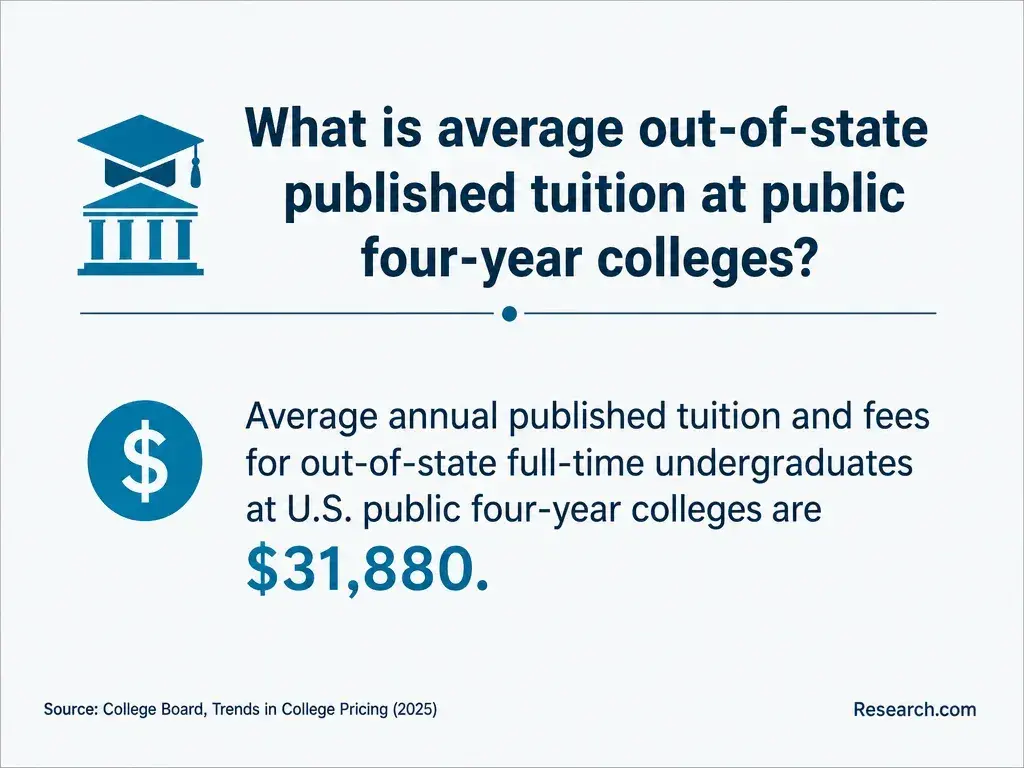
A bachelor's degree commonly follows a four-year full-time plan, but transfer credits, prerequisites, course availability, and part-time enrollment can change the remaining time. Ask each school for a degree audit and a term-by-term plan before estimating your completion date.
For cost, compare the school's published tuition and mandatory fees with your remaining requirements, then account for books, travel to fieldwork, and earnings you may give up. There is no reliable single price for a public health BS across institutions or students. If your target employer accepts an entry-level hire without a degree, compare that route's paid training and advancement prospects against the net cost of enrolling.
Plans for later graduate education should be budgeted separately. Affordable public health graduate study and earnings cannot establish the cost or return of your undergraduate choice.
Within vector control, plausible early-career roles include field or surveillance technician, program assistant, and community education staff member, depending on the posting and your experience.
Related public health work may include environmental health or disease-prevention support. Titles alone are poor guides: a technician role may require extensive outdoor work, while a program assistant role may focus on records, scheduling, and public inquiries.
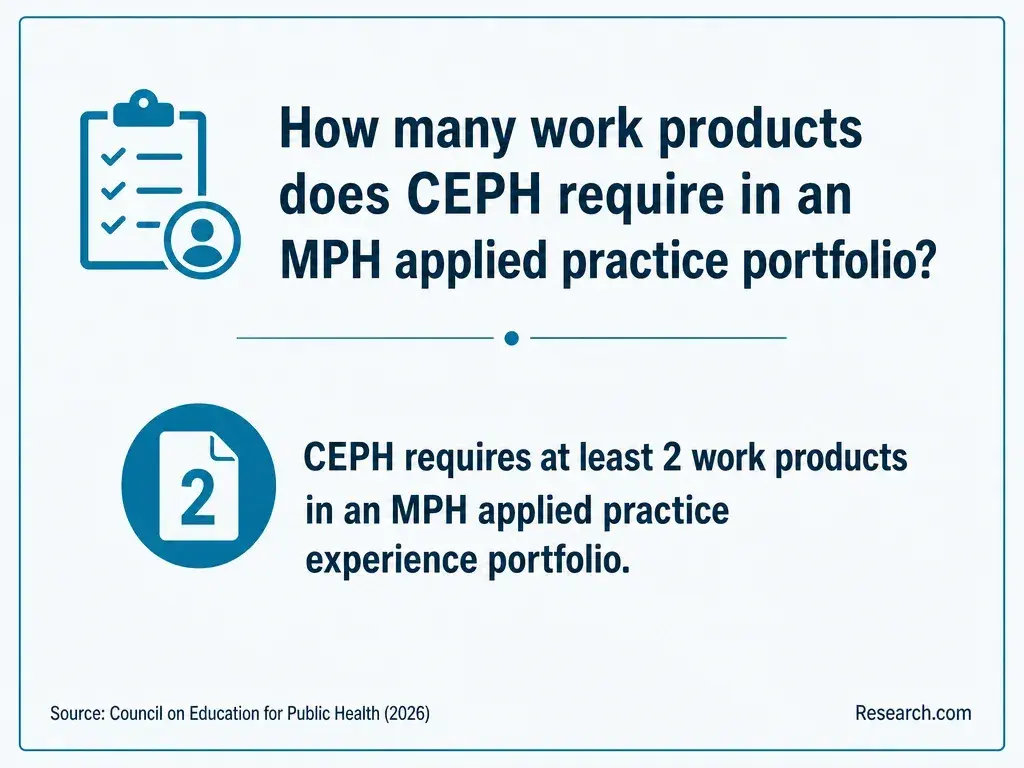
Build evidence for the duties you want. A supervised project documenting a sampling protocol, a carefully explained map using appropriately shareable data, or public-facing prevention material can demonstrate skills more convincingly than a degree name alone. Protect confidential location and health information in any portfolio.
Research-lead roles usually require substantially different preparation and experience. If that is your long-term aim, evaluate both the research fit and public health research doctorate tuition options rather than treating a PhD as the next automatic step.
What Are Vector Control Salaries and Job Outlook Expectations?
There is no single national salary or employment projection that accurately covers every job called "vector control specialist." The US Bureau of Labor Statistics reports broader occupations, such as pest control workers and environmental science and protection technicians; each includes work outside vector control. Their occupational figures are useful context, not a salary prediction for a public health BS graduate.
For a decision you can act on, compare recent postings from local health departments and mosquito control districts. Check whether pay is hourly or salaried, seasonal or year-round, and whether the job offers benefits, paid credential training, or a path to more responsibility.
Public-sector pay scales and local hiring needs may matter more than a national occupational median. Likewise, an earnings outlook for public health master's holders should not be used to estimate pay for a bachelor's-level vector control job.
Other Things You Should Know About Public Health Programs
No. They can share tools and application methods, but public health vector control focuses on reducing disease risk and uses surveillance and prevention to guide its work.
Many field positions require outdoor work in varying conditions. Data, laboratory, and education positions may involve less, so check the duties and physical requirements of each posting.
Yes. It can show you the pace, safety practices, and routine field tasks before you commit to a degree. Ask whether the role includes supervised learning rather than observation alone.
Contact local health departments, mosquito control districts, and university field-placement coordinators. Ask about available tasks, supervision, scheduling, and whether your school would approve the experience for credit.
- Vector Control Training (VCEHP) | Environmental Health Services | CDC https://www.cdc.gov/environmental-health-services/php/vector-control-resources/vcehp.html
- Pest Management FAQs | az.gov https://agriculture.az.gov/divisions/environmental-consumer-protection-division/pest-management-division/pest-management-faqs
- Federal Certification Standards for Pesticide Applicators | US EPA https://www.epa.gov/pesticide-worker-safety/federal-certification-standards-pesticide-applicators
- Vector-borne diseases | who.int https://www.who.int/news-room/fact-sheets/detail/vector-borne-diseases
- Bachelor of Arts in Public Health - Academics | UT Dallas https://academics.utdallas.edu/fact-sheets/epps/bachelor-of-arts-in-public-health/
- Public Health (BS) | University of North Texas https://pahs.unt.edu/academics/public-health-bs.html
- 5 High-Impact Careers in Public Health Entomology | Entomology and Nematology Online Programs https://onlineentomology.ifas.ufl.edu/about/articles/medical-entomology/5-high-impact-careers-in-public-health-entomology/