2027 Choosing an Online Ed.D. in Leadership and Learning in Organizations Around Rotating Hospital Shifts
Audited and Verified:
Our Editorial and Data Verification Process
Research.com uses government datasets, official education statistics and primary institutional information to support its career and degree guides. Our review process checks factual accuracy, occupational definitions, source dates and the requirements associated with the credentials discussed.
How This Article Was Fact-Checked
Our editorial team verifies salary estimates, employment projections, education requirements and program information against original data providers and official organizations. Salary figures are checked against the relevant occupational definitions and reporting periods. Information about licensure, accreditation and required in-person training is reviewed separately.
Fact-checked and verified on:

Co-Founder and Chief Data Scientist
A hospital schedule can change from days to nights while an online doctoral cohort keeps meeting at the same time. For nurses, clinical educators, workforce-development staff, and operations leaders, that mismatch matters more than an "online" label.
This guide shows how to test whether an Ed.D. in leadership and learning in organizations fits your rotations, professional goals, and budget. You'll learn which scheduling rules to confirm, how applied projects work in healthcare settings, and when a shorter development pathway may be the better choice.
Key Things You Should Know
- An online Ed.D. can fit rotating shifts only if its live attendance, group work, residency, and project requirements remain workable across your actual roster—not just a typical week.
- Before applying, compare at least two complete shift cycles against the program calendar and obtain written answers about missed sessions, recordings, leaves, and required campus visits.
- The U.S. Bureau of Labor Statistics reports a $133,000 median annual salary for training and development managers in May 2025; that occupational figure is not an expected salary or promotion outcome for Ed.D. graduates.
What Is an Online Ed.D. in Leadership and Learning in Organizations?
An Ed.D., or Doctor of Education, in leadership and learning in organizations is a practice-oriented doctorate focused on how people learn, lead, and improve performance within institutions. For a hospital professional, relevant questions might involve staff development across shifts, leadership succession, or whether a training initiative transfers into daily practice. "Online" describes where much of the instruction occurs; it does not establish that coursework is self-paced or entirely remote.
Program names and requirements vary. A leadership-and-learning Ed.D. may serve multiple sectors rather than prepare students specifically for healthcare administration or school leadership. Its culminating work might be a dissertation in practice, another dissertation format, or a capstone. Confirm the awarded degree and actual curriculum instead of assuming similarly named programs have equivalent healthcare relevance.
The degree is most compelling when you already have responsibility for a substantial learning or change problem and want sustained preparation in organizational inquiry. If your immediate goal is a clinical specialty, an operational credential, or promotion requiring more supervisory experience, targeted training or an employer leadership program may be a more direct first step.
How Can an Online Ed.D. Fit Around Rotating Hospital Shifts?
Start with the least movable obligation: attendance. An asynchronous course may let you complete readings and assignments between shifts, but a cohort can still require live seminars, scheduled presentations, and team meetings. A recorded class may support review without satisfying attendance. Ask the program for the meeting times, time zone, attendance policy, and consequences of missing a session for your proposed entry term.
The following formats create different scheduling risks. Use the distinctions to identify which published program details you still need to confirm.
| Program feature | What it means for rotating shifts |
| Mostly asynchronous courses | Assignment deadlines still apply, but routine study time may be movable. |
| Required live cohort meetings | A recurring class time may conflict with nights, weekends, or changing rotations. |
| Team-based work | Availability depends partly on classmates, not only on the course calendar. |
| Campus convenings | Travel may require approved time away from scheduled clinical duties. |
| Workplace-based doctoral project | Meetings, approvals, and data access may depend on hospital partners working different hours. |
Test feasibility against two complete rotation cycles, including weekends, handoffs, commutes, sleep after night duty, and any on-call time. Then test a difficult week: a live seminar, a group presentation, and a project deadline landing together. Study time that exists only by cutting recovery sleep is not a durable plan.
Separate program rules from possible accommodations. A manager might approve a schedule adjustment or education leave but cannot waive university attendance rules. Likewise, a faculty member's willingness to discuss alternatives is not approval to miss a required residency. Ask who can authorize an absence, whether a slower pace or leave is permitted, and how a leave affects cohort progression. Plan for workload peaks during doctoral project development, not just the first term.
What Careers Can This Ed.D. Lead to in Healthcare Organizations?
For an established hospital educator or manager, the degree may support broader responsibilities in workforce development, leadership development, organizational improvement, or evaluation. These roles differ: a clinical educator may design and assess staff learning, while a workforce-development leader may coordinate programs across departments and shifts. An organizational development role may focus on diagnosing change barriers rather than delivering courses.
The Ed.D. alone does not confer a director position. Employers may also expect clinical credibility, management experience, budgeting, demonstrated implementation, or knowledge of hospital operations. If you want to move from bedside practice into a learning role, seek opportunities to assess a training need, help implement an approved initiative, and document what you contributed before relying on a doctorate to make that transition.
A move from hospital leadership into university administration is a different career decision. If that is your goal, compare Ed.D. learning and organizational improvement pathways in universities with hospital-oriented opportunities; shared leadership terminology does not make the jobs interchangeable.
Relevant study commonly connects adult learning and leadership theory with organizational change, research methods, and evaluation. In a hospital, that could mean distinguishing a knowledge gap from a staffing or workflow problem before proposing more training. It could also mean evaluating whether learning is applied across different shifts rather than measuring attendance alone.
Look beyond course titles. A program that offers organizational change as an elective may provide a different preparation from one that requires applied evaluation and supports a healthcare-based project. Compare the required sequence, electives available during your enrollment, faculty guidance, and the culminating assignment. A single course does not establish a formal concentration or advanced research expertise.
If you are weighing healthcare leadership against another academic focus, guidance on choosing between Ed.D. academic concentrations can help frame that choice. Confirm with each institution whether the focus is an officially awarded concentration, a set of electives, or simply a theme in the curriculum.
Verify that the institution holds recognized institutional accreditation and that the credential awarded is the Ed.D. you intend to earn. Accreditation addresses institutional quality assurance; it does not, by itself, establish healthcare specialization, professional certification, or licensure eligibility. Check the school's own catalog and disclosures for your entry term rather than relying on an abbreviated program listing.
For shift workers, delivery and completion rules are equally important. Obtain the course schedule and policies governing live attendance, required travel, teamwork, research supervision, and pauses in enrollment. Ask what students must produce at the end of the degree. If a dissertation format is a deciding factor, compare non-dissertation Ed.D. program options, then verify each school's actual capstone or other culminating requirement; "no dissertation" does not mean no substantial applied work.
Finally, establish whether the project can be completed without privileged access to patient or employee records. Hospital willingness to collaborate, university approval of the project, permission to use data, and any required ethical review are separate decisions. A program's advertised workplace focus does not guarantee that your employer can serve as the project site.
Requirements vary by institution. Programs may request a completed master's degree, transcripts, recommendations, a statement of purpose, and evidence of professional or leadership experience. Some also specify grades, tests, interviews, or a proposed practice problem. A healthcare background can provide relevant examples of leadership and learning work, but it does not automatically meet a particular program's admission criteria.
Describe what you actually did: the decisions you owned, colleagues you worked with, evidence you used, and limits on your authority. A proposed hospital improvement question can show doctoral readiness without claiming access to restricted records or promising a result. Ask admissions whether your prior degree meets its requirements and whether research-methods preparation is expected or required.
If you hold an education specialist degree or substantial prior graduate coursework, use resources on evaluating education specialist to doctorate pathways to identify questions for the admissions office. Credits considered for admission are not necessarily credits transferred into the doctorate; request a written evaluation before assuming a shorter schedule or lower cost.
There is no reliable universal completion time or price for an online Ed.D. Compare each program's required credits, course sequence, enrollment pace, and deadline for finishing its dissertation or capstone. A slower pace may make rotating shifts manageable but can extend tuition payments and delay completion. Required campus visits can add travel expenses even when courses are online.
Request a term-by-term cost estimate that separates tuition, mandatory fees, travel and lodging, and any charges associated with additional enrollment during project completion. Add your likely costs for schedule changes or unpaid time away from work. Employer reimbursement may depend on continued employment, grades, annual limits, or repayment terms; read the policy before treating it as committed funding.
If you are also considering a university career, material on higher education leadership doctoral grants and aid may help you formulate funding questions. It does not establish that a hospital-focused program offers the same aid. Compare the amount you would personally owe under realistic scenarios, including a term when shift demands force you to reduce enrollment.
A general leadership-and-learning Ed.D. does not itself grant a clinical license, authorize a new scope of practice, or provide school administrator licensure. If you remain in a regulated clinical role, your existing profession's license and continuing requirements still apply. A hospital job may also specify role-related certification or experience independently of the doctorate.
Check the requirements of the exact position you want, then ask the program whether it prepares graduates for any particular credential. If your goal is an educator or administrator position subject to state licensure, confirm eligibility with the relevant licensing authority. Do not infer it from institutional accreditation or the word "education" in the degree name.
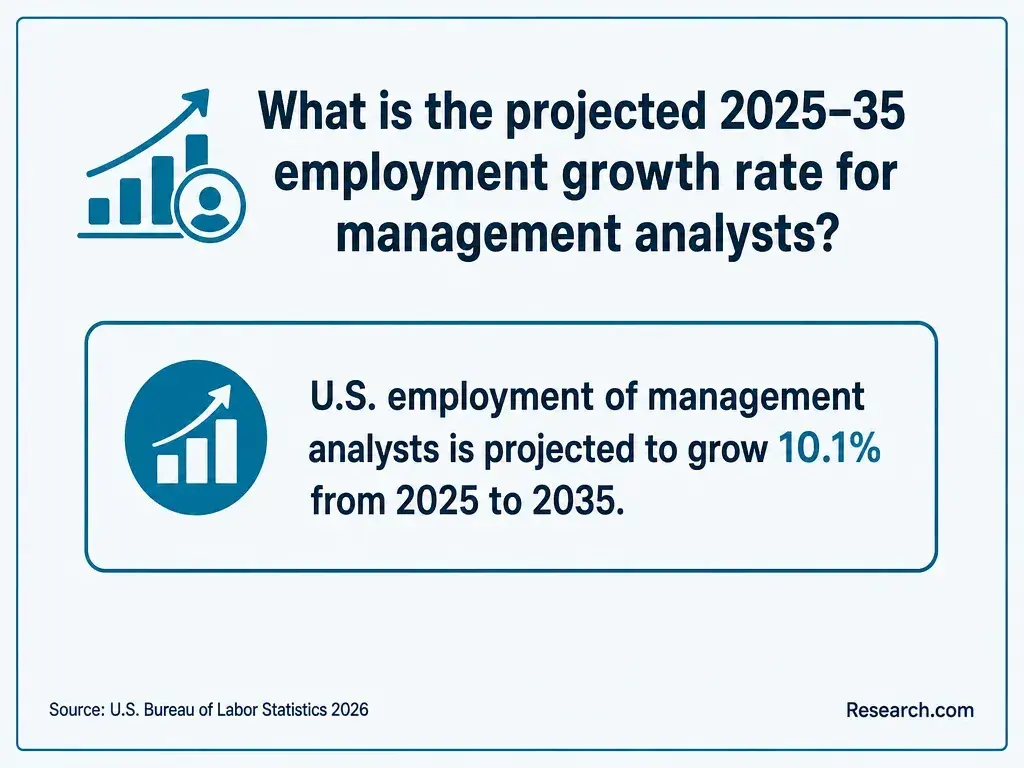
No single salary or growth figure describes hospital professionals with this degree. Pay depends on the role, employer, location, and prior experience, and occupational statistics are not graduate outcome data. The U.S. Bureau of Labor Statistics reports a May 2025 median annual salary of $133,000 for training and development managers, with 6.4% projected employment growth from 2025 to 2035. That occupation can be relevant to workforce development goals, but its national median does not predict a hospital offer or a raise after graduation.
Use the job title you actually intend to pursue when evaluating return on investment. Compare local postings and internal promotion criteria with your current qualifications, then ask whether the Ed.D. fills a stated gap. If the main gap is supervisory experience rather than doctoral study, taking responsibility for a cross-department initiative may be the more useful next move.
How Should Hospital Professionals Compare Online Ed.D. Programs?
Build a short list based on schedule feasibility first, academic fit second, and affordable total cost third. A program that matches your interests but requires live attendance during recurring clinical shifts is not a practical option unless you have a dependable, approved schedule change.
Use the same questions for every institution so that an attractive "flexible online" description does not obscure a consequential requirement:
- Request the proposed entry term's live-class schedule, attendance rules, campus dates, and policies for absences, leaves, and returning to the cohort.
- Overlay those commitments on two full hospital rotations, including sleep, on-call periods, and likely project deadlines; identify conflicts you cannot independently control.
- Confirm the awarded degree, accreditation, required curriculum, faculty support, and exact culminating project requirements.
- Ask who approves an external or hospital-based project, what happens if you change employers, and which permissions are needed before using workplace information.
- Obtain a written cost estimate and your employer's reimbursement terms, then compare the degree with a shorter leadership-development route for your target role.
Choose only after the nonnegotiable schedule and project questions have clear answers. If none of the programs passes that test, postponing enrollment—or pursuing an employer-supported improvement project first—is a sound decision, not a setback.
Other Things You Should Know About EdD Leadership
Do not count on it. A call-in, patient need, or unreliable connection can interrupt participation. Ask the program what active attendance requires and arrange protected time away from clinical responsibility if the meeting is mandatory.
Follow hospital policy and course instructions before sharing any workplace case. Removing a name may not sufficiently protect someone's identity; use an approved, appropriately deidentified or hypothetical example when permitted.
That depends on your collective bargaining agreement and local scheduling rules. Check with the appropriate workplace representative before assuming you can hold the same evening free each term.
Notify the instructor or advisor as soon as possible and use the program's documented extension or absence process. Keep a contingency plan for major deadlines; an employer emergency does not automatically change academic requirements.
- The Impact of Rotating Shift Work on Nurse Burnout: A Systematic... - PMC https://pmc.ncbi.nlm.nih.gov/articles/PMC12409028/
- General Schedule Qualification Policies | U.S. Office of Personnel Management https://www.opm.gov/policy-data-oversight/classification-qualifications/general-schedule-qualification-policies/
- Understanding College Costs | studentaid.gov https://studentaid.gov/resources/prepare-for-college/students/choosing-schools/consider-costs
- Improving Work Schedules | cdc.gov https://www.cdc.gov/niosh/work-hour-training-for-nurses/longhours/mod5/04.html
- Implementation Change Management | Agency for Healthcare Research and Quality https://www.ahrq.gov/teamstepps-program/curriculum/implement/activity/change.html
- Cost of Attendance (Budget) | 2025-2026 Federal Student Aid Handbook https://fsapartners.ed.gov/knowledge-center/fsa-handbook/2025-2026/vol3/ch2-cost-attendance-budget
- Qualified Ed expenses | Internal Revenue Service https://www.irs.gov/credits-deductions/individuals/qualified-ed-expenses
- Doctoral Dissertation Research and the IRB | 2021 | IRB Blog | Columbia University https://www.tc.columbia.edu/institutional-review-board/irb-blog/2021/doctoral-dissertation-research-and-the-irb/
- Doctoral dissertation or capstone: how to choose the right program | PhD/Doctorate | Capella University Blog https://www.capella.edu/blog/phd-doctorate/the-difference-between-a-dissertation-and-doctoral-capstone/
- Doctoral Learning and Resources - Section 7. Learning Modalities and Resources - Academics at Walden University https://academics.waldenu.edu/handbook/learning-modalities/doctoral-research-resources