2027 Choosing an Online BA in Psychology - Mental Health Around Seasonal Mandatory Overtime
Audited and Verified:
Our Editorial and Data Verification Process
Research.com uses government datasets, official education statistics and primary institutional information to support its career and degree guides. Our review process checks factual accuracy, occupational definitions, source dates and the requirements associated with the credentials discussed.
How This Article Was Fact-Checked
Our editorial team verifies salary estimates, employment projections, education requirements and program information against original data providers and official organizations. Salary figures are checked against the relevant occupational definitions and reporting periods. Information about licensure, accreditation and required in-person training is reviewed separately.
Fact-checked and verified on:

Co-Founder and Chief Data Scientist
Seasonal mandatory overtime can make a fixed class schedule, and time to recover from work, hard to protect. If you are considering an online BA in psychology because you want to understand or address that strain, the right program must fit your busiest weeks as well as your career goal.
This guide explains what the degree can teach, which online requirements may conflict with overtime, what it costs to stay enrolled, and where a bachelor's degree stops short of a mental-health license. You can use it to compare programs without mistaking online access for genuine flexibility.
Key Things You Should Know
- Use the busiest mandatory-overtime weeks as your scheduling test: check live sessions, weekly deadlines, group work, and placement hours before enrolling.
- A US bachelor's degree commonly requires about 120 semester credits; the credits you still need, not an advertised accelerated calendar, determine your likely time and cost.
- A psychology BA can prepare you for nonclinical support or further study, but it does not authorize diagnosis or therapy; licensed mental-health work requires a separate qualifying pathway.
What Is an Online BA in Psychology for Mental Health and Overtime Stress?
An online Bachelor of Arts in psychology is an undergraduate degree in behavior, psychological science, and research. It is not usually a degree specifically in "seasonal overtime stress."
You can make that concern a focus through appropriate electives, research assignments, or an approved nonclinical project on topics such as work demands, sleep, stress, social support, and access to services.
The distinction matters if you work in a peak-season industry. Studying mental health may help you understand why an overtime policy affects people differently and how to evaluate support programs. It will not, by itself, prepare you to treat a coworker's distress.
If your main aim is recovery-service work rather than a broad psychology education, compare the actual curriculum of undergraduate psychology programs with an addictions focus; a named focus is not a clinical credential either.
A BA makes the most sense when you want a bachelor's degree, value broad research and communication skills, and can keep studying through predictable peak periods. If you already hold a degree and only need practical knowledge for a workplace role, a targeted course in occupational health, supervision, or program evaluation may be a shorter route.
Is an Online Psychology Bachelor's Degree Accredited and Recognized?
Check the institution's accreditation, the exact degree awarded, and the requirements attached to its online format. US institutional accreditation speaks to the college or university; it does not establish that a psychology BA is a licensure program.
The American Psychological Association does not accredit general bachelor's programs in psychology, so a claim that a BA is "APA-accredited" needs particular scrutiny.
Recognition for your purposes is more specific. Ask the registrar how the degree appears on the transcript, request the current major requirements, and ask a prospective graduate program or employer whether the coursework meets its criteria.
If you may transfer, obtain a written degree audit: accepted credits do not necessarily satisfy psychology, statistics, general-education, or residency requirements. Use those checks when choosing an online psychology program, rather than relying on an accreditation badge alone.
Can an Online BA in Psychology Lead to Mental Health Careers?
Yes, but principally through nonclinical roles whose duties and hiring standards vary. Depending on experience and employer requirements, graduates may seek behavioral-health program support, service coordination, intake administration, research assistance, or recovery-service support.
The work might involve explaining resources, documenting contacts, arranging referrals, or tracking a program's reach - not independently assessing, diagnosing, or treating clients.
If you already supervise a seasonal workforce, your experience with scheduling, communication, and employee resources may be more relevant to a workplace-support role than the BA alone.
For community-facing work, compare your existing experience with the duties described in career choices across recovery service settings. Ask employers which tasks require a state credential, specialized training, or supervision before treating a job title as a bachelor's-entry option.
For a career change, look for a program that helps you demonstrate a specific missing skill, such as ethical data handling or service evaluation, through an approved project or supervised experience.
If the target job explicitly requires counseling licensure, choose a pathway designed for that credential rather than assuming an additional psychology elective will qualify you.
Most programs combine general education with psychology foundations, statistics, research methods, and upper-level electives. Offerings vary, so compare a current course sequence rather than a list of interesting titles.
For the overtime-and-mental-health question, courses in health psychology, social psychology, organizational psychology, and psychological disorders can each contribute a different perspective; none confers clinical authority.
Statistics and research methods deserve special attention. They help you separate an employee's account of exhaustion from evidence about a workforce and recognize that an association between overtime and distress does not, on its own, establish cause.
An ethical class project could review published studies or propose an evaluation of an employee-support program. Collecting coworkers' sensitive information would require appropriate workplace permission and, when applicable, institutional research review and consent.
Keep electives aligned with the work you actually want. Forensic coursework, for example, addresses a different setting and should not be selected on the assumption that it leads to workplace counseling.
Likewise, graduate-level forensic psychology career research is relevant only if your goal shifts toward that field; neither an elective nor a later nonclinical master's establishes forensic clinical authority.
Online delivery removes some travel, but it does not remove deadlines or guarantee control over your hours.
A campus course may offer a predictable meeting time and easier access to in-person activities; an asynchronous online course may let you choose when to study but still require frequent submissions or scheduled collaboration. A supervised project or internship may have site hours regardless of how lectures are delivered.
Compare formats against your actual peak-season schedule, not an average week. The following distinctions identify commitments worth confirming with each program:
| Format feature | Potential benefit | Overtime-related constraint |
| Asynchronous coursework | Lectures and readings can often be accessed at chosen times | Discussion, quizzes, and assignments may still have fixed deadlines |
| Live online sessions | Scheduled interaction with instructors and classmates | A required meeting may overlap a mandated shift |
| Campus classes | Predictable in-person contact and facilities | Commute and attendance requirements reduce scheduling room |
| Applied experience | Opportunity to demonstrate skills beyond coursework | Site approval, supervision, and daytime hours may be required |
Ask for sample syllabi and the attendance, late-work, and leave policies in writing. Psychology degrees with condensed course schedules may shorten the calendar while increasing weekly workload - a poor exchange if the condensed term coincides with mandatory overtime.
Requirements depend on whether you are applying as a first-time student or a transfer student. A school may request prior transcripts, proof of secondary-school completion or its equivalent, and other application materials; entry to the university, entry to the psychology major, and graduation are separate decisions. Some majors also sequence statistics or introductory courses before upper-level work.
If you have studied elsewhere, request a written evaluation showing where each credit applies, not merely a total accepted. Ask which courses remain, when they are offered online, and whether a required course can be taken during a lighter work season.
For a later master's, check that program's prerequisites independently. Online forensic psychology master's graduation planning, for instance, concerns a distinct graduate goal and should not be mistaken for an undergraduate admission requirement or a mental-health license pathway.
A US bachelor's degree commonly totals about 120 semester credits, but your remaining requirements determine your timeline. Full-time enrollment is traditionally planned around four academic years for a student starting without college credit; part-time study, transfer evaluations, course sequencing, and seasonal breaks change that calculation. Accelerated courses can alter the calendar without reducing the work required.
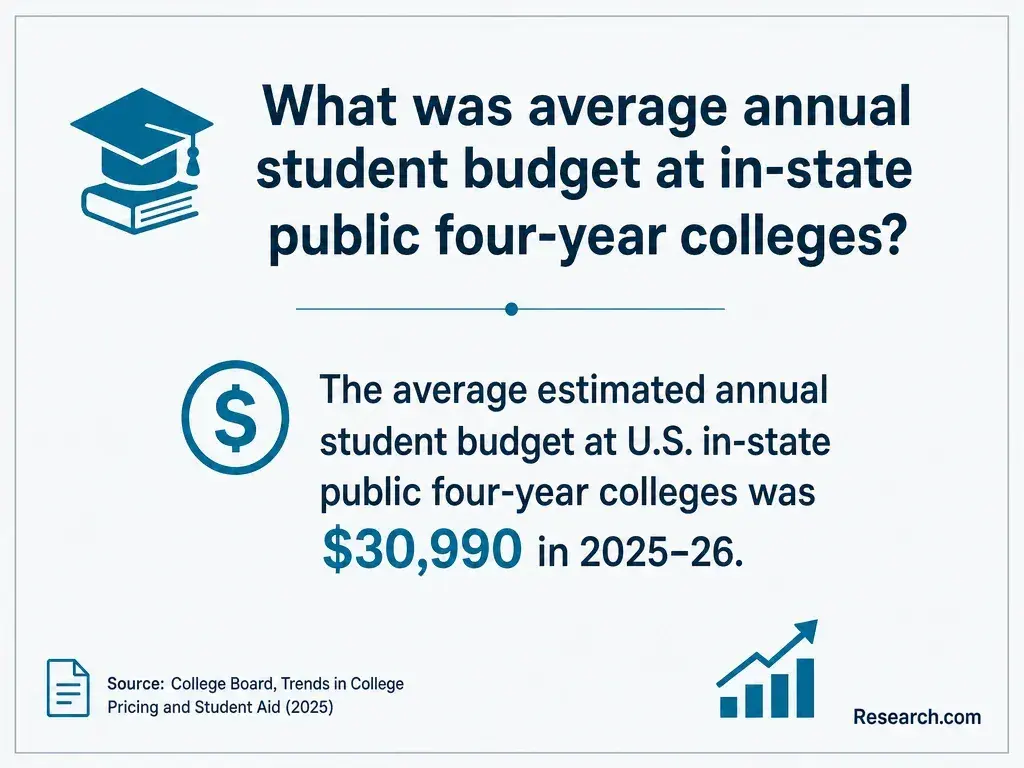
Compare schools using a personalized degree audit and a term-by-term plan that includes your peak overtime months. For cost, request the current per-credit or per-term tuition, mandatory online and technology fees, books or software costs, and any travel or unpaid placement expenses.
Multiply only the charges that apply to the credits you actually need; ask the financial-aid office how a reduced course load or leave would affect eligibility. If your goal is specifically substance-use counseling preparation, substance abuse counseling bachelor's affordability and duration is a separate comparison, and state credential rules should control whether it is worth the cost.
An employer's tuition benefit can help, but confirm eligible programs, grade requirements, payment timing, and any repayment obligation before treating it as available funding. Protecting enough time to finish courses matters as much as finding a low advertised rate.
Effective support depends on role. A supervisor or nonclinical program worker can communicate schedules clearly, make breaks and referral information accessible, notice when someone requests help, and connect employees with appropriate services under workplace policy.
A licensed clinician may assess and treat a person within their professional scope. Neither role should presume that every tired worker has a disorder.
Psychology training is useful for evaluating whether support is reachable when employees need it. An assistance service available only during shifts, for example, may be less usable during a peak period even if it exists on paper.
A carefully scoped nonclinical project could examine published evidence or review aggregate, authorized service-use information; it should not expose identifiable employee health data or present a proposed change as proven treatment.
If your goal is to provide therapy rather than improve referrals or support systems, investigate qualifying professional programs and their full costs. Funding options for accredited mental health counseling programs are relevant to that longer route, not evidence that a psychology BA itself permits counseling.
There is no single salary or job-growth figure for "online psychology BA graduates." The US Bureau of Labor Statistics reports wages and projections by occupation, not by this degree or delivery format.
A service-coordination job, a research-support job, and a licensed counseling job have different duties and entry requirements; using a counselor's occupational median to estimate a new BA graduate's pay would be misleading.
Start with job postings in your location and identify titles for which you meet the stated requirements. Then compare the corresponding occupation in the latest Bureau of Labor Statistics Occupational Outlook Handbook, noting its wage reference year, projection period, and typical entry education.
Treat an occupational median as context for that whole occupation, not an offer. Graduate psychology degrees with accelerated schedules add time and expense, but their speed or degree level alone cannot establish a salary gain or eligibility for licensed work.
What Licenses or Certifications Require Education Beyond a Psychology BA?
Independent psychotherapy, diagnosis, and protected professional titles generally require a qualifying professional pathway beyond a general psychology BA. Licensed professional counseling and clinical social work have distinct graduate-degree, supervised-experience, and examination rules set by state authorities.
Psychologist licensure generally follows doctoral professional training and additional state requirements. Addiction-counselor and peer-support credentials vary substantially by state and by permitted duties.
Before selecting a BA for a future license, identify the exact job title and state where you intend to work. Check that state board's educational rules and ask prospective graduate programs whether your BA courses meet their entry prerequisites.
A general or forensic psychology master's should not be treated as interchangeable with a licensure-qualifying counseling degree; evaluating intensive forensic psychology graduate degree timelines addresses a different decision from qualifying to treat employees experiencing overtime-related distress.
If your aim is nonclinical workplace support, the next step may instead be relevant supervised experience or employer training. Choose additional formal education only after confirming what the intended role actually requires.
Other Things You Should Know About Psychology
Only if it helps explain your academic goal and you are comfortable sharing it. You can discuss an interest in workplace well-being without disclosing a diagnosis or private details about coworkers.
Do not assume workplace conversations are available for coursework. Ask the instructor about assignment rules and obtain any required consent and workplace authorization before collecting or sharing information; an evidence review may be a safer option.
Contact the instructor and academic adviser as soon as the conflict is known. Review the school's withdrawal and leave deadlines before missing work, because an informal pause may affect grades, aid, or degree progress.
Yes. Contact the school's disability-services office to discuss its process and documentation requirements. Online delivery does not replace an individualized accommodation process, and accommodations may not remove essential course requirements.
- Enforcement Guidance on Reasonable Accommodation and Undue Hardship under the ADA https://www.eeoc.gov/laws/guidance/enforcement-guidance-reasonable-accommodation-and-undue-hardship-under-ada
- Requirements Related to the Practice of Counseling - NCBI https://www.ncbi.nlm.nih.gov/books/NBK259170/
- Handy Reference Guide to the Fair Labor Standards Act | dol.gov https://www.dol.gov/agencies/whd/compliance-assistance/handy-reference-guide-flsa
- Negative Impacts of Shiftwork and Long Work Hours - PMC https://pmc.ncbi.nlm.nih.gov/articles/PMC4629843/
- Pursuing a Career in Clinical or Counseling Psychology | apa.org https://www.apa.org/education-career/guide/subfields/clinical/education-training
- General Psychology | Online Bachelor's Degree | Capella University https://www.capella.edu/online-psychology-degrees/bs-psychology-program/bachelors-general-psychology/
- Online Bachelor of Arts in Psychology (BA) - apu.apus.edu https://www.apu.apus.edu/online-bachelor-degrees/bachelor-of-arts-in-psychology/
- Bachelor of Arts in Psychology - Texas State's online programs https://online.txst.edu/degrees/undergraduate/ba-psychology/
- Online Bachelor's in Psychology | University of Kansas https://online.ku.edu/undergraduate-programs/online-bachelors-psychology
- Consequences of Routine Work Schedule Instability for Worker Health and Wellbeing - The Shift Project https://shift.hks.harvard.edu/consequences-of-routine-work-schedule-instability-for-worker-health-and-wellbeing/