2027 Online BA in Psychology - Mental Health: How to Compare Faculty Feedback in Large and Small Online Classes

Co-Founder and Chief Data Scientist
A small online class can offer little useful feedback, while a large one can provide detailed comments and reliable access to instructors. If you are comparing online BA programs in psychology with a mental health focus, enrollment alone will not tell you how well faculty will help you develop research, writing, and ethical reasoning skills. This guide shows you how to evaluate feedback practices, especially in the courses where individual guidance matters most, and how to weigh that evidence against format, cost, and your goals after graduation.
Key Things You Should Know
- Compare feedback on substantial work - not class size alone. Ask who comments on research papers, how revisions work, and whether you can discuss comments with the instructor.
- A common bachelor's-degree structure is about 120 semester credits, but class size, remaining credits, and total cost depend on the specific program and your transfer evaluation.
- Prioritize accessible, individualized guidance in statistics, research methods, and mental health-related writing; a psychology BA does not itself qualify you to diagnose or provide therapy.
What is an online BA in psychology with a mental health focus?
It is an undergraduate psychology degree that combines broad study of behavior and psychological science with courses concerning mental disorders, prevention, recovery, or behavioral-health services. "Mental health focus" may mean an officially named concentration, a set of electives, or simply the way a school describes its curriculum. Check the catalog and transcript designation before treating those options as equivalent.
The degree can help a student interpret research and understand service systems, but studying disorders is different from learning to deliver treatment. If your goal is specifically substance-use services, compare the curriculum and credential implications of distance learning degrees in addiction counseling; a psychology focus and a counseling-oriented program may prepare students for different next steps.
How do large and small online psychology classes affect faculty feedback?
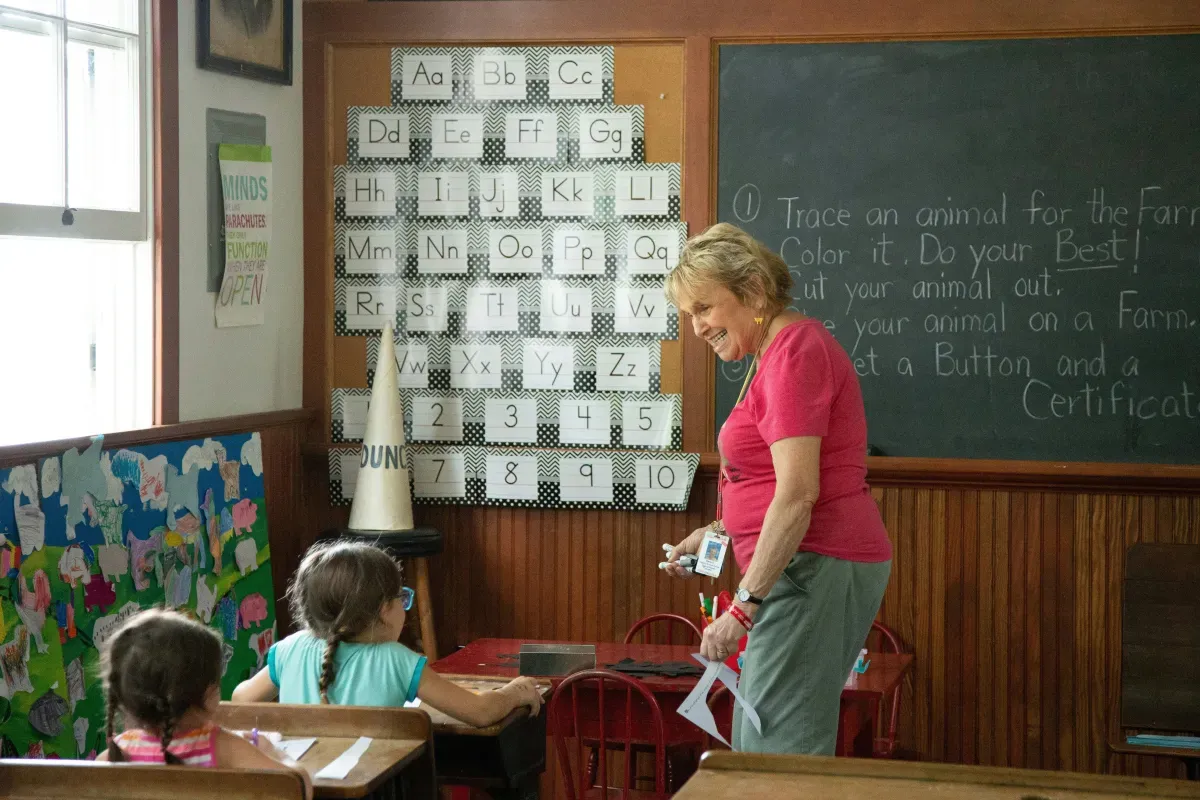
Class size affects how much individual attention is feasible, but course design and staffing determine what a student actually receives. A smaller seminar may support discussion of an evolving research question; a larger course may still provide prompt, substantive guidance if it has structured drafts, trained teaching assistants, and accessible faculty.
The comparison below separates likely opportunities from what you still need to verify. Neither column describes a guaranteed feature of a particular program.
| Feedback feature | Potential advantage in a smaller class | Potential advantage in a larger class |
| Research-paper drafts | More room for individual discussion of a question or argument | Standardized rubrics may make expectations consistent |
| Discussion | Faculty may follow each student's reasoning across posts | A wider range of peer perspectives may inform discussion |
| Statistics assignments | More opportunity to address a student's specific misunderstanding | Multiple support staff or worked examples may be available |
| Reliability | Depends on instructor workload and course design | Depends on staffing, coordination, and escalation to faculty |
Look beyond the advertised average: an introductory course and an upper-level seminar may enroll very different numbers of students. When reviewing online bachelor's program choices in psychology, compare the classes you would actually take, not just institution-wide student-to-faculty ratios.
How can you compare faculty feedback quality across online psychology programs?
Ask each school about the same upper-level psychology courses and request evidence for the current delivery format. A prompt reply to a discussion post is useful, but it is not a substitute for comments that help you correct an analysis or strengthen a research argument.
Use this sequence to make the comparison concrete before you enroll:
- Request a recent syllabus and assignment rubric for research methods and an upper-level mental health-related course; check whether drafts, revisions, and individual conferences are built in.
- Ask for the usual and maximum enrollment in those online sections, who grades major assignments, and how students can reach the faculty member when a teaching assistant provides comments.
- Ask what turnaround times the program promises, whether those apply to substantial papers as well as short quizzes, and what happens if feedback arrives after the next assignment is due.
- Ask for a redacted, permission-cleared example of feedback or a demonstration of the course platform; do not request another student's private work.
- Compare the answers with your weekly availability, including live office hours, group work, and any required campus visits.
Give more weight to specific, consistent answers than to promises of "personalized learning." If you are also comparing affordable online psychology degree programs, ask whether lower-cost sections still include faculty review of major written work. The best value is not necessarily the lowest price per credit.
A BA commonly pairs introductory psychology with statistics, research methods, developmental and social psychology, and upper-level electives. A mental health focus may add psychopathology, health psychology, addiction, or community mental health. Names and requirements vary; verify which courses are required, offered online, and available often enough to meet your planned schedule.
Feedback matters most where an instructor can identify errors a quiz may miss: confusing correlation with causation, treating a screening measure as a diagnosis, or making unsupported claims about treatment. Ask whether statistics and methods courses include comments on interpretation, and whether upper-level papers can be revised after faculty critique.
Choose electives for your goal rather than the appeal of a specialty label. For example, forensic coursework addresses different questions and opportunities; students considering that direction can examine compressed online master's study in forensic psychology when deciding whether undergraduate electives or later graduate study better fit their interests. Neither route confers clinical or forensic-practice authority by its name alone.
Check that the institution holds recognized institutional accreditation and that the BA is an authorized degree listed in its current catalog. Institutional accreditation applies to the school; it does not establish that a mental health focus meets professional licensing requirements. The American Psychological Association does not accredit general psychology bachelor's programs.
For a future licensed counseling goal, investigate the intended graduate program and the rules of the state where you hope to practice. Resources on accreditation checks for accelerated counseling programs address a different educational stage; do not transfer a graduate program's accreditation claims to an undergraduate psychology BA. Confirm any program-specific requirement with the graduate program and relevant licensing board.
Schools set their own freshman and transfer admission rules. Typically, applicants submit evidence of prior education and transcripts; some programs have additional requirements for entering the psychology major. Admission to the university does not mean every prior course will satisfy a major requirement.
If you have college credit, ask for a written degree audit showing how statistics, research methods, general education, electives, and residency requirements apply. Also ask whether prerequisite sequencing will affect access to the smaller upper-level classes that interest you. If you already hold a bachelor's degree and your actual goal is a different specialty, compare the requirements for that route before paying for a second BA; shorter graduate degree timelines in forensic psychology illustrate an option to investigate, not an automatic substitute for missing prerequisites.
A bachelor's degree commonly requires about 120 semester credits, but your completion time depends on accepted credits, how those credits satisfy requirements, course availability, and your pace. Online does not necessarily mean asynchronous: live meetings, group projects, or supervised experiences can limit a working student's schedule.
For a useful cost comparison, obtain a degree audit and calculate the tuition for remaining required credits, then add mandatory fees, materials, and any travel or unpaid experience. Ask whether tuition changes with residency or enrollment intensity and whether a slower schedule affects aid eligibility. If addiction-focused study is the closer match, compare the cost and duration of substance abuse counseling bachelor's degrees on the same remaining-credit basis rather than comparing advertised program prices alone.
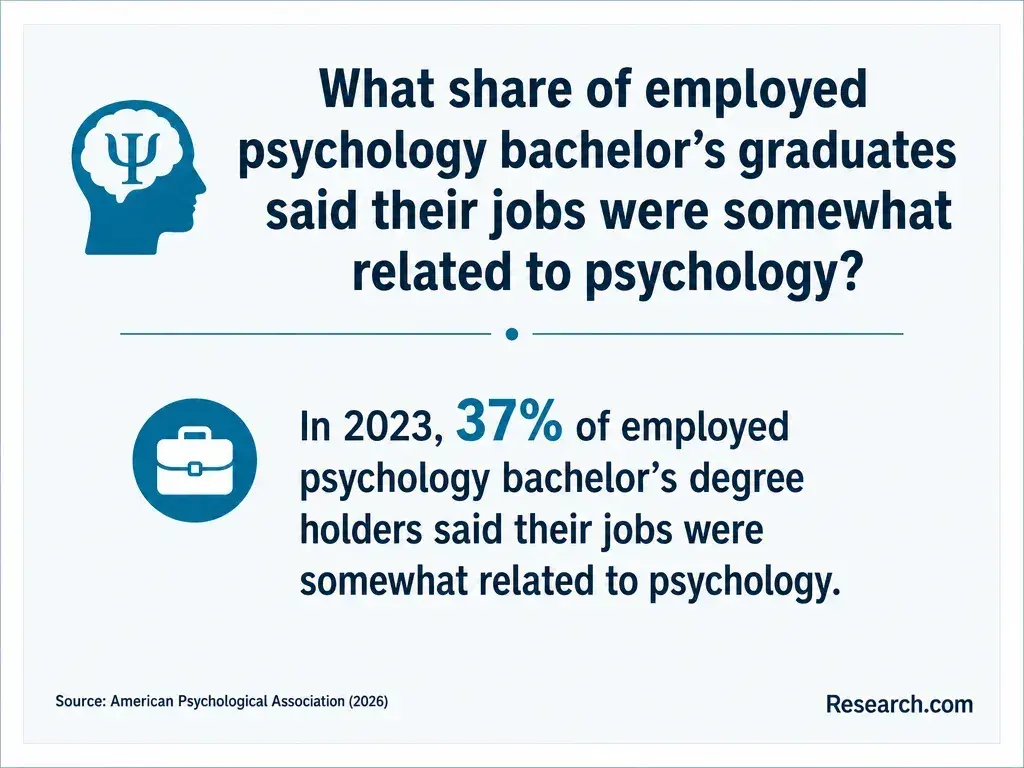
Depending on employer requirements and experience, graduates may pursue nonclinical work such as human-services support, behavioral-health program assistance, intake coordination, research support, or community outreach. Those jobs involve different duties: helping people navigate services is not the same as diagnosing a condition or providing psychotherapy.
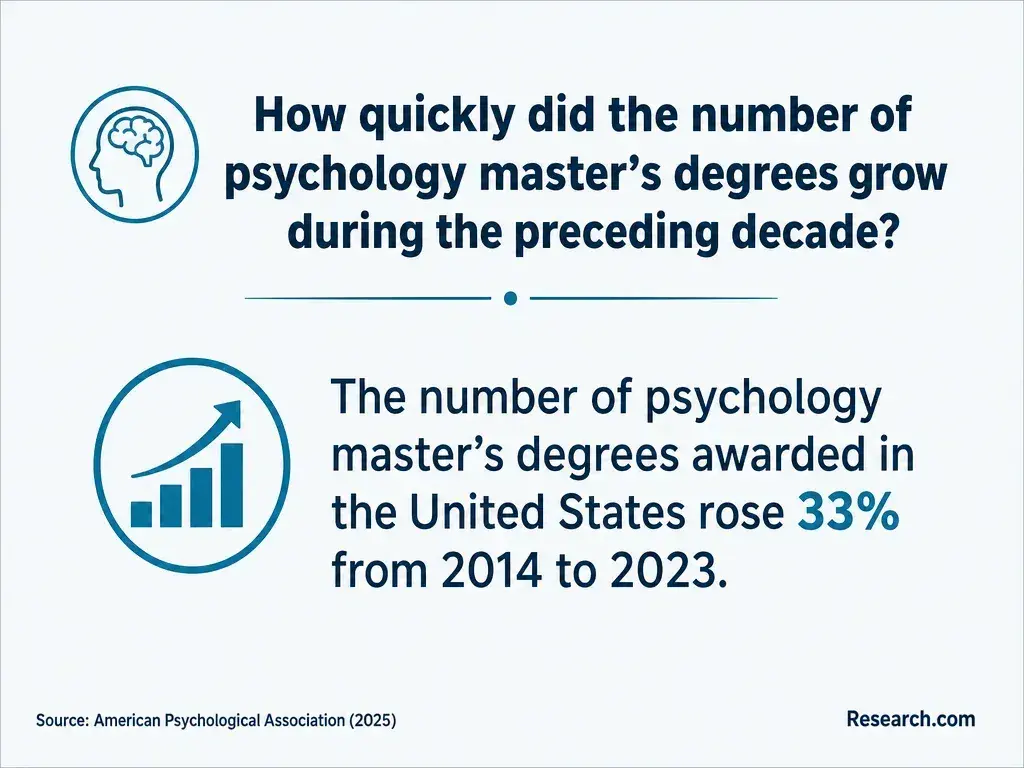
Faculty feedback can become career evidence when it helps you produce a stronger research brief, ethical service-resource analysis, or clearly written report. Ask whether you can complete a supervised, nonclinical project and retain a version that protects confidential information. If your goal is research rather than direct service, compare the skills and expense of further study, including options for finding a lower-cost psychology master's degree. A master's is not automatically necessary for every support role.
There is no single salary for a psychology BA. Pay depends on the occupation, location, employer, experience, and whether a role requires a separate credential. For a nonclinical support job, use the most recent U.S. Bureau of Labor Statistics Occupational Outlook Handbook entry for the specific occupation as a benchmark, then compare local postings with duties you qualify to perform. An occupation-wide median is not a forecast for graduates of one program.
Compare the cost of additional education only against the job it is meant to unlock. For example, clinical counseling master's time-to-degree and salary outlook concerns a distinct, licensure-oriented path; its occupational pay should not be presented as the earnings of BA graduates or assumed to offset graduate tuition.
Does an online psychology bachelor's degree qualify you for mental health licensure?
No. A psychology BA with a mental health focus does not, by itself, authorize independent diagnosis, psychotherapy, or use of a protected clinical title. Requirements depend on the occupation and state and may include a qualifying graduate degree, supervised experience, examinations, and an application to a licensing board.
If licensed counseling is your goal, first check the board's educational rules and then compare eligible graduate programs, their fieldwork arrangements, and their actual schedules. Faster-paced online mental health counseling master's study may reduce time in coursework, but speed does not remove supervised-training or state requirements. For now, choose a BA whose faculty feedback will strengthen your academic preparation - not one whose mental health label implies a license it cannot provide.
Other Things You Should Know About Psychology
Yes. Ask admissions whether it can connect you with a current online psychology student. Ask about a specific course and assignment rather than seeking a general satisfaction rating; one student's experience may not represent every instructor.
Automated quiz responses can help you practice, but they cannot replace an instructor's evaluation of your research reasoning, writing, and ethical judgment. Ask which assignments receive human comments.
Contact the school's accessibility office before enrolling. Ask how written comments, recorded responses, office hours, and the learning platform can meet your documented access needs.
Start with the instructor and cite the assignment and published policy. If the issue continues, follow the department's academic concern or appeal procedure, keeping copies of relevant communications and due dates.
- Maintaining Appropriate Professional Boundaries | nysed.gov https://www.op.nysed.gov/professions/mental-health-counselors/professional-practice/maintaining-appropriate-professional-boundaries
- General Psychology | Online Bachelor's Degree | Capella University https://www.capella.edu/online-psychology-degrees/bs-psychology-program/bachelors-general-psychology/
- Bachelor of Arts in Psychology - Texas State's online programs https://online.txst.edu/degrees/undergraduate/ba-psychology/
- Teaching Large Classes | Duke Center for Teaching and Learning https://ctl.duke.edu/resources/art-and-science-of-teaching/teaching-large-classes/
- Online Bachelor's Degree in Psychology | Purdue Global https://www.purdueglobal.edu/degree-programs/psychology/bachelor-degree-psychology-online/
- Feedback is More Than Comments on an Assignment | University Online Education Services https://uoes.rutgers.edu/news/feedback-more-comments-assignment
- Course Evaluations | Columbia University School of Professional Studies https://sps.columbia.edu/students/student-advising-academic-success/academic-success/course-evaluations
- Top 10 Questions to Ask an Admissions Counselor | William James College https://www.williamjames.edu/news/ten-questions-to-ask-admissions-counselor.html
- Maintaining Appropriate Professional Boundaries | nyu.edu https://socialwork.nyu.edu/a-silver-education/continuing-education/online-and-self-study/maintaining-appropriate-professional-boundaries.html
- Benefits of a Small Class Size in College | Furman Blog https://www.furman.edu/blogs/benefits-of-a-small-class-size/