2027 Choosing an Online BA in Psychology - General Psychology Around Anxiety About Live Class Presentations
Audited and Verified:
Our Editorial and Data Verification Process
Research.com uses government datasets, official education statistics and primary institutional information to support its career and degree guides. Our review process checks factual accuracy, occupational definitions, source dates and the requirements associated with the credentials discussed.
How This Article Was Fact-Checked
Our editorial team verifies salary estimates, employment projections, education requirements and program information against original data providers and official organizations. Salary figures are checked against the relevant occupational definitions and reporting periods. Information about licensure, accreditation and required in-person training is reviewed separately.
Fact-checked and verified on:

Co-Founder and Chief Data Scientist
An online psychology degree may let you study from home, but it does not necessarily let you avoid presenting to a live audience. If live class presentations cause anxiety, the distinction matters before you enroll: a program can be mostly asynchronous yet require a real-time group presentation or capstone defense.
This guide is for prospective general psychology BA students who want to compare those obligations without giving up useful academic preparation. You'll learn how to check course-level requirements, request support, and decide whether a program's communication expectations are manageable.
Key Things You Should Know
- An asynchronous online BA can still require live presentations; check required courses, capstones, and group projects rather than relying on the program's format label.
- Recorded presentations or alternative formats may be possible, but they are not guaranteed. Ask about course options and disability accommodations before committing to a program.
- A general psychology BA offers broad preparation, not a clinical license. Compare its cost and communication requirements with the career or graduate pathway you actually want.
What Is an Online BA in General Psychology?
An online Bachelor of Arts in general psychology is an undergraduate degree covering psychological science across subjects such as development, cognition, social behavior, and research methods. "General" usually means the major is broad rather than tied to a formal specialty. A BA may leave room for electives or a minor, but its requirements differ by institution.
Online describes where instruction happens, not how students participate. Courses may use self-paced activities within weekly deadlines, scheduled video meetings, or a combination. When selecting an online psychology bachelor's program, compare the required courses and delivery rules - not just whether the degree is advertised as online.
Can You Earn a Psychology Degree Online Without Live Presentations?
Possibly, but do not assume so. Some instructors assess communication through recorded talks, narrated slides, posters, or written work. Others require real-time presentations, interviews, group discussions, or a capstone defense. Even an asynchronous program may permit instructors to set live requirements for particular courses.
The distinction to check is between speaking as a learning outcome and presenting live as the required format. A recorded research presentation may demonstrate clear explanation of evidence without a live audience; it will not necessarily satisfy a course designed to assess real-time questions and responses. Accelerated schedules can leave less time to prepare, so compare presentation rules carefully if you are also considering fast-paced BA and BS forensic psychology pathways.
Before applying, request recent syllabi for required psychology, general education, and capstone courses. Ask whether live presentations are required, whether they can be completed privately or recorded, and whether an instructor can change the format. Obtain answers for the term and degree plan you would enter; an informal assurance about one course is not a program-wide guarantee.
How Do Online Psychology Programs Support Students With Presentation Anxiety?
Support can take two different forms. Ordinary course flexibility might include choosing a recorded format, presenting to a small group, or practicing with feedback when an instructor permits it. Disability accommodations follow an institution's documented process and are determined individually; they generally provide access without automatically removing an essential course requirement.
If anxiety is affecting your ability to participate, contact the disability services office early and ask how its process applies to online presentations. You can also ask academic advising or an instructor about practice opportunities, presentation coaching, counseling services, and what happens if a group member cannot attend a scheduled session. You need not disclose medical details to an admissions representative to ask about a course's standard format.
Consider the degree after the BA, too. Fast-track graduate psychology programs may have their own live discussions or research presentations; a low-synchrony BA does not establish that later study will work the same way. The goal is to find a format in which you can build communication skills without committing to requirements you cannot reasonably meet.
An online BA can be a credible degree when the awarding institution holds recognized institutional accreditation. Verify the institution and the particular degree in its official catalog, including whether any campus visits are required. Accreditation does not certify that classes are asynchronous, that presentation alternatives exist, or that graduates qualify for a profession.
The American Psychological Association does not accredit general psychology bachelor's programs. If your eventual goal is a licensed counseling profession, assess the recognition and state eligibility of the later professional program separately. For example, accelerated accredited clinical mental health counseling programs are a different category of study, with professional training and requirements that should not be inferred from a BA's accreditation.
For this decision, credibility also includes practical evidence: published degree requirements, accessible course schedules, clear accommodation procedures, and written answers about required presentation formats. Treat "flexible online learning" as a description to verify, not a promise about every assignment.
Requirements commonly combine general education with introductory psychology, statistics, research methods, and courses in areas such as development, cognition, social psychology, or biological psychology. Programs may also require writing-intensive work, a senior seminar, or a capstone. The catalog and degree audit - not the major's name - establish which courses you must take.
Research methods deserves special attention if presentations are stressful. Students may need to explain a study question, describe data responsibly, or answer questions about limitations. Those are useful skills for research and nonclinical roles, but the assessment might be a paper, poster, recording, or live talk. Compare both the required skill and the delivery format.
Electives can broaden your interests without changing the credential awarded. For instance, academic courses on substance use differ from the professionally oriented requirements discussed in addiction counseling degree curriculum choices. If you have a specific graduate program or occupation in mind, check its prerequisites before using electives to avoid presentations.
Admission usually starts with the institution's undergraduate application and prior academic records. Schools set their own rules for first-year applicants, transfer applicants, and admission to the psychology major. Admission to the university does not necessarily mean that every prior course satisfies a psychology requirement.
If you have college credit, request a degree audit that shows where each accepted course applies: general education, major, elective, or prerequisite. A statistics class accepted for transfer, for example, may still need separate approval to fulfill the major's methods sequence. Psychology transfer eligibility and degree planning can help frame that discussion, but the receiving institution has final authority over equivalencies and graduation requirements.
Ask admissions for the application requirements, then ask a psychology adviser about course sequencing and an accessibility office about the accommodation process. Keeping those questions separate makes it easier to get answers from the people who can approve each decision.
A full-time bachelor's degree is commonly planned across four academic years, but your remaining time depends on accepted credits, course sequencing, enrollment pace, and how often required classes run. A compressed calendar does not remove assignments or guarantee that presentation-heavy courses can be taken in a preferred format.
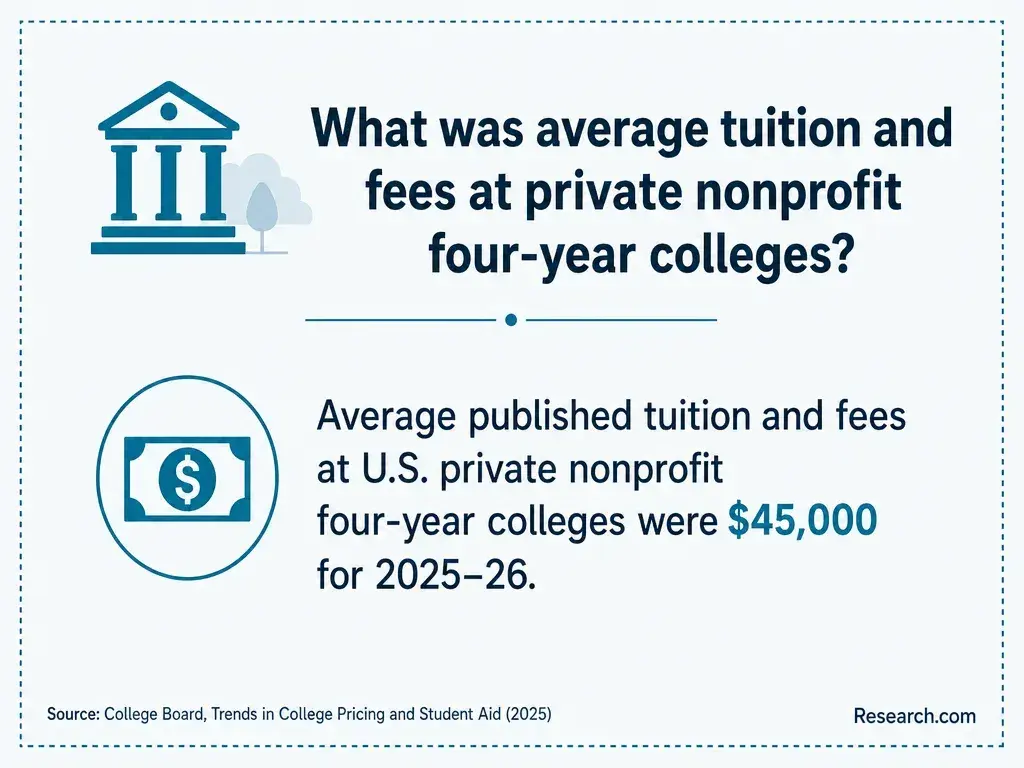
Compare the cost to finish your approved degree plan, not just the advertised tuition rate. Include required fees, books or software, any travel, and the financial effect of taking fewer courses while working. Ask for a written degree audit and a term-by-term cost estimate before assuming that transfer credit will save money. Substance use counseling bachelor's financial aid options illustrate why aid must be checked against the actual program and enrollment pattern; eligibility for one pathway should not be assumed for another.
A slower schedule may provide more preparation time for a difficult presentation, while extending fees or delaying completion. Compare that trade-off with the support available in each course rather than choosing the shortest published timeline automatically.
A general psychology BA may support applications for nonclinical work in human services, research support, community programs, recruiting, or program administration. Duties and hiring requirements vary: a research support role may emphasize data handling and careful documentation, while a service-coordination role may emphasize referrals, confidentiality, and communication with clients.
Presentations need not be the only evidence of communication ability. A well-documented research paper, appropriately shared poster, or supervised project can demonstrate that you can explain findings accurately. Still, many jobs involve meetings, interviews, or conversations that cannot always be replaced with recordings. Consider which communication tasks your target role actually requires, and use coursework or supervised experience to develop them.
More specialized career claims require closer scrutiny. For example, higher-paying career paths after forensic psychology graduate study should not be treated as outcomes promised by a general psychology BA. Check each job's experience, graduate education, and credential requirements before choosing a degree for it.
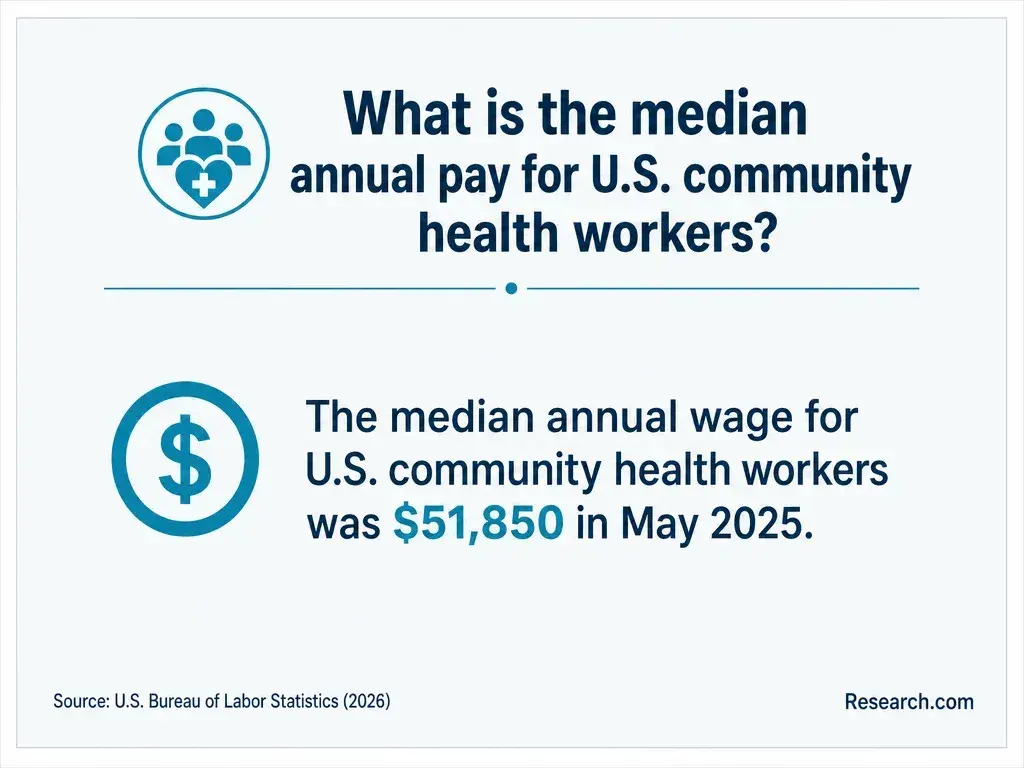
There is no single salary or job-growth figure for "psychology BA graduates." The U.S. Bureau of Labor Statistics publishes wages and employment projections by occupation, not as a promised outcome of this major. A credible comparison starts with a job title and its actual duties, then checks its published wage reference year, projection period, typical entry requirements, and local openings.
For instance, figures for social and human service assistants describe that occupation as a whole. They do not establish the starting pay of a new psychology graduate or the return on a particular school's tuition. The same distinction matters when weighing tuition against substance abuse counseling career outcomes: counseling roles may have credential rules that a general BA does not meet.
To evaluate value, compare the program's remaining cost with realistic entry-level postings in your area, including their experience and certification requirements. Give more weight to opportunities you can qualify for than to an occupation-wide median or a school's broad career list.
Does a Psychology BA Qualify You for Licensure or Certification?
A general psychology BA does not, by itself, qualify you to practice as a licensed psychologist, diagnose conditions, provide psychotherapy, or conduct independent clinical assessments. Those activities require additional education and other jurisdiction-specific steps. Some support roles or certifications have different rules, which must be checked with the relevant state authority or certifying organization.
If you want a licensed role, work backward from its requirements before choosing the BA. Determine whether the undergraduate major is required, recommended, or simply one acceptable preparation route; then account for the later qualifying program, supervised experience, and any examination. An affordable online psychology degree program can reduce undergraduate expense, but a lower-cost BA does not replace later professional training.
If your immediate goal is nonclinical work, the BA may be useful without licensure. If your goal is therapy or another regulated service, judge programs by their fit with the complete pathway - including its live and in-person training obligations - not by undergraduate presentation policies alone.
Other Things You Should Know About Psychology
That depends on the assignment and learning platform. Ask whether recordings are submitted only to the instructor, shared with a group, or posted for the class, and how long they remain accessible.
Often, but the instructor sets the assessment rules. Check the rubric for limits on reading a script, camera use, and responses to questions.
Ask about the scheduling window before the course starts. An online course may have a fixed live session, and work commitments do not automatically create an alternative assignment.
Usually, focus the essay on your academic interests and preparation unless disclosure serves a clear purpose. Questions about accommodations belong with the institution's disability services office.
- The Rights of Students with Disabilities Under the IDEA, Section 504, and the ADA | Congress.gov | Library of Congress https://www.congress.gov/crs-product/R48068
- Online Presentations - Students | Wharton Knowledge Base https://support.wharton.upenn.edu/help/online-presentations-students
- Online vs On-Campus College: Choose the Right Format | Bay Path University https://www.baypath.edu/news/bay-path-university-blogs/post/online-vs-on-campus-college-choose-the-right-format/
- Class Participation Accommodations | stanford.edu https://oae.stanford.edu/students%23academic-accommodations-services-button/class-participation-accommodations
- Bachelor of Arts in Psychology - Online Program | CSULB CPaCE https://www.cpace.csulb.edu/courses/bachelor-of-arts-in-psychology
- Students Experiencing Anxiety | apa.org https://www.apa.org/ed/schools/primer/anxiety
- Hybrid and Online Course Modalities | Molloy University https://www.molloy.edu/academics/resources/resources-for-students/blended-and-online-learning-student-support/hybrid-and-online-course-modalities
- What's the Difference Between Asynchronous and Synchronous Learning? | Ohio State Online https://online.osu.edu/content-hub/blogs/whats-the-difference-between-asynchronous-and-synchronous-learning/
- Learning outcomes - Psychology | UW-La Crosse https://www.uwlax.edu/academics/department/psychology/resources-for-students/learning-outcomes/
- Psychology Student Learning Outcomes | Adams State University https://www.adams.edu/academics/undergraduate/psychology/learning-outcomes/