2027 Choosing an Online BA in Psychology - Addictions Around A Job That Cannot Release You for an Internship
Audited and Verified:
Our Editorial and Data Verification Process
Research.com uses government datasets, official education statistics and primary institutional information to support its career and degree guides. Our review process checks factual accuracy, occupational definitions, source dates and the requirements associated with the credentials discussed.
How This Article Was Fact-Checked
Our editorial team verifies salary estimates, employment projections, education requirements and program information against original data providers and official organizations. Salary figures are checked against the relevant occupational definitions and reporting periods. Information about licensure, accreditation and required in-person training is reviewed separately.
Fact-checked and verified on:

Co-Founder and Chief Data Scientist
Your job may accommodate online classes but not an unpaid, daytime internship. That distinction can determine whether an online BA in psychology with an addictions focus is finishable. This guide is for working adults who want to study substance use and recovery without assuming they can leave work for a placement. You'll learn how to check graduation requirements, compare workable alternatives, estimate the full cost, and judge whether an internship-free degree supports your intended job or credential.
Key Things You Should Know
- An online psychology BA can be completed without an internship only if the requirements for your entry term permit another route to graduation; online delivery alone proves nothing about placement hours.
- Before enrolling, obtain written answers about required hours, site and supervisor approval, and whether a capstone or approved work-based project can replace a placement.
- An addictions focus does not itself qualify you to counsel or treat substance use disorders. Check your state's credential rules before paying for a degree intended to meet that goal.
What Is an Online BA in Psychology With an Addiction Studies Focus?
It is a bachelor of arts degree in psychology whose coursework includes substance use, addiction, prevention, or recovery. The focus might be an officially named concentration, a minor, or simply a set of electives. Ask which designation will appear on your academic record; similar course titles do not make these options equivalent.
A psychology BA usually combines psychological science, research methods, statistics, and broader degree requirements. An addictions focus adds subject knowledge, not authorization to diagnose or treat people. For a worker considering several online formats, psychology degree planning for prospective online students is a starting point; the deciding evidence remains each school's current catalog and degree audit.
Can You Earn an Online Psychology Degree Without Completing an Internship?
Yes, at some programs - but confirm the exact graduation pathway. An internship-free route may use coursework, a research capstone, or another approved culminating assignment. At other schools, fieldwork is mandatory even though every class is online. A course labeled "optional internship" also needs checking: it may become necessary for a particular concentration.
The comparison below separates arrangements that can look equally flexible on a program page but impose different demands on your employer.
| Program arrangement | Likely scheduling issue | Decision implication |
| No required placement; coursework or capstone route | Possible live meetings, group work, or scheduled presentations | Potential fit if those commitments fall outside work hours |
| Required internship with flexible site hours | Qualified supervision and available shifts may still be limited | Viable only after the school and a site confirm an actual schedule |
| Possible placement at your existing workplace | Normal job duties may not meet learning and supervision rules | Requires advance academic and employer approval |
Ask the internship coordinator - not just an admissions representative - whether placement hours are mandatory for your degree plan, whether evenings or weekends are allowed, who finds the site, and what happens if your employer cannot change your schedule. If proposing your workplace, request written decisions on distinct learning tasks, qualified supervision, assessment, and confidentiality. An accelerated calendar does not remove these conditions; planning an intensive online psychology degree is useful only after its placement rules pass the same check.
How Do You Choose an Accredited Online Psychology Bachelor's Program?
Start by verifying the institution's current accreditation with its recognized institutional accreditor and checking that the online BA and advertised addictions option actually exist for your entry term. Do not look for APA accreditation of a general psychology BA: APA's accreditation of certain professional psychology training programs is not a seal applied to all undergraduate majors.
For someone whose job cannot release them, program policies matter as much as the course list. Request the catalog requirements and a personalized degree plan, then ask the program to confirm these points in writing:
- Is any internship, service-learning placement, campus visit, or live class meeting required for this degree and focus?
- What are the capstone options, meeting times, course rotation, and rules for a slower term or leave?
- Which accepted transfer credits satisfy specific major requirements, and how many credits must be completed at this school?
Transfer acceptance is not the same as satisfying statistics, research methods, or another major requirement. Use the school's official audit to resolve that distinction; psychology program transfer policies offer additional comparison questions, not a substitute for the receiving institution's evaluation.
Expect to compare a psychology core - such as development, social or biological psychology, statistics, and research methods - with any addiction-related requirements. Depending on the school, those may cover substance use across the lifespan, prevention, recovery systems, public health, or the evaluation of treatment research. Check whether the courses are required for an official concentration or merely available as electives, and whether prerequisites affect when you can take them.
Research methods and statistics are particularly useful if your current work involves outreach or program support: they help you distinguish evidence of an association from proof that a service caused an outcome. Courses discussing counseling approaches remain academic study, not supervised clinical training. If you already hold a bachelor's degree and mainly want advanced research study, fast-track graduate psychology programs are a different route to investigate; check both their entry requirements and whether their pace is workable alongside your job.
Requirements depend on whether you are entering college or transferring. A school may request prior transcripts, proof of secondary education, and its application materials; admission to the institution does not necessarily settle admission to a major or acceptance of every prior course. Returning students should provide transcripts from all prior colleges and request an official evaluation showing where credits apply.
Before committing, ask whether previous statistics or psychology courses meet major requirements, whether any courses must be repeated, and when an approved audit will be available. If you already have a bachelor's degree, compare the cost and purpose of a second BA with targeted courses or, when appropriate, comparing affordable graduate psychology programs. A general psychology master's is not automatically a route to addiction counseling licensure.
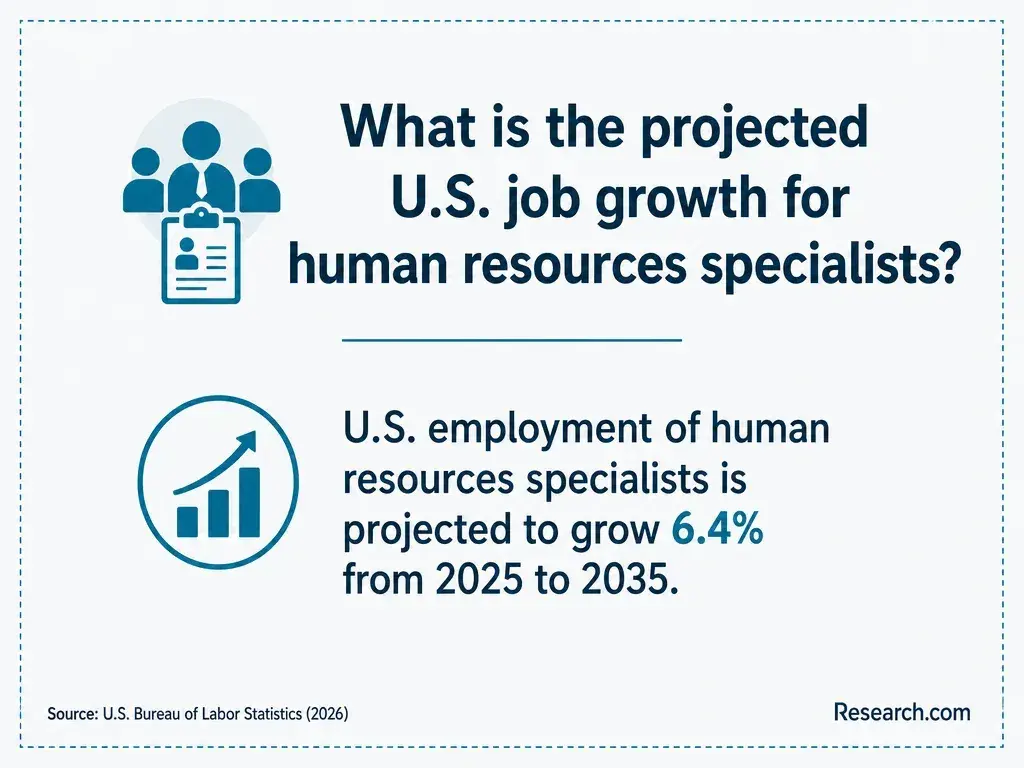
Your remaining requirements and sustainable course load determine the timeline - not the word "online." Transfer credits can shorten a plan only when they apply to graduation requirements. Infrequently offered addiction electives, sequential statistics and methods courses, and a capstone available only in certain terms can extend it.
Ask for a term-by-term plan built around the hours you can study while keeping your job. If a school advertises a compressed route, check its actual weekly workload and whether every required course is offered when the plan assumes. Comparing three-year forensic psychology bachelor's routes illustrates a different specialization; its advertised timeframe should not be treated as evidence that an addictions-focused BA has the same sequence or placement rules.
Without a named school and an approved transfer evaluation, there is no reliable single price. Estimate tuition from the credits you must actually complete at that institution and its applicable tuition rate. Then add mandatory fees, materials, technology, and any travel or placement expenses. Compare that total with the amount and conditions of aid or employer education assistance available to you.
An unpaid internship can carry a cost even when it has no separate course fee: reduced work hours, travel, and childcare may affect the household budget. Conversely, an internship-free program is not automatically cheaper if it accepts fewer credits or charges more for the remaining coursework. For a career-focused cost comparison, see weighing tuition against substance abuse counseling career outcomes, while checking each program's current charges and credential relevance yourself.
Possible nonclinical work includes recovery-program support, community outreach, intake administration, service coordination, and program assistance. Duties and entry requirements vary: an employer may value your existing experience, require training, or expect direct service experience that an internship-free BA does not provide. Addiction recovery job families can help you identify titles to investigate, but the individual posting and state rules control eligibility.
If you already work in a community organization or behavioral-health setting, map your current duties to the next role you want. Document appropriate experience in referrals, communication, records handling, or program support; seek supervised responsibilities your employer can actually offer. Do not use client information for a class project without organizational permission and applicable privacy review. If a target job requires counseling credentials or supervised treatment experience, choose training designed for that requirement rather than assuming a psychology concentration fills the gap.
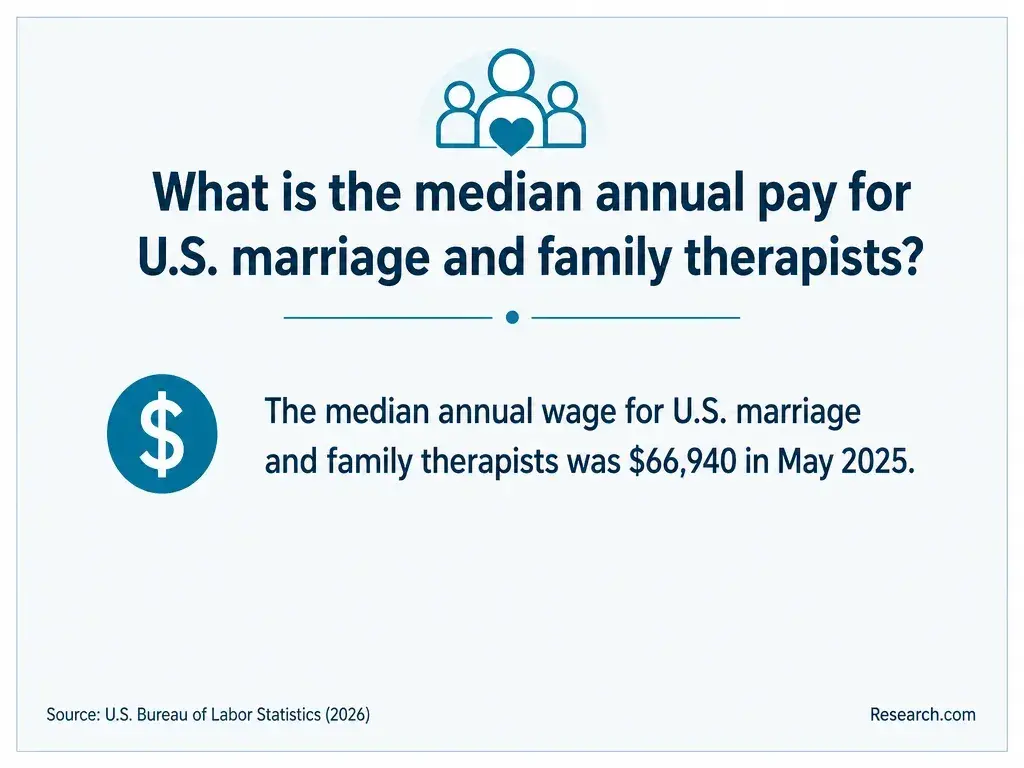
There is no dependable salary attached to the degree itself. Pay depends on the specific job, location, employer, prior experience, and required credential. To set a realistic range, identify roles you qualify for now, compare local postings with your employer's pay structure, and consult occupation-specific U.S. Bureau of Labor Statistics wage information. An occupation-wide median describes workers in that occupation - not graduates of an online BA - and may include people with additional credentials.
Do not use licensed-counselor pay as the expected return from a nonclinical bachelor's degree. Likewise, career planning with a forensic psychology graduate degree concerns a different qualification and job mix; its salary examples cannot establish the payoff from an addictions-focused BA. Compare likely earnings with your remaining education cost and any wages you would forgo to complete the program.
Does an Online Psychology Degree Qualify You for Addiction Counseling Licensure?
Not by itself. States set their own requirements for substance-use-disorder counseling credentials, including applicable education, supervised experience, examinations, and permitted duties. A psychology BA with addictions courses might contribute to a pathway in some jurisdictions, but its name - or an internship-free graduation route - does not establish eligibility.
Before enrolling for a counseling goal, identify the precise credential and state where you intend to work. Compare that regulator's educational and supervised-hour rules with the program's written curriculum and placement policy; request clarification from the regulator when equivalency is uncertain. If your goal instead requires a qualifying clinical counseling master's, comparing clinical counseling master's completion times is a separate planning exercise. A faster graduate program does not eliminate its applicable practicum, internship, or post-degree supervision requirements.
Other Things You Should Know About Psychology
Possibly. Ask your benefits office which institutions and courses qualify, whether a grade or continued employment is required, and when reimbursement is paid. Do not assume assistance covers fees or creates flexibility for fieldwork.
Only with the necessary employer and academic permissions. Client or personnel records may be restricted even if names are removed. A literature review or project using authorized public information may be a safer option.
Asynchronous lessons can help, but deadlines and group assignments may still be fixed. Request a sample course schedule and ask how absences, missed terms, and reentry affect your degree plan.
You can describe that experience in job applications and discuss it with an academic advisor, but it does not automatically earn internship credit. Ask whether the program offers a separate, approved way to document prior learning or complete its academic requirements.
- Behavioral Health Career Descriptions | samhsa.gov https://www.samhsa.gov/about/careers/behavioral-health-workforce/careers-by-state/descriptions
- Fact Sheet #71: Internship Programs Under The Fair Labor Standards Act | U.S. Department of Labor https://www.dol.gov/agencies/whd/fact-sheets/71-flsa-internships
- Types of Financial Aid: Grants, Work-Study, and Loans | studentaid.gov https://studentaid.gov/understand-aid/types
- Cost of Attendance (Budget) | 2026-2027 Federal Student Aid Handbook https://fsapartners.ed.gov/knowledge-center/fsa-handbook/2026-2027/vol3/ch2-cost-attendance-budget
- Section 2. Field Experience Requirements and Policies | Academics at Walden University https://academicguides.waldenu.edu/ms-clinical-psychology-field-experience-manual/policies
- Out-of-State Learning Placements | JMU https://www.jmu.edu/online/state-authorization/staff-policies/field-experience.shtml
- What's the Difference Between Asynchronous and Synchronous Learning? | Ohio State Online https://online.osu.edu/content-hub/blogs/whats-the-difference-between-asynchronous-and-synchronous-learning/
- 22 Tex. Admin. Code § 463.11 | State Regulations | US Law | LII / Legal Information Institute https://www.law.cornell.edu/regulations/texas/22-Tex-Admin-Code-SS-463-11
- Online Bachelor's Degree in Psychology in Addictions | Purdue Global https://www.purdueglobal.edu/degree-programs/psychology/bachelor-psychology-addictions/
- How to Become an Addiction Counselor: 5 Key Steps (2026) | Touro University Worldwide https://www.tuw.edu/health/how-to-become-an-addiction-counselor/