2027 Cheapest Paralegal Degree Programs for Working Adults

Co-Founder and Chief Data Scientist
Choosing a paralegal degree as a working adult is usually a three-part decision: whether the credential will be respected, whether the schedule will fit around work and family, and whether the total cost is realistic. The least expensive option is not always the best value if credits will not transfer, financial aid is limited, or employers do not recognize the school.
Paralegal education matters because legal employers continue to need trained professionals who can support attorneys with research, drafting, case organization, compliance work, and client communication. With 23% projected job growth for paralegals through 2032, affordable and flexible programs can help adults enter or advance in the field without stepping away from full-time responsibilities.
This guide explains how to compare low-cost online paralegal degree programs, what affects total price, how to judge legitimacy, which scheduling features matter most, and what career paths may be available after graduation.
Key Things to Know About the Cheapest Paralegal Degree Programs for Working Adults
- Cheapest paralegal degree programs often feature low tuition, online formats, generous transfer credits, and flexible scheduling to accommodate full-time work and family commitments.
- Affordable options may offer accelerated timelines and accessibility but require careful assessment of accreditation and employer recognition for career viability.
- Evaluating total costs, financial aid, in-state eligibility, support services, and job placement rates is crucial for long-term success before enrolling in any program.
What Are the Cheapest Accredited Paralegal Degree Programs Online?
The cheapest accredited online paralegal degree programs are usually found at public colleges, community colleges, transfer-friendly universities, and schools that let students study part time without charging excessive fees. For working adults, the best low-cost program is not simply the one with the lowest advertised tuition. It is the program that combines recognized accreditation, manageable scheduling, strong transfer policies, and clear total-cost information.
Accreditation should be the first filter. An inexpensive program may save money upfront, but if the institution lacks recognized accreditation, students may face problems transferring credits, qualifying for financial aid, or presenting the credential to employers. With adult learners making up over 35% of higher education enrollments, schools increasingly design online programs around affordability and flexibility, but quality still varies.
When comparing affordable online paralegal programs, focus on the following factors:
- Accreditation Status: Look for institutional accreditation from a recognized accrediting agency. Accreditation supports degree recognition, access to federal financial aid when otherwise eligible, and smoother credit transfer. If a program makes broad promises but does not clearly state accreditation, treat that as a warning sign.
- Tuition and Fee Structure: A low per-credit rate can be affordable for part-time students, while flat-rate tuition may benefit students who can take heavier course loads. Always compare total program cost, not just tuition, because online fees, textbooks, legal research platform costs, and graduation fees can change the real price.
- Transfer Credit Acceptance: Adult learners with prior college credits may reduce both time and cost if the school accepts general education courses, legal specialty courses, military training, or prior learning assessments. Ask for a written transfer evaluation before enrolling whenever possible.
- Scheduling Flexibility: Asynchronous courses are often the most practical format for full-time employees because lectures and assignments can be completed outside standard work hours. Check whether exams require live proctoring, whether deadlines are weekly, and whether group projects require scheduled meetings.
- Financial Aid and Support: Federal aid, scholarships, employer tuition assistance, payment plans, and advising support can make a low-cost program more realistic. A cheap program with poor advising may become expensive if students take the wrong courses or delay graduation.
Students comparing program length and pacing can also review unrelated accelerated formats, such as short online DNP programs, to understand how condensed schedules can affect workload, cost, and completion time.
How Much Does an Online Paralegal Degree Cost for Working Adults?
The cost of an online paralegal degree for working adults depends on the school, residency rules, tuition model, accepted transfer credits, enrollment pace, and required fees. The lowest advertised tuition is only one part of the calculation. A program that accepts more credits, offers federal aid eligibility, and allows steady part-time enrollment may cost less overall than a cheaper-looking program with strict requirements.
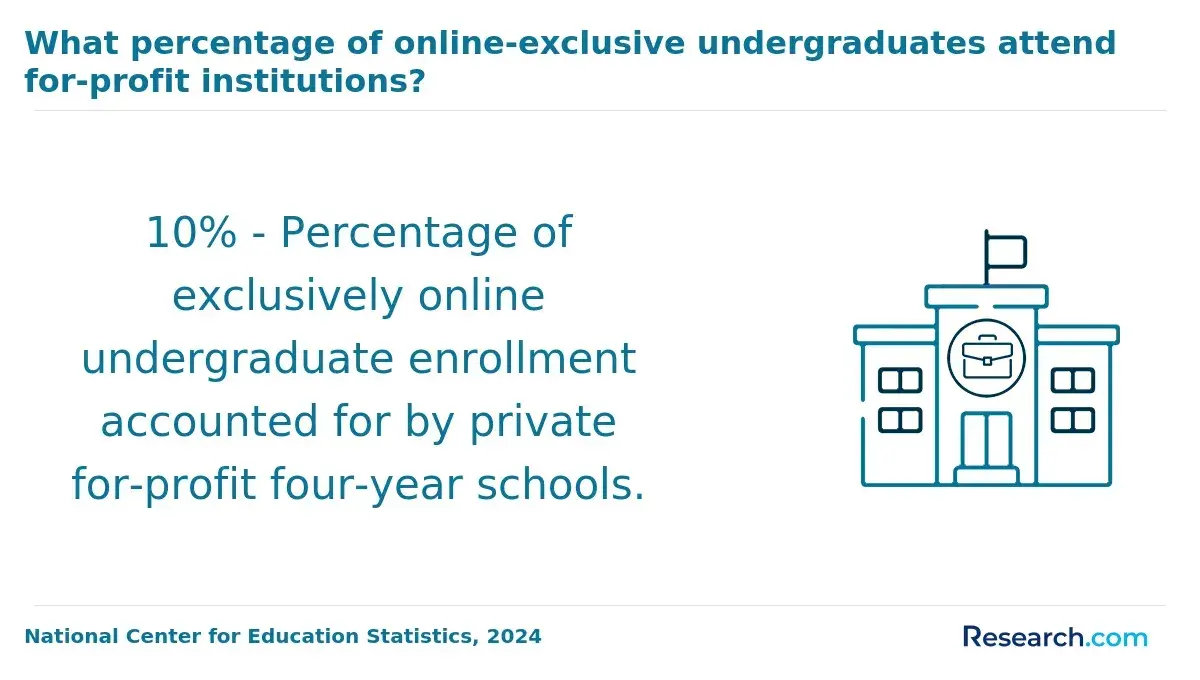
According to a 2023 study by the National Center for Education Statistics, around 40% of undergraduate students now enroll exclusively in online programs. That growth gives working adults more options, but it also makes careful cost comparison more important.
Major cost drivers include:
- Tuition Models: Public institutions often charge lower tuition than private schools, but residency rules may affect the rate. Per-credit pricing is easier to budget for part-time study. Flat-rate tuition can be cost-effective only if students can handle a larger course load without risking failed or withdrawn classes.
- Transfer Credit Acceptance: Transfer credits from community colleges or previous coursework can reduce the number of credits required. This can lower tuition and shorten the time to graduation, especially for adults who already completed general education requirements.
- Financial Aid Opportunities: Federal grants, scholarships, institutional aid, and employer tuition assistance can reduce out-of-pocket costs. Students should confirm that the institution and program meet aid eligibility requirements before assuming federal aid will apply.
- Technology and Fees: Online programs may charge technology fees, course fees, legal database fees, assessment fees, or graduation fees. These costs can add hundreds of dollars annually, so students should request a full fee schedule.
- Program Format and Flexibility: Accelerated or competency-based formats can reduce time in school, but they may require more weekly study time. Flexible online schedules help adults avoid choosing between employment and coursework.
A practical cost comparison should include tuition, required fees, books and materials, transfer-credit savings, expected aid, and the cost of taking longer to finish. Students evaluating affordability may also compare programs in adjacent fields, such as an affordable online DNP program, to see how tuition structure, pacing, and aid policies differ across online degrees.
Are Cheap Paralegal Degree Programs Legitimate and Respected by Employers?
Cheap paralegal degree programs can be legitimate and respected, but only if they meet clear quality standards. Employers are more likely to value a low-cost online degree when the institution is accredited, the curriculum teaches practical legal skills, and the program is transparent about outcomes, faculty, and student support.
Cost alone does not indicate quality. Some affordable programs are offered by reputable public colleges with strong legal studies departments. Others may cut corners, use weak curricula, or provide little career support. A 2022 Strada Education Network study found that 61% of employers recognize online degrees as equivalent to traditional ones, which shows growing acceptance when the credential comes from a credible school.
Use these checks before enrolling:
- Accreditation Status: Confirm that the institution is accredited by a recognized national or regional body. Accreditation helps signal that the school meets established academic standards and may affect transfer credit, financial aid, and employer confidence.
- Curriculum Relevance: Strong programs cover legal research, legal writing, civil litigation, ethics, contracts, technology used in legal settings, and practical document preparation. A program should prepare students for real legal support work, not just general office tasks.
- Faculty Expertise: Instructors with legal experience can connect coursework to actual law office, corporate legal, nonprofit, or government settings. Faculty biographies should be easy to find and should show relevant academic or professional backgrounds.
- Credit Transfer Flexibility: A legitimate program can still be transfer-friendly. Generous transfer policies are helpful when they are based on clear academic standards rather than vague promises.
- Employer Recognition of Online Learning: Online delivery is widely accepted when paired with strong instruction, credible accreditation, and practical outcomes. Students should ask whether graduates work in law firms, courts, corporate legal departments, government agencies, or compliance roles.
Warning signs include unclear accreditation, pressure to enroll immediately, vague tuition disclosures, no academic advising contact, limited information about required courses, and promises of guaranteed employment. Paralegal roles are career-focused, but no school can guarantee a job outcome for every graduate.
A paralegal degree graduate explained that the program’s value went beyond legal terminology and research methods. Balancing work, studies, and family was “overwhelming at times,” but the experience strengthened communication, time management, adaptability, and problem-solving. “Those skills were just as important as the legal coursework when I started working,” he noted.
What Are the Best Paralegal Degree Programs for Working Adults?
The best paralegal degree programs for working adults combine affordability, recognized accreditation, flexible delivery, transfer-friendly policies, and career-relevant training. A program should help students finish without unnecessary delays while preparing them for the type of legal support work they want to pursue.
Nearly 40% of undergraduates in the U.S. are now classified as adult students, and many need programs built around employment, caregiving, and financial limits. For that reason, “best” should be judged by fit, not just reputation or tuition.
Working adults should prioritize these qualities:
- Accreditation Standards: Accreditation supports academic quality and long-term credential value. It can also affect whether credits transfer and whether students can access certain forms of financial aid.
- Scheduling Flexibility: Asynchronous coursework, part-time enrollment, and multiple start dates help students maintain employment while studying. Accelerated tracks can be useful, but only if the weekly workload is realistic.
- Affordability and Financial Aid: Transparent tuition, fee disclosures, scholarships, grants, and payment options matter. Students should compare the full cost to completion, not just the first term’s bill.
- Academic Support Services: Adult learners benefit from accessible advising, tutoring, library support, technology help, and career counseling. These services can reduce the risk of stopping out because of scheduling or administrative problems.
- Workforce Relevance: The strongest programs teach legal research, drafting, ethics, litigation support, case management, and technology skills. Programs with internships, capstones, simulations, or career-focused assignments may offer stronger preparation.
Students should also distinguish between a certificate, associate degree, and bachelor’s degree. A certificate may be faster if the student already has college experience, while an associate or bachelor’s degree may provide broader general education and more long-term mobility. Those comparing affordability across online career programs can also review examples such as the best accredited online medical billing and coding schools with financial aid to understand how accreditation, aid, and career preparation intersect in other fields.
Which Paralegal Degree Programs Offer the Most Flexible Schedules?
The most flexible paralegal degree programs are usually online or hybrid programs that offer asynchronous coursework, part-time enrollment, multiple start dates, and clear assignment calendars. For working adults, flexibility is not just a convenience; it can determine whether staying enrolled is possible.
According to recent data, over 70% of undergraduate students engage in some form of online education. That does not mean every online program is equally flexible. Some online courses still require live meetings, scheduled exams, or daytime field experiences, so students should look closely at format details before enrolling.
Key scheduling features include:
- Asynchronous Coursework: Students can access lectures and materials at any time, which is valuable for those who work daytime shifts, evenings, or rotating schedules. Check whether weekly deadlines still apply.
- Evening and Weekend Classes: Live evening or weekend sessions can work well for students who prefer real-time interaction but cannot attend during business hours.
- Part-Time Enrollment: Taking fewer courses each term can make the workload manageable. This may extend completion time, but it can reduce burnout and help students keep earning income.
- Transfer Credit Acceptance: Transfer credits reduce the number of courses needed, which is one of the most direct ways to make a program more flexible and affordable.
- Multiple Start Dates: Several enrollment periods throughout the year let students begin when finances, work schedules, and family responsibilities allow.
Before choosing a program, ask how often courses are offered, whether required legal specialty courses rotate only once per year, and whether internships or practicums are mandatory. A program may advertise flexible online learning but still create delays if required classes are limited.
One paralegal graduate said that flexible scheduling made the difference between postponing school and finishing. She worked full time and studied after her children were asleep, using part-time enrollment to manage the pressure. Transfer credits shortened her path to graduation, and she said, “Having options like evening classes and multiple start dates made it possible for me to continue working while earning my degree.”
What Are the Fastest and Cheapest Paralegal Degree Programs?
The fastest and cheapest paralegal degree programs are usually those that accept substantial transfer credit, offer accelerated terms, allow online study, and avoid unnecessary fees. Speed and low cost often work together when students need fewer credits to graduate. However, a faster program is not always better if the pace is unrealistic for someone working full time.
Recent data show that over 40% of postsecondary students enroll in at least one online course, reflecting the growing demand for accessible formats. For paralegal students, online delivery can reduce commuting time and make it easier to maintain employment while completing legal coursework.
Accelerated and affordable programs often share these features:
- Accelerated Course Formats: Shorter terms ranging from eight to twelve weeks can help students complete requirements faster than traditional semesters. The trade-off is intensity: assignments and readings may move quickly.
- Transfer Credit Acceptance: Prior college coursework, legal certificates, military training, or approved prior learning can reduce the number of required classes. This is often the largest source of savings.
- Asynchronous Scheduling: Students can complete lectures, readings, and assignments around work and family responsibilities. This format is especially helpful for adults with inconsistent schedules.
- Competency-Based Education: Some programs allow students to move forward by demonstrating mastery. This can benefit experienced learners, but students should confirm how competency credits appear on transcripts and whether they transfer.
- Multiple Annual Start Dates: Frequent start dates reduce waiting time and help students begin when they are ready financially and personally.
Students trying to minimize cost should compare degree and certificate options carefully. If a certificate meets the student’s career goal and prior education level, researching the cheapest online paralegal certificate may be a practical starting point before committing to a longer degree path.
The best fast option is one that shortens completion through legitimate credits and efficient scheduling, not by weakening academic expectations. Legal employers still expect graduates to write clearly, research accurately, understand ethics, and handle confidential information responsibly.
Which Schools Accept the Most Transfer Credits for a Paralegal Degree?
Schools that accept the most transfer credits for a paralegal degree usually have clear transfer policies, low residency requirements, articulation agreements, and prior learning assessment options. For working adults, transfer credit can reduce tuition, shorten the program, and make returning to school more practical.
Transfer policies vary widely. According to the National Center for Education Statistics, about 40% of undergraduate transfer students benefit from reduced time to degree completion due to credit transfer. The actual benefit depends on how credits apply: credits that count only as electives may not shorten the path as much as credits that satisfy required courses.
Important transfer-credit factors include:
- Accreditation Compatibility: Schools generally prefer credits from institutions recognized by the U.S. Department of Education. Accreditation compatibility can determine whether prior coursework is accepted at all.
- Transfer Equivalency Evaluations: A course-by-course review shows whether previous classes match paralegal, general education, or elective requirements. Students should request this evaluation before committing to a school.
- Residency Requirements: Most schools require students to complete a minimum number of credits at the institution awarding the degree. Lower residency requirements may allow more previously earned credits to apply.
- Articulation Agreements: Agreements between community colleges and four-year schools can make transfer decisions more predictable. They are especially useful for students moving from an associate program into a bachelor’s program.
- Prior Learning Assessments: Some institutions evaluate military service, workplace training, certifications, or portfolios for credit. These options can help adults turn documented experience into academic progress.
Before enrolling, ask three direct questions: how many credits can transfer, which requirements those credits will satisfy, and how many credits must still be completed at the new school. A generous transfer cap is less useful if most accepted credits do not apply to the degree plan.
What Financial Aid Options Are Available for Paralegal Students?
Paralegal students may be able to use federal financial aid, scholarships, employer tuition assistance, military and veteran benefits, institutional aid, payment plans, and transfer-credit savings. Eligibility depends on the school, program, enrollment status, accreditation, financial need, and the student’s personal circumstances.
Affordability is a major concern for adult learners, and nearly 39% of undergraduate students aged 25 and older receive employer support for their education. Working adults should build a funding plan before enrolling rather than waiting until tuition is due.
Common aid and affordability options include:
- Federal Grants and Loans: Federal Pell Grants may provide non-repayable aid to eligible students. Federal student loans can help cover remaining costs, but borrowing should be limited to what is necessary because loans must be repaid.
- Employer Tuition Assistance: Some employers reimburse tuition or pay part of the cost upfront. Students should ask about grade requirements, annual limits, approved schools, and whether they must remain employed for a certain period after receiving aid.
- Scholarships for Adult Learners: Scholarships may be available for nontraditional students, legal studies students, first-generation students, or students changing careers. Smaller awards can still reduce out-of-pocket costs when combined with other aid.
- Military and Veteran Benefits: Benefits such as the GI Bill can help eligible military-connected students pay tuition and related education expenses.
- Transfer Credits and Prior Learning Assessments: Reducing the number of required credits is a form of cost reduction. Students with prior coursework or relevant training should ask about transfer and prior learning options early.
Working adults comparing funding strategies in other career paths can review examples such as a medical assistant to LPN bridge program, where students may use similar combinations of aid, employer support, and transfer credit.
Before choosing a paralegal program, complete the financial aid steps required by the school, request a written cost estimate, and ask whether aid changes if you enroll part time. This is especially important for adults who need to maintain income while studying.
What Jobs Can You Get With a Paralegal Degree?
A paralegal degree can prepare graduates for legal support roles in law firms, corporate legal departments, government agencies, courts, nonprofits, real estate offices, insurance companies, healthcare organizations, and compliance-focused workplaces. Actual job options depend on the degree level, experience, location, employer requirements, and any additional certifications.
Affordable and flexible degree pathways can help adults enter the legal field or move from administrative roles into more specialized legal support work. Employment of paralegals and legal assistants is projected to grow 10% from 2022 to 2032, reflecting continued demand for trained legal support professionals.
Common roles and pathways include:
- Entry-Level Legal Support: Graduates may start as legal assistants, case assistants, document clerks, or junior paralegals. Duties often include organizing files, drafting routine documents, communicating with clients, and supporting attorneys with deadlines.
- Litigation Support: Paralegals in litigation help with discovery, trial preparation, exhibits, filings, research, and case management. These roles require strong organization and attention to procedural details.
- Corporate and Compliance Roles: Businesses may hire paralegal-trained professionals for contract support, regulatory tracking, corporate records, compliance documentation, or internal legal operations.
- Real Estate, Probate, and Family Law Support: Specialized offices may need paralegals to prepare forms, manage client documents, track deadlines, and coordinate with courts, agencies, or other parties.
- Government and Nonprofit Work: Legal aid organizations, public agencies, and courts may employ paralegals to support public service missions, intake processes, benefits cases, or community legal programs.
- Supervisory or Senior Paralegal Roles: With experience, paralegals may coordinate teams, manage workflows, train staff, or handle complex case responsibilities under attorney supervision.
Students should remember that paralegals are not attorneys and generally cannot provide legal advice, represent clients in court, or practice law independently. State rules and employer policies vary, so graduates should understand the boundaries of the role in their jurisdiction.
For broader examples of flexible online career preparation, students can compare how programs such as the cheapest nutrition and dietetics online degree programs structure affordability, scheduling, and professional readiness.
What Should Working Adults Look for When Choosing a Paralegal Degree Program?
Working adults should choose a paralegal degree program by weighing accreditation, total cost, flexibility, transfer credit, student support, curriculum quality, and career relevance. The right program should fit the student’s schedule and budget while producing a credential that employers can understand and respect.
The rise of online and hybrid learning has expanded access for nontraditional students, with over 40% of undergraduates in online courses being adult learners. More access, however, also means students must compare programs carefully and avoid decisions based only on convenience or price.
Use this checklist before enrolling:
- Accreditation: Verify institutional accreditation through a recognized source. Unaccredited programs may create problems with financial aid, transfer credit, graduate education, and employer review.
- Scheduling Flexibility: Look for asynchronous courses, part-time options, evening or weekend availability, and multiple start dates. Ask whether any required courses have live meeting times or daytime requirements.
- Transfer Credit Policies: Request a transfer evaluation before enrolling if you have previous college credits. Confirm which credits apply to the degree, not just how many are accepted.
- Affordability and Financial Aid: Compare total cost, not only tuition. Include fees, books, technology requirements, transportation if hybrid, and the potential impact of reducing work hours.
- Student Support Services: Strong advising, tutoring, library access, technical help, and career services are especially important for adult learners balancing several responsibilities.
- Curriculum and Career Fit: Review required courses to ensure the program teaches legal research, writing, ethics, litigation, technology, and practical document preparation. If you want a specific area such as compliance or real estate, look for relevant electives.
- Completion Requirements: Check whether the program requires an internship, capstone, portfolio, proctored exams, or in-person components. These can be valuable but must fit your schedule.
A good final step is to contact admissions, financial aid, and academic advising before applying. The quality and clarity of their answers often reveal how well the school supports adult learners after enrollment.
What Do Students Say About Affordable Paralegal Degree Programs?
- : "Balancing work and family made me prioritize finding a paralegal degree that truly understood my lifestyle. I focused heavily on programs that offered affordable tuition without sacrificing accreditation because I knew that respected employers would check those credentials. Finding a flexible schedule was a game-changer, allowing me to study during weekends and late evenings without falling behind at work. — Nathan"
- : "As someone who returned to school later in life, I researched paralegal degrees that would accept transfer credits from my previous coursework to reduce time and costs. The most flexible programs were the ones that allowed asynchronous learning, so I could handle my job commitments without stress. It's crucial to verify if cheaper programs are accredited since not all of them hold weight in the legal job market, which can impact long-term career growth. — Mercedes"
- : "Exploring affordable paralegal programs, I learned to dig beyond price tags and look for those accredited by recognized bodies to ensure employer respect. Flexibility was my top priority because I had to juggle a full-time job and family duties, so online and part-time options were essential. It's also wise to consider your career goals and pick a school that supports networking and practical experience to really prepare you for the field. — Valerie"
Other Things You Should Know About Paralegal Degrees
Yes, many affordable paralegal degree programs are designed with working adults in mind. These programs often offer online or evening classes that allow students to balance their studies with full-time jobs. This flexibility is essential for adults who need to manage work and family commitments alongside their education.
In 2027, some of the cheapest paralegal degree programs for working adults include the online Paralegal Studies Certificate from Duke University, the Associate of Science in Paralegal Studies from CUNY School of Professional Studies, and the Paralegal Studies Certificate from Los Angeles City College. These programs offer flexibility and affordability for those balancing work and study.
Accreditation is critical for ensuring the quality and recognition of a paralegal degree. Accredited programs meet industry standards and are more likely to be accepted by employers. Even among the cheapest options, prioritize programs accredited by agencies recognized by the U.S. Department of Education or the Council for Higher Education Accreditation.
Yes, students should anticipate costs like textbooks, software, and possible exam fees. Some online programs may charge technology or access fees as well. Budgeting for these extra expenses is important, as they can add up and impact the overall affordability of the program.
References
- Columbus State Community College https://www.cscc.edu/academics/departments/paralegal/paralegal-transfer.shtml
- 6 Jobs You Can Get With A Paralegal Degree https://www.northwestcareercollege.edu/blog/6-jobs-you-can-get-with-a-paralegal-degree/
- How to Choose the Best Paralegal Program for You | Eastern College https://www.easterncollege.ca/blog/how-to-choose-the-best-paralegal-program-for-you/
- Affordable, Online Paralegal Program | BCI https://blackstone.edu/online-paralegal-program/
- Online Degrees and Certificates: Paralegal Associate of Applied Science Transfer Degree | Edmonds College https://www.edmonds.edu/programs-and-degrees/online-degrees-and-certificates/degrees-and-certificates/legal-aas-lappaaas.html
- Financial Aid - Paralegal College | Center for Advanced Legal Studies https://paralegal.edu/financial-aid/
- How Flexibility Makes Online Paralegal Associates Ideal for Adult Learners https://legaldesire.com/how-flexibility-makes-online-paralegal-associates-ideal-for-adult-learners/
- Fastest Online Paralegal Degrees https://www.online-paralegal-degree.org/fastest-online-paralegal-degrees/