2027 Paralegal Degree Programs With Rolling Admissions

Co-Founder and Chief Data Scientist
Rolling admissions can make a paralegal career pivot more realistic for adults who cannot pause work, family responsibilities, or finances to wait for one annual deadline. Instead of applying by a single cutoff, students may submit materials during an open review period and, when admitted, start at one of several available entry points. That flexibility matters: nearly 40% of undergraduates in 2023 enrolled through flexible start dates, according to the National Center for Education Statistics.
For prospective paralegal students, however, rolling admissions is not the same as unlimited access. Seats, scholarships, course sections, internships, and preferred start dates can still fill. The best choice depends on how quickly you need to begin, whether the program has strong legal-writing and practical training, how well it fits your schedule, and whether employers in your area recognize the credential. This guide explains how rolling admissions paralegal programs work, what they require, when to apply, what they cost, and how to judge whether the flexibility supports your career goals.
Key Benefits of Paralegal Degree Programs With Rolling Admissions
- Rolling admissions allow paralegal students to apply when ready, but this flexibility can compress academic planning, often requiring rapid sequencing of prerequisite and core courses, affecting skill depth acquired before job entry.
- Because many legal employers prioritize candidates with recent or continuous academic engagement, rolling admissions can enhance employability by aligning graduation timing closely with hiring cycles, minimizing skill obsolescence.
- Extended application windows may reduce upfront financial pressure, yet intermittent start dates can hinder students from benefiting fully from cohort-based networking, a critical factor in paralegal job placement and career growth.
How Do Paralegal Degree Programs With Rolling Admissions Work?
Paralegal degree programs with rolling admissions review applications as they are received instead of waiting for a single deadline. Qualified applicants may receive decisions sooner and, depending on the school, may be able to begin at the next available term, session, or cohort. This can help working adults and career changers move into legal training without losing months to a traditional admissions calendar.
The tradeoff is that “rolling” does not mean every class is always open. Legal research, legal writing, civil litigation, ethics, and internship courses may follow a sequence. If you enter at an unusual point in the academic year, you may need to wait for a prerequisite course or accept a different pace than you expected.
- Applications are reviewed continuously: Schools evaluate complete applications as they arrive, which can shorten the time between applying and receiving a decision.
- Seats are still limited: Faculty availability, class size, online section capacity, and internship supervision can restrict how many students begin in a given term.
- Course sequencing still matters: Some paralegal courses build on one another. Starting sooner is useful only if the program’s schedule lets you progress without avoidable gaps.
- Financial aid timing can vary: Scholarships, tuition deadlines, and employer reimbursement cycles may not line up neatly with every start date.
- Career preparation must be planned early: Internships, legal clinics, document drafting practice, and career services may operate on fixed calendars even when admissions are rolling.
Before applying, ask the admissions office when the next legal specialty courses begin, whether the program has multiple start dates for core paralegal classes, and how internship placement works for students who enter outside the main term. Rolling admissions is most valuable when the program’s academic schedule is flexible enough to support steady progress.
Students comparing flexible professional programs may also look at an AI masters degree to understand how different fields structure nontraditional application timelines.
What Are the Admission Requirements for Rolling Admissions Paralegal Programs?
Rolling admissions changes the timing of the application, not the basic standards. Paralegal programs still need evidence that applicants can handle college-level reading, writing, legal terminology, research assignments, deadlines, and professional communication. Because applications are reviewed as they arrive, an incomplete file can delay review even when the admissions window is open.
Common requirements include the following:
- High school diploma or equivalent: Certificate and associate-level programs usually require proof of secondary completion or an equivalent credential.
- GPA requirement: Some schools set a minimum GPA to assess academic readiness. Others review GPA alongside work history, transfer credits, or writing ability.
- Official transcripts: Transcripts confirm prior coursework and may help the school place you correctly, evaluate transfer credit, or waive general education requirements.
- Application form: The application must be accurate and complete. Missing dates, unreported schools, or inconsistent information can slow a rolling review.
- Letters of recommendation: When required, these should speak to reliability, writing skills, judgment, professionalism, or experience in an office or legal setting.
- Personal statement: Some programs use a statement to evaluate motivation, career goals, and writing clarity—skills that matter in legal support roles.
- English proficiency: Strong English reading and writing ability is essential because paralegals draft, review, summarize, and organize legal documents.
- Technology skills: Programs may expect comfort with online learning platforms, word processing, spreadsheets, databases, e-discovery tools, or legal research systems.
If you are seeking a fast credential for a career change, avoid rushing a weak application. Submit early, but make sure transcripts, recommendations, and any writing sample are ready. Applicants comparing career-focused programs may also review 2 year online degrees that pay well to see how different short-format degrees align with job outcomes.
When Should You Apply for Rolling Admissions Programs?
You should apply as early as you can submit a complete, accurate, and competitive application. Rolling admissions rewards readiness: earlier applicants usually have access to more open seats, more start-date options, and a better chance of being considered before limited scholarships or preferred course sections are filled.
Late applications are still possible in many rolling admissions programs, but they can reduce your options. By the end of an admissions cycle, the program may have fewer seats, fewer evening or online sections, fewer financial aid opportunities, and less flexibility for internship timing. For paralegal students, that can affect not only when you begin but also when you finish practical training and become ready to apply for legal support roles.
| Application timing | Best for | Main advantage | Possible drawback |
| Early in the rolling window | Applicants with transcripts and recommendations ready | More choice of start dates, courses, and aid options | You must avoid submitting before your materials are polished |
| Middle of the rolling window | Applicants improving a statement, gathering documents, or confirming finances | More time to prepare without waiting for a full annual cycle | Some seats, scholarships, or preferred schedules may already be gone |
| Late in the rolling window | Applicants who need immediate consideration and can accept limited options | Potentially faster entry than waiting for a fixed-deadline program | Higher risk of full cohorts, fewer course choices, or delayed enrollment |
A practical rule is to work backward from your desired graduation or job-search date. Ask when core paralegal courses begin, when internships are offered, and whether missing one course sequence could delay completion. If employer tuition benefits or personal savings are part of your plan, confirm payment deadlines before applying.
One graduate said she delayed applying while finishing a demanding work project because the program had rolling admissions. By the time she submitted her file, many scholarships had already been awarded and her preferred start date was full. She was admitted, but the later term pushed back her entry into legal work. Her experience shows the central tension of rolling admissions: flexibility helps, but waiting can still cost you options.
Are Rolling Admissions Common in Online Programs?
Yes, rolling admissions are often more common in online paralegal programs than in traditional campus-based formats. Online programs can support multiple start dates more easily because they are not always tied to the same classroom schedules, room capacity, or single-cohort calendar used by on-campus programs.
That said, online does not automatically mean open entry. Some online paralegal programs use fixed cohorts to keep students moving together through legal writing, research, and internship preparation. Others offer rolling review but still limit when certain required courses begin. The most flexible programs combine rolling admissions with frequent course starts, clear sequencing, and strong advising.
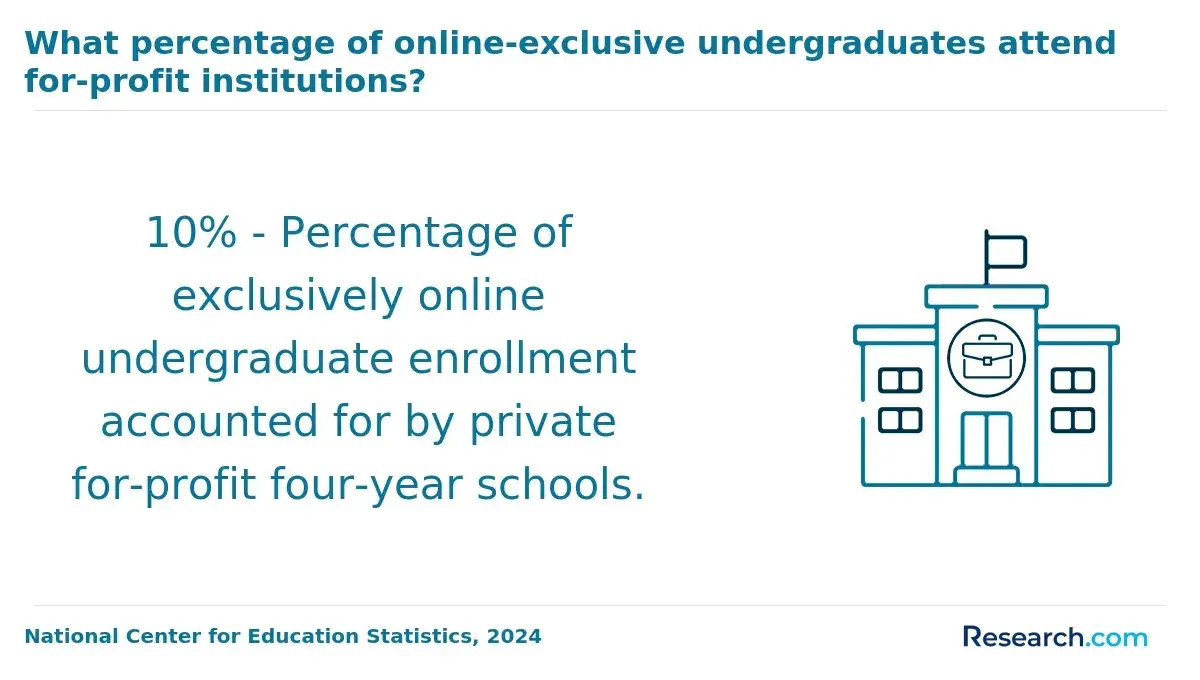
According to a 2023 nationwide survey, over 65% of online bachelor's completion programs employed rolling admissions or open enrollment, compared with less than 30% in on-campus equivalents. This reflects the way online education often serves working adults, transfer students, military learners, and students who cannot relocate or follow a traditional schedule.
When comparing online paralegal programs with rolling admissions, look beyond the application calendar. Confirm whether legal research platforms are included, whether instructors have legal practice experience, whether students receive feedback on drafting assignments, and whether career services help online students find internships or entry-level legal support roles. Students comparing cost and accreditation in other flexible fields may also review the cheapest CACREP-accredited programs online as part of broader planning.
Do Rolling Admissions Schools Have Higher Acceptance Rates?
Rolling admissions schools may feel easier to enter because they review applications over a longer period, but the admissions model itself does not guarantee a higher acceptance rate. Acceptance depends more on program demand, available seats, faculty capacity, applicant quality, and the school’s enrollment goals.
Timing can still affect your odds. Early in the rolling cycle, a program may have more open seats and less accumulated competition. Later in the cycle, the same applicant may face fewer openings and a higher bar if the class is nearly full. This is especially relevant for paralegal programs with small cohorts, limited internship supervision, or capped online sections.
Applicants should treat rolling admissions as a timing advantage, not a lower standard. A strong file still matters: transcripts, writing ability, professionalism, recommendations, and a clear reason for pursuing paralegal training can influence the decision. If the program is well known locally or has strong employer connections, competition may remain significant even with rolling review.
How Much Do Rolling Admissions Paralegal Programs Cost?
Rolling admissions usually does not change tuition. It changes when you can apply and start. Most cost differences come from the type of credential, the number of credits, the school’s tuition model, fees, delivery format, and how quickly you complete the program.
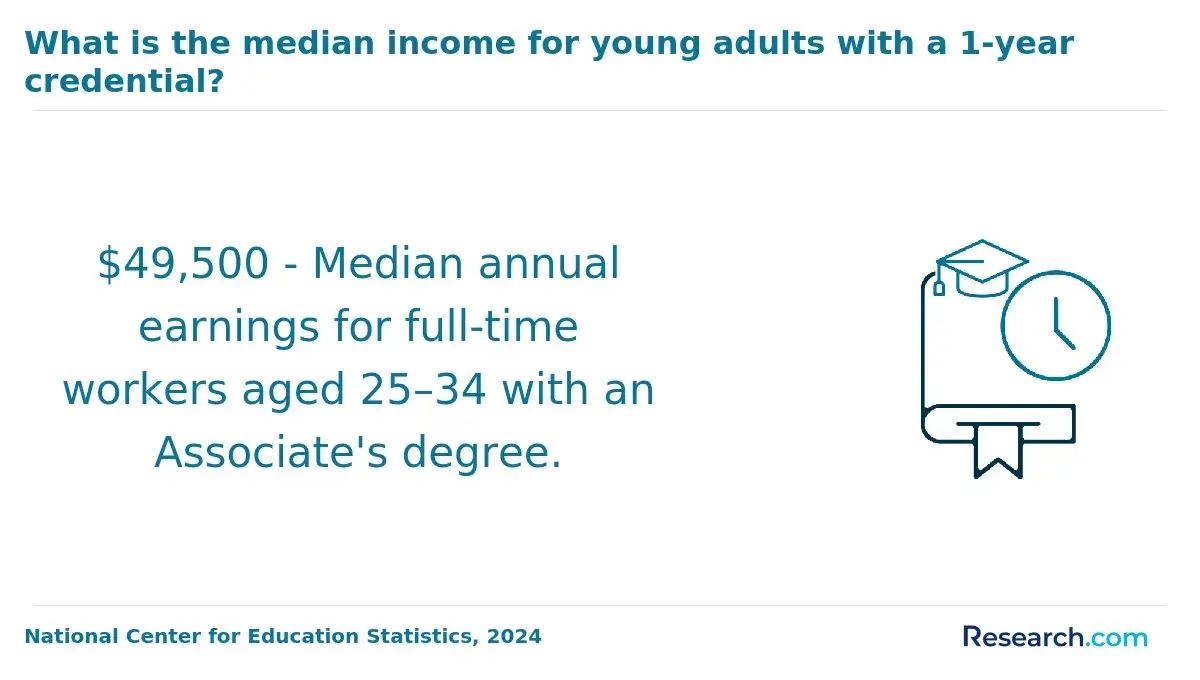
Tuition is commonly charged per credit hour, ranging from about $300 to $600. That typically translates to total tuition costs between $6,000 and $15,000 for associate degrees or certificate programs. Additional costs can include technology fees, administrative fees, books, legal research tools, course materials, and other charges that commonly add several hundred dollars annually.
Rolling admissions can still affect your budget in practical ways. Starting sooner may help you finish sooner, but it may also require faster payment, a heavier course load, or less time to secure aid. Starting later may give you more time to save, but it can delay graduation and entry into the job market.
| Cost factor | Why it matters | What to ask before enrolling |
| Tuition model | Per-credit, per-term, accelerated, and subscription-style pricing can change total cost | What is the full program cost if I follow the recommended pace? |
| Fees and materials | Legal research access, technology fees, books, and administrative charges can add up | Which fees are mandatory, and are research tools included? |
| Transfer credit | Accepted credits may reduce time and tuition | How many prior credits can apply to the paralegal credential? |
| Financial aid timing | Rolling start dates may not align with every scholarship or aid cycle | Which aid options are available for my intended start date? |
| Program pace | Accelerated study can reduce time but may increase workload per term | Can I maintain the pace while working? |
Students comparing accelerated and flexible programs in other fields may find a fast track construction management degree useful as a cost-and-scheduling comparison.
Are Career Outcomes Different for Rolling Admissions Students?
Career outcomes are usually not different simply because a student entered through rolling admissions. Employers care more about the quality of the program, relevant legal skills, internship or work experience, writing ability, professionalism, and familiarity with legal technology. The admissions calendar is mostly a logistical feature.
Rolling admissions can create indirect advantages. If it lets you start earlier, complete required coursework sooner, and enter the job market earlier, you may gain work experience before someone waiting for a fixed-deadline program. For working adults, flexible entry can also support persistence by reducing the time between deciding on a career change and beginning training.
The stronger predictors of career outcomes include ABA approval or strong local recognition, practical coursework, employer-connected internships, career services, and alignment with regional legal hiring needs. Students comparing program quality should understand how different schools present accreditation and employer recognition; lists of paralegal programs online aba approved can be a useful starting point for evaluating affordability alongside recognized standards.
According to the U.S. Bureau of Labor Statistics, paralegal employment is projected to grow 7% from 2022 to 2032. That outlook makes program relevance important. Students should ask whether the curriculum includes litigation support, legal research, legal writing, ethics, document management, e-filing, and exposure to practice areas such as corporate, family, criminal, real estate, or intellectual property law.
One paralegal graduate described rolling admissions as both helpful and stressful. She delayed applying because of job commitments, then had to coordinate an acceptance decision with an expiring employer tuition benefit. Once admitted, the faster start helped her complete an internship during a local hiring upswing, which she believes supported her job placement. Her experience shows that rolling admissions can improve timing, but outcomes still depend on planning, support, and practical experience.
Can Rolling Admissions Programs Lead to High-Paying Careers?
Rolling admissions can help you start sooner, but it does not by itself lead to a high-paying paralegal career. Salary potential depends on location, employer type, experience, specialization, legal technology skills, education quality, and the strength of your internship or job history.
Higher-paying paralegal roles are often tied to practice areas with complex documents, high transaction volume, or specialized knowledge. Corporate law, litigation, intellectual property, compliance, real estate, and contract management may offer stronger opportunities in some markets. Large law firms, corporate legal departments, and government agencies may also evaluate candidates differently than small firms or solo practices.
Salary outcomes vary widely. According to the U.S. Bureau of Labor Statistics, median wages range from about $45,000 in less competitive markets to $75,000 or more in urban centers with higher demand. Rolling admissions may help you enter training earlier, but the bigger salary drivers are skill depth, relevant experience, professional references, and the ability to produce accurate legal work under deadlines.
To improve earning potential, choose a program that teaches practical drafting, legal research, citation, case management, ethics, and technology. Then use internships, volunteer legal work, clinics, or entry-level administrative legal roles to build a portfolio of experience. Employers rarely reward admission timing; they reward job-ready skills.
What Are the Disadvantages of Rolling Admissions Programs?
Rolling admissions can be convenient, but it can also make planning harder. Students sometimes assume that an open application window means they can wait without consequences. In reality, program capacity, course availability, aid, and internship timing may all become more limited as the cycle progresses.
- Less predictable cohort experience: Students may start at different times, which can reduce the sense of moving through the program with a stable peer group. That may matter in courses using group projects, mock assignments, or legal office simulations.
- Seat availability uncertainty: Programs can close admission once capacity is reached. A 2022 National Student Clearinghouse Research Center report showed 18% of rolling admissions programs experienced late-cycle enrollment declines due to filled slots.
- Uneven access to financial aid: Scholarships and institutional funds may be awarded earlier in the cycle, leaving fewer options for late applicants.
- Course sequencing problems: If legal research, writing, ethics, or internship courses are offered only at certain times, a late start can create delays.
- Harder internship alignment: Legal employers may recruit interns around semester schedules, even when a school admits students throughout the year.
- Risk of procrastination: Flexible deadlines can make it easier to delay transcripts, recommendations, financial planning, or prerequisite coursework.
The best way to reduce these risks is to ask direct questions before applying: When is the next available start date? Which required courses are offered each term? Are internships available to students who begin mid-year? How is aid awarded for rolling applicants? Can the school provide a written plan showing your expected completion timeline?
Students weighing flexibility against structure may also compare scheduling models in other professional pathways, such as a project management degree online accredited, where admission calendars and course sequencing may differ.
How Do You Choose the Best Paralegal Program With Rolling Admissions?
The best paralegal program with rolling admissions is not simply the one that lets you start first. It is the one that lets you start at the right time, complete required courses without avoidable delays, gain practical legal experience, and graduate with a credential that employers recognize.
- Accreditation and recognition: Review whether the program is approved or respected by employers in your target market. ABA approval can be important for some students and employers, but local reputation, transfer pathways, and career services also matter.
- Curriculum depth: Look for legal research, legal writing, civil litigation, ethics, contracts, technology, document preparation, and specialty electives aligned with your career goals.
- Graduation and placement rates: High graduation success can indicate strong advising and realistic pacing. Programs with graduation rates above 70% typically achieve stronger six-month placement outcomes.
- Internship access: Ask whether internships, practicums, clinics, or employer-connected projects are available to rolling admissions students who start outside the main term.
- Online learning quality: For online programs, confirm instructor access, feedback speed, legal research tools, technology support, and whether online students receive the same career services as campus students.
- Cost and aid timing: Compare full program cost, fees, payment deadlines, scholarship availability, and employer tuition reimbursement rules for your intended start date.
- Schedule fit: Make sure course times, workload, and pacing are realistic if you plan to keep working while enrolled.
- Career alignment: Choose a program connected to the type of legal work you want, whether litigation, corporate law, real estate, family law, criminal law, compliance, or remote legal support.
Before committing, request a degree plan that shows your start date, required courses, expected completion date, and internship window. Then compare that plan with your finances, work schedule, and target job timeline. Students exploring pace and flexibility across fields may also review a 1 year master's in psychology online to understand how accelerated professional programs differ.
What Graduates Say About Paralegal Degree Programs With Rolling Admissions
- : "Balancing full-time work with family responsibilities meant I needed a paralegal program that would not make me wait for a traditional semester. Rolling admissions helped me start sooner and move toward an entry-level legal role faster. Once I began applying for jobs, I learned that internships and practical document experience mattered more to employers than simply completing the coursework. —Nathanael"
- : "I changed careers in my late thirties and could not afford a long break from work. The rolling admissions calendar and accelerated pace helped me begin when I was ready, and the hands-on assignments helped me secure a corporate internship. The biggest lesson was that firms wanted proof that I could draft, organize, and review legal materials—not just a credential. —Russell"
- : "I chose a rolling admissions program because I wanted training that could fit around remote work and prepare me for virtual legal assistant roles. The program was demanding, but it helped me build skills in remote contract support. The salary increase was modest, but the added flexibility and work-from-home options made the trade-off worthwhile. —Jose"
Other Things You Should Know About Paralegal Degrees
Programs with rolling admissions often allow students to start classes at multiple points throughout the year, which can mean more frequent course offerings but less structured group pacing. While this flexibility helps accommodate varied schedules, it can also result in a less cohesive cohort experience, reducing peer collaboration opportunities that are valuable in paralegal training. Students should anticipate potentially managing accelerated or asynchronous timelines that require strong self-discipline, especially since program sequencing may offer fewer chances to repeat classes within a semester's timeframe.
In 2027, paralegal degree programs with rolling admissions allow students to start their education at flexible times throughout the year, accommodating personal schedules. It helps prospective paralegals balance work, life, and studies, without waiting for a traditional academic year start.
Because rolling admissions cycles disperse student start dates, networking and mentorship opportunities within paralegal degree programs may be less structured and more dependent on individual initiative. Unlike fixed-semester programs where cohorts move together, students might miss out on built-in peer support and consistent faculty interaction, which are crucial for building professional relationships. Prospective students should proactively seek out externships, law office partnerships, or alumni networks outside classroom settings to compensate for this potential gap.
Flexibility in rolling admissions can be highly beneficial for those balancing work, family, or other commitments, but it often comes at the cost of regular feedback cycles and peer accountability. Students who thrive on structured environments with clear milestones might find rolling admissions less supportive of sustained motivation and comprehensive skill development. Therefore, it's recommended that individuals assess their self-management abilities and learning preferences carefully; those confident in self-directed study may gain more from rolling admissions, while others should weigh the value of cohort-based programs for deeper engagement.
References
- The Advantages and Disadvantages of Rolling Admissions https://www.petersons.com/blog/the-advantages-and-disadvantages-of-rolling-admissions/
- Announcing Changes to the Online Paralegal Program to Reduce Tuition Costs https://blackstone.edu/changes-to-online-paralegal-program-tuition-costs/
- Ultimate List of Colleges with Rolling Admissions in U.S. https://www.ivywise.com/blog/top-colleges-rolling-admissions-us/
- Paralegal Career Opportunities - What's changed in 10 years? - Paralegal College | Center for Advanced Legal Studies https://paralegal.edu/blog/paralegal-career-opportunities-whats-changed-in-10-years/
- Paralegal Positions for Beginners – Your Next Job Awaits! https://www.paralegalinst.com/entry-level-paralegal-job
- Paralegal Studies Program & Courses | UCLA Extension https://www.uclaextension.edu/legal-programs/paralegal-studies
- Online Paralegal Certificate | Hamline University - Minnesota https://www.hamline.edu/academics/graduate/online-paralegal-certificate
- Paralegal Professional Certificate Part-Time Evening Program https://www.villanova.edu/university/professional-studies/academics/professional-education/parttime_evening_online_program.html
- Admissions Requirements https://www.monroecc.edu/depts/law/paralegal-studies/admission-requirements/
- Paralegal vs. Lawyer: The Guide to Help You Decide | Rasmussen University https://www.rasmussen.edu/degrees/justice-studies/blog/paralegal-vs-lawyer-guide-to-decide/