2027 Paralegal Degree Programs You Can Start Without Meeting All Requirements

Co-Founder and Chief Data Scientist
Not meeting every admission requirement does not always mean you have to postpone a paralegal degree. Many applicants are close to qualifying but have a GPA below the stated cutoff, missing prerequisite coursework, incomplete transfer records, or an academic history that needs explanation. For these students, the real question is not simply “Can I get in?” but “Which entry route gives me a realistic chance to start, improve, and stay on track?”
Paralegal programs use several legitimate pathways to evaluate students who are not ready for standard admission. These may include conditional admission, provisional enrollment, bridge courses, concurrent prerequisites, community college transfer agreements, professional experience reviews, and stronger application materials. Around 30% of paralegal program enrollees first enter on conditional admission or through bridge courses, showing that these options are not unusual exceptions but structured routes designed for students with varied academic backgrounds.
This guide explains how those pathways work, what benchmarks students may need to meet, how financial aid can be affected, and how to compare online, campus-based, and transfer-friendly paralegal programs. The goal is to help you identify a practical admission strategy without overlooking academic standards, accreditation, cost, or long-term career readiness.
Key Things to Know About Paralegal Degree Programs You Can Start Without Meeting All Requirements
- Conditional admission enables students who miss GPA or prerequisite requirements to enroll-success depends on meeting specific course performance standards within an initial semester or two.
- Bridge courses offer foundational skills that align students' knowledge with program demands, particularly benefiting those returning after educational gaps or incomplete transcripts.
- Alternative credential evaluations consider relevant work experience or certifications to offset academic shortfalls, allowing early program entry while ensuring readiness for paralegal coursework.
What Is the Minimum GPA Requirement for a Paralegal Degree Program?
The minimum GPA for a paralegal degree program depends on the school, the credential level, and how selective the admissions process is. Highly selective institutions often require a GPA between 3.0 and 3.5. Moderately competitive schools commonly set minimums near 2.5 to 3.0. Open-admission programs may consider applicants with GPAs as low as 2.0, especially when the program is designed for broad access or community college transfer students.
GPA matters, but it is rarely the only factor. Admissions teams may look at whether your grades improved over time, whether lower grades came from unrelated coursework, whether you repeated courses successfully, and whether the school has grade replacement or forgiveness policies. A low cumulative GPA can look different from a recent pattern of strong performance in writing, research, criminal justice, business, or legal studies courses.
| Applicant situation | What to ask the program | Possible admission route |
| GPA slightly below the listed minimum | Does the program allow holistic or committee review? | Conditional admission with first-term GPA requirements |
| Older academic record with recent improvement | Can recent coursework carry more weight than older grades? | Transfer review or academic renewal consideration |
| Missing prerequisites but otherwise eligible | Can prerequisites be completed before or during enrollment? | Bridge courses, co-requisites, or provisional enrollment |
| Strong legal or administrative work history | Does the program consider professional experience? | Portfolio review, prior learning assessment, or recommendation-supported review |
If your GPA is below the published threshold, do not assume you are automatically disqualified. Take these steps before applying or withdrawing your application:
- Contact admissions and the paralegal department. Ask whether the GPA cutoff is firm, preferred, or used as a guideline for review.
- Ask about conditional admission. Clarify the GPA, credit-hour, and timeline requirements you would need to meet after enrollment.
- Prepare evidence of readiness. Use a personal statement, updated resume, recommendations, and recent transcripts to show why your past GPA does not define your current ability.
- Review affordability and aid eligibility early. Students comparing flexible-entry schools may also want to review resources such as the cheapest online colleges that accept FAFSA to understand how cost and federal aid participation may affect their options.
The best program is not necessarily the one with the lowest GPA requirement. Look for a school that combines accessible admission with clear advising, transparent benchmarks, regional accreditation, and enough academic support to help you remain in good standing.
Which Paralegal Programs Accept Applicants on Academic Probation or With Academic Deficiencies?
Some U.S. colleges with paralegal-related pathways allow students with academic probation histories, low GPAs, incomplete transcripts, or prerequisite gaps to begin under conditional or provisional terms. These routes are most useful for applicants who are academically close to qualifying but need a monitored first term, a bridge course, or an advising plan before receiving full standing.
The examples below illustrate how conditional admission can work. Policies can change, and schools may apply different rules by campus, degree level, major, or student category, so applicants should confirm current requirements directly with the admissions office and the academic department.
- University of Central Florida (Florida, Regionally Accredited): UCF grants conditional admission to students whose GPAs fall slightly below the norm, usually around 2.0. Students must complete at least 12 credit hours during the first term with a minimum term GPA of 2.5. There is assigned advisor support with biweekly check-ins throughout probation.
- California State University, Northridge (California, Regionally Accredited): CSUN's provisional track enrolls applicants with transcript deficiencies in foundational courses. Initial enrollment is capped at 9 credit hours and students must show academic progress by term end. Advisors meet monthly to address academic challenges.
- Texas A&M University-Commerce (Texas, Regionally Accredited): Applicants with academic probation histories may enter conditionally, provided they earn at least a 2.3 GPA over 15 credit hours. Retention specialists assist with study planning and frequent communication during probation.
- University of Northern Colorado (Colorado, Regionally Accredited): UNC requires completion of bridge courses to address core skill gaps and maintaining at least a 2.4 GPA initially. Faculty advisors conduct scheduled check-ins focused on academic growth.
- Southern New Hampshire University (New Hampshire, Regionally Accredited): SNHU applies an open enrollment policy paired with provisional learning plans. Students typically enroll in 6-9 credit hours their first term and receive personalized mentorship from coordinators to meet performance benchmarks.
Before choosing a program because it appears flexible, ask for the exact conditions in writing. Important questions include how many credits you may take, which grades are required, whether financial aid applies during probation, whether failed conditions lead to dismissal, and whether conditional status appears on your transcript.
Applicants with academic deficiencies should also strengthen the non-numerical parts of the file. A focused personal statement, strong references, and documentation of relevant work or volunteer experience can help explain why the applicant is prepared for legal research, legal writing, and deadline-driven coursework. Students comparing other regulated or accredited professional fields may find that resources on CACREP accredited programs offer a useful example of how accreditation and admissions standards can vary by discipline.
How Do Conditional Admission and Provisional Enrollment Work for Paralegal Degree Seekers?
Conditional admission and provisional enrollment both let a student start before every standard requirement is fully satisfied, but they are not the same. The difference matters because each status affects course access, academic risk, financial planning, and the timeline for becoming a fully admitted paralegal student.
| Status | What it usually means | Common student obligation | Risk if conditions are not met |
| Conditional admission | The program admits the student with academic conditions attached. | Earn a required first-term GPA, complete foundational coursework, or pass specific courses. | Loss of program standing, academic probation, suspension, or dismissal. |
| Provisional enrollment | The student may register temporarily while records or requirements are being finalized. | Submit final transcripts, test scores, proof of credits, or other documents by a deadline. | Registration restrictions, delayed full admission, or removal from courses. |
Conditional Admission: This status is typically granted when applicants fall short of one or more academic or prerequisite measures. A student may be allowed to begin if they agree to meet defined obligations, such as earning a required GPA in initial paralegal courses or completing a foundational class such as legal writing within one or two semesters.
Provisional Enrollment: This is often a temporary, non-final status used while the school waits for documents such as transcripts, test scores, or proof of previous credits. Students may have limited registration access and may not be considered fully accepted into the program until all required materials are verified.
Academic Benchmarks: Students admitted under either status must understand the exact target. A common example is maintaining at least a 2.5 GPA during the first semester. Missing the benchmark can result in dismissal or suspension; meeting it can move the student into full standing.
Institutional Monitoring: Program directors, advisors, or admission committees usually review progress at the end of the term. They may remove the condition, extend the provisional period, restrict course loads, or recommend additional support.
Student Inquiry: Ask who evaluates your progress, when the review occurs, whether the conditions are appealable, and whether the same rules apply to online, transfer, certificate, associate, bachelor's, and graduate-level students.
One professional who completed a paralegal degree after conditional admission recalled, "I was anxious at first because I lacked some prerequisites, but the clear milestones really motivated me. I had to maintain a 3.0 GPA from my first term and complete a foundational legal writing course. Each semester, my progress was reviewed, and that transparency kept me focused. By the end of my second semester, I earned full admission to the program. Looking back, those conditions created a realistic path rather than a barrier."
What Alternative Admission Pathways Are Available for Paralegal Programs When Prerequisites Are Not Met?
When prerequisites are missing, paralegal applicants may still have options beyond waiting another full admission cycle. Alternative pathways are most common at community colleges, adult-friendly universities, online programs, competency-based programs, and schools that serve transfer students. These routes do not remove academic expectations; they change how readiness is demonstrated.
- Portfolio Review: Some hybrid or competency-based paralegal programs review portfolios that show relevant skills. A strong portfolio may include legal writing samples, research assignments, professional documents, certificates from legal workshops, or evidence of volunteer work in legal services. Faculty panels or review committees typically compare the portfolio with program learning outcomes.
- Demonstrated Professional Experience: Career-focused and accelerated programs may consider work in law offices, courts, government agencies, compliance departments, or administrative roles involving legal documents. Applicants should provide a detailed resume, employment verification, and recommendation letters that describe specific responsibilities rather than general reliability.
- Prior Learning Assessment Credit: Schools with prior learning assessment frameworks may grant credit or waive prerequisites through challenge exams, portfolio assessments, training documentation, or verified certifications. A PLA coordinator can explain what evidence is accepted and whether awarded credit applies to the paralegal curriculum.
- Placement Testing as a Substitute: Community colleges and multi-entry institutions may use placement tests in writing, reading, critical thinking, or quantitative skills to determine whether a student can bypass a prerequisite. Test results may also identify whether a short preparatory workshop is needed before enrollment.
Applicants should not rely only on a general admissions representative when asking about these options. Department chairs, program directors, transfer coordinators, and faculty advisors often know whether exceptions, waivers, or substitute evidence are available. Ask whether the pathway leads to full admission, whether it affects financial aid, and whether the decision is documented in your student record.
It can also help to compare how other applied fields handle flexible pathways. For example, students researching an online game design degree may see similar use of portfolios, prior work, and skill demonstrations, although the evidence required for paralegal study should be tied to legal reading, legal writing, organization, and professional ethics.
Which Paralegal Programs Allow Students to Begin While Completing Remaining Prerequisites Concurrently?
Some paralegal programs allow concurrent enrollment, meaning students begin selected core courses while completing remaining prerequisites at the same time. This is sometimes described as co-requisite enrollment. It can shorten the path to graduation, but it also increases the workload and should be used carefully.
Concurrent enrollment differs from conditional admission. Conditional admission focuses on the student’s overall status and required performance benchmarks. Concurrent enrollment focuses on course sequencing, allowing a student to take a prerequisite or foundation course alongside an early paralegal course when the department believes the combination is academically manageable.
Common pairings may include an introductory writing, statistics, research methods, or critical thinking course taken alongside an entry-level paralegal course such as Legal Research. The goal is to prevent a single missing requirement from delaying all progress, while still ensuring the student builds the skills needed for advanced legal coursework.
| Potential advantage | Potential risk | Best fit |
| Students may avoid delaying program entry by a full term. | The combined workload can be demanding, especially in writing-heavy courses. | Students with strong time management and stable weekly schedules. |
| Advisors can build a faster, more efficient course plan. | Failing the prerequisite may affect progress in the linked core course. | Students who are missing only one or two requirements. |
| Momentum can help returning students stay engaged. | Work, family, or commute obligations may make the pace unrealistic. | Adult learners who can use tutoring, writing support, and advisor check-ins. |
To confirm whether a program allows concurrent enrollment, students should:
- Review the course catalog. Look for prerequisite language, co-requisite notes, and restrictions on legal research, legal writing, and internship courses.
- Meet with an academic advisor. Ask for a term-by-term plan that shows which courses can be paired and which cannot.
- Request a degree audit. A degree audit can identify missing requirements and clarify whether they can be completed during the first term.
- Ask about consequences. Find out what happens if you pass the core course but do not complete the prerequisite successfully.
Students balancing jobs or caregiving responsibilities should be conservative with the first semester. It is usually better to start with a manageable load and remain in good standing than to take too many courses and risk losing conditional status.
A professional who established her career after graduating from a paralegal program reflected on this option: "Starting core courses while simultaneously completing prerequisites was daunting at first, especially juggling deadlines with my part-time job. The biggest challenge was staying organized and avoiding overwhelm, but academic advisors and campus support made a huge difference. Looking back, that concurrent enrollment pathway allowed me to progress faster and stay focused on my goal despite earlier academic setbacks."
How Do Community College Partnerships Help Students Enter Paralegal Programs Without Full Qualifications?
Community college partnerships can give students a structured way into paralegal study even when they do not initially qualify for direct entry into a four-year program. These partnerships commonly use 2+2 articulation agreements, transfer pathways, bridge courses, and dual-enrollment models. They are especially useful for students who need to rebuild a GPA, complete general education courses, lower costs, or prove readiness through recent academic performance.
Articulation agreements specify how community college credits transfer into a bachelor’s or related paralegal degree pathway. Dual-enrollment may allow high school or early college students to earn relevant credits before full program admission. In both cases, the advantage is clarity: students can see which courses count, what grades are needed, and how progress at the two-year institution affects later admission.
- Credit Transfer: Community college courses in legal terminology, legal research, writing, business, criminal justice, or general education may satisfy early degree requirements if the receiving institution has approved them.
- GPA Rebuilding: Students with weak prior transcripts can use strong grades in transferable coursework to show current academic readiness.
- Skill Development: Foundational work in legal writing, research, reading comprehension, and professional communication can make upper-level paralegal coursework less difficult.
- Lower Initial Cost: Beginning at a community college can reduce early tuition expenses, although students should confirm transferability before enrolling in courses.
- Clearer Transfer Planning: Formal agreements reduce the risk of taking classes that do not apply to the intended paralegal degree.
- Case-by-Case Transfer: If no formal agreement exists, students may still request a credit evaluation by submitting transcripts, syllabi, course descriptions, and catalog information.
By 2023, over 40% of paralegal bachelor's degree entrants began at community colleges, which shows how important transfer pathways have become for students entering legal support careers. Still, transfer-friendly does not mean automatic. Students should verify minimum grades, residency requirements, internship policies, and whether credits from paralegal-specific courses transfer as electives or major requirements.
What Role Do Personal Statements and Letters of Recommendation Play in Gaining Paralegal Program Access Without Meeting All Requirements?
Personal statements and letters of recommendation can be decisive when an applicant does not meet every numerical requirement. They give admissions committees context that transcripts cannot show: why the academic issue happened, what has changed, and why the applicant is prepared for the reading, writing, organization, and ethical judgment expected in paralegal study.
A strong personal statement for conditional or alternative admission should be honest, specific, and forward-looking. It should not make excuses or over-explain every poor grade. Instead, it should connect past challenges to current readiness and show a credible plan for success.
- Address the gap directly. Briefly explain the GPA issue, missing prerequisite, academic probation history, or interruption in schooling.
- Show what changed. Mention recent coursework, improved study habits, stable work schedule, tutoring, time management systems, or professional experience that supports readiness.
- Connect experience to paralegal skills. Highlight legal, administrative, compliance, writing, research, customer service, or document-management responsibilities.
- Explain program fit. Identify why the specific program structure, format, advising, or curriculum matches your goals.
- State a realistic success plan. Include how you will manage course load, deadlines, academic support, and any conditional benchmarks.
Letters of recommendation are strongest when they come from people who can speak to performance under pressure. A supervisor, instructor, attorney, court administrator, nonprofit legal services coordinator, or professional mentor is usually more helpful than someone who can only provide general character praise.
- Ask for concrete examples. Recommenders should describe writing ability, attention to detail, ethical judgment, reliability, research skills, or client-facing professionalism.
- Give recommenders context. Share the program name, admission concern, resume, and deadline so they can tailor the letter.
- Avoid generic letters. A short but specific letter from someone who supervised your work is often better than a broad letter from a high-status contact who barely knows you.
Remember: The personal statement is the applicant’s best opportunity to control the narrative. Use it to show readiness, accountability, and a practical plan for meeting the program’s conditions.
Which Paralegal Programs Offer Bridge or Foundational Courses That Replace Unmet Admission Requirements?
Bridge and foundational courses help applicants satisfy missing requirements before or during entry into a paralegal program. They are designed for students who need preparation in legal writing, legal research, reading-intensive coursework, technology, or general academic skills. Some courses are credit-bearing and may appear on the transcript; others are non-credit and mainly demonstrate readiness.
- Non-Credit Boot Camps: Community colleges and vocational schools may offer short, intensive courses in areas such as legal writing, research, and study skills. These programs usually do not appear as academic credit on a transcript, but they can strengthen an application and help students prepare for first-term coursework. They may last from a few days to several weeks and can be a lower-cost way to test readiness before committing to a degree.
- Post-Baccalaureate Preparatory Sequences: Four-year institutions may offer preparatory coursework for adult learners or career changers who already hold degrees but lack paralegal-specific foundations. These courses may appear on official transcripts, may transfer into the curriculum, and can extend the timeline by one or two semesters. Because they are often priced like regular undergraduate courses, students should compare cost and credit value before enrolling.
- Certificate-Level Prerequisite Bundles: Some universities and online schools package foundational classes into certificate pathways that lead toward degree eligibility or advanced standing. These bundles typically take six to twelve months and may cost more than short boot camps but less than a full degree sequence. Students comparing certificate routes should confirm whether credits apply to the eventual degree and may also compare options for a cheap paralegal certificate online if affordability is a major factor.
- Self-Paced Online Remediation Modules: Public colleges, online schools, and private providers may offer modules that let students strengthen prerequisite knowledge on their own schedule. These are often non-credit, though some provide certificates of completion that an admissions office may recognize. Flexibility is the main advantage; the risk is delaying full enrollment if the student lacks a firm completion plan.
Bridge options are not always easy to find on a program homepage. Ask admissions and the paralegal department whether the school offers remediation, prerequisite substitution, conditional entry courses, or foundational enrollment. Also ask whether the course affects program GPA, whether it is eligible for financial aid, and whether successful completion guarantees admission or only improves the application.
Adult learners comparing education paths across fields may also review whether a project management degree worth it discussion aligns with their broader career planning, especially when weighing work experience, credential value, and time to completion.
How Does Work Experience or Professional Background Substitute for Academic Requirements in Paralegal Programs?
Work experience can sometimes help substitute for academic requirements in paralegal programs that use holistic review, prior learning assessment, portfolio review, or conditional admission. It is most persuasive when the experience clearly relates to legal support work or demonstrates skills central to paralegal education: writing, research, organization, confidentiality, technology use, and deadline management.
- Relevant Experience: Legal assistant work, law office administration, court support, compliance work, records management, contract administration, and legal research support can strengthen an application. Leadership or supervisory work in a legal environment may carry additional weight.
- Certifications: Industry-recognized credentials can help validate professional skills and show commitment, especially when academic records are incomplete or older.
- Professional Contributions: Published articles, training presentations, policy documents, or legal-topic presentations may demonstrate writing ability and subject familiarity.
- Volunteer Work: Legal aid, advocacy, nonprofit legal support, victim services, housing assistance, immigration assistance, or court-based volunteer work can show exposure to legal processes and client service.
- Documentation: Applicants should prepare an academically oriented resume with job titles, employers, dates, responsibilities, tools used, and measurable achievements.
- Supporting Materials: Schools may request work samples, certification copies, supervisor letters, training records, or other evidence that professional learning matches academic expectations.
- References: Recommendations should come from supervisors, attorneys, faculty members, or colleagues who can describe relevant paralegal-adjacent skills in detail.
- Program Policies: Not every school accepts work experience in place of prerequisites. Confirm the policy before investing time in a portfolio or prior learning assessment request.
Professional experience is usually a supplement, not a complete replacement for academic readiness. A school may waive a prerequisite, grant elective credit, offer conditional admission, or recommend a bridge course rather than fully bypassing requirements. Students interested in institutions that may recognize professional background can also research non profit online colleges and compare how each school documents experiential learning and transfer credit.
What Financial Aid and Scholarship Options Are Available to Conditionally Admitted Paralegal Students?
Conditionally admitted paralegal students may be eligible for financial aid, but eligibility depends on the school’s accreditation, the student’s enrollment status, the type of credential, and whether the student is considered degree-seeking. Because conditional status can affect aid timing and academic progress requirements, students should speak with both financial aid and academic advising before registering.
Federal Aid: Students admitted on a conditional basis may qualify for federal financial aid through FAFSA if they enroll at least half-time, usually six credit hours or more, and maintain satisfactory academic progress during the provisional or conditional period. If a student fails to meet academic progress standards, aid can be temporarily suspended until required improvements are made.
Institutional Scholarships: Colleges may offer scholarships for nontraditional students, adult learners, career changers, returning students, or applicants who show potential in legal studies despite prior academic challenges. These awards may weigh financial need, persistence, professional goals, or legal service interest rather than relying only on GPA.
Private Scholarships: Foundations, legal associations, community organizations, and professional groups may offer scholarships for paralegal students. Some emphasize resilience, career change, public service, or financial need. Eligibility criteria and deadlines vary, so students should build a scholarship calendar early.
Academic Progress: Financial aid usually depends on completing enough credits and maintaining required grades. Conditional students should know the school’s satisfactory academic progress policy, including minimum GPA, pace of completion, withdrawal limits, and appeal procedures.
Planning and Consultation: Before enrolling, ask whether aid covers bridge courses, non-credit remediation, certificate-level prerequisites, and limited provisional course loads. Also confirm whether dropping below half-time enrollment changes aid eligibility. A clear plan can prevent unexpected balances, delayed disbursements, or loss of aid during the conditional period.
How Do Online Paralegal Programs Compare to Campus-Based Programs in Admission Flexibility?
Online paralegal programs often provide more admission flexibility than campus-based programs, particularly for adult learners, transfer students, working professionals, and applicants who need to start before every document or prerequisite is complete. However, flexibility should not be confused with lower quality. A reputable online program should still have appropriate accreditation, clear academic standards, qualified faculty, and meaningful student support.
| Factor | Online paralegal programs | Campus-based paralegal programs |
| Admission flexibility | May allow incomplete transcripts, conditional starts, or bridge coursework. | Often require more requirements to be completed before entry. |
| Course scheduling | Usually better for working adults and students with fixed schedules. | May offer more structured weekly routines and in-person accountability. |
| Support access | Depends heavily on virtual advising, online tutoring, and response times. | May provide easier access to face-to-face advising, tutoring, and campus services. |
| Networking and internships | May require more initiative to find local legal placements. | May have stronger local employer relationships in the campus region. |
| Best fit | Self-directed students who need flexibility and can use remote support effectively. | Students who benefit from in-person structure, peer interaction, and campus resources. |
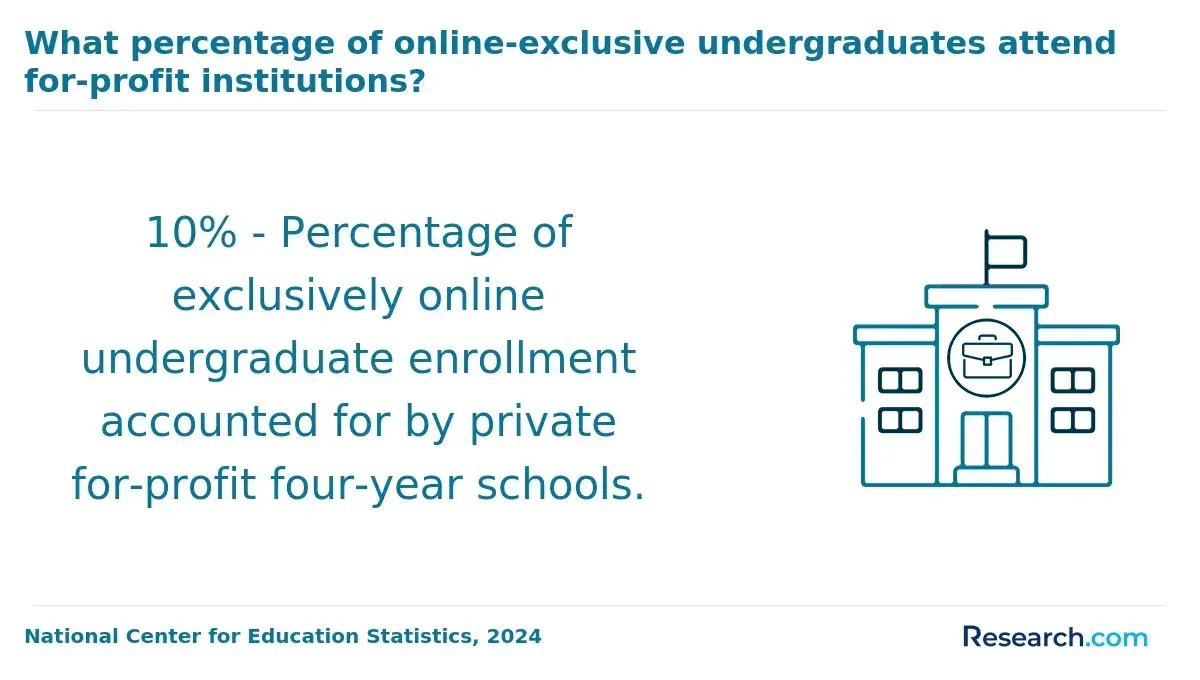
Admission Flexibility: Online paralegal programs, especially at large public universities and for-profit schools, may offer more lenient admissions than traditional campus programs. Students may be allowed to begin without complete transcripts, full prerequisite coursework, or high GPAs. Campus programs often enforce stricter upfront standards because course sequencing, classroom capacity, and internship planning may be less flexible.
Prerequisite Waivers and Conditional Enrollment: Many online programs allow students to start bridge or foundational courses while completing outstanding prerequisites. These arrangements usually require defined academic milestones. Campus programs may also offer exceptions, but they may be less common or more dependent on department approval.
Accreditation and Degree Outcomes: Easier entry should never be the only reason to enroll. Students should verify regional accreditation, understand whether the paralegal program has any specialized approval relevant to their goals, and review available graduation, retention, and employment information. Admission flexibility is useful only if the program leads to a credible credential.
Support Systems: Students admitted with conditions should compare services carefully:
- Academic Advising: Campus students may have more face-to-face access, while online students depend on virtual appointments, email, and advising portals.
- Tutoring Services: Campus tutoring may be easier to access in person; online tutoring can be equally helpful if appointments are available when students need them.
- Disability Accommodations: Both formats should provide accommodations, but online students should confirm how testing, deadlines, and accessible course materials are handled remotely.
- Mental Health Resources: Campus programs may offer in-person counseling, while online students may rely on telehealth or referrals. Availability varies by institution.
Evaluating Quality: Flexible admission policies do not automatically signal weak standards. The stronger question is whether the program combines accessible entry with enough structure to help students finish. Look for clear conditional policies, published academic expectations, responsive advising, transparent costs, and realistic internship or career support.
What Graduates Say About Paralegal Degree Programs You Can Start Without Meeting All Requirements
- : ""Starting the paralegal degree without meeting all initial requirements felt daunting, but the clear academic obligations laid out for conditional students helped me stay focused. The timeline expectations were realistic, allowing me to pace myself while keeping motivated. I appreciated how performance benchmarks served as a constant guide to maintain good standing and progress steadily." — Nathan"
- : ""Reflecting on my experience, what stood out most was how the program's structure accommodated students beginning under conditional admission. Knowing exactly what academic benchmarks I had to meet kept me accountable during challenging semesters. The timeline was strict but fair, and it taught me invaluable discipline that I now apply professionally." — Cameron"
- : ""The paralegal degree program was a transformative journey. I loved how conditional admission didn't feel like a setback but rather a chance to prove myself academically. The clearly defined performance standards and timeline really pushed me to excel. Looking back, those initial academic obligations were instrumental in building my confidence and work ethic." — Erik"
Other Things You Should Know About Paralegal Degrees
Accreditation for paralegal degree programs is primarily overseen by organizations like the American Bar Association (ABA) and regional accrediting agencies. The ABA sets clear standards regarding curriculum and admission practices, but many programs outside ABA accreditation may offer more flexible entry options. Students should verify that the program's accrediting body allows conditional or provisional admission without full prerequisite completion to ensure credit transferability and professional recognition.
Students aiming for early or conditional admission should highlight relevant prior coursework, work experience in legal environments, or related certifications. A strong academic history in general education classes and evidence of commitment-such as letters of recommendation-can support their case. Demonstrating motivation and readiness through writing samples or interviews can also sway admissions committees toward flexibility.
Many paralegal programs provide tailored academic advising, bridge courses, and tutoring to support conditionally admitted students. These resources help them complete missing prerequisites while progressing in core paralegal subjects. Some institutions also offer mentoring and career counseling specifically designed for students balancing admissions challenges with study and work commitments.
References
- Qualifying work experience for paralegals https://www.lawsociety.org.uk/en/career-advice/becoming-a-solicitor/solicitors-qualifying-examination-sqe/qualifying-work-experience-for-paralegals
- How to become a paralegal - a guide from NALP https://www.nationalparalegals.co.uk/how-to-become-a-paralegal/
- Paralegal Program FAQs | Oakland County, MI | Oakland Community College https://www.oaklandcc.edu/programs/paralegal/faq
- How to Choose the Best Paralegal Program for You | Eastern College https://www.easterncollege.ca/blog/how-to-choose-the-best-paralegal-program-for-you/
- How Paralegal Programs Can Create Great Writers—What to Look For https://www.wordrake.com/resources/how-paralegal-programs-can-create-great-writers-what-to-look-for
- Eligibility Requirements for Certification https://nala.org/eligibility-requirements-for-certification/
- Understanding Conditional Admission: A Comprehensive Legal Overview https://legal-resources.uslegalforms.com/c/conditional-admission
- Affordable, Online Paralegal Program | BCI https://blackstone.edu/online-paralegal-program/
- How to Choose an Online Paralegal Studies Program | Campus https://campus.edu/blog/paralegal/how-to-choose-online-paralegal-program
- 8 Best Online Paralegal Certificate Programs https://legalcareerpath.com/best-paralegal-certificate-programs/