2027 Cheapest Accelerated Paralegal Degree Programs Online

Co-Founder and Chief Data Scientist
Choosing an accelerated online paralegal degree is usually a trade-off among price, speed, accreditation, and flexibility. The lowest advertised tuition is not always the cheapest path if the school limits transfer credits, charges online fees, lacks financial aid eligibility, or requires more terms than expected.
This guide is for working adults, career changers, transfer students, military-affiliated learners, and cost-conscious students who want a credible paralegal credential without taking longer than necessary. It explains how to compare fast online programs, estimate total cost, verify legitimacy, use prior credits, and avoid common mistakes that can delay graduation.
The career outlook makes careful program selection important. The U.S. Bureau of Labor Statistics projects a 7% growth in paralegal jobs through 2032, with median wages around $56,230 annually. A faster, affordable program can help students enter the field sooner, but only if the credential is recognized by employers and the program fits the student’s schedule and budget.
Key Things to Know About the Cheapest Accelerated Paralegal Degree Programs Online
- Accelerated online paralegal programs cut time and tuition costs through flexible scheduling, transfer credits, and fast-track formats-ideal for working adults balancing career and education.
- Compare accreditation, total costs, financial aid options, and hidden fees carefully to ensure true affordability when selecting a program that meets your budget.
- Verify transfer policies, pacing, residency requirements, and career outcomes to avoid surprises-low-cost accelerated options vary in quality and licensure support.
What are the cheapest accelerated paralegal degree programs online?
The cheapest accelerated online paralegal degree programs are usually found at public community colleges, transfer-friendly public universities, and online programs that let students apply prior credits toward graduation. The best value is not simply the lowest per-credit tuition; it is the program that helps a student finish quickly with the fewest repeated courses and the least amount of debt.
Students comparing affordable fast-track options should look first at public institutions and then evaluate private online colleges only after checking total cost, accreditation, transfer rules, and financial aid eligibility.
- Public community colleges: These schools often offer the lowest tuition, especially for in-state students. Many provide online associate degree or certificate pathways with intensive terms, summer enrollment, or rolling starts. They are often a strong fit for students who want an affordable credential and may later transfer into a bachelor’s program.
- Competency-based programs: These programs allow students to move faster by demonstrating mastery rather than sitting through a fixed course schedule. Studies show that accelerated degrees can cut completion time by up to 50%, but this format works best for disciplined students who can manage independent deadlines.
- Transfer-friendly public universities: State universities may be affordable for students who already have general education credits or an associate degree. A generous transfer policy can reduce both tuition and completion time while keeping the credential within an accredited public system.
- Private online colleges: These programs may cost more than public options, but some offer frequent start dates, short terms, and broad transfer acceptance. They can be useful for students who prioritize speed and scheduling flexibility, but the total price should be reviewed carefully before enrollment.
A practical way to compare programs is to estimate the cost to completion, not just annual tuition. Ask each school how many credits you still need, how long those credits will take, what fees apply, and whether any paralegal-specific courses must be completed through that institution.
Students comparing affordability across online professional programs may also find useful context in related flexible degree guides, such as online MSW programs, where transfer credit and scheduling can also affect final cost.
How much does an accelerated online paralegal degree cost?
An accelerated online paralegal degree can vary widely in cost depending on school type, residency status, transfer credits, program length, and fees. Recent data shows that in-state tuition rates for many public universities offering these programs range between $4,000 and $8,000 annually. That figure is useful for comparison, but students should still calculate their personal cost based on remaining credits and required terms.
The most accurate question is not “What is the tuition?” but “What will I pay to finish?” A student with many accepted transfer credits may spend far less than a student entering with no college background, even in the same program.
| Cost factor | Why it matters | What to ask before enrolling |
| Tuition model | Per-credit, flat-rate, and term-based pricing can produce very different totals. | Will I pay by credit, by term, or by subscription period? |
| Residency status | Public schools may charge lower in-state tuition than out-of-state tuition. | Do online students qualify for in-state or special online tuition? |
| Transfer credits | Accepted credits reduce the number of courses you must pay for. | How many of my credits will apply to this exact degree plan? |
| Online fees | Technology, assessment, graduation, proctoring, and course material fees can add up. | What fees are mandatory for online students? |
| Program pace | Accelerated pacing can reduce time in school but may increase workload per term. | Can I maintain this pace while working? |
- Public university pricing: Public institutions often provide the most affordable path, especially when students qualify for in-state tuition or flat-rate tuition. Flat-rate pricing can be valuable for students who can take a heavier course load without affecting work or family responsibilities.
- Competency-based tuition: Some schools charge by term rather than by credit. Western Governors University exemplifies this model with typical term tuition between $3,500 and $5,000. Motivated students may save money if they complete more coursework during each paid term.
- Transfer credit savings: Transfer-friendly schools can reduce both time and cost by accepting previous college coursework or relevant professional learning. Students should request a written transfer evaluation before assuming any credits will count.
- Online fee structures: Online programs may avoid some campus costs, but they can still charge technology, learning platform, textbook, or assessment fees. A low tuition rate can become less competitive once required fees are included.
Students researching inexpensive online degrees in other fields can use the same cost-comparison method. For example, guides to majors that make money and are fun also show why long-term value depends on both education cost and career fit.
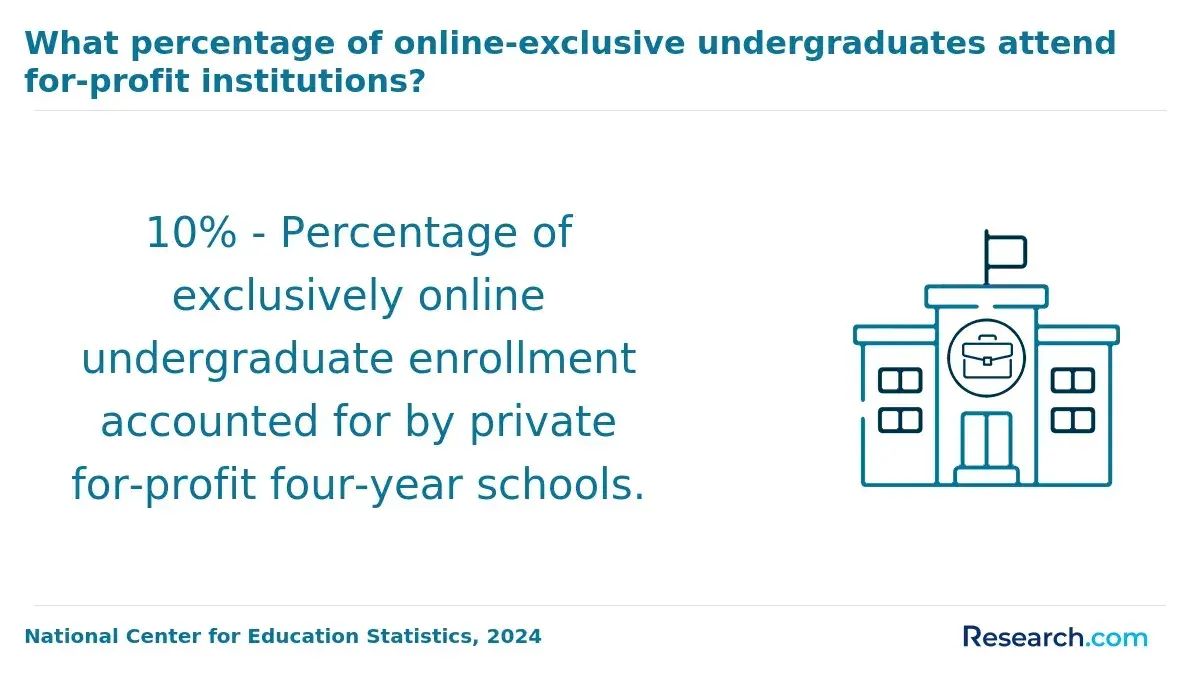
Are cheap accelerated paralegal degree programs accredited and legitimate?
Yes, many cheap accelerated paralegal programs are legitimate, but affordability and speed should never replace accreditation checks. A program can be inexpensive because it is publicly funded, transfer-friendly, or designed efficiently. It can also be cheap because it lacks strong oversight, career support, or employer recognition.
As online education enrollment has surged by over 150% in recent years, students need to be especially careful when evaluating fast online credentials. Employers, transfer institutions, and financial aid offices may treat accredited and unaccredited programs very differently.
- Institutional accreditation: Accreditation from a recognized agency is one of the strongest signs that a school meets baseline academic and administrative standards. It can affect credit transfer, financial aid eligibility, and employer confidence.
- Paralegal-specific approval: Some paralegal programs carry approval from professional bodies such as the American Bar Association. ABA approval is not available for every online format, but it can strengthen credibility in some legal markets. Students comparing specialized options can also review online paralegal programs aba approved when ABA recognition is a priority.
- State authorization: Online programs must be authorized to serve students in specific states. This matters because a school may be accredited but still unable to enroll students from every location.
- Transparent outcomes: Legitimate programs should clearly list tuition, fees, accreditation status, graduation requirements, student support services, and transfer policies.
- Faculty and curriculum quality: A credible paralegal curriculum should cover legal research, writing, civil litigation, ethics, legal technology, and substantive law areas relevant to paralegal work.
One graduate of an affordable accelerated paralegal program said his main concern was whether a low-cost credential would be respected. “I worried the low cost meant compromised quality,” he said, but the school’s clear accreditation and state approval helped him move forward with confidence.
The lesson is straightforward: a cheap program can be a smart choice if it is properly accredited, transparent, and aligned with legal employer expectations. A fast program without clear oversight can create expensive problems later, including limited transferability and weaker job-market credibility.
What are the fastest online paralegal degree programs?
The fastest online paralegal degree programs are typically built around short course terms, year-round enrollment, generous transfer credit, and competency-based or prior-learning options. Some students may complete a paralegal degree in as little as 12 to 18 months, while others finish within 18 to 24 months depending on transfer credits, course load, and program requirements.
Speed is useful only when it is sustainable. Students working full time should compare workload expectations carefully, because accelerated classes often cover the same material in fewer weeks.
- Competency-based models: These programs let students progress after proving mastery of required skills. They work best for self-directed learners with strong study habits and some relevant background.
- Transfer-credit-optimized paths: Students with prior college coursework can finish faster when schools accept general education, business, criminal justice, or legal studies credits toward the degree.
- Year-round enrollment: Programs with quarterly, trimester, or summer terms help students avoid long gaps between classes. This structure can shorten the calendar time to graduation.
- 8-week course cycles: Condensed terms allow students to complete more courses each year than in a traditional semester calendar. The trade-off is a heavier weekly workload.
- Prior-learning assessments: Some schools review legal, administrative, military, or professional experience for possible academic credit. This can reduce the number of required courses when the experience matches program outcomes.
Before choosing the fastest option, students should verify whether the accelerated schedule includes all required paralegal courses, whether courses are offered every term, and whether internships or capstones can delay graduation. A program advertised as accelerated may still take longer if required courses are offered infrequently.
Students should also confirm that the school is properly recognized. Researching accredited schools online can help students understand why institutional legitimacy matters before they commit to a fast-track program.
Which online paralegal degree programs are best for working adults?
The best online paralegal degree programs for working adults combine flexible scheduling, predictable course loads, strong advising, and transfer-friendly policies. Reports show that over 40% of online learners are adults seeking flexibility to complete their degrees faster without sacrificing quality, so programs designed for adult learners often provide better support than programs simply moved online from a campus model.
Working adults should look beyond the word “online.” A program can be online but still require live attendance, daytime meetings, fixed exam times, or group projects that are difficult to coordinate around a job.
- Asynchronous learning: This format lets students access lectures, readings, and assignments on their own schedule. It is often the best fit for students with full-time jobs, rotating shifts, caregiving responsibilities, or long commutes.
- Competency-based paths: Students with relevant work experience may move faster by demonstrating skills rather than following a rigid semester schedule. This can be effective for organized learners who can create their own weekly study structure.
- Transfer-friendly colleges: Adult learners often bring prior college credits. A program that accepts those credits can reduce cost and avoid unnecessary repetition.
- Part-time flexible formats: Some students need slower pacing during busy work seasons. A good adult-friendly program should allow a lighter course load without forcing students to stop out entirely.
- Accessible support services: Advising, tutoring, library support, writing help, and career services should be available during hours that work for online students.
One working parent who completed an online paralegal program said the flexible format mattered as much as the price. “The ability to complete courses asynchronously made all the difference—I could study after hours without missing deadlines.” She also credited transfer acceptance and responsive advising with helping her finish sooner.
For working adults, the best program is usually not the most compressed option. It is the fastest program a student can realistically complete while maintaining employment, family responsibilities, and academic performance.
What flexible scheduling options are available in accelerated paralegal programs?
Accelerated paralegal programs use several scheduling models to help adults move quickly without attending a traditional campus schedule. Over 60% of online students are working adults seeking options that fit their busy lives, so flexibility is often a core feature rather than a bonus.
The right format depends on how much structure a student needs. Some learners thrive in asynchronous courses; others perform better with live meetings and fixed deadlines.
| Scheduling option | Best for | Possible drawback |
| Asynchronous courses | Students with unpredictable work or caregiving schedules | Requires strong self-management |
| Evening or weekend live classes | Students who want instructor interaction outside work hours | Less flexible than fully asynchronous courses |
| 8-week terms | Students who want steady acceleration | Weekly workload can be intense |
| Rolling start dates | Students who do not want to wait for one annual start | Course sequencing may still affect completion time |
| Part-time enrollment | Students balancing school with heavy responsibilities | May extend the graduation timeline |
- Asynchronous learning: Students can complete coursework around work shifts, family obligations, or other responsibilities. This format is convenient, but procrastination can quickly create problems in accelerated terms.
- Evening and weekend classes: Live sessions outside standard work hours provide structure and interaction while remaining more accessible than daytime classes.
- Competency-based progression: Students advance after demonstrating mastery. This can shorten completion time for motivated learners with relevant knowledge.
- Rolling start dates and condensed terms: Multiple start dates and short course cycles help students begin sooner and maintain momentum.
- Part-time enrollment: A lighter course load can prevent burnout and allow students to continue progressing during demanding periods at work or home.
Students should ask whether exams require proctoring at specific times, whether internships or practicums are required, and whether legal research platforms are accessible remotely. These details can affect whether a flexible program actually works in daily life.
Which accelerated paralegal degree programs accept the most transfer credits?
The accelerated paralegal programs that accept the most transfer credits are typically community college articulation pathways, public university degree-completion programs, military-friendly schools, and competency-based institutions. Nearly 60% of college students transfer credits at some point, so credit acceptance can be one of the biggest factors in reducing both cost and completion time.
Students should not rely on general transfer statements. A school may accept many credits into the institution but apply fewer credits to the paralegal major. The most important document is a degree-specific transfer evaluation showing exactly what remains.
- Community college articulation: Many accelerated paralegal programs have formal agreements with community colleges allowing up to 75% of credits to transfer. These arrangements can be especially useful for students who completed general education or lower-division legal courses at a lower tuition rate.
- Military-affiliated programs: Schools serving military learners may evaluate Defense Activity for Non-Traditional Education Support (DANTES) credits, military occupational specialty (MOS) credits, and service certifications. Dedicated military advisors can help students understand how service training applies.
- Competency-based institutions: These schools may recognize exams such as CLEP and DSST, workforce certifications, or portfolio-based evidence. This model can benefit working adults who already have legal, administrative, or compliance experience.
- Statewide transfer network schools: Public systems with statewide transfer rules can make credit movement more predictable. These pathways may reduce administrative barriers and help students avoid repeating equivalent coursework.
Before enrolling, students should confirm three limits: the maximum number of transfer credits allowed, the minimum number of credits that must be completed at the school, and whether required paralegal courses must be taken in residence. A generous transfer policy is valuable only if the accepted credits count toward graduation requirements.
Can prior learning or work experience reduce the time and cost of a paralegal degree?
Yes. Prior college coursework, professional experience, military training, certifications, and documented workplace learning can sometimes reduce the time and cost of an online paralegal degree. Around 70% of adult learners capitalize on transfer credits or prior-learning assessments to accelerate degree completion.
Prior learning is not automatic credit. Schools evaluate whether the experience matches college-level learning outcomes, whether documentation is sufficient, and whether the credits fit the degree plan.
- Transfer credits: Previously completed accredited college courses may satisfy general education, elective, business, criminal justice, or legal studies requirements. This is often the simplest and most predictable way to shorten a program.
- Competency-based education: Students with relevant knowledge may move through coursework faster by demonstrating mastery. This can reduce time in school, particularly for students with legal office, administrative, compliance, or military experience.
- Portfolio assessments: Some schools allow students to submit work samples, training records, job descriptions, certifications, or reflective essays for prior-learning assessment. ACE and CAEL are often referenced in this area.
- Military training evaluations: Veterans and active-duty students may receive credit through official military transcript reviews, especially when training aligns with legal, administrative, security, or records-management competencies.
Students should ask whether prior-learning credits are charged an assessment fee, whether they count toward residency requirements, and whether they appear as graded or ungraded credit. These details can affect financial aid, GPA, and transfer options.
Working adults seeking the cheapest accelerated paralegal degree programs online should prioritize schools that combine transfer evaluations, prior-learning assessment, and clear advising before the student commits. Similar planning principles apply in other online fields, including an urban planning master, where prior academic preparation can also shape cost and timeline.
What financial aid options are available for online paralegal students?
Online paralegal students may qualify for federal aid, institutional scholarships, employer tuition assistance, military education benefits, state workforce funding, and payment plans. Nearly 60% of adult learners rely on some form of financial assistance to manage tuition and related expenses, so funding strategy is an important part of choosing an affordable accelerated program.
The first step is confirming that the school and program are eligible for the type of aid the student plans to use. Accreditation, enrollment intensity, program length, satisfactory academic progress, and start dates can all affect aid availability.
- Federal grants and loans: Pell Grants and federal loans can help eligible students pay for tuition and required expenses. Accelerated calendars may affect disbursement timing, so students should speak with the financial aid office before planning a budget.
- Employer tuition assistance: Some employers reimburse or prepay education costs when the program relates to current or future job duties. Students should check annual caps, grade requirements, and repayment rules if they leave the employer.
- Institutional scholarships: Accredited schools may offer need-based or merit-based awards for online, adult, transfer, or legal studies students. Early applications can matter because scholarship funds may be limited.
- Military education benefits: Veterans, active-duty personnel, and eligible family members may be able to use GI Bill funds or other military education benefits. Military credit transfer can further reduce remaining costs.
- Workforce retraining and credit transfers: State grants and workforce initiatives may support students moving into career-focused fields. These funds can be especially useful for career changers or displaced workers.
Students should compare net price after aid rather than published tuition alone. A slightly higher-cost school with strong transfer acceptance and better aid may be cheaper than a low-tuition school that requires more credits.
The same aid-planning approach can apply to other online programs. Students comparing options outside legal studies may find similar cost questions in guides to an online physics degree.
What should students look for when choosing an affordable accelerated paralegal program?
Students should choose an affordable accelerated paralegal program by comparing accreditation, total cost, transfer acceptance, schedule fit, student support, and career relevance. Over 60% of transfer students find programs accepting prior credits crucial for reducing time and expense, making credit policy one of the most important selection factors.
A good program should be affordable because it is efficient and transparent, not because it cuts essential academic or career support.
- Accreditation status: Verify that the institution is accredited by a recognized agency. If paralegal-specific approval matters in your target job market, ask whether the program holds it.
- Total cost to completion: Add tuition, required fees, books, legal research platform costs, graduation fees, and any proctoring or technology charges.
- Transfer and prior-learning policies: Request a written credit evaluation before enrollment. Confirm how many credits apply to the degree, not just how many the school accepts.
- Scheduling flexibility: Match the format to your life. Asynchronous courses, 8-week terms, evening classes, and part-time options serve different kinds of students.
- Course availability: Ask whether required legal courses are offered every term. A missing prerequisite can delay graduation even in an accelerated program.
- Student support services: Look for online advising, tutoring, writing support, library access, legal research assistance, and career services.
- Career alignment: Review the curriculum for legal research, writing, litigation, ethics, law office technology, and practical assignments that reflect paralegal work.
- Financial aid eligibility: Confirm that your enrollment pace and program type qualify for the aid you intend to use.
Common mistakes include choosing based only on the lowest tuition, assuming all credits will transfer, ignoring accreditation, underestimating accelerated workloads, and failing to ask about hidden fees. The safest choice is a program that provides a clear degree plan, a realistic graduation timeline, and written cost information before enrollment.
What Do Students Say About Cheap Accelerated Online Paralegal Degree Programs?
- : "Finding a program that fit my hectic work schedule was crucial, and the flexible classes of accelerated paralegal degrees made all the difference. I appreciated how many online options also offered financial aid, which really helped stretch my budget. Choosing an affordable program didn't mean I had to compromise quality-it's empowering to invest wisely in your education. — Nathanael"
- : "After working in retail for years, I wanted a career shift without drowning in debt. The cheapest accelerated paralegal programs online offered exactly what I needed: practical learning condensed into months and accessible financial aid. Taking time to research these affordable programs saved me money and set me up for a new, rewarding career. — Russell"
- : "As a nontraditional student balancing family and work, I needed an accelerated paralegal program that offered both flexibility and financial support. Accessing affordable programs online meant I could study without sacrificing income. It's encouraging to see that speed and cost-effectiveness can go hand-in-hand in higher education. — Jose"
Other Things You Should Know About Paralegal Degrees
Yes, many accelerated paralegal programs online are designed with the needs of working adults in mind. They often offer asynchronous classes-allowing students to study on their own schedules-and condensed course formats that require strong time-management skills. However, balancing a full-time job and an accelerated pace demands discipline to keep up with coursework and deadlines.
Cheaper accelerated paralegal programs in 2027 can offer robust and comprehensive curricula. They are designed to equip students with essential skills required for paralegal work, but it's crucial to research individual programs for accreditation, course offerings, and career support to ensure quality education.
Some accelerated online paralegal degree programs include specialization tracks in areas like criminal law, corporate law, or family law; however, cheaper programs may have limited specialization options due to streamlined course offerings. Prospective students should review the program details carefully if they want a focus area that matches their career goals.
Technology proficiency is crucial in these programs, as coursework is typically delivered through learning management systems and requires use of legal research databases and document software. Students with strong computer skills can navigate the program more easily and develop competencies essential for modern paralegal roles-especially in virtual or hybrid law firm environments.
References
- How to choose the right paralegal course for you https://www.nationalparalegalcollege.co.uk/articles/how-to-choose-the-right-paralegal-course-for-you-and-what-to-look-out-for/
- Paralegal Student Resources, Scholarships, and Support Services https://www.degreesforgood.org/online-degrees/paralegal-programs/scholarships-and-resources/
- Education vs. Experience: Which Is More Valuable to Paralegal Employers? https://paralegal.edu/blog/education-vs-experience-which-is-more-valuable-to-paralegal-employers/
- The differences between public and private sector legal careers https://www.xyrechtsanwaelte.de/the-differences-between-public-and-private-sector-legal-careers/
- Are qualifications really worth the time and money? - National Association of Licensed Paralegals https://www.nationalparalegals.co.uk/are-qualifications-really-worth-the-time-and-money/
- How To Choose The Right Paralegal Program Fast https://www.paralegalinst.com/common-mistakes-when-choosing-paralegal-schools
- What Kind of Financial Aid is Available for Paralegal Students? https://www.online-paralegal-degree.org/faq/what-kind-of-financial-aid-is-available-for-paralegal-students/
- Affordable, Online Paralegal Program | BCI https://blackstone.edu/online-paralegal-program/