
2027 Can You Get an Accounting Bachelor's Degree After 30?

Co-Founder and Chief Data Scientist
Going back for a bachelor's degree in accounting after 30 is usually a practical question, not a motivational one: Can the degree fit your job, family responsibilities, budget, and career goals without creating more risk than reward? For many adults, the answer is yes, but the right path depends on program format, transfer credits, financing, and how clearly the degree connects to a career outcome.
Adult learners often need a different college plan than recent high school graduates. Nearly 60% of college students over 25 enroll part-time to make room for work, caregiving, and financial obligations. That reality matters when choosing an accounting program because course pacing, online access, advising, credit transfer, and tuition support can determine whether a student finishes or stops out.
This guide explains how adults over 30 can earn an accounting bachelor's degree, what challenges to expect, which program types tend to work best, how long completion may take, how to pay for school, and how employers view a degree earned later in life.
Key Things to Know About Getting a Accounting Bachelor's Degree After 30
- Admission often requires a high school diploma or equivalent-many programs accept transfer credits and prior learning assessments, accelerating degree completion for students over 30.
- Financial aid options include employer tuition reimbursement, federal loans, and scholarships targeting adult learners balancing family and work responsibilities.
- Graduates over 30 typically experience a positive long-term earnings boost-accounting professionals earn a median annual wage 20% higher than the national average.
Can You Really Get a Accounting Bachelor's Degree After 30?
Yes. Earning an accounting bachelor's degree after 30 is realistic, and it is increasingly common among working adults, career changers, military veterans, parents, and students returning after an earlier college attempt. Adult learners aged 25 and older represent a growing share of bachelor's degree enrollees nationwide, according to the National Center for Education Statistics (NCES).
The main difference is that adults usually need a degree plan built around constraints that traditional students may not face. A workable plan should account for weekly study time, tuition affordability, transfer credits, employer support, and whether the program leads to the accounting roles or certifications the student wants.
- Flexible enrollment is widely available: Many colleges now offer evening, weekend, online, and hybrid accounting programs for students who cannot attend daytime classes.
- Prior credits can matter: Adults who previously attended college, completed military training, or earned professional credentials may be able to shorten the degree through transfer credit or prior learning assessment.
- Financial aid is not limited by age: Adult learners can complete the FAFSA and may qualify for grants, loans, scholarships, and employer tuition assistance.
- The career payoff depends on the goal: A bachelor's degree in accounting can support entry or advancement in bookkeeping, staff accounting, tax preparation, auditing support, corporate accounting, government finance, and related business roles.
- Support services are not optional: Adults should look for programs with strong advising, tutoring outside business hours, career services, transfer-credit evaluation, and online technical support.
Before enrolling, adults should ask one practical question: “What is the shortest affordable path from my current credits and experience to the accounting job I want?” Some readers comparing flexible education routes may also review easiest online masters programs, but a bachelor's degree remains the standard undergraduate credential for many accounting positions.
Why Are More Adults Over 30 Pursuing a Accounting Bachelor's Degree?
More adults over 30 are pursuing accounting bachelor's degrees because accounting offers a clear, skill-based career path and because colleges have made degree completion more accessible through online, hybrid, transfer-friendly, and adult-focused formats. Data from the Lumina Foundation and the National Center for Education Statistics (NCES) show that many adults return to complete degrees, often with a strong focus on career mobility and long-term stability.
- Career transitions: Accounting appeals to adults leaving unstable fields because it connects directly to business operations, compliance, tax, payroll, budgeting, and financial reporting.
- Employer tuition benefits: Some employers help pay for job-related coursework through tuition reimbursement or tuition assistance, making a degree more affordable than many adults expect.
- Layoffs and economic uncertainty: Workforce disruptions following the pandemic pushed many adults to seek credentials that could improve job security and labor market competitiveness.
- Online program availability: Accredited online accounting programs make it easier for adults to keep working while completing courses asynchronously or outside standard business hours.
- Wage premiums tied to credential attainment: A bachelor's degree is often associated with better advancement options than having no degree, especially in accounting and finance roles where employers screen for formal education.
The decision is not only about changing careers. Some adults already work in payroll, bookkeeping, banking, office administration, or small business operations and want a degree to formalize skills they use every day. Others want to meet future CPA-related education requirements, qualify for corporate accounting roles, or move from hourly clerical work into salaried positions.
Cost remains a major reason adults hesitate. When affordability is the deciding factor, comparing a cheap online accounting degree can help students identify lower-cost pathways before committing to loans. Students who are still weighing other flexible majors may also compare options such as a cheap online psychology degree, but the best choice should match the student's career target rather than simply the easiest schedule.
What Are the Most Common Challenges Adults Over 30 Face When Pursuing a Accounting Degree?
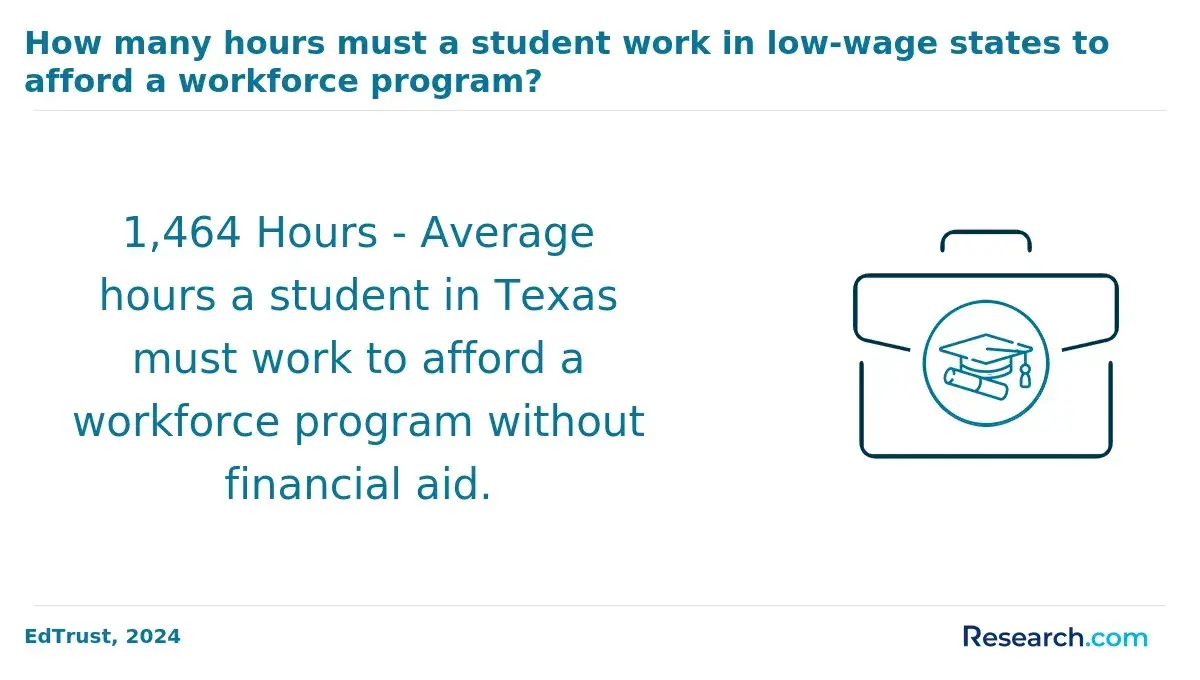
The most common challenges are time, money, technology, confidence, and administrative complexity. Adult students often handle several of these at once, which is why a realistic accounting degree plan must include more than a course list. It should include a weekly schedule, a financing strategy, a support network, and a plan for using college services early.
- Financial pressures: Tuition, books, fees, childcare, transportation, and reduced work hours can strain a household budget. Adults should compare net cost after aid, not just published tuition.
- Time constraints: Full-time jobs, caregiving, and family commitments can leave limited time for reading, homework, group projects, and exam preparation. Accounting courses also require repeated practice, not just passive reading.
- Technology gaps: Online learning systems, proctored exams, spreadsheets, accounting software, and digital library tools can be stressful for students who have been away from school for years.
- Imposter syndrome: Adults may worry they are too old, too rusty in math, or out of place among younger classmates. In practice, work experience and discipline often become academic advantages.
- Academic bureaucracy: Admissions, transcript requests, transfer-credit evaluations, financial aid verification, degree audits, and prerequisite sequencing can delay progress if students do not get advising early.
Studies from the Bill & Melinda Gates Foundation and Complete College America show that adult accounting students regularly face two or more of these challenges simultaneously. The key is not to wait until a problem becomes urgent. Students should contact advising, financial aid, tutoring, and technology support before the first term begins.
One professional who began his accounting bachelor's program after turning 30 described the experience this way: “Managing work and family was a constant juggling act, and I wasn't tech-savvy, which made online courses frustrating at times. There were moments when I doubted if I could keep up with younger students.”
He also noted that “the enrollment process itself felt like a maze.” That reaction is common. The students who persist are often the ones who turn uncertainty into a checklist: confirm credits, map courses, set study blocks, apply for aid, and ask for help before falling behind.
What Types of Accounting Bachelor's Degree Programs Are Best Suited for Adults Over 30?
The best accounting bachelor's degree program for an adult over 30 is usually accredited, transfer-friendly, flexible enough to fit work and family duties, and structured enough to keep the student progressing. No format is best for everyone. The right choice depends on learning style, schedule, commute, support needs, and how quickly the student wants to finish.
- Hybrid programs: Hybrid formats combine online coursework with limited campus meetings. They work well for adults who want face-to-face support but cannot commute several days a week. Evening or weekend campus sessions can be especially useful for accounting courses that require problem-solving practice.
- Fully online programs: Fully online accounting degrees offer maximum flexibility for adults balancing employment, caregiving, or military obligations. They are best for self-directed students who can manage deadlines without frequent in-person reminders. Institutions like WGU and Arizona State Online have developed strong programs to support flexible bachelor's in accounting for working adults.
- Evening and weekend on-campus programs: These programs preserve the structure of traditional classroom learning while making attendance possible for working adults. They can be a strong fit for students who learn better through live instruction and local peer interaction.
- Competency-based education (CBE): CBE programs focus on demonstrated mastery rather than seat time. They may benefit students with prior accounting, payroll, bookkeeping, business, or military experience. WGU exemplifies this approach, which can be useful for career changers and veterans seeking efficient credentialing.
- Accelerated cohort models: Cohort programs move students through courses together on a fixed timeline. They can provide accountability and peer support, but the pace may be demanding for adults with unpredictable work or family schedules.
Adults should evaluate more than convenience. A program should have clear accreditation, transparent tuition, responsive advising, access to faculty, tutoring for accounting and math-heavy courses, and a transfer-credit policy that is easy to understand. Students comparing how different online majors are structured may find it useful to look at flexible formats in areas such as a game design degree online, but accounting students should prioritize curriculum alignment with accounting careers and certification goals.
How Long Does It Take to Earn a Accounting Bachelor's Degree After 30?
The time required depends mainly on enrollment intensity, transfer credits, prior learning credit, and course availability. Full-time students typically complete a bachelor's degree within four to five years. Part-time learners, who are common among working parents and career changers, may take six years or longer.
Adults with previous college credits can often finish faster. Prior learning assessments (PLAs), CLEP exams, recognized military credits, and approved professional training may reduce the number of courses required. In some cases, these options can shorten completion by up to two years. Accelerated programs designed for adults may offer a path to finish in as little as three years through intensive coursework.
When estimating a timeline, students should avoid relying on generic program length. Instead, they should ask for a written degree plan showing accepted transfer credits, remaining requirements, prerequisite sequences, and the number of courses they can realistically take each term. Many part-time students need to plan around 15 and 20 hours of weekly academic work, depending on course load and difficulty.
- Enrollment status: Full-time study usually produces the shortest path, while part-time study is often more sustainable for adults with full-time jobs.
- Transfer credit: Prior college or military credits can reduce the number of remaining courses and lower total cost.
- Prior learning assessments: CLEP, portfolio review, and other assessments may allow students to bypass courses when they can document college-level learning.
- Accelerated programs: Condensed terms can shorten the calendar timeline but require steady weekly availability and strong time management.
- Personalized planning: Nearly 40% of adult undergraduates finish their degrees within six years, showing that persistence, credit transfer, and flexible scheduling can make completion possible.
A professional who completed an accounting bachelor's degree after 30 said that balancing family, work, and coursework was “a constant juggling act,” especially before she understood how previous credits could shorten her path. After learning about PLA options, she said, “It felt empowering to see my past experiences recognized-it gave me the motivation to push ahead.”
How Can Adults Over 30 Pay for a Accounting Bachelor's Degree?
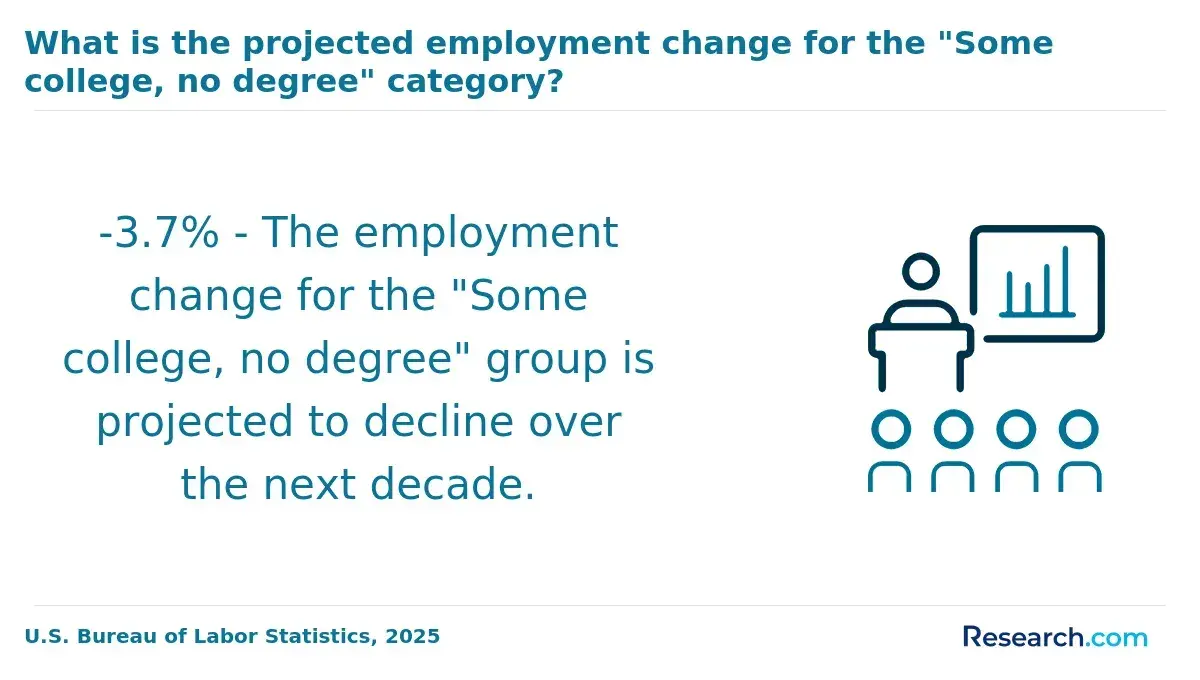
Adults over 30 can use many of the same financial aid options as younger students. FAFSA eligibility extends to adult learners regardless of age or life circumstances, according to the Federal Student Aid office. The important step is to compare the total cost of attendance, expected aid, employer benefits, and borrowing before enrolling.
Federal grants and loans: Adults may qualify for federal Pell Grants, which do not require repayment and are awarded based on financial need. Subsidized student loans pause interest accumulation while enrolled, while unsubsidized loans begin accruing interest immediately but are more widely available.
Employer tuition assistance: Many employers reimburse part or all of tuition when coursework relates to an employee's role or advancement path. Students should ask human resources about annual caps, grade requirements, required approvals, repayment clauses, and whether the employer pays upfront or reimburses after course completion.
State adult learner grants: Some states offer targeted funding for adults returning to college. Eligibility and award amounts vary by location, so students should check both state higher education agencies and the financial aid office of each school they are considering.
Scholarships from accounting associations: Organizations such as the American Institute of Certified Public Accountants provide competitive scholarships for students at multiple stages. These awards can also introduce students to professional networks in accounting.
Income-share agreements (ISAs): Some schools offer income-share agreements, where students pay based on future income levels. These can reduce upfront costs, but adults should read the contract carefully, compare the total repayment obligation with federal loan options, and avoid assuming an ISA is automatically cheaper.
Online programs may reduce commuting, relocation, and campus-related costs, but they are not always the least expensive option. Public universities typically charge less for in-state residents than private institutions. The safest approach is to request a full cost breakdown and ask how many credits are required after transfer evaluation.
To reduce borrowing, adult students should complete the FAFSA early, apply for scholarships, ask about employer support, compare public and private options, and avoid taking more courses per term than they can finish successfully. Recent data show nearly 40% of adult learners choose online degrees, reflecting demand for flexible and affordable degree pathways.
Will Employers Respect a Accounting Bachelor's Degree Earned After 30?
Yes, employers generally respect an accounting bachelor's degree earned after 30 when it comes from a properly accredited institution and the graduate can demonstrate relevant skills. According to the Society for Human Resource Management (SHRM), hiring managers focus on credentials that prove skills and knowledge rather than a candidate's age or the time taken to complete the degree.
- Credential value: Survey data from LinkedIn Workforce Insights indicates that employers in accounting and finance consistently treat a bachelor's degree as a key requirement, regardless of when it was obtained.
- Professional maturity: Adult graduates often bring work habits, communication skills, accountability, and business context that can strengthen their candidacy.
- Industry requirements: Public accounting, corporate finance, government auditing, and related fields often use a bachelor's degree as a minimum education threshold.
- Resume reality: Employers verify the degree, institution, dates, and sometimes coursework or GPA. They generally do not treat later-life completion as a negative if the candidate presents it professionally.
- Hiring trends: The National Association of Colleges and Employers (NACE) reports a 12% rise in hiring non-traditional college graduates over the past five years, reflecting broader acceptance of adult learners.
Adults should be ready to explain the degree as part of a career story: why accounting, why now, and how prior experience connects to the role. A candidate who can combine recent accounting coursework with years of workplace experience may be more compelling than a new graduate with no professional background.
How Does Prior Work Experience Factor Into a Accounting Bachelor's Degree Program After 30?
Prior work experience can help adult learners in two ways: it may strengthen the admissions application, and it may reduce time to degree if the school awards credit for documented learning. The value depends on the institution's policies, so students should ask for a formal credit review before committing.
- Prior learning assessment (PLA): PLA allows students to earn credit by proving they have college-level knowledge gained through work, military service, training, or life experience. Evidence may include portfolios, exams, certifications, or employer-documented training.
- Portfolio evaluation: Students may compile work samples, job descriptions, projects, training records, and reflective essays that connect experience to specific course outcomes. Faculty review the portfolio and decide whether credit is warranted.
- CLEP and DSST exams: CLEP and DSST exams assess college-level knowledge and may allow students to earn credit without taking certain introductory courses.
- ACE-recommended credit: The American Council on Education (ACE) evaluates some workplace training and professional certifications, such as Certified Management Accountant (CMA) or Certified Payroll Professional (CPP), for credit equivalency at participating schools.
Institutions with strong PLA policies often include regional public universities and accredited online accounting programs built for adult learners. According to CAEL (Council for Adult and Experiential Learning), adult students typically earn between 12 and 30 credits through PLA, which can reduce remaining coursework by a third or more.
Adults should not assume every job duty will convert to credit. Schools usually require evidence that the learning matches college-level course outcomes. Experience in bookkeeping, payroll, tax preparation, budgeting, compliance, financial reporting, office management, banking, or business operations may be especially relevant, but the final decision rests with the institution.
Applicants should frame their work history as an academic asset. A strong resume or personal statement can highlight accounting principles, financial analysis, spreadsheet use, software systems, internal controls, compliance tasks, and communication with clients or leadership. Adults interested in finance-related technology may also compare interdisciplinary options such as a blockchain degree online, but accounting students should first confirm whether any outside coursework supports their degree plan.
What GPA and Admission Requirements Apply to Accounting Bachelor's Programs for Adult Learners?
Admission requirements vary by school, but adult-focused accounting bachelor's programs often review applicants more broadly than traditional undergraduate programs. Schools may consider prior college work, work experience, military service, professional training, motivation, and readiness for college-level study.
- Minimum GPA: Many programs ask for a minimum cumulative GPA of roughly 2.5 to 3.0 based on prior college coursework. Some adult-focused programs may waive, relax, or supplement GPA requirements when applicants show relevant work experience or strong academic readiness.
- Standardized test waivers: Applicants over 25 often qualify for SAT or ACT waivers, especially at colleges that serve adult learners or transfer students.
- Letters of recommendation: If required, professional or community references may be more useful than academic references for adults who have been out of school for years.
- Personal statement: A statement of purpose lets applicants explain career goals, prior academic challenges, life circumstances, and why they are prepared to complete an accounting degree now.
- Residency and transfer credits: Students should ask how many credits must be completed at the institution and how prior coursework, military training, or professional certifications will be evaluated.
- Academic renewal and conditional admission: Adults with old low grades may have options such as academic renewal, grade forgiveness, probationary admission, or required preparatory coursework.
The biggest mistake is self-rejecting because of an old transcript. Adults with weak prior grades should contact admissions and ask whether the school offers academic renewal, conditional admission, or a pathway through community college transfer coursework. Students comparing admissions models across online programs may also review resources such as an online electrical engineering degree ranking to see how different institutions present accessibility and program design.
Prospective students should request a transcript evaluation, confirm prerequisites, and ask whether accounting courses must be taken in a specific sequence. Admission is only the first step; the more important question is whether the school can provide a clear and realistic path to graduation.
How Do Family and Work Responsibilities Affect Completing a Accounting Degree After 30?
Family and work responsibilities often slow degree completion, but they do not have to prevent it. Caregiving duties, full-time employment, and financial pressure can limit study time and increase stress. Research from the Institute for Women's Policy Research shows that these factors affect adult students' ability to stay enrolled and complete credentials.
Accounting courses require consistent practice, especially in areas such as financial accounting, managerial accounting, taxation, auditing, and spreadsheet-based analysis. Adults should build a study schedule before the term starts, not after the first missed deadline. Time-blocking, weekly planning, and limiting course load can make the difference between steady progress and burnout.
- Time management strategies: Time-blocking, recurring study sessions, and assignment calendars help adults protect school time from daily interruptions.
- Employer flexibility: Flexible schedules, remote work options, adjusted shifts, or predictable hours can make it easier to attend class, complete exams, and meet deadlines.
- Family support: Shared childcare, household help, and emotional encouragement reduce stress and make study time more reliable.
- Campus resources: Childcare services, emergency aid, advising, tutoring, and mental health support can help students stay enrolled when life becomes difficult.
- Proactive planning: Adults should speak with family members, supervisors, and academic advisors before enrolling so expectations are clear.
A realistic adult learner plan may involve taking fewer courses per term, choosing asynchronous classes, using vacation time strategically around exams, or studying early in the morning before family duties begin. The goal is not to move as fast as possible; it is to move at a pace that can be sustained until graduation.
What Campus and Online Support Services Help Adults Over 30 Succeed in a Accounting Program?
Adult accounting students are more likely to persist when they use support services early and consistently. Research from the National Student Clearinghouse and Complete College America shows that stronger advising intensity can improve completion outcomes for adult learners pursuing bachelor's degrees.
- Dedicated adult learner advisors: These advisors understand transfer credits, part-time pacing, work obligations, family responsibilities, and the common barriers adults face when returning to school.
- Prior learning assessment offices: PLA staff can help students evaluate military training, professional certifications, workplace learning, and other experience that may qualify for credit.
- Evening and weekend tutoring: Flexible tutoring is especially valuable in accounting, where students may need help with problem sets, formulas, financial statements, and exam preparation outside normal business hours.
- Virtual library access: Online databases, research guides, citation help, and librarian chat services allow adults to complete assignments without traveling to campus.
- Career services for career changers: Adult-focused career support can help students translate prior work experience into accounting resumes, interview answers, internships, and job-search strategies.
- Peer networks for non-traditional students: Adult learner groups, online communities, and cohort models can reduce isolation and provide practical advice from students facing similar pressures.
Students should ask direct questions before enrolling: Is tutoring available at night? Can advising be done by video? How quickly are emails answered? Who evaluates transfer credits? Are career services available to online students? A program that says it serves adults should be able to explain exactly how it supports them.
What Graduates Say About Getting a Accounting Bachelor's Degree After 30
- Ryker: "Returning to school after 30 felt daunting, but the robust financial support options made pursuing my accounting degree manageable and stress-free. The program's structure allowed me to balance family commitments alongside my studies effectively-something I truly valued. I'm now thriving in a role I love, and I'm grateful for the path this program helped me build."
- Eden: "What stood out most about my experience was the program's accreditation-knowing my accounting degree was respected gave me confidence throughout my studies. Coupled with accessible financial support options, it made the investment worth every effort. Looking back, the decision to enroll later in life shaped my professional outlook and opened doors I hadn't imagined."
- Benjamin: "Choosing to pursue accounting after 30 was a practical decision, and the career outcomes have far exceeded my expectations. The comprehensive curriculum prepared me well for professional challenges, and the financial support options helped ease the burden of returning to education. I appreciate how the program combined career readiness with flexibility, making success achievable."
Other Things You Should Know About Accounting Degrees
Earning a bachelor's degree in accounting after 30 can significantly improve long-term earning potential. Many employers value the combination of practical work experience and newly acquired academic credentials, which often leads to higher starting salaries and faster career advancement. Additionally, the degree opens doors to certified public accountant (CPA) opportunities and specialized roles that typically offer better compensation over time.
Yes, several universities offer accelerated accounting bachelor's programs aimed at adult learners over 30. These programs often allow students to earn credit for prior work or military experience, reducing overall time-to-degree. Online and hybrid formats are common, providing flexibility for adults balancing education with family or work commitments.
In 2027, a common misconception is that it's too late to start such a program at 30 or older. However, adult learners often benefit from life experience, critical thinking, and motivation, enhancing their academic success and career prospects in accounting.
Adults over 30 should consider programs that offer flexibility, such as evening, weekend, or online classes, to fit their schedules. It's important to verify the program's accreditation and whether it meets CPA exam requirements if that is a goal. Evaluating support services, like academic advising and career counseling, also helps ensure the program aligns with the learner's professional and personal needs.
References
- Is it common to be unemployed or underemployed after getting a bachelor degree in accounting? - Business Majors - College Confidential Forums https://talk.collegeconfidential.com/t/is-it-common-to-be-unemployed-or-underemployed-after-getting-a-bachelor-degree-in-accounting/2053982
- How to Choose a Degree in Accounting | Accounting.com https://www.accounting.com/resources/choosing-a-program/
- Basic Accounting Certificate https://www.okanagancollege.ca/programs/basic-accounting-certificate
- Getting An Entry Level Accountin… | CPA Exam Forum https://forum.another71.com/forum/accounting-careers/industry-private-accounting/topic/getting-an-entry-level-accounting-position-at-30/
- How Long Does It Take to Get an Accounting Degree? https://www.warnerpacific.edu/blog/how-long-does-it-take-to-get-accounting-degree/
- The Evolving Landscape of Accounting: Challenges and Transformation https://www.truthinaccounting.org/news/detail/the-evolving-landscape-of-accounting-challenges-and-transformation
- Top 5 Best Accounting Degree Programs Reviewed - [ 2019 Rankings ] https://www.myaccountingcourse.com/careers/best-accounting-degrees
- Increasing Student Interest in Accounting - The CPA Journal https://www.cpajournal.com/2025/02/05/increasing-student-interest-in-accounting/
- What are the most common challenges faced by accountants? – And how to overcome them | METRO GSC PL https://www.metro-gsc.pl/en/blog/what-are-the-most-common-challenges-faced-by-accountants
- Top Online Accounting Programs: Your Guide To Success https://secure2.garneau.com/trust-know/top-online-accounting-programs-your-guide-to-success-1767647123


