
2027 Is 40 Too Late to Earn an Accounting Bachelor's Degree?

Co-Founder and Chief Data Scientist
At 40, the real question is not whether you are “too old” for an accounting bachelor’s degree. It is whether the degree fits your career goal, budget, schedule, and expected return. Accounting can appeal to midcareer adults because it is structured, widely used across industries, and connected to roles in bookkeeping, tax, auditing, budgeting, payroll, compliance, and financial analysis.
Returning to school at this stage usually means making a practical trade-off: you may bring stronger workplace judgment and clearer motivation than younger students, but you may also have less free time, more financial obligations, and higher expectations for career payoff. According to the Bureau of Labor Statistics, accounting roles are projected to grow 7% in recent years, faster than average. That outlook can make the field worth considering, but it does not remove the need to choose the right program and plan carefully.
This guide explains what starting an accounting bachelor’s degree at 40 can realistically involve: admissions, scheduling, costs, risks, employer perceptions, career-change potential, and the steps to take before applying.
Key Things to Know About Whether 40 Is Too Late to Earn an Accounting Bachelor's Degree
- At midlife, an accounting bachelor's degree remains valuable; the Bureau of Labor Statistics projects 7% growth in accounting jobs through 2031, reflecting steady career demand.
- Flexible options like online and part-time programs accommodate adult learners balancing work and family, making degree completion more feasible for those aged 40 and above.
- Long-term benefits include increased earning potential, career advancement opportunities, and enhanced financial literacy applicable in personal and professional contexts.
Can You Start an Accounting Bachelor's Degree at 40?
Yes. You can start an accounting bachelor’s degree at 40, and many colleges are built to serve adult learners, transfer students, military-affiliated students, parents, and working professionals. Admissions offices generally focus on whether you meet the program’s academic requirements, can provide transcripts, and are prepared for college-level work—not on your age.
Starting later can even be an advantage. Adults often understand workplace expectations, deadlines, communication, and professional accountability. Those habits matter in accounting courses, where steady practice and accuracy are more important than memorizing concepts at the last minute.
What makes age 40 a workable starting point?
- Clearer goals: Many adult students know why they are enrolling, whether to move into accounting, qualify for internal finance roles, or strengthen business skills.
- Transferable experience: Prior work in operations, administration, banking, sales, management, or entrepreneurship can make accounting concepts more concrete.
- Flexible program formats: Online, hybrid, evening, weekend, and part-time options can make a bachelor’s degree more realistic for adults with full-time responsibilities.
- Adult-student support: Many schools offer transfer advising, career services, tutoring, online library access, and help navigating financial aid.
The main caution is to avoid enrolling simply because a program is available. Before committing, confirm that the school is properly accredited, that credits may transfer if needed, and that the curriculum matches your goal. If you are thinking beyond the bachelor’s level, you may also compare later graduate options such as affordable online MBA programs, but the immediate priority should be choosing a strong accounting bachelor’s pathway.
What Are the Biggest Challenges of Going Back to College at 40?
The biggest challenges are usually not academic ability alone. They are time, money, confidence, and consistency. Studies show that nearly 40% of college students over 25 juggle multiple life roles, so adult accounting students should expect to manage school alongside work, family, caregiving, and household responsibilities.
Accounting courses can be demanding because skills build sequentially. If you fall behind in financial accounting, managerial accounting, taxation, or auditing foundations, later courses may become harder. Planning before the semester starts is one of the best ways to reduce that risk.
- Time management: Full-time jobs, parenting, commuting, and family obligations can leave limited study windows. Adult students often need a weekly schedule that treats coursework like a fixed appointment rather than something to fit in when energy remains.
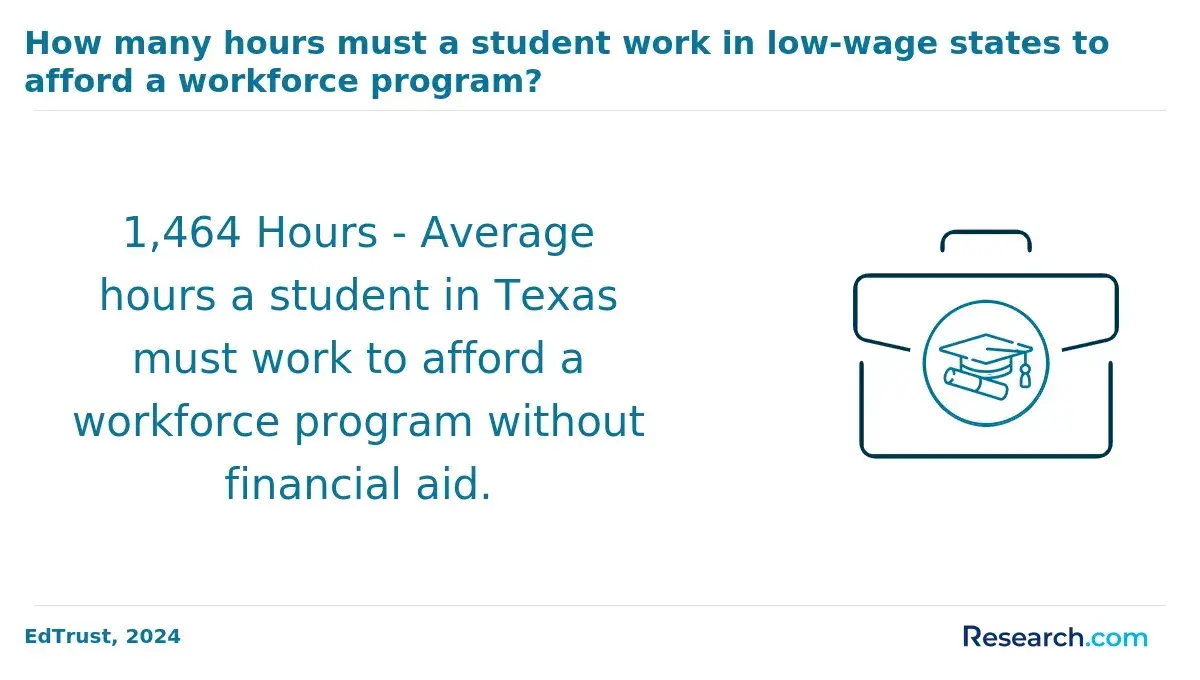
- Financial pressure: Tuition, fees, books, software, and possible reduced work hours can affect the household budget. Reviewing aid, payment plans, employer tuition support, and lower-cost programs early can prevent mid-program financial strain.
- Technology adjustment: Modern courses often use learning management systems, digital textbooks, online proctoring, spreadsheet tools, discussion boards, and virtual group projects. Students who have been away from school may need a short adjustment period.
- Math and spreadsheet confidence: Accounting is not advanced mathematics for most bachelor’s students, but it does require comfort with formulas, accuracy, and logical problem-solving.
- Self-doubt: Some adults worry they will not “fit in” or that younger classmates will be faster with school technology. In practice, maturity, persistence, and work experience can be major strengths.
- Burnout risk: Taking too many credits while working full-time can lead to missed assignments and exhaustion. A slower pace may be smarter if it helps you finish.
A common mistake is assuming motivation will solve every conflict. Motivation helps, but systems matter more: a realistic course load, a quiet study routine, backup childcare if relevant, and early communication with instructors. Students who plan to continue into management-focused study later may eventually compare options such as an online executive MBA, but first they need a sustainable path through the bachelor’s degree.
Can You Work Full-Time While Earning an Accounting Degree at 40?
Yes, you can work full-time while earning an accounting degree at 40, but it requires careful course planning. The most successful working students usually choose part-time enrollment, online or evening classes, and a predictable study schedule. Trying to carry a heavy course load while maintaining a full-time job can work for some students, but it increases the risk of fatigue and missed deadlines.
Accounting is cumulative, so weekly effort matters. You may need regular time for reading, problem sets, quizzes, discussion posts, spreadsheet practice, exams, and group assignments. If your job has peak seasons, travel, overtime, or unpredictable shifts, choose terms and course loads with those realities in mind.
Practical ways to make full-time work and school manageable
- Start with a manageable load: Taking fewer courses at first lets you test how school fits your work and family schedule.
- Use your calendar aggressively: Block study time before the week begins, including time for assignments that take longer than expected.
- Tell key people early: Your employer, family, or partner may be able to help if they understand your class schedule and deadlines.
- Choose the right format: Asynchronous online courses can help if your work hours vary, while live evening classes may help if you need structure.
- Protect recovery time: A plan that leaves no room for sleep, meals, exercise, or family needs is unlikely to last.
One professional over 40 who was enrolled in an accounting degree program described the experience as challenging but rewarding: “Finding the energy after a long workday can be tough, but breaking down tasks into smaller goals helps me stay on track.” He also said that communicating clearly with his employer and family made the workload less overwhelming. “There are moments of stress for sure,” he noted, “but seeing progress toward my degree keeps me motivated to push through.”
That is a realistic picture. Working full-time while studying is possible, but success depends less on age and more on pacing, support, and consistency.
What Are the Most Flexible Ways to Earn an Accounting Bachelor's Degree at 40?
The most flexible route is usually an accredited online or hybrid accounting bachelor’s program with part-time options and transfer-credit support. For adults at 40, flexibility should mean more than “classes are online.” A strong program should make it clear how courses are delivered, when assignments are due, how exams are handled, and whether advising is available outside standard business hours.
- Online learning: Online accounting degree programs for adult learners can reduce commuting time and allow students to study from home. Asynchronous courses are especially helpful for people with rotating shifts, caregiving duties, or unpredictable work schedules.
- Part-time enrollment: Part-time study spreads the workload across more terms. It may take longer, but it can make completion more realistic for working adults.
- Evening and weekend classes: These options can work well for students who prefer face-to-face instruction and live interaction but cannot attend during the day.
- Hybrid programs: A hybrid format can combine online convenience with occasional in-person support, labs, exams, or networking opportunities.
- Self-paced study: Self-paced courses can help disciplined students move through familiar material efficiently. However, students who need structure should confirm whether instructor support and deadlines are sufficient.
- Transfer-friendly pathways: If you have previous college credit, look for schools that evaluate transcripts clearly before enrollment so you know how much time and money you may save.
Cost is part of flexibility, too. A program that fits your schedule but strains your budget may still be difficult to finish. When comparing options, look at tuition, fees, books, technology requirements, transfer policies, and total time to completion. Students focused on lowering degree costs can also review a most affordable online accounting degree comparison as part of their research.
Some adults explore multiple career-oriented programs before choosing accounting. For example, flexible construction management degree programs may appeal to people with field or project experience, while accounting may fit those who prefer financial records, reporting, compliance, and business decision support.
How Long Does It Take to Finish an Accounting Bachelor's Degree at 40?
A traditional bachelor’s degree often takes four years, but adult learners at 40 may finish faster or slower depending on transfer credits, enrollment status, work demands, and family responsibilities. Many adult students study part-time, which can extend completion to six years or more. Others shorten the timeline by transferring prior credits or taking heavier course loads during less demanding periods.
The best timeline is the one you can sustain. Finishing quickly may be attractive, but overloading your schedule can lead to course withdrawals, lower grades, or burnout.
- Course load: Full-time enrollment can shorten the calendar timeline, but it may be unrealistic for students working full-time. Part-time enrollment reduces weekly pressure but lengthens the program.
- Prior credits and experience: Previous college coursework may reduce the number of classes required. Some programs may also evaluate relevant professional experience, though policies vary by school.
- Program structure: Accelerated terms can help motivated students move faster, but compressed courses often require more weekly effort.
- Life responsibilities: Childcare, eldercare, health needs, work travel, and overtime can affect how many courses you can take each term.
- Planning and persistence: A realistic degree plan with an advisor can prevent unnecessary courses and help you stay on track.
One adult learner who returned to school at 40 said her degree took nearly five years because she balanced full-time work and family care. “It wasn’t easy,” she explained, “having to juggle deadlines and unexpected life events, but breaking the program into smaller, achievable goals made it manageable.”
She also said prior work in finance helped with some course exemptions, which she credited for speeding up her progress. Her experience shows why adults should ask for a full transfer-credit review before enrolling and should build a timeline around real life, not an idealized schedule.
How Much Does It Cost to Get an Accounting Bachelor's Degree at 40?
The average cost of earning a bachelor’s degree in accounting in the U.S. typically ranges between $25,000 and $60,000, depending on the institution and enrollment status. Your actual out-of-pocket cost may be lower or higher depending on tuition rates, transfer credits, financial aid, employer support, materials, and how long you remain enrolled.
Adults should evaluate total program cost, not just per-credit tuition. A school with low tuition but high fees, limited transfer acceptance, or required extra terms may not be the lowest-cost option overall.
- Tuition fees: Tuition is usually the largest expense and can vary widely between public, private, online, and campus-based programs. Part-time enrollment may make payments easier to manage but can extend the overall timeline.
- Learning materials: Accounting students may need textbooks, digital access codes, spreadsheet tools, calculators, or accounting software. Some programs include materials; others bill them separately.
- Additional charges: Registration fees, technology fees, graduation fees, exam-related costs, and online course fees can increase the total price.
- Financial support impact: Scholarships, grants, federal aid, state aid, military benefits, payment plans, and employer tuition assistance can reduce what you pay out of pocket.
- Enrollment intensity: Taking fewer courses may protect your work schedule, but a longer enrollment period can sometimes increase total fees. Taking more courses may shorten time to graduation but can create academic and personal strain.
- Opportunity cost: If you reduce work hours to attend school, include lost income in your planning. This is especially important for adults supporting a household.
Before applying, ask each school for a clear estimate based on your transfer credits and intended pace. Also confirm whether the program is accredited and whether its accounting coursework supports your long-term goals, especially if you plan to pursue professional credentials later. Requirements for accounting licenses or certifications can vary, so do not assume that a bachelor’s degree alone satisfies every future requirement.
What Are the Risks of Going Back to College at 40?
The risks of going back to college at 40 are manageable, but they are real. The main risks are taking on debt without a clear plan, underestimating the workload, choosing a weak-fit program, and expecting the degree alone to guarantee a career change. Accounting can be a practical field, but outcomes depend on program quality, experience, location, networking, and the roles you pursue.
- Academic workload: Accounting courses require accuracy, repetition, and consistent practice. Students who delay assignments may struggle because later topics build on earlier ones.
- Financial risk: Borrowing without comparing costs, transfer credits, and aid options can create pressure after graduation. Adult students should be especially careful if they already have major household expenses.
- Program-fit risk: A program may be flexible but not supportive, affordable but slow to complete, or convenient but misaligned with your career goal. Accreditation and advising quality matter.
- Adjustment to school culture: Adults may need time to adapt to online platforms, group assignments, digital research, and classmates at different life stages.
- Balancing responsibilities: Work, family, and caregiving can compete with class deadlines. Without a backup plan, one disruption can affect an entire term.
- Technical proficiency: Accounting often involves spreadsheets, databases, tax tools, enterprise systems, and changing rules. Students who are not current with business technology may need extra practice.
- Career-transition risk: A degree can improve qualifications, but it does not automatically produce a job offer. Internships, networking, resume positioning, and relevant experience still matter.
The best way to reduce risk is to test the plan before enrolling. Review your weekly schedule, compare several schools, ask about transfer credits, calculate likely costs, and speak with admissions and academic advisors. If possible, talk to current adult students or alumni in the accounting program before committing.
Can You Start a New Career at 40 With an Accounting Bachelor's Degree?
Yes. You can start a new career at 40 with an accounting bachelor’s degree, especially if you pair the degree with relevant experience, networking, and a clear target role. Accounting knowledge applies across many settings, including public accounting firms, private companies, nonprofits, government offices, healthcare organizations, schools, and small businesses.
A bachelor’s degree in accounting can prepare students for work involving financial records, budgeting, tax preparation, payroll, auditing support, compliance, accounts payable, accounts receivable, and business analysis. For career changers, the degree can also provide a structured way to build credibility in a field where accuracy and trust matter.
How to position a midlife career change into accounting
- Connect past experience to accounting work: Management, sales, operations, customer service, banking, administration, and entrepreneurship can all demonstrate useful business judgment.
- Build technical evidence: Highlight coursework, spreadsheet skills, accounting software exposure, projects, and any finance-related responsibilities from previous jobs.
- Consider entry points strategically: You may start in bookkeeping, staff accounting support, payroll, tax support, or analyst-adjacent roles before moving into more advanced positions.
- Use career services early: Resume revisions, interview preparation, alumni networks, and employer events can matter as much as coursework.
- Clarify credential goals: If you want a licensed or specialized accounting path, confirm requirements in the state or field where you plan to work.
Midlife career changes are increasingly common because professional paths are less linear than they once were. Higher education has adapted by offering more flexible formats for adults in many fields, including options such as online master’s degrees in social work. For accounting, the key is to choose a program that supports both degree completion and employability.
Do Employers Value Accounting Bachelor's Degrees Earned at 40?
Employers generally value accounting bachelor’s degrees earned at 40 or later when the degree is from a credible institution and the candidate can show relevant skills. Age alone is usually less important than whether you can perform the work, communicate clearly, use current tools, and apply accounting principles accurately.
According to a 2022 survey by the National Center for Education Statistics, over 40% of undergraduate students are adult learners, highlighting a shift in workforce participation and employer attitudes toward non-traditional students. A degree earned later in life can signal persistence, discipline, and adaptability—especially when completed while working or managing family responsibilities.
Employers may evaluate mature accounting graduates through several lenses:
- Current skill relevance: Employers want candidates who understand accounting principles, financial reporting, spreadsheets, and business software used in modern workplaces.
- Professional experience: Adults often bring workplace judgment, client awareness, communication skills, and industry knowledge that can strengthen their accounting candidacy.
- Continuous learning: Returning to school around age 40 can demonstrate initiative and willingness to adapt.
- Reliability and maturity: Completing a degree while balancing other responsibilities can show time management and persistence.
- Career story: Employers may ask why you are changing fields. A clear explanation can turn your age and experience into advantages.
The degree’s value also depends on how you use it. Build a resume that translates prior experience into accounting language, pursue internships or project experience if available, and prepare to explain how your background helps you solve business problems. For some adults, online associate degrees may also serve as an accessible first step before a full bachelor’s pathway.
What Steps Should I Take Before Applying to an Accounting Bachelor's Program?
Before applying, confirm that the degree fits your career goal, schedule, and finances. Research shows that almost 70% of adult learners feel that detailed pre-application planning directly improves their enrollment outcomes. For a 40-year-old applicant, that planning should be specific: how many credits you need, how much the program will cost, how classes are delivered, and what support is available if life becomes complicated.
- Review academic records: Gather transcripts from every college you attended. Ask schools for an unofficial transfer review if available so you can estimate remaining credits.
- Check admissions requirements: Confirm application deadlines, GPA expectations, prerequisite courses, placement testing, essays, recommendation letters, and transcript rules.
- Verify accreditation: Make sure the institution is properly accredited. If you have specific career or credential goals, ask whether the accounting curriculum supports them.
- Compare formats: Decide whether online, hybrid, evening, weekend, full-time, or part-time study best matches your work and family obligations.
- Estimate total cost: Look beyond tuition. Include fees, materials, software, commuting, childcare, lost work time, and the effect of taking longer to graduate.
- Ask about adult-student support: Look for advising, tutoring, writing help, technical support, career services, and flexible office hours.
- Plan your first term carefully: If you have been away from school for years, consider starting with a lighter load and adding more courses later if the pace feels manageable.
- Speak with your household: Returning to school affects schedules, finances, and responsibilities. Make sure the people who rely on you understand the commitment.
- Define the career outcome: Identify the roles you want after graduation and compare job postings to the program’s curriculum. This helps you avoid choosing a degree that does not match your target work.
A strong application starts before the form is submitted. The more clearly you understand your credits, cost, schedule, and goal, the more likely you are to choose a program you can finish.
What Graduates Say About Earning an Accounting Bachelor's Degree at 40
-
: "
Going back to college at 42 felt daunting at first, but I realized it was never too late to pursue my passion. Choosing an accounting bachelor’s degree was a strategic move to shift careers and gain stability in a field I admire. This degree has completely transformed my professional life, opening doors to leadership roles I once thought were out of reach. — Ryker
"
-
: "
At 45, returning to school was about proving to myself that lifelong learning is possible at any age. I chose accounting because I wanted a practical skill set with broad applications. Earning my degree boosted my confidence and credibility, enabling me to contribute significantly to my company’s financial planning and decision-making. — Eden
"
-
: "
The decision to pursue an accounting bachelor’s at 40 was fueled by a desire for personal growth and financial independence. I appreciated how the coursework combined theory with real-world practice, perfectly aligning with my career goals. Since graduating, I’ve noticed not only professional advancement but also a renewed sense of purpose in my daily work. — Benjamin
"
Other Things You Should Know About Accounting Degrees
Experience in finance, bookkeeping, or business management can provide a strong foundation for accounting studies. Familiarity with basic mathematics, attention to detail, and understanding of financial regulations also enhance learning. These skills often shorten the adaptation period to academic accounting concepts.
Yes, professional certifications like the Certified Public Accountant (CPA) or Certified Management Accountant (CMA) can significantly boost career prospects. These certifications require passing exams and typically some work experience, which many students aged 40 and above can leverage. Earning them after obtaining a bachelor's helps validate practical knowledge in the field.
Proficiency with accounting software like QuickBooks, Excel, and enterprise resource planning (ERP) systems is increasingly important. Programs may also teach data analysis and financial modeling tools relevant to current accounting practices. Gaining comfort with technology is essential for keeping pace with the evolving demands of the accounting profession.
References
- 84 Mature students Bachelor Degree Accounting Scholarships available https://www.hotcoursesabroad.com/study/international-scholarships/all/Postgraduate/accounting/mature-students/all/cid/124/d1/1175/nty/scholarship6.html
- Breaking into finance in your 30s and 40s: why it’s never too late for a career in accountancy | Eagle Education https://www.eagle-education.co.uk/inspiration/breaking-into-finance-in-your-30s-and-40s-why-its-never-too-late-for-a-career-in-accountancy/
- Best Affordable Online Accounting Degrees of 2025 https://www.accounting.com/degrees/accounting/bachelors/most-affordable/
- Entering Accounting In Mid-40s&#… | CPA Exam Forum https://forum.another71.com/forum/accounting-careers/industry-private-accounting/topic/entering-accounting-in-mid-40s/
- Accounting, B.S. (Adult Program) - Immaculata University https://www.immaculata.edu/academics/degrees-programs/accounting-b-s-adult-professional-studies/
- Going Back to School at 40 in [2026]: Here’s What to Expect https://www.neit.edu/blog/going-back-to-school-at-40
- Whirlpool https://forums.whirlpool.net.au/archive/3m014m4n
- Accounting Program - Adult & Online Education | Campbell University https://aoe.campbell.edu/academics/bachelor-programs/accounting-program/





