
2027 Online Accounting Bachelor's Degrees for Adults Over 40

Co-Founder and Chief Data Scientist
Returning to college after 40 is usually not just an academic choice. It is a career, time-management, and financial decision made alongside work, family responsibilities, and a shorter runway to earn back the cost of school. An online bachelor’s degree in accounting can be useful for adults who want to move into accounting, qualify for promotion, formalize years of bookkeeping or finance experience, or build a stronger foundation for roles involving budgets, tax, payroll, auditing, or financial reporting.
Adult learners often bring practical experience that younger students do not have, but they may also worry about math readiness, transfer credits, technology, tuition, and whether employers will value an online degree. Nearly 35% of online accounting students in this age group report using their degree to shift careers or achieve promotions within five years, which makes program choice especially important.
This guide explains how online accounting bachelor’s programs work for adults over 40, what they may cost, which admissions requirements matter most, how transfer credit and professional certifications can reduce completion time, and how to compare programs based on flexibility, accreditation, curriculum, support, and career fit.
Key Points About Online Accounting Bachelor's Degrees for Adults Over 40
- Online accounting bachelor's programs offer flexibility, enabling adults over 40 to balance studies with work and family commitments while advancing their skill set in a high-demand field.
- These programs provide updated knowledge of financial regulations and technology, essential for career growth and adapting to evolving accounting practices.
- Adults over 40 with online accounting degrees see a 15% higher employment rate in finance roles, reflecting strong market value and return on investment for mature students.
What are the best online Accounting bachelor's degrees for adults over 40?
The best online accounting bachelor’s degrees for adults over 40 are accredited, flexible, transfer-friendly, and practical enough to connect coursework with workplace responsibilities. For mid-career students, the “best” program is not always the most famous one. It is the program that fits your schedule, accepts as many legitimate prior credits as possible, provides strong advising, and offers accounting coursework aligned with your career goal.
With over 60% of adult learners reporting career advancement after completing their degree, program quality matters. Adults should pay close attention to accreditation, course delivery format, faculty access, career support, and whether the curriculum includes current tools used in accounting work.
- University of Massachusetts Amherst: The Isenberg School of Management offers a broad accounting curriculum and a specialized track in forensic accounting for students interested in fraud examination and financial investigation. Its AACSB accreditation is important because AACSB is a widely recognized business-school quality marker and is held by fewer than 5% of business schools globally.
- Arizona State University (ASU): ASU’s online accounting program uses an adaptive learning platform that adjusts study materials based on student progress. This can help adults who are returning to school after time away because it supports more efficient review and pacing. ASU is also AACSB-accredited.
- University of Florida: The Warrington College of Business emphasizes sustainability accounting and introduces environmental, social, and governance (ESG) principles within the accounting curriculum. This may appeal to students interested in reporting, compliance, risk, and emerging corporate accountability roles. The program also holds AACSB accreditation.
- Southern New Hampshire University (SNHU): SNHU is known for asynchronous online courses and generous transfer credit policies, two features that often matter most to working adults. Its large online enrollment base, including over 100,000 online students, also means the institution has experience supporting remote learners at scale.
- Northeastern University: Northeastern’s AACSB-accredited program emphasizes applied learning through cooperative education and practical projects. This structure can be especially useful for adults who want to show recent, job-relevant experience while completing an online degree.
When comparing these programs, adults over 40 should ask three practical questions: Will the school accept my prior credits? Can I complete courses without logging in at fixed times? Does the curriculum support the accounting role I actually want? Students who are also thinking about long-term academic advancement can compare how affordability is discussed in other degree areas, including guides to the cheapest online doctorate in educational leadership.
How much do online Accounting bachelor's degrees typically cost?
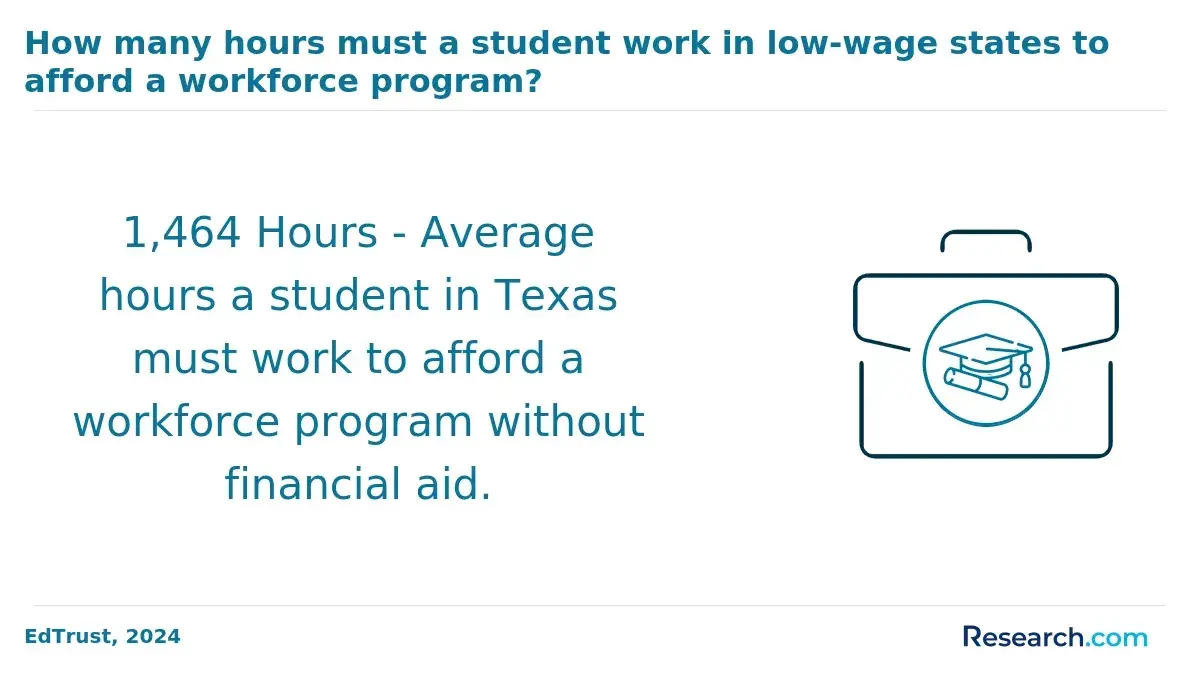
Online accounting bachelor’s degree tuition commonly ranges from $300 to $600 per credit hour. Because most programs require around 120 credit hours, total tuition can range from $36,000 to $72,000 before fees, books, software, and any credits you are able to transfer. Adults over 40 should focus on net cost, not just advertised tuition, because transfer credit, employer reimbursement, scholarships, and prior learning credit can significantly change the final amount paid.
Tuition is only one part of the budget. About 70% of online accounting programs charge technology fees averaging $100 to $300 per semester. Students may also pay for textbooks, accounting software, spreadsheet tools, proctored exams, graduation fees, and certification exam preparation materials. These smaller expenses can become meaningful for adults managing mortgage payments, caregiving costs, retirement savings, or reduced work hours while enrolled.
Cost factors adults should compare before enrolling
- Per-credit tuition: Compare the rate for online students, not the general undergraduate sticker price.
- Transfer credit policy: A school with a higher per-credit rate may still be cheaper if it accepts more of your previous credits.
- Fees: Ask about technology, online learning, transcript, proctoring, and graduation fees.
- Course materials: Accounting courses may require software, access codes, or updated textbooks.
- Time to completion: A faster program can reduce opportunity cost, but only if the pace is realistic.
- Payment flexibility: Monthly payment plans, employer billing, and part-time enrollment can make a program easier to manage.
For students prioritizing affordability, it is worth comparing schools that publish transparent tuition, strong transfer policies, and total program estimates. A dedicated guide to the cheapest accounting degree online can help you benchmark lower-cost options before committing. You can also review how online tuition varies across other fields, such as online colleges for engineering, to understand why degree costs differ by discipline, institution, and program design.
What are the admission requirements for adult learners enrolling in online Accounting bachelor's degrees?
Admission requirements for adult learners in online accounting bachelor’s programs usually begin with proof of high school completion or an equivalent credential, but many schools also consider prior college coursework, work experience, military training, and professional certifications. According to a 2025 national survey, over 60% of online accounting programs offer alternative admission pathways recognizing professional backgrounds.
Adults over 40 should expect the admissions process to be documentation-heavy. The earlier you gather transcripts, training records, certificates, and employment information, the easier it is to receive an accurate admissions and transfer-credit review.
- Educational credentials: Most programs require a high school diploma, GED, or equivalent credential. If you completed high school many years ago, ask whether unofficial documents can start the review while official records are being sent.
- Prerequisite coursework: Some programs require or recommend college-level math, introductory business, economics, or computer literacy coursework. If you lack prerequisites, you may be admitted conditionally or asked to complete foundational classes first.
- Transcript evaluation: Schools typically require official transcripts from every college previously attended, even if you did not earn a degree. This step determines which credits apply to general education, business core, electives, or accounting requirements.
- Work experience or certifications: Experience in bookkeeping, payroll, tax preparation, office administration, finance, auditing support, or small-business management may strengthen your application. Some schools may use this background in a prior learning assessment.
- Assessment tests: Placement exams or standardized test scores may be used to assess math or writing readiness. Many programs waive these requirements for applicants with substantial college credit or professional experience.
A common mistake is applying before confirming how old credits will be evaluated. Adult applicants should ask admissions officers whether the program has a dedicated transfer advisor, whether accounting credits expire, and whether professional training can be reviewed for credit. One graduate described the process this way: “Navigating the admissions wasn’t straightforward at first—I had to gather transcripts from years ago and explain my work experience in detail.” His bookkeeping certificates helped him bypass some prerequisites, but only after he provided documentation. The lesson is simple: flexibility exists, but it usually requires clear records.
Is a bachelor's in Accounting still a wise investment for adults over 40?
A bachelor’s in accounting can still be a wise investment for adults over 40 when it supports a clear career move, promotion path, or credential requirement. The degree is most valuable for adults who already work near finance, operations, tax, payroll, bookkeeping, compliance, or business administration and need the bachelor’s credential to qualify for better roles. It can also support a career change, but career changers should be realistic about entry points, starting titles, and the time needed to build accounting-specific experience.
Professionals over 40 pursuing an online bachelor’s degree in accounting often experience salary increases ranging from 15% to 25% shortly after graduation. That outcome is most likely when the student combines the degree with relevant work experience, technical skills, and a focused career plan. The degree may open doors to managerial, analyst, staff accounting, auditing support, tax, payroll, budgeting, or compliance-related roles, depending on the student’s background and local job market.
The return on investment can be compelling. Graduates of online accounting programs generally recover their tuition costs within three to five years through increased earnings and promotions. However, ROI depends on tuition, transferred credits, financial aid, employer support, current salary, and the type of role pursued after graduation. A lower-cost accredited program with strong transfer credit can produce a better financial outcome than a more expensive program with limited credit acceptance.
When the degree is more likely to pay off
- You can transfer a meaningful number of previous credits.
- Your employer offers tuition reimbursement or promotion pathways.
- You already work in a business, finance, payroll, tax, or operations role.
- The program teaches current accounting software, analytics, tax, auditing, and reporting skills.
- You choose an accredited school that employers and graduate programs recognize.
When to be cautious
- You are taking on large debt without a target role or salary plan.
- The program has weak advising or unclear accreditation.
- You need CPA eligibility but have not checked your state’s education requirements.
- You can only study part time and the program has strict course sequencing that may delay graduation.
One adult graduate summarized the trade-off clearly: “Balancing work, family, and studies was challenging, especially with deadlines and complex coursework, but the program’s flexibility helped me stay on track.” For many over-40 students, the value is not only the credential. It is the combination of confidence, current skills, and access to roles that previously felt out of reach.
How can online Accounting bachelor's degrees help over-40 professionals at work?
An online accounting bachelor’s degree can help over-40 professionals at work by strengthening the skills they use immediately: interpreting financial statements, managing budgets, understanding tax and compliance issues, using accounting software, and communicating financial information to non-accountants. For adults who already have workplace experience, coursework often becomes more practical because they can connect assignments to real business problems.
Recent data show that over 80% of learners report applying their coursework directly to current jobs. That matters for adults who cannot pause their careers for school and need education that improves performance while they are still employed.
- Technological proficiency: Accounting programs commonly introduce advanced Excel functions, QuickBooks, and emerging AI software. These tools can help experienced professionals automate repetitive tasks, improve reporting accuracy, and communicate data more clearly.
- Regulatory awareness: Coursework in tax, auditing, ethics, and financial reporting helps students keep pace with changing rules and compliance expectations. This is especially useful for professionals whose roles touch budgets, reimbursements, payroll, grants, contracts, or internal controls.
- Analytical and strategic skills: A bachelor’s program goes beyond basic bookkeeping. Students learn to interpret financial trends, evaluate business performance, identify risk, and support management decisions with evidence.
- Communication with leadership: Accounting knowledge helps professionals explain financial information to managers, owners, clients, and boards. This can make them more credible in meetings involving budgets, cash flow, or operational planning.
- Career mobility: The degree can help workers move from administrative or clerical roles into accounting, finance, compliance, or analyst positions, depending on experience and employer needs.
Adults who are not ready for a bachelor’s program may first consider lower-level credentials or transfer-oriented coursework. For example, some students review associates degrees as a stepping stone before committing to a full bachelor’s degree.
What financial aid opportunities are available for adult students enrolling in Accounting degree programs?
Adult students in online accounting bachelor’s programs may qualify for federal aid, state grants, institutional scholarships, employer tuition assistance, veteran benefits, workforce funding, and private scholarships. Approximately 85% of college students receive some form of financial aid, so adults over 40 should not assume they are ineligible because of age, employment status, or part-time enrollment.
The first step is usually completing the FAFSA if the school participates in federal student aid programs. Adult learners should also ask each college about aid for part-time students, transfer students, online students, and students returning after a long break from school.
- Adult Student Grant: Some state governments offer grants for adults, often applicants aged 25 and older, who are returning to school. These grants may support part-time or full-time enrollment and typically do not require repayment.
- TEACH Grant: This grant provides up to $4,000 annually to students who commit to teaching in high-need areas. Adult accounting students who plan to teach accounting or finance at the secondary or postsecondary level may qualify if they meet the service requirements.
- Workforce Innovation and Opportunity Act (WIOA): WIOA may help eligible adults pay for training in fields such as accounting. Eligibility varies by state and often focuses on unemployed, underemployed, or career-advancing adults.
- Nontraditional Student Scholarship: Many organizations offer scholarships for adults balancing school with work, caregiving, military service, or career change. Applications often require a personal statement explaining how the degree supports career goals.
- Financial aid counseling: Colleges may help adult students identify veteran benefits, employer tuition reimbursement, institutional grants, payment plans, and scholarship deadlines.
Financial aid questions adults should ask
- Can online students receive the same institutional aid as campus students?
- Is aid available for part-time enrollment?
- Will transfer credits affect my aid package or completion timeline?
- Does the school offer scholarships for adult, transfer, military, or first-generation students?
- Can employer reimbursement be coordinated with tuition billing deadlines?
Students comparing career paths may also look at aid practices in other online fields, including clinical psychologist online programs. For accounting students specifically, the strongest approach is to combine scholarships and grants for online accounting degrees over 40 with transfer credits, employer benefits, and careful program selection.
Can your professional Accounting certifications be converted into academic credit?
Some online accounting bachelor’s programs allow professional accounting certifications to count toward academic credit, but policies vary widely by institution. Certifications such as Certified Public Accountant (CPA), Certified Management Accountant (CMA), and Certified Internal Auditor (CIA) may be reviewed because they can demonstrate college-level learning in accounting, auditing, taxation, financial analysis, or internal controls.
This process is usually handled through prior learning assessment (PLA), portfolio review, credit-by-examination, or formal evaluation of credential documentation. Institutions with PLA policies—adopted by over 70% of U.S. colleges according to the Council for Adult and Experiential Learning (CAEL)—enable students to save up to 30% on tuition and reduce their time to graduation by several months.
Adults over 40 should understand that certification credit is not automatic. A school may award elective credit, lower-division accounting credit, business credit, or no credit at all, depending on how closely the certification matches the program’s learning outcomes. Some programs also limit the total number of credits that can come from PLA, exams, or professional credentials.
Documents you may need for credit review
- Proof that the certification is active or was earned in good standing.
- Exam score reports or credential verification from the certifying body.
- Training records, continuing education documentation, or course outlines.
- A resume showing how the credential has been used professionally.
- A portfolio explaining how your learning matches specific course outcomes.
If you hold a certification, ask the admissions or registrar’s office whether the school has a written PLA policy, how many credits can be awarded, what fees apply, and whether awarded credits satisfy major requirements or only electives. The answer can materially affect cost and time to graduation.
How many previously earned college credits can you transfer into a Accounting program?
Adult students entering an online accounting bachelor’s program can often transfer a substantial number of previously earned credits. Most schools accept between 60 and 90 semester hours, which can cover a large portion of a 120-credit bachelor’s degree. For adults over 40, transfer credit is one of the most important ways to reduce tuition, shorten completion time, and avoid repeating coursework.
Transfer evaluations usually require official transcripts from all prior colleges. Some schools may also request course descriptions or syllabi, especially for older credits or courses that do not have a clear equivalent. According to the National Student Clearinghouse Research Center, around 41% of students transfer credits when entering bachelor's degree programs, which makes transfer policy a central issue for many adult learners.
General education courses often remain valid for many years, but accounting, business technology, and technical courses may be subject to recency limits. Some accounting or technical courses must be recent-typically completed within the last five to seven years-to ensure current professional standards. This is especially relevant in areas such as tax, accounting information systems, auditing standards, and software-based coursework.
How to protect the value of your old credits
- Request official transcripts early from every institution you attended.
- Ask for a written transfer-credit estimate before enrolling.
- Confirm whether credits apply to the major, general education, or electives.
- Check whether old accounting courses must be repeated because of recency rules.
- Compare multiple schools, because one institution may accept more usable credits than another.
The key is not just how many credits a school accepts, but how many credits apply to your degree plan. Ninety accepted credits are less useful if many count only as electives and do not reduce the accounting courses you still need.
Do you still need SAT or ACT scores for online Accounting degree admissions at age 40?
Most adults over 40 applying to online accounting bachelor’s programs will not need SAT or ACT scores, especially if they have prior college credit, work experience, military training, or professional credentials. Many institutions now use test-optional or test-waived admissions policies for adult learners because standardized tests are less useful for evaluating applicants who have been out of high school for many years.
However, some programs may still request SAT or ACT scores if an applicant has little or no college coursework and is applying as a first-time freshman. Test scores may also matter for certain scholarships, honors programs, or selective admissions pathways. Requirements vary by institution, so applicants should verify the current policy with admissions rather than relying on general assumptions.
If test scores are waived, schools may use other evidence of readiness. Common alternatives include resumes, prior transcripts, placement exams, writing samples, recommendation letters, credit-by-exam results, or documentation of professional experience. Adult learners should ask whether placement testing is required for math or writing, even when SAT or ACT scores are not.
The practical takeaway: do not delay your application because you assume you must retake a standardized test. Contact admissions, explain your age, work history, and prior education, and ask exactly which documents are needed for an adult learner review.
How can adult students evaluate which online Accounting bachelor's degree to choose?
Adult students should evaluate an online accounting bachelor’s degree by matching the program to their career goal, schedule, budget, transfer history, and support needs. A program that works well for a full-time 20-year-old may not work for a working parent, caregiver, veteran, business owner, or mid-career employee trying to study after work.
- Accreditation: Choose an accredited institution and, when relevant, consider business-school accreditation such as AACSB. Accreditation affects employer recognition, transferability, graduate school options, and eligibility for federal financial aid.
- Program flexibility: Adults over 40 often need asynchronous courses, multiple start dates, part-time enrollment, and predictable deadlines. Ask whether courses require live attendance or group meetings at fixed times.
- Curriculum relevance: Look for coursework in financial accounting, managerial accounting, auditing, taxation, accounting information systems, data analysis, ethics, and business law. Programs that include current software and analytics tools may be more useful at work.
- Transfer and prior learning credit: A generous transfer policy can save more money than a small tuition discount. Ask for a degree plan showing exactly what remains after transfer review.
- Support services: Adult learners benefit from responsive academic advising, tutoring, writing support, technical help, library access, and career services designed for online students.
- Cost and financial aid: Compare total tuition, fees, books, software, and expected time to completion. Also ask about scholarships, employer reimbursement, veteran benefits, and payment plans.
- Professional networking: Internships, virtual projects, employer partnerships, alumni networks, and accounting career events can help career changers build credibility.
- Career alignment: If you want CPA eligibility, do not assume a bachelor’s degree alone is enough. Check your state’s education requirements before enrolling.
A simple decision process
- Define your target outcome: promotion, career change, CPA preparation, management role, or stronger financial skills.
- Gather all transcripts and certification records.
- Request transfer evaluations from more than one school.
- Compare total remaining cost, not just per-credit tuition.
- Review course format and weekly workload honestly against your schedule.
- Speak with an advisor about career services and accounting-specific outcomes.
- Choose the program that offers the best mix of credibility, affordability, flexibility, and completion speed.
Adults with complicated academic histories should also consider how schools review GPA, transfer credits, and prior coursework. Resources on online graduate schools with low GPA requirements can be useful for understanding how institutions may evaluate applicants with older or uneven academic records, even when the immediate goal is a bachelor’s degree.
What Graduates Say About Their Online Accounting Bachelor's Degree
- : "Returning to school at 40 felt daunting, but choosing an online accounting bachelor’s degree made it possible to balance work, family, and coursework. The affordability of an accredited program kept the decision manageable, and the degree helped me advance to a senior analyst role I did not think was realistic at this stage of my career. — Ryker"
- : "Pursuing an online accounting degree later in life gave me a structured way to change direction professionally. I was paying for school myself, so cost and accreditation mattered. Looking back, the program opened new opportunities and gave me more confidence in the skills I had built over years of work. — Eden"
- : "At 40, I needed a program that was affordable, convenient, and credible. The online accounting bachelor’s degree met those needs, and the accredited status reassured me that employers would take it seriously. Since graduating, I have moved into financial management, which made the challenge worthwhile. — Benjamin"
Other Things You Should Know About Accounting Degrees
Adults over 40 should be comfortable with basic computer operations, internet navigation, and proficiency in accounting software like QuickBooks. Familiarity with platforms like Zoom for virtual classes and Canvas for course management is crucial for online accounting programs in 2027.
Adults over 40 may encounter challenges such as balancing education with existing responsibilities like work and family. Additionally, adjusting to new technology platforms used in online learning can require a learning curve, but most institutions provide resources to assist adult learners in overcoming these issues.
Many online programs for adult accounting students provide career services, including resume building, interview preparation, and job placement assistance. These services help adult learners transition successfully into accounting roles or advance their current careers.
Most programs require college algebra, introductory statistics, and basic economics or business foundations before upper-level accounting courses. Many schools also ask for a minimum 2.0 to 2.5 GPA and may place adults without recent math coursework into a refresher or placement requirement before enrollment.
References
- The Most Valuable Skills You'll Develop in an Online Accounting Program https://www.ucumberlands.edu/blog/most-valuable-skills-youll-develop-online-accounting-program
- Best Affordable Online Accounting Degrees of 2025 https://www.accounting.com/degrees/accounting/bachelors/most-affordable/
- Financial Aid for Adult Learners: Your Step-by-Step Guide | National University https://www.nu.edu/blog/financial-aid-for-adult-learners/
- Accounting Major Online Degree | SUNY Plattsburgh https://www.plattsburgh.edu/programs/accounting-major-online.html
- Recognition of Prior Learning (RPL) - Convert Your Work Experience into University Credits https://www.libt.co.uk/prospective-students/rpl
- Accounting certifications (beyond a CPA license) https://www.becker.com/blog/career/accounting-certifications
- 4-year distance (online) Bachelor of Accounting | Study A Flexible Accounting Degree https://www.emeris.ac.za/qualifications/online/bachelor-of-accounting
- Aptitude test based admission https://www.hanken.fi/en/apply/application/bachelors-degree-studies-english/aptitude-test-based-admission
- Entering Accounting In Mid-40s&#… | CPA Exam Forum https://forum.another71.com/forum/accounting-careers/industry-private-accounting/topic/entering-accounting-in-mid-40s/
- Average Cost of Online College [2025]: Yearly Tuition + Fees https://educationdata.org/average-cost-of-online-college


