
2027 Can You Get Financial Aid for an Online Accounting Bachelor's Degree?

Co-Founder and Chief Data Scientist
Choosing an online accounting bachelor’s degree is not only an academic decision; it is a financing decision. Tuition may be lower than some campus-based options, but students still need to plan for fees, books, technology, lost work hours, and the possibility of borrowing. Cost pressure is real: a 2023 study found that 42% of online accounting students reported difficulty covering educational costs without aid.
This guide explains how financial aid works for online accounting bachelor’s programs, including when online students can use federal aid, why accreditation matters, what scholarships and loans may be available, and how employer tuition assistance can reduce out-of-pocket costs. It is designed for working adults, transfer students, first-time undergraduates, and international applicants who want to compare funding options before enrolling.
Key Benefits of Financial Aid for an Online Accounting Bachelor's Degree
- Financial aid reduces upfront costs, allowing students to enroll in online accounting programs without immediate full payment, making education more accessible.
- Grants and scholarships increase access by providing non-repayable funds, especially critical as 65% of accounting students report financial barriers.
- Federal loans with low interest rates help minimize long-term student debt, enabling graduates to focus on career growth in the accounting field.
Can You Get Financial Aid for an Online Accounting Bachelor's Degree?
Yes, eligible students can often receive financial aid for an online accounting bachelor’s degree, but the program and school must meet specific requirements. In most cases, online students are treated similarly to campus students when they enroll in an accredited institution that participates in federal financial aid programs.
The growth of online learning has made this more common. Approximately 35% of undergraduate students took at least one distance education course in recent years, showing that online enrollment is now part of mainstream higher education rather than a separate exception. Nearly half of colleges have also increased their support for distance learners, which can include advising, financial aid processing, and online student services.
What usually determines eligibility?
- Institutional participation: The college must participate in the relevant federal, state, or institutional aid programs.
- Accreditation: Federal aid generally depends on attending an eligible accredited institution.
- Enrollment status: Full-time and part-time students may qualify for aid, but award amounts can change based on credit load.
- Student eligibility: Citizenship or eligible non-citizen status, satisfactory academic progress, and other federal requirements can affect access to aid.
- Program eligibility: The online accounting bachelor’s program must be an aid-eligible degree program, not merely a nondegree certificate or continuing education option.
Before applying, ask the school’s financial aid office whether the online accounting bachelor’s degree is eligible for federal aid, whether online students receive the same institutional aid consideration as campus students, and how aid changes if you enroll part time. Students comparing affordability across schools can also review accounting programs to understand how tuition levels differ before aid is applied.
Do Online Accounting Bachelor's Programs Need to Be Accredited for Financial Aid?
Yes. Accreditation is one of the most important financial aid checkpoints for an online accounting bachelor’s program. Federal financial aid is generally available only through eligible institutions that meet recognized accreditation standards. According to the National Center for Education Statistics, nearly 85% of undergraduate students receiving federal aid enroll in accredited institutions, which shows how closely aid access is tied to institutional approval.
Accreditation also protects students academically. It helps confirm that credits are more likely to transfer, the degree is more likely to be accepted by employers and graduate schools, and the program has been reviewed against established quality standards. This is especially important in accounting, where students may later pursue professional certifications, graduate study, or roles that require documented coursework.
Accreditors students may encounter
- The Higher Learning Commission (HLC): HLC accredits institutions in the central United States and is recognized by the U.S. Department of Education and the Council for Higher Education Accreditation (CHEA). Institutional accreditation from a recognized body such as HLC is a key requirement for federal financial aid access.
- The Middle States Commission on Higher Education (MSCHE): MSCHE serves the mid-Atlantic region and is recognized by the U.S. Department of Education and CHEA. Its review process helps confirm that an institution meets academic and administrative standards expected for aid-eligible education.
- The Southern Association of Colleges and Schools Commission on Colleges (SACSCOC): SACSCOC accredits institutions in the southern U.S. and is federally recognized. Students attending SACSCOC-accredited institutions may be able to use grants and loans if all other eligibility requirements are met.
- The Accreditation Council for Business Schools and Programs (ACBSP): ACBSP focuses on business disciplines, including accounting, and is endorsed by CHEA. Programmatic accreditation can signal business program quality, but it does not replace the need for eligible institutional accreditation when federal aid is involved.
- The Association to Advance Collegiate Schools of Business (AACSB): AACSB is known for rigorous business education standards and is recognized by CHEA. AACSB accreditation can strengthen a business school’s reputation, though students should still verify institutional eligibility for financial aid.
How to verify accreditation before enrolling
- Check the school’s accreditation page and identify the institutional accreditor.
- Confirm that the accreditor is recognized by the U.S. Department of Education or CHEA.
- Ask the financial aid office whether the specific online accounting bachelor’s degree is Title IV eligible.
- Do not rely only on advertising language such as “approved,” “authorized,” or “career-focused.” These terms are not the same as recognized accreditation.
Attending an online accounting bachelor’s program without proper accreditation can limit or eliminate federal financial aid options. Students comparing online programs in other fields can see similar accreditation concerns when researching engineering online programs, where institutional and program approval also affect educational value and aid eligibility.
Are International Students Eligible for Aid for Online Accounting Bachelor's Degrees?
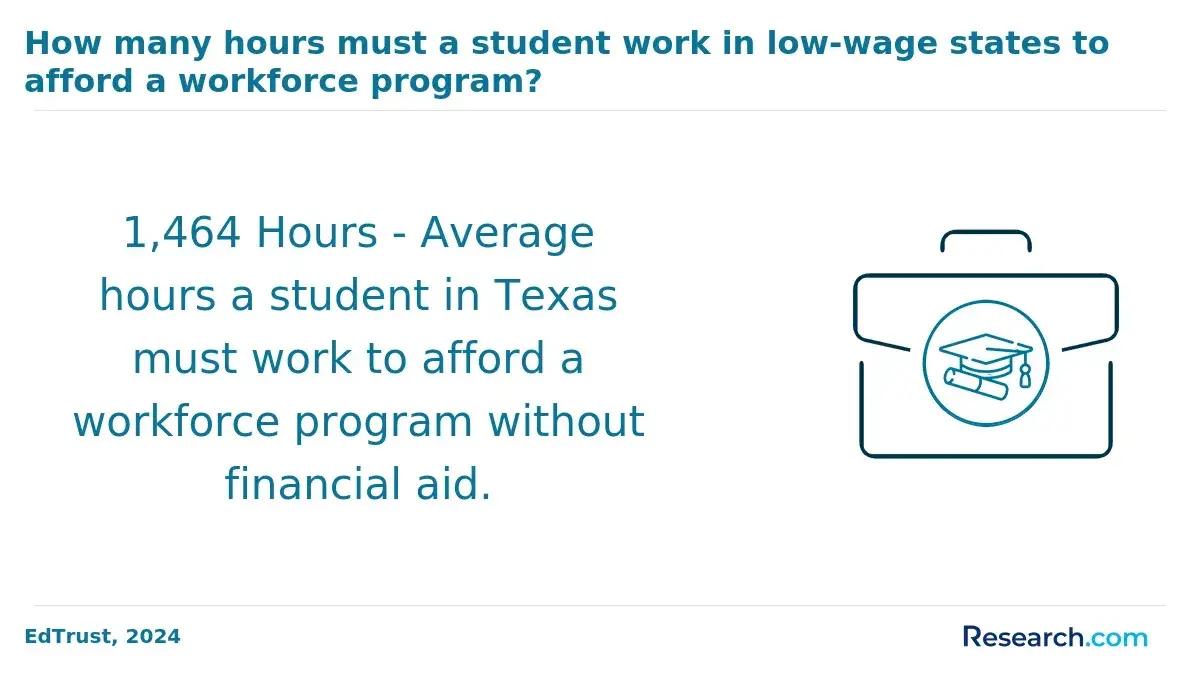
International students may find some funding for online accounting bachelor’s degrees, but their options are usually more limited than those available to U.S. citizens and eligible non-citizens. The main barrier is federal aid eligibility: most U.S. federal financial aid programs are tied to citizenship or eligible immigration status.
In the 2022-2023 academic year, over one million international students enrolled in U.S. colleges, yet only a small portion received institutional scholarships or private assistance because of federal aid limits. For online students living outside the U.S., the funding search often depends on the school’s own scholarship policies, private financing, home-country support, and employer sponsorship.
- Federal Aid Restrictions: Most federal financial aid programs, including Pell Grants and Direct Loans, are available only to U.S. citizens or eligible non-citizens. This excludes the majority of international students from these resources.
- Institutional Scholarships: Some universities offer merit-based or need-based scholarships that do not require U.S. citizenship. Availability varies widely, and awards for online international students may be limited or highly competitive.
- Alternative Funding: Private loans may be available, but many require a U.S.-based cosigner. Students should also look for education funds from home governments, employers, foundations, and international organizations.
- Visa and Residency Impact: Students who complete the program entirely online from abroad generally do not need a U.S. student visa. Those who later plan to study on campus, pursue internships, or change residency status should ask the institution how visa rules interact with billing, enrollment, and aid.
- Program-Specific Aid: Some online accounting programs may have scholarships, partnerships, or tuition discounts for international applicants, but these opportunities are not universal and should be confirmed in writing before enrollment.
International applicants should request a full cost estimate before applying. That estimate should include tuition, technology fees, payment deadlines, currency payment rules, refund policies, and whether scholarships are renewable each year.
What Types of Financial Aid Are Available for Online Accounting Bachelor's Degrees?
Online accounting bachelor’s students may be able to combine several types of aid. The best approach is to prioritize money that does not need to be repaid first, then consider loans only after grants, scholarships, employer assistance, and personal budget options have been reviewed.
The major categories include federal aid, state aid, institutional aid, scholarships, employer tuition assistance, loans, and education-related tax benefits. Each source has different rules, deadlines, and documentation requirements.
| Type of aid | How it helps | What to check before relying on it |
| Federal Aid | May include grants, loans, and work-study options for eligible students. | Confirm the school and online accounting program are aid-eligible and submit the required application on time. |
| State Aid | May provide grants or scholarships for residents enrolled in approved higher education programs. | Check residency rules, online program eligibility, and state-specific deadlines. |
| Institutional Aid | Colleges may offer scholarships, grants, tuition discounts, or stipends directly to online students. | Ask whether awards are automatic or require a separate application. |
| Employer Tuition Assistance | Can reduce out-of-pocket costs for working students whose degree supports workplace needs. | Review reimbursement limits, grade requirements, repayment obligations, and approved-program rules. |
| Student Loans | Can cover remaining costs after gift aid and personal funds are applied. | Compare federal and private loan terms carefully and avoid borrowing more than necessary. |
| Tax Benefits | May lower overall education costs through education-related tax credits or deductions. | Consult current tax rules or a qualified tax professional to determine eligibility. |
Students should compare net price, not just tuition. A program with higher tuition may become affordable if it offers stronger scholarships, while a lower-cost program may still require borrowing if fees and books are high.
Are There Scholarships for Online Accounting Bachelor's Degrees?
Yes. Scholarships are available for some online accounting bachelor’s students, although eligibility depends on the school, student profile, award source, and application timing. Recent data reveals that nearly 85% of undergraduates in the U.S. receive some form of financial aid, including grants and scholarships, but individual scholarship amounts and availability can vary substantially.
Scholarships are especially valuable because they generally do not need to be repaid. For accounting students, awards may be based on academic performance, financial need, transfer status, professional goals, first-generation student status, military affiliation, or membership in accounting-related organizations.
- Institutional Scholarships: Colleges may provide awards for online students based on admission status, GPA, transfer credits, or enrollment in a business or accounting program.
- Merit-Based Awards: These scholarships reward academic achievement, leadership, professional experience, or strong application materials. They may not require proof of financial need.
- Need-Based Assistance: Need-based scholarships and grants consider a student’s financial circumstances and may require aid applications or income documentation.
- Professional Organization Grants: Accounting associations and business groups may offer scholarships to students preparing for accounting careers. Some may require membership, essays, recommendations, or evidence of career commitment.
- Eligibility Considerations: Some awards are open to both online and campus students, while others are restricted by residency, enrollment level, citizenship, GPA, or full-time status.
Scholarship application mistakes to avoid
- Waiting until after admission to ask about scholarship deadlines.
- Assuming online students are automatically considered for the same awards as campus students.
- Ignoring small awards, which can still reduce book, fee, or technology costs.
- Failing to confirm whether a scholarship is renewable for later terms.
- Borrowing before final scholarship decisions are released.
A strong scholarship strategy starts early. Create a deadline calendar, gather transcripts and recommendations in advance, and ask whether the accounting department has awards separate from the university’s general financial aid office.
Can You Take Out Student Loans for an Online Accounting Bachelor's Degree?
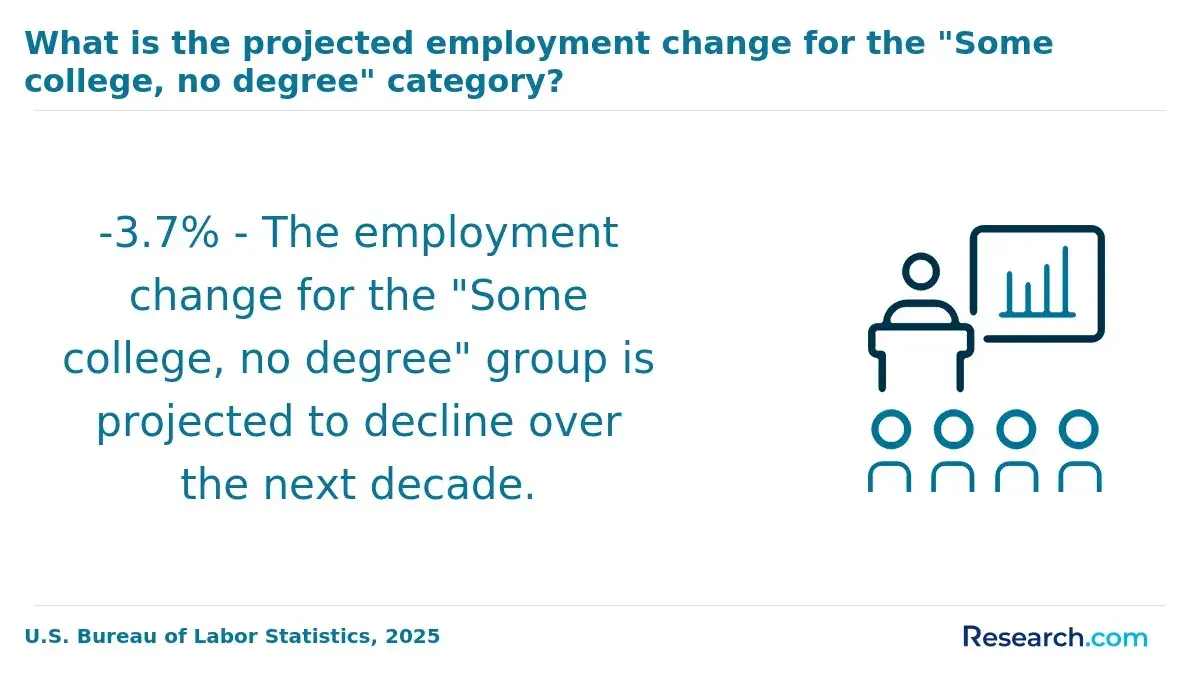
Yes. Eligible students can often use student loans to help pay for an online accounting bachelor’s degree if the institution and program qualify. Loans can be useful when grants, scholarships, employer benefits, and personal funds do not fully cover the cost, but they should be approached carefully because they must be repaid with interest.
In 2022, over 40 million Americans were reported to carry student loan debt, reflecting how common borrowing has become in U.S. higher education. For online accounting students, the key is not simply whether loans are available, but whether the amount borrowed is reasonable for the student’s expected career path, existing obligations, and repayment capacity.
Federal loans vs. private loans
| Loan type | Typical advantages | Key cautions |
| Federal student loans | Usually offer fixed interest rates, standardized repayment options, and borrower protections such as income-driven repayment options. | Annual and lifetime borrowing limits apply, and eligibility depends on the school, program, and student status. |
| Private student loans | May help cover remaining costs after federal aid and scholarships are exhausted. | May involve credit checks, variable rates, cosigner requirements, and fewer repayment protections. |
Federal loans are generally the first borrowing option students should review because they usually provide stronger borrower protections. Private loans are often better treated as a last-gap option after students compare total cost, expected graduation timeline, and repayment obligations.
Before accepting any loan, ask the school for a term-by-term cost estimate and borrow only what is necessary. Online students should also consider whether part-time enrollment, transfer credits, employer assistance, or a lower-cost institution could reduce the amount borrowed.
How Does Employer Tuition Assistance Work for Online Degrees?
Employer tuition assistance can be one of the most practical funding sources for working adults pursuing an online accounting bachelor’s degree. Nearly 70% of U.S. employers offer some form of educational support, and accounting is often a relevant field because it connects directly to finance, compliance, budgeting, payroll, auditing, and business operations.
These programs vary by employer. Some companies pay the school directly, while others reimburse employees after successful course completion. The benefit may cover tuition only, or it may also apply to fees, books, or certification-related coursework.
- Program Structures: Employers commonly use direct payment or reimbursement models. Reimbursement often requires the employee to pay upfront and submit proof of grades and payment later.
- Eligibility Requirements: Employees may need to work full time, remain in good standing, complete a minimum period of employment, or choose a degree related to the company’s business needs.
- Workforce Development: Employers often fund education to improve internal skills and retain employees. An accounting degree may support roles in bookkeeping, financial analysis, audit support, operations, or management.
- Policy Conditions: Plans may include annual funding caps, grade minimums, approved-school lists, course approval forms, or agreements to stay with the employer after receiving benefits.
Questions to ask your employer before enrolling
- Is an online accounting bachelor’s degree covered under the tuition assistance policy?
- Does the employer pay upfront or reimburse after the course ends?
- What grades are required to keep the benefit?
- Are fees, books, and technology costs covered?
- Will you owe repayment if you leave the company before a specified date?
Employer assistance can reduce borrowing, but students should not assume it will cover every cost. Read the policy carefully and keep copies of approvals, receipts, grades, and reimbursement forms.
Does Financial Aid Cover Full Tuition for Online Accounting Bachelor's Programs?
Sometimes, but students should not assume financial aid will cover full tuition. Most aid packages reduce the cost rather than eliminate it. According to the National Postsecondary Student Aid Study, undergraduates face an average unmet financial need of nearly $5,200 per year after receiving grants and scholarships, which shows why students often need a layered funding plan.
Whether aid covers full tuition depends on the school’s tuition, the student’s financial need, enrollment status, scholarship competitiveness, state aid rules, and institutional funding levels. Additional costs such as books, fees, software, exam materials, and technology can also create out-of-pocket expenses even when tuition is largely covered.
- Partial Coverage: Financial aid usually supplements what the student can pay. Grants, scholarships, and work-study may reduce costs, but they often do not cover the full bill.
- Multiple Sources: Students may need to combine federal, state, institutional, private, employer, and personal funding sources to make the degree affordable.
- Institutional Variability: Public universities, private colleges, and nonprofit online programs can have very different tuition rates and aid policies.
- Financial Aid Design: Aid eligibility depends on need, academic progress, enrollment level, and program rules. Full tuition coverage is possible in some cases but relatively uncommon.
How to estimate your real cost
- Request the program’s total tuition and fee estimate.
- Ask how many credits you must complete after transfer credits are applied.
- Review grants and scholarships before accepting loans.
- Include books, software, technology, and graduation fees in the budget.
- Compare the net price across several schools, not just the advertised tuition rate.
Students should plan for some personal contribution unless they receive a strong aid package or employer support. For a broader view of how online program costs can differ by field, researching social media marketing colleges can also show how tuition structures and aid policies vary across online degrees.
When Should I Apply for Financial Aid for Online Programs?
Apply as early as possible. Financial aid deadlines can affect whether you receive certain grants, scholarships, or institutional funds, especially when aid is limited and awarded on a first-come or priority-deadline basis. Early planning matters even more for online students because start dates may differ from traditional fall and spring calendars.
A 2023 National Student Clearinghouse report found nearly 30% of first-time college students miss financial aid deadlines, which can reduce funding opportunities. Missing a deadline may not always make enrollment impossible, but it can force students to rely more heavily on loans, payment plans, or personal funds.
Financial aid application deadlines for online bachelor’s programs vary widely. Some schools open applications as early as six months before a semester begins, while others use multiple aid cycles each year. Students should track federal, state, institutional, scholarship, and employer reimbursement deadlines separately because they may not align.
Recommended application timeline
- Before applying to schools: Check accreditation, program eligibility, tuition, fees, and whether online students qualify for aid.
- As soon as applications open: Submit required financial aid forms and scholarship applications.
- After admission: Review the aid offer carefully and ask what portion is grants, scholarships, loans, or work-study.
- Before the payment deadline: Confirm whether aid has been posted to your account and whether you owe a remaining balance.
- Each academic year: Renew financial aid applications and check whether scholarships require a separate renewal process.
Students comparing costs across technical and business fields may also review resources on the mechanical engineering cost of education to understand how online degree pricing can vary by discipline.
How Long Does It Take to Get Approved for Financial Aid?
After submitting a complete FAFSA, the average processing time for financial aid ranges from about three to six weeks. However, the full timeline can be shorter or longer depending on the school, aid type, verification requirements, and whether the student submitted complete and accurate information.
Approval is not always a single step. A student may first receive confirmation that an application was processed, then a school aid offer, then a billing statement showing how aid applies to tuition and fees. Scholarships, state aid, and employer benefits may follow separate timelines.
What can delay approval?
- Missing or inconsistent application information.
- Verification requests from the school.
- Late tax or income documentation.
- Enrollment changes from full time to part time.
- Transfer credit evaluations that affect program length or cost.
- Scholarship committees that review applications separately from the financial aid office.
To avoid problems, check your student portal often, respond quickly to document requests, and do not assume aid is finalized until it appears on your official award letter or billing account. If you are close to a payment deadline, contact the financial aid office and student accounts office to ask whether a temporary hold, payment plan, or pending-aid arrangement is available.
What Graduates Say About Financial Aid for an Online Accounting Bachelor's Degree
- Ryker: "When I first applied for financial aid, my main reason was to balance work and study without the added stress of tuition fees. I received a mix of grants and loans tailored specifically for students in online accounting programs, which made a huge difference. Thanks to that support, I was able to focus on advancing my skills and now have a much clearer path to professional certifications."
- Eden: "Financial aid made pursuing an online accounting degree feel within reach when I was hesitant due to personal finances. I qualified for a scholarship that helped cover a significant portion of my tuition, allowing me to dedicate time to learning rather than worrying about payments. This support not only relieved my financial burden but also motivated me to excel and grow my career confidently."
- Benjamin: "Opting for financial aid was a strategic decision, knowing it would open doors to further opportunities in accounting. I focused on federal aid programs designed for distance learners, which helped me avoid high-interest debt while completing my degree. The financial assistance I secured was instrumental in enabling me to transition smoothly into a managerial role shortly after graduation."
Other Things You Should Know About Accounting Degrees
Part-time students can receive financial aid, but eligibility and award amounts often depend on the number of credit hours taken per semester. Many programs require at least half-time enrollment to qualify for federal aid, so part-time students should verify their status with the financial aid office to understand how it may impact their funding.
When transferring credits, financial aid eligibility can be affected by the number of credits accepted by the receiving institution. Students should confirm that transferred credits count toward their degree program to maintain full-time status and financial aid eligibility, as aid often depends on progressing toward degree completion within a set timeframe.
Some financial aid packages may include allowances for necessary technology or software if these costs are required and reasonable. Students should check with their school's financial aid office to determine if and how such expenses can be included in their aid budget, since policies can vary between institutions.
References
- Scholarships for Online Accounting Degrees https://www.oedb.org/scholarships/accounting/
- Earn Your BS in Accounting Online at South U https://www.southuniversity.edu/online/degrees-programs/business-and-technology/accounting-bs
- Student Finance for Online Degrees: Eligibility & How to Apply https://www.ukstudyonline.com/student-finance-for-online-degrees/
- The Safest Way to Finance an Online Bachelor’s Degree in 2026 https://www.collegetransitions.com/blog/how-to-finance-an-online-bachelors-degree/
- Can you use student loans for online degrees? | edX https://www.edx.org/resources/can-you-use-student-loans-for-online-degrees
- Accelerated Accounting Degrees Online 2025 | Accounting.com https://www.accounting.com/degrees/accounting/accelerated-online-bachelors/
- Online Bachelor's Degree in Accounting | CSU Global | Accredited https://csuglobal.edu/academic-programs/undergraduate-degrees/bachelors-degree-accounting
- Financial Aid for Undergraduate International Students https://www.nafsa.org/about/about-international-education/financial-aid-undergraduate-international-students
- Financial Aid for Online Colleges: What You Need to Know https://joinjuno.com/financial-literacy/financial-aid/financial-aid-online-colleges
- Complete Guide to Getting Student Loans for Online Schools https://www.studentloanplanner.com/student-loans-online-schools/


