2027 Biological Sciences Master's Degree vs Graduate Certificate: Which Is Better?

Co-Founder and Chief Data Scientist
Choosing between a biological sciences master's degree and a graduate certificate poses a dilemma for many, balancing cost, duration, admission difficulty, employer recognition, salary potential, and career benefits. A master's may take two to three years and cost significantly more but often yields higher earning potential and broader job prospects.
Conversely, certificates typically require less time and lower investment yet may offer limited salary impact and recognition. According to recent 2024 data, biological sciences master's graduates earn on average 18% more than certificate holders within five years, highlighting a crucial financial consideration.
This article explores these differences to guide readers toward the credential best aligned with their goals.
Key Things to Know About Which Is Better: A Biological Sciences Master's Degree or a Biological Sciences Graduate Certificate
- Master's degrees in biological sciences typically cost three to five times more than graduate certificates, yet they offer broader academic depth and advanced research opportunities vital for many careers.
- Graduate certificates require less than a year to complete—making them ideal for professionals seeking quick skill acquisition, whereas master's programs average two years, demanding greater time commitment.
- Employers tend to recognize master's degrees more favorably—leading to a 15% higher median salary in 2024—while certificates mainly enhance specialized technical skills with modest salary gains.
What Is the Difference Between a Biological Sciences Master's Degree and a Biological Sciences Graduate Certificate?
A biological sciences master's degree involves completing 30 to 60 credit hours of coursework, usually over two years full-time. This advanced program covers a wide curriculum, including core biological principles, research methods, and specialized areas such as molecular biology, ecology, or genetics.
Its academic goal is comprehensive training that prepares students for research, teaching, or doctoral study. In contrast, a biological sciences graduate certificate requires about 12 to 18 credit hours and focuses on targeted skills or specific subfields like bioinformatics, conservation biology, or biotechnology.
Typically completed in less than a year, certificates suit professionals seeking skill upgrades or career flexibility without the time investment of a full master's.
The differences between a biological sciences master's degree vs. a graduate certificate extend beyond duration and credit load.
- Curriculum Scope: Master's programs provide broad, in-depth study with research components, while certificates offer focused applied knowledge in a narrower field.
- Academic Standing: A master's is a graduate degree representing significant achievement; a certificate is a supplemental credential not conferring degree status.
- Intended Audience: Master's degrees fit students aiming for advanced research or academic careers; certificates appeal to working professionals or career-changers seeking rapid specialization.
- Duration and Credit Hours: Master's programs typically span two years with 30+ credits, certificates under one year with fewer credits.
- Stackability: Some institutions allow certificates to count toward a master's, creating flexible pathways.
- Common Misconceptions: Contrary to belief, certificates are not shortened master's degrees but distinct credentials with different purposes.
The comparison of biological sciences graduate certificate and master's degree must account for cost, time-to-completion, admission standards, employer recognition, salary impact, and career utility-key factors for informed decisions in the field.
For example, those exploring related health fields may also consider FNP online programs as alternative pathways for professional advancement.
What Are the Typical Admission Requirements for a Biological Sciences Master's Program Compared to a Biological Sciences Graduate Certificate?
Admission criteria for a biological sciences master's program generally present a higher entry bar than those for a biological sciences graduate certificate, reflecting the comprehensive academic and research preparation expected at the graduate degree level.
This contrast shapes the typical profile of applicants and influences who benefits most from each credential.
- Undergraduate GPA: Master's programs often require a minimum GPA around 3.0 on a 4.0 scale, signaling solid academic competence; certificate programs tend to have more flexible or waived GPA requirements.
- Prerequisite Coursework: Candidates for master's degrees usually must complete foundational biology or related courses to ensure necessary background knowledge, whereas graduate certificates often require fewer or no prerequisites, accommodating candidates from diverse fields.
- Standardized Tests: GRE or similar exam scores are frequently requested by master's programs, although some institutions now relax this; graduate certificates rarely mandate such tests, easing application demands.
- Letters of Recommendation: Both credentials expect recommendations, but master's programs emphasize strong academic and research endorsements; certificates may accept fewer or less formal letters.
- Personal Statements: Master's applicants submit detailed statements outlining research interests and career goals, while certificate applicants typically provide shorter statements focused on professional development.
These distinctions are essential for prospective students choosing between a biological sciences graduate certificate and a master's program, especially those whose academic record or career timing might limit entry into rigorous master's admissions.
Certificate programs act as an accessible academic on-ramp, allowing students to build credentials, enhance skills, and strengthen their profile before pursuing advanced degrees.
Especially for recent undergraduates or career changers, the graduate certificate offers a strategic stepping stone. For those aiming at research-intensive roles or doctoral study, a full master's remains the preferred credential, often providing stronger employer recognition and greater salary impact in the field.
This layered approach reflects practical differences in cost, time-to-completion, and career utility-guiding learners to select the credential best aligned with their goals.
Professionals exploring interdisciplinary options might also consider credentials like a doctor of nursing practice online to complement their biological science background and expand career opportunities.
What Is the Minimum GPA Requirement for a Biological Sciences Master's Program?
Minimum GPA criteria for biological sciences master's programs vary substantially, commonly ranging between 2.7 and 3.5 on a 4.0 scale based on a program's selectivity and mission.
Top-tier, research-focused programs often set standards above 3.3, with most admitted applicants averaging around 3.5 or higher. These GPA cutoffs act as preliminary measures of academic readiness for demanding graduate study.
Conversely, professionally oriented or open-admission programs may establish lower thresholds—sometimes near 2.7 or 2.8—to broaden access to students with diverse academic backgrounds. These programs prioritize applied skills and relevant experience, considering GPA as only one element among letters of recommendation and practical expertise.
Some institutions offer conditional admission to applicants whose GPAs fall just below stated requirements. Such provisional acceptance usually involves maintaining a satisfactory GPA during initial coursework or completing supplemental classes. Failure to fulfill these requirements can lead to loss of admission status.
Applicants should interpret minimum GPA numbers as basic entry points rather than targets. Surpassing these benchmarks substantially enhances admission prospects, especially in competitive settings. Success depends on combining GPA with other strengths to present a robust application.
- Variability: GPA minimums typically span from roughly 2.7 to 3.5 depending on program rigor.
- Research-Intensive Programs: Often require at least 3.3 with preference for higher academic achievement.
- Open Admission: Allows lower GPA entrants, emphasizing experience and skills more heavily.
- Conditional Offers: Permit entry below GPA minimums with required academic progress.
- Applicant Strategy: Treat GPA minima as floors—exceed them to improve chances.
A professional who earned a master's in the biological sciences shared that meeting the formal GPA minimum felt daunting initially because his undergraduate grades were uneven. "I was worried my application wouldn't stand out," he recalled, "but the program valued my research experience and recommendations highly."
He explained how the conditional admission option gave him confidence despite a borderline GPA. "That flexibility allowed me to prove myself academically once enrolled, pushing through the extra coursework thoughtfully. It was challenging but ultimately rewarding, and I'm glad I didn't see the minimum GPA as a strict barrier," he reflected.
How Long Does It Take to Complete a Biological Sciences Master's Degree Versus a Biological Sciences Graduate Certificate?
Biological sciences graduate programs vary widely in length and structure depending on whether students pursue a full master’s degree or a more focused graduate certificate. These differences in pacing, coursework, and academic depth play a major role in shaping how each pathway aligns with different career goals and time commitments.
Duration Ranges: Completing a biological sciences master's degree typically takes 2 to 3 years for full-time students, while part-time enrollment can extend this to 4 years or longer. Accelerated programs are available but rare, often requiring around 18 months of intensive study. In contrast, biological sciences graduate certificates require significantly less time—usually 6 months to 1 year for full-time study and 1 to 2 years part-time—reflecting their focused nature and smaller credit demands. These contrasts reflect the time to complete a biological sciences master's degree versus a biological sciences graduate certificate clearly.
Program Structure: Master's degrees encompass 30 to 45 semester hours, including advanced coursework, comprehensive exams, and culminating research projects such as theses or capstones. Graduate certificates are streamlined for targeted skill development, typically needing only 12 to 15 credits without thesis or exam requirements—enabling quicker completion and specialization.
Career Considerations: Working professionals often prefer graduate certificates because the shorter duration accommodates busy schedules and immediate skill enhancement. For those balancing employment and family, the faster credential supports career advancement without a long-term academic commitment. Meanwhile, master's degrees appeal to individuals seeking deeper expertise, research experience, or preparation for doctoral study—including paths like a PhD in healthcare management.
Personal Fit: When evaluating the duration of a biological sciences graduate certificate compared to master's degree programs, prospective students should assess their available time and career goals. Those with flexibility and a long-range vision might invest in a full master's program, whereas those needing prompt credentialing often opt for graduate certificates tailored to immediate professional needs.
How Much Does a Biological Sciences Master's Degree Cost Compared to a Biological Sciences Graduate Certificate?
Biological sciences graduate pathways vary widely in cost depending on whether students pursue a full master’s degree or a shorter graduate certificate. Differences in tuition, financial aid access, and overall return on investment often shape how prospective students evaluate which option best fits their academic and career goals.
Cost Ranges: Tuition for a biological sciences master's degree varies significantly by institution type—public in-state programs generally fall between $15,000 and $40,000, while out-of-state public options cost from $30,000 up to $70,000. Private universities often exceed $50,000, frequently approaching or surpassing $80,000. In comparison, graduate certificates in biological sciences are less expensive, with public in-state options running from $5,000 to $15,000, out-of-state certificates costing approximately $10,000 to $25,000, and private certificate programs typically capping near $30,000.
Cost Drivers: The higher cost of master's degrees stems from extended credit requirements—typically 30 to 45 credit hours versus 12 to 18 for certificates—and longer program durations. Additional institutional fees and resource access also contribute to this premium. Graduate certificates, being more concise and targeted, incur fewer total tuition charges.
Financial Aid: Master's candidates often leverage assistantships, fellowships, and employer tuition benefits that lower out-of-pocket expenses; such aid is less available for certificate students. Certificates may occasionally benefit from employer reimbursements, but overall financial support tends to favor master's programs.
Hidden Costs: Those pursuing master's degrees should weigh opportunity costs like lost income during study and postponed career progress. Certificates, while quicker and cheaper, may offer a smaller salary increase and narrower career advancement.
ROI Considerations: Prospective students should evaluate net costs—subtracting scholarships and aid from tuition—to gauge true affordability. Using free online ROI calculators can help align investment with individual career goals instead of relying solely on listed prices.
A professional who pursued a biological sciences master's reflects on her journey: "Balancing coursework and part-time work was demanding, and the financial commitment felt daunting at first. However, securing a teaching assistantship made a significant difference. The extended curriculum deepened my expertise, opening doors I hadn't anticipated. Though it took longer than a certificate, I felt the investment was worthwhile for long-term career opportunities."
How Does Earning a Biological Sciences Master's Degree Affect Salary Compared to a Biological Sciences Graduate Certificate?
Data from the Bureau of Labor Statistics, NACE surveys, and Georgetown University highlight clear earnings differences between biological sciences professionals with master's degrees versus graduate certificates.
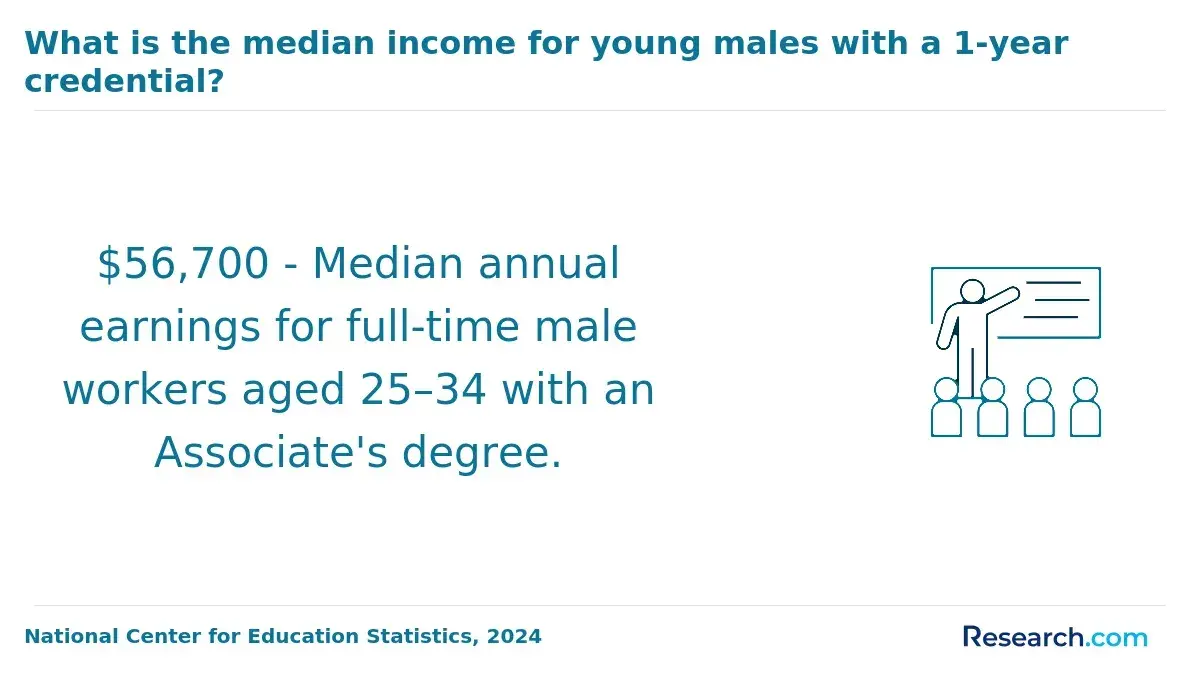
On average, those with master's degrees earn 15% to 30% more than certificate holders, a gap especially notable in research-driven sectors, biotech companies, and academia where advanced qualifications drive higher pay and autonomy.
- Salary Premium: Master's degree recipients often hold senior roles—such as project managers or lead researchers—which command larger compensation, while certificates usually target specialized technical positions with narrower salary ranges.
- Industry and Role Impact: Certain career paths, like clinical research coordination or bioinformatics technician, show salary levels for certificate holders close to those with master's credentials, particularly when the certificate focuses on in-demand skills.
- Return on Investment: Graduate certificates require less time and cost, offering a faster route to salary improvements compared to the extended commitment and tuition pressures of a master's degree.
- Long-Term Growth: Over time, master's degree holders tend to experience stronger salary growth and broader advancement opportunities, which can justify the additional upfront investment for careers aiming at leadership or research-intensive roles.
- Current Trends: As of 2024, employers in high-growth biotech markets increasingly favor advanced degrees, amplifying the financial benefits for master's graduates versus certificate holders.
Which Biological Sciences Career Paths Favor a Master's Degree Over a Graduate Certificate?
Certain career paths within biological sciences emphasize a master's degree over a graduate certificate due to the comprehensive knowledge and academic rigor the former provides. Employers and professional licensing boards often require or favor a master's credential for roles demanding advanced problem-solving, leadership, or research expertise.
- Leadership Roles: Positions such as laboratory supervisors, project managers, and program leads typically require a master's degree because they involve managing teams and complex scientific projects, necessitating broad expertise.
- Research-Intensive Positions: Academic, government, and private research jobs usually prefer candidates with a master's degree, as these roles demand strong theoretical foundations alongside practical skills in experimental design and data analysis.
- Licensed Professions: Various licenses and certifications-especially in biotechnology, environmental biology, or clinical laboratory sciences-mandate a master's degree to meet strict professional standards and regulatory requirements.
- Career Advancement: Many biological sciences career tracks use the master's degree as a formal prerequisite for promotions or specialization, making the full degree essential for upward mobility.
These positions value the master's degree because it fosters critical thinking and scientific rigor beyond the narrower, skill-focused scope of graduate certificates. Recent Bureau of Labor Statistics data projects an 8% growth rate for occupations requiring a master's degree in biological sciences through 2030, underscoring rising demand for highly qualified professionals.
Prospective students aiming for leadership, research, or licensure-dependent roles should align their educational choices with these expectations-factoring in the necessity of meeting employer and regulatory standards to ensure long-term career success in biological sciences.
Which Biological Sciences Career Paths Favor a Graduate Certificate Over a Master's Degree?
Certain careers in biological sciences favor a graduate certificate over a master's degree due to the specific skills required and the rapid pace at which professionals must adapt. Graduate certificates hold particular value in roles where employers emphasize demonstrated technical expertise or applied competencies rather than broad academic knowledge.
These roles often involve specialized laboratory techniques, regulatory affairs, bioinformatics tools, and field methods that demand current certifications more than extensive academic credentials.
Job market analyses show that positions within biotechnology firms, environmental consulting, and healthcare diagnostics commonly prioritize candidates with targeted certificates who can make immediate contributions to project-specific goals.
Hiring managers in these sectors frequently treat graduate certificates as equivalent to—or even more relevant than—a master's degree because such certificates signal recent, practical skill acquisition aligned with current industry needs.
This pattern is echoed in areas where a biological sciences graduate certificate's career advantages become evident, especially for professionals aiming for rapid, targeted skills upgrades.
Working professionals holding a bachelor's or master's degree in biological sciences or related fields can often maximize their investment by pursuing graduate certificates to fill niche competency gaps.
This approach enables a quicker, cost-effective upgrade without the substantial time commitment of a master's program, facilitating career advancement or lateral moves without full retraining.
- Specialized Skills: Certificates focus on narrowly defined skillsets tailored to fast-evolving techniques and methods valued in laboratory and fieldwork.
- Cost-Effective: Professionals save time and money by addressing specific skill gaps without pursuing another full degree.
- Industry Alignment: Employers in biotech, environmental science, and diagnostics sectors increasingly prefer demonstrable technical credentials to broader academic qualifications.
- Rapid Credentialing: Graduate certificates offer quick qualification for emerging roles within biological sciences facing skill shortages.
- Supplementing Experience: Experienced workers bolster resumes by proving competency in specialized areas without redundant coursework.
This route is especially relevant when professionals seek a faster transition compared to pursuing a full master's, cutting down both time and expense while remaining competitive. For those exploring how to advance with a biological sciences graduate certificate's career advantages, understanding these dynamics is essential.
Individuals considering a pivot or upgrade should also explore analogous analytical roles; for example, those interested in data-focused STEM fields might investigate pathways to becoming a sport analyst, which combines industry insights and specialized skills aligned with targeted credentialing strategies.
Is a Biological Sciences Graduate Certificate Stackable Toward a Master's Degree?
Graduate certificates in biological sciences often offer a path to stack coursework toward a related master's degree—though this depends entirely on individual university policies. Such stackable credentials enable students to apply previously earned graduate certificate credits toward a master's program, potentially shortening the duration and reducing the cost of obtaining the advanced degree.
This is especially relevant for those exploring biological sciences graduate certificate credit transfer options.
Key considerations for stacking certificates into master's degrees include:
- Institutional Policy: Whether coursework stacks depends on the specific rules of each university; no universal standard exists. Some accredited institutions explicitly allow this, while others do not.
- Program Alignment: Transferability usually requires the certificate and master's program to be in the same or highly related biological sciences disciplines to ensure academic continuity.
- Academic Standards: Students often must meet minimum grade thresholds—typically a B or higher—and credits may need to be recent, often within five years.
- Time Limits: Certificates sometimes must be completed within a certain window before applying to a master's to maintain relevance.
- Lower-Risk Entry: Pursuing a graduate certificate first offers a practical way to test graduate-level coursework and financial commitments before fully committing to a master's degree.
- Verification Needed: Because policies vary widely, prospective students should confirm stackability directly with the graduate admissions office of their chosen program.
For those seeking focused credentials in healthcare fields related to biological sciences, considering the best CAHIIM accredited HIM programs online can also provide valuable career pathways. Thorough research into stacking options and related programs helps build a clear path from certificate to master's degree with real academic and professional benefits.
How Do Employers in the Biological Sciences Field Perceive a Master's Degree Versus a Graduate Certificate?
Hiring managers and HR professionals in biological sciences weigh master's degrees and graduate certificates differently depending on industry and job requirements. Surveys from NACE, the Council of Graduate Schools, and LinkedIn reveal varied employer preferences.
- Industry: Regulated areas like pharmaceuticals, healthcare, and academia commonly view a master's degree as essential, while tech-focused and consulting fields often favor certificates that demonstrate up-to-date, targeted skills.
- Role Type: Leadership and research-heavy positions typically require a master's, whereas technical or project-oriented roles may place higher value on specialized certificates.
- Institution Reputation: Employers give significant weight to the issuing institution's prestige-certificates from top programs can sometimes surpass master's degrees from less-recognized schools.
- Application Review: Credentials are assessed based on how well they align with job demands; a strong certificate showing relevant expertise might be considered equal to a master's in some cases.
- Expectation Management: While master's degrees remain the recognized standard in many biological sciences contexts, strategically chosen certificates can speed skill acquisition and complement career development in niche areas.
Understanding these nuances can help candidates set realistic goals and select credentials that best fit their career trajectory within biological sciences-balancing cost, time investment, and employer recognition effectively.
Can a Biological Sciences Graduate Certificate Help Someone Transition Into the Field From a Different Background?
Graduate certificates in biological sciences offer a faster, more flexible alternative to traditional graduate study, making them especially appealing to career changers and working professionals.
While they emphasize practical skills and quicker entry into the field, they are often used as stepping stones toward more advanced degrees or roles that require deeper specialization.
Accessibility: Graduate certificates in biological sciences often feature more flexible admission standards—enabling professionals without a direct science background to enter these programs. This flexibility helps career changers build essential subject knowledge without the extended commitment of a master's degree.
Accelerated Pathways: Certificate programs are typically designed for completion within a year or less, providing a swift route to acquiring relevant skills. This fast-tracked approach suits those eager to pivot careers quickly and enter the workforce with measurable expertise.
Applied Curriculum: Emphasizing practical skills and real-world applications, these certificates help students develop tangible portfolios through internships, projects, or volunteer work. This hands-on experience is particularly valuable to employers assessing candidates new to biological sciences.
Stackable Credentials: Many certificates can serve as foundational steps toward a master's degree, offering learners a chance to gauge their interest and readiness in the field while spacing out academic and financial investment.
Limitations: While these credentials establish core competence, they generally lack the depth and recognition needed for advanced or leadership roles, which often demand a full master's credential and extensive training.
Career Strategy: Pairing a graduate certificate with demonstrable applied work—such as a portfolio or research experience—can significantly enhance job prospects. For career changers aiming to advance beyond entry-level roles, the certificate is best viewed as an initial credential rather than a final qualification.
What Graduates Say About Which Is Better: A Biological Sciences Master's Degree or a Biological Sciences Graduate Certificate
- Shane: "Choosing between the biological sciences master's degree and the graduate certificate really came down to time and employer recognition for me. The master's program requires a bigger time investment but carries more weight with employers-especially for research roles. I felt the salary boost after completing the master's justified the extra effort, even if it meant delaying my entry into the workforce."
- Emiliano: "I went for the graduate certificate primarily due to cost and admission requirements-getting in was easier and more affordable without sacrificing quality. The certificate served as a quick way to enhance my skills and credentials without committing to a full degree. While it may not open every door, it's been incredibly useful for career advancement in my current position."
- Samuel: "Reflecting on my experience, the master's in biological sciences offers broader career utility, but only if you have the time and resources to invest. For those looking to pivot careers fast or with funding constraints, the certificate is a smart alternative-significantly shorter time-to-completion while still getting noticed by employers. Ultimately, the salary impact depends on how you leverage each credential within your network and goals."
Other Things You Should Know About Biological Sciences Degrees
Online biological sciences master's programs typically offer a more comprehensive curriculum and greater depth of study compared to online graduate certificates. Employers and academic institutions generally recognize master's degrees as higher-level credentials due to their extended coursework and research components. However, graduate certificates-when provided by accredited institutions-are regarded as valuable for targeted skill enhancement and continuing education but usually carry less weight in terms of career advancement and salary increases.
Accreditation ensures that the educational program meets established standards of quality and rigor. Choosing either a biological sciences master's degree or graduate certificate from an accredited institution is crucial for employer recognition, eligibility for professional licenses, and potential for further academic study. Without proper accreditation, both options risk limited acceptance in the job market and could hinder graduate school admission prospects.
Choosing a master's degree typically enhances opportunities for pursuing Ph.D. programs due to its comprehensive curriculum, whereas a graduate certificate often serves as a supplementary credential and may not significantly influence acceptance into further academic degrees.
The biological sciences master's degree suits individuals seeking comprehensive training, research opportunities, and substantial career advancement, including positions in academia, research institutions, or specialized industry roles. Conversely, graduate certificates are ideal for working professionals or career changers who need to quickly acquire specific skills without committing to long-term study. Those aiming to enhance their credentials or pivot within the biological sciences field often find certificates a practical option.
References
- Biomedical Science vs Other Degrees Comparison https://pathologylabtraining.co.uk/biomedical-sciences/degree-comparison
- What Are The 35 Best Master’s Degrees In Biology - GradSchoolHub.com Rankings https://www.gradschoolhub.com/best/masters-degrees-in-biology/
- What Can You Do with a Master's in Biology? https://www.pointloma.edu/resources/education/what-can-you-do-masters-biology
- Average Cost of a Master's Degree: 2025 Analysis https://educationdata.org/average-cost-of-a-masters-degree