2027 RN to BSN Programs With Hybrid Requirements

Co-Founder and Chief Data Scientist
An RN juggling shifts while pursuing a bachelor's degree often confronts rigid scheduling that clashes with work and family commitments, risking delays or abandonment of degree goals. As of 2024, the National Center for Education Statistics reports a 38% rise in hybrid nursing program enrollments over the past two years, reflecting students' urgent demand for flexible formats that combine online coursework with limited in-person obligations.
This surge signals a shift in how education providers must balance accessibility with clinical competencies. The article breaks down hybrid RN to bsn programs, detailing their structures, requirements, and practical implications to guide working nurses toward informed program choices.
Key Things You Should Know
- Hybrid RN to BSN programs reduce clinical site access barriers but extend completion times by an average of 6 months, per 2024 NCES data, impacting workforce re-entry timing and potential wage growth delays.
- Employers increasingly require BSN credentials, with 65% of U.S. hospitals mandating them by 2025, so hybrid formats offering partial in-person clinical exposure align more closely with real-world competency demands.
- Cost premiums for hybrid RN to BSN programs average 15% higher than fully online options, creating a tradeoff between enhanced practical engagement and affordability constraints for working nurses.
What are RN to BSN programs with hybrid requirements and how do they work in practice?
Hybrid RN to BSN programs combine online learning with mandatory in-person components to meet employer expectations for both theoretical knowledge and practical clinical skills. In 43% of U.S. RN to BSN programs, students complete lectures and coursework remotely but must attend fixed days for labs, clinical simulations, or practicum work. This blend addresses the needs of working nurses but requires significant schedule coordination due to unpredictable shift patterns and geographic constraints.
For instance, a nurse working 12-hour hospital shifts might attend clinical skills sessions on weekends or evening blocks, balancing job demands with academic responsibilities. Nursing employers generally value graduates who demonstrate evidence-based practice and leadership skills fostered through diverse learning modes that hybrid formats facilitate.
The practical tradeoffs include negotiating time off for campus or clinical visits and managing deadlines aligned with onsite sessions. Programs sometimes partner with local healthcare facilities to ease travel burdens, yet students in rural areas face more commuting challenges. These realities emphasize the need for robust time management and job flexibility when choosing hybrid RN to BSN programs with hybrid course formats.
Students should also consider the fastest RN to BSN program online options if time constraints are acute, as purely online alternatives may reduce logistical friction but often limit hands-on practice and employer recognition in clinical decision-making roles.
How do hybrid RN to BSN programs compare to fully online and campus-based options?
Hybrid RN to BSN programs strike a pragmatic balance, offering more than just flexibility compared to fully online options by integrating essential in-person clinical skills labs and cohort seminars. This structure addresses employer demands for hands-on proficiency while retaining remote coursework conveniences.
Such hybrid formats mitigate the logistical challenges often faced by nurses balancing full work shifts and education, reducing the travel and time constraints typical of campus-based programs without sacrificing clinical rigor. However, successful navigation of these programs depends on rigorous time management to align on-campus requirements with variable work schedules.
For instance, an RN working nights in an urban hospital can complete theoretical coursework online during off-hours while attending scheduled weekend clinical sessions, maintaining steady income and workplace presence. This approach helps retain experienced nurses in the workforce and aligns with accreditation standards that fully online models may not comprehensively meet.
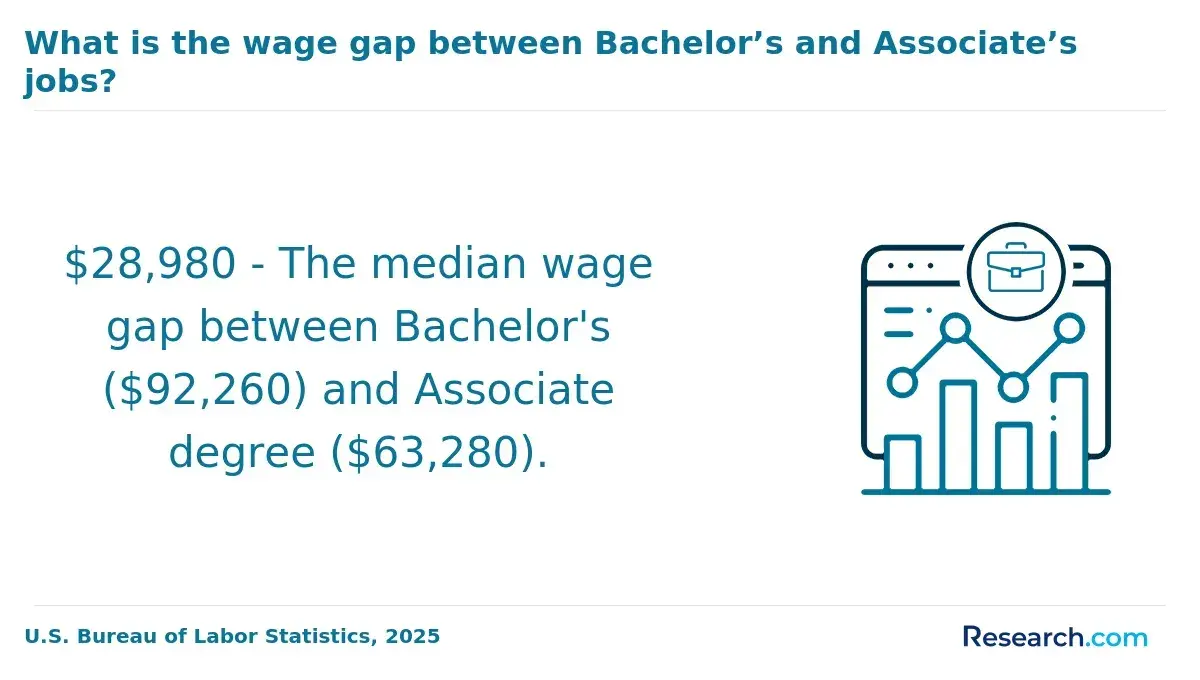
Employers increasingly recognize the wage premium-an estimated 10-12% median salary increase-for nurses holding a BSN compared to an associate degree. This differential intensifies competition and makes hybrid programs a strategic alternative for earning advanced credentials without the full commitment or potential skill gaps of purely online degrees.
The key tradeoffs in choosing hybrid RN to BSN programs vs fully online options center on balancing practical clinical exposure with flexible learning environments. Prospective students should consider their work schedules, ability to manage mixed modalities, and employer expectations when selecting the best pathway.
More detailed comparisons of program options, including accelerated pathways, can be found in accelerated nursing programs.
What admission requirements do nurses need to meet for hybrid RN to BSN programs?
Admission criteria for hybrid RN to BSN programs focus on practical readiness rather than purely academic metrics, with clear implications for managing work, study, and technology demands. Applicants must hold an unencumbered registered nurse license and typically show at least one year of clinical experience, alongside an associate degree or nursing diploma and transcripts confirming prerequisite coursework such as microbiology and anatomy.
Financial qualification increasingly shapes access, as evidenced by data showing 60% of one cohort avoided tuition through scholarships and aid, emphasizing the need for thorough financial planning. These requirements align with employer expectations for nurses who can juggle asynchronous online coursework and in-person clinical duties-a vital skill in contemporary healthcare environments.
For example, rural nurses face additional logistical hurdles ensuring clinical site access, while urban practitioners often negotiate complex scheduling conflicts. Missing prerequisites or underestimating financial obligations can delay progression, affecting career timing. Applicants seeking hybrid rn to bsn program admission criteria must also demonstrate technological competence, reliable internet access, and time-management capabilities critical to balancing hybrid formats.
Those evaluating options should note that some nursing schools that don t require TEAS or HESI exams may simplify entry but still expect compliance with core clinical and academic benchmarks. Addressing these nuanced challenges upfront reduces attrition and enhances employability post-degree. Programs' strategic use of financial aid to diversify enrollment speaks to broader workforce pipeline dynamics.
For a broader view on entry requirements and testing alternatives, explore nursing schools that don't require TEAS or HESI.
How do clinicals, labs, and on-campus components function in hybrid RN to BSN programs?
Balancing hybrid clinical and lab requirements in RN to BSN programs presents a distinct operational challenge, particularly for working nurses managing full-time employment alongside rigorous practical components. Clinical placements are strategically coordinated near a student's residence or workplace, reducing commuting barriers and allowing shift selection to fit personal and professional obligations.
This flexibility is critical, as on-campus attendance expectations for hybrid RN to BSN coursework typically involve concentrated lab sessions focused on skill proficiency and simulation training, often scheduled during evenings or weekends to accommodate employed students. These on-campus components, though limited, provide essential opportunities for interactive case studies and instructor feedback that cannot be replicated online.
Students must proactively engage with clinical advisors to align their rotations with work shifts, balancing the demands of hands-on learning while minimizing disruption. Programs increasingly incorporate digital pre-clinical modules to optimize time spent in person, a necessary adaptation given these constraints.
The workforce impact of these logistical tradeoffs is tangible: nurses with a BSN are 2.5 times more likely to secure formal leadership roles than those without. Thoughtful management of hybrid clinical and lab requirements is therefore not only about meeting academic standards but enhancing career trajectory.
For those exploring advanced credentials, understanding the interplay between program demands and employment realities aids decision-making. Resources like PMHNP programs offer comparative insight into specialized pathways beyond the RN to BSN degree.
What courses and learning outcomes can students expect in a hybrid RN to BSN curriculum?
Hybrid RN to BSN programs respond directly to employer demands by combining advanced clinical coursework with leadership, public health, and health informatics to prepare nurses for increasingly complex care environments. For nurses in high-intensity settings-such as urban hospitals managing acute cases-the integration of case studies on interdisciplinary communication and quality improvement sharpens decision-making essential to real-world workflows.
The programs typically mix asynchronous online modules covering foundational theory with synchronous or in-person clinical simulations, accommodating shift workers who require schedule flexibility without sacrificing hands-on requirements mandated by accrediting agencies. This balance aligns with workforce data showing that 71% of hospitals prefer BSN-prepared nurses, with 27% mandating the degree for new hires.
Key graduate competencies include using data analytics to inform patient care improvements and readiness for leadership or specialty roles that depend on BSN-level clinical reasoning. Students face tangible challenges managing practicum hours alongside professional duties and adapting to remote collaboration tools, factors that may extend completion times or demand enhanced time management skills.
Employers increasingly expect nurses to contribute to systemic quality initiatives, requiring both technical knowledge and operational agility that these hybrid programs aim to deliver. Decision-makers should weigh the practical tradeoffs between program flexibility and intensified clinical demands when considering this educational pathway.
How long do hybrid RN to BSN programs typically take and what schedules are offered?
RN to BSN programs range from 12 to 24 months depending on course load and prior credits, but faster completion, typically 12 to 18 months, aligns more closely with workforce demands for leadership and specialty roles requiring a BSN credential. Nurses balancing 12-hour shifts often opt for asynchronous courses paired with evening or weekend clinical labs, which accommodate work schedules but can extend program duration due to reduced weekly credits.
Typical scheduling tools include:
- Evening classes tailored for nurses working daytime shifts
- Weekend clinical or lab sessions minimizing disruption to employment
- Block scheduling condensing clinical hours into fewer weeks
The tradeoff between flexibility and timely completion impacts employability; prolonged programs beyond two years may delay access to roles increasingly contingent on BSN qualifications. Employers in hospitals with higher BSN nurse ratios report 10-12% lower surgical mortality and failure-to-rescue, emphasizing practical clinical impact linked to degree completion.
For RNs pursuing advancement, selecting a hybrid RN to BSN program that balances asynchronous coursework with manageable clinical scheduling is critical. Efficient completion accelerates entry to evolving leadership paths, whereas extended timelines risk misalignment with shifting employer expectations. This dynamic underlines the importance of evaluating program structure distinctly from mere academic offerings.
What do hybrid RN to BSN programs cost, and what financial aid or employer benefits are available?
Hybrid RN to BSN programs demand a nuanced financial and time commitment that varies widely by institution type, residency, and course load. Tuition ranges from $8,000 to $30,000 overall, with accelerated pathways-offered between 8 to 24 months-charging premiums for faster completion. Students paying per credit typically face $300 to $700 per credit, combining online coursework with mandatory clinical labs or occasional campus visits.
Employer tuition reimbursement remains the predominant financing method among working nurses. Hospitals frequently cover 50-100% of tuition contingent on continued employment and satisfactory performance, effectively reducing direct costs but often binding graduates to service obligations that restrict job mobility.
Cost-benefit analyses must consider lost wages if reducing hours and the timing of salary increases post-graduation. For instance, a nurse supported by employer reimbursement completing the degree in 12 months might recoup tuition through early salary adjustments within six months, whereas self-funded students pursuing part-time 18-24 month options may face greater financial strain.
Key practical factors include clarity on employer policies, state licensure rules linking BSN completion to pay or retention incentives, and budgeting for indirect expenses like technology and clinical travel. The hybrid model supports ongoing employment, but its variable timelines and financial structures demand careful planning.
How does accreditation and state licensure affect the quality and transferability of hybrid RN to BSN degrees?
Accreditation fundamentally dictates how hybrid RN to BSN degrees translate into licensure eligibility and workforce mobility. Graduates from programs accredited by recognized bodies like the Commission on Collegiate Nursing Education (CCNE) or the Accreditation Commission for Education in Nursing (ACEN) receive credentials aligned with standardized competencies, which employers value and state boards require for licensure.
Without this, nurses risk encountering delays or outright denial of reciprocity when relocating or seeking licensure in states with strict assessment policies. Transferability of credits and the ability to transition between clinical, administrative, or public health nursing roles depend heavily on accreditation. Regions with high healthcare demand especially prioritize candidates from accredited programs, directly influencing employment opportunities and salary potential.
Students should critically verify that the hybrid RN to BSN program they choose maintains regional accreditation and adheres to their target state's licensure rules. For example, Concordia University-St. Paul charges $420 per credit for its hybrid RN to BSN program, totaling $14,700 for 35 credits-an amount representative of mid-range pricing nationally.
Potential students must weigh this investment against the program's ability to deliver legitimate, transferrable credentials that ensure long-term professional flexibility. In practical workforce terms, accreditation not only legitimizes the degree but enables smooth career pivots and geographic mobility essential for sustained employability in evolving healthcare markets.
What career outcomes, roles, and advancement opportunities follow a hybrid RN to BSN program?
Hybrid RN to BSN programs strategically extend employability beyond bedside nursing into supervisory and specialized roles that increasingly require a BSN credential. For instance, hospital units often reserve nurse manager or clinical coordinator positions for BSN-prepared nurses, while public health agencies value BSN holders for grant management and population health initiatives.
The hybrid format accommodates working nurses by delivering most coursework online with minimal campus visits, enabling continued employment without interruption. This setup also benefits international students under F-1 visa regulations by maintaining compliance through limited in-person attendance, as seen in models like Minnesota State University Moorhead.
However, tradeoffs exist: reduced face-to-face mentoring can limit leadership skill development and networking opportunities vital for promotion. Candidates need deliberate efforts to obtain practical management experience or mentorship outside the hybrid setting. Employers note hybrid graduates typically bring current, evidence-based clinical knowledge, but may require additional on-site leadership exposure to meet managerial expectations.
Key operational considerations include balancing workforce demands with study, and recognizing that while a hybrid RN to BSN expands career pathways, it may necessitate supplementary real-world experience to fully unlock advanced roles.
How can nurses choose a reputable hybrid RN to BSN program that fits their goals and lifestyle?
Choosing a hybrid RN to BSN program requires a strategic evaluation of accreditation, program structure, and regional constraints rather than simple brand recognition. Accreditation by bodies like CCNE or ACEN serves as an essential baseline ensuring curriculum quality and employer recognition.
The practical realities of balancing work and study make asynchronous coursework with minimal campus presence critical for many nurses. For example, Capella University's anticipated 21-month timeline and $21,800 tuition illustrate the importance of transparent duration and cost metrics for financial and time management planning.
State authorization rules can impose enrollment restrictions or clinical placement challenges that directly affect a nurse's ability to complete the program if relocation or licensure portability is anticipated. Employers increasingly favor BSN-prepared nurses where leadership and specialized skills are needed, so students should prioritize programs offering coursework aligned with roles in evidence-based practice, community health, or healthcare informatics.
Nurses in rural or bandwidth-limited environments should seek programs optimized for low-data use to avoid disruptions in learning. Those targeting administrative or public health roles benefit from programs that include tailored electives or certificates.
- Weigh total cost against program length and workforce demand.
- Verify if program learning outcomes match anticipated employment roles.
- Account for state authorization constraints relative to licensure goals.
- Consider technology infrastructure relative to your geographic and work context.
Labor market and wage data confirming BSN wage premiums should guide investment decisions to minimize risks associated with extended study or hidden expenses, making a rigorous evaluation essential for nurses pivoting careers or pursuing advancement within healthcare systems.
Other Things You Should Know About RN to BSN Programs
Hybrid RN to BSN programs require balancing online coursework with scheduled on-campus activities, which adds complexity to time management for working nurses. These programs demand disciplined time allocation since clinical and lab components often require weekday attendance, limiting flexibility compared to fully online options. Nurses employed full-time should prioritize programs with predictable, weekend, or evening campus sessions to avoid conflicts with work shifts and reduce burnout risk.
In 2027, employers generally view hybrid and fully online RN to BSN degrees as equivalent in terms of credentials. Both formats provide essential education and skills, but some employers appreciate the adaptability demonstrated by nurses who complete hybrid programs, combining in-person and online coursework. Ultimately, the reputation of the institution and the candidate's professional experience often weigh more heavily in hiring decisions.
Hybrid RN to BSN programs often have on-campus requirements that may restrict enrollment to students within commuting distance or specific states due to clinical placement regulations. Nurses relocating between states or seeking cross-state licensure should verify that clinical sites and campus activities align with licensing board policies to avoid delays. Choosing a program with flexible location policies or multiple campus options is critical for those uncertain about their geographic stability during study.
Nurses targeting leadership or management positions should select hybrid RN to BSN programs that emphasize healthcare administration, evidence-based practice, and organizational leadership in their curriculum. Programs offering practicums or projects tied to quality improvement and policy implementation provide practical experience valued by employers. Prioritizing programs with connections to healthcare systems for networking and mentorship significantly improves career advancement prospects.
References
- Getting Your BSN: Between Online, On-Campus and Hybrid Programs, What Is the Right Option For You? https://nightingale.edu/blog/online-or-on-campus-bsn.html
- What Does It Take to Go from RN to BSN? https://www.chamberlain.edu/blog/what-does-it-take-to-go-from-an-rn-to-bsn
- RN to BSN Program Length | University of Bridgeport https://www.bridgeport.edu/news/rn-to-bsn-program-length/
- The Impact of Education on Nursing Practice https://www.aacnnursing.org/news-data/fact-sheets/impact-of-education-on-nursing-practice
- Hybrid RN to BSN Programs | NursingEducation https://nursingeducation.org/degrees/rn-to-bsn/hybrid/
- The 61 Fastest Online RN to BSN Programs of 2025 https://www.rntomsn.org/fastest-online-rn-to-bsn-programs/
- How an Online BSN Degree Program Works https://www.allnursingschools.com/bsn/online-or-on-campus/
- Bachelor of Science Degree in Nursing | Bachelor of Science in Nursing Program https://www.sumnercollege.edu/bachelor-of-science-in-nursing/
- Program Outcomes & Accreditation - RN to BSN - Midland University https://www.midlandu.edu/academics/college-of-health-professions/school-of-nursing/rn-to-bsn-program-option/program-outcomes-accreditation/
- RN to BSN: An Overview | Incredible Health https://www.incrediblehealth.com/blog/rn-to-bsn/