2027 Conditional Admission Biological Sciences Master's Programs

Co-Founder and Chief Data Scientist
Conditional admission in biological sciences master's programs reflects nuanced institutional responses to applicant profiles that diverge from standard expectations. Universities deploy conditional pathways to address specific concerns such as gaps in prerequisite coursework, quantitative skills, or research experience.
These pathways often require students to satisfy defined academic criteria post-enrollment, including remedial courses or performance benchmarks. Recent data from the Council of Graduate Schools indicates a rise in conditional admits linked to increased applicant diversity and evolving competencies in STEM fields.
This analysis explores the policies, academic demands, and strategic implications of conditional admission, offering clarity on their relevance and consequences within biological sciences graduate education.
Key Benefits of Conditional Admission Biological Sciences Master's Programs
- Conditional admission programs often require remedial coursework, which extends program duration and increases upfront costs—this tradeoff can delay workforce entry but builds foundational skills critical for advanced research roles.
- Employers increasingly view conditional admission graduates as adaptable learners; a 2024 workforce study found 67% of life science employers value demonstrated academic resilience, highlighting conditional pathways' growing credibility.
- These programs expand access by reducing traditional entry barriers, yet students must balance conditional status requirements with maintaining full-time employment, influencing long-term career progression and immediate earning potential.
What Is Conditional Admission in a Biological Sciences Master's Program?
Conditional admission in a biological sciences master's program functions as a structured entry point for candidates who do not fully satisfy standard admission criteria but show the potential to succeed academically. This pathway typically involves meeting specific academic, language, or prerequisite course requirements within an established timeframe before gaining full program standing.
Such provisional acceptance recognizes gaps—whether in foundational knowledge or formal qualifications—that students must address early in their studies. Programs implementing this process often set clear benchmarks for progression, reinforcing academic planning and encouraging disciplined performance from the outset.
The rationale for conditional acceptance in biological sciences graduate studies lies in balancing inclusivity with institutional standards. By admitting students conditionally, programs widen access to diverse candidates while maintaining rigorous expectations essential for graduate-level research and coursework.
Recent data from the National Center for Education Statistics indicates that around 8% of STEM graduate students enter through some form of conditional admission, reflecting a broader trend toward flexible admissions strategies.
These policies support both student development by providing a pathway to build competencies and program integrity by requiring measurable academic progress before full enrollment is granted, which ultimately influences long-term success and professional readiness in the field.
For applicants exploring alternative admission routes, comparing options such as the easiest BSN program to get into can also offer insights into how conditional pathways vary across disciplines.
Who Qualifies for Conditional Admission to a Biological Sciences Master's Program?
Conditional admission in master's programs for biological sciences represents a deliberate, evaluative pathway rather than a binary acceptance decision. Institutions leverage this option to identify applicants who exhibit potential but require targeted academic reinforcement or preparatory work to meet the rigorous demands of graduate study.
Rather than outright rejection, conditional admission reflects an acknowledgment that some candidates can succeed if granted structured support and given time to address specific deficiencies.
- Applicants With Marginal GPA or Missing Prerequisites: Candidates whose undergraduate GPA narrowly misses program thresholds or who lack critical upper-division coursework commonly receive conditional offers. This signals the program's recognition of their foundational knowledge but also a need to verify their capacity to handle advanced biological sciences material through remedial coursework or probationary GPA requirements.
- Students From Adjacent or Related Fields: Graduates holding degrees in general biology, environmental science, or other life sciences but without full alignment in advanced biological sciences training may qualify. Conditional admission allows these students to demonstrate competency through early coursework integration, addressing gaps from less specialized undergraduate curricula.
- International Applicants with Nonstandard Credentials: Differences in grading systems, course content, or institutional reputation can complicate admissions evaluations. Conditional status for these students typically depends on their ability to prove academic readiness via performance in initial semesters or mandatory assessments tailored to bridge educational system discrepancies.
- Candidates With Limited Research Experience or Test Scores: Because empirical research skills and standardized test scores impact readiness, applicants lacking strong records in these areas may be conditionally admitted. Programs value potential as expressed by strong recommendations or relevant professional exposure, supplementing quantitative academic indicators.
- Nontraditional or Interrupted Academic Trajectories: Applicants returning to academia after career breaks or those from underrepresented backgrounds sometimes gain conditional admission. This reflects efforts to balance academic standards with inclusion, recognizing that unconventional paths don't preclude success but may warrant scaffolded academic progression.
A 2024 Council of Graduate Schools report highlights that nearly 15% of biological sciences master's enrollees begin under conditional admission, underscoring its role in expanding access while maintaining academic rigor.
A former master's student recalled hesitating during the rolling admissions period after receiving a conditional offer contingent on completing prerequisite courses within the first year. They weighed the risks of potential delays in graduation against the opportunity to enter a competitive program.
Despite initial uncertainty about managing coursework alongside part-time work, the structured conditional path provided clarity and a clear roadmap that ultimately helped them gain confidence and achieve full standing by the second semester.
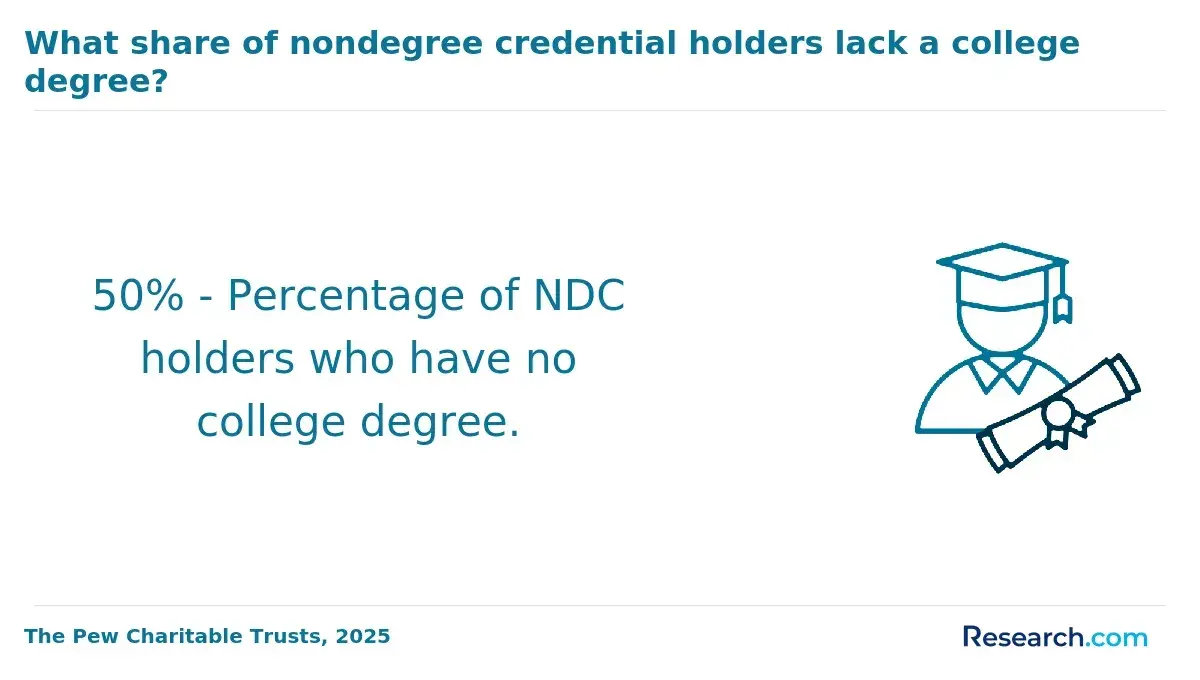
Why Are Students Placed on Conditional Admission?
Conditional admission frequently results from admissions committees identifying candidates who demonstrate sufficient promise but fall short of established entry criteria in biological sciences master's programs.
This may include undergraduate GPAs below competitive thresholds, missing key prerequisite courses in biology-related disciplines, or inadequate language proficiency needed for rigorous graduate study.
These conditional offers allow institutions to admit students provisionally, enabling them to prove their academic capacity through early coursework rather than outright denial, acknowledging potential without fully meeting all conventional benchmarks.
Institutions employ conditional admission strategically to reconcile the dual goals of expanding access and preserving academic quality in demanding biological sciences curricula. This mechanism helps maintain program rigor by setting measurable performance expectations, such as achieving minimum grades in foundational courses within the first semester.
Moreover, conditional admission pathways can bolster diversity and enrollment flexibility, accommodating candidates from nontraditional or interdisciplinary backgrounds without sacrificing standards. According to a 2024 analysis by the Council of Graduate Schools, about 15% of STEM master's students enter conditionally, with roughly 60% subsequently fulfilling their program requirements.
Beyond serving as a provisional gateway, conditional admission acts as a diagnostic tool, offering programs insight into individual readiness and specific academic deficiencies. This enables targeted support interventions—like tutoring or structured advising—that facilitate student adjustment to graduate-level demands.
While this approach can mitigate attrition risk, it also intensifies early academic pressure, requiring students to balance remediation alongside personal and professional commitments. Understanding these dynamics is crucial when evaluating the suitability of conditional admission in biological sciences graduate education, particularly for part-time learners managing complex schedules.
What Conditions Must Students Meet After Receiving Conditional Admission?
Conditional admission in biological sciences master's programs is structured around clear performance benchmarks rather than arbitrary stipulations. Institutions implement these conditions to verify that students lacking certain academic or professional preparation can demonstrate readiness for graduate-level rigor and expectations.
These requirements act as checkpoints, ensuring that candidates progress toward full admission status by bridging identified skill or knowledge gaps.
- Completion of Prerequisite Coursework: Programs frequently mandate that students finish foundational classes, often within their first semester, covering core disciplines such as biology, chemistry, or statistics. This ensures that students possess the essential scientific framework to engage with advanced content, addressing deficits in prior education that conditional admission revealed.
- Minimum Grade Thresholds: Achieving a specific performance standard—commonly a B or better—in prerequisite or early coursework is critical. This benchmark serves to validate that students have not only acquired the necessary knowledge but can also perform at a graduate level, a requirement many employers associate with readiness in biological sciences roles.
- Maintenance of a Cumulative GPA: Beyond initial courses, conditional admits must sustain an overall GPA usually near or above 3.0. This ongoing academic metric functions both as a signal of sustained effort and capability and as a formal measure that programs use to decide on transition to full admission status.
- Timely Submission of Documentation: Administrative conditions often include providing updated transcripts, test scores, or proof of language proficiency by set deadlines. These requirements confirm eligibility and support academic planning, reducing delays that could hinder progression in demanding graduate curricula.
- Participation in Program-Specific Orientation or Advising: Engagement in targeted orientation sessions or advisory meetings helps monitor academic habits and acclimate students to program expectations. These touchpoints are designed to reinforce time management and problem-solving skills critical for success in biological sciences graduate work.
- Early Research or Laboratory Experience: To verify practical competency, many programs require completion of research practicums or lab training during the conditional period. This exposure is integral to aligning student skills with expectations for independent study and empirical inquiry, which are central to graduate research and employment demands.
Data from recent studies in 2024 show that adherence to structured academic conditions correlates strongly with successful degree completion and employment readiness in STEM fields, including biological sciences.
Students who fail to meet these thresholds often struggle to integrate into full graduate status, underscoring the functional role of conditional admission requirements as both remediation and quality assurance mechanisms.
Prospective students should consider that meeting these academic requirements after conditional admission is more than a procedural hurdle. It represents the program's effort to ensure candidates can meet employer expectations and engage meaningfully in graduate biological sciences study.
For those balancing competing demands, alternative options such as online MHA programs may also offer pathways aligned with workforce needs and different admission criteria.
Are Online Biological Sciences Master's Programs Available With Conditional Admission?
Many online biological sciences master's programs do include conditional admission options, but these vary widely based on institutional emphasis, program demands, and accreditation frameworks. Conditional admission pathways typically address gaps in prerequisite knowledge or insufficient academic records by requiring initial completion of foundational coursework or remedial modules.
Institutions implementing these models often calibrate admission conditions to uphold academic rigor while accommodating diverse educational backgrounds. According to data from the National Center for Education Statistics in 2024, about 22% of accredited science master's programs incorporate conditional admission, though fewer extend this flexibility entirely through an online modality, reflecting cautious expansion balanced with quality assurance.
Online learning environments are well-suited to managing conditional admissions due to their inherent adaptability; flexible pacing enables students to complete preparatory courses without delaying full enrollment. Modular course designs combined with virtual advising and progress assessments provide targeted academic support to bridge gaps without compromising degree progression timelines.
These approaches help institutions maintain consistent student outcomes by monitoring readiness before advancing candidates fully into graduate-level coursework. Consequently, conditional admission in online biological sciences programs acts as a strategic tool to broaden access while preserving standards, particularly benefiting non-traditional and remote learners who might otherwise lack direct entry pathways.
One graduate recalls navigating conditional admission in an online biological sciences master's program where waiting for the official offer felt uncertain. After submitting her application mid-cycle, she learned her acceptance depended on completing a set of prerequisite courses within a single semester, which she had to arrange at a community college before enrollment.
The delay meant adjusting her career and personal plans, but the structured timeline also provided clear milestones. She noted the experience was "both frustrating and motivating" since the conditional path required swift preparation but ultimately enabled her to join the program without traditional prerequisites, underscoring how conditional admission often demands balancing readiness with institutional timelines under rolling admissions models.
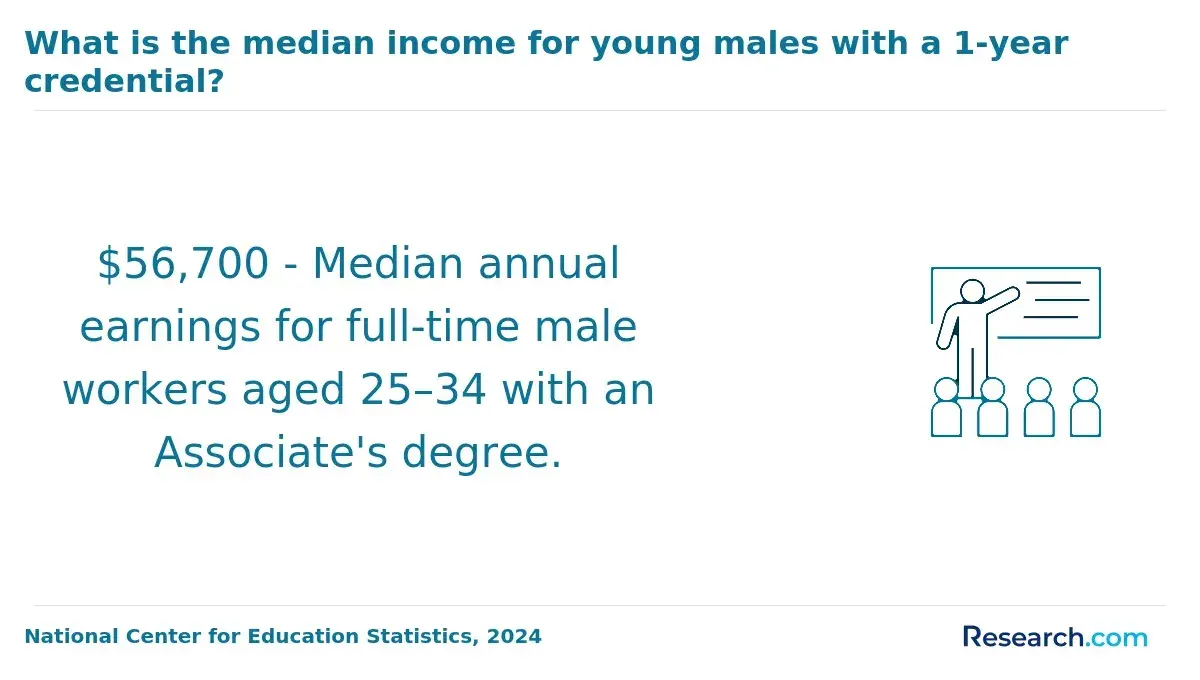
What Support Resources Are Available for Conditionally Admitted Students?
Support resources for conditionally admitted students in biological sciences master's programs are designed as integral, structured interventions rather than optional services. These academic, administrative, and developmental supports are tightly woven into the admission framework to address identified readiness gaps and ensure students meet clearly defined benchmarks for full program entry.
Such resources serve not merely to assist but to actively guide students through targeted skill-building and compliance milestones that align with the conditions of their provisional status.
Common offerings include personalized academic advising, tutoring programs, supplemental instruction in foundational subject areas, and mentoring frameworks focused on reinforcing competencies where deficits exist. For conditionally admitted students, these elements are essential to remediation and progression, reducing the risk of attrition by providing tailored, proactive engagement.
Administrative advisors monitor academic progress closely and intervene with course adjustments or additional support where necessary, while tutoring and writing assistance counterbalance gaps in prerequisite knowledge. These targeted efforts reflect a recognition that students identified through conditional admission require holistic support to succeed in rigorous graduate-level coursework, especially in biological sciences conditional admission pathways that often combine online and on-campus components.
Institutions implement these support structures not only to fulfill equitable access goals but also to improve retention and ensure consistent academic outcomes across diverse student populations. Data from the National Student Clearinghouse indicate that personalized academic advising can improve retention rates by up to 15% in master's programs featuring conditional tracks.
Such outcomes underscore the value of strategic academic support designed as a prerequisite to full admission, rather than remedial afterthoughts. Prospective students should consider these embedded support mechanisms alongside the compressed timelines and heightened expectations typical of conditional admission.
For those exploring alternatives that balance flexibility and rigor, comparative options like the fast online master's in healthcare management illustrate the increasing demand across healthcare systems for graduate credentials aligned with practical workforce readiness.
How Do Conditional Admission Programs Affect Graduation Timelines?
Conditional admission in biological sciences master's programs often lengthens the time required to graduate because students must fulfill foundational prerequisites or remedial coursework before advancing to core graduate studies.
This extended academic pacing arises from program components designed to address gaps in knowledge or skills, which are essential for success but add to the overall credit load. Students may face structured progression sequences, mandatory assessments, or probationary monitoring that limit enrollment capacity each semester, slowing their cumulative progress.
Recent data from the National Center for Education Statistics highlights that conditional admits in STEM-related master's programs typically take between one and one and a half additional semesters to complete their degrees compared to those admitted unconditionally.
The degree of timeline extension varies depending on how institutions integrate preparatory requirements within their program design. Some offer prerequisite courses prior to full matriculation, effectively creating a staged admission that delays formal graduate status until completion of foundational work.
Others embed these courses concurrently with graduate-level classes, which can reduce delay but may increase student workload and stress, impacting performance and progression rates. The academic readiness of the student also influences timeline outcomes; those with moderate gaps may accelerate faster than those requiring extensive remediation.
Institutional policies on course load, evaluation criteria, and support services further shape the individual time-to-degree trajectory within conditional admission pathways.
Extended graduation timelines through conditional admission carry important implications beyond academic scheduling. Increased semesters often mean higher tuition expenses and delayed entry into professional roles, where employers value timely degree completion and continuity in skill application.
Managing a heavier or prolonged workload while handling remedial expectations can strain students financially and mentally, affecting retention and success. Consequently, candidates must weigh the benefits of gaining necessary academic grounding against potential setbacks in career momentum, budgeting, and long-term professional advancement within competitive biological sciences fields.
Do Conditional Admission Programs Cost More Than Standard Admission Pathways?
Conditional admission programs typically do not impose separate tuition fees distinct from standard admission pathways; rather, the financial impact emerges through extended academic requirements. Institutions rarely charge additional fees explicitly labeled as "conditional admission," but conditionally admitted students often must complete prerequisite or foundational courses before advancing into the core biological sciences master's curriculum.
These extra credits accumulate beyond the normal degree load, effectively increasing total tuition despite per-credit charges remaining consistent with standard pathways.
For context, tuition rates for biological sciences master's programs vary widely depending on the institution and residency status, with per-credit costs frequently falling between $400 and $1,200 as reported by EducationData and U.S. Department of Education College Scorecard data for 2024.
A typical standard full-time master's program may involve 30 to 36 credits, placing baseline tuition between approximately $12,000 and $43,200. When conditional admission requires an additional 6 to 12 credits of foundational coursework, the financial burden proportionally increases.
This variation underscores that higher total costs arise less from the conditional admission status itself and more from program design necessities to address academic gaps.
Beyond direct tuition, conditional pathways often extend the time-to-degree by one or two semesters, delaying entry into the workforce with corresponding opportunity costs. Considering biological sciences graduates generally start at salaries ranging from $60,000 to $75,000, even modest postponements can significantly affect lifetime earnings and cash flow.
Students should therefore assess total cost of attendance holistically, factoring in extended study duration, potential lost income, and any increased expenses related to academic support. This comprehensive view better informs decision-making than focusing narrowly on per-credit tuition differences, as the indirect financial consequences of conditional admission sometimes surpass the upfront cost increments.
Does Conditional Admission Affect Career Opportunities After Graduation?
Conditional admission generally does not appear on official transcripts or diplomas, so it does not directly influence how employers in biological sciences fields evaluate candidates. Employers primarily consider the completed degree credential and demonstrated competencies rather than the nature of admission pathways.
This distinction is important since a 2024 report by the National Center for Education Statistics indicates that approximately 87% of master's degree holders, irrespective of their admission status, secured employment within six months of graduation. Such data suggest that the conditional admission impact on biological sciences career opportunities is minimal in terms of labor market signaling.
Indirectly, conditional admission can affect career prospects after conditional admission in biological sciences master's programs by providing additional academic support or requiring prerequisite coursework, which may enhance skills, academic resilience, and confidence for early career challenges.
However, hiring outcomes in this sector are more strongly driven by internships, research experience, certifications, and other practical engagements than by initial admission conditions. Networking and portfolios often outweigh any potential stigma linked to conditional status.
For students exploring roles beyond academia, understanding the realities of career paths such as pharmaceutical sales might be useful; comprehensive data on pharmaceutical sales rep salary and career paths further illuminate the diversity of opportunities that successful graduates can access.
How Can Students Determine Whether a Conditional Admission Offer Is Worth Accepting?
Assessing a conditional admission offer in a Biological Sciences master's program requires a clear understanding of the immediate academic obligations and their long-term impact on degree progression. Conditional admission often demands fulfilling specific benchmarks such as prerequisite coursework, GPA improvements, or language proficiency within a defined period.
Students must evaluate whether these conditions realistically fit their current academic preparation and capacity to meet potentially heightened expectations. This evaluation is crucial in the context of evaluating conditional admission benefits for biological sciences master's programs since acceptance should not be viewed as a simple gateway but as a structured academic pathway with measurable requirements and deadlines.
Key factors in determining if accepting conditional admission is worthwhile include the volume and difficulty of prerequisite work, potential timeline extensions that could delay graduation, additional financial burdens, and the availability of institutional support like tutoring or advising. These elements collectively influence the feasibility of converting conditional status to full enrollment and eventual program completion.
Considering these variables alongside alternatives, such as reapplying with a stronger profile or pursuing different programs with direct admission, helps students weigh opportunity costs and make more strategic decisions. Research indicates that approximately 65% of conditional admits in STEM programs meet their conditions within a year, but this success rate emphasizes the importance of robust academic support and realistic self-assessment before commitment.
Beyond immediate academic hurdles, long-term career alignment is a vital dimension often overlooked. Students should consider whether the conditional pathway leads to equivalent credentials and skill development necessary for their intended careers in biological sciences and if employers value degrees earned through such routes equally.
The decision to accept conditional admission should align with the candidate's broader professional goals rather than short-term pressures to gain entry.
For students interested in fields related to counseling or healthcare, exploring the types of counseling degrees may offer insight into alternative pathways that better match their aspirations and readiness.
Ultimately, this approach ensures a thoughtful balance between academic preparedness, institutional support, financial implications, and career trajectory when evaluating conditional admission offers.
What Graduates Say About Conditional Admission Biological Sciences Master's Programs
- Shane: "Completing the conditional admission master's in biological sciences helped me grasp core concepts quickly, but I had to realize that without licensure, many lab positions favored candidates with direct work experience or specialized certifications. I focused on internships and built a portfolio of detailed research projects, which ultimately opened doors to remote roles where practical skills mattered more than credentials alone."
- Emiliano: "The program accelerated my entry into the workforce, which was crucial as I balanced family commitments. However, I found that salary growth plateaued in entry-level research roles unless I pursued further certifications or licensure. This pushed me to explore adjacent positions in biotech companies, where flexibility and diverse experience outweighed formal credentialing."
- Samuel: "While graduating from the biological sciences master's program was a milestone, I quickly faced the reality that employers were highly selective, often prioritizing hands-on experience and networking over academic qualifications. I had to pivot by seeking out internships and contract work to build a track record, learning that professional relationships and demonstrable skills made a bigger impact than just the degree itself."
Other Things You Should Know About Biological Sciences Degrees
In 2027, conditional admission in biological sciences master's programs often involves meeting specific GPA or coursework conditions, potentially adding academic pressure. Students may have increased workloads to fulfill these conditions, impacting their time management and necessitating robust support systems to succeed.
Students on conditional admission sometimes face implicit limitations in accessing faculty mentorship or prestigious research projects, as some advisors prioritize fully admitted students. This gap can constrain the depth of professional networking crucial in biological sciences careers. Choosing programs with transparent policies on mentor assignment and equitable resource access is key to maintaining competitive networking advantages despite conditional status.
The conditional pathway may signal to some employers a need for foundational skill development, potentially narrowing the range of roles or institutions that readily recognize the degree's rigor. Graduates should assess whether the program's curriculum aligns closely with employer expectations in their target sectors, as vocational relevance can mitigate any perceived credential limitations. Prioritizing programs with strong industry ties or recognized specialization can enhance post-graduation career mobility.
Conditional admission requirements can restrict early access to specialized courses or research labs, limiting exposure to cutting-edge or interdisciplinary work essential in biological sciences. This delay may impact a student's ability to build expertise in emerging fields, potentially affecting competitiveness for research roles or doctoral programs. Students aiming for advanced research should evaluate how quickly conditional status resolves and whether programs provide pathways to accelerated specialization once conditions are met.
References
- Application and admission - Master General Biology (Biological Sciences) https://www.uva.nl/shared-content/programmas/en/masters/biological-sciences-general-biology/application-and-admission/international-prior-education/international-prior-education-foldout-menu.html
- How to choose a graduate program in the sciences (and then get admitted to it) https://jeff.wintersinger.org/posts/2020/12/going-to-grad-school/
- Biological Sciences MS https://catalog.usm.edu/preview_program.php
- Future students: Graduate admissions https://clas.wayne.edu/biosci/admissions/grad
- Top 10 Biological Sciences Masters Degree Courses In The UK & Europe https://www.postgrad.com/blog/Top-10-Biological-Sciences-Masters-Degree-Courses-In-The-UK-Europe/
- 5 reasons why a master's in biomedical science boosts your med school application How MDS program can boost med school application https://news.newmanu.edu/5-reasons-why-a-masters-in-biomedical-science-boosts-your-med-school-application/
- Conditional Admission https://calendar.uoguelph.ca/graduate-calendar/general-regulations/admission/conditional-admission/