2027 Best RN to BSN Paths for Hospital Nurses Seeking Non-Bedside Options

Co-Founder and Chief Data Scientist
Nurses seeking to transition from bedside roles into hospital-based administrative, informatics, or community health positions often confront rigid RN to BSN program structures that clash with shift patterns and family obligations. With the National Center for Education Statistics reporting a 32% rise in part-time enrollment among adult learners since 2023, the demand for flexible, asynchronous curricula intensifies as careers and education increasingly intertwine.
This rise signals a shift toward balancing practical workforce engagement with academic progression, forcing candidates to scrutinize program delivery and support closely. This article identifies the most accessible and strategically advantageous RN to BSN paths tailored for hospital nurses pursuing non-bedside roles and aiming to optimize timing, flexibility, and career impact.
Key Things You Should Know
- Programs emphasizing accelerated online curricula reduce time-to-degree by 25% on average, but impose higher upfront tuition-limiting options for hospital nurses constrained by immediate unpaid leave, based on 2024 NCES tuition and time-to-completion data.
- Employer demand in non-bedside roles now favors BSN graduates with informatics or leadership certificates, with 62% of hospital HR departments prioritizing hybrid credentials per a 2024 ANA workforce survey, reshaping hiring criteria beyond degree alone.
- Access disparities persist: rural nurses face 18% fewer accredited non-bedside RN to BSN Programs locally, skewing toward costlier online-only models, exacerbating inequities in workforce advancement, according to 2024 HRSA workforce mapping.
What are the best RN to BSN program options for hospital nurses seeking non-bedside roles?
Hospital nurses aiming to shift from bedside to administrative or specialized non-bedside positions face immediate tradeoffs when selecting RN to BSN programs. Realistically, programs emphasizing flexibility, clinical leadership, and employer-recognized credentials materially affect the speed and success of such pivots. The best RN to BSN programs for hospital nurses seeking non-bedside roles integrate asynchronous online coursework to accommodate irregular shifts and mitigate burnout, a factor reported by 42% of hospital RNs alongside a high intention to leave their jobs within a year.
Prioritizing public universities with established healthcare partnerships can accelerate employability by providing practicum placements that align with roles in case management, informatics, or administration-opportunities limited in traditional on-campus completion tracks with longer durations and less tailored clinical experience. These top RN to BSN program options for nurses transitioning from bedside to administrative roles also focus on competencies in healthcare policy, quality improvement, and data analysis, preparing graduates for leadership and IT positions that are becoming critical to hospitals reducing turnover and improving outcomes.
Practically, candidates must weigh time-to-completion, transfer credit policies, and program accreditation by bodies like CCNE or ACEN. Hospital-employed nurses should investigate direct partnerships that may facilitate tuition support and job mobility. For those evaluating pathways, considering the easiest RN to BSN online program options with these practical factors in mind can significantly influence career transitions.
How can an RN to BSN degree help bedside nurses transition into non-clinical nursing careers?
Bedside nurses seeking to transition into non-clinical nursing roles face clear labor market gatekeeping: 72% of nurse educator positions and 69% of nurse informatics roles require a BSN or higher, according to data from the Burning Glass Institute. This credential barrier means those without an RN to BSN degree cannot access expanding roles in education, informatics, or administration that demand skills beyond bedside care.
An RN without a BSN lacks authorization to manage responsibilities such as developing curricula or handling electronic health records, limiting movement into hospital administrative or community health jobs. For hospital nurses moving into administrative nursing careers, completing an RN to BSN provides critical competencies in leadership, research, and informatics that are foundational for such roles. However, these programs require balancing program length, tuition costs, and work commitments, making options like accredited online or part-time RN to BSN programs a practical choice to avoid income disruption.
Employers consistently favor candidates with BSN credentials, seeing them as equipped to influence healthcare operations beyond direct patient care. Those who successfully complete an RN to BSN gain access to positions focused on healthcare delivery systems, including quality improvement and case management. Nurses evaluating this pathway should also consider hybrid ABSN programs that offer flexible models tailored to working professionals' schedules, as outlined in hybrid ABSN programs.
What admission requirements do experienced hospital RNs need to meet for RN to BSN programs?
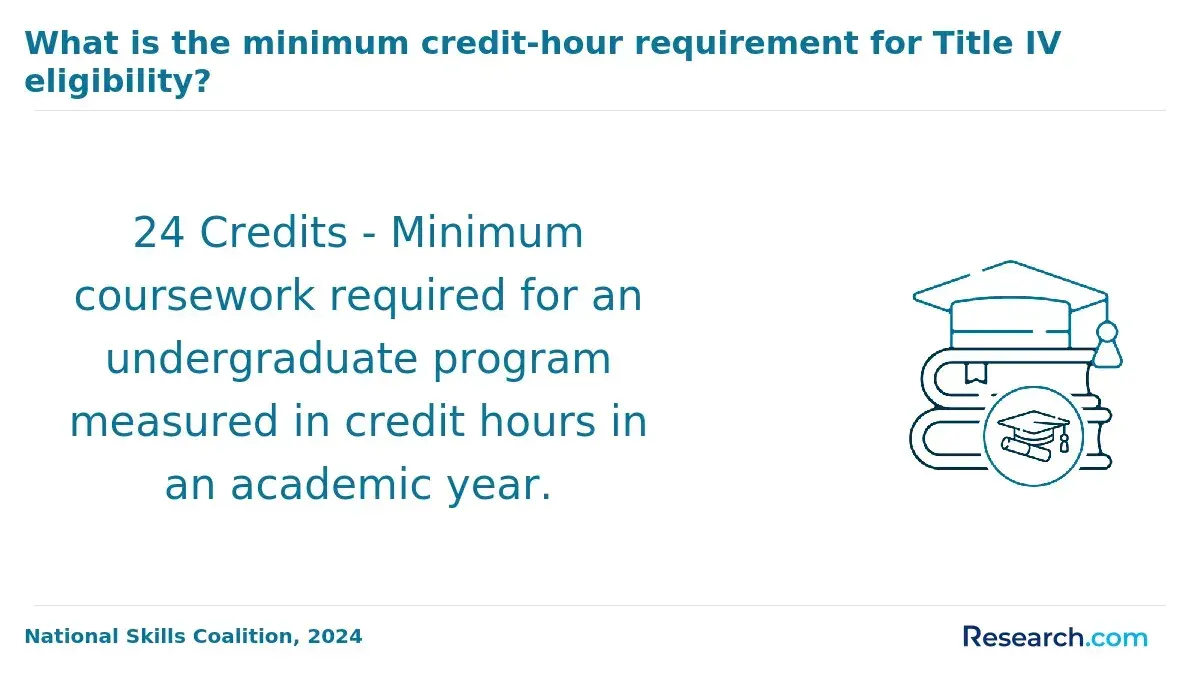
Hospital RNs pursuing advancement through RN to BSN programs face specific admission requirements reflecting employer and academic expectations. These typically include holding an active, unencumbered RN license and providing evidence of an accredited associate degree or diploma. Transfer credits and clinical experience criteria for RN to BSN applicants commonly mandate a minimum GPA, usually between 2.5 and 3.0, alongside official transcripts verifying coursework in anatomy, physiology, microbiology, and statistics. Employers weigh this foundation heavily when valuing candidates for complex nursing roles.
Clinical experience remains a critical filter: many programs require at least one year of inpatient care to gauge readiness for upper-division nursing content. Additional documents such as detailed resumes and occasional letters of recommendation emphasize professional competence and communication skills. While some institutions still demand standardized test scores like TEAS or HESI, these are less frequent for experienced nurses. Applicants shifting focus from bedside care to roles in leadership, education, or case management should evaluate programs offering tailored tracks, which may call for extra prerequisites in psychology or health policy.
Given the wage contrast-median RN earnings at $93,130 versus $80,800 for nurse educators-obtaining a BSN unlocks access to such specialized fields despite the initial practical challenges. Selecting programs with flexible delivery modes, including online or hybrid formats, is often essential for working nurses balancing shifts and family obligations. Early, strategic documentation and targeted program choices improve admission outcomes. For practical guidance on entry points, consult easiest nursing schools to get into.
How do online RN to BSN programs compare with campus-based options for working nurses?
The flexibility offered by online RN to BSN programs often outweighs the tighter structure of campus-based RN to BSN options, particularly for hospital nurses managing unpredictable shifts and family obligations. Asynchronous course formats enable these nurses to progress at their own pace without sacrificing work hours. Campus-based programs typically demand fixed class attendance, which can conflict with demanding hospital schedules and reduce practical accessibility.
Cost differences further shape this choice; online pathways can cost under $10,000 to about $22,000 according to 2026 data from NurseJournal and Nurse.org, with several public institutions providing options below $10,000, which eases financial burdens compared to campus programs that may add commuting and parking expenses.
Employers increasingly recognize equivalent value in accredited online RN to BSN degrees if clinical hours are completed locally. This parity matters for hospital nurses targeting non-bedside, administrative, or specialty roles. However, such learners must compensate for less direct faculty contact and peer networking common in campus settings by cultivating strong self-discipline and time management.
Key tradeoffs include:
- Online programs deliver measurable ROI through affordability and scheduling aligned with irregular shifts.
- Campus programs offer enhanced hands-on clinical simulations and direct faculty access beneficial for clinical skills refreshment.
- Networking and mentorship opportunities are generally more immediate on campus.
Hospital nurses evaluating pathways should consider how these factors align with their career goals. Those seeking efficient, flexible advancement may explore options such as the shortest post master's FNP program online to further specialize post-BSN.
Such realistic assessments of online RN to BSN programs' benefits for working hospital nurses versus campus-based RN to BSN options, flexibility, and outcomes comparison are crucial in making strategic educational decisions with long-term workforce impact.
Which accreditations and state approvals should RN to BSN students verify before enrolling?
Selecting an RN to BSN program without rigorous accreditation and state board approval can severely limit a nurse's professional mobility and licensure validity. For instance, nurses licensed in one state face delays or barriers if their program lacks approval from their resident state's board, even when accredited by nationally recognized bodies like the CCNE or ACEN. A California nurse enrolled in a Texas-only approved program may struggle to maintain bedside employment or advance within California's healthcare systems.
Accreditation from CCNE or ACEN matters beyond prestige-it signals compliance with curriculum and clinical standards essential for employer trust and reduces risks of costly reeducation. Employers typically prioritize degrees with these accreditations, as they minimize gaps in clinical competency and ensure alignment with workforce expectations.
State board approval creates a critical local regulatory alignment, especially for online RN to BSN programs, where the student's state, not just the institution's state, is the approval locus. Lack of local approval can complicate licensure renewals or future licensing exams due to misaligned coursework or hours.
Fast-track options promising completion in 12 months or less require careful scrutiny. Accelerated duration may not offset risks if credentialing issues arise from insufficient state board alignment or accreditation gaps.
- Confirm dual accreditation by CCNE or ACEN
- Verify explicit approval from your state board of nursing
- Assess online programs for approval in your residence state
- Weigh speed against credentialing and licensure risk
What does the typical RN to BSN curriculum include for nurses pursuing non-bedside roles?
The design of most RN to BSN programs targeting nurses moving away from bedside care emphasizes expanding leadership, research, and community health competencies rather than deep clinical specialization. This reflects employer demand for nurses who can navigate healthcare systems, contribute to quality improvement projects, and assume roles in administration, case management, or public health agencies.
For example, nurse educators face a persistent faculty shortage-with vacancies above 8% between 2019 and 2024-primarily seeking BSN-prepared candidates. Programs accommodate this by incorporating educational theory and curriculum development, essential for transitioning bedside nurses into academic roles. However, while the curriculum covers vital areas like health policy, informatics, and population health, the scope for specialization in roles such as nurse informaticist or policy analyst often remains limited without graduate-level study.
Coursework combining theoretical and applied elements frequently requires a practicum or capstone, offering practical experience in project design or population health assessment. Candidates must therefore closely evaluate elective offerings and program flexibility, since rapid role transitions depend on alignment between curriculum content and employer expectations.
- Core coursework includes leadership, health informatics, evidence-based practice, and healthcare management.
- Practical experiences prepare nurses for systemic roles rather than direct patient care.
- Tradeoffs exist: broader RN to BSN curricula can restrict immediate qualification for certain niche non-bedside specialties.
How long do RN to BSN programs usually take to complete and what schedules fit full-time nurses?
RN to BSN programs demand balancing accelerated academic progress with the unpredictable schedules of clinical work, which directly affects completion time. While many students can finish within 12 to 24 months, those with prior credits or targeted competency assessments may compress this to around one year. This flexibility is critical given typical 36- to 40-hour nursing shifts and the need for asynchronous coursework that avoids rigid class schedules.
Part-time pathways extend duration but reduce weekly demands to roughly 6-9 hours, accommodating nurses juggling family and recovery time between shifts. The growing emphasis on care coordination and case management-fields forecasted to grow 28% through 2032 by the U.S. Bureau of Labor Statistics-makes efficient degree completion vital. Credentials increasingly serve as a baseline for these roles, amplifying pressures to avoid burnout while advancing academically.
Key program features to evaluate include:
- Fully online, asynchronous course formats preventing schedule conflicts.
- Advising sensitive to the realities of clinical workloads and shift variability.
- Credit for prior nursing experience or competency exams to shorten time-to-degree.
- Employer tuition assistance tied to progressive benchmarks to encourage steady momentum.
Consider a nurse on 12-hour night shifts three times weekly who chooses part-time enrollment with week-long module access and sequential courses. This approach balances demanding work cycles with manageable academic loads, mitigating burnout risk and aligning with institutional preferences for BSN-prepared leadership in evolving healthcare roles.
What are the tuition costs, financial aid options, and employer benefits for RN to BSN students?
RN to BSN program costs range notably from $5,000 to $25,000, largely influenced by whether the institution is public or private and if it offers online or in-person formats. A higher tuition price does not necessarily translate to better return on investment; longer program durations may increase hidden costs such as lost wages. Early FAFSA application and exploring both state and institutional financial aid streams are essential due to limited or expiring funds. Specialized scholarships for nurses shifting away from bedside roles can reduce expenses by up to 40%, yet work-life balance challenges during study remain an important consideration.
Employer tuition reimbursement is accessible for roughly 30% to 40% of nurses, typically tied to one- to three-year service commitments post-graduation. For example, a hospital reimbursements of $5,000 annually can significantly offset tuition but may impose financial risks if employment terms are not fulfilled. Flexible work scheduling and employer-supported clinical projects, especially in informatics and quality improvement, can enhance both educational and professional outcomes. According to the U.S. Bureau of Labor Statistics, these areas had a 2023 median pay of $63,990 with projected growth adding about 15,000 jobs by 2032, underscoring the strategic benefit of aligning RN to BSN coursework with industry demands.
Which non-bedside nursing roles are most accessible with an RN to BSN degree, and what do they pay?
Non-bedside nursing roles available to those with an RN to BSN degree hinge less on direct patient care and more on leadership, data analysis, and systemic impact. Positions such as case management, nurse informatics, public health nursing, nurse education, and quality improvement coordination require awareness of organizational priorities and measurable outcomes rather than hands-on bedside skills. For instance, case managers typically employed by hospitals or insurers focus on reducing rehospitalization, with median salaries ranging from $75,000 to $85,000 annually.
Practical workforce realities shape access to specific roles: urban nurses may find nurse informatics roles plentiful due to investment in health IT, whereas rural nurses may face better opportunities in public health nursing, whose pay averages around $70,000 but varies with local funding. Nurse educators and quality improvement coordinators earn between $72,000 and $90,000, roles that heavily depend on employers valuing BSN credentials for training and compliance monitoring.
Employers influence educational pathways significantly. Over half of large health systems provide tuition support or loan repayment for BSN completion, and nearly a third offer completion bonuses. These incentives can mitigate the financial friction nurses encounter when pursuing RN to BSN programs, but they vary considerably by employer and region.
Nurses considering these paths must weigh local job market conditions and employer priorities while preparing for roles that require additional certifications or continuing education beyond the degree. The shift from bedside nursing to these roles demands strategic decisions about skills development to maximize employability and income potential.
How can hospital nurses compare and choose the most reputable RN to BSN program for their goals?
Program accreditation and completion metrics directly influence how employers evaluate RN to BSN programs. Accreditation by bodies such as CCNE or ACEN is not merely a formality; it signals that a degree meets both regulatory and practical standards, affecting hiring and licensure portability. Graduation rates exceeding 70% typically correlate with effective curricula and institutional support systems, which in turn impact workforce readiness.
More than half of registered nurses now hold a BSN or higher, reflecting labor market shifts favoring bachelor's-prepared nurses for leadership, public health, and informatics roles. Nurses pursuing these advanced positions should scrutinize whether programs offer coursework and practicum experiences aligned with health systems management, data analytics, or community health. Without such specialized content, graduates may face skill gaps outside bedside care.
Flexibility in program delivery is a critical consideration for working nurses. Online or hybrid formats with asynchronous learning allow students to maintain employment while progressing efficiently. Transfer policies that minimize redundant coursework can reduce time and financial burdens, an important factor given the debts many nurses carry.
For example, a nurse in an urban hospital aiming to pivot into informatics must seek programs offering strong analytics curricula and industry partnerships to access relevant internships. Alternatively, nurses targeting community health roles benefit from curricula emphasizing social determinants of health and population-focused interventions.
Other Things You Should Know About RN to BSN Programs
RN to BSN programs are essential for non-bedside roles because many healthcare employers require a BSN for leadership, case management, quality improvement, or education positions. However, not every program delivers equal preparation for these roles; programs with curriculum elements focused on healthcare administration, informatics, and community health provide stronger practical value. Choosing a program that aligns with your intended non-bedside career path maximizes the return on investment and reduces unnecessary coursework.
Balancing work and RN to BSN coursework requires careful scheduling, especially for nurses working full shifts or irregular hours. Programs offering asynchronous classes and credit for prior learning ease this strain, but nurses must still commit significant weekly study time. Prioritizing programs with flexible pacing and clear communication about time demands helps avoid burnout and increases the likelihood of on-time graduation.
Yes. Most RN to BSN programs require an active, unencumbered RN license before enrollment or by the first clinical or practicum term. Schools also usually require official ADN transcripts and proof of current licensure from the state board of nursing.
References
- Top Non-Bedside Nursing Jobs: 20 to Consider - UMSV ABSN https://absn.mountsaintvincent.edu/blog/alternative-nursing-careers/
- BSN Pathways: RN to BSN vs. Traditional BSN Explained | UT Permian Basin Online https://online.utpb.edu/about-us/articles/nursing/rn-to-bsn-vs-traditional-bsn-program-explained
- How to Pay for Nursing School https://credenzahealth.com/career-advice/how-to-pay-for-nursing-school
- In-Person vs. Online Nursing Programs https://www.chamberlain.edu/blog/in-person-vs.-online-nursing-programs
- How to Get Into Nursing School: A Step-by-Step Guide https://www.incrediblehealth.com/blog/how-to-get-into-nursing-school/
- Top Online Accredited RN-BSN Programs - Better Nurse https://betternurse.org/bsn-degrees/
- What Is an RN to BSN Degree? (Program Benefits & Curriculum) https://www.allnursingschools.com/bsn/rn-to-bsn/
- Bachelor of Science in Nursing (BSN) Degrees https://nursinglicensemap.com/nursing-degrees/bachelor-of-science-in-nursing/
- Online RN to BSN Programs | How Long Does it Take? https://acesonursing.com/blog/how-long-are-rn-to-bsn-programs/
- 30+ Non-Clinical and Non-Bedside Nursing Jobs https://nightingale.edu/blog/alternative-nursing-careers.html