2027 Online Biological Sciences Master's Curriculum Breakdown: Core Courses & Specializations

Co-Founder and Chief Data Scientist
Recent shifts in employer demand reveal growing emphasis on specialized expertise linked to emerging fields such as bioinformatics and synthetic biology, placing curriculum decisions at the core of career adaptability in biological sciences. Choosing a program with rigid sequencing may limit timely access to certification-aligned courses critical for industry roles, while overly narrow specialization risks skill obsolescence as interdisciplinary collaboration intensifies.
Balancing core scientific foundations with targeted electives influences not only immediate employability but also readiness for evolving workforce challenges. This article evaluates how online biological sciences master's curricula, required courses, and concentration opportunities shape professional positioning beyond traditional academic metrics.
Key Things to Know About Online Biological Sciences Master's Curriculum
- Core coursework often balances molecular biology and ecological studies, forcing students to trade depth in niche areas for a broader skill set that aligns variably with specialized industry roles.
- Employers increasingly prioritize candidates demonstrating computational biology proficiency; programs lacking such integration risk graduates facing narrower career pathways amid growing bioinformatics demand.
- Data from 2024 show 65% of online Biological Sciences master's students extend programs beyond two years due to work-study conflict, reflecting significant timing and financial implications for career changers.
What Core Courses Are Included in an Online Biological Sciences Master's Program?
Core coursework in an online biological sciences master's program reflects deliberate choices aimed at aligning foundational knowledge with employer demands and sector-specific competencies. The structure of these courses often requires intense time management, as learners must balance theoretical rigor with practical skill development that directly supports specialization and workforce readiness. This blend offers necessary analytical and technical proficiency but can create sequencing challenges for students juggling professional or personal commitments.
- Molecular Biology and Genetics: These courses delve into DNA replication, transcription, and translation, forming the backbone of understanding gene expression and regulation. Mastery here enables students to engage with cutting-edge research topics and biotechnological applications, which many employers regard as essential for advanced roles in genetics or molecular diagnostics.
- Cellular Biology and Biochemistry: Covering cell structure, metabolism, and enzymatic functions, this coursework builds a biochemical framework that supports diverse career paths from pharmaceuticals to environmental biology. Its integrative approach prepares students to interpret complex biological systems critical in both research and applied science sectors.
- Research Methods and Experimental Design: Emphasizing statistical analysis, data interpretation, and lab techniques, these courses sharpen the investigative skills needed for rigorous scientific inquiry. Given the rising importance of data-driven decisions in biology, proficiency in designing and analyzing experiments is a core competency widely valued across industry and academia.
- Bioinformatics and Computational Biology: Reflecting a growing curriculum shift, many programs incorporate modules in computational approaches to large biological datasets. This prepares students to address challenges posed by high-throughput sequencing and systems biology, responding to workforce trends that increasingly demand quantitative and coding skills within biological sciences.
- Biostatistics and Ethics: Courses in biostatistics ensure that students can apply quantitative methods to diverse biological questions, while ethics instruction addresses responsible research conduct including human and animal subjects' safeguards. Employers often expect graduates to navigate these topics adeptly, particularly in health-related fields and government research roles.
In combination, these essential foundational courses for biological sciences master's online form a curriculum that goes beyond traditional subject matter. They cultivate critical thinking, data literacy, and ethical awareness, which are prioritized in hiring decisions across biotechnology, healthcare, and environmental sciences. Given that a 2024 National Science Foundation report indicates nearly 78% of biological science graduate programs stress interdisciplinary and quantitative training, prospective students should weigh how the core courses available align with specific career goals and their capacity to manage a demanding coursework load.
For those also exploring adjacent fields or alternative graduate offerings, a useful point of comparison can be found by reviewing easy nursing programs, which typically emphasize different skill sets and curricular structures adjusted to workforce needs.
What Specializations Are Available in Online Biological Sciences Master's Programs?
Specialization choices within online biological sciences master's programs function as strategic academic decisions that shape skill depth, career trajectories, and employability rather than mere academic labels. Selecting a concentration often dictates not only the technical competencies acquired but also the intensity of practicum or fieldwork components, which in turn impacts job readiness and competitive positioning in the life sciences labor market.
- Molecular Biology and Genetics emphasize laboratory techniques, gene analysis, and cellular processes. These tracks typically require extensive virtual or in-person lab practicums, which can pose challenges for fully remote learners without access to local partners. Graduates often pursue roles in research labs, clinical settings, or biotechnology firms, where hands-on experimental skills are essential.
- Bioinformatics focuses on computational biology, data analysis, and algorithm development. This specialization suits candidates with backgrounds in computer science or statistics, offering greater flexibility in completing practical elements and addressing the rising demand for proficiency in managing biological big data within pharmaceuticals and healthcare.
- Ecology and Environmental Biology integrate field research, ecosystem analysis, and collaboration with governmental or non-profit agencies. The hands-on, location-dependent nature of this concentration can complicate remote completion but enhances employability in conservation, environmental consulting, and regulatory compliance roles.
- Biotechnology combines applied biological science with technological innovation to prepare students for industry-driven development and manufacturing roles. This specialization requires familiarity with current lab standards and regulatory protocols, reflecting growing private sector hiring trends.
According to a 2024 National Center for Science and Engineering Statistics report, graduates with bioinformatics and biotechnology specializations have a 25% higher likelihood of securing private sector R&D positions within a year post-graduation. This underscores how specialization alignment with market demands strongly influences early-career outcomes in biological sciences.
Can Students Choose Electives Outside Their Specialization?
In many online biological sciences master's programs, elective choices outside a student's specialization are constrained by structured curricula that prioritize core foundational courses and sequencing. Students often must obtain advisor approval to ensure elective selections align with degree requirements, and these options can be limited by course availability or prerequisite chains that restrict crossing too broadly between fields.
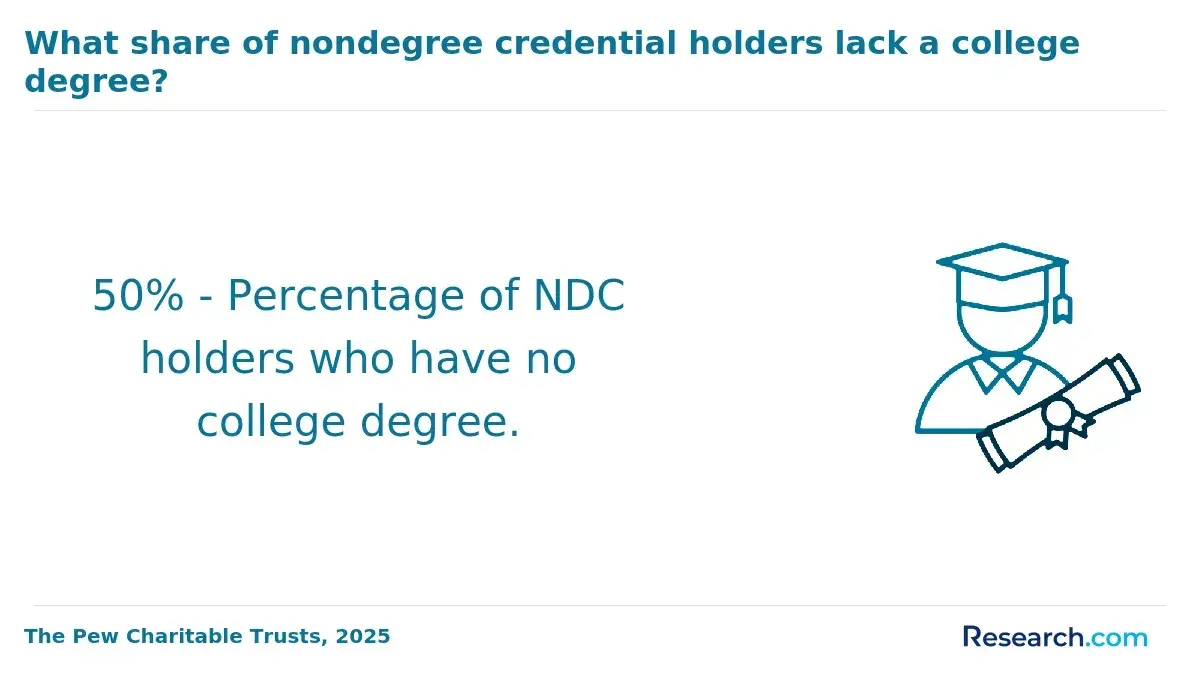
Approximately 65% of these programs allow at least one elective outside the primary focus, according to data from the Council of Graduate Schools in 2024, but even then, this flexibility tends to be modest and carefully managed to maintain academic coherence and credit distribution. This design helps preserve essential depth while providing some interdisciplinary exposure, though navigating these rules requires strategic planning early in the program to avoid delays or credit shortfalls.
Elective flexibility outside specialization carries practical tradeoffs influencing student progression and professional positioning. Selecting courses beyond the chosen track can broaden skillsets and foster versatility, which benefits career changers or those targeting interdisciplinary roles, but it may dilute the technical depth employers expect for specialized positions. Additionally, pursuing electives in unrelated areas can extend time-to-degree if prerequisites increase or if scheduling conflicts arise.
For example, a student incorporating bioinformatics electives outside molecular biology might gain valuable computational skills but face a longer path to completion due to course sequence constraints. Employers in biological sciences often value focused expertise mandated by certifications or licensure, making unrestricted elective freedom less advantageous for some career trajectories despite its appeal to others.
A recent online student shared how their timing with elective approvals affected their enrollment decisions during rolling admissions. They initially hesitated to enroll, uncertain if they could take environmental biology electives alongside their core specialization in genetics, fearing the risk of delayed graduation. After detailed discussions with their advisor clarified that limited cross-specialization electives were possible but required extra allowances, they strategically adjusted their course plan to balance both interests without delaying progress. This experience highlighted how understanding institutional policies early can reduce uncertainty and better position students to make informed choices in online biological sciences master's programs.
How Are Online Biological Sciences Master's Courses Delivered?
Online biological sciences master's programs primarily use asynchronous learning to provide flexibility, allowing students to engage with lectures, coursework, and assignments on their own schedules. Many programs incorporate recorded lectures supplemented by occasional synchronous sessions, which facilitate real-time interaction with faculty and peers but require adherence to specific time commitments.
Hybrid participation models that blend virtual labs, simulations, or on-campus residencies are increasingly employed to meet the hands-on skill requirements essential in this field. According to the National Center for Education Statistics, over 75% of graduate-level life sciences programs in 2024 include asynchronous elements, reflecting a strong trend toward flexible learning options for biological sciences master's programs.
These delivery formats impose distinct demands on time management and consistent engagement, especially for working professionals balancing study with employment. Synchronous components can enhance networking and collaborative skills but may challenge students with rigid scheduling, while fully asynchronous courses demand higher self-discipline and proactive pacing to avoid falling behind. For instance, students lacking firm time-block structures might struggle with retention or completion rates, highlighting how course format choice directly impacts student performance in complex subject areas like molecular biology or ecology.
Balancing flexibility with structured engagement remains a key consideration. Programs that integrate virtual lab experiences and scheduled collaborative activities tend to better align with employer expectations by fostering practical competencies and teamwork. Conversely, completely asynchronous delivery maximizes accessibility but shifts responsibility for learning momentum entirely onto the student, a tradeoff that can influence long-term employability and readiness for research or industry roles. Prospects evaluating these online biological sciences course delivery formats should weigh how instructional design affects both academic progress and skill acquisition.
For those seeking licensure or practical credentials, examining options akin to LPN programs may provide insight into integrating hands-on training with flexible schedules.
Which Core Classes Are Considered the Most Challenging?
The core classes that often pose the greatest challenges in online biological sciences master's programs are those requiring substantial foundational knowledge and advanced analytical skills. Courses such as biochemistry demand an integrated understanding of organic chemistry and molecular biology, creating hurdles for students without a solid chemistry background. Molecular genetics frequently requires students to grasp intricate gene regulation and mutation mechanisms while applying concepts analytically rather than relying on rote memorization.
Meanwhile, biostatistics and bioinformatics introduce quantitative complexity, especially for learners without prior math or computational experience, with nearly half of students in a 2024 National Center for Biotechnology Education survey identifying biostatistics as among the most demanding due to the application of statistical software and data interpretation. Advanced physiology and cell biology classes also intensify the curriculum by requiring comprehensive integration of biological systems and extensive lab or simulation work, increasing cognitive and time commitments within the online format.
These demanding courses serve as critical filters influencing academic progression, specialization readiness, and employability prospects. Mastery in these areas signals to employers a candidate's analytical rigor and technical proficiency, which are highly valued across biology-related fields. Working professionals juggling coursework with job responsibilities often find that difficulty in bioinformatics or statistics slows their ability to pursue specialized tracks, leading to strategic delays or course retakes. For example, a student facing a steep learning curve in biochemistry might defer advanced electives until after reinforcing their chemical foundations, affecting their timeline and career trajectory. The performance bar set by these core classes necessitates careful planning and resource allocation to align educational efforts with long-term workforce objectives.
One student recounted awaiting admission in an online biological sciences program during rolling enrollment, keenly aware that starting with biochemistry without recent chemistry practice could severely challenge time management alongside work commitments. They hesitated to finalize enrollment until an informal assessment indicated readiness, ultimately delaying start by a semester to complete a refresher course. This tactical decision reduced early-term overwhelm and allowed for more confident progression through subsequent core courses.
Do Online Biological Sciences Master's Programs Require Internships or Practicums?
Whether internships or practicums are required in online biological sciences master's programs significantly depends on the program's specialization, accreditation standards, and intended career outcomes. Programs focused on applied biology, clinical research, or fields requiring licensure are more likely to mandate experiential learning components, though not uniformly. In many cases, such requirements are integrated as supervised fieldwork, lab practicums, or virtual equivalents designed to meet professional standards rather than merely appearing as catalog descriptions.
Around 40% of these programs include mandatory practical experiences, a figure notably lower than on-campus programs due to the logistical complexity of coordinating placements remotely, reflecting the core variability in biological sciences master's internship requirements.
The inclusion of internships or practicums presents tangible tradeoffs for students, particularly working professionals balancing employment with graduate studies. Placement availability can vary widely, sometimes necessitating travel or extended hours, which affects time-to-completion and overall workload. Conversely, programs without these requirements may offer greater scheduling flexibility but potentially at the cost of reduced job readiness and weaker industry connections, which are often critical in biology-related fields. Students evaluating online options must weigh these factors carefully, considering how practical exposure aligns with their career trajectory and life circumstances.
For those exploring related career transitions, insights from analogous programs such as CMA to LPN pathways illustrate how experiential requirements can shape employability and professional integration.
Which Courses Are Required for Professional Certification Exams?
Online biological sciences master's programs increasingly design their curricula to align directly with the competencies mandated by professional certification boards, ensuring graduates meet eligibility requirements for credentialing exams. Core coursework such as molecular biology, biochemistry, genetics, and cellular biology is selected to correspond with foundational exam domains recognized by organizations like the ASCP and NRCM.
Programs also integrate laboratory methods and experimental design elements to meet practical skill standards tested on certification assessments, reflecting industry-driven expectations for technical proficiency. Specialized courses further tailor academic preparation by mapping concentrations such as clinical microbiology or environmental toxicology to relevant certification categories, embedding accreditation criteria and professional benchmarks into the curriculum framework.
Failure to complete specific required courses often results in delays or additional coursework before candidates can sit for certification exams, potentially extending time to credentialing and employment in roles that prioritize certified expertise. For instance, a student focusing on clinical laboratory science who substitutes immunology with a general biology elective may find their eligibility postponed, necessitating remedial study to cover gaps. This scenario highlights the critical tradeoff between elective flexibility and direct exam preparation, where curriculum decisions impact not only academic progress but also employment readiness within specialized biological sciences sectors.
According to a 2024 report by the National Center for Education Statistics, 68% of biological sciences master's graduates who gained certification had completed focused specialized coursework, underscoring the practical benefits of strategic course alignment to industry and certification requirements.
Do Specialization Requirements Extend Graduation Timelines?
Specialization requirements in online Biological Sciences master's programs are often integrated through additional coursework, prerequisite sequences, and exclusive capstone or research projects that differ from core curricular pathways. Whether these additions extend the overall duration depends largely on how programs structure credit loads and course sequencing. Some specializations allow concurrent enrollment in core and elective courses, maintaining a typical two-year timeline, while others impose layered prerequisites and limited course offerings per term, which can stretch completion timelines.
According to data from the National Center for Education Statistics in 2024, students enrolling in specialization tracks tend to spend 15-25% more time to graduate compared to those completing core-only curricula, largely because extra credits and project requirements reduce scheduling flexibility.
The elongation of degree timelines due to specialization can stem from several real-world factors such as restricted elective substitutions, bottlenecks in availability for niche courses, and mandatory fieldwork or lab components that must be completed sequentially. For example, a student pursuing molecular biology with a research thesis may encounter delayed access to required capstone advisors or specialized equipment, forcing course deferrals and prolonging their program by one or two semesters.
These delays affect workload balance and can postpone entry into the workforce, which is a critical consideration for working professionals or career changers dependent on timely credentialing. The tradeoff involves sacrificing a straightforward graduation path for deeper expertise, which many employers in genomics and ecological management increasingly value despite the extended timeline.
How Do Biological Sciences Specializations Affect Career Opportunities?
Specializations within an online biological sciences master's program act as key signals to employers, conveying specific technical skills and applied competencies developed through targeted coursework and project experience. Hiring managers often interpret these focused academic efforts as indicators of readiness for particular roles, distinguishing candidates who demonstrate expertise aligned with niche industry needs. For example, a concentration in molecular biology evidences familiarity with laboratory techniques and data analysis preferred by biotechnology firms, whereas bioinformatics emphasizes computational proficiency increasingly vital to genomics and data-driven research.
This alignment with employer expectations directly influences how graduates are positioned in the job market, affecting their initial role eligibility and recruitment pathways. Reflecting these trends, U.S. Bureau of Labor Statistics data from 2024 indicate that graduates of specialized biological sciences degree tracks aligned with emerging fields experience employment rates approximately 20% higher within six months of graduation compared to broader degree holders, underscoring the practical benefit of concentration selection informed by labor market demand.
The tradeoffs inherent in choosing a specialization impact both immediate job prospects and long-term career agility. Narrowly focused expertise can confine candidates to specific sectors, limiting eligibility for broader biological sciences roles or interdisciplinary positions; conversely, more generalist options may provide wider entry points but reduced competitive advantage for specialized vacancies. For instance, a graduate specializing in computational biology may secure higher starting salaries attributable to analytical depth but face obstacles transitioning to roles emphasizing field ecology without supplemental training.
Additionally, specialization choices can influence cross-industry mobility, such as moving from environmental agencies to pharmaceutical research, which requires transferable skills beyond technical knowledge alone. Prospective students should also consider evolving employer expectations, as demonstrated in healthcare, where increasing demand across systems affects roles and compensation-highlighted in studies on DNP salary trends-emphasizing the need to balance immediate job market alignment with sustained career adaptability in biological sciences master's programs.
How Should Students Compare Online Biological Sciences Master's Curriculum?
Comparing online biological sciences master's curriculums requires evaluating specific structural tradeoffs rather than mere preference. Variations in course sequencing, specialization depth, and integration of applied experiences substantially influence time-to-completion, job readiness, and suitability for certification pathways.
- Core Course Composition and Rigor: Depth and balance in foundational subjects such as molecular biology, genetics, and biostatistics determine the theoretical and practical base. Programs that embed current research tools and advanced lab techniques often better equip students for complex roles in academia or industry.
- Specialization Depth and Career Alignment: How focused and extensive concentration options are-covering fields like biotechnology or environmental biology-matters for skill relevance. Alignment of these tracks with explicit career trajectories or emerging sectors boosts employability post-graduation.
- Elective Flexibility and Tailoring: Availability of electives allows customization toward interdisciplinary or niche emerging topics, which is essential in a rapidly evolving field. Limited electives may restrict responsiveness to individual career goals.
- Delivery Format and Progression Sequencing: Cohort-based or flexible course delivery impacts workload management, especially for working professionals. Early integration of core courses before specializations ensures building appropriate knowledge scaffolding.
- Integration of Applied Learning: Internships, practicums, or project-based modules that link theory to practice directly enhance skill acquisition and employer readiness. Their absence can leave gaps in hands-on competencies.
Certification and Workforce Relevance: Certain programs align coursework with professional certification requirements, streamlining credentialing processes critical in some biological sciences careers.
A 2024 study by the National Center for Education Statistics confirms graduates from programs with strong faculty research affiliations have an 18% higher employment rate within six months, illustrating faculty involvement as a key component in program quality.
Students also should consider programs that include training in data analysis software and interdisciplinary collaboration to meet employer expectations effectively. For those balancing career changes or specialization focus, structured comparison using these criteria sharpens decision-making.
Prospective students exploring curriculum options might also evaluate how the design compares to other disciplines with structured paths, such as marriage and family therapy masters programs online, to gauge workload intensity and practical training integration methodologies.
What Graduates Say About Online Biological Sciences Master's Curriculum
- Shane: "After completing the core courses in my online Biological Sciences master's program, I realized that having a solid portfolio of research projects and internships made a bigger impact in interviews than just the degree itself. Employers in this field tend to favor hands-on lab experience and demonstrated problem-solving skills over certifications alone. Navigating the job market meant focusing on building practical skills alongside coursework."
- Emiliano: "I approached my Biological Sciences specialization with the hope of advancing quickly, but I found the reality a bit more nuanced. While remote work options and program flexibility allowed me to stay employed while studying, I hit a salary plateau without licensure or specific credentials tied to biology niches. It's a rewarding field, but the advancement path often requires additional certifications beyond a master's degree."
- Samuel: "The program gave me useful theoretical foundations, but what really shifted my career trajectory was combining the master's Biological Sciences curriculum with targeted internships. Hiring managers valued that experience highly, sometimes even more than formal education. In this competitive field, graduates must expect to pivot roles or develop niche expertise to gain an edge post-graduation."
Other Things You Should Know About Biological Sciences Degrees
The division between core courses and specialization requirements significantly shapes the student experience. Programs with heavier core course loads often focus on broad foundational knowledge, which can limit the time available for in-depth specialization study. Conversely, programs emphasizing specializations may reduce general coursework, enabling students to develop stronger expertise in niche areas but potentially sacrificing a well-rounded perspective. Students should weigh their career goals: generalist roles benefit from broad cores, while specialized fields demand deeper concentration even at the cost of broader scientific literacy.
Online programs inherently restrict direct laboratory or fieldwork, which are crucial for practical skills in biological sciences. Some programs mitigate this by offering virtual labs or requiring local lab partnerships, but these options vary widely. Students must assess how essential hands-on experience is for their target careers, as insufficient practical exposure can hinder preparation for research roles or lab-dependent jobs, despite strong theoretical understanding. Selecting programs that provide credible, accessible opportunities for empirical learning is advisable.
Employers increasingly recognize online degrees but often scrutinize program accreditation, faculty expertise, and evidence of hands-on training. Graduates from online programs lacking robust lab components may face skepticism, especially for research-intensive positions. Prospective students should consider how their program integrates practical experiences and whether it offers portfolio-building projects or collaborations that demonstrate applied skills. Meeting or exceeding traditional program standards in these areas helps overcome employer doubts about online degree rigor.
References
- Trainees and interns https://www.embl.org/careers/internships/
- Master of Science (MS) in Biological Sciences https://www.ecok.edu/academics/colleges-and-schools/school-graduate-studies/ms-biology.php
- What Can You Do with a Master's in Biology? https://www.pointloma.edu/resources/education/what-can-you-do-masters-biology
- Online Master's Degrees in Biology: Top Schools & More https://www.edumed.org/online-schools/biology-degrees/masters/
- Master of Biomedical Science https://online.une.edu/master-of-biomedical-science/
- Biological Sciences (MS) https://www.etamu.edu/programs/biological-science-ms/