2027 Best Professional Doctorate Programs That Pay Well

Co-Founder and Chief Data Scientist
A professional doctorate can deepen your expertise, but a well-paid occupation does not necessarily require one. The U.S. Bureau of Labor Statistics (BLS) reports a May 2024 median wage of $124,910 for information security analysts - a role generally accessible without a doctorate. That distinction matters when tuition and time away from work are at stake. This guide compares practice-oriented doctoral fields by career relevance, earning potential, entry requirements, and cost. Use it to identify where a doctorate could add value to your existing experience - and where a master's degree, license, or stronger work portfolio may be the better investment.
Key Things You Should Know
- The strongest salary case is often an advanced clinical pathway, such as nurse anesthesia, but it requires nursing licensure, specialized training, and certification - not simply a DNP.
- BLS reports a May 2024 median wage of $140,910 for computer and information research scientists; that occupation may call for research preparation rather than a professional doctorate.
- Compare total cost with your likely career change or advancement: occupational wages are not salaries promised to doctoral graduates.
Top 10 Best Professional Doctorate Programs That Pay Well
Business / DBA Programs
A Doctor of Business Administration (DBA) suits experienced managers who want to apply research to organizational problems, consulting, or executive decision-making. Programs commonly expect a master's degree and substantial professional experience, then require research methods and an applied dissertation or project. Executive compensation can be high, but senior roles depend heavily on experience and organizational scope. Compare a DBA with an MBA, targeted executive education, or additional management experience before paying for another degree. Ask whether the school publishes completion outcomes and permits a workplace-based project relevant to your goals.
Education / EdD Programs
A Doctor of Education (EdD) prepares experienced educators to investigate and improve practice in schools, colleges, or education organizations. Applicants often need relevant graduate preparation and professional experience; requirements vary. Coursework may culminate in a dissertation in practice or another substantial inquiry project. An EdD can support advancement, but it does not automatically raise pay or qualify someone for an administrative license. Check your state's rules and the employer's requirements. If your goal is original scholarship or a research-intensive faculty career, compare the EdD with an education PhD.
Educational Leadership Programs
Educational leadership is a specialization, often within an EdD, rather than a separate credential with uniform requirements. It can fit principals, district administrators, and higher-education leaders seeking skills in budgeting, personnel, and organizational change. Its payoff depends on whether the curriculum matches a position you can realistically pursue. School leadership jobs typically require teaching or administrative experience, and public-school positions may require state credentials. Before enrolling, confirm whether the program satisfies your state's licensure rules; a leadership-focused doctorate and an administrator-preparation program are not necessarily the same thing.
Psychology Programs
A Doctor of Psychology (PsyD) emphasizes clinical practice and generally includes supervised training, an internship, and a doctoral research or practice project. Applicants may enter after a bachelor's degree or with graduate preparation, depending on the program. For aspiring licensed psychologists, program accreditation and eligibility for internship and state licensure matter more than a broad salary claim. A PsyD alone does not confer a license: states also set examination and supervised-experience requirements. Compare total tuition, clinical placement support, and outcomes with funded psychology PhD options, which also can prepare clinicians.
Nursing / DNP Programs
A Doctor of Nursing Practice (DNP) develops advanced clinical, systems, or nursing leadership expertise through graduate coursework and an evidence-based project. Entry routes include post-bachelor's and post-master's programs; required credits and clinical experiences differ considerably. For nurse practitioner or nurse anesthetist work, the specific specialty track - not the DNP label alone - must support applicable certification and state licensure. A post-master's leadership DNP may improve an experienced nurse's practice without qualifying them for a new clinical role. Compare specialty outcomes, placement arrangements, and costs before choosing a pathway.
Public Health Programs
A Doctor of Public Health (DrPH) is typically designed for professionals moving toward population-health leadership, policy implementation, or applied evaluation. Programs often seek an MPH or related graduate degree and relevant work experience, then require an applied culminating project. A DrPH can be useful for leading complex initiatives, but many public health jobs are accessible with an MPH and experience. Compare the doctorate's project, professional network, and employer support with the advancement available in your current role. A research-focused public health PhD serves a different primary purpose.
Computer Science Programs
Practice-focused technology doctorates may be titled Doctor of Computer Science or Doctor of Science, but degree names and research requirements vary by school. They can suit experienced technologists developing applied solutions to industry problems. High-paying computing jobs do not generally require a professional doctorate, and research-scientist roles may favor a research PhD. Evaluate whether an employer recognizes the credential, whether the project advances your technical specialty, and what it will cost in tuition and time. Do not assume a professional doctorate is interchangeable with a computer science PhD.
Cybersecurity Programs
Applied doctorates in cybersecurity can help experienced practitioners study security governance, risk, and organizational resilience. Program titles vary, so examine the curriculum and final project rather than relying on the degree name. Demand for security expertise makes the field attractive, but analyst and management jobs often emphasize demonstrated skills, experience, and relevant certifications instead of a doctorate. Compare a program's industry partnerships and faculty expertise with the less costly option of advanced technical training. For leadership roles, verify that the program develops the policy and management abilities your target employer seeks.
Social Work / Human Services Programs
A Doctor of Social Work (DSW) commonly focuses on advanced practice, program leadership, or applied inquiry. It usually serves experienced social workers who already hold an MSW; some programs may also expect licensure. Potential roles include clinical leadership and agency administration, but earnings depend on setting, experience, and responsibilities. A DSW does not replace an MSW, supervised practice, or a state social work license. Compare the doctorate's specialty and employer support with management experience or focused training, especially if your intended job does not ask for doctoral preparation.
Public Administration / Public Policy Programs
A Doctor of Public Administration (DPA) emphasizes applying evidence to public-sector management and policy challenges. It can fit experienced government or nonprofit professionals pursuing complex leadership responsibilities. Admission commonly calls for graduate preparation and professional experience; an applied dissertation or project may be required. Public-sector pay varies substantially by jurisdiction and position, and a doctorate does not substitute for a record of managing people, budgets, or programs. Compare the DPA with an MPA, policy-focused training, and advancement within your agency before committing to doctoral tuition.
What Are the Highest-Paying Professional Doctorate Degrees?
Nurse anesthesia offers one of the clearest high-paying professional-doctorate pathways discussed here. Its compensation reflects a regulated, specialized clinical occupation, not a salary attached to every DNP. Certain executive and technology roles can also pay well, but a DBA or applied computing doctorate is rarely the sole qualification that opens them.
The most useful comparison is between pathways you are eligible to enter. An experienced registered nurse considering nurse anesthesia faces a different training and licensing decision from an established manager considering a DBA. For either reader, a "best-paying" program is one whose credential, specialty, and required investment fit a reachable occupation - not simply the field with the largest published wage.
BLS occupational medians provide a salary benchmark, not an estimate of what a particular program's graduates earn. The May 2024 figures below also show why it is important to check whether the occupation actually needs the doctorate you are considering.
| U.S. occupation | May 2024 median annual wage | Doctorate's relationship to the role |
| Nurse anesthetists | $223,210 | Requires an approved nurse anesthesia education pathway and additional certification and licensure requirements. |
| Computer and information research scientists | $140,910 | Advanced research preparation may matter; a professional doctorate is not automatically the preferred credential. |
| Nurse practitioners | $129,210 | Requires an appropriate advanced-practice pathway, certification, and state licensure; entry routes can differ. |
| Information security analysts | $124,910 | Generally does not require a doctorate. |
| Medical and health services managers | $117,960 | Management experience is important; a doctorate is not the standard entry requirement. |
These medians include workers with different education levels and years of experience. For a personal return-on-investment estimate, compare your current pay and realistic next role with total tuition, fees, forgone earnings, and any employer assistance. Request program-specific career outcomes where available rather than treating an occupational median as a graduation forecast.
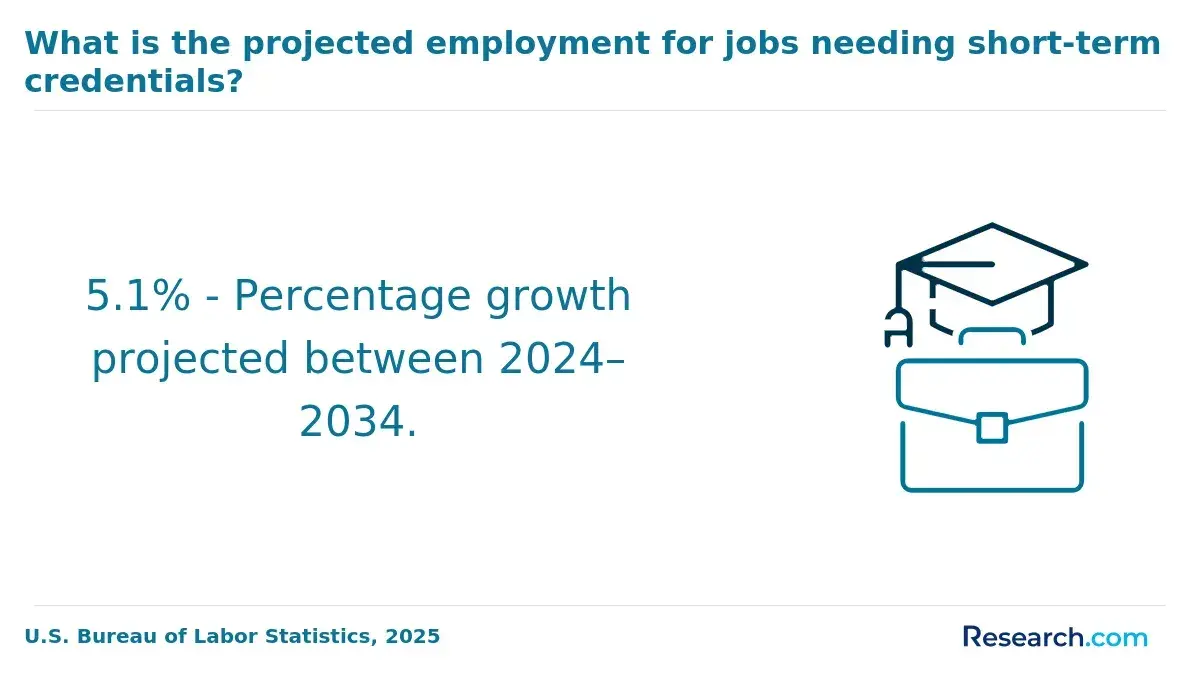
Job growth can indicate opportunity, but it does not measure demand for doctorate holders specifically. In its 2024-2034 projections, BLS expects information security analyst employment to grow 29%. That is encouraging for security professionals, yet it is not evidence that analysts need an applied cybersecurity doctorate.
Healthcare offers a more direct connection between specialized doctoral education and certain roles. Prospective advanced-practice nurses should check projections for their intended specialty, then confirm the exact clinical training and credentials required. Across fields, weigh job openings alongside entry requirements, geographic availability, and your experience: growth in an occupation will not make every doctoral program a sound investment.
A professional doctorate generally emphasizes applying evidence in clinical practice, organizational leadership, or another profession. A Doctor of Philosophy (PhD) generally emphasizes original research and preparation for research-intensive work. Both can be rigorous, and either may require substantial research; the final requirement could be a dissertation, an applied doctoral project, or another scholarly product, depending on the program.
Choose by the work you want to do, not by which title sounds more prestigious. A prospective clinical psychologist should compare licensure outcomes across PsyD and psychology PhD programs; an aspiring laboratory researcher should examine faculty research fit and funding. If the target job does not call for doctoral preparation, even the easiest masters degree to get is not necessarily the right alternative: choose a master's program for its specific career relevance, too.
Start with institutional accreditation recognized by the U.S. Department of Education or the Council for Higher Education Accreditation. Then check whether your intended occupation calls for specialized program accreditation. For example, psychology applicants should investigate American Psychological Association accreditation and state licensing rules; nurse anesthesia applicants should verify Council on Accreditation of Nurse Anesthesia Educational Programs accreditation. Nursing and public health applicants may also need to examine the relevant specialized accreditor for their program.
Do not assume that accreditation of a related master's program covers a doctorate or that institutional accreditation alone establishes licensure eligibility. Confirm the specific program and pathway with the accreditor and, for regulated professions, the licensing board in the state where you expect to practice.
Professional doctorates require at least a bachelor's degree; many are designed for applicants with a relevant master's degree, work experience, and, in clinical fields, an active professional license. Schools may request transcripts, recommendations, a résumé, a statement of purpose, writing samples, or an interview. Prerequisites, minimum GPA standards, and GRE or GMAT policies vary by program.
Check both graduate-school and program-level requirements before applying. A post-master's DNP, for example, is not the same entry route as a post-bachelor's DNP. Applicants still choosing undergraduate study should prioritize the prerequisites for their intended profession rather than an easiest bachelor degree list. Ask admissions staff whether prior graduate coursework receives program-level credit; holding a master's degree does not automatically shorten a doctorate.
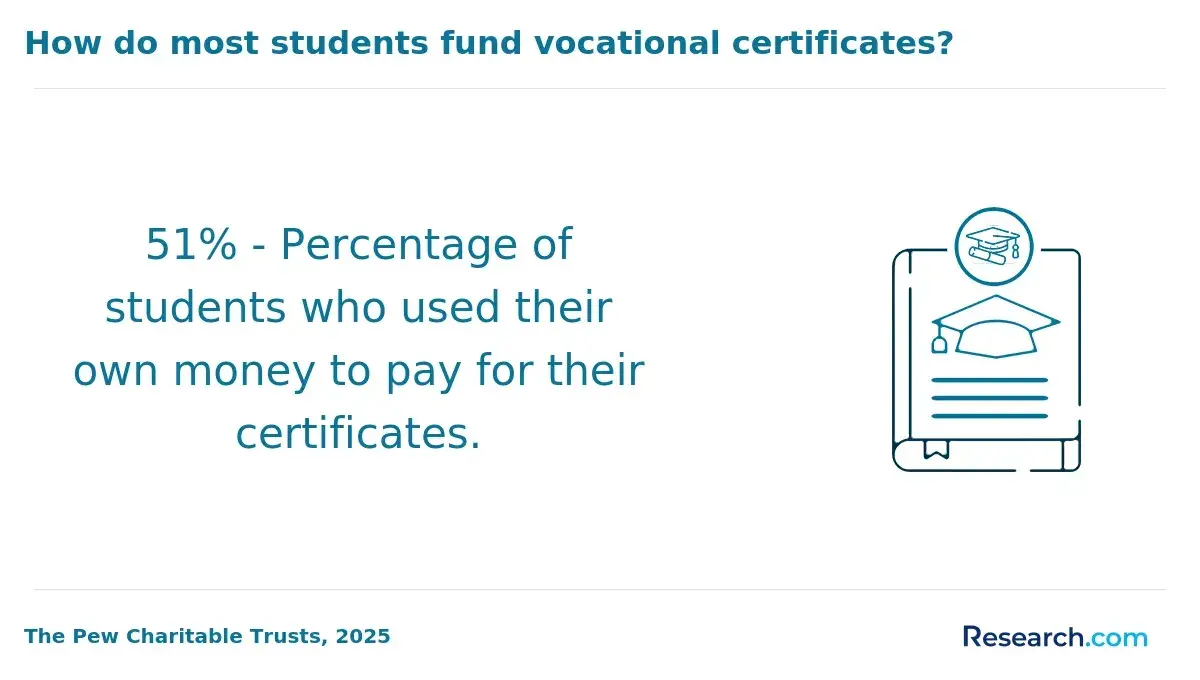
Many professional doctorates take several years, but there is no reliable universal completion time or price. A post-master's clinical pathway, a part-time DBA, and a PsyD with internship requirements have different starting points and schedules. Coursework may finish before a project, dissertation, practicum, clinical placement, or defense does. Published tuition also may exclude mandatory fees, travel, clinical expenses, and additional terms needed to finish.
Build a cost estimate using the school's required credits, current tuition and fees, expected enrollment pattern, and project or placement expenses. Then subtract only funding you are eligible to receive, such as a confirmed scholarship or employer benefit. General fast degree programs comparisons cannot establish a doctorate's completion time: ask what previous credentials an advertised timeline assumes and what happens if the final project takes longer.
An online professional doctorate can be valuable when its accreditation, instruction, supervision, and career fit meet the same standards you would apply to a campus program. Delivery format alone does not establish quality or flexibility. Scheduled seminars, residencies, clinical placements, internships, and in-person defenses may still be required.
Check where each requirement takes place and who arranges local placements before enrolling. Broad comparisons of online degree programs cannot answer those doctoral-level questions. A campus program may be preferable if it offers clinical opportunities or professional connections you need; an online option may make more sense when you can complete its actual schedule without interrupting work.
How Can You Choose a Reputable Professional Doctorate Program?
Begin with a specific target role and ask whether employers or regulators require, prefer, or rarely mention a doctorate. That distinction keeps a high occupational wage from becoming a misleading reason to enroll. Compare programs using the same evidence:
- Confirm the exact credential, institutional and relevant programmatic accreditation, and any state licensure eligibility.
- Request the full curriculum, entry pathway, final-project requirements, placement obligations, and a realistic completion timeline.
- Calculate total expected cost, including fees and time away from work, after confirmed funding or employer assistance.
- Ask for completion and career outcomes relevant to your goal, and compare the doctorate with a master's degree, certification, or additional experience.
Be cautious of a program that advertises executive salaries without showing how its graduates reach those jobs, promises fully online study without explaining placements, or cannot clarify licensing eligibility. The strongest choice is the one whose requirements and likely benefits you can verify for your own starting point.
Other Things You Should Know About
A nurse anesthesia pathway can lead to a highly paid occupation, but it requires specific nursing preparation, certification, and licensure. High executive wages are possible in other fields, though a doctorate alone does not secure those roles.
No. Many well-paid technology and management jobs generally do not require one. Check the requirements for your target job before investing in doctoral study.
Some programs offer online coursework, but they may still require scheduled meetings, residencies, clinical placements, or other in-person work. Verify every requirement with the program.
It may be if it provides required clinical preparation or a clear advantage for a role you can pursue. Compare total cost and completion time with your expected career benefit and less expensive alternatives.
- Will I need a license or certification for my job? | bls.gov https://www.bls.gov/careeroutlook/2016/article/will-i-need-a-license-or-certification.htm
- Certification Procedures - Questions and Answers http://www.ed.gov/laws-and-policy/higher-education-laws-and-policy/certification-procedures-questions-and-answers