2027 Best Doctorate Degrees With 4-Week Courses

Co-Founder and Chief Data Scientist
A four-week doctoral course may fit a busy schedule, but it does not make a doctorate a four-week degree. The distinction matters if you are comparing online programs around work, research, or clinical commitments. The U.S. Bureau of Labor Statistics reports that medical and health services managers earned a median $117,960 in 2024 - an occupational figure, not a salary promised by a doctorate.
This guide compares doctoral fields, explains what short courses can and cannot accelerate, and shows you what to verify before applying.
Key Things You Should Know
- A four-week course is one class, not an entire doctorate; research, projects, clinical work, and defenses may follow a different schedule.
- None of the degree fields below guarantees four-week doctoral courses. Confirm the length of required doctoral classes in the current program schedule before treating any option as a match.
- Compare the full pathway - entry requirements, remaining credits, culminating work, accreditation, and total cost - not course length alone.
Top 10 Best Doctorate Degrees With 4-Week Courses
Business / DBA Programs
A Doctor of Business Administration (DBA) is generally aimed at experienced professionals applying research to organizational problems. A four-week management course could make coursework easier to schedule, but an applied research project or dissertation may take considerably longer. Ask whether required DBA courses, not just electives, use four-week terms and whether seminars or defenses require live attendance. Choose a DBA for a defined leadership or applied-research goal; an MBA plus experience may be more appropriate if you do not need doctoral-level work.
Education / EdD Programs
A Doctor of Education (EdD) often focuses on improving educational practice through inquiry and leadership. Short online classes may help educators organize coursework around the school year, while field-based research and a dissertation or doctoral project can extend beyond those classes. Confirm the academic calendar, school-site permissions, and any residency requirements. An EdD suits practitioners studying a problem in education; a research-focused education PhD may better serve someone seeking intensive scholarly training.
Educational Leadership Programs
Educational leadership doctorates may be EdD or PhD degrees, and their purposes differ. An EdD commonly emphasizes organizational improvement; a PhD generally places greater weight on original research and faculty fit. Do not assume a four-week leadership class means the full degree is accelerated. If your goal is a school-administrator credential, check your state's requirements first: a doctorate alone may neither be required nor provide certification.
Psychology Programs
Psychology doctorates include research-oriented PhD programs and practice-oriented PsyD programs. Their laboratories, supervised clinical training, internships, and research requirements may not fit four-week course blocks, even when some theory classes do. Before considering an online format, determine whether the program meets the educational requirements for your intended state license and whether its clinical placements are feasible locally. A psychology doctorate does not, by itself, grant a license to practice.
Nursing / DNP Programs
The Doctor of Nursing Practice (DNP) emphasizes advanced nursing practice and evidence-based improvement; a nursing PhD emphasizes research. A post-master's DNP may have a different curriculum from a bachelor's-to-DNP pathway, so advertised timelines are not interchangeable. Four-week online classes cannot eliminate required practice hours or a scholarly project. Verify entry licensure, specialty prerequisites, clinical-placement support, and whether the program prepares students for the certification or licensure they seek.
Public Health Programs
A Doctor of Public Health (DrPH) typically prepares experienced professionals for applied public health leadership, while a public health PhD generally emphasizes original research. Brief online courses could cover policy or epidemiologic methods, but a field-based project, dissertation, or residency may follow a longer timeline. Check the degree's experience requirements and the availability of appropriate project supervision. A master's in public health may be the more direct choice for many public health roles.
Computer Science Programs
A computer science PhD is usually built around sustained original research, not simply a sequence of classes. Even if an institution offers short graduate courses, that does not establish that its doctoral curriculum uses four-week terms. Research-adviser fit, laboratory access, qualifying examinations, publications, and a dissertation can determine the actual timeline. If your goal is an industry role rather than research, compare the doctorate with a relevant master's degree and professional experience.
Cybersecurity Programs
Cybersecurity doctorates can emphasize original research or applied organizational problems, depending on the degree and institution. Four-week online classes might appeal to employed security professionals, but specialized research, approvals for work with sensitive data, and a culminating project or dissertation can take much longer. Confirm the exact doctoral course schedule and research expectations. For many security jobs, experience and industry credentials may offer a shorter route than a doctorate.
Social Work / Human Services Programs
A Doctor of Social Work (DSW) commonly emphasizes advanced practice, teaching, or leadership; a social work PhD generally emphasizes research. Human services doctorates vary more widely in purpose. Short online courses do not replace a doctoral project, dissertation, or possible field requirements. If you intend to provide clinical services, check state licensure rules independently: a doctorate is not a substitute for the required professional license, supervised experience, or examination.
Public Administration / Public Policy Programs
A Doctor of Public Administration (DPA) often centers on applied public-sector leadership, whereas a public policy or public administration PhD generally emphasizes research. Four-week classes may suit a working policy professional, but data collection, agency access, and a dissertation or applied project may proceed on a separate schedule. Confirm whether coursework is genuinely offered in four-week blocks. For career advancement, weigh the doctorate against a policy or public administration master's degree and relevant experience.
What doctorate degrees offer four-week courses online?
Potential fields include business, education, nursing, public health, and other professional or research disciplines discussed above. But a degree name cannot establish course length. Four-week doctoral coursework must be verified in a specific program's current catalog, academic calendar, or course schedule; no field in this guide should be read as a confirmed list of qualifying programs.
Ask whether all required classes, only selected classes, or no doctoral classes run for four weeks. Also distinguish fixed four-week terms from a competency based degree: learner-controlled progress is a different feature and should not be assumed at the doctoral level.
Course length alone determines neither accreditation nor rigor. Accreditation normally applies to the institution or, where applicable, a program - not as a separate endorsement of every four-week class. Verify the institution's recognized accreditation, then check relevant programmatic recognition and your state's professional requirements, particularly for psychology and nursing.
A legitimate short course can still require substantial reading, assessment, and research. The question is whether the whole doctoral program has credible admissions standards, qualified supervision, clearly stated degree requirements, and enough time and support for its culminating work. Be wary of claims that a doctorate can be earned in a few weeks solely by taking compressed classes.
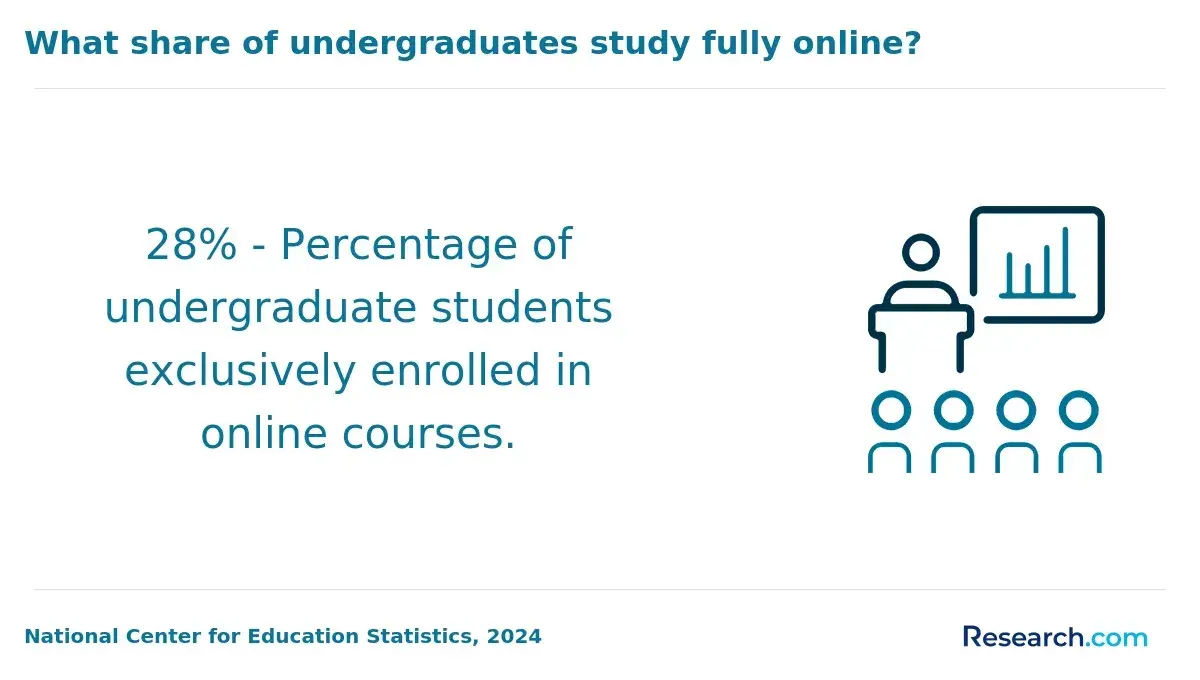
Four weeks describes an individual class, not the time to a degree. Completion depends on entry pathway, course sequencing, enrollment load, accepted graduate credit, examinations, research approvals, clinical hours, and the dissertation or project. Request the program's published completion-time range and the assumptions behind its shortest estimate.
The comparison below separates the parts of a doctorate that may follow short course terms from those that often do not.
| Degree component | Effect of four-week courses on timing |
| Scheduled coursework | Individual classes may end sooner, but required classes still need to be offered in the right sequence. |
| Examinations and candidacy | May have separate preparation, review, and scheduling requirements. |
| Dissertation or doctoral project | Depends on supervision, approvals, research or implementation, revisions, and any defense. |
| Clinical or field requirements | Hours, placement availability, and external schedules may control progress. |
A qualifying master's degree may shorten some pathways, but it does not automatically waive doctoral requirements. Obtain a program-level evaluation of any proposed graduate transfer credit before relying on an accelerated timeline.
Requirements depend on the degree. Applicants generally need at least a bachelor's degree; many professional doctorates require or prefer a relevant master's degree and professional experience. Programs may also request transcripts, recommendations, a statement of purpose, a writing sample, an interview, or evidence of research readiness. Clinical pathways can additionally require an active professional license.
For a research PhD, investigate faculty fit and whether prospective advisers must be contacted before applying. For an accelerated post-master's pathway, ask which prior courses actually satisfy doctoral requirements. Short terms do not make admission easier: if accessibility is your priority, the easiest degree to get is not necessarily a doctorate - or the right credential for your goal.
There is no reliable price for a "four-week doctorate": schools charge under different tuition structures, and a course's length does not establish the number of courses or terms required. Compare the written estimate for your entire pathway, including remaining credits, mandatory fees, residencies, clinical travel, and any additional project or dissertation enrollment.
Funding matters as much as published tuition. Some research PhD students receive assistantships or fellowships with tuition support, but availability and conditions vary; professional doctorates may rely more heavily on student or employer funding. When reviewing most affordable online doctoral programs, compare your likely out-of-pocket cost and foregone work time rather than selecting the lowest advertised per-course price.
Students take advanced field courses and research-methods training, then complete the degree's required scholarly or professional work. A DBA might investigate an organizational problem; a DNP may complete an evidence-based practice project; a PhD generally requires original research and a dissertation. The label "accelerated" should change neither the stated learning outcomes nor the obligation to meet those requirements.
Read the curriculum beside the academic calendar. A four-week class that compresses assignments into a short window may be demanding alongside full-time work, while a dissertation or clinical placement may not use four-week terms at all.
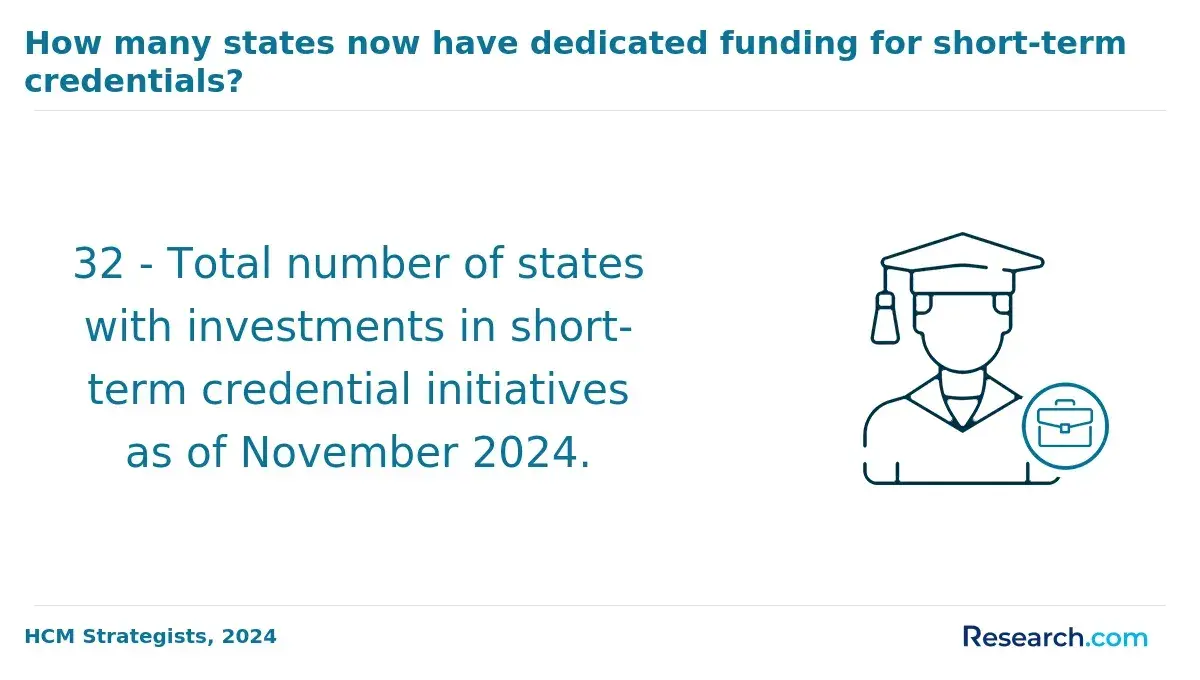
Neither format is universally better. Online short courses can reduce routine travel and offer predictable class blocks; campus-based study may provide easier access to laboratories, research groups, faculty, or clinical partners. Online does not necessarily mean asynchronous, self-paced, part-time, or free of campus visits.
Match delivery to the work you must actually complete. Ask about live seminars, adviser meetings, research facilities, placement locations, residencies, examinations, and defenses. A campus or hybrid PhD with strong research supervision may be a better fit than a short-course online option that does not support your research topic.
Outcomes depend on the field and the person's prior experience. A DBA or DPA may support applied leadership work; a PhD can prepare someone for research; a DNP can support advanced nursing practice when other credential requirements are met. Faculty appointments, executive roles, and licenses are not automatic consequences of earning a doctorate.
Use occupational pay figures as context, not as a forecast of doctoral earnings. The medical and health services manager median cited earlier covers workers in that occupation regardless of degree and does not show the financial return from a DNP, DBA, or other doctorate. Compare likely tuition and lost earnings with realistic alternatives, including experience, certification, and graduate degrees that are worth it for your specific career goal.
How do you choose a reputable four-week doctoral program?
Start with your intended career or research outcome, then request evidence of the defining feature and the full degree requirements. The following checks help prevent a short-course claim from obscuring a long or unsuitable pathway.
- Confirm the current doctoral catalog and course schedule identify which required classes actually last four weeks.
- Verify institutional accreditation, relevant programmatic recognition, and any state licensure implications.
- Request a personalized degree plan showing entry prerequisites, accepted graduate credit, course sequence, and remaining research or clinical work.
- Obtain the total tuition-and-fee estimate, funding terms, residency costs, and the assumptions behind any completion-time claim.
- Speak with program staff or prospective research advisers about supervision, project milestones, online attendance, and graduate outcomes.
Walk away from a claim that short classes eliminate a dissertation, project, clinical requirement, or defense without an official curriculum confirming it. The strongest choice is the program whose entire pathway fits your goal, budget, and available time.
Other Things You Should Know About
No. A four-week course is one component of a doctoral program; required coursework and culminating work take substantially longer.
Not necessarily. Schools may use different schedules for required courses, electives, research enrollment, and clinical work. Check the current doctoral course schedule.
No. Acceleration depends on the program's entry pathway and whether it applies your previous graduate coursework to specific doctoral requirements.
Yes. Depending on the program, residencies, laboratories, clinical placements, research activities, or defenses may require attendance at specified locations.
- Programmatic Accrediting Agencies | U.S. Department of Education http://www.ed.gov/laws-and-policy/higher-education-laws-and-policy/college-accreditation/programmatic-accrediting-agencies
- Fast Facts: Tuition costs of colleges and universities (76) | ed.gov https://nces.ed.gov/fastfacts/display.asp
- An Overview of Accreditation of Higher Education in the United States | Congress.gov | Library of Congress https://www.congress.gov/crs-product/R43826
- Admissions Requirements and Procedures - Pitt Catalog https://catalog.upp.pitt.edu/content.php
- Admissions Requirements - UC Berkeley Graduate Division https://grad.berkeley.edu/admissions/application-process/requirements/
- Admission Information - Graduate Academic Requirements | University of South Florida https://www.usf.edu/admissions/graduate/admission-information/academic-requirements.aspx
- How Much Time Should an Online Course Really Take? | JWU Online https://online.jwu.edu/blog/how-much-time-should-online-course-really-take/
- Application Requirements - Graduate Admissions https://graduate.admissions.gwu.edu/application-requirements
- Learning Modalities | Golden Gate University https://ggu.edu/learning-modalities/
- Professional Licensure | Institutional Research & Analysis | University of Denver https://www.du.edu/ir/about/professional-licensure