2027 Best Online Nutrition Degrees for Jobs

Co-Founder and Chief Data Scientist
Choosing the best online nutrition degree for career advancement can be a daunting task-programs vary widely in accreditation status, curriculum depth, cost, and practical training opportunities. Many prospective students struggle to gauge which programs provide the best return on investment, especially when 43% of online learners prioritize career outcomes over tuition fees. Without clear data on student support services and experiential requirements, this uncertainty can delay or derail professional goals. This article examines these critical factors-accreditation, rigor, cost-efficiency, career results, hands-on learning, and student resources-to help readers confidently identify the highest-value online nutrition degrees tailored to their career ambitions.
Key Things to Know About the Best Online Nutrition Degrees for Jobs
- Accreditation-programs recognized by the Accreditation Council for Education in Nutrition and Dietetics ensure graduates meet industry standards and are eligible for licensure.
- Curriculum rigor-top online degrees combine science-heavy coursework and case studies, preparing students for roles requiring critical thinking and evidence-based practice.
- Cost and return on investment-affordable programs with strong job placement rates yield higher lifetime earnings, vital for working adults balancing education expenses with career advancement.
What Is a Nutrition Degree, and What Can It Do for Your Career?
A nutrition degree focuses on the science of food, nutrients, and their effects on human health. Leading professional organizations, such as the Academy of Nutrition and Dietetics, describe this field as an interdisciplinary study combining biology, chemistry, and social sciences to analyze dietary behaviors, metabolism, and public health approaches. It differs from dietetics, which is clinically oriented, and food science, which emphasizes food production and safety.
The degree develops core knowledge domains including nutrient metabolism, biochemistry, food systems, health promotion, and disease prevention. Graduates gain skills in assessing nutritional needs, creating meal plans, and applying behavioral and policy frameworks to improve wellness outcomes. These competencies prepare students for diverse roles across healthcare, community education, research, and wellness industries. This practical and theoretical foundation enhances career advancement opportunities.
- Associate's Degree: Entry-level preparation for roles like nutrition assistants or community health workers, often a stepping stone to higher education.
- Bachelor's Degree: Comprehensive training for positions in nutrition education, public health, and pathways to dietetic internships for registered dietitian credentials.
- Master's Degree: Emphasizes advanced research, leadership, and specialization in clinical nutrition or food policy.
- Doctoral Degree: Focused on academia, high-level research, or policy-making in nutrition science.
This guide spotlights online nutrition degree programs tailored to working adults and aspiring professionals. It evaluates programs based on accreditation, curriculum rigor, cost-effectiveness, career outcomes, and student support-key considerations for those seeking the best online nutrition degree programs for career advancement. By relying on data-informed frameworks and outcomes evidence, readers can confidently compare options aligned with their unique goals and circumstances.
Understanding nutrition degree career outcomes and job opportunities is critical when selecting a program. For those interested in expanding healthcare credentials, exploring related fields like DNP online programs may also be beneficial.
How Do Online Nutrition Degree Programs Compare to Traditional Campus Programs?
Accreditation consistently serves as the cornerstone in comparing the best online nutrition degree programs vs traditional campus options-both formats meet rigorous standards from entities like the Accreditation Council for Education in Nutrition and Dietetics (ACEND), which ensures comparable curriculum quality. Employers largely recognize degrees from accredited online and campus programs equally, so long as coursework and clinical experiences satisfy professional benchmarks.
- Curriculum Depth and Rigor: Both delivery modes typically provide comprehensive nutrition sciences, including biochemistry, food systems, and dietetics fundamentals. Online programs often use adaptive technologies and modular designs to uphold rigor while offering flexible pacing, which benefits working adults, caregivers, and others balancing multiple responsibilities.
- Faculty Qualifications: Faculty in reputable online programs usually mirror the credentials of their campus counterparts-featuring experienced dietitians and researchers. Many institutions employ the same instructors for both formats, assuring consistent academic standards across platforms.
- Student-Faculty Interaction: On-campus programs naturally support face-to-face interaction, including office hours and spontaneous dialogue. Online degrees compensate with live video sessions, discussion boards, and virtual office hours-though some students find this interaction less immediate or personal.
- Peer Collaboration: Traditional campus settings foster informal networking and group study. Leading online programs recreate this through cohort models and scheduled group projects, enabling meaningful peer engagement despite physical separation.
- Clinical or Practicum Requirements: Practicums remain a key challenge for online nutrition degrees. Most require in-person practicums at local sites, guaranteeing hands-on experience comparable to campus programs. This flexibility is a major advantage for students living remotely or with limited campus access.
- Employer Perception: Surveys reveal employers prioritize demonstrated competencies over delivery mode. Graduates from accredited online nutrition degrees perform similarly on credentialing exams and in workplace readiness. However, some employers express a slight preference for candidates with traditional campus experience when qualifications otherwise match.
- Structural Advantage: Online nutrition degrees provide genuine benefits for nontraditional learners-working adults, military veterans, caregivers, and those without campus access. The asynchronous and location-independent format removes barriers, aligning with the needs of students pursuing a career change or additional credentials.
- Addressing Limitations: To mitigate distance learning challenges, top programs incorporate technology-enhanced tools, periodic on-campus residencies for hands-on skill development, and robust academic advising. These strategies help replicate campus benefits while preserving flexibility.
Readers interested in exploring flexible degree options might also consider a healthcare administration bachelor's degree as a complementary pathway in the health sciences field.
What Are the Accreditation Standards That Define a Reputable Online Nutrition Degree?
Accreditation is a key factor in assessing the credibility of online nutrition degree programs. Regional accreditors-such as the Middle States Commission on Higher Education, New England Commission of Higher Education, Higher Learning Commission, Southern Association of Colleges and Schools Commission on Colleges, and Western Association of Schools and Colleges-evaluate entire institutions and hold significant influence with employers and graduate schools.
In addition to regional accreditation, program-specific bodies are crucial. The Accreditation Council for Education in Nutrition and Dietetics (ACEND) is the primary accreditor for nutrition and dietetics, essential for those targeting Registered Dietitian Nutritionist (RDN) certification. National accreditors like the Distance Education Accrediting Commission (DEAC) also oversee some online programs, but their recognition by employers and graduate programs in health sciences is more limited.
Choosing a nutrition program without robust accreditation can create serious obstacles, including difficulty gaining professional licensure, since many states demand graduation from ACEND-accredited programs. Credit transferability is often restricted with unaccredited schools, reducing educational flexibility. Employers generally favor candidates from well-accredited programs, associating this with higher educational standards and rigorous coursework.
Prospective students should verify accreditation via the U.S. Department of Education's Database of Accredited Postsecondary Institutions and Programs and the Council for Higher Education Accreditation's directory. These resources ensure accurate information about an institution's or program's recognized status.
Accreditation must be a non-negotiable requirement when weighing online nutrition programs-no matter how appealing the cost or scheduling options.
When I spoke with a professional who recently earned an online nutrition degree, he reflected on the accreditation process as pivotal to his success. "Initially, navigating through accreditation details felt overwhelming," he shared. "But confirming my program's ACEND status gave me confidence that my degree would open doors professionally. Without that verification, I worried about licensing hurdles and whether employers would take my education seriously. It was a relief to know I chose a program that met the highest standards and positioned me well for my career journey."
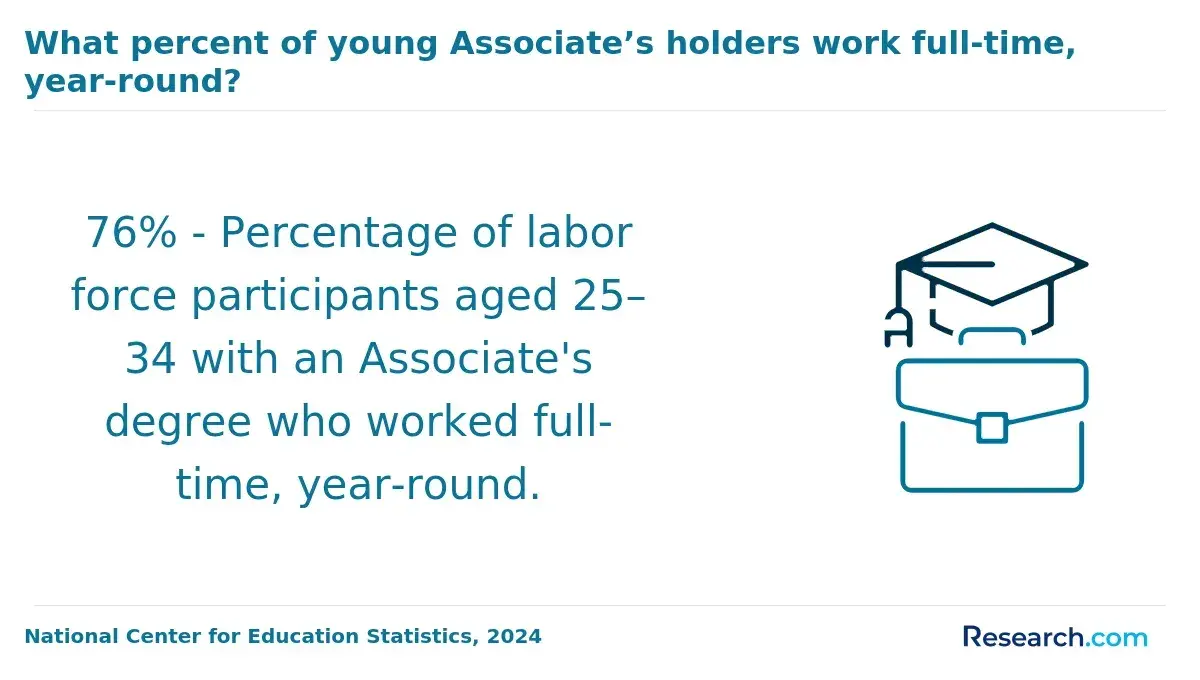
- Associate's Degrees: Geared toward new entrants with a high school diploma, these two-year programs cover fundamental nutrition and dietetics concepts. Graduates qualify for support roles like dietetic technicians or community health aides, typically earning modest salaries. This credential suits recent high school graduates and working adults pursuing a swift entry into the nutrition field.
- Bachelor's Degrees: Offered as standard four-year programs or accelerated pathways-with options for students who have prior credits-these programs prepare students for licensed dietitian or nutritionist careers. They often fulfill requirements for dietetic internships and licensure exams, although some learners may need to complete general education courses first. Completion rates average near 60%, consistent with online bachelor's norms. Those seeking bachelor's degree programs in online nutrition benefit from careful consideration of curriculum and practical exposure.
- Master's Degrees: Targeted to those holding a bachelor's-often in nutrition or related fields-these one- to two-year programs enhance clinical expertise, leadership skills, and research capabilities. They usually include practicum hours and open doors to advanced healthcare roles, administration, or academia, improving earning potential substantially. These programs align well with students aiming to grow through master's and doctoral nutrition degrees online.
- Doctoral Degrees: Designed mainly for professionals interested in research, leadership, or academic positions, these three- to six-year programs require a master's or equivalent experience. Graduates attain higher salaries and influence nutrition science and policy through advanced practice and scholarship.
Post-Baccalaureate Certificates: These credentials offer flexible options for specialization or career changes without full degree commitment. Credits often stack toward higher degrees-supporting efficient progression from certificate to bachelor's to master's programs. This fast track degree approach reduces redundancy and lowers tuition costs.
IPEDS data reveal shorter completion times but lower finish rates for associate and certificate levels, while bachelor's and graduate options show greater persistence, reflecting student investment and institutional support.
- Tuition Ranges: Costs vary widely depending on the institution's status. Public in-state schools usually offer the most budget-friendly options, with total bachelor's degrees falling between $5,000 and $15,000. Out-of-state tuition for public universities tends to be higher-often between $15,000 and $30,000. Private nonprofit colleges generally sit in the $20,000 to $50,000+ range, while for-profit institutions typically charge at the upper end, frequently above $30,000.
- Additional Fees and Technology Costs: Apart from tuition, students should expect expenses for mandatory fees such as registration, labs, and technology. These can add several hundred to thousands of dollars. Some programs may also require buying specialized software or equipment to complete coursework.
- On-Campus or Residency Requirements: Although many programs are fully online, some require brief campus visits or clinical residencies. These experiences involve extra costs like travel and lodging, which vary by program location and duration.
- Federal Financial Aid: Eligible students can access Pell Grants that don't require repayment and assist low- to moderate-income learners. Federal Direct Subsidized and Unsubsidized Loans offer affordable borrowing options-especially subsidized loans which reduce interest for those with financial need. Veterans and service members can use the GI Bill to cover tuition and related fees.
- Scholarships: Numerous scholarships specifically target Nutrition students, often provided by professional bodies like the Academy of Nutrition and Dietetics, state workforce programs, and colleges through merit-based awards, easing the financial burden considerably.
- Total Cost Assessment: Rather than focusing solely on per-credit costs, prospective students should calculate the full expense of tuition, fees, and other charges over the program's duration to get an accurate financial picture.
Cost Comparison Tools: The College Scorecard's net price calculator is a valuable resource. It estimates actual out-of-pocket costs after financial aid and scholarships, allowing informed comparisons between programs tailored to personal financial circumstances.
Reflecting on the typical cost and financing options, a professional who completed an online Nutrition degree shared her experience: "Managing finances was initially overwhelming-balancing tuition, fees, and unexpected expenses required careful planning. I relied heavily on scholarships and my VA benefits, which were essential to making the degree affordable. The residency requirement added complexity, with travel costs I hadn't anticipated at first. Still, with persistence, the program's return on investment far exceeded the challenges. Getting that degree opened doors professionally and gave me confidence in managing both academics and costs."
Actual completion times often exceed stated durations. Accredited online nutrition programs frequently publish average time-to-completion data that reflect common delays and part-time schedules, giving prospective students a practical benchmark for planning their studies.
- Degree Level: Completion times vary by program type-associate degrees usually take about 2 years, requiring 60 to 70 credit hours, and often support part-time enrollment. Bachelor's degrees demand approximately 120 credit hours, typically completed in 4 years full-time, though extended timelines are common for part-time students. Graduate degrees differ widely: master's programs typically range from 1.5 to 3 years with 30 to 60 credit hours, while doctoral studies often span 3 to 5 years due to research and dissertation requirements.
- Enrollment Status: Full-time students generally graduate faster but face heavier course loads. Part-time options provide greater flexibility for working adults but increase overall time to completion. Many online nutrition programs accommodate both to help students balance life and education.
- Transfer Credits and Prior Learning: Accepting transfer credits or prior learning assessments (PLA) can significantly reduce program length. Several programs favor PLA and military credit evaluations, offering veterans and experienced professionals accelerated pathways.
- Accelerated and Year-Round Formats: Options like continuous enrollment and fast-track courses enable motivated students to finish sooner by removing traditional semester breaks and allowing personalized pacing.
- Program Length Limits and Financial Aid: Most institutions impose minimum and maximum time frames-ranging from 6 to 10 years depending on degree level-for finishing degrees. Exceeding these can jeopardize financial aid eligibility under federal satisfactory academic progress (SAP) rules affecting online learners.
High-quality online Nutrition degree programs align closely with standards set by the Accreditation Council for Education in Nutrition and Dietetics (ACEND), ensuring a rigorous and relevant curriculum. Core coursework typically spans foundational sciences like anatomy, physiology, and biochemistry, combined with clinical nutrition courses emphasizing medical nutrition therapy for disease prevention and management.
Programs also cover food systems and safety, incorporating food preparation and supply chain studies, alongside research methods focusing on data analysis and evidence-based practices. Community and public health nutrition rounds out the curriculum, equipping students to develop and assess programs that serve diverse populations.
- Capstone and Integrative Learning: Leading programs culminate in practical experiences such as supervised internships, research projects, or capstone seminars. These opportunities demand application of theory to real-world nutrition challenges, fostering competencies in nutritional assessment, counseling, program planning, and interprofessional collaboration-all highly valued by employers.
- Competency Areas and Learning Outcomes: Graduates should demonstrate measurable skills in nutritional assessment and diagnosis, designing customized interventions, effective communication with clients and healthcare teams, and ethical decision-making. These outcomes directly translate to workplace skills necessary for success as a dietitian or nutritionist.
- Curriculum Currency and Alignment: Top online nutrition programs maintain currency through regular curriculum reviews-often every three to five years-guided by advisory boards of industry experts. This process integrates evolving regulatory requirements, research advancements, and technology trends to keep education competitive and relevant.
Prospective students are encouraged to request sample course sequences, syllabi, and detailed learning outcomes from programs under consideration. Such materials provide deeper insights beyond promotional content and enable informed decision-making aligned with personal career goals.
According to the U.S. Bureau of Labor Statistics, employment for dietitians and nutritionists is projected to grow 11% from 2022 to 2032-faster than the average for all occupations-emphasizing the importance of investing in a solid, accredited nutrition education.
Evaluating online nutrition degree programs for working adults involves weighing cost against measurable career outcomes. The best online nutrition degree programs for working adults ROI tend to be housed at public universities with competitive tuition-especially for in-state learners-combined with strong employer networks to support job placement and salary growth.
- Cost Efficiency: Affordability plays a central role-programs offering lower tuition and fees boost ROI but must maintain high educational standards. In-state tuition reciprocity agreements provide additional savings for students in neighboring states, improving accessibility without lessening curriculum quality.
- Graduate Earnings: Long-term salary outcomes-measured six and ten years after enrollment-give a fuller picture than initial salary alone. Online nutrition programs linked to accredited public institutions emphasize applied learning and networking, resulting in graduates who report higher median salaries and lower loan default rates.
- Employment Outcomes: Effective career services and practicum or internship requirements help students gain relevant work experience and credentials. Programs with strong employer partnerships show impressive employment rates soon after graduation, a key factor for career-focused students.
- Financial Support: Employer tuition reimbursement programs and scholarships-especially those designed for working adults, veterans, or those changing careers-can markedly enhance program ROI by lowering upfront costs and reducing loan dependence.
- Program Transparency: Prospective students should seek publicly available outcome data rather than rely solely on institutional rankings. Examining median earnings and employment statistics for nutrition graduates allows an informed, data-driven approach to comparing programs.
Accreditation & Curriculum Quality: High-value online nutrition programs hold recognized accreditations and provide comprehensive, up-to-date coursework. Rigorous, accessible content supports busy adults balancing education with work and family obligations. For thorough research on recognized options, consider reviewing dietetics masters programs that meet these criteria.
Admissions requirements for top online nutrition programs in the United States vary widely depending on institutional selectivity and program level, but several core criteria are common across competitive graduate programs.
- Minimum GPA: Most selective nutrition master's programs set a minimum undergraduate GPA-typically around 3.0 on a 4.0 scale. Some programs are more flexible or consider applicant qualities holistically, but a stronger GPA generally enhances competitiveness.
- Standardized Tests: Many programs have adopted test-optional policies in recent cycles, waiving GRE or other exam requirements due to pandemic disruptions or shifting evaluation philosophies. However, some prestigious schools may still recommend or require GRE scores, especially for applicants without a background in nutrition.
- Letters of Recommendation: Usually two to three academic or professional references are required to assess an applicant's preparedness for graduate-level work and potential for success in nutrition careers.
- Personal Statement: This essay outlines career goals, motivation for studying nutrition, and alignment with the program. It's often where candidates highlight relevant experience, achievements, and passion.
- Professional Experience: While some programs accept direct entry after undergraduate studies, many prefer or mandate relevant work or volunteer experience in nutrition, healthcare, or wellness to ensure readiness for graduate coursework.
Prerequisite Coursework: Applicants without a prior nutrition background typically must complete foundational courses before or during the graduate program. Common prerequisites include biochemistry, human physiology, microbiology, and basic nutrition science to prepare for rigorous curricula.
Admissions standards can vary greatly-from open-enrollment community college programs offering associate degrees with minimal prerequisites, to highly competitive research universities demanding exemplary academic records and professional preparation. Prospective students should carefully evaluate their credentials and consult admissions advisors because test-optional policies, GPA minimums, and prerequisite expectations may change yearly. For those seeking accelerated pathways, exploring an accelerated nutrition degree can provide valuable options.
- Entry-Level Roles: Graduates with a bachelor's degree in nutrition often start in supportive positions such as nutrition assistants, dietary aides, wellness coaches, and community health workers. These roles focus on hands-on support, education, and program delivery within fitness centers, clinics, and public health organizations.
- Clinical Nutrition: While many clinical roles like registered dietitians usually demand licensure or graduate study, entry points include jobs as dietetic technicians or nutrition support staff. Professionals typically progress by completing supervised internships and advanced certification to qualify for clinical licensure and specialized practice.
- Public Health and Community Nutrition: Jobs in this sector involve developing and administering nutrition programs aimed at improving population health. Positions such as public health nutritionists, program coordinators, and health educators collaborate with nonprofits or government agencies, with career paths often leading to managerial or policy advisory roles.
- Food Industry and Corporate Wellness: Nutrition graduates can enter the food sector in roles spanning product development, quality assurance, and nutrition communication. Corporate wellness coordinators contribute by designing and managing employee health initiatives, with possible advancement into senior health promotion or organizational leadership.
- Research and Academia: Although research positions typically require post-bachelor's degrees, initial roles such as research assistants or technicians provide a foundation. Over a five- to ten-year trajectory, professionals frequently pursue graduate education to advance into research specialists, supervisors, or principal investigators.
Career Transition Opportunities: Online nutrition degrees offer a valuable pathway for those shifting from related professions-like nursing, fitness training, or social work-by supplementing their expertise with focused certifications or advanced credentials. This enables a move into specialized nutrition roles across clinical, educational, or policy domains.
Typical career progression for nutrition graduates involves gaining experience in entry-level roles, acquiring credentials, then advancing into specialist, managerial, or advisory positions. Job mobility often includes lateral moves between clinical settings, community organizations, and corporate environments-allowing professionals to customize their paths based on goals and market demand.
Salaries in nutrition increase with educational attainment. Entry-level roles typically require a bachelor's degree and offer median earnings of about $60,000 annually. Advanced degrees-such as master's or doctoral qualifications-often push median wages above $75,000, especially for specialized positions like clinical dietitians or nutrition scientists.
- Years of Experience: Compensation grows substantially with experience. New professionals earn closer to the 25th percentile range, usually between $50,000 and $55,000 per year. Mid-career nutritionists with 5 to 10 years of experience often see median salaries around $65,000 to $70,000. Seasoned experts and managers may earn $85,000 or more, reaching upper percentile income brackets.
- Industry Sector: The sector where nutrition professionals work also affects pay. Healthcare providers and hospitals generally offer salaries at or above median levels due to consistent demand. Government and public health jobs provide competitive wages but sometimes fall below private sector compensation. Opportunities in private consulting, research organizations, and corporate wellness programs can be financially rewarding, especially with advanced credentials.
- Geographic Market: Location significantly influences salary. Urban areas and regions with extensive healthcare networks typically command higher pay. Conversely, rural or lower-cost regions may offer reduced base salaries but frequently include additional benefits-such as loan forgiveness or signing bonuses-that enhance overall compensation.
- Specialization and Certifications: Earning credentials like the Registered Dietitian Nutritionist (RDN) or Certified Nutrition Specialist (CNS) often results in salary premiums of 10-20%. Graduates from online nutrition programs can pursue these certifications post-degree by completing supervised practice hours and passing national examinations, accelerating their earning potential.
- Forward-Looking Projections: The nutrition field is expected to expand moderately over the next decade, with salaries rising alongside inflation and healthcare growth. Demand for nutrition counseling related to chronic disease management supports steady wage increases.
Salary figures can quickly become outdated due to economic shifts or policy changes. It is essential for individuals to consult current data from authoritative sources such as the U.S. Bureau of Labor Statistics and industry compensation surveys to make informed decisions.
What Graduates Say About the Best Online Nutrition Degrees for Jobs
- Arden: "The accreditation standards of the online Nutrition degree I chose gave me peace of mind as an employer once told me how crucial that was in hiring decisions. The curriculum rigor was impressive-each module challenged me to think critically and apply scientific principles effectively. I highly recommend looking for programs that balance tough coursework with practical knowledge."
- Santos: "Reflecting on my experience, the cost and return on investment stood out as the key factors when selecting an online Nutrition degree. I carefully weighed tuition against career outcomes, and ultimately found a program that offered both affordability and strong job placement rates. The robust student support infrastructure helped me stay focused and motivated throughout the entire process."
- Leonardo: "From a professional perspective, practical experience requirements made all the difference in preparing me for real-world nutrition roles. I sought out a degree that integrated hands-on projects and internships to deepen my understanding beyond theory. Career outcomes were promising-every employer I approached valued the experiential learning embedded in my education."
Other Things You Should Know About Nutrition Degrees
For licensure or graduate school, the program should be regionally accredited, and if it leads to dietetics practice, it should also be ACEND-accredited. ACEND accreditation is the standard recognized by the Commission on Dietetic Registration for supervised practice, the national exam, and entry to dietitian pathways.
Most reputable online nutrition degrees require students to complete an internship or practicum to gain hands-on experience. These placements are often arranged locally to accommodate distance learners and are supervised by qualified professionals. The practicum hours must meet accreditation standards and allow students to apply classroom knowledge in clinical or community settings effectively.
Employers increasingly recognize online nutrition degrees-especially from accredited institutions-as on par with traditional degrees. The key factor is accreditation and the rigor of the curriculum, not the delivery format. Graduates who have completed supervised fieldwork demonstrate readiness for employment, making their online degree credentials competitive in the job market.
- What Are The Pros and Cons Of Getting An Online Holistic Nutrition Degree? - Holistic Nutrition Degree https://holisticnutritiondegree.org/what-are-the-pros-and-cons-of-getting-an-online-holistic-nutrition-degree/
- Is Getting a Master's in Nutrition Online Worth It? | University of Bridgeport https://www.bridgeport.edu/news/is-getting-a-masters-in-nutrition-online-worth-it/
- Nutritionist Salary Outlook for 2024 and Beyond https://experience.bastyr.edu/admissions-blog/nutrition/nutritionist-salary-outlook-2022
- Nutrition Careers Guide 2025 | Jobs & Salary https://www.nutritioned.org/careers/
- How Can An Online Nutrition Degree Benefit You? https://www.uopeople.edu/blog/online-nutrition-degree/
- 4 Career Paths to Explore After Earning Your Nutritionist Certificate - AAPS https://www.aaps.ca/blog/4-career-paths-to-explore-after-earning-your-nutritionist-certificate
- Online Nutrition Degree Programs https://www.nutritiondegreesonline.org/programs/online
- Best Online Master’s Degree Programs in Dietetics for 2025 https://www.onlinemastersdegrees.org/best-programs/nutrition/dietetics/
- Top Online Nutrition Courses to Kickstart Your Health Career in 2026 https://ifsinstitute.com/blog/top-online-nutrition-courses-to-kickstart-your-health-career/
- Is an Online Nutrition Certification Cost-Effective? | Edison https://edisoninst.com/is-an-online-nutrition-certifications-cost-effective/