2027 Nutrition Degree Programs That Accept Transfer Credits

Co-Founder and Chief Data Scientist
Students transferring into nutrition degree programs often face complex challenges-GPA minimums, limits on how old credits can be, restrictions tied to specific concentrations, and detailed documentation requirements all affect how many previously earned credits apply. Nearly 60% of nutrition graduates enter career paths requiring licensure or certification, underscoring the high stakes of proper credit transfer for timely degree completion and professional qualification. This article explores the nuanced policies and practical considerations shaping transfer credit acceptance in nutrition programs, aiming to equip prospective students with clear guidance to navigate academic pathways efficiently and maximize credit transfer value.
Key Things to Know About Nutrition Degree Programs That Accept Transfer Credits
- Many nutrition degree programs require transfer credits to meet a minimum GPA threshold-typically 2.5 or higher-ensuring prior coursework aligns academically with program standards.
- Course recency rules often limit acceptance to credits completed within the last five to seven years, reflecting evolving knowledge in nutrition science and practice.
- Concentration-specific restrictions may exclude certain transfer courses-such as general health classes-if they do not match the nutrition program's specialized curriculum.
Which Nutrition Degree Programs That Accept Transfer Credits Are Available at the Undergraduate Level?
Undergraduate Nutrition degree programs that accept transfer credits provide flexible pathways tailored to diverse student backgrounds-particularly beneficial for community college graduates, working adults, military veterans, and career changers. Across the United States, many accredited colleges and universities maintain clearly defined transfer credit policies that facilitate smoother degree completion while reducing redundant coursework.
- Associate-to-Bachelor Pathways: These programs enable students holding an associate degree in Nutrition or related fields to apply their credits toward a bachelor's degree. Often offered by state universities with formal articulation agreements, these pathways emphasize regional accreditation to ensure transfer credit mobility.
- Bachelor's Completion Programs: Designed for those who began a bachelor's degree but did not finish, these options prioritize acceptance of previously earned credits-usually with minimum GPA requirements like 2.5-and require transferred courses to align closely with Nutrition curriculum standards.
- Traditional Four-Year Degrees: Conventional bachelor's degrees may publicly state transfer policies, but credit acceptance varies significantly. Transfer decisions often depend on course recency-preferably completed within five to seven years-and the relevance of coursework to Nutrition-specific concentrations.
- Accreditation and Transfer Policies: Most programs that facilitate transfer maintain regional accreditation, a critical factor for credit acceptance. Prospective students should verify similar accreditation at their previous institutions and prepare official transcripts plus course descriptions for evaluation.
- Additional Transfer Factors: GPA minimums and course grades-commonly a C or better-impact credit acceptance. Some Nutrition programs exclude elective or general education credits that do not meet core curriculum requirements. Meticulous planning maximizes credit transfer and progress toward degree completion.
Choosing a Nutrition degree program with transparent, transfer-friendly policies early in one's academic journey can save time and tuition costs while facilitating graduation. For students interested in flexible degree options, exploring paths such as a notable RN to BSN online no clinicals program may offer insights into the value of clear transfer credit frameworks within health-related fields.
Best accredited Nutrition bachelor's programs with transfer credit options continue to expand access, especially for those balancing education with professional and personal commitments.
What Are the Most Common Transfer Credit Policies Among Accredited Nutrition Programs?
Transfer credit acceptance policies among accredited nutrition degree programs follow structured frameworks that maintain academic quality while addressing the diverse backgrounds of incoming students. These policies-shaped by institutional priorities and educational standards-often determine how prior credits apply toward degree requirements, influencing students' time to completion and overall costs.
- Maximum Transferable Credit Caps: Colleges typically limit transferable credits to 50%-75% of total degree requirements. Two-year colleges usually permit higher transfer proportions for associate degrees, whereas four-year institutions enforce residency rules that restrict transfer credits.
- Course Equivalency Reviews: Transfer courses must align closely with existing nutrition curricula. Academic advisors assess syllabi, credit hours, and course descriptions to ensure equivalency. Programs with concentrations-such as dietetics or community nutrition-frequently require stricter matches for specialized coursework.
- Grade Thresholds: A minimum grade-often a C or better-is necessary for credit acceptance. Some programs impose higher GPA standards on prerequisite or core nutrition courses to safeguard students' readiness for advanced study, reflecting common gpa and course recency requirements for nutrition transfer credits.
- Institution Type Differences: Public universities benefit from statewide articulation agreements that ease credit transfer from community colleges. Conversely, private institutions may have individualized and sometimes less flexible policies. Two-year colleges emphasize seamless transfer pathways to four-year nutrition programs, while private colleges often undertake detailed credit evaluations.
- Additional Considerations:
- Recency policies limit acceptance of outdated credits in this fast-evolving field.
- Students must provide official transcripts and course outlines for verification.
- Military veterans can sometimes convert service training into academic credit, supporting nontraditional learners' transitions.
A student's choice of nutrition program profoundly influences transfer credit acceptance and degree progression. Prospective students-and those exploring accelerated routes into nutrition-should carefully compare institutional policies before committing. Those seeking flexible entry options might explore opportunities like nursing schools that don t require TEAS or HESI, which sometimes share transfer pathways with nutrition programs.
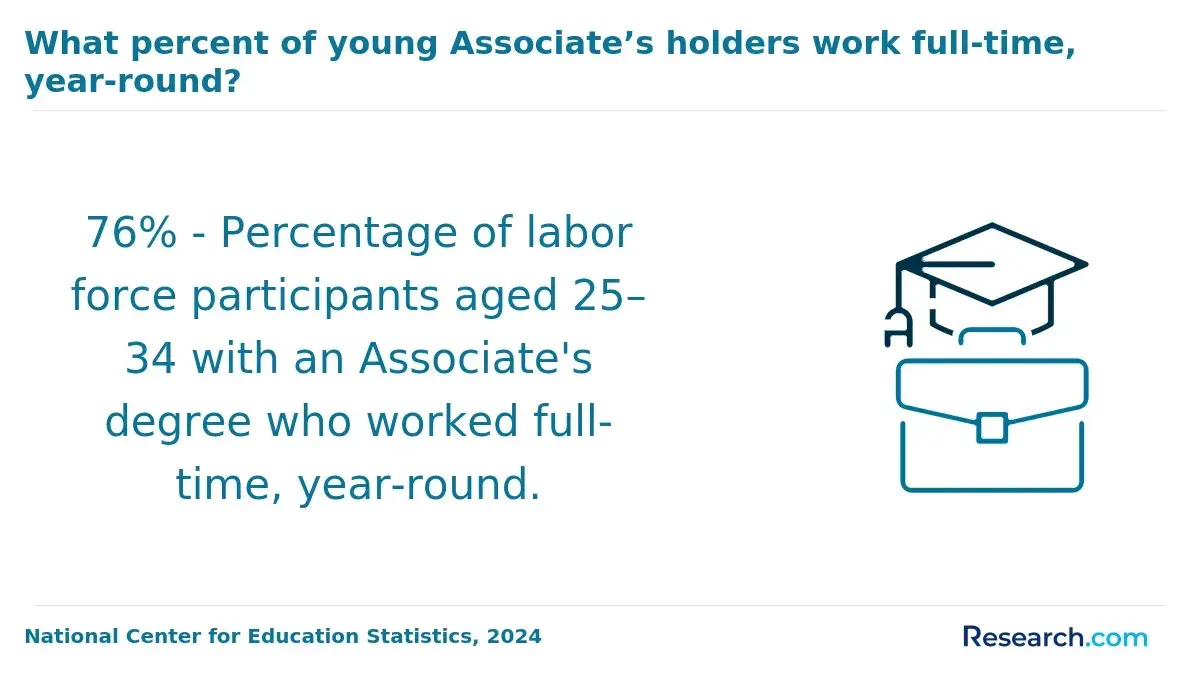
How Many Transfer Credits Can Students Typically Apply Toward a Nutrition Degree?
- Transfer Limits: Accredited nutrition programs generally accept between 60 and 90 total transfer credits, often representing the maximum transferable amount rather than what applies specifically to the major. For a standard 120-credit bachelor's program, students might transfer up to three-quarters of credits, but many will count only as general education or electives.
- Major Applicability: The portion of transfer credits that fulfill core nutrition requirements is typically lower-usually capped around 30 to 40 credits. Programs often require certain prerequisites, labs, and specialized courses to be completed directly through their curriculum to maintain accreditation and ensure content mastery.
- Accreditation and Quality: Credits earned from regionally accredited colleges and universities-especially those with strong articulation agreements-have the highest chance of transfer acceptance. Admissions departments usually look for comparable course content, a minimum GPA threshold commonly near 2.5, and recent coursework, with outdated credits sometimes excluded.
- Strategic Benefits: Bringing in high-quality transfer credits can significantly shorten time to degree and lower tuition expenses, advantages particularly valuable to working adults, veterans, or those shifting careers.
Pre-Enrollment Evaluation: Prospective students are encouraged to seek preliminary transfer credit assessments before committing to a program. This clarity on acceptance and major applicability supports better academic planning and financial decisions.
A professional who completed a nutrition degree shared that navigating transfer evaluations involved detailed documentation and several communications with advisors. He recalled, "I had taken many relevant courses years before, but seeing which credits would count toward my major was a challenge. The institution's thorough review process actually helped me understand gaps I hadn't anticipated." His experience underscores the importance of early credit review and realistic expectations about how many prior classes apply directly to nutrition coursework.
Many four-year colleges offering nutrition degree programs have developed formal or informal transfer partnerships with community colleges to aid students seeking to move seamlessly into bachelor's programs. Such collaborations are critical for those exploring nutrition degree programs accepting community college transfer credits because they define how coursework completed at two-year institutions applies toward bachelor's degrees.
- Articulation Agreements: These formal contracts clarify which nutrition-related classes transfer directly, preventing credit loss if students meet set standards like minimum grades.
- Transfer Associate Degrees: Also called transfer pathway degrees, these associate degrees are tailored to mirror the first two years of bachelor's nutrition curricula, covering general education, science prerequisites, and introductory nutrition courses to streamline progression.
- State Transfer Guarantee Programs: States such as California, Florida, and New York maintain policies that set standards for credit acceptance, sometimes offering guaranteed junior standing for eligible transfers. However, requirements can vary, occasionally necessitating further course reviews.
- Credit Acceptance Factors: Beyond agreements, transfers depend on variables like the student's GPA, course completion dates, program prerequisites, and the alignment of previous courses with university nutrition requirements.
- Advising and Documentation: Students should consult advisors from both institutions and gather detailed course information-such as syllabi and official documentation-to support transfer approval.
Community colleges with established articulation agreements allow for more transparent and cost-efficient routes for students aiming to complete a bachelor's nutrition degree. It's advisable to check if your community college has partnerships with four-year nutrition programs before enrolling. For career changers or returning adults, understanding these pathways can clarify academic planning. Additionally, military veterans seeking to translate their training into credit benefit from similar frameworks. Many who explore the field also examine related certifications-like those detailed in medical coding certification-to enhance their qualifications as they progress through nutrition education.
Two-year institutions' transfer policies for nutrition programs remain a linchpin in ensuring students gain maximum credit value when transitioning. Proactive engagement with such policies and state-level guarantees can make a significant difference in how effectively prior coursework applies toward bachelor's nutrition degree completion.
- GPA Requirements: Accredited nutrition programs commonly require a minimum GPA ranging from 2.5 to 3.0 on a 4.0 scale to accept transfer credits. This baseline often varies depending on whether the credits fulfill general education, electives, or core nutrition courses crucial for the major.
- Admission vs. Course Credit: The GPA threshold for transfer admission can differ from the higher GPA demanded for specific prerequisite or major-related courses. For instance, a student might enter with a cumulative 2.75 GPA but must have earned at least a 3.0 GPA in science courses like biology or chemistry to transfer those credits toward nutrition requirements.
- Sliding Scale Policies: Some institutions use a sliding scale that allows students with higher GPAs to transfer more credits or even upper-division nutrition electives, while students with lower GPAs may face limits on accepted credits.
- Official Policy Guidance: Prospective transfer students should rely on formal transfer credit evaluations and institutional policies rather than general admissions materials to understand GPA cutoffs, course equivalencies, and documentation needed for credit acceptance.
Below-Threshold Options: Those whose previous courses fall below GPA standards might still transfer credits as electives or need to retake equivalent courses at their new school to satisfy core nutrition curriculum demands.
Reflecting on her own transfer experience, a professional who built her career after graduating from a nutrition degree recalled that navigating GPA requirements felt daunting at first. She shared that the detailed review of her transcripts and understanding which grades qualified for core courses took patience and close communication with academic advisors. "It wasn't just about meeting a number," she said, "but about making sure my prior work aligned well with the program's demands." This process, though challenging, gave her confidence that her transferred credits would support-not hinder-her academic progress toward a nutrition career.
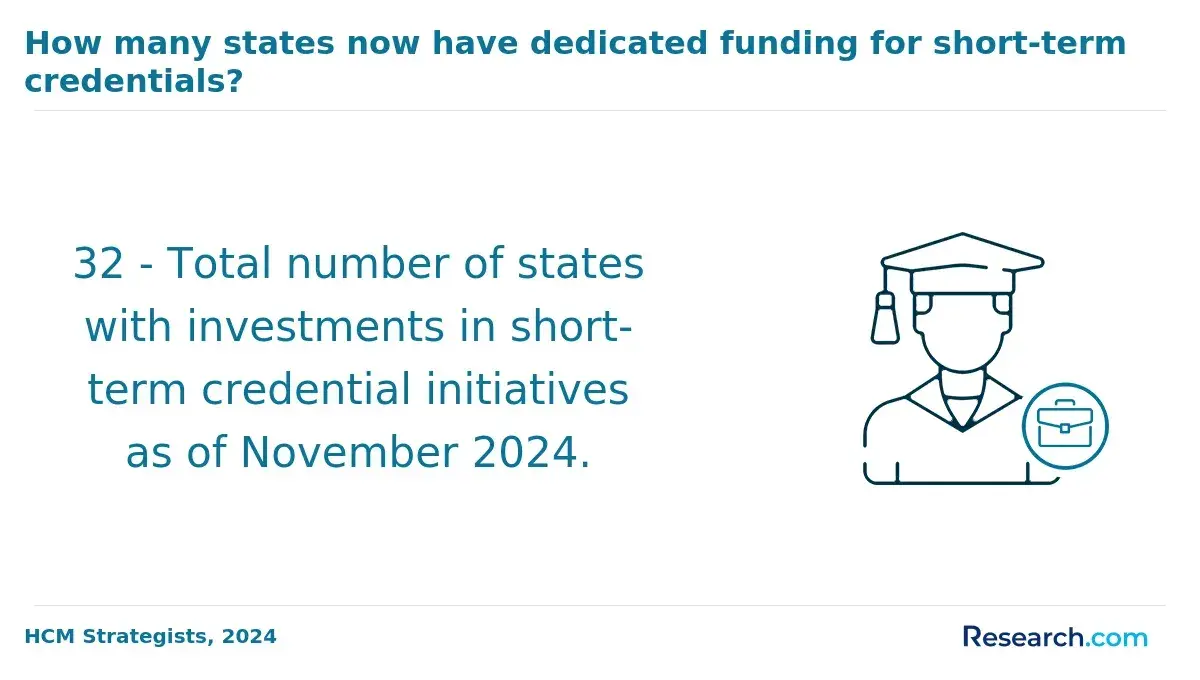
Accredited nutrition programs assess unconventional credits-such as those earned through military service, employer-sponsored training, or workforce development-by employing established evaluation methods. Many institutions follow recommendations from the American Council on Education (ACE), accept CLEP exam scores, or conduct internal portfolio reviews where students submit comprehensive evidence of prior learning. This evidence can include course syllabi, official certifications, professional licenses, and performance evaluations, all of which are crucial in determining credit eligibility.
Commonly accepted non-traditional learning experiences often encompass military health-related training, certifications in dietetics or food safety, and specialized employer courses. Nonetheless, transfer policies vary widely-minimum GPA requirements, limitations on how recent coursework must be, and specific program restrictions frequently affect credit acceptance for nutrition degrees.
Prospective students should confirm whether their chosen school participates in consortia like the National College Credit Recommendation Service, which promotes broader recognition of such credits. This pathway has become increasingly important, with recent data showing that over 65% of adult learners now utilize prior learning assessments to expedite degree completion.
- Evaluation Methods: ACE credit recommendations, CLEP exams, and portfolio reviews guide non-traditional credit assessment.
- Documentation: Syllabi, certifications, licenses, and evaluations serve as critical proof for credit transfer.
- Recognized Experiences: Military training, professional certifications, and workforce development courses are most often granted credit.
- Policy Variations: GPA thresholds, course recency, and program-specific rules influence credit transferability.
- Consortium Membership: National consortia support wider acceptance of non-traditional credits.
Several online nutrition degree programs at regionally accredited institutions distinguish themselves with flexible transfer credit acceptance-especially those limiting residency requirements to 30 credit hours or fewer. This openness allows students, including community college graduates, military veterans, and adult learners, to apply a significant portion of prior college or military coursework toward their degree completion. The broad acceptance typically includes foundational general education, science prerequisites, introductory nutrition topics, and related health courses, provided the credits meet minimum GPA thresholds (commonly 2.0 or higher).
- Residency Caps: Programs with low residency credit requirements offer students greater freedom to transfer in coursework, reducing the time and cost needed to graduate.
- Coursework Scope: A wide range of equivalent courses are accepted, but applicants should confirm that previous work aligns with the program's academic standards and transfer policies.
- Adult Learner Focus: Because online programs compete for working adults, veterans, and career changers, they often adopt more adaptable transfer policies compared to traditional campus-based programs.
- Transfer Barriers: Some institutions enforce major-specific restrictions or limit credit transfer based on course recency, which can affect how many credits ultimately apply.
- Accreditation and Quality: Verifying regional accreditation-and when applicable, programmatic accreditation like ACEND-is critical to ensure credits transfer smoothly and degrees are respected by employers and licensing bodies.
- Trade-Offs: More flexible transfer policies might correlate with less selective admissions or fewer research opportunities, factors students should weigh alongside convenience and program fit.
- Verification Steps: Prospective students should carefully review published transfer guides, residency definitions, and documentation requirements before enrollment to fully understand how prior credits apply.
The distinction between regional and national accreditation profoundly affects transfer credit acceptance for nutrition programs. The U.S. Department of Education and the Council for Higher Education Accreditation (CHEA) define regional accreditation as a rigorous evaluation process applied mainly to academically focused institutions within specific geographic areas. Such accreditation typically ensures high academic standards and enables more reciprocal credit transfer agreements among schools, easing credit transfer pathways for students pursuing a nutrition degree.
- Regional Accreditation: Generally tied to traditional colleges and universities, it fosters smoother transfer of nutrition credits among institutions with similar standards and expectations.
- National Accreditation: Commonly associated with vocational or career-oriented schools, this accreditation varies widely in curricular focus and academic rigor, often leading to limited credit transfer opportunities.
- Transfer Challenges: Nutrition credits earned at nationally accredited institutions often face rejection or restricted acceptance by regionally accredited schools, creating obstacles for students wishing to continue their education without loss of credit.
- Risks: Students enrolling in nationally accredited nutrition programs with plans for later transfer to regionally accredited schools may encounter unexpected barriers that reduce credit value and delay degree completion.
- Verification Necessity: Confirming the receiving institution's written transfer credit policy-especially for nutrition coursework-before enrollment is crucial. This protection helps clarify GPA thresholds, course recency, concentration restrictions, and documentation requirements.
- Implications for Career and Graduate Study: Since employers and graduate nutrition programs usually prefer credentials from regionally accredited institutions, transfer credit issues can affect professional advancement and educational opportunities.
For those exploring accelerated pathways into nutrition, such as military veterans translating prior learning or community college graduates seeking bachelor's completion, understanding these transfer policies will help set realistic expectations. Consider reviewing articulation agreements and institutional policies carefully. Additionally, those interested in healthcare career transitions might explore programs like the medical assistant to LPN bridge program that illustrate specialized transfer frameworks in related disciplines.
Addressing regional accreditation impact on transfer credits for nutrition programs and the differences between national versus regional accreditation transfer policies in nutrition degrees offers vital guidance for students navigating academic credit portability in this field.
Articulation agreements are formal contracts between two educational institutions specifying which courses or degree components transfer seamlessly-reducing uncertainty when students move between schools. These agreements are vital for students seeking nutrition degrees, especially within California community colleges and state universities for nutrition transfer credits, where clearly defined pathways improve program credit acceptance.
- Types of Agreements:
- Bilateral Agreements: Direct arrangements between two institutions that guarantee the transfer of specific nutrition courses or credits.
- Statewide Articulation Systems: Frameworks maintained by states facilitating smoother credit transfers among public institutions offering nutrition programs.
- National Transfer Frameworks: Broader agreements establishing baseline standards for transferability between institutions across states, sometimes covering nutrition coursework.
- Researching Transfer Opportunities: Students should confirm if their current college participates in active articulation agreements with targeted nutrition programs. This includes consulting transfer offices or institutional websites to determine existing pathways-such as those emphasizing how regional transfer pathways improve nutrition program credit acceptance in California.
- Reading Agreements: Detailed course-by-course equivalencies in articulation agreements allow students to know which nutrition credits transfer and which require additional evaluation or are excluded. Understanding GPA thresholds, course recency, and concentration-specific restrictions is key.
- Keeping Documents Current: Students must verify that the articulation agreements they rely on are the latest versions, as periodic updates can affect credit transferability.
- Collaborating With Advisors: Effective use of articulation agreements depends on proactive communication with academic advisors at both sending and receiving schools, allowing degree plans to minimize lost credits and speed up nutrition degree completion.
Working adults, military veterans, and career changers exploring accelerated routes into nutrition fields can also benefit by exploring transfer options aligned with institutional policies and accreditation standards. For example, those interested in nursing pathways can learn more about what is the easiest RN to BSN online program, which often includes transfer-friendly articulation agreements.
Prior learning assessment (PLA) allows nutrition students to earn college credit by demonstrating knowledge and skills acquired outside traditional classrooms. Unlike transfer credit-which generally depends on coursework transcripts-PLA relies on faculty evaluation of experiential learning and detailed documentation. Credit granted through PLA often appears on transcripts with unique notations and may not be equally accepted by all accreditation bodies or employers.
- CLEP Exams: These College-Level Examination Program tests evaluate proficiency in college-level subjects applicable to nutrition curricula, with credit awarded based on meeting institutional score criteria.
- DSST Exams: Formerly known as DANTES exams, DSST assessments test adult learners on relevant nutrition topics and offer flexible scheduling options.
- Institutional Challenge Exams: Some programs administer custom exams enabling students to bypass standard coursework by proving mastery of specific nutrition courses.
- Portfolio Assessment: Students submit comprehensive portfolios-detailing certifications, work experience, and self-directed study-for faculty review to potentially earn academic credit.
- ACE-Evaluated Training: The American Council on Education's evaluations allow veterans and professionals to convert military or workplace training into college credit recognized in nutrition degree programs.
Data from the Council for Adult and Experiential Learning (CAEL) indicate that effective PLA use can halve degree completion time and significantly reduce tuition for adult learners pursuing nutrition studies. Prospective students should consult their nutrition program's registrar regarding PLA policies, application processes, and credit limitations before assuming experiential learning will be credited.
Graduate nutrition programs that accept transfer credits typically fall into categories like master's degree completion, bridge programs, and post-baccalaureate certificates-formats designed for career changers or professionals finishing interrupted degrees. These programs often allow relevant undergraduate or prior graduate coursework to partially satisfy degree requirements, provided several criteria are met.
- Academic Level Equivalency: Transfer credits must meet graduate-level standards in nutrition content and rigor; advanced undergraduate courses may qualify if deemed equivalent.
- Course Recency: Most programs limit transfers to courses completed within five to seven years to ensure current knowledge.
- Institution Accreditation: Credits from regionally accredited schools are preferred-national or unaccredited institutions see closer scrutiny.
- Curriculum Relevance: Courses should align with the program's core or elective nutrition curriculum, supporting degree goals.
Transfer credits are commonly accepted in professional master's programs targeting working adults, MBA hybrids with a nutrition focus, and accelerated tracks aimed at career changers. These programs often build flexibility into transfer policies to speed degree completion. In contrast, research-intensive programs-such as traditional thesis-centered master's or doctoral studies-usually require students to complete all coursework on campus to maintain rigorous academic and research standards.
Prospective students should pursue a formal graduate credit evaluation during admissions to clarify which courses will apply. GPA minimums, thorough course descriptions, and clear documentation are essential elements that influence final transfer credit decisions, helping applicants set realistic expectations on the number and type of credits that count toward a nutrition graduate degree.
What Graduates Say About Nutrition Degree Programs That Accept Transfer Credits
- Arden: "Getting my online nutrition degree was a rewarding journey-especially since I learned early on about the strict GPA thresholds that affected how many transfer credits would actually count. It was motivating to keep my grades up because I didn't want to lose valuable credits, which really shaped my study habits. For anyone considering transfer credits, understanding those GPA rules is a game changer."
- Santos: "One thing that surprised me was the emphasis on course recency rules-some of my older classes wouldn't count toward my nutrition degree if they were too dated. It made me think critically about when to take classes and how recent knowledge plays into professional readiness. The process felt challenging but also helped me appreciate the evolving nature of nutrition science."
- Leonardo: "From a professional standpoint, dealing with documentation requirements when transferring credits was the most meticulous part of my program. The detailed records had to be precise and comprehensive-without them, many courses wouldn't count toward my nutrition degree. I'd advise anyone to be proactive and organized with all paperwork to avoid delays and disappointments."
Other Things You Should Know About Nutrition Degrees
Yes, but only if the previous courses match the receiving program’s content and credit level. Many nutrition degrees require upper-division classes to be completed at the new institution, and schools usually limit transfer credit to courses with a grade of C or higher taken within the last 5 to 10 years.
Most nutrition programs require official transcripts from previous institutions as primary documentation for transfer credit evaluation. Additionally, detailed course descriptions or syllabi may be requested to compare coursework content and rigor with the program's standards. Some schools may ask for proof of accreditation from the prior institution or additional verification for clinical or practicum courses.
Nutrition programs often require international transcripts to be evaluated by an accredited credential evaluation service to determine equivalency. Language translations and course comparability reviews are necessary to assess if international coursework meets program standards. Some programs may limit transferable credits from international schools or require supplementary coursework to fill gaps in knowledge or meet accreditation criteria.
Transfer students should evaluate accreditation, credit transfer policies, academic support services, and program flexibility. Ensuring seamless integration of previously earned credits and assessing available resources to support their educational goals are crucial.
- Application Process & Admission Requirements - MSU Denver https://www.msudenver.edu/nutrition/programs/accelerated-bs-ms/application/
- Top 35 Online Nutrition and Dietetics Programs https://becomeanutritionist.org/top-35-online-nutrition-and-dietetics-programs/
- Executive Team Updates https://www.aacrao.org/who-we-are/newsroom/executive-director-updates/executive-director-update/2020/02/20/impact-of-education-dept.s-new-accreditation-rules-on-transfer-of-credit-policies
- Nutrition and Food (BASc) FAQs https://www.torontomu.ca/nutrition/undergraduate/nutrition-and-food-faqs/
- Career Pathways in Nutrition - American Society for Nutrition https://nutrition.org/careers/career-pathways-in-nutrition/
- Regional vs. National Accreditation, What You Must Know and Ask https://nightingale.edu/blog/regional-vs-national-accreditation-what-you-must-know-and-ask.html
- Articulation Agreements Among Nursing Education Programs https://www.aacnnursing.org/news-data/fact-sheets/articulation-agreements
- Nutrition https://www.ccd.edu/program/nutrition
- Graduate Nutrition Programs & Bridge Pathways 2026 https://www.nutritioned.org/nutrition-masters-and-bridge-pathways