2027 State Licensing Differences for Nutrition Degree Graduates

Co-Founder and Chief Data Scientist
Graduates holding a nutrition degree often face confusion when seeking licensure across different states. Each state defines licensure requirements uniquely, affecting eligibility, examination processes, and approved certifications. Some states require Registered Dietitian Nutritionist credentials, while others allow alternative credentials or specify supervised experience hours differently. This variation complicates career planning, transferability, and compliance with legal practice standards.
Understanding these differences is crucial for nutrition professionals wanting to work beyond their initial licensure state. This article examines state-specific nutrition licensure requirements and provides guidance to help navigate certification challenges and optimize professional opportunities nationwide.
Key Points About State Licensing Differences for Nutrition Graduates
- States vary widely in educational prerequisites and supervised practice hours, making some licensure processes longer and more stringent for nutrition degree graduates.
- Licensure difficulty often increases in states requiring additional exams beyond the national certification, creating higher barriers in certain regions.
- Certain states mandate unique renewal protocols, including mandatory continuing education credits and periodic skill assessments, complicating ongoing licensure maintenance.
What licenses or certifications are available to Nutrition graduates?
The Registered Dietitian Nutritionist (RDN) credential is the most common licensure for nutrition graduates in the United States, issued by the Commission on Dietetic Registration (CDR). This credential is widely accepted across health care settings, providing credibility and ensuring public trust. Data published in 2025 shows that over 100,000 professionals nationwide hold the RDN credential, underscoring its importance in maintaining professional standards for nutrition practice.
Licensing and certification requirements often vary by state, so graduates need to be aware of state-specific nutrition certification application processes to practice legally and effectively. Besides the RDN, there are several other certifications designed to meet specialized career goals or expand professional opportunities. These alternatives offer paths suited to different niches and expertise areas within nutrition. Some of the notable licenses and certifications include:
- Certified Nutrition Specialist (CNS): Awarded by the Board for Certification of Nutrition Specialists, this credential emphasizes advanced clinical nutrition knowledge and functional medicine. It requires a master's degree or higher in nutrition or a related field and allows professionals to specialize in clinical nutrition roles.
- Certified Clinical Nutritionist (CCN): Issued by the Clinical Nutrition Certification Board, the CCN focuses on therapeutic nutrition for managing chronic diseases. Holders typically complete coursework and pass a qualifying exam aimed at intervention strategies in clinical settings.
- Nutrition and Dietetics Technician, Registered (NDTR): Also overseen by the CDR, this certification serves those in support roles to RDNs, particularly in community or institutional environments. It requires completing an accredited program and passing a national exam.
- Certified Sports Nutritionist (CISSN): Provided by the International Society of Sports Nutrition, this certification addresses nutrition for improving athletic performance and recovery, suitable for graduates interested in sports-related nutrition careers.
- Certified Health Coach (CHC): Offered by organizations like the National Society of Health Coaches, the CHC credential develops skills in behavior change and motivational techniques, broadening the role of nutrition professionals into health coaching and wellness advocacy.
Understanding the range of credentials available allows graduates to select qualifications that best align with their career goals and the requirements of their specific states. For those interested in accelerating their education, programs such as the shortest MSN to DNP program offer a route to advanced practice in related health fields, complementing nutrition expertise.
Is a professional license legally required or voluntary for Nutrition graduates?
Licensing requirements for nutrition graduates depend largely on the state and job role. Registered Dietitians (RDs) and Registered Dietitian Nutritionists (RDNs) generally must obtain a state license to practice legally. Without proper licensure, professionals risk legal penalties and being barred from providing clinical services. On the other hand, roles like nutrition consultants or wellness coaches often only need voluntary certification, which is not legally enforced but can boost professional credibility and client trust.
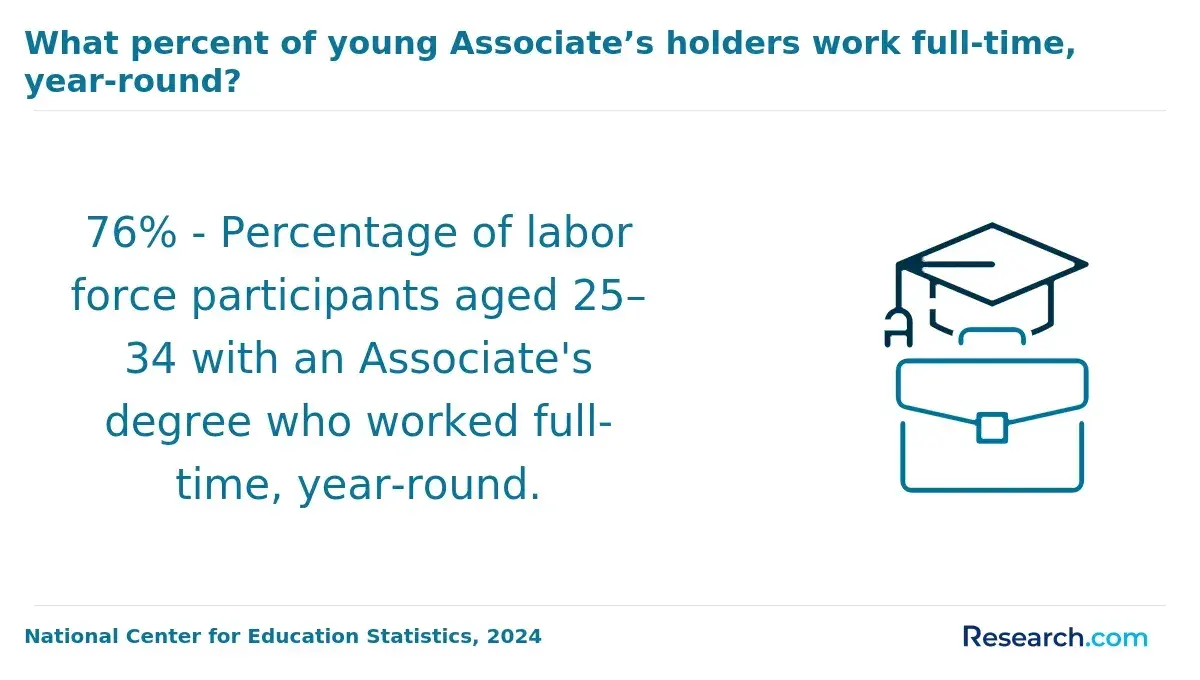
About 78% of states mandate licensure for dietitians, aimed at protecting public health by ensuring consistent standards. Voluntary certifications remain a valuable option for those working outside clinical settings, helping them stand out and demonstrate expertise even if a license is not compulsory.
How do licensure requirements for Nutrition careers differ by state?
Licensure requirements for nutrition careers differ significantly across states, affecting the process and documentation needed. Common variations include several distinct administrative and evaluation practices.
- Documentation: While most states require official transcripts and completion of an ACEND-accredited supervised practice program, some insist on notarized copies of identification and certifications (e.g., New York), whereas others like California accept electronic submissions without notarization.
- Examinations: The majority of states rely solely on passing the national registration exam, but a few, such as Texas, include interviews or oral exams as part of the licensure process to assess applicant competency further.
- Education Recognition: States vary in accepting degrees from online nutrition programs. For instance, Florida generally accepts accredited online degrees, while Georgia requests extra verification of curriculum equivalency or mandates proof of on-campus attendance for licensure.
- Post-Pandemic Policy Updates: Approximately 78% of states have revised their licensure criteria to accommodate online education credits more flexibly, reflecting a nationwide trend toward modernizing evaluation standards in nutrition credentialing.
Obtaining a nutrition degree is the initial step toward licensure, but each state has specific educational prerequisites that applicants must fulfill. These requirements ensure candidates possess the foundational knowledge necessary for professional practice. Below are key educational prerequisites that reflect the minimum academic qualifications for nutrition license application in various states.
- Bachelor's Degree:A majority of states require a bachelor's degree from an accredited institution in nutrition, dietetics, or a closely related field to meet licensure criteria. This foundational degree confirms a broad understanding of human nutrition essential for safe practice.
- State-Approved Programs:Some states mandate completion of a state-approved dietetic technician or nutritionist preparation program. For example, California and New York emphasize formal education alongside approved coursework, ensuring consistent standards across applicants.
- Credit Hour Requirements:Specific states impose minimum credit hour requirements focused on human nutrition, biochemistry, and food science. These vary widely, with some boards requiring up to 60 semester credit hours in relevant subjects, while others accept a general nutrition degree without detailed credit specifications.
- Academic Documentation:Applicants often must submit official transcripts and additional academic verification documents, such as course syllabi. These materials assist boards in confirming eligibility, especially for those who completed degrees out-of-state or from broader allied health sciences backgrounds.
Differences in educational requirements highlight the importance of understanding state licensing differences for nutrition degree graduates when planning a career pathway. Many states offer flexibility, while others apply more rigid criteria, reflecting the diverse landscape of licensure regulation. Currently, 47% of states have strengthened their educational demands in response to the evolving science and increasing workforce needs.
Individuals exploring pathways in nutrition may also consider alternate educational advancement options, such as programs with a focus on affordability and flexibility. For example, students interested in nursing and healthcare-related degrees could explore opportunities such as the cheapest RN to BSN online Texas program, which demonstrates the availability of cost-effective online degree options in related fields.
While many nutrition disciplines require a standardized national exam administered by the Commission on Dietetic Registration (CDR), state-level policies strictly govern administrative details such as passing scores, eligibility, and retake limits. According to 2025 data from the Nutrition Credentialing Authority, 18% of states have adopted ongoing competency evaluations post-licensure, highlighting increasing variability in licensure exam policies. The following points outline key differences in nutrition licensure exam requirements by state.
- Eligibility Criteria: Most states require candidates to meet educational prerequisites before sitting for the CDR exam, but a few states like California also mandate completion of supervised practice hours verified by the state. Eligibility extensions or waivers may be available in states such as Texas for licensed professionals relocating from other jurisdictions.
- Exam Attempts: Attempt limits range widely; for example, Florida allows unlimited retakes within a five-year window, whereas New York restricts candidates to four attempts before requiring additional coursework or a waiting period.
- Additional Assessments: Certain states supplement the national exam with jurisprudence tests that cover state-specific laws and ethical standards. States like Illinois and Georgia require these extra assessments to ensure compliance with local practice standards.
- Passing Scores: While the CDR sets a baseline passing score nationally, some states adopt higher thresholds. For instance, Oregon requires a minimum score 5% above the national standard.
- Ongoing Evaluations: Reflecting trends in state by state differences in nutrition licensure policies, a minority of states implement mandatory post-licensure competency evaluations to promote continuous professional development.
Graduates and professionals researching nutrition licensure exam requirements by state should consider these variable factors early to effectively plan their path to certification. Those exploring career options related to this field may also benefit from reviewing the highest paying jobs with a biology degree, as these often overlap with nutrition and health sciences domains.
Beyond completing required coursework, candidates for nutrition licensure must also fulfill a state-mandated number of supervised clinical or field experience hours, which varies widely across the United States. This requirement ensures practical training under professional supervision before licensure is granted.
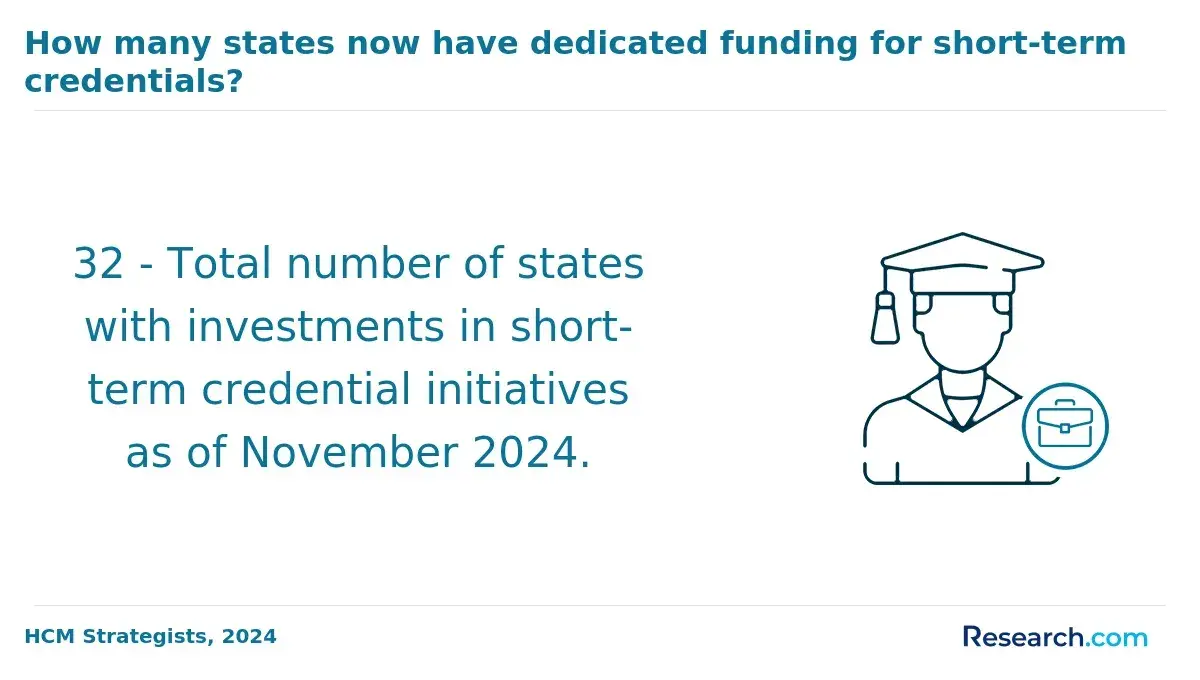
Some states require as few as 500 hours, typically through internships or accredited dietetic practicum programs, while others demand up to 1,200 hours. These hours often include hands-on client care, community nutrition education, and administrative duties in settings such as hospitals, public health agencies, or private practices. States with more rigorous standards tend to have broader definitions of acceptable experience environments.
Additionally, a few states offer alternative pathways by allowing fewer hours if applicants meet other educational or training criteria. Recent research indicates most applicants complete between 900 and 1,200 hours, reflecting an increasing alignment on the practical experience needed for competency. The disparity in requirements influences where nutrition graduates choose to seek licensure and highlights the importance of early research into individual state rules.
Many state boards require Nutrition graduates to complete specific, localized coursework that extends beyond the national curriculum. Approximately 72% of U.S. states now mandate such coursework to ensure professionals meet consistent standards. Below are key coursework topics commonly required for licensure across states.
- Human Physiology: This essential course covers the body's functions and systems, providing foundational knowledge crucial for clinical and community nutrition work. States like California often demand formal university transcripts confirming completion.
- Medical Nutrition Therapy: Focused on applying nutrition to treat disease, this course is vital for licensed practitioners. Some states, including Texas, strictly require board-approved certifications or degrees emphasizing this subject.
- Community Nutrition: Covering public health nutrition strategies, this course highlights prevention and education, with states like Florida mandating it as part of their core curriculum.
- Food Science: This topic explores food composition, safety, and technology, linking nutritional knowledge with practical applications. Requirements vary, with states such as Illinois offering flexibility by accepting equivalent professional development certificates.
- Nutrition Assessment: Critical for evaluating client needs, this coursework includes diet analysis and monitoring. New York, for example, may assess this requirement on a case-by-case basis allowing supplemental training.
Most states expect these courses to be completed through programs accredited by recognized bodies, although some accept board-approved certificates, especially for those renewing certification or qualifying without a formal degree. Prospective licensure candidates can also explore offerings like the best online exercise science degree programs to complement their nutrition degree licensure education prerequisites by state.
The cost of applying for nutrition licensure varies significantly by state, which can affect new graduates' ability to enter the profession. These differences involve fees for application processing, background checks, and required examinations. Below is a summary of nutrition license application fees by state and what is typically included in each cost.
- California: Fees total around $150, covering the initial application, background checks, and credential evaluation for licensure.
- Texas: Charges approximately $100, which includes application processing and related verification steps.
- Vermont: Has a lower fee near $50, primarily covering application processing and examination costs.
- Florida: Licensure costs about $75, including an application fee and a jurisprudence exam.
- New York: The most expensive at about $200, encompassing application, licensing, and renewal fees.
Data shows that more than 65% of states set licensing fees between $75 and $150, balancing regulatory costs with practitioner accessibility. These state-by-state nutrition licensure costs are just one factor for graduates to consider alongside exam fees and renewal expenses, which also vary.
The variation in fees highlights the importance of checking specific state requirements before pursuing licensure. For students interested in further advancement, exploring an accelerated healthcare management degree online can provide additional career opportunities in healthcare settings.
Licensure reciprocity or interstate compacts allow professionals licensed in one state to practice in another without completing a full licensure process again. For nutrition careers, such agreements would simplify working across state lines by recognizing credentials mutually among member states.
However, unlike some health professions, no interstate compact or reciprocal licensing agreement currently exists for nutrition professionals. Each state regulates nutrition licensure independently, requiring out-of-state practitioners to meet specific local criteria.
Licensure by endorsement is the typical method for nutrition degree graduates seeking to transfer credentials. State boards assess the original license for factors including active status, comparable education and supervised experience, successful completion of national exams like the Registered Dietitian Nutritionist exam, and required background checks.
While many states follow similar evaluation guidelines, some impose extra requirements such as additional coursework or supervised hours. The lack of a unified compact means delays are common; over 40% of nutrition professionals report slower processing times when relocating to new states.
The absence of license reciprocity means nutrition professionals must carefully research individual state requirements before moving. Direct communication with licensing agencies is essential to understand endorsement prerequisites and timelines. Early preparation helps graduates and practitioners navigate varied and sometimes complex transfer procedures across states.
Licensure renewal for nutrition professionals typically follows a cycle of one to two years, with biennial renewals prevailing in most states. Fees generally fall between $50 and $150, though several states have introduced higher charges or added penalties for late renewals, sometimes increasing the original fee by up to 50%. Continuing education requirements usually range from 20 to 30 hours per renewal period, often including mandated topics such as ethics or state-specific laws.
Several states diverge from this standard model by imposing stricter conditions. For instance, California and Texas require not only more rigorous continuing education but also proof of active professional development beyond course completion.
Florida is known for enforcing significant penalties that combine financial fees and extended continuing education obligations for licenses renewed after a 30-day grace period. Additionally, some states demand formal documentation and readiness for audits regarding professional development activities, which adds complexity to maintaining compliance.
What Graduates Say About the Licensing Process in the Nutrition Industry
- Arden: "Going through the licensure process in nutrition taught me just how varied state requirements can be, so I definitely advise future students to thoroughly research these details early on. The hands-on exams and supervised practice hours were challenging but incredibly valuable for cementing my knowledge. Holding a license has opened doors for me professionally and increased client trust significantly."
- Santos: "Reflecting on my journey, the certification process wasn't just a formality but a transformative experience that emphasized ethical standards and continuous learning. It's crucial to understand that some states require different coursework and exams, which can affect how you plan your education. Ultimately, having my nutrition certification has made a profound impact on my ability to advocate for better client outcomes."
- Leonardo: "As a certified nutrition professional, I appreciate how licensure lends credibility and demonstrates dedication to the field. The process varies widely by state, especially regarding supervised practice requirements and exam content, so staying informed is key for any aspiring nutritionist. From a career perspective, obtaining that license truly elevates your professional profile and opportunities for advancement."
Other Things You Should Know About Nutrition Degrees
State boards of dietetics and nutrition, or a state health department in some states, regulate licensure for nutrition degree graduates. Their rules set eligibility, supervised practice, and renewal standards. In 2027, many states require candidates to follow board-approved pathways before using protected titles like licensed nutritionist or dietitian.
Some states impose extra requirements for nutritionists working in clinical environments, such as hospitals or long-term care facilities. These may include background checks, liability insurance, or additional certifications related to clinical nutrition. Such regulations aim to enhance patient safety and ensure practitioners have relevant competencies for those settings.
Yes, many states regulate how licensed nutritionists can promote their services, including restrictions on what titles can be used in advertising and claims that may be made. This helps prevent misleading the public about qualifications or therapeutic outcomes. Advertising guidelines vary and often require practitioners to specify their license status clearly.
State legislatures periodically update laws that can expand or restrict the scope of practice for licensed nutritionists. Changes may include new allowable procedures, expanded consultation types, or updated continuing education mandates. Nutritionists must stay informed of such changes to remain compliant and maintain their licensure status.
- The Best States to Work as a Nutritionist: Salaries, Licensing, and Demand - Become A Nutritionist https://becomeanutritionist.org/blog/the-best-states-to-work-as-a-nutritionist-salaries-licensing-and-demand/
- Unpacking Non-Dietitian Nutrition Credentials - Today's Dietitian Magazine https://www.todaysdietitian.com/unpacking-non-dietitian-nutrition-credentials/
- Nutritionist Requirements by State 2026 | License Guide https://www.nutritioned.org/state-requirements/
- State Licensure & Certification Boards, B.S. in Nutrition Sciences - University of New Haven https://www.newhaven.edu/health-sciences/undergraduate-programs/nutrition-sciences/licensure-information.php
- Is a Nutrition Certification Worth It? Learn the Benefits of Being Certified https://www.precisionnutrition.com/is-a-nutrition-certification-worth-it
- Become a Registered Dietitian Nutritionist https://www.eatright.org/become-an-rdn
- Board Certification as a Specialist in Sports Dietetics Nutrition Examination Dates and Fee https://www.cdrnet.org/board-certification-as-a-specialist-in-sports-dietetics-nutrition-examination-dates-and-fee-schedule
- Certification Agency | Plano, TX https://cncb.org/
- 7 Best Functional Nutrition Certifications - Well Resourced Dietitian https://wellresourced.com/functional-nutrition-certifications/
- NASM Certified Nutrition Coach (CNC) | Science-Backed Nutrition https://www.nasm.org/products/certified-nutrition-coach