2027 Nutrition Degree Programs You Can Start Without Meeting All Requirements

Co-Founder and Chief Data Scientist
Many aspiring students face hurdles when applying to nutrition degree programs-whether due to GPA shortfalls, incomplete prerequisites, or breaks in professional education. Nearly 40% of nutrition graduates achieve professional licensure within two years, highlighting the program's career value despite initial entry challenges. Institutions increasingly offer conditional admission, foundational courses, or alternative credential evaluations to bridge gaps and welcome diverse learners earlier. These flexible routes help students start their education without full standard qualifications but require meeting academic benchmarks to continue. This article explores these legitimate admission pathways, support systems, and performance expectations to guide prospective students through early entry into nutrition degree programs.
Key Things to Know About Nutrition Degree Programs You Can Start Without Meeting All Requirements
- Conditional admission policies enable students to enroll in nutrition programs while completing missing prerequisites or improving GPA-typically requiring specified grades within the first semester to maintain status.
- Bridge and foundational courses offered by many institutions provide targeted instruction for those lacking key knowledge-facilitating smoother transition and academic success in core nutrition subjects.
- Alternative credential reviews assess professional experience or prior learning-allowing candidates such as career changers or adult learners to gain credit or bypass standard requirements.
What Is the Minimum GPA Requirement for a Nutrition Degree Program?
GPA thresholds for nutrition degree programs differ widely across institutions-ranging from selective universities that often require minimum GPAs near or above 3.5, to moderately competitive schools with cutoffs between 2.5 and 3.2, and open-admission colleges accepting GPAs as low as 2.0. These ranges reflect varying institutional priorities, balancing academic rigor with accessibility. Beyond raw numbers, admissions committees assess factors like grade trends-especially any upward improvement-and the rigor of science and health-related courses completed. Some institutions offer grade replacement policies, which allow retaking prerequisite courses to improve cumulative GPA, providing a second chance for students striving to meet requirements.
Students interested in early enrollment but who miss standard GPA thresholds should consider several options before assuming disqualification. First, speaking with an admissions counselor can clarify individual circumstances and available pathways. Next, it can be beneficial to request holistic review, where admissions committees evaluate the complete application-including work experience, personal statements, and recommendations-beyond traditional metrics. Finally, inquiries about conditional admission policies may reveal opportunities for entry with academic conditions to fulfill later, a common approach for students pursuing minimum GPA for conditional admission in nutrition programs.
- Consultation: Engage admissions staff for personalized guidance based on your academics and experience.
- Holistic Review: Ask that your full background-beyond GPA-be considered in admissions decisions.
- Conditional Admission: Explore provisional entry programs that allow starting coursework while meeting academic benchmarks.
Many programs offer foundational or bridging courses designed specifically for applicants with academic gaps, facilitating later full admission. These structures support diverse student populations-including community college transfers and adult learners-helping them progress through nutrition degree GPA requirements for early enrollment. For those navigating options in advanced nursing alongside nutrition, some of the cheapest DNP programs may provide comparable models of flexible entry pathways.
Which Nutrition Programs Accept Applicants on Academic Probation or With Academic Deficiencies?
Applicants with academic probation histories or transcript deficiencies often find pathways into nutrition degree programs accepting students on academic probation through clearly structured conditional or provisional admission tracks. These tracks typically mandate that students meet specific GPA benchmarks within a prescribed number of credit hours, while offering advisor oversight to support academic success.
- University of Central Florida-Undergraduate Nutrition Program, Regional Accreditation: Offers provisional admission for students below the GPA threshold, requiring a minimum 2.5 GPA during the first 12 credit hours. Advisor oversight includes mandatory biweekly meetings to monitor progress and tailor study plans.
- Texas Woman's University-Bachelor's in Dietetics, Regional Accreditation: Allows conditional enrollment for students on academic probation who take no more than 9 credit hours in their first semester. Students must maintain at least a 2.75 GPA and participate in monthly meetings with assigned academic advisors.
- California State University, Northridge-Didactic Program in Dietetics, Regional Accreditation: Grants conditional admission expecting students to raise their GPA above 2.7 within 15 credit hours. Faculty advisor appointments occur every three weeks, and students join a peer mentoring program during probation.
- Northern Illinois University-Graduate Nutrition Science, Regional Accreditation: Graduate applicants with academic deficiencies start on provisional status, needing a minimum 3.0 GPA for the first 9 graduate credit hours. They submit monthly progress reports and attend biweekly virtual meetings with advisors for personalized guidance.
- Florida International University-Undergraduate Nutrition and Dietetics, Regional Accreditation: Offers a bridge program for those with incomplete prerequisites under conditional admission. Students must complete foundational courses with a minimum 3.0 GPA within the first semester. Advisor support includes academic coaching and skills workshops.
Policies for conditional or provisional admission vary widely across colleges offering nutrition programs with academic deficiency admission-especially between undergraduate and graduate levels. Prospective students should verify the latest requirements directly with each program's admissions office to understand current academic probation terms and entry conditions.
Applying with a checkered academic history is not automatically disqualifying. A strong personal statement that thoughtfully addresses past challenges and clearly expresses motivation can enhance your application. Likewise, securing references that attest to your dedication and ability to improve plays a critical role in gaining conditional admission to nutrition programs.
Adult learners, community college transfer students, high school graduates below GPA thresholds, and career changers alike may find flexible entry options through such pathways. Many programs combine structured advisor oversight, performance benchmarks, and support resources to facilitate academic progress. For information about related healthcare fields, consider exploring online np programs as additional career avenues.
How Do Conditional Admission and Provisional Enrollment Work for Nutrition Degree Seekers?
Conditional admission and provisional enrollment offer flexible entry points into nutrition degree programs-though their definitions vary by school. Conditional admission typically requires students to meet specific academic criteria, such as maintaining a minimum GPA-often near 2.5-or completing foundation courses like biology or chemistry within the first one to two semesters. Success leads to full admission; failure may result in dismissal or probation. In contrast, provisional enrollment usually applies to students who have not submitted all required documents, allowing temporary, unclassified registration without immediate academic conditions. It serves as a short-term status mostly lasting one semester until administrative requirements are fulfilled.
Conditions commonly attached to these statuses include
- Foundation Course Completion: Completing prerequisite courses promptly to ensure foundational knowledge.
- Academic Performance Benchmarks: Meeting minimum grade standards in designated classes.
- Documentation Submission: Providing outstanding transcripts, test scores, or other official records.
Students admitted conditionally often navigate these challenges by focusing on coursework and maintaining advisor communication. To clarify their situation, applicants should ask:
- Triggering Factors: Which specific criteria-such as GPA or missing prerequisites-led to the condition?
- Review Timeline: When will progress be evaluated for possible status change?
- Decision Authority: Who determines advancement from conditional or provisional to full admission?
A professional who earned a nutrition degree shared that conditional admission helped him "stay motivated despite a weak start." He noted, "Early on, the pressure to meet GPA goals was stressful, but having clear benchmarks gave me focus. My advisor's guidance was crucial-checking in regularly made all the difference. Without that structured path, I doubt I would have completed the program." This experience highlights how these admissions pathways support persistence and eventual success.
Portfolio Review: Programs that emphasize practical skills-such as applied nutrition, dietetic technician, or community nutrition tracks-may accept a detailed portfolio as a partial substitute for traditional prerequisites.
- Programs Most Likely: Applied nutrition, dietetic technician, and community nutrition programs.
- Required Documentation: Portfolios must include evidence like completed projects, volunteer or work experience in health or food services, reflective essays, and relevant certifications.
- Institutional Infrastructure: Faculty committees dedicated to reviewing portfolios provide tailored feedback, guided by clear criteria on acceptable documentation.
Demonstrated Professional Experience: Some nutrition programs acknowledge knowledge gained through related work experience, particularly for adult learners, career changers, or those returning after a gap.
- Programs Most Likely: Undergraduate and continuing education nutrition programs; commonly part of flexible or adult learner-centered pathways.
- Required Documentation: Detailed resumes, employer letters verifying job roles, and sometimes interviews or case studies.
- Institutional Infrastructure: Experiential learning offices or program advisors evaluate relevance based on curriculum outcomes.
Prior Learning Assessment Credit: Prior learning assessments (PLAs) grant academic credit for non-college courses or independent study in nutrition or related sciences.
- Programs Most Likely: Bachelor's nutrition degrees and online pathways featuring competency-based education.
- Required Documentation: Certificates, evidence of previous training, standardized tests, or accredited workshops.
- Institutional Infrastructure: Trained evaluators and formal policies within academic affairs or registrar offices administer PLA processes.
Placement Testing: Where prerequisite courses are missing, some programs offer placement exams to demonstrate foundational knowledge before full admission.
- Programs Most Likely: Entry-level nutrition and dietetics programs, often with conditional acceptance policies in nutrition programs.
- Required Documentation: Successful results on exams covering biology, chemistry, or introductory nutrition concepts.
- Institutional Infrastructure: Testing centers and faculty oversee exam administration and scoring, followed by enrollment advising.
Students who fall short of GPA thresholds, community college transfers still completing prerequisites, or those seeking conditional admission should proactively contact nutrition program offices. Many schools accommodate exceptions informally, even if these options aren't prominently advertised.
Careful communication directly with department chairs or program directors is usually more effective than relying solely on centralized admissions offices, ensuring clarity about flexible admission pathways. For those exploring flexible options, including self paced degrees may offer additional routes to fulfill academic requirements.
Concurrent or co-requisite enrollment enables students in nutrition programs to register for core courses while still completing required prerequisites. Unlike conditional admission-which grants provisional entry but often restricts full course access until criteria are met-concurrent enrollment allows simultaneous progress. This means students might begin foundational nutrition classes alongside unmet prerequisites like introductory statistics or biology, reducing delays in their academic journey.
Typical course pairings include early nutrition classes taken with research methods or general chemistry. For example, a student could enroll in "Principles of Nutrition" concurrently with "Introduction to Statistics," especially in programs tailored for transfer students or adults needing flexible timelines. This structure supports continuous momentum without pausing degree progress.
Choosing this path demands careful consideration due to the heavier academic load. Managing two challenging subjects requires disciplined time management and commitment. Students juggling jobs or family responsibilities need to assess whether this accelerated approach fits their lifestyle without compromising performance or well-being.
To confirm if a nutrition program permits concurrent prerequisite enrollment, students should:
- Review: Study the institution's course catalog and policies for co-requisite options.
- Consult: Speak with academic advisors about eligibility, course sequencing, and conditions attached to early enrollment.
- Request: Obtain a degree audit to determine outstanding prerequisites and how concurrent courses could satisfy them.
Managing such a dual-track schedule benefits from strategies like establishing a regular study routine, prioritizing assignments, and accessing academic support early. Staying in close communication with instructors and advisors can prevent falling behind, especially when external commitments complicate scheduling. Maintaining balance is crucial to succeed in this rigorous but flexible pathway.
A professional who launched her career after completing a nutrition degree shared, "Taking core nutrition courses alongside prerequisites was intimidating-I worried about keeping up. But having clear guidance from my advisor and a structured plan made it manageable. I had to be very organized and sometimes sacrificed social time, yet the ability to progress without interruption kept me motivated. It was stressful at moments, but also incredibly rewarding to see my degree move forward steadily despite initial gaps in prerequisites."
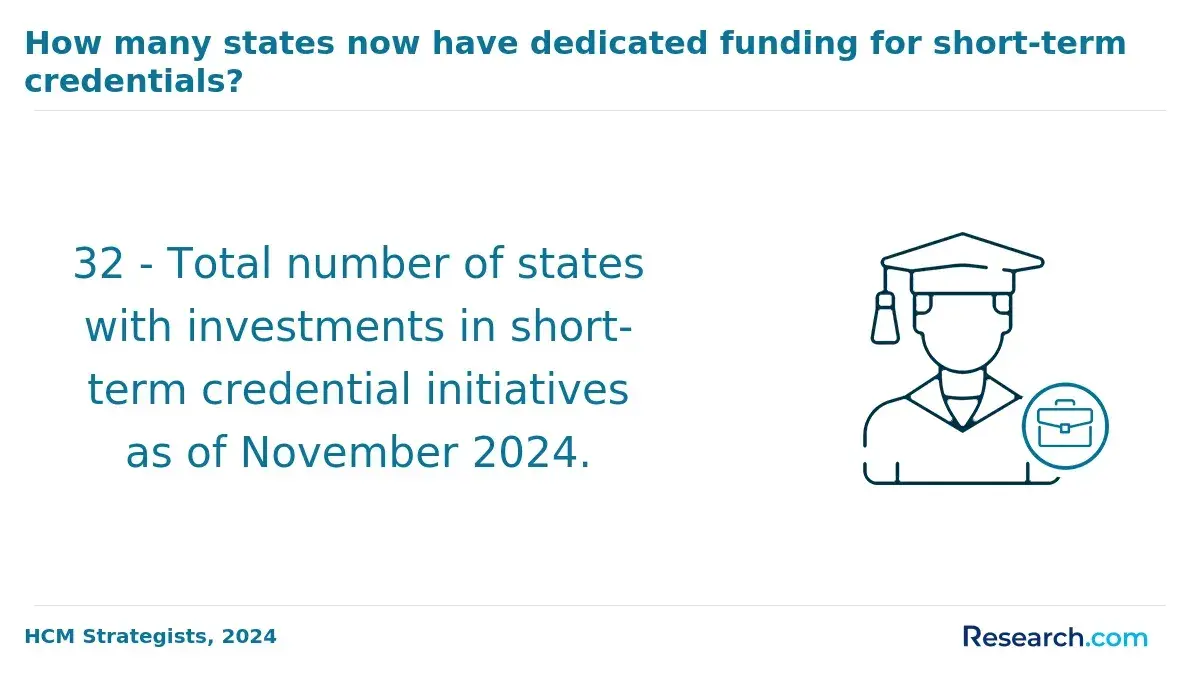
Students who lack full admission qualifications can begin nutrition coursework at community colleges through partnerships designed to ease transfer into bachelor's or graduate programs. These pathways often involve 2+2 articulation agreements, dual-enrollment options, and specialized transfer programs that let learners start foundational studies while preparing for a smooth transition to four-year institutions.
- Articulation Agreements: Formal 2+2 arrangements provide clear credit equivalencies between community colleges and nutrition bachelor's programs, reducing credit loss and streamlining transfers.
- Dual-Enrollment: High school and adult students may take classes simultaneously at both community colleges and four-year programs to build early exposure and balance workloads.
- Prerequisite Coursework: Essential subjects such as biology, chemistry, and anatomy offered at community colleges help students fulfill admission criteria incrementally.
- GPA Improvement: Community colleges offer targeted courses to help students raise academic standing when previous grades fall short of transfer standards.
- Skill Building: Emphasis on writing, quantitative reasoning, and science literacy ensures preparedness for nutrition majors' academic demands.
- Program Verification: Prospective students should contact their target institution's nutrition department or admissions office to identify formal agreements, or collaborate with advisors to design individual transfer plans if no agreement exists.
- Flexible Transfer Review: Admissions committees often apply less rigid criteria to transfer applicants, focusing more on college-level performance than initial admissions benchmarks.
According to a 2023 National Student Clearinghouse report, transfer enrollment from community colleges has risen by 5%, highlighting the growing role of these pathways in supporting diverse nutrition students.
Personal statements and letters of recommendation serve as powerful tools for applicants seeking admission to nutrition degree programs despite falling short of GPA thresholds or missing prerequisites. These documents allow candidates to present a fuller picture-one that highlights qualities and experiences beyond transcripts and test scores.
A compelling personal statement for conditionally admitted nutrition applicants should include:
- Candidness: Offer an honest explanation of any academic setbacks while maintaining a forward-looking tone focused on growth and readiness.
- Preparation: Detail how past educational, professional, or life experiences have developed skills needed for rigorous study in nutrition.
- Fit: Describe specifically why the chosen nutrition program aligns with your goals and learning style, showing a clear understanding of the program's strengths.
Letters of recommendation carry greatest weight when written by individuals who can attest to the applicant's intellectual abilities or relevant achievements. Admissions committees prefer endorsements from supervisors or mentors familiar with the applicant's professional or academic performance rather than generic character references.
- Relevant Recommenders: Select writers who know your capacity to tackle challenging material or demonstrate excellence in nutrition-related contexts.
- Insightful Observations: Letters that cite concrete examples of persistence, problem-solving, or skills help balance out lower numerical credentials.
Side note: The personal statement is the primary vehicle through which conditionally admitted applicants shape how admission officers perceive their potential beyond the numbers.
Non-Credit Boot Camps: These intensive, short-term courses focus on essential foundational knowledge for students missing key prerequisites. Community colleges or continuing education departments at universities commonly offer boot camps, which usually don't appear on official transcripts but may award certificates. Their accelerated format-often lasting weeks-helps students begin degree coursework sooner, though full enrollment generally depends on passing final assessments. Costs vary but tend to be lower than credit-bearing courses, fitting those balancing budgets with an urgent need to enroll. This option aligns well with students exploring nutrition bridge courses for unmet admission requirements.
Post-Baccalaureate Preparatory Sequences: Targeting career changers or adults returning to education, these structured, credit-bearing sequences cover unmet prerequisites comprehensively. Typically found at universities, they appear on official transcripts and count toward degree progress after admission. Completion generally requires one to two semesters, slightly extending overall graduation timelines while easing entry into demanding nutrition curricula. Tuition aligns with standard university rates and is often higher than boot camps, but the academic credits earned offer a valuable transfer advantage. This pathway suits those pursuing foundational nutrition programs with flexible entry options.
Certificate-Level Prerequisite Bundles: Formal certificate programs combine foundational science and nutrition courses into a recognized credential. Offered at both community colleges and universities, certificates appear on transcripts and may fulfill prerequisite requirements entirely, expediting degree admission. Completion ranges from a semester to a year. While tuition can be substantial, financial aid options may help offset costs. This pathway is ideal for students seeking official acknowledgment alongside prerequisite completion and a balance of cost and flexibility.
Self-Paced Online Remediation Modules: Increasingly popular among non-traditional applicants, these online modules permit independent review or acquisition of prerequisites. Many universities and accredited providers offer these courses, which rarely grant transcripted credit but may prove competency for conditional admission. Their self-paced design grants maximum scheduling flexibility but can delay full program acceptance until mastery is verified. Costs are often lower than credit courses, appealing to students needing affordable, customizable preparation.
Advisory Note: Bridge or foundational programs may be excluded from standard catalog listings. Prospective students should actively inquire with admissions offices about all available support options enabling early entry despite incomplete prerequisites. For those interested in exploring advanced health education pathways, information on related options like an online doctor of pharmacy program is also useful to consider.
Admissions committees at many nutrition degree programs increasingly recognize professional background replacing academic requirements for nutrition degrees-especially in holistic review processes where relevant work experience serves as a valid substitute for unmet academic prerequisites. This approach values practical skills and industry knowledge as indicators of academic readiness despite lacking formal coursework or GPA benchmarks.
- Recognized Experience: Most programs accept work directly connected to nutrition-such as employment in dietetic services, community health, food service management, or wellness coaching. Industry certifications like Certified Dietary Manager or Nutrition Specialist credentials further validate expertise.
- Leadership and Impact: Management or supervisory roles within nutrition-related environments demonstrate advanced competencies. Contributions such as published research or presentations at professional conferences also reinforce an applicant's qualifications.
- Volunteering and Community Service: Sustained volunteer involvement in nutrition education or food security initiatives exemplifies hands-on experience valued by admissions.
- Documenting Experience: Applicants should prepare a professional resume tailored to academic review-focused on measurable outcomes and detailed descriptions linking duties to nutrition. Admissions committees may require employer letters, certifications, or proof of accomplishments.
- References: Securing professionals who can attest to nutrition-related skills rather than academic aptitude is essential for stronger applications.
- Confirm Program Policies: Not all nutrition programs incorporate work experience as admission criteria in nutrition programs. Prospective students should verify if their target schools formally consider non-academic credentials to avoid wasted effort.
Students aiming for flexible pathways may also explore bridge and foundational course options or conditional admissions designed to balance academic obligations with prior professional achievements. For related opportunities in other fields, exploring online BSN to MSN programs may provide insight into similar flexible admission models for adult learners and career changers.
Federal Aid: Conditionally admitted nutrition students remain eligible for federal financial aid through FAFSA by enrolling at least half-time and maintaining satisfactory academic progress-criteria that include specific GPA thresholds and credit completion rates. Failure to uphold these standards can temporarily halt funding until academic performance improves.
Institutional Scholarships: Many colleges provide scholarships aimed at students admitted conditionally, such as those enrolled in bridge or foundational programs. These awards focus on demonstrated effort and progress rather than past academic records, supporting students through their transition to full admission.
Private Scholarships: Various nonprofit organizations offer scholarships targeting non-traditional students, adult learners, and career changers pursuing nutrition degrees. These grants often consider applicants' professional experience and community involvement, recognizing potential beyond traditional academic pathways.
Adult Learner and Re-Entry Support: Some institutions allocate special aid or scholarship funds for adult students returning after career breaks or seeking a program change. These resources evaluate life experience and motivation alongside academic history, helping offset education costs during provisional enrollment.
Professional Guidance: Prospective students should consult the financial aid office and their academic advisor before accepting conditional admission. Navigating enrollment intensity, eligibility rules, and aid package details together helps avoid unexpected financial burdens and ensures a clear path to meeting academic benchmarks required for continued enrollment and funding.
Admission Flexibility: Many online nutrition programs-especially those affiliated with large public university systems or for-profit schools aiming for wider enrollment-offer easier entry options than traditional campus-based programs. This often includes accepting students without completing all prerequisites or meeting a minimum GPA, allowing early access to coursework. Campus programs, constrained by limited seats and resources, typically enforce stricter entry standards.
Prerequisite Waivers and Conditional Enrollment: Online programs frequently permit prerequisite waivers or conditional enrollment, enabling students who are still completing foundational courses to start their studies sooner. Campus-based programs generally require all prerequisites before admission, though some may offer summer or bridge courses to fill gaps prior to regular terms.
Support Infrastructure: Students admitted under flexible policies should assess the support systems available, which differ by delivery mode and school:
- Academic Advising: Online learners often access virtual advising that may lack the personalized touch found on campus.
- Tutoring Services: Remote tutoring is common online, but quality and wait times can vary compared to in-person options.
- Disability Accommodations: Both online and campus formats provide accommodations, though navigating these can be more straightforward in a physical setting.
- Mental Health Resources: On-campus students usually benefit from direct access to counseling centers, whereas online students may be limited to teletherapy or external referrals.
Accreditation and Quality: Flexible admissions do not equate to lower academic quality. Accredited online nutrition programs maintain rigorous curricula and graduation requirements matching those on campus. Prospective students should verify regional accreditation and graduation rates to ensure their degree carries recognized professional weight, rather than selecting programs solely for entry ease.
What Graduates Say About Nutrition Degree Programs You Can Start Without Meeting All Requirements
- Arden: "Starting the Nutrition degree without meeting all prerequisites felt daunting at first, but the program's clear academic obligations helped me stay on track. The timeline expectations were realistic-giving me just enough challenge to push forward without feeling overwhelmed. Most importantly, maintaining good standing by meeting performance benchmarks motivated me to continuously improve my understanding and skills."
- Santos: "Reflecting back, what stood out most were the flexible academic requirements for conditional admission-this gave me a second chance to pursue my passion for nutrition. The program laid out specific timeline checkpoints that kept me accountable and growing at a reasonable pace. It was eye-opening to realize how critical meeting those performance benchmarks was-not just for passing, but for truly mastering the content."
- Leonardo: "From a professional standpoint, the Nutrition degree's conditional admission policies require serious commitment-academic responsibilities are clearly structured to ensure progression. The timeline expectations serve as checkpoints to assess readiness and prevent falling behind. Meeting the designated performance benchmarks wasn't merely bureaucratic-it transformed my approach to managing rigorous coursework effectively."
Other Things You Should Know About Nutrition Degrees
Accrediting organizations like the Accreditation Council for Education in Nutrition and Dietetics (ACEND) set standards that influence admission flexibility. ACEND-accredited programs often establish clear policies for conditional admission, allowing students to start before meeting all prerequisites. These standards ensure that even with flexible entry options, students must complete certain coursework and performance benchmarks to maintain good standing.
Many nutrition programs provide tutoring, academic advising, and bridge courses specifically designed for conditionally admitted students. Some institutions also offer mentoring and learning workshops to help these students catch up on essential knowledge. Such supports increase the chances of academic success and enable students to meet progression standards within the required timeline.
Yes. Some nutrition programs admit students on academic probation when the GPA is below the standard cutoff, often 2.0 or 2.5, if they submit a plan to raise grades within the first 12 to 15 credits. Programs usually review progress after one term.
- CalFresh Outreach Project - Foundation for California Community Colleges https://foundationccc.org/our-work/equity/supporting-students-basic-needs/calfresh-outreach-project/
- Navigating the (MANY) Pathways to Become an RDN or NDTR — Diversify Dietetics https://www.diversifydietetics.org/ddblog/2023/12/13/navigating-the-many-pathways-to-become-an-rdn-or-ndtr
- How to Become a Nutritionist | Requirements, Salary 2025 https://www.nutritioned.org/nutritionist/
- Finding work & Work experience - Association for Nutrition https://www.associationfornutrition.org/careers-nutrition/becoming-nutritionist/finding-work
- Alberta Internationally Educated and Return-to-Practice Dietetic Bridging Program https://www.ualberta.ca/en/agriculture-life-environment-sciences/programs/undergraduate-programs/degree-programs/nutrition-food-science/dietetic-bridging-program.html
- How to Become A Registered Dietitian (Without a Bachelor’s in Nutrition) https://www.emilieeats.com/how-to-become-a-registered-dietitian-without-a-nutrition-bachelors-degree/
- Beyond food pantries: How CA colleges are feeding students - CalMatters https://calmatters.org/education/higher-education/college-beat/2025/05/food-pantries-california/
- 5 creative ways California colleges are feeding students beyond food pantries https://laist.com/news/education/5-creative-ways-california-colleges-are-feeding-students-beyond-food-pantries
- Dietetics - SUM Admission https://admission.sum.edu.pl/dietetics/
- 10 Tasteful Scholarships for Food Science and Nutrition Students https://www.petersons.com/blog/10-tasteful-scholarships-for-food-science-nutrition-students/