2027 Best Online Music Education Degree Master's Programs for Career Changers

Co-Founder and Chief Data Scientist
Many professionals with degrees in unrelated fields seek career changes but face obstacles when pursuing a master's in music education. Balancing demanding jobs with rigorous coursework, while acquiring specialized pedagogy skills, presents unique challenges. National data show that 42% of online master's students in education fields are career changers requiring flexible, accredited programs that accommodate diverse schedules.
This demand highlights an evolving market for accessible music education degrees tailored to adult learners. This article explores the best online music education master's programs designed specifically for career changers, focusing on flexibility, accreditation, and career outcomes to guide prospective students effectively.
Key Benefits of Online Music Education Degree Master's Programs for Career Changers
- Online music education master's programs offer flexible scheduling, allowing working professionals to balance coursework with career and personal commitments effectively.
- Accelerated curricula enable career changers to acquire essential teaching and musical skills faster, often completing degrees in 18 to 24 months.
- Students gain global networking opportunities through diverse virtual cohorts, expanding professional connections critical for entering the music education industry.
What Are the Best Online Music Education Master's Programs for Career Changers?
Choosing a focused specialization within online master's programs is a strategic move for career changers targeting growing niches in music education. Employment in educational support roles, including specialized music instruction, is projected to grow 8% from 2022 to 2032, emphasizing the advantage of targeted expertise.
Below are some promising specializations well suited for professionals making a switch:
- Curriculum Design: Ideal for those with experience in instructional design, business, or psychology, this specialization leverages skills in creating structured, engaging learning content tailored to diverse educational settings.
- Technology Integration: Suited for candidates with backgrounds in information technology or media production, this focus emphasizes the use of digital tools and innovative platforms to enhance music teaching techniques.
- Music Therapy: A fitting choice for individuals from healthcare, counseling, or social work, combining therapeutic expertise with music knowledge to support emotional and cognitive growth.
- Instrumental and Vocal Pedagogy: Tailored for those with strong performance or coaching experience, this specialization develops skills in teaching and mentoring musicians effectively.
- Arts Administration and Leadership: Perfect for professionals with business or nonprofit backgrounds, preparing them to manage community arts programs and music initiatives.
For career changers seeking the best online music education master's programs for career changers or the top accredited online music education degrees for professionals switching careers, selecting a specialization aligned with prior experience can be transformative.
Those interested in combining arts education with modern technology might explore options alongside other fields, such as pursuing an AI degree that complements music education frameworks. This approach ensures a well-rounded credential set tailored to evolving educational environments.
What Are the Admission Requirements for Online Music Education Master's Programs for Non-Majors?
Many online music education master's programs now emphasize professional potential and transferable skills rather than requiring a specific undergraduate major. This approach benefits career changers, as over 60% of such programs nationwide accept applicants from diverse academic backgrounds, reflecting a growing recognition of varied experience in education.
Key online music education master's admission requirements for career changers typically include:
- Bachelor's Degree: A degree from an accredited institution is required, regardless of your major. Career changers often fulfill this prerequisite by leveraging their prior academic achievements in an unrelated field.
- Professional Resume: Programs look for relevant skills in teaching, leadership, or musical involvement. A detailed resume can highlight transferable experiences that demonstrate readiness for graduate study.
- Personal Statement: A purpose-driven personal statement should convey your motivation and goals for pursuing music education. This is a critical tool to show your commitment and fit for the program.
- Letters of Recommendation: These should attest to your abilities, dedication, and potential in the field, helping to strengthen your application from a reputational perspective.
- Bridge Coursework: Career changers often meet prerequisites through foundational "bridge" courses in music theory or pedagogy. These courses, offered online or through informal training, help fill knowledge gaps efficiently.
These prerequisites for non-majors in music education master's programs ensure that applicants are well-prepared despite varied academic backgrounds. For those looking for flexible and accessible options, some institutions feature short masters programs that can aid in completing these requirements without extensive time commitments.
How Is the Curriculum Structured for Career Changers in Online Music Education Master's Programs?
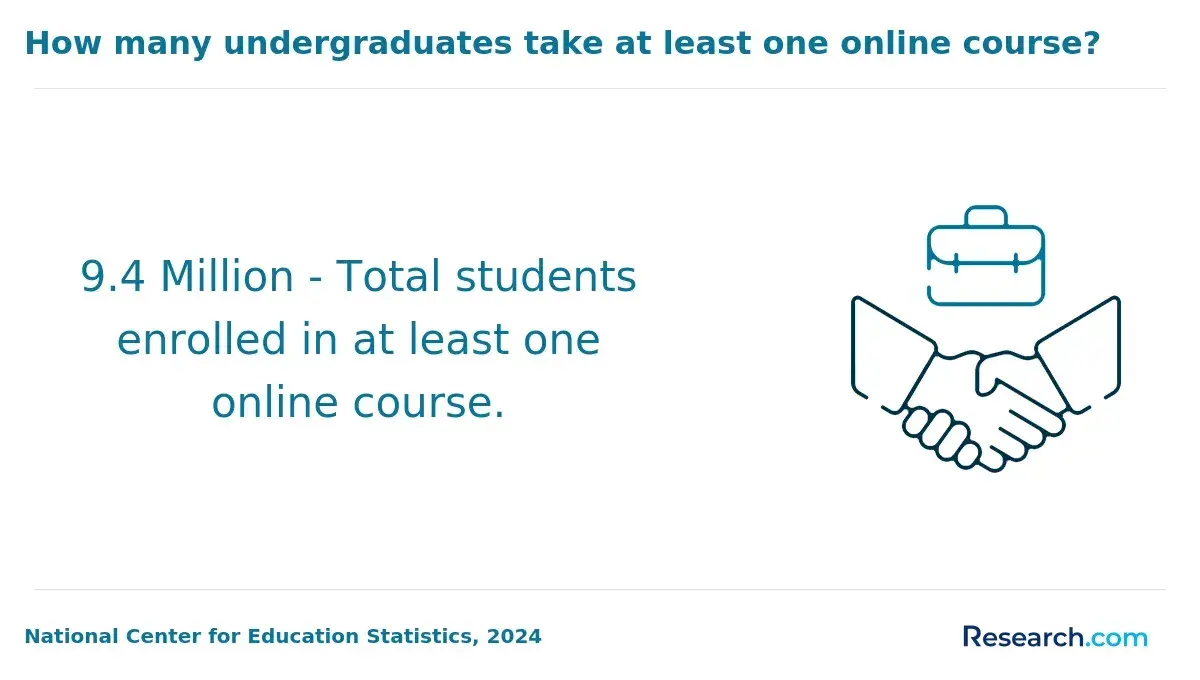
Modern online music education master's programs are carefully designed to guide individuals from unrelated backgrounds through a learning path that develops essential foundations and builds toward advanced teaching skills. Research indicates that nearly two-thirds of career changers in such programs feel significantly more prepared for music education roles within their first year.
- Foundational Bridge Modules: These courses establish a common baseline by covering crucial topics like music theory, history, and pedagogical methods. They are tailored for students without prior music experience, ensuring a smooth entry into the subject matter.
- Core Industry Competencies: Focusing on practical skills such as curriculum development, assessment techniques, and technology use in classrooms, these modules help learners apply their previous professional expertise to educational contexts effectively.
- Applied Capstone Projects: Serving as a culminating experience, these projects encourage students to integrate and demonstrate their knowledge by addressing authentic challenges in music education, facilitating their transition into professional roles.
Speaking with a professional who enrolled in an online music education master's program to change careers revealed the emotional and intellectual hurdles involved. He described feeling overwhelmed at first by unfamiliar musical concepts but found that the step-by-step curriculum helped build his confidence gradually. "It wasn't just about learning music, but understanding how to teach it in ways that connect with different learners," he shared.
Throughout the program, he appreciated how prior skills in project management offered unexpected advantages when designing lesson plans and managing classroom dynamics. His experience underscored how this flexible curriculum can help reshape varied professional backgrounds into effective music education careers.
Employer perception of an online music education master's degree has shifted dramatically in recent years. Surveys show that nearly 70% of employers now consider online degrees as credible as their on-campus counterparts, marking a significant turning point in acceptance.
For professionals switching careers, the standing and accreditation of the granting institution weigh more heavily than whether the degree was earned online or in person. This focus on quality reassures hiring managers that an online credential meets the same academic standards as traditional programs.
Completing a rigorous online music education master's demonstrates critical skills to potential employers, especially for those transitioning fields. Managing a demanding curriculum alongside full-time work or other obligations highlights strong time management, self-discipline, and digital proficiency.
Additionally, diplomas from leading universities awarded online typically do not differentiate from those earned on campus, ensuring graduates receive identical formal recognition. For those seeking flexible yet reputable pathways, programs such as an online accelerated bachelor's degree may also offer complementary options in this evolving educational landscape.
Online music education master's programs provide flexible pacing to meet the diverse needs of professionals shifting careers while managing personal commitments. A recent survey found that 65% of graduate students in online programs identified adaptable scheduling as a crucial factor in successfully completing their degrees, underscoring the benefits of digital learning environments for career changers.
- Accelerated Path: Designed for full-time learners, this option enables completion in approximately two years by maintaining an intensive course load and prioritizing consistent progress. It suits those who can dedicate significant time to their studies while balancing fewer outside responsibilities.
- Standard Duration: Typically spanning three to four years, this track accommodates part-time students balancing work, family, or other commitments. It allows gradual progress through coursework and practicum experiences without overwhelming the student.
- Flexible Scheduling: Many programs offer asynchronous classes and self-paced formats, enabling students to extend their study period beyond four years if necessary. This pathway supports personalized learning rhythms and accommodates unexpected life events or professional demands.
When I spoke with a professional who transitioned careers after completing an online music education master's, she emphasized the importance of flexibility. "Balancing family life and a part-time job meant I couldn't always stick to a strict semester schedule," she shared.
She found that the option to pause and resume coursework at her own pace provided relief during particularly busy periods. Though the longer timeline was challenging at times, it also gave her the opportunity to deeply engage with student teaching placements and coursework, boosting her confidence as she prepared to enter the music education field.
Online master's degrees in music education tend to be more cost-effective since they remove expenses associated with campus living, such as housing and transportation, while allowing students to keep their jobs during the program. Recent data indicate that the total cost usually falls between $15,000 and $40,000.
Several important factors influence this variation, including the following:
- Tuition Per Credit Hour: Rates can vary widely by institution, especially between public and private universities, making the price per credit a significant cost driver.
- Credit Requirements: Programs typically demand between 30 and 40 semester hours, so the total credits needed directly affect overall expenses.
- Additional Fees: Technology access charges, course materials, and other ancillary fees can add up and should be included in budget planning.
- Accreditation Status: Accredited programs may have higher tuition but offer better recognition and value, impacting long-term career benefits.
Because of these factors, many career changers find online music education master's degrees to be a practical choice, balancing affordability with the flexibility to handle work and personal commitments simultaneously.
Online music education master's programs leverage students' existing professional experience to build a specialized skill set essential for success in the music education field. These programs prepare career changers for a smooth transition, reflecting a growing market need: employment of postsecondary art, drama, and music teachers is projected to increase by 9% from 2022 to 2032, according to the U.S. Bureau of Labor Statistics.
- Curriculum Design: Students learn to create and adapt music lesson plans that align with diverse student needs and educational standards, fostering inclusive and effective instruction.
- Music Theory and Performance: Advanced knowledge in these areas enhances teaching credibility, allowing educators to deepen their students' understanding and engagement.
- Educational Technology Integration: Master's candidates develop skills in utilizing digital tools and virtual platforms, essential for delivering high-quality instruction in today's remote and hybrid learning environments.
- Leadership and Classroom Management: Programs emphasize strategies for managing student behavior and cultivating positive, productive classroom atmospheres to support learning.
- Assessment and Evaluation: Career changers gain techniques for measuring student progress and offering constructive feedback, driving continuous musical growth.
A master's degree in music education offers career changers a valuable edge by showcasing advanced academic expertise and up-to-date technical training that help overcome limited professional experience. This specialized degree signals to employers a strong foundation in pedagogy and practical skills relevant across various sectors.
According to the National Center for Education Statistics, education-related occupations are projected to grow by 5% over the next decade, indicating steady demand for educators with advanced qualifications.
Career switchers pursuing the best online music education master's programs for career changers often find diverse opportunities beyond traditional teaching roles.
- Public and Private Schools: Many school districts prioritize candidates with a master's degree who can design comprehensive curriculum and lead music instruction. This preference often outweighs prior field experience, as districts value the rigor and pedagogical depth graduates bring to classrooms.
- Community Arts Organizations: Nonprofit groups frequently hire program coordinators and instructors to manage ensembles and workshops. Graduates' fresh perspectives and pedagogical knowledge make them ideal for fostering community engagement through music education.
- Online Education Platforms: The growth of digital learning has opened new avenues for educators trained in virtual teaching methods. An online master's degree in music education for non-majors equips graduates to create and deliver engaging remote courses, meeting the demand for accessible music instruction.
- Music Therapy Centers: Although additional certification may be necessary, centers appreciate graduates' understanding of music's therapeutic effects on cognitive and emotional development, integrating their expertise into treatment programs.
- Corporate Training Programs: Some companies employ music educators to develop creative workshops and team-building activities. These roles leverage educators' skills in fostering creativity and collaboration among employees.
For those interested in exploring related fields, a library science degree can offer additional pathways for career growth and specialization beyond music education.
A master's degree in music education acts as a powerful catalyst for salary growth by qualifying career switchers for mid-to-senior level roles that would otherwise be inaccessible. Recent projections show that master's degree holders in music education earn a median annual salary ranging from $60,000 to $75,000, highlighting the clear financial motivation for those pursuing this path.
- Immediate Post-Graduation Salary Bump: Graduates transitioning from unrelated fields into specialized music education roles often see a 20-30% increase in starting salary. This boost reflects strong demand for qualified educators in schools, private institutions, and community programs across the U.S.
- Long-Term Career Trajectory: Earning a master's accelerates advancement to leadership positions such as program director or curriculum specialist. These roles typically offer pay scales up to 40% higher than entry-level jobs, reducing the time required to reach executive-level compensation.
- Regional and Remote Premiums: Online music education master's graduates can leverage their credentials for remote teaching or consulting jobs that command premiums above regional averages. This flexibility enables salary negotiation tied to high-demand markets rather than geographic constraints.
Seeking the best online music education master's programs for career changers can optimize this financial potential while providing flexibility. For those interested in diverse graduate paths, exploring a construction management degree online offers another example of an affordable, career-shifting option to compare.
Music education master's degree salary potential after career transition is not only about numbers but also about sustainable growth and adaptability in a dynamic job market.
For professionals transitioning into music education from unrelated fields, the ideal online master's program must do more than award a degree; it should effectively link their previous work experience with the technical demands of the discipline. Recent data show that nearly 40% of education master's students come from different industries, underscoring the importance of specialized support.
Key features to consider include:
- Foundational Coursework: Programs should offer solid instruction in music theory and teaching methods, ensuring all students gain essential technical expertise regardless of their academic history.
- Flexible Scheduling: Options such as asynchronous classes and part-time enrollment accommodate working adults balancing education with other responsibilities.
- Hands-On Experience: Supervised practicums or internships provide practical teaching opportunities that help build confidence and classroom skills.
- Personalized Support: Advising and career services tailored to career changers assist in translating existing abilities into effective educational practices.
- Accreditation and Licensure: Programs must be accredited by recognized agencies to meet state certification standards, ensuring graduates can pursue licensure in diverse settings.
What Graduates Say About Online Music Education Degree Master's Programs for Career Changers
- Bridget: "Choosing an online music education master's program allowed me the flexibility to balance work and study, which was crucial as I transitioned from a marketing career. The program's affordability compared to traditional options made it a smart investment that didn't break the bank. Since graduating, I've stepped confidently into a new role as a school music coordinator, where I apply both my creative and educational skills daily."
- Hannah: "Reflecting on my decision to pursue an online music education master's, the ability to learn at my own pace stood out the most. The course fees were reasonable, especially given the quality of instruction and resources provided. This degree has truly opened doors for me in the educational sector, allowing me to bring fresh insight and passion to music classrooms after years in a different profession."
- Kathleen: "Professionally, the online master's in music education was a game-changer, providing me with the certification needed to switch careers and the confidence to succeed. I appreciated the cost-effectiveness of the program, which helped me avoid significant debt while gaining essential skills. Now, I am thriving as a music teacher, influencing students and shaping their musical journeys in ways I only dreamed of before."
Other Things You Should Know About Music Education Degrees
Many online music education master's programs include certification tracks or prepare students to meet state requirements for public school music teaching. However, licensure policies vary by state, so graduates often need to complete additional steps such as passing state exams or fulfilling supervised teaching hours. It is important to verify that the program is aligned with state certification standards if public school teaching is the goal.
Yes. Many programs require a supervised practicum, often 50 to 100 hours, and some add a student-teaching or field experience component in a local school. These placements are usually arranged after admission and must meet state licensure standards and university approval.
- Master of Music in Music Education https://online.ewu.edu/degrees/education/master-music-education/
- What Can You Do with a Music Education Degree? - NAfME https://nafme.org/blog/what-can-you-do-with-a-music-education-degree/
- Music Education: Teaching Artistry | Master's | BGSU Online https://www.bgsu.edu/academics/online/music-education-teaching-artistry-masters.html
- Music Education Master’s Programs Online: Review Top Schools https://www.onlinemastersdegrees.org/best-programs/education/music-education/
- Why music education matters: Advancing your career through a master’s in music or conducting https://www.messiah.edu/news/2025/11/why-music-education-matters-advancing-your-career-through-a-masters-in-music-or-conducting
- Work remotely https://www.desirmusicacademy.com/pages/job
- Hitting the Right Note: Exploring Online Master's Degrees in Music Education - Oreate AI Blog http://oreateai.com/blog/hitting-the-right-note-exploring-online-masters-degrees-in-music-education/a33ab5fb188aae3a62a393cddd8885d9
- 5 Benefits of Online Learning: Music Careers Online | Musicians Institute https://www.mi.edu/in-the-know/5-benefits-online-learning-get-music-career-started-online-now/
- Secret to Success for Music Teachers https://online.usm.edu/blog/secret-to-success-music-teachers/