2027 Shortest Online Music Education Degree Master's Programs That Pay Well: Cost, Time to Completion, and Salary Outlook

Co-Founder and Chief Data Scientist
Many working professionals face the challenge of advancing their careers in music education without sacrificing years of time and excessive tuition fees. Traditional master's programs can take two or more years, delaying potential salary increases and career growth. Accelerated online music education master's degrees address this by offering completion in as little as 12 to 18 months.
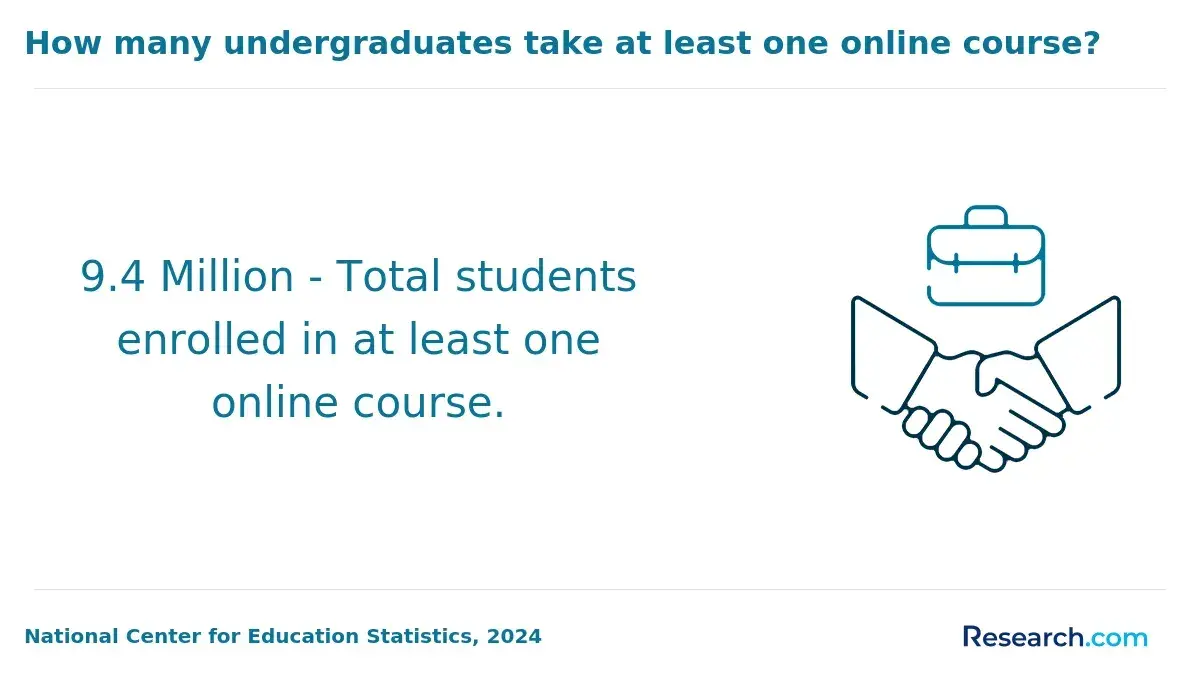
According to the National Center for Education Statistics, enrollment in accelerated online graduate programs has increased by over 40% in recent years, reflecting growing demand for swift career advancement options. This article explores these shortest programs, their costs, durations, and salary outcomes to guide informed decisions.
Key Benefits of the Shortest Online Music Education Degree Master's Programs That Pay Well
- Accelerated online music education master's programs can be completed in as little as 12 to 18 months, enabling quicker entry or advancement in education-related careers.
- These programs often reduce overall tuition and fees by focusing on intensive coursework, making them a cost-efficient choice compared to traditional degrees.
- Graduates typically see salary increases averaging 10-20% post-degree, reflecting strong demand for qualified music educators in both public and private sectors.
What Are the Shortest Online Music Education Master's Programs Available Today?
The demand for accelerated online graduate options has grown steadily as professionals seek efficient paths to advanced credentials. Many shortest online music education master's programs in the United States allow completion in as little as 12 to 18 months, significantly faster than traditional degree timelines. These programs accomplish speed through condensed formats and flexible academic frameworks.
Below are common program types designed to shorten completion time:
- Professional Master's Degrees: Typically completed in about 12 months, these programs focus on intensive coursework with minimal electives. Streamlined curricula support rapid progression for career-focused learners.
- Master of Arts (MA) Programs: Usually lasting 15 to 18 months, MA programs combine foundational music education theory with synchronous online sessions. This structure fosters consistent cohort advancement and manageable pacing.
- Master of Science (MS) Tracks: Offering approximately 18 months to completion, MS tracks often include accelerated summer terms and credit transfer options. These features enable quicker degree fulfillment while maintaining academic rigor.
Accelerated online master's degrees in music education completion time varies by program type but generally leverages year-round schedules and flexible course options. These formats minimize overall tuition and opportunity costs, allowing graduates to enhance their salary potential sooner. Students interested in expanded educational opportunities may also explore options like an AI degree for complementary skill development in education technology.
How Many Credits Are Required for the Shortest Online Music Education Master's Programs?
Accelerated online master's programs in music education are structured to reduce credit requirements and enable faster degree completion, often within 12 to 18 months. These programs typically require between 30 and 36 credits, allowing students to focus on essential coursework without unnecessary extension. The following key components influence the credit requirements and help support timely graduation:
- Total Credit Range: Most shortest online music education master's programs demand 30-36 credits, which is fewer than traditional options that usually require 36-45 credits. This compressed credit load prioritizes relevancy and efficiency.
- Core Requirements: Programs emphasize fundamental music education theories and teaching methods, packaging these into fewer but comprehensive courses that ensure a solid professional foundation.
- Electives and Specialization: Elective courses are either limited or integrated within core classes, reducing the overall credit burden while still providing opportunities for targeted study and skill development.
- Capstone or Thesis Structure: Many accelerated programs design capstone projects or theses to be completed alongside regular coursework, preventing extensions of program length.
- Flexible Scheduling: Online delivery and accelerated terms allow continuous enrollment and adaptability, which supports the completion of credits efficiently and aligns with the credit requirements for accelerated online music education master's degrees.
For prospective students balancing career goals with education, these credit structures underscore the value of choosing shorter programs. Identifying affordable institutions is also critical; resources listing cheap online colleges can help minimize overall cost while pursuing a fast-track music education master's degree.
Are There Specializations Available in the Shortest Online Music Education Master's Programs?
Accelerated online master's programs in music education often limit the scope and number of specialization options due to condensed schedules. Nevertheless, about 60% of online master's degrees offer at least one concentration to address various professional interests. Below are some common specializations available within 12- to 18-month accelerated programs:
- Curriculum Development: This focus equips students with skills to design effective lesson plans and assessment methods tailored to different age groups. It suits educators aiming for leadership or curriculum coordination roles without extending their study duration.
- Technology in Music Education: This specialization trains students to incorporate digital tools and music software into instruction, meeting the evolving demands of modern classrooms through a concentrated course load.
- Conducting: Designed for those seeking expertise in leading ensembles and orchestras, this track emphasizes advanced rehearsal techniques and performance leadership within the compressed timeline.
When asked about specialization options, a graduate of an accelerated online music education master's program shared that balancing a focused area of study alongside an intensive course schedule was challenging yet rewarding. He noted, "The tight deadlines meant I had to prioritize assignments related to my concentration, often juggling practical projects with theoretical coursework." He appreciated how the program's structure allowed him to deepen his knowledge in conducting without prolonging graduation. Reflecting on the experience, he said, "It was intense, but having a clear specialization made the fast pace manageable and kept me motivated."
Accelerated music education master's programs organize coursework to allow completion within 12 to 18 months by focusing on streamlined term schedules and concentrated study loads. Typically, students complete three to four terms, taking about three courses each term to maintain a rigorous but manageable pace. Key curriculum components include:
- Core Courses: These foundational classes cover topics like curriculum design, pedagogy, assessment methods, and the integration of technology into teaching, establishing essential knowledge for educators.
- Electives: Students choose specialized subjects such as music theory, conducting, or digital composition to tailor their studies toward individual career interests and deepen expertise.
- Capstone or Project: Usually completed in the final term, this culminating assignment involves creating a research project or teaching portfolio that synthesizes learning and demonstrates practical skills.
- Term Sequencing: Programs often use cohort models or rolling enrollment to reduce gaps between terms, enabling continuous progress and minimizing total program duration.
On average, these accelerated tracks require between nine and twelve total courses, ensuring students fulfill accreditation standards while acquiring applicable teaching skills quickly and cost-effectively.
The tuition for accelerated online music education master's programs generally falls between $15,000 and $30,000 for the full degree. These programs often charge a higher tuition per term than standard-length options to reflect their intensive schedule, but because they require fewer semesters, total costs may be lower. For context, the average total tuition for fast-track online graduate programs across various fields is about $22,000.
Considering out-of-state tuition rates for the shortest online music education master's degrees can also impact final expenses. Below are key factors influencing the overall cost:
- Average Total Tuition: This represents the full cost of finishing the degree, often reduced since students enroll for fewer semesters compared to traditional timelines.
- Tuition Per Term: Costs per semester tend to be higher due to a condensed curriculum and accelerated pace, but overall payment periods are shorter.
- Additional Program Fees: Extra charges may include technology access, course materials, or graduation fees, which can add several hundred to a couple thousand dollars depending on the institution.
Prospective students weighing these expenses alongside course length should also assess how out-of-state tuition rates affect the affordability of the shortest online music education master's degrees. For a comparison of affordable options at the bachelor's level, reviewing the cheapest bachelor degree online offerings can provide helpful insights for planning an educational budget.
Tuition rates for online master's programs in music education often differ from those of traditional campus-based degrees, especially regarding residency status. Nearly 60% of online graduate programs charge uniform tuition regardless of whether a student lives in-state or out-of-state, making financial planning simpler for many prospective students. The following points highlight important factors influencing tuition and additional costs in accelerated online music education programs.
- Tuition Parity: A majority of programs offer a single tuition rate for all students, removing the usual premium charged to out-of-state enrollees. This uniform approach helps attract a geographically diverse student body while streamlining administrative processes.
- Residency Exceptions: Some institutions maintain residency-based pricing due to state funding agreements or special discounts. These exceptions can result in different tuition fees depending on the student's location, so it's important to verify individual program policies.
- Program-Specific Fees: Additional charges for technology access, software licenses, or use of specialized equipment may be levied, independent of residency. These costs can affect the total expense for all students regardless of their state of residence.
- Additional Costs: Students might incur expenses for materials, exam proctoring, and certification preparation. These fees typically do not vary between in-state and out-of-state students but can add to the overall program cost.
When I spoke with a professional who earned her master's degree in an accelerated online music education program, she noted that tuition uniformity was a major relief. She explained that avoiding out-of-state surcharges simplified budgeting at a time when balancing work, family, and study was already challenging. "Knowing exactly what I'd pay from the start took a lot of stress away," she reflected. She also mentioned the few extra fees for required software, which she considered reasonable given the flexibility of completing coursework remotely. Her experience illustrates how many students benefit from predictable costs in these streamlined online programs.
Tuition typically covers the majority of instructional costs in the shortest online music education master's programs, but students should be prepared for additional charges that affect the total cost. These extra fees often reflect necessary support services or materials that enhance the accelerated learning experience. Below are some common additional fees associated with accelerated online music education degrees:
- Technology Fee: This fee supports the university's online platforms, digital resources, and technical assistance. It ensures students have reliable access to the software and tools required for coursework completion.
- Application Fee: Usually a one-time, nonrefundable charge paid when submitting the application. It contributes to administrative processing and is not included in tuition costs, adding to upfront expenses.
- Materials and Software Fees: Covering specialized music software, digital instruments, or textbooks needed for comprehensive coursework. These fees vary widely depending on the curriculum and technology demands.
- Graduation or Commencement Fee: This charge covers diploma preparation and participation in virtual or on-campus ceremonies. It is sometimes optional but is part of finalizing the degree requirements.
- Practicum or Facility Fees: In programs with recital or practicum components, there may be extra costs for supervision, equipment use, or administrative support related to hands-on learning experiences.
Awareness of these fees helps prospective students more accurately plan their budget when choosing the shortest online music education master's program with strong salary potential and minimal time to completion. For those also exploring options in related fields, programs such as a family therapy degree provide additional accelerated learning paths to consider alongside music education.
Financial aid is essential for making the shortest online music education master's programs more affordable, especially for working professionals balancing career and study. Nearly 60% of online graduate students receive some form of financial assistance, underscoring the critical role aid plays in offsetting costs. Below are key financial aid options that can help reduce the overall investment required for accelerated completion.
- Federal Loans: Offered by the U.S. Department of Education, these low-interest loans provide deferred repayment options while enrolled and flexible payment plans after graduation. They enable students to manage tuition costs without immediate financial strain.
- Scholarships and Grants: These funds come from universities, nonprofits, and private organizations and do not require repayment. They may be awarded based on merit or financial need, helping to lower the net cost of tuition.
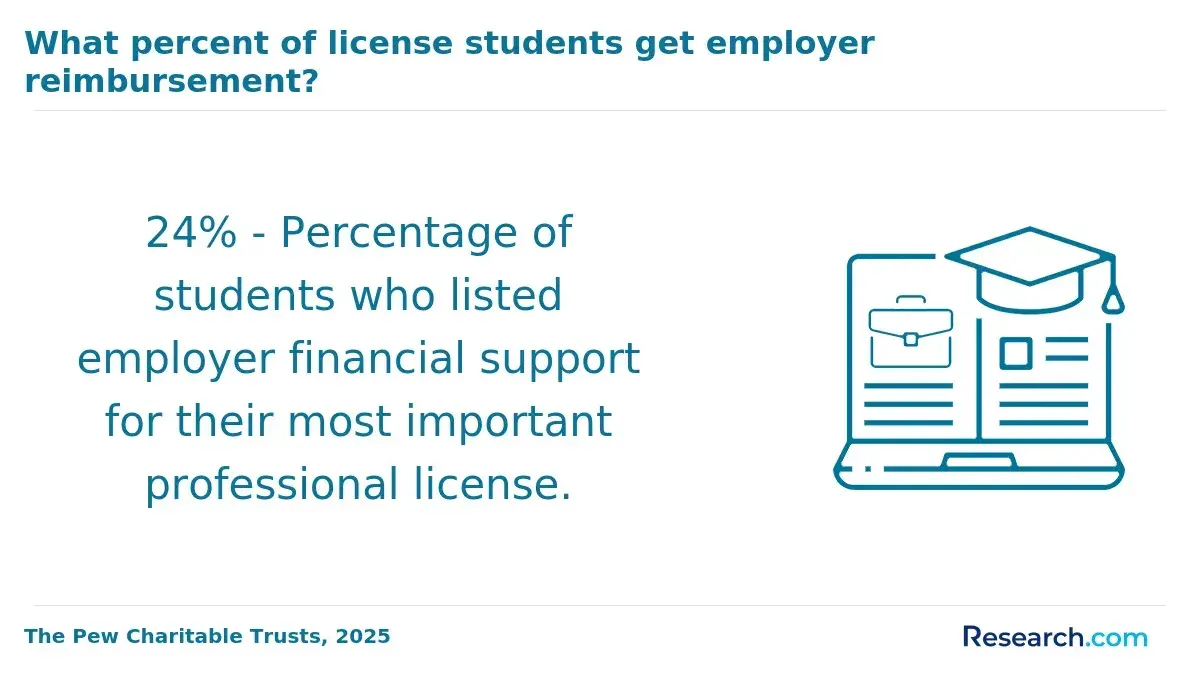
- Employer Tuition Assistance: Many employers support employee development by offering tuition reimbursement or assistance programs. This support is especially valuable for those pursuing careers in music education, as it directly reduces out-of-pocket expenses.
- Institutional Aid: Certain universities provide special grants or discounted tuition specifically for online students enrolled in accelerated master's programs. This institutional support can significantly ease the financial burden.
By combining these aid sources, students can better manage tuition and related expenses, enabling a focused and financially stable path to earning a music education master's degree online in less time.
Earning an online music education master's degree significantly expands career options and enhances professional advancement. According to the U.S. Bureau of Labor Statistics, those with a master's degree in education-related fields typically enjoy higher employment rates and greater earning potential than individuals with only a bachelor's degree. Below are common roles that graduates from accelerated online music education master's programs often pursue.
- Music Teacher or Specialist: Leading classroom instruction at elementary, secondary, or specialized private institutions, focusing on developing students' musical skills and appreciation.
- Curriculum Developer: Designing music programs and instructional materials for schools or educational organizations, ensuring alignment with standards and innovative teaching methods.
- Music Therapist: Applying music-based interventions to support clients' mental and emotional health, often requiring additional certification to practice professionally.
- School Administrator: Managing music departments or entire arts programs within educational settings, overseeing staff, budgets, and program development.
- Community Arts Coordinator: Organizing music education initiatives and public events for community centers, non-profits, or cultural institutions to promote arts engagement.
These career opportunities demonstrate how an online music education degree job prospects can be both diverse and rewarding, blending leadership, creativity, and educational expertise. Professionals aiming to maximize their career growth and earning potential often choose these accelerated online programs to balance current responsibilities with further education.
Prospective students interested in educational advancement may also explore related fields, such as a cybersecurity degree online, which offers strong career prospects in technology-driven sectors alongside traditional education roles.
Completing an accelerated online master's degree in music education can significantly enhance earning potential by equipping graduates with specialized skills sought by employers. The median annual wage for postsecondary teachers in music and performing arts, a common career path for holders of this degree, is around $69,000 according to recent U.S. Bureau of Labor Statistics data. Key factors that influence salary prospects for graduates include the following:
- Location: Urban and culturally rich areas typically offer higher wages due to greater demand and funding for arts education programs.
- Work Setting: Employment in colleges or dedicated music institutions often results in better compensation compared to K-12 public schools.
- Experience and Credentials: Holding additional certifications or accumulating teaching experience can boost salary beyond initial master's degree earnings.
- Employer Type: Salaries vary widely across public schools, private schools, higher education, and freelance opportunities, each with unique pay structures.
- Program Reputation: Graduates from accredited and respected accelerated programs may have a competitive advantage when negotiating salary offers.
Choosing a fast-track online master's degree in music education not only expedites entry into higher-paying roles but also supports career progression with minimal disruption to ongoing employment.
What Graduates Say About the Shortest Online Music Education Degree Master's Programs That Pay Well
- Amanda: "Completing the shortest online music education master's degree was a game changer for me. The affordable tuition made it accessible, and since I finished in less than two years, the overall investment was manageable. Plus, the boost in my salary proves that quicker completion really pays off. "
- Sarge: "Reflecting on my journey through an accelerated online master's in music education, I realize how the program's condensed timeline kept costs down while still delivering quality content. The shorter duration meant I re-entered the job market swiftly, which positively influenced my income progression. It was a thoughtful balance between cost, time, and career impact. "
- Tiana: "As a professional aiming for advancement, choosing the shortest online music education program was a strategic move. Not only was the cost efficient due to the reduced length, but the credential has significantly elevated my earning potential. This program proved that investing in a focused, time-sensitive degree is a smart step for salary growth."
Other Things You Should Know About Music Education Degrees
Many programs require a valid teaching certificate or state license before admission, especially for Master of Music Education tracks. Some allow provisional entry, but licensure is often required before practicum or capstone work. Applicants usually submit transcripts, a resume, and a statement of purpose.
In 2027, factors influencing salary outlook for graduates of the shortest online music education master's programs include geographic location, level of teaching experience, reputation of the degree program, and demand for music educators in specific regions. Public school settings often offer consistent salaries compared to private or charter schools.
Yes, public institutions generally charge lower tuition rates for in-state students, making them more affordable options for many. Private schools often have higher tuition but may offer more substantial financial aid packages. When comparing programs, students should consider both sticker price and available aid to understand the true cost.
- Music Education: Graduate Programs - Graduate Programs for Educators https://www.graduateprogram.org/blog/music-education-graduate-programs/
- Music Education Master’s Programs Online: Review Top Schools https://www.onlinemastersdegrees.org/best-programs/education/music-education/
- Earn a Master’s Degree in Music Education Online with These Top Programs https://www.onlinecolleges.me/education-degrees/masters/music-education/
- MEd Music Education (online) | Trinity Laban https://www.trinitylaban.ac.uk/courses/med-music-education-online/
- 10 Most Affordable Master’s In Music Online - GradSchoolHub.com https://www.gradschoolhub.com/affordable/online/masters/music/
- 5 Benefits of an Online Bachelor of Music Degree from MI https://www.mi.edu/in-the-know/benefits-earning-bachelor-music-degree-online-musicians-institute/
- What Can You Do with a Music Education Degree? - NAfME https://nafme.org/blog/what-can-you-do-with-a-music-education-degree/
- 2025 Most Affordable Online Master's Degrees in Music Education https://www.onlineu.com/most-affordable-colleges/music-masters-degrees