2027 Best Online Geographic Information Systems Degrees for Jobs

Co-Founder and Chief Data Scientist
Choosing the best online geographic information systems degree for job readiness poses a complex challenge-programs vary widely in accreditation, curriculum depth, and cost-effectiveness. Without clear guidance, students risk investing time and money in degrees that lack practical experience opportunities or strong career support. Notably, graduates from accredited online GIS programs report employment rates 25% higher than those from non-accredited alternatives. This gap highlights the critical importance of program quality for career outcomes.
This article examines key factors such as accreditation standards, curriculum rigor, return on investment, and student support, providing a data-driven framework to help prospective students identify top-tier online GIS degrees.
Key Things to Know About the Best Online Geographic Information Systems Degrees for Jobs
- Accreditation ensures programs meet strict quality standards-ABET accreditation in particular signals curriculum aligned with industry demands and enhances employer recognition for graduates.
- Curriculum rigor-including advanced spatial analysis and database management-prepares students for complex real-world GIS challenges, increasing job readiness and technical proficiency.
- Cost and return on investment vary widely; affordable programs with strong alumni employment rates often yield higher mid-career salaries, with GIS specialists earning a median annual wage around $85,000.
What Is a Geographic Information Systems Degree, and What Can It Do for Your Career?
Geographic Information Systems (GIS) integrates spatial data technologies to capture, analyze, and visualize geographic information-combining geography, computer science, and data analytics to solve real-world challenges. Recognized by bodies like the American Society for Photogrammetry and Remote Sensing (ASPRS), GIS emphasizes practical spatial analysis beyond traditional cartography or geography theory.
Core knowledge areas in a GIS degree include:
- Spatial Science: Interpreting geographic patterns, locations, and spatial relationships.
- Technology and Software: Proficiency with GIS platforms such as ArcGIS, QGIS, and remote sensing tools.
- Data Management: Handling geodatabases, data collection, and quality control.
- Analytical Methods: Applying spatial modeling, geostatistics, and visualization techniques.
- Application Areas: Utilizing GIS in urban planning, environmental science, transportation, and public health.
GIS degree credentials span various levels tailored to career goals:
- Associate's Degrees: Foundations for technician and support roles.
- Bachelor's Degrees: Comprehensive training for analytical and entry-level professional positions.
- Master's Degrees: Advanced analytical methods and leadership skills for specialized roles.
- Doctoral Degrees: Focus on research, innovation, and teaching in GIS applications.
This guide targets the best online geographic information systems degree programs for careers-especially suited to recent graduates, working adults, veterans, and professionals seeking advancement. It evaluates programs using accreditation, curriculum rigor, cost, career outcomes, practical experience, and student support, helping students align choices with their goals. For those balancing multiple commitments, an online format offers flexibility without sacrificing quality.
Those exploring career benefits of earning a geographic information systems degree online should consider factors like program reputation and practical skills development. For example, individuals interested in related health fields might also explore an online SLP program to compare pathways in applied data and analysis.
How Do Online Geographic Information Systems Degree Programs Compare to Traditional Campus Programs?
Multiple key factors distinguish online geographic information systems degree programs from traditional campus offerings-factors that influence student outcomes and career trajectories significantly. Using accreditation data, program outcomes, and employer feedback reveals how these two delivery methods compare across essential dimensions.
- Curriculum Depth and Rigor: Accredited programs-whether online or on campus-offer rigorous curricula aligned with industry standards, covering GIS fundamentals, spatial analysis, remote sensing, and database management. Research indicates no meaningful difference in academic quality or challenge between reputable institutions regardless of delivery format.
- Faculty Qualifications: Top online programs employ faculty with credentials comparable to campus professors, often the same individuals. Universities emphasize hiring experienced GIS professionals and researchers, and online instructors receive specialized training in digital pedagogy to ensure effective engagement.
- Student-Faculty Interaction: While campus students benefit from face-to-face access for immediate feedback, online programs increasingly incorporate synchronous sessions, discussion boards, and virtual office hours to maintain meaningful engagement. Data suggest motivated learners find comparable support in both formats, though some prefer in-person immediacy.
- Peer Collaboration: Campus environments naturally foster spontaneous peer interaction; however, online programs have adopted cohort models, group projects, and interactive platforms to build community and networking opportunities essential for professional growth.
- Clinical or Practicum Requirements: Hands-on experience remains paramount. Leading online programs integrate practicums via local partnerships, remote labs, or optional on-site intensives-bridging flexibility and practical skills without compromising rigor.
- Employer Perception: Surveys reveal growing acceptance of online geographic information systems degrees from accredited institutions emphasizing applied skills. Some employers still prioritize traditional degrees for team-intensive or fieldwork roles, but this preference is narrowing.
- Target Learners: Online GIS degrees deliver real advantages to working adults, caregivers, remote workers, military veterans, and others unable to attend campus full-time, thus expanding access without sacrificing educational quality-ideal for many seeking career advancement or change.
- Documented Limitations and Solutions: Reduced face-to-face networking and limited physical lab access pose challenges that top programs address through virtual labs, GIS software licenses, cohort engagement, and intensive residencies. This evolving approach combines convenience with essential in-person elements.
Students interested in cost-effective, flexible options may also explore related fields-such as the affordable online masters in clinical psychology-demonstrating the broader landscape of accessible online graduate degrees.
What Are the Accreditation Standards That Define a Reputable Online Geographic Information Systems Degree?
Accreditation is essential when choosing an online geographic information systems degree-it verifies academic quality and confirms an institution's legitimacy. Regional accreditors hold significant authority in the U.S., evaluating entire schools to ensure they meet comprehensive standards, which supports credit transfer and employer trust. Key regional accreditors include the Middle States Commission on Higher Education (MSCHE), Southern Association of Colleges and Schools Commission on Colleges (SACSCOC), Higher Learning Commission (HLC), and New England Commission of Higher Education (NECHE).
Programmatic accreditation is rarer for GIS programs but remains important where available. For instance, the Accreditation Board for Engineering and Technology (ABET) evaluates certain geospatial or related engineering programs, highlighting rigorous technical quality. While not universal, ABET accreditation can enhance a program's credibility with employers and graduate schools.
Attending an unaccredited or substandard online GIS program can limit one's educational and professional opportunities. Credits might not transfer to other institutions, employers may overlook your credentials, and licensure or certification boards often require degrees from accredited schools, creating obstacles to advancing in the field.
Prospective students should confirm accreditation through trusted sources like the U.S. Department of Education's database and the Council for Higher Education Accreditation (CHEA) directory. Both offer searchable listings that help verify whether a program meets recognized standards before enrollment.
Ultimately, accreditation should be non-negotiable-regardless of cost or convenience-to protect your investment and ensure your diploma holds value in the workforce and beyond.
Reflecting on this, a professional who completed a geographic information systems degree shared how navigating accreditation was daunting yet crucial. He recalled feeling overwhelmed verifying credentials but understood that graduating from a recognized program directly impacted his job prospects. "Knowing the program was accredited gave me confidence that my degree would be respected," he explained, emphasizing how this assurance outweighed initial uncertainties and influenced his decision to persist despite challenges along the way.
Which Types of Geographic Information Systems Degrees Are Available Online-Bachelor's, Master's, or Doctoral?
Online geographic information systems degrees serve diverse learners across academic levels-each tailored to distinct career stages and readiness. These programs offer flexible pathways for recent high school graduates and working professionals seeking a career boost or shift.
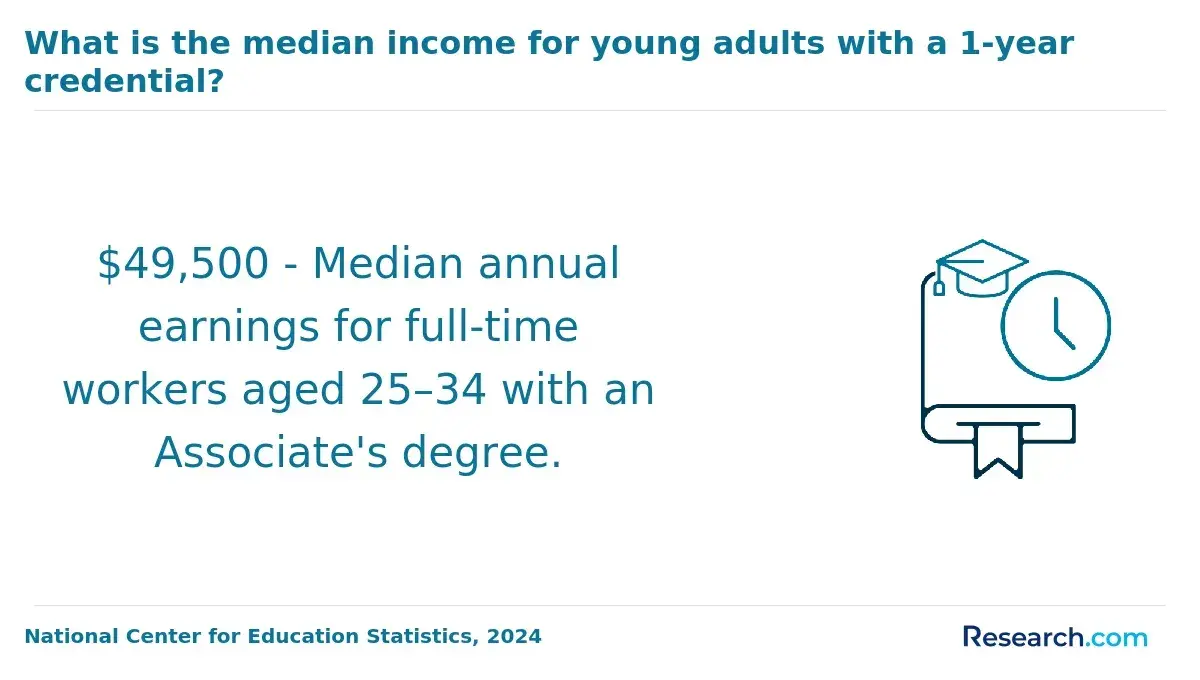
- Associate's Degrees: Entry-level programs usually requiring a high school diploma or GED, offering essential GIS skills and spatial analysis techniques. These diplomas typically take about two years and support roles in mapping, data collection, or serve as a foundation for further education.
- Bachelor's Completion Programs: Designed for students with some college credits or associate degrees, these programs enable completion of a full bachelor's degree in geographic information systems, often within 2-3 years. They accommodate working adults with flexible schedules and prepare graduates for professional roles in environmental management, urban planning, and GIS services.
- Master's Degrees: Focused on advanced technical and leadership skills, master's programs usually require a bachelor's degree in GIS or related areas. With a typical duration of 1.5 to 2 years, these include practical projects or internships and often accept post-baccalaureate certificates as credit to shorten time and cost.
- Doctoral Programs: Geared toward experienced professionals with master's degrees, these intensive programs emphasize original research and academic leadership in GIS. Completion generally exceeds three years and demands significant commitment, reflected in lower enrollment and graduation rates.
- Post-Baccalaureate Certificates: Short-term credentials targeting professionals seeking specialized GIS competencies or career pivots without full degree commitments. Many offer stackable credits applicable toward master's degrees, fostering continuous career advancement.
IPEDS data reveal completion timelines vary by program type-with associate and certificate programs often completed within two years and master's or doctoral paths extending longer and involving varied outcomes. Prospective students should evaluate prerequisites and program alignment with career goals carefully. Those exploring options will find curated information on online colleges invaluable when selecting quality geographic information systems programs that balance cost, rigor, and career ROI.
What Is the Typical Cost of an Online Geographic Information Systems Degree, and How Can You Finance It?
Tuition rates for online Geographic Information Systems degrees vary widely depending on the type of institution. Public in-state programs typically charge between $200 and $400 per credit, while out-of-state students often pay $400 to $700 per credit. Private nonprofit universities usually set tuition from $600 up to $1,200 per credit, reflecting more extensive resources and support services. For-profit schools' fees can be comparable or sometimes higher, but their quality and outcomes differ significantly. Beyond tuition, additional expenses include technology fees, access to online platforms, and occasional short on-campus residencies that add travel and lodging costs-these can increase the total annual budget by several hundred dollars.
Federal financial aid remains a crucial tool for financing these degrees:
- Pell Grants: Need-based awards for eligible undergraduates that don't require repayment.
- Federal Student Loans: Subsidized loans offer interest relief during study, while unsubsidized loans start accruing interest immediately; both have flexible repayment options.
- GI Bill: Veterans can use this benefit to cover tuition, fees, and often housing costs, making it an important funding source.
Specialized scholarships are available too, offered by professional groups like the Urban and Regional Information Systems Association or Esri, alongside state workforce development funding. Many universities provide merit scholarships specifically for online students. It's important to calculate total costs-including tuition, fees, materials, and travel-rather than focusing solely on per-credit prices. Tools such as the College Scorecard's net price calculator help prospective students estimate the actual out-of-pocket expenses after aid and scholarships.
When discussing cost and financing options with a professional who launched her career after completing an online Geographic Information Systems degree, she reflected on the process as both challenging and rewarding. "Navigating the financial aid paperwork was initially overwhelming," she admitted, "but having clear guidance and exploring every scholarship opportunity made a huge difference." She highlighted the value of understanding all associated expenses upfront-such as minimal travel for on-campus sessions-and appreciated how flexible federal loans allowed her to manage payments post-graduation. Her experience underscores the importance of researching funding thoroughly and planning comprehensively to make earning an online GIS degree accessible and sustainable.
How Long Does It Take to Complete an Online Geographic Information Systems Degree Program?
Online geographic information systems degree durations vary by level-associate degrees generally take around two years, bachelor's degrees usually four, master's programs about one and a half to two years, and doctoral degrees often extend from three to six years depending on research demands.
- Transfer Credits: Prior college coursework can shorten degree completion time, especially for those with relevant experience or previously earned credits.
- Enrollment Status: Full-time learners typically finish within expected timeframes, while part-time students may take longer to accommodate work or personal obligations.
- Pace-Based and Competency-Based Options: Several programs allow students to accelerate progress by advancing at their own speed when demonstrating mastery, appealing to motivated individuals.
- Accelerated and Year-Round Formats: Some online geographic information systems programs offer continuous enrollment without semester breaks, enabling faster credit accumulation and earlier graduation.
- Prior Learning Assessment (PLA): Candidates with substantial professional experience can earn academic credit through PLA, reducing the overall time in the program.
- Program Length Restrictions: Institutions often define minimum and maximum time limits-typically between two and six years-to ensure progress and maintain eligibility for financial aid.
- Financial Aid Considerations: Students exceeding program time limits might risk losing aid due to satisfactory academic progress policies.
- Realistic Timelines: Accredited programs report average completion times that recognize part-time enrollment and life challenges, often surpassing the advertised durations-highlighting the importance of individual planning.
What Core Curriculum and Coursework Should a Quality Online Geographic Information Systems Program Include?
High-quality online Geographic Information Systems programs feature a core curriculum that balances foundational theory with practical skills. Essential coursework includes spatial analysis, cartography, remote sensing, and geographic data management, providing proficiency in industry-standard GIS software and relevant coding languages such as Python and SQL. This curriculum ensures graduates are well-prepared to handle diverse spatial data challenges.
A key hallmark of these programs is an integrative learning experience-such as a capstone project or practicum-that requires applying GIS skills to complex, real-world scenarios. This hands-on approach equips students with competencies in spatial data collection, analysis, and visualization, directly translating to workplace readiness.
- Curriculum Standards: Accredited programs align with criteria from respected bodies like the GIS Certification Institute (GISCI) and the American Society for Photogrammetry and Remote Sensing (ASPRS), ensuring relevance and rigor.
- Competency Areas: Graduates demonstrate mastery in spatial reasoning, database design, geostatistics, and GIS software platforms, supported by measurable outcomes such as accurate data interpretation and successful project completion.
- Industry Relevance: Top programs continuously update their curricula to include emerging technologies like cloud GIS and machine learning, while addressing evolving regulations on data privacy and environmental compliance.
- Curriculum Review: Advisory boards of GIS professionals regularly guide content updates, with curriculum reviews conducted every two to three years to maintain cutting-edge standards.
- Transparency: Prospective students should request sample course sequences, detailed syllabi, and skills outcomes maps to verify program quality beyond promotional materials.
Labor market data indicates a 10% projected growth in demand for GIS professionals nationally over the next decade-highlighting the value of choosing a program with a comprehensive and career-aligned curriculum.
Which Online Geographic Information Systems Programs Offer the Best Return on Investment for Working Adults?
When evaluating online Geographic Information Systems programs for the best return on investment (ROI) for working adults, it is essential to weigh costs against reliable post-graduation salary data, employment rates, and loan default metrics. Public universities offering competitive tuition alongside strong employer networks consistently produce graduates who benefit from solid employment outcomes relative to program cost. These programs often feature cost-effective options, especially when accounting for in-state tuition reciprocity agreements that lower expenses across state lines.
- Cost-Effectiveness: Top online Geographic Information Systems degrees at public institutions frequently charge reduced tuition for in-state students, and some extend those benefits through agreements with neighboring states. This significantly lessens the total cost of education without sacrificing program quality.
- Employment Outcomes: Programs connected to robust industry partnerships report higher graduate employment rates within 6 to 12 months after graduation. Examining median salaries at six and ten years post-enrollment helps gauge the long-term earning potential crucial for working professionals.
- Financial Aid and Reimbursement: Employer tuition reimbursement programs, scholarships, and veteran-specific benefits substantially improve ROI by reducing out-of-pocket costs and provide financial flexibility for career-focused students.
- Outcome Transparency: Leading programs offer detailed data on loan default rates and graduate earnings, providing essential insights into program value beyond generic rankings.
- Curriculum Rigor and Support: High-value programs balance demanding coursework with support tailored to working adults' schedules, enhancing degree completion rates and real-world skill acquisition.
Working adults pursuing the best online Geographic Information Systems degrees for career advancement should carefully compare program-specific outcomes rather than rely solely on reputation. Focused attention to employment rates, median earnings, and affordable tuition options will clarify financial and professional benefits over time. Veterans and military-affiliated students can often take advantage of dedicated education benefits to further enhance ROI.
For those wanting a comprehensive look at online options, including programs designed for flexibility and career growth, exploring online LMFT programs may also provide insights into how specialized degrees align with professional goals and reimbursement options.
What Admissions Requirements Do the Top Online Geographic Information Systems Programs Typically Require?
Top online geographic information systems degree admission requirements vary widely, reflecting program rigor and institutional selectivity. Competitive master's programs typically require a minimum undergraduate GPA of 3.0 on a 4.0 scale-some highly selective schools may ask for 3.3 or higher. Conversely, community colleges and open-access programs generally maintain more flexible GPA standards.
- Standardized Tests: Many GIS graduate programs have adopted test-optional policies, so GRE or other standardized test scores are not always mandatory. However, research-intensive universities may still require GRE scores, particularly for highly competitive cohorts.
- Letters of Recommendation: Applicants usually submit two or three letters from academic or professional references who can speak to their readiness for advanced study in geographic information systems.
- Personal Statement: Most programs expect a clear, focused personal statement outlining career goals, interest in the field, and how the program fits professional aspirations.
- Professional Experience: While not universally required, many master's programs prefer candidates who bring relevant work experience or internships in GIS-related fields-this practical background is especially valuable for asynchronous or applied formats aimed at working adults.
- Prerequisite Coursework: Applicants without GIS or related backgrounds (geography, environmental science, computer science) may need foundational courses before starting core coursework. Typical prerequisites include:
- Introduction to GIS concepts and technology
- Geospatial analysis and cartography
- Basic programming or database management
Applicants should thoughtfully assess their credentials against typical admission standards in an online geographic information systems degree admission requirements search. Those with stronger academic records and relevant experience can pursue research university programs, while those with limited credentials might explore pathways through community colleges or open-enrollment institutions.
Because admissions policies-such as test-optional status, GPA minimums, and prerequisite requirements-may evolve annually, contacting program admissions advisors ensures access to the most current information. Individuals interested in related fields may also examine masters in therapy programs for comparative insights on graduate admissions.
What Career Paths and Job Titles Are Available to Online Geographic Information Systems Degree Graduates?
Graduates holding an online geographic information systems degree can enter diverse career paths across public agencies, private companies, and nonprofit organizations. Entry-level positions frequently emphasize technical tasks related to geographic data handling, visualization, and mapping and are often accessible with a bachelor's degree.
- GIS Technician: Supports GIS efforts by producing maps, managing data repositories, and conducting spatial analyses; commonly hired by government offices, environmental firms, and urban planning departments.
- GIS Analyst: Employs technical expertise to interpret and report on geographic data to guide decisions within fields such as transportation, natural resource management, and public health sectors.
- Cartographer: Designs and creates precise maps using GIS tools for educational, commercial, or governmental applications.
- Geospatial Technician: Focuses on gathering geographic data and operating remote sensing or surveying technologies in collaboration with field teams.
Advanced roles usually demand graduate degrees or professional certification and entail increased responsibility, leadership, or specialized analytical work.
- GIS Manager: Leads GIS projects and teams, ensuring data quality and aligning initiatives with organizational objectives across agencies or corporations.
- Geospatial Data Scientist: Applies advanced statistical and computational methods to derive insights from complex spatial data sets.
- Remote Sensing Specialist: Works extensively with satellite or aerial imagery to monitor environmental shifts and assist in disaster response or resource planning.
- Research Scientist: Found mainly in academia or governmental research, this role advances GIS methodologies across disciplines like ecology or epidemiology.
An online geographic information systems degree also facilitates career transitions for professionals from fields such as environmental science, IT, or urban planning. By pursuing targeted coursework and certifications-like Esri Technical Certifications-individuals can shift into GIS-specific roles without starting anew, extending career flexibility.
Within five to ten years, many professionals climb clearly defined ladders-from technical or analyst positions to leadership roles such as project leads or GIS managers-or pivot laterally into related fields like data science and software development. Common employment sectors include government, utilities, environmental consulting, transportation, defense, public health, and resource management-each offering unique opportunities for skill diversification and advancement.
What Is the Salary Outlook for Professionals with an Online Geographic Information Systems Degree?
The salary landscape for online Geographic Information Systems degree holders varies widely, influenced by education level, experience, industry, location, and specialty. Median salaries hover around $68,000 per year, with entry-level jobs starting near $50,000 and senior positions exceeding $90,000.
- Degree Level: Bachelor's graduates generally secure competitive starting pay, while those with master's or specialized graduate degrees often enjoy 10% to 20% higher salaries.
- Experience: Compensation tends to rise steadily-professionals with five to ten years in the field typically earn above $80,000, and those with over a decade can surpass $100,000 due to leadership roles and advanced expertise.
- Industry Sector:
- Public administration roles offer stable compensation but may trail private sector salaries.
- Technology and engineering firms usually provide the highest pay scales, driven by complex infrastructure and data needs.
- Environmental consulting presents competitive wages linked to project funding dynamics.
- Geographic Market: Urban centers and regions with robust technology and urban planning growth-particularly on the West Coast and Northeast-tend to offer higher wages than rural or economically slower areas.
- Specialization: Expertise in remote sensing, spatial data science, or custom software development often commands salary premiums reflecting the technical skills required.
- Certifications and Credentials: Credentials like the GIS Professional (GISP) or Esri Technical Certification bolster earning potential, signaling advanced skills; online graduates can pursue these post-degree through accredited programs.
- Salary Projections: Job growth in GIS-related fields is forecasted to remain strong over the next decade, supporting upward salary trends as applications expand in smart city technologies, defense, and environmental monitoring.
- Caution: Salary data changes over time; graduates should consult the latest Bureau of Labor Statistics and industry surveys rather than relying on static figures.
What Graduates Say About the Best Online Geographic Information Systems Degrees for Jobs
- Robin: "The rigorous curriculum was what truly caught my attention-every course felt like a deep dive into essential theories and applications, which I believe set me apart in the job market. Accreditation standards gave me peace of mind that my degree would be recognized and respected by employers nationwide. Plus, the strong student support infrastructure meant I was never left floundering, especially during challenging projects."
- Aaron: "Reflecting on my experience, the balance between cost and return on investment was crucial-I found an online program that offered excellent value without compromising quality, making my career switch feasible. Practical experience requirements ensured I graduated with real-world skills instead of just textbook knowledge, which employers clearly noticed. The career outcomes spoke for themselves, as I secured a position within months of finishing."
- Liam: "Professionally, knowing the program's accreditation standards helped me choose wisely-it's a subtle but key factor when aiming for long-term career growth. I appreciated how the curriculum rigor wasn't just academic-it pushed me to think critically and solve real problems, which employers immediately recognized. The career services were also top-notch, offering tailored guidance that significantly boosted my job search."
Other Things You Should Know About Geographic Information Systems Degrees
The top online geographic information systems programs focus on developing technical skills such as spatial analysis, data visualization, and proficiency with GIS software like ArcGIS and QGIS. Graduates also gain competencies in database management, remote sensing, and programming languages relevant to GIS, such as Python. Analytical thinking and the ability to interpret geospatial data are emphasized to prepare students for real-world problem solving.
Many reputable online geographic information systems programs include practicum or internship components to provide hands-on experience. These placements are often arranged locally-either by the student or the program's career services team-to accommodate remote learners. The fieldwork allows students to apply theoretical knowledge to practical tasks under supervision, enhancing job readiness and networking opportunities in their geographic area.
Employers increasingly recognize online geographic information systems degrees, especially when earned from accredited institutions with rigorous curricula and practicum experience. The quality of the program and demonstrated skills matter more than delivery format. Graduates who showcase practical experience, certifications, and relevant technical competencies often have equal job prospects regardless of whether their degree was earned on campus or online.
References
- GIS Jobs: Explore Careers in Geographic Information Systems https://www.gisdegree.org/careers/
- Guide to Geographic Information Systems (GIS) Degrees https://www.umassglobal.edu/blog-news/guide-geographic-information-systems-gis-degrees
- GIS Salaries: Skills for Higher Pay | Bootcamp GIS https://bootcampgis.com/gis-salaries-which-skills-get-you-higher-pay/
- Geographic Information Systems, Advanced Diploma, Part-time/Distance & Online Learning (9100PADVDIP) - BCIT https://www.bcit.ca/programs/geographic-information-systems-advanced-diploma-part-time-9100padvdip/
- How - Wikipedia https://en.wikipedia.org/wiki/How
- Study Geographical Information Systems (GIS) Geomatics Abroad https://www.emonovo.com/en/fields-type/business-information-systems/geographical-information-systems-gis-geomatics
- Custom Page 10 - Urban and Regional Information Systems Association https://thegpn.org/page/salarysurvey
- Best Careers in Geographic Information Systems https://potomac.edu/best-careers-in-geographic-information-systems/
- Best Online GIS Certificate Programs: Graduate-level Paths in Geographic Information Systems https://www.directionsmag.com/articles/best-online-gis-certificate-programs-graduate-level-paths-in-geographic-information-systems
- WhatsApp Web https://web.whatsapp.com/