2027 Best Online Criminology Degrees for Jobs

Co-Founder and Chief Data Scientist
Choosing the best online criminology degree for jobs poses challenges-accreditation standards vary widely, curricula differ in rigor, and costs range significantly. Many programs lack sufficient practical experience or strong student support, critical for career readiness. According to the Bureau of Labor Statistics, employment for forensic science technicians is projected to grow 11% through 2031, underscoring the need for well-prepared graduates.
This article examines programs through lenses that matter to career-driven students-including accreditation, curriculum quality, cost-effectiveness, career outcomes, experiential learning, and support services-to help readers confidently identify the highest-value online criminology degrees available.
Key Things to Know About the Best Online Criminology Degrees for Jobs
- Accredited online criminology degrees meet rigorous academic and professional standards, ensuring employers recognize the credential and increasing graduate employability by up to 25%.
- Programs with comprehensive curriculum rigor-theoretical foundations combined with applied skills-better prepare students for criminal justice roles requiring critical analysis and ethical decision-making.
- Cost and return on investment vary widely; graduates from affordable programs with strong career outcomes report median salaries 15% above entry-level benchmarks within two years.
What Is a Criminology Degree, and What Can It Do for Your Career?
A criminology degree focuses on the scientific study of crime-its causes, effects, and prevention-distinguishing itself from related disciplines like criminal justice or forensic science by emphasizing social, psychological, and legal factors that shape criminal behavior and societal responses. Accredited institutions and expert organizations define criminology as a multidisciplinary field integrating sociology, psychology, law, and public policy.
Core domains in criminology degree programs include:
- Foundational Knowledge: Crime causation theories, criminal behavior patterns, and the structure and function of justice systems.
- Theoretical Frameworks: Examination of classical, positivist, and critical theories explaining why crime occurs.
- Applied Competencies: Research methods, data analysis, prevention strategies, and policy evaluation skills.
Academic credentials in criminology span multiple levels designed to meet varied career goals:
- Associate's Degrees: Provide essential knowledge suited for entry-level roles in law enforcement support or community outreach.
- Bachelor's Degrees: Prepare graduates for careers such as crime analysts, probation officers, or social service specialists, and serve as a foundation for graduate studies.
- Master's Degrees: Target advanced professionals pursuing leadership, research, or educational roles.
- Doctoral Degrees: Emphasize original research, preparing graduates for academia or high-level policy positions.
This guide highlights the best online criminology degree programs for career advancement-programs that combine accredited curricula and practical experience designed for recent graduates, working adults, veterans, and professionals. Readers will find a rigorous framework evaluating programs by accreditation, curriculum quality, affordability, job outcomes, experiential learning, and student support. Such analysis equips individuals to discern top-tier options.
Prospective students considering affordable, flexible pathways may also explore MSW online programs as complementary fields offering relevant workforce skills.
How Do Online Criminology Degree Programs Compare to Traditional Campus Programs?
Accredited online criminology degree programs uphold rigorous curriculum standards comparable to traditional campus programs, covering theory, law enforcement, corrections, and research methods. While accreditation ensures curriculum quality, online formats may offer fewer niche electives, requiring students to consider their specialization interests carefully. This balance is essential for recent high school graduates and working adults seeking online criminology degree program benefits compared to traditional campus degrees.
- Faculty Qualifications: Online programs employ faculty with doctoral credentials and active research or professional backgrounds, mirroring campus standards. However, online students often experience greater scheduling flexibility through digital communication, despite less spontaneous interactions than on-campus environments.
- Student-Faculty Interaction: Many online programs use synchronous video, discussion forums, and cohort models to foster engagement, though daily in-person dialogue remains an advantage of campus settings.
- Peer Collaboration: Campus programs naturally encourage networking and group work, while top online offerings simulate these experiences via virtual study groups and social platforms, suiting proactive learners more effectively.
- Clinical or Practicum Requirements: Hands-on experience remains vital, with practicum and internship placements coordinated locally for online students; some programs integrate on-campus residencies to enhance skill application and community building.
- Employer Perception: Employer surveys and graduate outcomes reveal that accredited online degrees are generally valued on par with campus degrees, especially when supplemented by practical experience and professional readiness-important considerations for career-focused students and professionals seeking advancement.
- Structural Advantages for Specific Learners: Online formats significantly benefit military veterans, caregivers, working adults, and students in remote areas by providing flexible pacing without sacrificing educational quality. This adaptability draws parallels with other accelerated associate degree options designed for similar learner needs.
- Documented Limitations and Innovations: Recognizing challenges with social immersion and hands-on training, leading online criminology programs incorporate hybrid models, cohort systems, and immersive on-campus residencies-enhancing both community connection and practical skill development for remote students.
What Are the Accreditation Standards That Define a Reputable Online Criminology Degree?
Accreditation plays a crucial role in determining the quality and recognition of online criminology degree programs. Regional accreditors, considered the gold standard, evaluate entire institutions-assessing academic quality, faculty credentials, and student services. Degrees from regionally accredited institutions typically carry the most weight with employers and graduate schools. National accreditors often oversee career-focused or distance education programs but generally have narrower recognition, which may impact credit transfer and professional acceptance. In addition to institutional accreditation, program-specific accreditors like the Academy of Criminal Justice Sciences (ACJS) certify criminology programs that meet rigorous discipline-related standards valued in the field.
- Regional Accreditors: Bodies such as the Higher Learning Commission (HLC) and the Middle States Commission on Higher Education (MSCHE) that accredit whole universities, signaling comprehensive academic credibility.
- National Accreditors: Organizations like the Distance Education Accrediting Commission (DEAC), focusing on online and career-oriented programs with more limited reach in terms of transferability and employer recognition.
- Programmatic Accreditors: The Academy of Criminal Justice Sciences (ACJS) stands out as the primary accreditor endorsing quality criminology programs with specialized standards.
Enrolling in an unaccredited or poorly accredited program can lead to significant challenges. Credits may not transfer to other institutions, complicating further education plans. Certain states require graduation from an accredited program for licensing or certification, potentially blocking career advancement. Employers often scrutinize accreditation-graduates of nonaccredited schools may face diminished hiring prospects.
To confirm a program's accreditation status, students should consult the U.S. Department of Education's Database of Accredited Postsecondary Institutions and Programs as well as the Council for Higher Education Accreditation (CHEA) directory. These resources ensure up-to-date verification of legitimate accrediting agencies and accredited schools.
Accreditation should be a non-negotiable requirement-no matter the cost savings or scheduling flexibility-when weighing online criminology degree options.
A professional who recently completed a criminology degree shared his experience: "Navigating the accreditation maze was overwhelming at first-trying to understand which accreditors truly mattered for my future job prospects. I double-checked every program on the Department of Education's database before enrolling to avoid wasted time and money. Knowing my degree was from a reputable, regionally accredited school gave me confidence during job interviews and when applying for advanced studies. It wasn't just paperwork-it felt like securing a solid foundation for my career."
Which Types of Criminology Degrees Are Available Online-Bachelor's, Master's, or Doctoral?
Associate's Degree: Often a two-year program suited for recent high school graduates or adults entering criminal justice fields. These programs typically have minimal entry requirements but usually lead to lower salaries compared to advanced degrees.
Bachelor's Degree and Bachelor's Completion Programs: The four-year bachelor's is essential for many criminology careers, combining theoretical and practical training. Bachelor's completion options help those with associate credits finish faster, making them ideal for working adults. Graduates may pursue roles in law enforcement, probation, or policy analysis, benefiting from increased earning potential. Many students consider a online degree psychology alongside criminology for broader career options.
Master's Degree: Geared toward professionals seeking leadership or specialization-such as forensic psychology-these 18-24 month programs require a bachelor's for admission. They often include internships, enhancing career mobility and salaries.
Doctoral Programs (PhD or DBA): Designed for individuals focused on research, teaching, or policy development, these multi-year programs demand a master's for entry and emphasize original scholarship and academic expertise.
Post-Baccalaureate Certificates: Concentrated credentials focusing on areas like cybercrime or juvenile justice, ideal for professionals enhancing skills without committing to full degrees.
Stackable Credentials: Many institutions support credit transfer from certificates to bachelor's and master's degrees, allowing students to advance in stages-especially beneficial for veterans and working adults balancing studies with life.
Completion Rates and Duration: According to IPEDS, associates usually take about two years with 40-50% completion rates, while bachelor's tend to require four years with variable online outcomes influenced by support services. Master's programs maintain higher retention over roughly two years, and doctoral studies extend 4-6 years given research demands.
What Is the Typical Cost of an Online Criminology Degree, and How Can You Finance It?
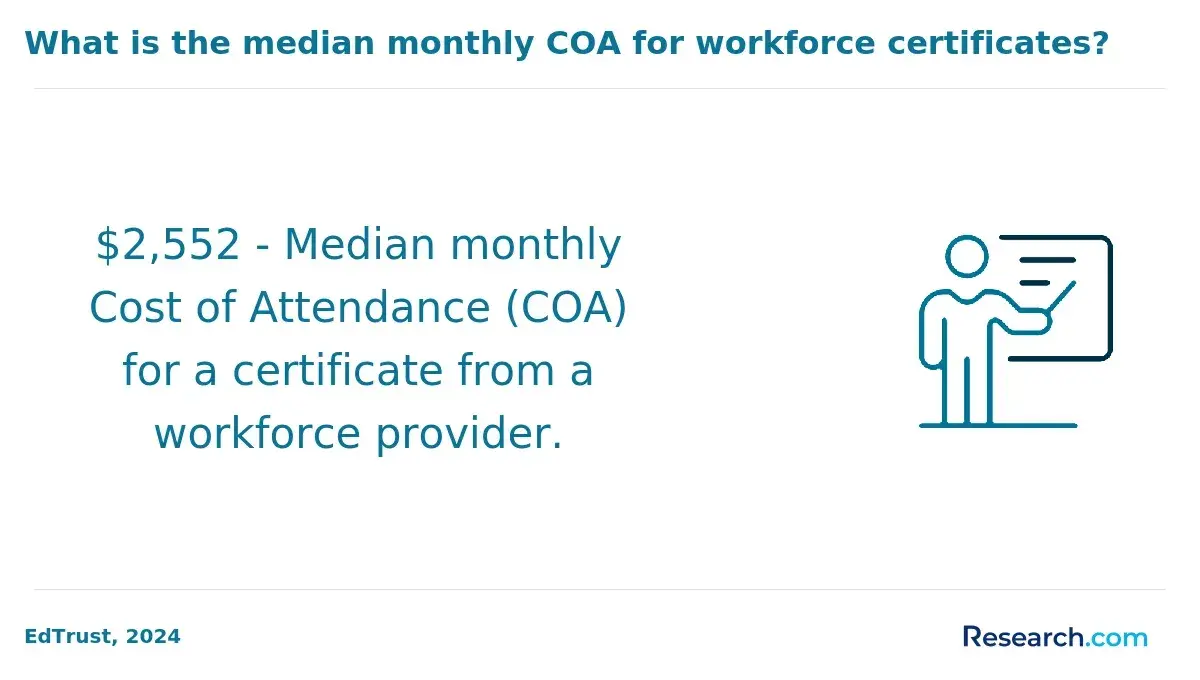
Tuition for online criminology degrees varies significantly by institution type. Public in-state options often offer the most affordable rates, typically between $5,000 and $15,000 for the whole program. Public out-of-state students can expect costs ranging from $15,000 to $30,000. Private nonprofit schools generally charge more, with tuition falling between $20,000 and $45,000. For-profit institutions have a wide range, commonly between $15,000 and $40,000, sometimes with additional fees.
- Technology Fees: Many programs levy annual charges to support online platforms and digital resources, usually amounting to several hundred dollars.
- Residency or Campus Visits: Some degrees require limited campus attendance, and associated travel and lodging expenses should be factored into the total cost.
- Books and Materials: Digital and physical course materials typically add a few hundred dollars per year.
- Pell Grants: Need-based federal grants that don't need to be repaid, mostly available to undergraduates demonstrating financial need.
- Federal Loans: Subsidized loans incur no interest while studying, whereas unsubsidized loans begin accruing interest immediately.
- GI Bill: Provides eligible veterans and service members with education benefits that can cover online criminology degrees.
- Scholarships: Numerous awards exist specifically for criminology students, including those from professional bodies, state workforce programs, and individual colleges offering merit-based aid.
Careful budgeting means looking beyond just per-credit-hour tuition. Utilizing tools like the College Scorecard's net price calculator helps prospective students understand their actual expenses-factoring in financial aid, scholarships, and fees-before making a commitment to any program.
Reflecting on the typical cost and financing options, a professional who earned her online criminology degree recounted how complex managing expenses initially felt-balancing tuition, technology fees, and occasional travel requirements. "It wasn't just the sticker price that mattered," she noted, "but tracking all the smaller costs and applying for every possible aid source." Her experience emphasizes how diligent financial planning and exploring every available funding avenue helped her complete the degree without overwhelming debt-enabling her to confidently advance her career after graduation.
How Long Does It Take to Complete an Online Criminology Degree Program?
Online criminology degree lengths vary by level and student circumstances. Associate degrees generally require about two years of full-time study, while bachelor's degrees take roughly four years. Graduate programs extend this timeline-with master's typically needing one to two years post-bachelor's, and doctorates requiring three to six years depending on research demands and part-time options.
- Degree Level: Longer degrees correspond with increased complexity and time commitment.
- Enrollment Status: Full-time study accelerates completion; part-time status often extends duration, common among working adults balancing other responsibilities.
- Transfer Credits: Previous coursework or relevant credits can reduce time to degree-sometimes by an entire academic year or more.
- Program Format: Some programs offer accelerated tracks or year-round enrollment, enabling faster course completion through shorter or multiple terms annually.
- Competency-Based Learning and Prior Learning Assessment (PLA): Many programs award credit for verified professional experience or allow progress by competency demonstration, helping motivated students shorten degree timelines.
- Minimum and Maximum Time Restrictions: Accreditation and financial aid policies often mandate completion windows to maintain eligibility and satisfactory academic progress (SAP), affecting aid if programs exceed these timeframes.
- Average Completion Times vs. Published Lengths: Actual data from accredited programs often reveal longer average completion times than advertised durations, highlighting the importance of realistic timeline planning.
These factors are essential for prospective students-whether career changers, veterans, or professionals seeking advanced credentials-to select criminology programs that align with their schedules and goals while balancing educational pacing and financial considerations.
What Core Curriculum and Coursework Should a Quality Online Criminology Program Include?
High-quality online criminology programs distinguish themselves through a comprehensive core curriculum aligned with standards set by leading accrediting bodies and professional associations. This core includes foundational courses in criminal justice systems, criminological theory, research methods, statistics, and ethics-establishing a rigorous intellectual framework essential for understanding crime and societal responses.
- Core Curriculum: Coursework emphasizes critical areas such as juvenile delinquency, policing strategies, cybercrime, and forensic science, providing a broad yet detailed knowledge base.
- Required Sequences: Programs follow a sequenced approach, beginning with introductory classes that build cumulatively into specialized topics, ensuring deep and structured learning.
- Capstone or Integrative Experiences: The best programs incorporate senior projects, theses, or practicums that allow students to apply theory to real-world challenges, showcasing mastery, critical thinking, and research skills.
- Competency Areas and Learning Outcomes: Graduates demonstrate measurable skills in data analysis, legal interpretation, ethical decision-making, communication, and cultural awareness. These competencies align directly with workforce requirements in law enforcement, policy analysis, rehabilitation, and correctional administration.
- Curriculum Currency and Industry Relevance: Leading programs maintain up-to-date content by regularly reviewing curricula every 3-5 years with input from advisory boards comprising criminal justice professionals, academics, and alumni. This ensures the timely integration of emerging methodologies-such as advances in digital forensics-and evolving regulatory frameworks like sentencing law changes.
- Transparency and Due Diligence: Prospective students should request detailed course sequences, syllabi, and learning outcomes charts. This practice enables an informed assessment beyond promotional materials, ensuring alignment with career goals and academic quality.
According to the Bureau of Labor Statistics, employment in protective service occupations-fields that heavily rely on criminology expertise-is expected to grow 9% over the next decade, underscoring the value of programs focused on both theoretical rigor and practical skills.
Which Online Criminology Programs Offer the Best Return on Investment for Working Adults?
Working adults seeking the best return on investment (ROI) in online criminology programs should prioritize public universities with competitive tuition and strong employer connections. These factors combine affordability with proven graduate outcomes-translating into solid employment rates and sustainable salaries after graduation. The best online criminology degrees for career advancement often emerge where costs are minimized, but career prospects maximize long-term earnings potential.
- Program Cost: Public universities typically offer lower tuition rates, especially for in-state students, and many participate in reciprocity agreements that reduce fees for those in neighboring states. This affordability lessens student debt without sacrificing educational quality.
- Employment Outcomes: Programs reporting high employment rates within six months to a year after graduation provide better career pathways. Evaluating median earnings at six and ten years post-enrollment offers a clearer picture of graduates' ROI in real terms.
- Loan Default Rates: Low loan default rates indicate graduates achieve financial stability and successful job placement. This metric helps assess how well programs support students in managing debt after completing their degrees.
- Employer Tuition Reimbursement: Many working adults can leverage tuition assistance from their employers. Schools that coordinate with employers to recognize these benefits enhance ROI by reducing out-of-pocket expenses.
- Scholarships and Financial Aid: Need-based and merit scholarships dedicated to online and part-time students can materially lower total costs, improving ROI significantly.
- Beyond Rankings: Instead of relying just on institutional prestige, examining detailed program-specific outcomes-such as graduation rates, salary progression, and criminal justice career placement-yields more meaningful insight into value.
By comparing these factors carefully-cost, employment statistics, financial aid opportunities, and post-graduation earnings-students pursuing the highest return on investment online criminology programs can make better-informed decisions aligned with their career and financial goals. Veterans, working professionals, and career changers alike should consider this comprehensive framework for evaluating programs.
For those also interested in advanced business credentials that complement criminology degrees, exploring an online MBA AACSB accredited program may provide expanded leadership potential and career prospects.
What Admissions Requirements Do the Top Online Criminology Programs Typically Require?
Admissions requirements for top online criminology degree admission criteria vary significantly by institution, reflecting differences in selectivity and program level. Competitive master's programs at research universities prioritize candidates with a strong academic foundation and professional readiness, while community college or open-enrollment programs maintain more accessible standards.
- Minimum GPA: Highly selective graduate criminology programs commonly require a minimum undergraduate GPA around 3.0 on a 4.0 scale to demonstrate academic preparedness. Some schools emphasize recent coursework or overall academic progress.
- Standardized Tests: The role of GRE and other standardized tests is evolving. Many programs have adopted test-optional policies post-pandemic, though top-tier programs may still require or recommend GRE scores to present a comprehensive application.
- Letters of Recommendation: Strong recommendations from professors or professional supervisors are often essential. These letters reveal an applicant's critical thinking, work ethic, and readiness for rigorous graduate study.
- Personal Statement: A clear, well-crafted personal statement articulating motivation for studying criminology, career goals, and alignment with the program is vital.
- Professional Experience: While not always mandatory, relevant work or volunteer experience in criminal justice, social services, or related fields enhances an application-especially for programs focused on applied criminology.
- Prerequisite Coursework: Applicants lacking a criminology or related background may need foundational courses in criminology, research methods, or statistics before graduate-level study.
Requirements differ widely-from open-access community colleges admitting students with only a high school diploma and minimal prerequisites, to research universities demanding strong academic and professional credentials. Prospective students should self-assess where their background fits best among these options.
Because requirements fluctuate by cycle-including GPA minimums, test policies, and prerequisite expectations-contacting admissions advisors directly remains the best way to obtain the latest information. This is especially important for military veterans and working adults leveraging education benefits, who may seek programs tailored to their circumstances, such as military friendly universities online.
What Career Paths and Job Titles Are Available to Online Criminology Degree Graduates?
Graduates of online criminology degree programs can pursue a diverse array of roles across several employment sectors, with opportunities expanding as education and experience deepen. Entry-level positions for those with bachelor's degrees commonly include police officer, sheriff's deputy, or corrections officer-roles essential to law enforcement. Advancement may lead to detective or criminal investigator duties, as well as supervisory titles like sergeant or lieutenant.
Corrections and Rehabilitation: Positions such as probation officer and correctional treatment specialist are accessible to bachelor's holders. Higher degrees open doors to program directors, parole board members, or case managers who design and oversee rehabilitation efforts.
Forensic Science and Analysis: While many forensic careers require specific scientific training, criminology graduates can start as crime scene or evidence technicians. Advanced credentials enable progression to forensic analyst or lab management roles.
Criminal Justice Research and Policy: Bachelor's graduates may work as research assistants or policy analysts-examining crime trends and justice reforms. Graduate-level education paves the way to policy advisor positions, academic appointments, or directing research projects.
Private Security and Investigations: Initial roles include private security officer or loss prevention specialist, with experience and certification enabling transitions into security consultant or corporate security management.
Court and Legal System Roles: Court clerk, victim advocate, or bailiff positions offer entry points, while further legal studies facilitate careers as paralegals, legal investigators, or support personnel for prosecutors and defense attorneys.
Social Services and Community Programs: Criminology graduates may begin as social work aides, advancing toward case management or program coordination to assist at-risk populations and reduce recidivism.
Career Progression: Many professionals build upward mobility through hands-on experience, continuing education, and certifications-moving from frontline positions into managerial or administrative roles. Lateral transitions across sectors, such as switching from law enforcement to policy, are common with targeted skill development.
Career Pivots: Individuals from related backgrounds-psychology, sociology, or law enforcement-often leverage a criminology degree to shift into specialized criminology roles, supplementing expertise with certifications that increase employability within the field.
What Is the Salary Outlook for Professionals with an Online Criminology Degree?
Median Salaries: Criminal investigators and special agents typically earn between $65,000 and $70,000 annually, while probation officers have median wages around $55,000. Forensic science technicians usually see median salaries near $60,000, reflecting central tendencies where half earn more and half earn less.
- Degree Level: Bachelor's degree holders often start at the lower end of these salary ranges but experience growth with time. Advanced degrees-master's or doctorates-open doors to specialized research or leadership roles, with median earnings rising into the $75,000 to $90,000-plus range depending on focus.
- Experience: Entry-level criminology professionals might start near $40,000 to $50,000, but those with five to ten years of tenure frequently surpass $80,000 as their expertise deepens.
- Industry Sector: Public sector employment-federal, state, or local government-offers steady pay with incremental raises and strong benefits. Conversely, private sector jobs such as security consulting or private investigation may provide higher salaries combined with performance bonuses, subject to market fluctuations.
- Geographic Variation: Salaries tend to be higher in urban areas and regions with a greater cost of living; metropolitan centers on the East and West Coasts generally offer 10-20% more than rural or less populated states.
- Certifications and Specializations: Credentialing like Certified Criminal Investigator (CCI), Certified Protection Professional (CPP), or digital forensics certifications can increase earnings by 10-30%. Online criminology graduates should pursue these through professional organizations and continuing education to boost career prospects.
- Salary Outlook: Demand for criminology-related roles is expected to grow, supporting steady salary increases aligned with inflation and skill specialization trends.
- Data Advisory: Since economic conditions and legislation affect wages, prospective students should regularly consult up-to-date government and industry salary reports rather than depend on fixed historical numbers.
What Graduates Say About the Best Online Criminology Degrees for Jobs
- Allan: "Choosing an online criminology degree with strong accreditation standards was crucial for me-it ensured my qualification was respected by employers and professional bodies alike. The curriculum rigor was genuinely impressive, pushing me to think critically about real-world issues. Because of the solid reputation and comprehensive coursework, I felt confident that my investment of time and money would lead to meaningful career opportunities."
- Gunnar: "Reflecting on my online criminology studies, I appreciate how the student support infrastructure made a real difference-academic advisors and career services were just a message away, which eased the stress of balancing work and study. The practical experience requirements stood out too-they gave me hands-on insights that many programs overlook. This blend of support and real-world exposure made my transition into the workforce smoother and more certain."
- Jaxon: "My experience with an online criminology degree was very professional and results-oriented-I valued programs that balanced cost and return on investment, making sure I didn't just earn a degree but also valuable skills. Career outcomes were a clear focus, with many graduates landing reputable roles in law enforcement and criminal justice sectors soon after finishing. This pragmatic approach to education helped me stay motivated knowing where this path would lead."
Other Things You Should Know About Criminology Degrees
The best online criminology programs develop critical thinking, analytical, and research skills essential for understanding crime and justice systems. Graduates also gain knowledge in areas like criminal behavior, law enforcement procedures, and social policy analysis. Communication and ethical decision-making abilities are emphasized to prepare students for effective roles within diverse criminal justice settings.
Most reputable online criminology programs include mandatory internship or practicum components that can be completed locally to the student. These placements provide hands-on experience at agencies such as law enforcement departments, correctional facilities, or social service organizations. Program coordinators typically assist students in securing these opportunities to satisfy practical training requirements necessary for career readiness.
In 2027, students should prioritize accreditation, faculty expertise, and curriculum relevance when selecting an online criminology degree. Additionally, investigate technology platforms, support resources, and career placement services. Compare tuition costs and financial aid options to ensure affordability while examining alumni networks for potential job connections.
A common mistake is selecting programs without proper accreditation, which can limit job prospects and eligibility for certification. Another is ignoring practicum or internship requirements that are critical for gaining real-world experience. Prospective students should also carefully review curriculum relevance, faculty expertise, and support services to ensure alignment with their career goals.
References
- What Are the Entry Requirements for a Criminal Justice Program? | University of Bridgeport https://www.bridgeport.edu/news/entry-requirements-for-a-criminal-justice-program/
- Today's Top Criminology Master's Programs Online https://www.onlinemastersdegrees.org/best-programs/criminal-justice/criminology/
- Fastest Way to Finish a Criminal Justice Degree Online https://www.collegetransitions.com/blog/fastest-way-to-finish-a-criminal-justice-degree-online/
- Online Criminology Degree https://stmary.edu/online-programs/criminology.html
- On-Campus vs. Online Law Enforcement Programs: Pros and Cons https://golawenforcement.com/articles/on-campus-vs-online-law-enforcement-programs-which-one-is-for-you/
- How to Get a Criminal Justice Degree Online - Top Criminal Justice Schools https://www.top-criminal-justice-schools.net/degrees/how-to-get-a-criminal-justice-degree-online/
- Academic Program Review https://www.acjs.org/academic-program-review/
- Criminology Degree Entry Requirements https://universitycompare.com/advice/student/criminology-degree-entry-requirements
- Find Top Online Bachelor's In Criminal Justice Programs https://www.accreditedschoolsonline.org/criminal-justice/bachelors/
- Criminology and Criminal Justice Program Requirements for 2025-2026 https://www.sjf.edu/major-minors/criminology/program-requirements/