2027 Best Online Career Programs for Military Spouses

Co-Founder and Chief Data Scientist
A permanent change of station can interrupt a degree, a clinical placement, or a newly earned license. Military spouses need online programs that can survive a move and lead toward work they actually want. The stakes are substantial: the Bureau of Labor Statistics reports a 2024 median wage of $93,600 for registered nurses, but an online nursing course alone does not qualify someone for that occupation.
This guide compares career-focused program families, including master's degrees, and shows how to check funding, in-person requirements, licensing, cost, and likely next steps before enrolling.
Key Things You Should Know
- For the most portable paths, compare online business, IT, and computer science programs first; check whether any internship, residency, or scheduled class would be disrupted by a move.
- For licensed careers such as nursing, teaching, counseling, and social work, verify the destination state's requirements before enrolling; an online degree does not provide a nationwide license.
- Match the credential to the job: the Bureau of Labor Statistics reports a 2024 median wage of $133,080 for software developers, but an IT certificate or unrelated master's degree does not by itself qualify someone for that role.
Top 10 Best Online Career Programs for Military Spouses
Business Programs
Online MBA and specialized master's programs in accounting, human resources, or supply chain management suit spouses seeking advancement in roles available across many locations. Admission generally requires a bachelor's degree; programs may also consider work experience, prerequisites, or test scores. Compare asynchronous access with group-project schedules, and ask whether an internship or residency is required. An MBA is usually a poor substitute for an entry-level credential if you have little business experience. Accounting students should check state CPA education rules separately; the degree alone does not confer licensure.
Healthcare Programs
Online master's programs in healthcare administration and public health prepare students for administration, policy, analytics, and population-health work - not direct clinical practice. They typically require a bachelor's degree and may include a capstone, applied project, or internship. An MHA may fit an experienced healthcare worker seeking management responsibilities; an MPH may better fit public health or research interests. Ask whether required fieldwork can be arranged near a future duty station. Neither credential independently qualifies a graduate to practice nursing, medicine, or another licensed clinical profession.
Information Technology Programs
Online master's programs in IT, cybersecurity, and information systems can support systems, security, and technology-management goals. Some welcome applicants from other majors but require foundation coursework; others expect substantial technical preparation. Look for hands-on labs that can be completed remotely and courses aligned with the tools employers use. A master's degree is not always necessary for entry-level IT work: a targeted certificate, demonstrable projects, and relevant certifications may be a less expensive starting point. Security jobs may also require experience or a clearance that education cannot guarantee.
Computer Science Programs
An online MS in computer science is a stronger match for software development, advanced computing, or technical specialization than a general IT degree. Admissions often expect programming, algorithms, and mathematics; career changers may need prerequisites before graduate courses begin. Compare project-based and research-oriented curricula, and check whether exams require live attendance or approved proctoring. Students primarily seeking a first coding job should weigh a lower-cost undergraduate pathway or structured portfolio work against graduate tuition. A master's degree does not replace evidence that you can build and maintain software.
Nursing Programs
Online MSN programs usually serve already licensed registered nurses, not applicants seeking their first RN license. Tracks may focus on leadership, education, or advanced clinical practice; clinical tracks require supervised placements and must meet applicable state and certification rules. Ask whether the school can place or approve clinical sites after a relocation and whether it accepts students in each state where you might live. Nonclinical tracks may be easier to complete across moves, but even they can include practicum hours. Prospective nurses without an RN license need an appropriate entry-to-practice pathway first.
Psychology Programs
An online master's in psychology can support research, program evaluation, or preparation for further study. It does not generally qualify someone to practice independently as a psychologist, which typically requires doctoral education and state licensure. Applicants interested in therapy should compare programs specifically designed for counseling licensure rather than assuming a general psychology curriculum will meet it. Check admission prerequisites, supervised-experience requirements, and where any practicum must occur. This distinction matters most when a move could place you under a different state board's rules.
Education Programs
Online master's degrees in curriculum and instruction, educational technology, or educational leadership may suit licensed teachers seeking advancement. Initial teacher-licensure programs are different: they commonly require supervised student teaching and approval in the state where a candidate plans to qualify. Leadership roles may require teaching experience and a separate credential. Before choosing a program, identify the intended job and ask whether the school's track leads to initial licensure, an added endorsement, or neither. An entirely online course schedule does not eliminate local placement requirements.
Criminal Justice Programs
An online master's in criminal justice can support advancement in policy, administration, analysis, or related public-service work. Some programs accept a range of bachelor's majors; others favor relevant experience. Compare coursework in research methods, data analysis, and leadership with the requirements of the employer or agency you hope to join. The degree does not guarantee a law-enforcement position, federal hiring eligibility, or a security clearance. Spouses seeking a portable civilian role may find analytics or compliance coursework more transferable than a narrowly agency-specific concentration.
Engineering Programs
Online engineering master's programs offer specialization for applicants who already have substantial math and engineering preparation. They may suit engineers who want to build expertise without pausing work during a move. Verify whether labs, team projects, or a thesis require campus attendance or specialized equipment. An engineering master's is not a shortcut around undergraduate prerequisites. For work that requires a professional engineer license, review the relevant state board's education, examination, and experience rules; graduate admission and professional licensure are separate decisions.
Social Work Programs
An online MSW is a professional pathway toward social work practice, but field education takes place in person. Advanced-standing tracks generally require a qualifying bachelor's degree in social work; applicants from other majors typically need the standard track. Before applying, ask who secures field placements, whether a placement can change after a move, and whether the curriculum meets the intended state's licensing requirements. Clinical social work usually requires post-degree supervised practice and an examination. A flexible online classroom cannot make those location-specific obligations disappear.
What are the best online career programs for military spouses?
The best choice is the program that fits both your intended occupation and a plausible relocation - not simply the one advertised as fully online. For career advancement, compare the master's families above with shorter credentials; most in demand master's degrees are worth considering only when the job you want calls for graduate preparation or clearly values it.
This comparison highlights the trade-offs most likely to change a military spouse's decision. "Portable" describes the educational and occupational path, not a promise of remote employment.
| Program family | Potential mobility advantage | Requirement to check first |
| Business, IT, or computer science | Skills can apply across employers and locations | Prerequisites, scheduled sessions, and evidence of practical skills |
| Healthcare administration or public health | Nonclinical roles avoid individual clinical licensure | Local internships and experience expected for target jobs |
| Nursing, education, or social work | Defined professional pathways | State approval, in-person placements, and license transfer rules |
| Engineering or psychology | Specialized academic or professional development | Prior preparation and whether further licensure is needed |
Shortlist programs only after asking for a written account of required in-person activities, state eligibility, total charges, and how a relocation would affect progress. No single program family is best for every spouse.
How can military spouses use MyCAA or SpouseWorks funding online?
MyCAA, the Department of Defense's Military Spouse Career Advancement Accounts program, helps eligible spouses pay for approved education leading toward portable employment. Eligibility, approved credentials, covered charges, and the current benefit limit must be confirmed through the official MyCAA process before committing to a school. Do not assume a master's degree - or any program described as military-friendly - qualifies. "SpouseWorks" is not a substitute for a verified MyCAA award: if a school or organization offers funding under that name, obtain its written eligibility rules, covered costs, and payment terms.
Funding decisions work best in this order, especially when an enrollment deposit is due.
- Confirm your personal eligibility and the specific program's approval before registering for courses.
- Ask the school for an itemized estimate and identify which charges the funding source will pay.
- Check whether federal aid, employer assistance, scholarships, or other benefits can cover remaining eligible costs without conflicting with program rules.
Which online programs lead to portable, in-demand careers?
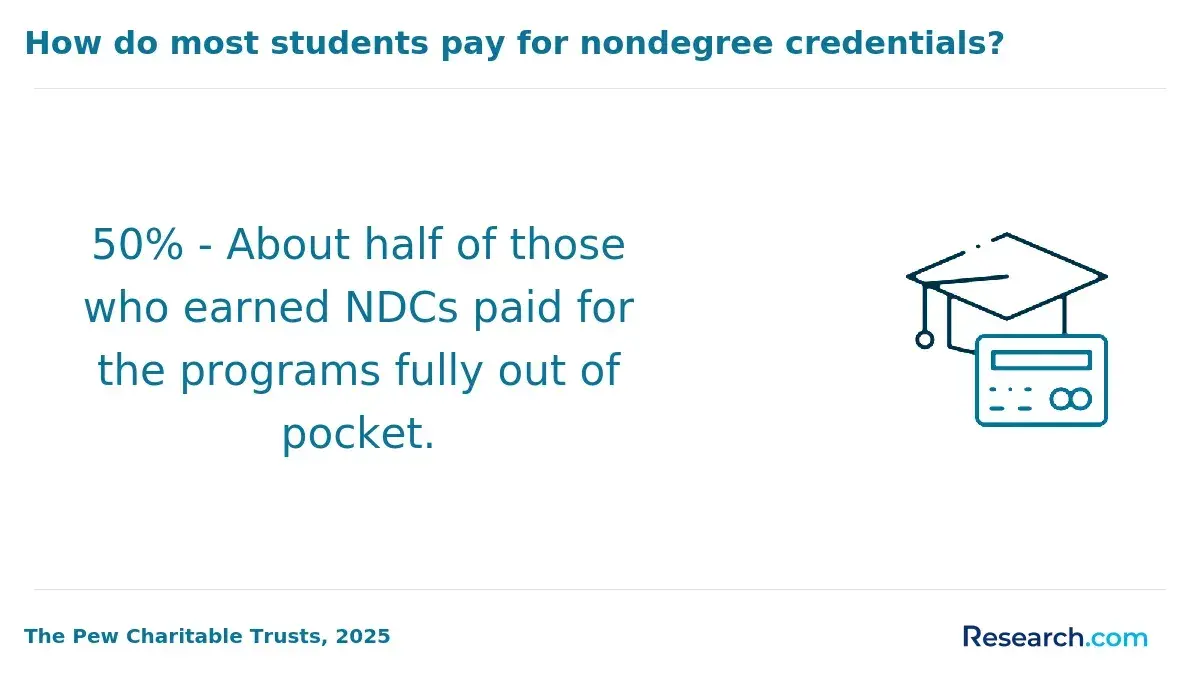
Business operations, accounting, IT, software, and nonclinical healthcare programs often offer more geographic flexibility than programs tied to a state-issued practice license. Portability does not mean every position can be done remotely: employers may require local attendance, specific experience, or authorization to work with sensitive systems. Start with job postings in locations where you might live, then work backward to the required credential and skills.
Licensed careers can still be worthwhile when they match a spouse's goals. The difference is planning: compare interstate recognition rules and placement availability alongside labor-market demand rather than treating projected openings as proof that an individual graduate will be hired.
How do military spouses verify online program accreditation?
Check both institutional accreditation, which applies to the school, and programmatic accreditation, when a profession or credential requires it. Accreditation matters for quality review, aid eligibility, transfer decisions, and some licensing pathways, but one form does not replace the other.
Use these checks before paying an application fee or accepting admission.
- Find the school in the U.S. Department of Education's accreditation database and confirm the accreditor's current status.
- Check the applicable programmatic accreditor's directory if the intended occupation requires or favors its approval.
- Ask the state licensing board whether the specific online program, including its fieldwork, meets its education rules.
A school's broad accreditation claim is a red flag if staff cannot identify the exact program, credential, and state-specific implications.
What online career programs meet licensing requirements across states?
No online degree automatically meets every state's licensing requirements. State rules govern entry into many nursing, teaching, counseling, social work, and engineering roles; some professions offer interstate agreements or recognition pathways, but eligibility and application procedures still matter. A school's authorization to enroll students in a state is also different from confirmation that its graduates meet that state's professional licensing rules.
If a move is possible, ask the program whether it accepts students in your current and likely destination states, where it can arrange required placements, and what happens if you relocate mid-program. Then confirm its answer with each relevant board. This is especially important before selecting a clinical or student-teaching track.
What do online career programs for military spouses teach?
Coursework follows the occupation. Business students may study finance and operations; IT students may build and secure systems; public health students may analyze population data. Practice-oriented programs add supervised work, such as nursing clinicals, social work field education, or student teaching. Graduate applicants may also need foundation courses if their bachelor's degree is in another field.
Read the required-course list rather than relying on a concentration's name. Ask to see how students demonstrate competence - through projects, labs, a capstone, a thesis, or supervised practice - and whether those activities remain feasible after a change of station.
How long do online career programs take to complete?
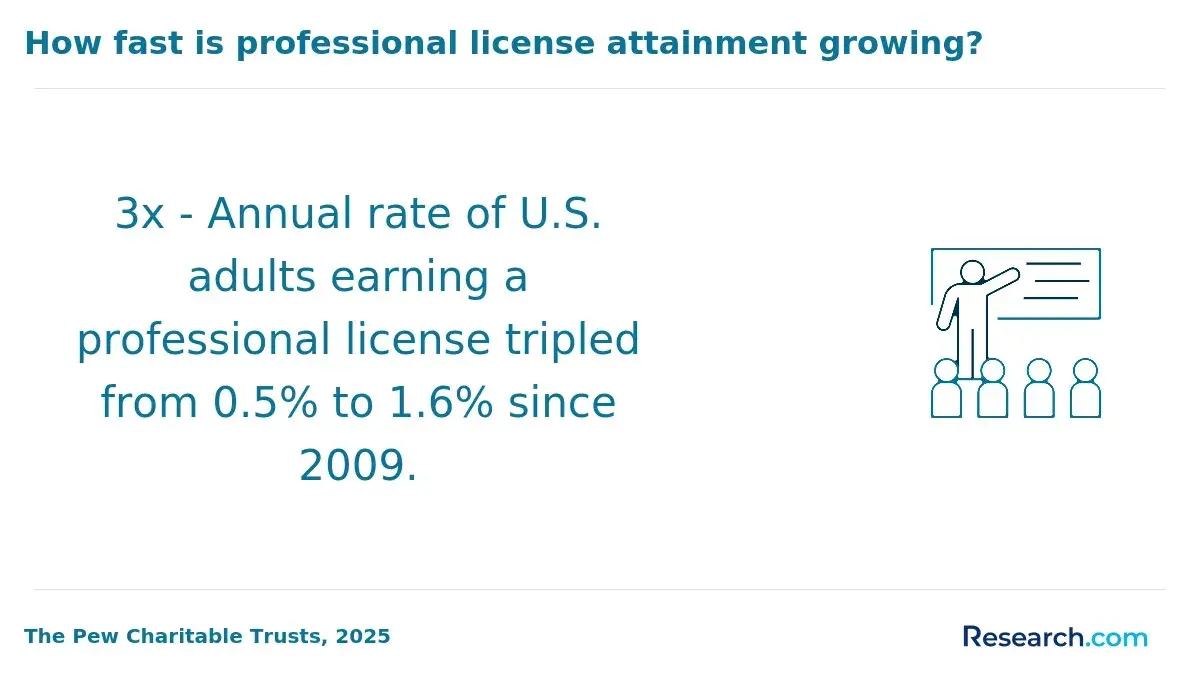
A short certificate may take less time than a degree, but actual completion depends on prerequisites, course availability, enrollment pace, and required fieldwork. Master's programs usually require a relevant bachelor's degree; advanced-standing MSW and some bridge pathways have additional eligibility rules. A school's fastest advertised timeline may assume full-time enrollment or prior qualifying education.
If you are entering a field for the first time, compare the time needed for graduate prerequisites with an undergraduate route, such as an easiest associate degree pathway that fits your goal. "Easiest" does not mean quickest to licensure or best preparation. Request a personalized remaining-course plan, including placement timing, before estimating a completion date.
How much do online career programs cost for military spouses?
Compare total cost to completion, not tuition alone. Online students may still pay technology and program fees, buy equipment, travel for residencies, or lose work hours during unpaid placements. MyCAA and other aid may reduce eligible charges, but an award does not necessarily cover every expense. Schools should provide a program-specific estimate based on your enrollment plan and accepted prior coursework.
A lower-cost certificate can be sensible for an entry-level goal; it can also be poor value if the job requires a degree or license. Likewise, cheap online PhD programs should enter the comparison only when doctoral study is necessary for a longer-term goal. Avoid paying graduate tuition for a credential whose occupational purpose you have not verified.
What jobs and salaries can online career programs lead to?
Online career programs can lead toward roles in business, technology, healthcare administration, education, and licensed practice, but the program is only one part of an employer's hiring decision. The Bureau of Labor Statistics' occupational wages describe workers across experience levels; they are not starting salaries or earnings promised to graduates. Compare each target job's typical entry education, experience, location requirements, and licensing rules before using its wage in a return-on-investment calculation.
For spouses who prefer independent, project-based work, some roles discussed in guides to good paying jobs for introverts may be worth investigating. Judge fit by actual duties rather than a personality label: software teams collaborate, analysts explain findings, and even remote jobs can require scheduled meetings. Estimate what you would need to earn after education costs and time away from paid work, without treating a national median as your likely offer.
Other Things You Should Know About
Some coursework can be completed online, but clinicals, field placements, student teaching, residencies, and scheduled live sessions may still apply. Confirm requirements for the specific program.
No. Certificates, certifications, associate degrees, and bachelor's degrees may be better entry points. Choose the credential employers or licensing boards require for your target role.
Possibly. Ask for an official evaluation showing which credits meet program requirements, which count only as electives, and what must still be completed at the new school.
Assuming "online" means relocation-proof. Verify state licensing eligibility, placement options, scheduled attendance, and total cost before accepting an offer.
References
- Types of Financial Aid: Grants, Work-Study, and Loans | studentaid.gov https://studentaid.gov/understand-aid/types
- GI Bill And Other Education Benefit Eligibility | Veterans Affairs https://www.va.gov/education/eligibility/
- Confident, valued and supported: Examining the benefits of employment support for military spouses - PMC https://pmc.ncbi.nlm.nih.gov/articles/PMC10013447/
- Reimagining Military Spouse Employment | D'Aniello Institute for Veterans and Military Families https://ivmf.syracuse.edu/reimagining-military-spouse-employment/
- What is a "LIVE ONLINE" Course? | spcollege.edu https://staffsupport.spcollege.edu/hc/en-us/articles/15871336299547-What-is-a-LIVE-ONLINE-Course
- MyCAA Military Spouse Scholarship Program | northshore.edu https://www.northshore.edu/veterans/mycaa.html