2027 Best Online College Programs With 2.0 GPA Admission

Co-Founder and Chief Data Scientist
A 2.0 GPA can narrow your college options, but it does not tell you which online programs will consider your application. The distinction matters most at the graduate level: a university's general admissions policy may differ from the minimum for a particular master's program. This guide compares program families, explains conditional admission and other requirements, and shows you how to check costs, online delivery, and career fit before applying. Use it to build a shortlist based on published requirements - not an assumption that every program accepts the same GPA.
Key Things You Should Know
- A 2.0 GPA is not a universal admissions threshold: confirm the minimum for the exact credential, program, and applicant category before applying.
- Business, technology, and other online master's programs may offer conditional pathways, while nursing, teaching, social work, and other practice-oriented fields can have additional eligibility rules.
- Compare total cost, required in-person work, accreditation, and career requirements alongside GPA; admission alone does not make a program the right choice.
Top 10 Best Online College Programs With 2.0 GPA Admission
Business Programs
An online MBA or master's in management may suit applicants seeking broader business responsibilities; an accounting master's serves a more specialized goal. Schools may review work experience, quantitative preparation, or recent coursework when an applicant's undergraduate GPA is 2.0. Some offer conditional admission, but that policy must be confirmed for the specific degree. Compare foundation courses, group-project schedules, and total tuition. If your goal is a licensed accounting role, verify your state's education rules separately; admission to a business program does not establish licensing eligibility.
Healthcare Programs
Online master's programs in healthcare administration, public health, and health informatics prepare students for different work. Administration emphasizes operations, public health emphasizes population-level problems, and informatics connects clinical workflows with data systems. A 2.0 undergraduate GPA may prompt additional review or prerequisite study rather than direct admission. Ask whether the program requires professional experience, an internship, or scheduled online meetings. These degrees do not, by themselves, qualify graduates for a clinical license; choose one based on the work you want to do.
Information Technology Programs
An online master's in information technology may cover systems, cloud infrastructure, cybersecurity, or IT management. It can suit an experienced practitioner seeking deeper technical or leadership preparation, but a degree is not a substitute for hands-on skills. Applicants with a 2.0 GPA should ask whether professional experience, prerequisite courses, or conditional admission can support their application. Review lab access, team-project schedules, and any campus requirements. If you need a narrower skill for an immediate job search, a shorter credential may be a better first step.
Computer Science Programs
An online computer science master's typically demands more programming and mathematics preparation than a broadly focused IT degree. A 2.0 GPA may be only one obstacle if prior coursework does not meet the program's prerequisites. Ask whether bridge courses are available, whether they count toward the degree, and what grades conditional students must earn. Check for a thesis, capstone, or substantial software project. This route makes sense when its technical depth matches your goal; otherwise, targeted coursework may offer a more manageable entry point.
Nursing Programs
Online nursing master's programs often require an existing nursing credential and an active registered nurse license; requirements vary by pathway and specialty. A 2.0 GPA does not override those conditions, and clinical hours generally take place in person even when classes are online. Verify the program's GPA rule, clinical-placement arrangements, state authorization, and relevant nursing accreditation. If you are not already a nurse, look for an entry-to-practice pathway instead of assuming an online MSN will qualify you for initial licensure.
Psychology Programs
Online psychology master's degrees may focus on research, applied psychology, or another specialization. They are not interchangeable with clinical or counseling programs that lead toward a specific license. If your GPA is 2.0, ask whether the department considers recent academic performance, prerequisites, or conditional admission. Examine research methods requirements, faculty supervision, and any practicum. Before enrolling for a therapy career, check your state board's education and supervised-practice rules; the degree title alone cannot confirm eligibility.
Education Programs
An online master's in education may support curriculum work or professional development, while a teacher-preparation master's may have separate admission and fieldwork rules. Applicants with a 2.0 GPA should verify the exact track's minimum and ask whether conditional admission applies. Student teaching or school-based placements may require local attendance and background checks. If you want initial teacher licensure, confirm state approval and eligibility before comparing course convenience or price; a non-licensure education degree may not meet that goal.
Criminal Justice Programs
An online criminal justice master's can emphasize policy, administration, research, or public safety. It may appeal to professionals seeking analytical preparation, but it does not guarantee a law-enforcement appointment or promotion. For a 2.0 GPA, ask the department whether work history, a statement of purpose, or conditional enrollment can strengthen an application. Compare research and capstone requirements with your career goal. Agency hiring, training, and advancement rules remain separate from the degree's admissions standards.
Engineering Programs
Online engineering master's programs are often specialized, so prior mathematics and engineering coursework may matter as much as GPA. Some offer a practice-focused project; others require research or a thesis. An applicant with a 2.0 GPA should request a prerequisite review and ask whether any preparatory courses count toward the degree. Confirm how laboratories and exams are delivered. If professional engineering licensure is your goal, check your state board's rules rather than assuming a particular online master's satisfies them.
Social Work Programs
An online Master of Social Work prepares students for supervised social-work practice, but admissions can be selective and field placements occur in person. A 2.0 GPA may fall below a program's minimum; ask whether a documented exception or conditional route exists before paying an application fee. Check Council on Social Work Education accreditation, placement support, and the rules in the state where you intend to practice. Advanced-standing pathways generally require a qualifying prior social-work degree; they are not a shortcut available to every applicant.
What online college programs accept students with a 2.0 GPA?
Online programs that may consider a 2.0 GPA include some undergraduate degree-completion programs and some graduate programs with conditional or holistic admission. The important word is "may." A published university-wide minimum does not establish eligibility for its MBA, MSN, MSW, or another specific master's degree. Without a current, program-level admissions policy, no school should be treated as a confirmed 2.0-GPA option.
The comparison below separates possible admissions pathways. Use it to identify which policy to look for, not as a list of guaranteed acceptances.
| Program type | What a 2.0-GPA applicant should verify | Key limitation |
| Online undergraduate or degree-completion program | Whether the stated minimum applies to first-year or transfer applicants and to the chosen major | Selective majors may set a higher threshold |
| Online master's with conditional admission | Whether the specific program permits entry below its standard minimum and what conditions follow | Eligibility and required performance vary by program |
| Online master's with holistic review | Whether published policy permits consideration of work, recent grades, or other evidence | Holistic review does not mean GPA is disregarded |
If a school publishes only a general admissions page, request the current catalog rule for your degree and ask for written clarification. That is more reliable than treating a flexible-sounding policy as proof of eligibility.
How can you verify an online college's accreditation and legitimacy?
Start with institutional accreditation: check the school's current status in the U.S. Department of Education's accreditation database or the accreditor's directory. Then check programmatic accreditation if the intended profession or employer requires it. A school can be institutionally accredited while a particular professional program lacks the recognition you need.
Match the directory entry to the school's legal name, campus or online division, and credential. For nursing, social work, teaching, and other regulated paths, also ask the applicable state board whether the program meets its educational requirements. Be cautious of an admissions claim that cannot be found in the catalog, an unclear accreditor, or a promise that an online degree automatically leads to licensure.
What admission requirements apply beyond a 2.0 GPA?
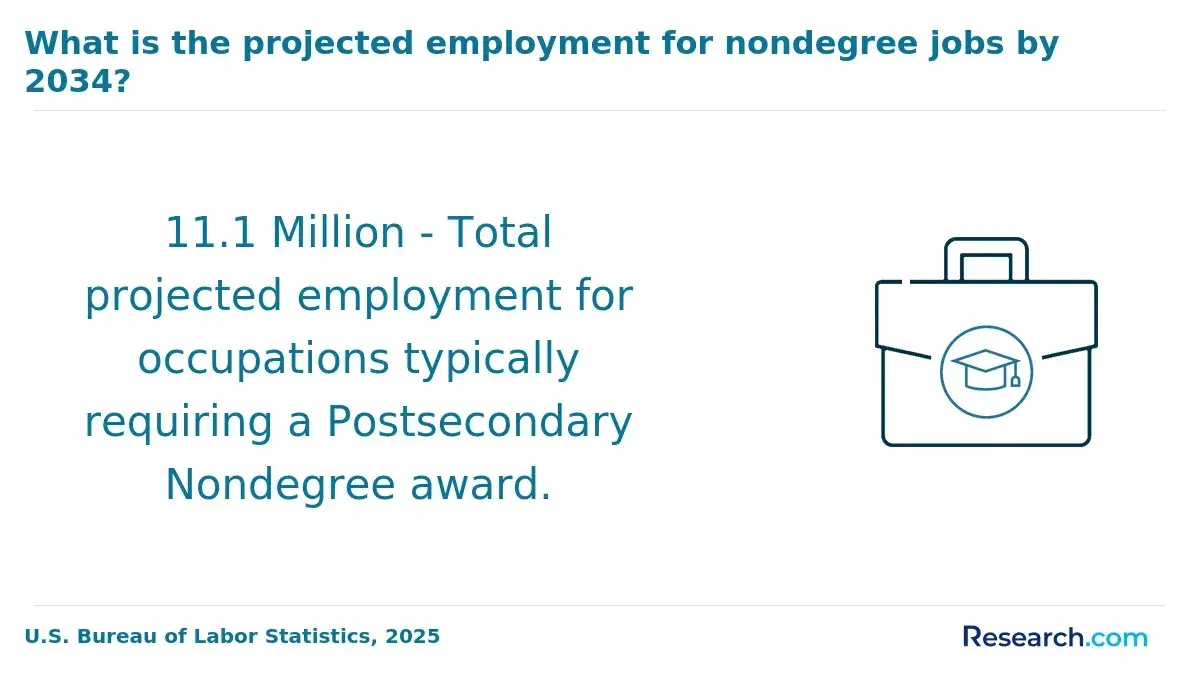
Beyond GPA, a master's application may require a completed bachelor's degree, prerequisite courses, recommendations, a résumé, a statement of purpose, or an interview. A program may review a recent or major-specific GPA instead of - or alongside - an overall GPA. Nursing and other practice-oriented tracks can also require licensure or relevant experience. Test policies vary, so check the current rule rather than assuming an exam is required or waived.
Contact admissions with your transcript and the exact program name. Ask which GPA is calculated, whether a 2.0 meets the published minimum, whether conditional admission or prerequisite study is possible, and when a final eligibility decision is made. If you have previous college credit, request an evaluation showing how accepted courses apply to the intended degree; credit accepted as an elective may not satisfy a major requirement.
Which online degrees and certificates offer strong career pathways?
The strongest pathway is the one that matches both your starting qualifications and the work you want. An IT or business master's may support advancement when you already have relevant experience. An undergraduate completion program may be the more appropriate step if you do not yet hold a bachelor's degree. Licensure-oriented careers require a more exact match between the program, its accreditation, and state rules.
A degree is not always the first credential to pursue. For a narrowly defined skill or a chance to test a new field, compare relevant quick certifications that pay well with the cost and admission requirements of a degree. Check whether employers value the particular certification; a short course does not replace a required professional license.
How do online programs compare with campus-based college options?
Online study can reduce commuting and broaden your choices, but it does not necessarily remove scheduled classes, fixed deadlines, or local placements. Campus study may offer easier access to facilities and face-to-face support. For a returning student, the better format is the one that makes required coursework feasible alongside work and other responsibilities; guides to degrees for older adults can help frame that scheduling decision.
This comparison highlights the trade-off to check before accepting an offer.
| Format | Potential advantage | Question to resolve |
| Online | Less routine travel for coursework | Are live meetings, exams, or visits required? |
| Hybrid | Remote coursework plus some in-person access | How often and where must you attend? |
| Campus-based | Regular access to facilities and in-person activities | Can you meet the commuting and class schedule? |
What coursework and learning formats do these programs typically include?
Expect readings, discussions, assignments, and assessments, but inspect the actual curriculum rather than relying on the word "online." Business courses may use team projects; computing programs may require virtual labs; education, nursing, and social work can include supervised work at an approved local site. Ask whether classes are asynchronous, whether meetings are live, and who arranges required placements.
At the graduate level, a capstone, project, or thesis can change the workload and fit. If research is your long-term goal, compare the master's curriculum with doctoral expectations before considering advertised 1 year PhD programs online no dissertation USA; verify the credential, research requirements, and realistic completion schedule for any specific option.
How long do online programs take and how much do they cost?
Completion time depends on the credits still required, enrollment pace, prerequisite work, course sequencing, and any thesis or placement. Conditional admission may add courses rather than shorten the route. Transfer or prior-learning credit reduces requirements only when the school evaluates it and applies it to your specific program; graduate and undergraduate credits are not automatically interchangeable.
For a useful cost comparison, request each school's remaining-credit plan and add tuition, mandatory and program fees, materials, and any travel or placement expense. Compare the full estimate - not just a per-credit rate - with online affordable master's programs. Ask financial aid staff about eligibility and employer assistance before assuming either will cover the balance. If a low-cost option delays needed courses or lacks a required accreditation, its sticker price is not the whole decision.
What careers, salaries, and job outlooks can graduates expect?
Career outcomes differ substantially across these fields. Business and IT graduates might pursue roles aligned with their prior experience; nursing, teaching, and social-work roles can require a license and supervised preparation. A computer science degree may strengthen technical preparation without assuring a software job. Employers also assess skills, experience, location, and the requirements of an individual opening.
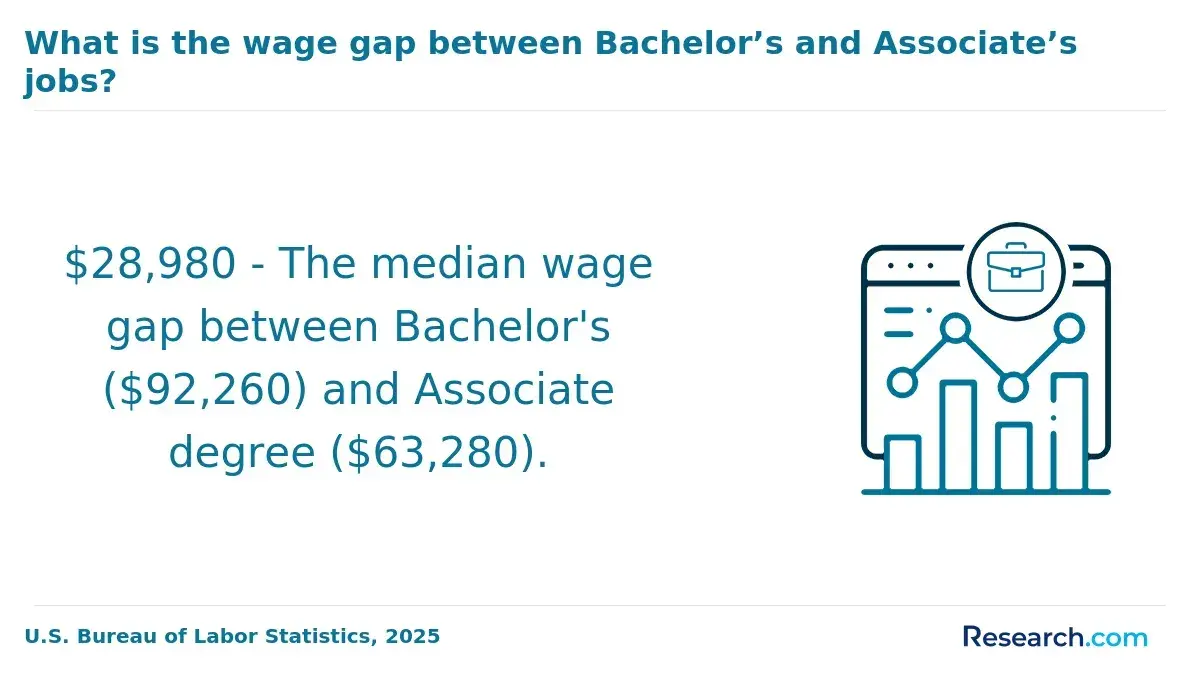
For salary and outlook comparisons, use the U.S. Bureau of Labor Statistics' current Occupational Outlook Handbook entry for the specific occupation you want. Its median pay describes workers in that occupation, not the expected earnings of graduates from a particular program. Compare that occupational information with the program's total cost and the additional qualifications you would need before treating a degree as a sound career investment.
Which licensing and professional certifications may graduates need?
Licensing rules matter when the intended job is regulated. Nurses need applicable state nursing licensure; public-school teachers generally need state authorization; clinical social-work and certain counseling or psychology roles require state-specific education and supervised practice. Engineering licensure and accounting credentials also have requirements beyond simply earning a master's degree. A general master's in a related subject may not be an approved preparation route.
Before enrolling, identify the exact job title and state where you plan to work. Check that board's education, examination, experience, and placement rules against the school's written disclosures, including whether the program accepts students in your state. Do not rely on "career-ready" marketing language as confirmation of license eligibility.
Other Things You Should Know About
Possibly, if the specific program permits conditional admission or another published review pathway. Many master's programs set different standards, so confirm eligibility with the department before applying.
No. You must first be offered admission, and the offer may require satisfactory performance in specified courses or fulfillment of other conditions.
Strong recent coursework may help where a program reviews academic improvement. Ask whether it considers recent grades, prerequisites, or a calculated GPA other than your overall average.
Not necessarily. Clinical placements, internships, practicums, student teaching, exams, or visits may still require attendance at an approved location. Check the requirements for your exact track.
References
- Making the Cut: Who Meets Highly Selective | ed.gov https://nces.ed.gov/pubs/web/95732.asp
- Accreditation in the U.S. | ed.gov http://www.ed.gov/laws-and-policy/higher-education-laws-and-policy/college-accreditation/accreditation-in-the-us
- Eligibility Requirements | Federal Student Aid https://studentaid.gov/understand-aid/eligibility/requirements
- School-Determined Requirements | 2024-2025 Federal Student Aid Handbook https://fsapartners.ed.gov/knowledge-center/fsa-handbook/2024-2025/vol1/ch1-school-determined-requirements
- How to choose an accredited online university that fits your goals | Inside Capella | Capella University Blog https://www.capella.edu/blog/inside-capella/how-to-choose-an-accredited-online-university-that-fits-your-goals/
- Regional vs. National Accreditation: Which is Better? | Drexel University Online https://www.online.drexel.edu/news/national-vs-regional-accreditation.aspx
- Admission Requirements https://graduate.appstate.edu/graduate-admissions/apply-graduate-school/application-requirements
- Admission Requirements - California State University Fullerton https://catalog.fullerton.edu/content.php
- Undergraduate Admissions | Monroe University Catalog https://catalog.monroeu.edu/catalog/admissions/undergraduate-admissions/