2027 Best Online Colleges With Full-Time Online Options

Co-Founder and Chief Data Scientist
Choosing a full-time online college means checking more than whether classes appear on a screen. You need enough available courses to maintain your schedule, a degree you can complete without unexpected campus visits, and a cost you can sustain. Online study is now a mainstream option: National Center for Education Statistics data show that more than half of U.S. postsecondary students took at least one distance-education course in fall 2022. This guide compares colleges and explains how to verify the details that matter before you enroll.
Key Things You Should Know
- Start with colleges that offer your specific degree online and confirm that required courses are available at a full-time pace; an online college does not necessarily offer every program fully online.
- Full-time undergraduate enrollment commonly means at least 12 credits per term, but graduate thresholds and accelerated-term schedules vary. Ask how the school defines full-time status for your program and financial aid.
- Compare the cost of finishing, not just tuition per credit: accepted transfer credits, mandatory fees, course sequencing, and any travel for required placements can change the total substantially.
Top 10 Best Online Colleges With Full-Time Online Options
Business Programs
Online MBA and specialized master's programs in accounting, finance, or analytics can suit full-time students seeking advancement or a career change. Compare prerequisite courses, cohort schedules, and whether internships or residencies are required.
An MBA may emphasize broad management decisions; a specialized degree usually offers deeper preparation in one function. Neither automatically qualifies a graduate for a management role. If you plan to pursue CPA licensure, check your state's education rules and the program's accounting coursework before enrolling.
Healthcare Programs
Online master's degrees in healthcare administration, public health, and health informatics prepare students for different work. Administration focuses on organizational operations; public health emphasizes population health; informatics combines healthcare processes and data.
Full-time study may still include scheduled group projects, internships, or a capstone. Confirm whether a program expects prior healthcare experience and whether its curriculum fits your intended role. A healthcare-related master's degree does not, by itself, authorize clinical practice.
Information Technology Programs
Online master's programs in information technology often cover systems, cloud infrastructure, cybersecurity, or technology management. They may fit professionals moving toward technical leadership, but course content and assumed programming experience differ.
A full-time schedule can be demanding when labs and team projects overlap. Compare access to required software, live meeting times, and capstone requirements. Professional certifications may complement the degree, but employers can also expect hands-on experience; neither the degree nor a certification guarantees a particular job.
Computer Science Programs
An online master's in computer science typically develops advanced computing knowledge through areas such as algorithms, software systems, or artificial intelligence. Some programs expect an undergraduate computing background; others offer foundation courses that add time and cost.
Compare project-based and thesis options, prerequisite policies, and whether advanced courses run often enough for full-time enrollment. Students primarily seeking an entry-level technical skill may find a shorter credential more appropriate, while research goals may favor a thesis pathway.
Nursing Programs
Online MSN programs commonly require applicants to hold an RN license and nursing preparation. Leadership and education tracks differ substantially from nurse practitioner tracks, which require supervised clinical training and have additional certification and state licensure rules.
Online coursework does not eliminate local placement hours or scheduled clinical commitments. Before accepting an offer, confirm your state's eligibility rules, who arranges placements, and whether a full-time clinical schedule is feasible alongside work.
Psychology Programs
Online psychology master's degrees may emphasize research, applied psychology, or a particular workplace setting. Do not assume a general psychology degree qualifies you for independent clinical practice: licensure requirements depend on the occupation and state, and psychologist roles generally require further education and supervised experience.
Compare research methods, any thesis or practicum, and the program's stated career purpose. Full-time students should also check whether required seminars meet live and whether placements are available near home.
Education Programs
Online master's programs in curriculum, educational leadership, and teaching serve different applicants. Some are designed for licensed educators; initial teacher-preparation programs have separate student-teaching and state approval requirements. A full-time online course load may be manageable until fieldwork begins.
Check entry credentials, local placement arrangements, and whether the program meets requirements in the state where you intend to work. An education master's degree alone does not necessarily confer a teaching or administrator license.
Criminal Justice Programs
Online criminal justice master's programs may focus on policy, administration, investigations, or criminology. Their value depends on the position you want: some roles prioritize agency experience or specific training over a graduate degree.
Compare applied projects with research-oriented coursework and ask whether internships or agency partnerships are optional. Full-time students should verify course rotation, especially for concentrations with few electives. A degree does not replace hiring, background-check, or academy requirements for sworn positions.
Engineering Programs
Online engineering master's degrees often serve applicants with an engineering or closely related undergraduate background. Programs may offer coursework-only, project, or thesis routes; lab access and campus visits vary by specialization. Check prerequisites, course sequencing, and whether your proposed full-time load is practical.
For jobs requiring a professional engineer license, a graduate degree is not a substitute for applicable education, examinations, and experience. Verify any licensure implications with the state board rather than relying on the word "engineering" in a program title.
Social Work Programs
An online MSW can prepare students for social work practice, but required field education takes place in person, often at an approved local site. Traditional and advanced-standing tracks have different admission prerequisites; advanced standing generally requires a qualifying social work bachelor's degree.
Full-time field placement can limit paid-work hours. Verify Council on Social Work Education accreditation, placement support in your area, and your state's rules for clinical licensure, which typically require supervised experience after graduation.
What are the best fully online colleges for full-time students?
There is no single best online college for every full-time student. Arizona State University, the University of Florida, Oregon State University, Penn State, Southern New Hampshire University, Western Governors University, and the University of Maryland Global Campus are useful starting points because each has established online degree offerings.
Your best choice depends on whether your particular program can accommodate a full-time schedule at a manageable total cost.
The comparison below distinguishes useful starting points, not a ranking. Offerings and delivery requirements vary by degree, so confirm them on the current program page before applying.
| College or online division | Why compare it | Full-time question to resolve |
| Arizona State University Online | Broad selection of online undergraduate and graduate degrees | Are all required courses offered in terms that support your planned load? |
| University of Florida Online | Online bachelor's options within a public university | Does UF Online offer your intended major, and how will transfer credits apply? |
| Oregon State University Ecampus | Online undergraduate and graduate choices | Are prerequisites and upper-level courses available when you need them? |
| Penn State World Campus | Online programs across several credential levels | Does your specific program include scheduled sessions or in-person work? |
| Southern New Hampshire University | Extensive online degree catalog | How many courses per term count as full-time in your program? |
| Western Governors University | Competency-based online degrees | Do its assessment format and required pace suit how you learn? |
| University of Maryland Global Campus | Online degrees designed for students balancing other commitments | Can you build a full-time schedule from the courses available each term? |
Use these as a shortlist, not proof that every degree has identical policies. If institutional nonprofit status is part of your comparison, explore non profit universities in USA, then check the specific program's format, accreditation, and price.
How do you verify accreditation at an online college?
Verify institutional accreditation through the U.S. Department of Education's accreditation database or the accreditor's own directory. Search the institution's legal name and check its current status; a claim on a marketing page is not enough. Institutional accreditation matters for federal aid eligibility and may affect transfer or employer recognition, although it never guarantees another college will accept particular credits.
Next, check programmatic accreditation where it matters to your goal. Nursing, social work, teacher preparation, and some other professional paths may have field-specific accreditation or state approval requirements.
Confirm the exact program, degree level, location or online track, and dates covered. Finally, ask the prospective school and the relevant state licensing board whether that program meets the requirements where you plan to work. A common mistake is checking the college's accreditation but not the professional program's eligibility.
How much do full-time online college programs cost?
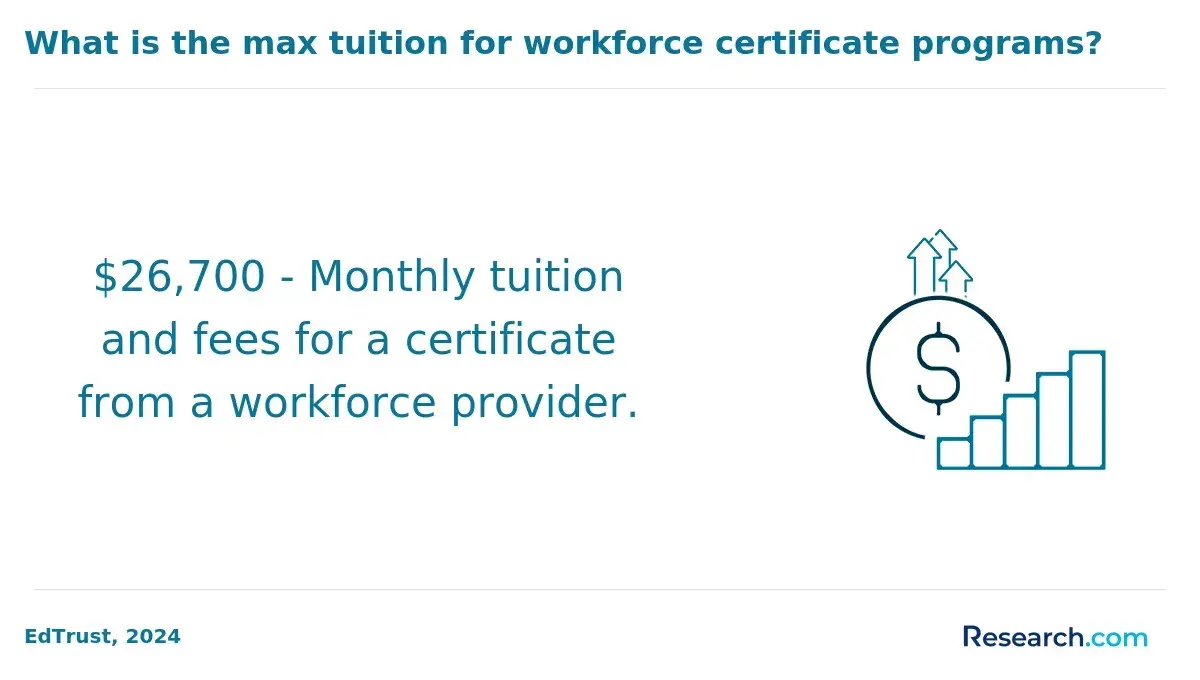
Full-time online college costs depend on the school, credential, residency rules, enrollment pattern, and credits still needed. A published per-credit rate is not a total degree price. At an undergraduate college, full-time status commonly begins at 12 credits per term, but taking more or fewer courses can change both the bill and the time until graduation; graduate programs set their own thresholds.
This comparison identifies the costs that can materially change a full-time student's budget. Request a written estimate for your own program and expected transfer-credit evaluation rather than comparing tuition alone.
| Cost component | Why it matters |
| Tuition structure | Per-credit, per-term, and flat-rate pricing respond differently to a heavier course load. |
| Mandatory fees and materials | Technology, course, laboratory, books, and required software can add to published tuition. |
| Credits remaining | Accepted credits reduce cost only when they satisfy requirements in the intended degree. |
| Experiential requirements | Placements, travel, background checks, and reduced work hours may create indirect costs. |
| Aid and payment options | Grants, scholarships, employer benefits, and loans affect what you pay or borrow. |
Ask each financial aid office for its current cost of attendance and a personalized aid offer. Distinguish published price from net price after grants, and compare likely borrowing for the whole remaining program.
Confirm that the institution and your enrollment are eligible for the aid you intend to use; a heavier course load is not automatically the least expensive choice if work income falls or required courses are unavailable.
What degrees and certificates can you earn fully online?
Depending on the college, online options may include certificates, associate degrees, bachelor's degrees, master's degrees, and some doctoral degrees. Availability is program-specific.
An associate degree can support transfer or career preparation; a bachelor's degree usually combines general education and major coursework; graduate credentials typically require a prior degree and more specialized study. Some fields also require a capstone, supervised placement, laboratory, or dissertation.
Fully online coursework is not always fully remote completion. A nursing or teaching student, for example, may study online but complete supervised training in person near home.
If your goal is a narrower skill rather than a degree, compare easy certifications to get online with college certificates and degrees. They differ in academic credit, employer recognition, and any professional eligibility they provide.
How do full-time online programs compare with campus-based programs?
Online and campus-based degrees may cover comparable academic material, but the weekly experience differs. "Online" describes delivery, not necessarily an asynchronous or self-paced schedule: courses can still have live meetings, fixed deadlines, proctored assessments, and group projects.
The comparison below highlights trade-offs that matter most when taking a full-time course load. Neither format is inherently easier or better for every student.
| Consideration | Full-time online study | Full-time campus study |
| Schedule | May reduce commuting; live sessions and deadlines can still be fixed. | Often centers on scheduled in-person classes and travel. |
| Hands-on work | May use virtual tools or require local placements and occasional visits. | May provide direct access to campus labs and facilities. |
| Interaction | Relies on course platforms, planned meetings, and deliberate outreach. | Allows more spontaneous face-to-face contact. |
| Location costs | May avoid relocation but still require equipment or placement travel. | May involve commuting, housing, or campus-related expenses. |
Choose online study if its actual meeting times, course availability, and support services fit your week. Consider campus or hybrid study when regular face-to-face instruction, specialized facilities, or locally arranged practical training better supports your goals.
What are the admission requirements for online colleges?
Requirements depend on the credential and the particular program. Undergraduate applicants commonly submit proof of secondary education and any previous college transcripts; a transfer applicant may face different requirements from a first-time student.
Graduate applicants generally need a bachelor's degree and may need prerequisites, recommendations, a statement, a portfolio, or professional credentials. Test policies and minimum GPAs are program-specific, not safe to infer from an institution's general admissions page.
Check the applicable program page for deadlines, state-of-residence restrictions, and separate admission to selective majors.
Request a preliminary transfer evaluation when available, and ask whether accepted credits satisfy general education, major, or elective requirements. If application costs affect your shortlist, compare online college free application options - but verify that the fee policy applies to your applicant type and program before relying on it.
How long does it take to complete a full-time online degree?
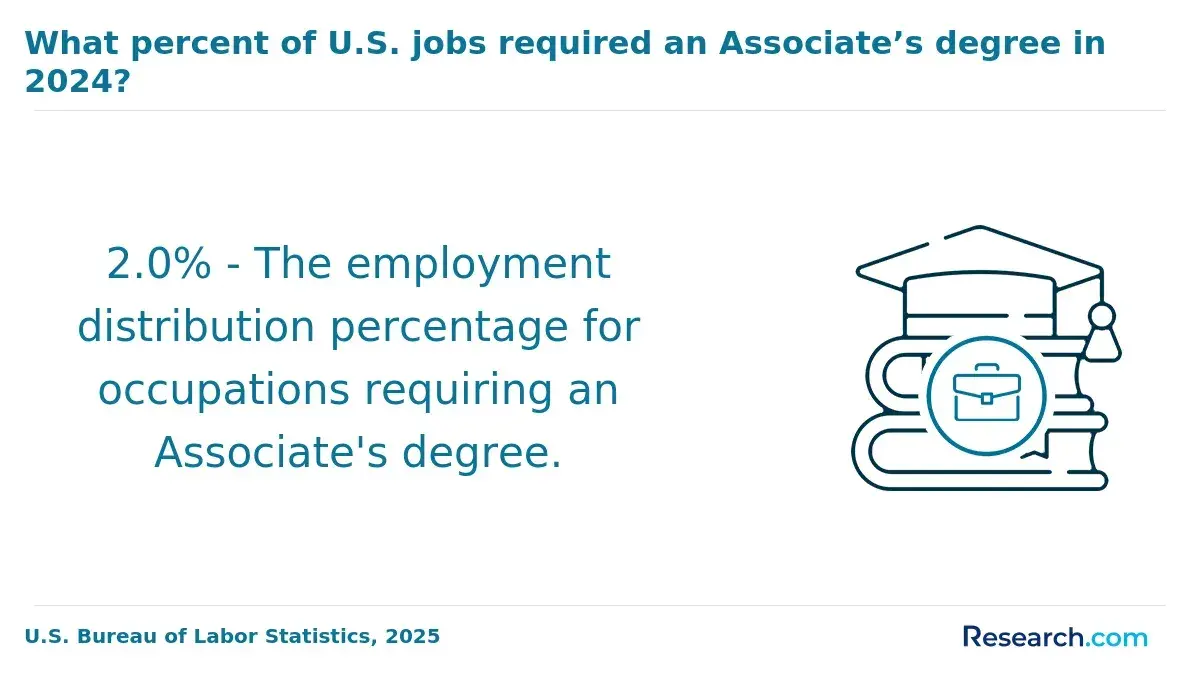
Full-time enrollment does not establish one universal graduation date. An associate degree often involves roughly two years of full-time study, while a bachelor's degree commonly involves roughly four years when starting without college credit.
Master's programs vary more widely with prerequisites, required credits, and thesis or placement work. Transfer credits can shorten the remaining path only if they apply to the chosen degree.
Ask for a term-by-term plan showing when every required course is offered, not just the number of credits left. Account for sequential prerequisites, summer availability, clinical hours, and whether the school's full-time definition changes across shorter terms.
If speed is important, compare accelerated bachelors degrees against a standard schedule using the same starting-credit assumptions. Shorter classes alone do not prove that the complete degree will take less time.
What careers and salaries can online college graduates expect?
Career outcomes depend on the field, experience, location, and any required license - not on online delivery alone. For context, the U.S. Bureau of Labor Statistics reported a $93,600 median annual wage for registered nurses in 2024.
That is an occupational wage, not the expected salary of an online nursing graduate; RN work also requires appropriate nursing education and licensure.
Before using a salary figure to judge value, identify the jobs your degree actually prepares you to pursue and check their typical entry requirements.
Ask a college for program-specific outcome information, including how it defines graduates counted and whether results cover online students. Compare the likely cost and time away from work with your own career objective. Be wary of any school that presents an occupation's median wage as a promised return on its degree.
Which online programs require licenses, certifications, or clinical training?
Several online fields can lead toward regulated occupations, but completing online classes is only one part of qualification. The requirements below explain why delivery format and state eligibility deserve separate checks before enrollment.
| Program or goal | Requirement beyond online coursework |
| Nursing | Supervised clinical training, applicable examinations, and state licensure; requirements vary by nursing role. |
| Teaching | Approved preparation, student teaching, and state certification or licensure requirements. |
| Clinical social work | MSW field education and, for clinical licensure, additional supervised practice and state requirements. |
| Mental health counseling | An eligible degree, supervised clinical experience, and state examination or licensing requirements. |
| Professional engineering | Applicable education, examinations, and experience under the state board's rules. |
Before committing, ask the program which in-person requirements apply, where they can be completed, and who secures placements. Confirm eligibility directly with the licensing authority in the state where you intend to practice. Do not mistake permission to take online courses from your state for confirmation that the degree meets that state's licensing rules.
Other Things You Should Know About
Yes, many students do, but feasibility depends on course load, live sessions, deadlines, and any placements. Request a sample weekly schedule for your specific program.
No. Requirements vary by degree; some programs include campus sessions or in-person clinical, laboratory, or fieldwork components. Verify the full curriculum before enrolling.
Diploma wording is set by the institution. Ask the registrar how the credential and transcript identify the program rather than assuming they match a campus degree.
Confirm that the intended degree is offered online, can accommodate your full-time schedule, holds the accreditation or approvals your goal requires, and fits your estimated total cost.
References
- Research Your Options: U.S. Online Learning | EducationUSA https://educationusa.state.gov/your-5-steps-us-study/research-your-options/online-learning
- Auxiliary Aids and Services for Postsecondary Students with Disabilities | U.S. Department of Education http://www.ed.gov/laws-and-policy/individuals-disabilities/auxiliary-aids-and-services-for-postsecondary-students-with-disabilities
- Full-time Study | HESC https://hesc.ny.gov/dictionary/tap-coach/term/full-time-study
- Undergraduate Retention and Graduation Rates - COE https://nces.ed.gov/programs/coe/indicator/ctr/undergrad-retention-graduation
- Chapter 3 - Courses and Enrollment, Full Course of Study, and Reduced Course Load | USCIS https://www.uscis.gov/policy-manual/volume-2-part-f-chapter-3
- Undergraduate and Graduate Tuition and Fees | Purdue Global https://www.purdueglobal.edu/tuition-financial-aid/undergraduate-graduate-tuition-and-fees/
- Enrollment Requirements for Full-Time and Part-Time Status | UVA College of Arts & Sciences https://college.as.virginia.edu/enrollment-requirements-full-time-and-part-time-status
- Tuition & Fees | ou.edu http://www.ou.edu/bursar/tuition_fees.html
- Types of Clinical Placements - Waco - Baylor CSD https://csd.robbins.baylor.edu/clinical-placements
- Transfer Applicants - Columbia Undergraduate Admissions https://undergrad.admissions.columbia.edu/apply/transfer