2027 Are There Any One-Year Online Urban Planning Degree Programs Worth Considering?

Co-Founder and Chief Data Scientist
If you are looking for a fast route into urban planning, the main question is not simply whether a one-year online degree exists. It is whether you can earn a credible planning credential quickly enough to meet your career goals without choosing a program that lacks recognition, depth, or practical training.
Urban planning programs prepare students to analyze land use, transportation, housing, sustainability, community development, and public policy. These skills matter as cities respond to growth, climate pressures, infrastructure demands, and changing housing needs. Online study can make graduate education more accessible for working professionals, but planning is also a practice-based field where accreditation, studio work, applied projects, and professional networks can affect long-term value.
This guide explains what one-year online urban planning options actually look like, why fully accredited one-year degrees are difficult to find, how accelerated alternatives compare, what admissions teams usually expect, and how to evaluate cost, curriculum, financial aid, and career fit before enrolling.
Key Points About One-Year Online Urban Planning Degree Programs
- One-year online Urban Planning degrees offer accelerated curriculum focusing on core concepts like land use, policy, and sustainability, unlike traditional multi-year programs with broader electives.
- These programs typically attract working professionals seeking flexible schedules, with enrollment rising 15% annually since 2020 amid urban infrastructure growth.
- Students should expect intensive coursework, remote collaboration tools, and applied projects reflecting current urban challenges, but fewer networking opportunities compared to on-campus programs.
Is It Feasible to Finish a Urban Planning Degree in One Year?
Finishing an urban planning degree online in one year is difficult and, for fully accredited planning degrees, uncommon. A one-year timeline is most realistic for students who already hold substantial transfer credit, choose a related graduate credential, or enroll in an intensive program that is not a full professional planning degree.
At the master's level, many urban planning programs require 36 to 52 credits. Completing that amount of graduate work in one calendar year would mean taking a very heavy course load across consecutive terms. It may be possible in some related programs, especially when transfer credits are accepted, but students should expect limited flexibility, frequent deadlines, and less time for internships, studio projects, or networking.
A bachelor's or associate's degree in urban planning is even less likely to be completed in one year because undergraduate programs include general education, foundational planning courses, electives, and often applied projects. Students who already have college credits may shorten the timeline, but a one-year start-to-finish undergraduate planning degree is not a realistic expectation for most learners.
The practical answer is this: a one-year path can be feasible for a certificate, a related public administration concentration, or a highly accelerated graduate route with transfer credit. It is usually not feasible for a complete accredited urban planning degree that provides the full preparation expected for professional planning work.
Are There Available One-year Online Urban Planning Degree Programs?
There are currently no accredited one-year online Urban Planning degree programs available in the United States. Students searching for a one year urban planning degree online accredited option should be cautious: recognized online planning degrees generally take longer because they require substantial coursework in planning theory, methods, land use, policy, and applied analysis.
The closest options are flexible online programs, related degrees with an urban planning concentration, or accelerated pathways that may reduce time to completion but do not usually compress a full planning degree into one year. Before applying, confirm whether the program is a true urban planning degree, a concentration inside another field, or a certificate.
- University of Florida - Online Master of Urban and Regional Planning (MURP): This fully accredited and 100% online program requires 52 credit hours. Coursework covers areas such as urban economics, sustainable development, transportation, and urban design. Students typically finish in 2-3 years, and while pacing may be flexible, the program cannot realistically be condensed to one year.
- Liberty University - Online Master of Public Administration (MPA) in Urban Planning: This related graduate option uses 8-week courses and requires 36 credits. Students may transfer up to 50% of credits, which can shorten the timeline for eligible learners. The curriculum includes public administration, urban planning basics, GIS, and thesis or elective options. Most students finish in 1.5-2 years.
- Arizona State University - Online Bachelor of Science in Urban Planning: This fully online undergraduate program offers flexible scheduling, multiple enrollment sessions, and the option to take heavier course loads. However, completing a bachelor's degree in a single year is not realistic for most students unless they enter with extensive prior credit.
For students comparing accelerated online urban planning masters programs, the best strategy is to review credit requirements, transfer policies, accreditation status, and whether the program includes applied planning work. You can also compare broader accelerated graduate pathways through this guide to 1 year graduate programs.
Why Consider Taking Up One-year Online Urban Planning Programs?
The main reason to consider a one-year or accelerated online urban planning pathway is speed. If you already work in government, transportation, housing, sustainability, real estate, architecture, civil engineering, geography, or public administration, a shorter program may help you add planning knowledge without stepping away from your job for several years.
Because accredited one-year online urban planning degrees are not currently available in the typical professional degree format, the benefits below apply most clearly to accelerated related programs, graduate certificates, transfer-friendly programs, or urban planning concentrations.
- Faster credentialing: A 12 months pathway, when available as a certificate or related graduate option, can help students build planning knowledge more quickly than a traditional two-year program.
- Flexible scheduling: Online coursework can reduce commuting and relocation barriers. This is especially useful for working adults, caregivers, military-affiliated students, and learners who do not live near a planning school.
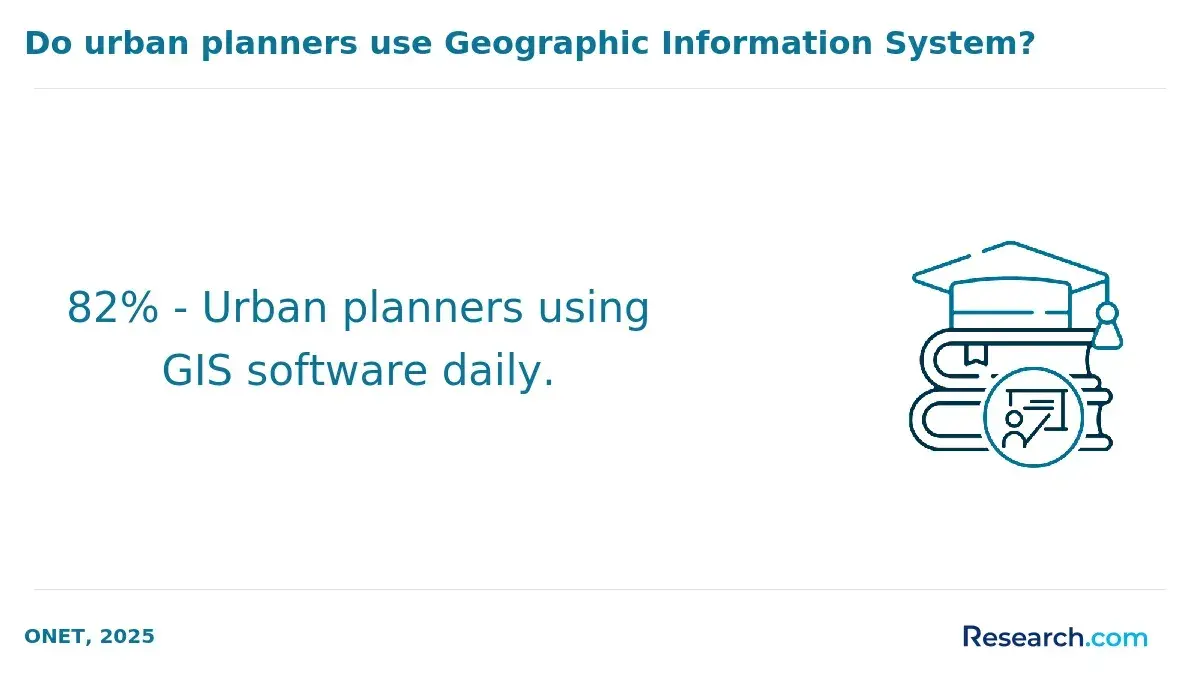
- Career-focused skill building: Many accelerated planning-related programs emphasize practical topics such as spatial analysis, GIS (Geographic Information Systems), urban policy, land use, and sustainability.
- Good fit for career changers: Students with backgrounds in geography, architecture, civil engineering, or public administration may not need to start from scratch. A focused online program can help them connect their prior training to planning roles.
- Lower opportunity cost: Shorter study periods can reduce time away from full-time work, though students should still compare total tuition, fees, and workload carefully.
The trade-off is that a faster program may provide less time for studio work, local engagement, internships, faculty mentorship, and peer collaboration. Students who need a recognized professional planning credential should prioritize quality and accreditation over speed. For learners exploring other flexible degree paths, this resource on easy online programs may be useful for comparison.
A one-year online planning pathway can be appealing, but the drawbacks are significant. Urban planning is not just a reading- and lecture-based subject; it involves data analysis, design thinking, public engagement, policy interpretation, and communication with communities and decision-makers. Compressing that training can limit how deeply students develop those skills.
- Heavy workload: Accelerated study often means overlapping assignments, compressed readings, group projects, and limited recovery time between terms. Students with full-time jobs or family responsibilities should plan carefully before attempting a fast pace.
- Fewer networking opportunities: Planning careers often grow through local government contacts, professional associations, studio partnerships, internships, and faculty connections. Online programs can offer networking, but students usually need to be more intentional about building it.
- Less hands-on practice: In-person planning programs may include site visits, charrettes, community meetings, studio critiques, and local fieldwork. Online students may need to create these opportunities independently through local projects or internships.
- Limited accredited options: Fully online one-year Urban Planning degrees are rare or unavailable, so students may end up choosing a related program that does not carry the same recognition as a dedicated planning degree.
- Risk of choosing speed over fit: A program that is short, inexpensive, or convenient may not align with your intended career path, especially if you want to work in municipal planning, transportation planning, housing policy, or environmental planning.
To reduce these risks, ask each school how online students complete applied projects, whether internship support is available, how faculty advise remote learners, and whether graduates move into the planning roles you want. Joining virtual industry groups and pursuing local volunteer or internship projects can also help replace some of the engagement that accelerated online formats may lack.
Eligibility requirements for accelerated online urban planning pathways are usually similar to traditional graduate planning admissions. Schools want evidence that applicants can handle graduate-level reading, research, writing, statistics, policy analysis, and collaborative work. Because one-year online urban planning degree programs are exceptionally rare, students should check whether they are applying to a full planning degree, a related degree, or a certificate.
The University of Florida's online Master of Urban and Regional Planning (MURP), the first and only fully accredited online program in this field in the U.S., typically demands two to three years to complete. Traditional on-campus degrees, such as Hunter College's Master of Urban Planning, require about 48 credits, equating to roughly two years of full-time study. These timelines show why a one-year completion goal is unusual for full professional preparation.
Common one-year online urban planning degree admission requirements and accelerated-pathway requirements may include:
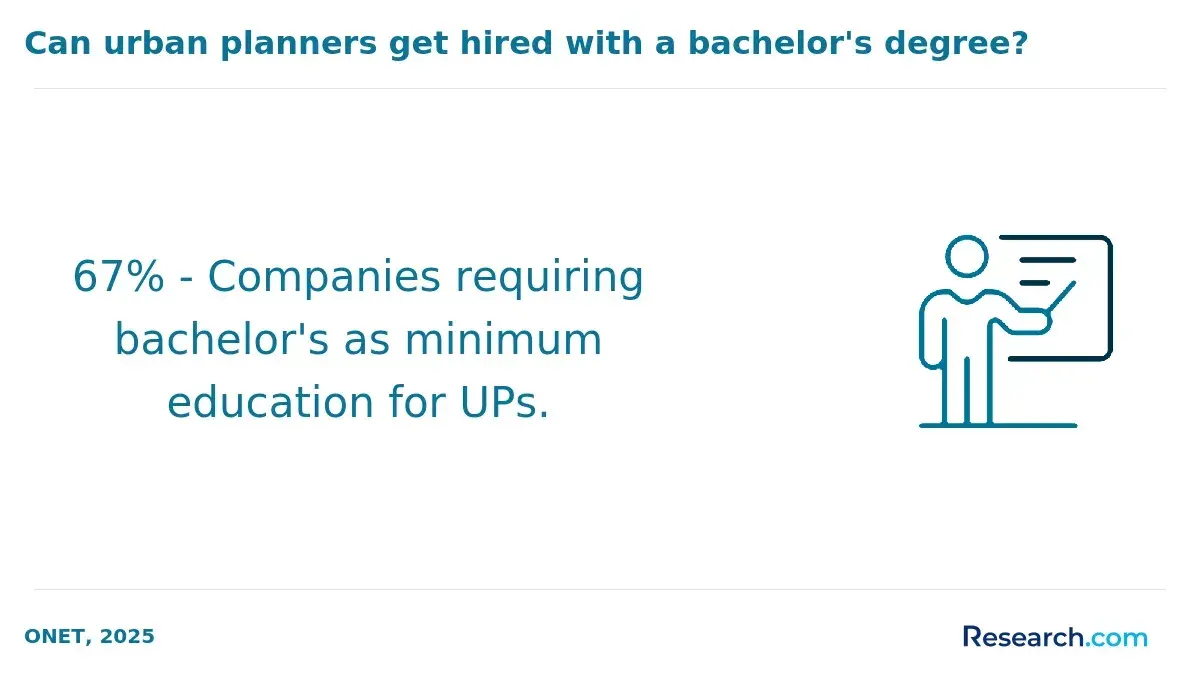
- Bachelor's degree: Most graduate programs require a bachelor's degree from an accredited institution. The major is often flexible, but applicants from fields such as geography, architecture, environmental studies, economics, political science, engineering, sociology, or public administration may find a natural connection to planning coursework.
- Minimum GPA: Accelerated pathways, like the University of Kansas's combined bachelor's and master's program, generally require maintaining a 3.0 GPA or higher. This helps schools confirm that students are prepared for advanced coursework.
- Graduate coursework readiness: Some accelerated options expect students to complete selected graduate courses during their senior undergraduate year with grades of B or better before moving into the graduate portion of the program.
- Professional experience: In some cases, such as Baruch College's Master of Science in City Planning, applicants with at least one year of relevant work experience may have reduced credit requirements, although this does not shorten the program to one year.
- Application materials: Programs commonly request transcripts, a statement of purpose, recommendations, a resume, and sometimes writing samples or prerequisite evidence. Requirements vary by school, so review the current admissions page before applying.
Currently, no accredited urban planning master's programs fully compress into a one-year format online. Students who need the fastest possible graduate option may want to compare related public policy, public administration, sustainability, GIS, or community development programs, as well as this guide to the shortest masters program.
When evaluating one-year or accelerated online urban planning options, start with credibility. A short program is only valuable if employers, public agencies, and professional networks recognize the training. Do not rely on the word "accelerated" alone; review accreditation, curriculum depth, faculty qualifications, student support, and graduate outcomes.
- Accreditation: Look for institutional accreditation first, then check whether the planning program has recognition from a field-specific body such as the Planning Accreditation Board (PAB), when applicable. Accreditation can affect employer confidence, transferability, and future professional goals.
- Program type: Confirm whether the credential is a Master of Urban and Regional Planning, a Master of Public Administration with an urban planning concentration, a bachelor's degree, or a certificate. These options can lead to different outcomes.
- Faculty expertise: Review whether faculty have academic and professional experience in areas such as land use, housing, transportation, environmental planning, GIS, urban design, and public policy.
- Curriculum quality: A strong planning curriculum should cover urban economics, sustainable development, transportation, GIS, planning theory, land use, and community engagement. Thesis, capstone, studio, or applied project options can strengthen your portfolio.
- Course delivery format: Many online programs use asynchronous coursework, which can help working adults manage deadlines. However, some students learn better with live sessions, structured discussions, or cohort-based pacing.
- Credit transfer policies: If speed matters, ask how many credits can transfer, whether prior graduate coursework is eligible, and whether transfer approval happens before or after admission.
- Tuition cost: Compare total program cost, not just per-credit tuition. Include fees, software, books, residency requirements, and whether the school participates in federal aid. This guide to low tuition online schools that accept fafsa can help with affordability research.
- Applied learning: Ask whether online students complete GIS labs, planning studios, community-based projects, internships, or capstones. These experiences are important for demonstrating job-ready skills.
- Student support services: Strong programs provide academic advising, library access, technology help, career services, internship support, and access to planning-related networks.
A useful test is to ask: "Would this program still be a good choice if it took longer than one year?" If the answer is no, the program may be selling convenience more than professional value. Understanding online master urban planning requirements before applying will help you choose a pathway that fits both your schedule and career plans.
One-year online Urban Planning degrees generally range from $20,000 to $45,000 in tuition, though true accredited one-year options are not currently the standard in this field. Cost depends on the type of credential, number of credits, tuition rate, transfer credits, fees, and whether the school charges different rates by residency.
For example, Liberty University charges $580 per credit for a 36-credit Master of Public Administration in Urban Planning, totaling around $20,880. The University of Florida's online Master of Urban and Regional Planning costs $865 per credit for 52 credits, reaching nearly $44,980. These examples show why the total credit requirement matters as much as the advertised per-credit price.
Students should also budget for costs beyond tuition. Online programs may charge technology fees, student service fees, graduation fees, course materials, GIS software access, or travel expenses if optional or required in-person components exist. Always request a full cost breakdown from the school before comparing programs.
Compared with a traditional four-year Urban Planning degree, accelerated online options may reduce time and opportunity cost, especially for working adults. However, the cheapest or fastest program is not always the best value. A program with stronger accreditation, applied projects, faculty access, and career support may be worth a higher price if it better supports your intended planning career.
Students considering a one-year online Urban Planning degree program should expect an intensive academic schedule and a curriculum focused on essential planning competencies. Because fully one-year programs specifically branded as accredited urban planning degrees may be limited or unavailable, expectations will vary depending on whether the program is a full degree, concentration, certificate, or related graduate pathway.
Typical online urban planning curriculum expectations include coursework in urban design, sustainable development, transportation systems, land use, environmental planning, planning theory, and policy analysis. Many programs also introduce GIS mapping, demographic analysis, spatial data, community engagement, and professional communication.
Online delivery often includes recorded lectures, readings, discussion boards, GIS labs, writing assignments, policy memos, group projects, and capstone or research work. Asynchronous formats allow students to study around work or family obligations, but they also require strong self-management. In an accelerated format, falling behind by even one week can be difficult to recover from.
Students can expect to build skills in:
- analyzing land use and development patterns;
- using GIS and spatial data to support planning decisions;
- evaluating transportation, housing, environmental, and community development policies;
- communicating recommendations through reports, maps, presentations, and public-facing materials;
- understanding how economics, public policy, sustainability, and community needs intersect in planning decisions.
The strongest programs help students leave with a portfolio of practical work, not just completed courses. If you are comparing accelerated education models more broadly, this guide to the best online trade schools may offer additional context on online program quality and career-focused learning.
Financial aid may be available for online urban planning students, but eligibility depends on the school, credential type, accreditation status, enrollment level, and whether the program participates in federal aid. Before assuming aid applies, confirm that the program is an eligible degree or certificate program and that your enrollment status meets aid requirements.
- Federal financial aid: Eligible students may qualify for federal loans and work-study programs after submitting the Free Application for Federal Student Aid (FAFSA). Eligibility depends on factors such as financial need, citizenship, enrollment status, and attendance in an accredited degree program. Funds are typically released according to the institution's academic calendar.
- State financial aid: State grants and scholarships may be available, especially for residents attending eligible schools in their home state. These awards may require separate applications, residency documentation, or specific deadlines.
- Institutional scholarships and assistantships: Some planning programs offer merit scholarships, fellowships, or assistantships. Online students should ask whether they are eligible, since some awards are reserved for campus-based students. Assistantships may involve remote teaching, research, or administrative duties when available.
- Employer tuition assistance: Students already working in government, consulting, transportation, real estate, sustainability, or public administration should ask their employer about tuition reimbursement or professional development funding.
- Professional and local scholarships: Planning-related associations, civic organizations, foundations, and local governments may offer awards for students interested in community development, transportation, housing, or environmental planning.
Because one-year online Urban Planning degrees may be limited in availability, students should compare financial aid packages across both planning degrees and related programs. A slightly longer accredited program with better aid may cost less out of pocket than a shorter program with limited funding.
What Urban Planning Graduates Say About Their Online Degree
- : "Completing the one-year online Urban Planning degree was a game-changer for my career. The accelerated format helped me build essential skills quickly without sacrificing quality, and the affordable tuition made the program more accessible. I now feel prepared to lead sustainable development projects with greater confidence. — Vicente"
- : "The competency-based structure fit my busy schedule. I could move at a pace that worked for me while spending more time on the planning topics most relevant to my goals. Looking back, I valued how practical and connected to real urban challenges the curriculum felt. — Zane"
- : "The online Urban Planning degree was professionally valuable from start to finish. Finishing within a year helped me pivot my career more quickly, and the program's focus on community design and policy gave me tools I could apply immediately. The balance of rigor and flexibility exceeded my expectations. — Gael"
Other Things You Should Know About Pursuing One-Yeas Urban Planning Degrees
When evaluating a one-year online Urban Planning program for 2027, consider its accreditation status, faculty expertise, and curriculum focus. Ensure the program offers practical experiences and strong alumni or professional networks. These elements are crucial for a comprehensive and industry-relevant education.
Yes, many accelerated urban planning master’s programs require a capstone project, thesis, or practicum in the final term. Programs often expect 3 to 6 graduate credits tied to a studio, applied planning report, or supervised fieldwork, and the requirement is usually listed in the curriculum map.
- Master of Science in Urban and Regional Planning (Accelerated 1 year) https://www.ualberta.ca/en/graduate-programs/master-of-science-in-urban-and-regional-planning-accelerated-1-year.html
- Great Degrees for Urban Design and Urban Planning | LIS https://www.lis.ac.uk/stories/great-degree-for-urban-designer
- Master of Urban Planning (MUP) Accelerated Degrees https://spaa.ku.edu/master-urban-planning-accelerated-degrees
- Is an online degree right for you? Pros and cons to consider https://arden.ac.uk/knowledge-base/learning-styles/distance-learning/online-learning-pros-cons
- 5 reasons to study Urban Planning https://www.uts.edu.au/for-students/experience-uts/design-architecture-and-building/5-reasons-to-study-urban-planning
- Common Drawbacks of Distance Learning Programs and How to Overcome https://londongatecollege.com/common-drawbacks-of-distance-learning-programs-and-how-to-overcome/
- Urban Planning Courses https://www.open.edu.au/study-online/architecture-construction/urban-planning
- All Master's in Urban Planning Programs - GISDegree.org https://www.gisdegree.org/programs/masters-in-urban-planning/
- Online MPA | Urban Planning Degree | Liberty University https://www.liberty.edu/online/government/masters/mpa/urban-planning/
- Fully Funded Master's Programs in Urban Planning and Regional Planning | ProFellow https://www.profellow.com/fellowships/fully-funded-masters-programs-in-urban-planning-and-regional-planning/