
2026 Are There Any One-Year Online Educational Studies Degree Programs Worth Considering?

Co-Founder and Chief Data Scientist
A one-year online Educational Studies degree can be attractive if you want to move quickly into education-related work, build stronger instructional skills, or qualify for advancement without pausing your career. The key question is whether a true one-year timeline is realistic for your starting point, because Educational Studies programs vary widely by degree level, transfer credit, workload, and whether the program leads to licensure.
This guide explains when a one-year path is feasible, what programs may look like, how to evaluate quality, what costs to expect, and what trade-offs come with accelerated online study. It is especially useful for working educators, career changers, paraprofessionals, training professionals, and students comparing education degrees that do not necessarily require teacher certification.
Key Points About One-Year Online Educational Studies Degree Programs
- One-year online Educational Studies degrees accelerate theory and practice integration, differing from traditional programs that span multiple years with broader field coverage.
- Students should expect intensive coursework, often blending pedagogy, curriculum design, and cultural equity within a compressed timeframe.
- These programs attract working professionals seeking quick advancement, reflecting growing demand for flexible, career-focused education alternatives in a field with rising enrollment.
Is It Feasible to Finish a Educational Studies Degree in One Year?
Finishing an online Educational Studies degree in one year is feasible for some students, but it depends heavily on the degree level and how many credits you already have. A student starting a bachelor's degree with no prior college credit should not expect to graduate in one year. Most undergraduate programs require 60-120 credits and include course sequences that are difficult to compress into a single year.
A one-year path is more realistic if you are entering with substantial transfer credits, military training, workplace learning, or an associate degree that satisfies many general education requirements. Some institutions also use prior learning assessment, competency-based coursework, or accelerated terms to shorten time to completion. Even then, students should confirm exactly how many credits will transfer before assuming a one-year graduation date.
At the graduate level, accelerated master's programs are more likely to fit a shortened timeline. Programs such as the M.Ed. in Educational Studies can often be completed in about 10-20 months when taken full-time. These programs usually have a focused curriculum and may require research projects, capstone work, practicums, or applied assignments. Those requirements can affect the timeline, especially if the program is connected to certification, endorsement, or a specialized education role.
When a one-year timeline is most realistic
- You already have significant college credit: Transfer credits can reduce the number of required courses.
- You are pursuing a master's degree: Graduate Educational Studies programs are more commonly structured for accelerated completion.
- You can study full-time: One-year programs often require a heavy course load and consistent weekly availability.
- The program is non-licensure: Programs that do not include student teaching or certification requirements may be easier to complete quickly.
The practical takeaway: a one-year Educational Studies degree is possible, but it is not the standard route for every student. Before enrolling, ask the school for a written degree plan showing required credits, transfer credits accepted, term-by-term course sequencing, and the earliest realistic graduation date.
Are There Available One-year Online Educational Studies Degree Programs?
Yes, there are accelerated online Educational Studies options, but they are not as common as traditional two-year or four-year pathways. Many programs advertised as “one-year” are designed for students who already hold a bachelor’s degree, have completed substantial undergraduate coursework, or can study full-time without interruption. Others are closer to 10 to 20 months rather than exactly 12 months.
Students should also distinguish between an Educational Studies degree, an education certificate, and a teacher licensure program. Educational Studies often focuses on learning theory, curriculum, educational systems, policy, instructional design, and human development. It may support roles in education, training, nonprofits, and administration, but it does not automatically qualify graduates for licensed classroom teaching in every state.
Examples of available accelerated online options include:
- University of Florida offers a one-year online Master of Arts in Education with a focus on Educational Studies, emphasizing instructional design and learner engagement through a flexible, accelerated format.
- Eastern New Mexico University provides an accelerated Educational Studies degree online that prepares students for leadership roles by integrating education policy, multicultural perspectives, and research methodologies.
- California State University, Fullerton features a fast-paced master's program in Educational Studies that combines theory with practical application, aiming to equip graduates for diverse educational environments within a one-year timeframe.
Because program names, formats, and completion timelines can change, verify current requirements directly with each institution. Check whether the program is fully online, whether it requires campus visits or fieldwork, and whether the published timeline assumes full-time enrollment. If you are still comparing academic paths, a list of college majors and careers can help clarify how Educational Studies fits with your long-term goals.
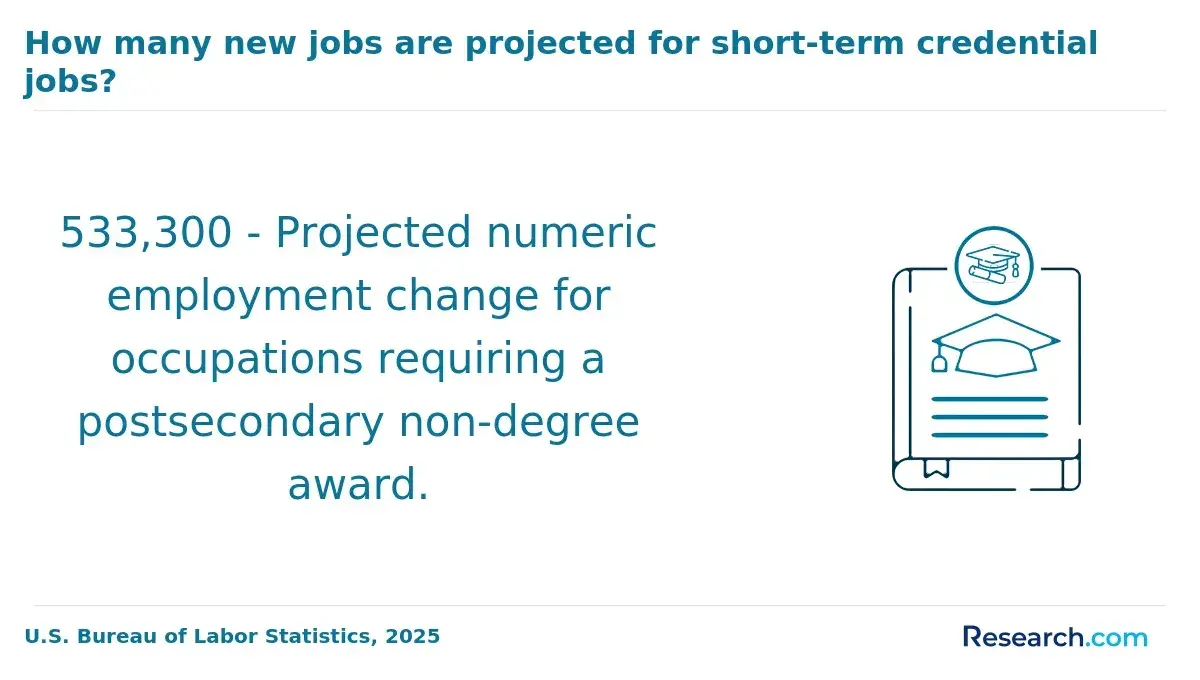
Why Consider Taking Up One-year Online Educational Studies Programs?
A one-year online Educational Studies program can be a strong fit if you need a faster, flexible way to build education expertise without committing to a longer campus-based degree. These programs are often chosen by working educators, instructional support staff, corporate trainers, nonprofit professionals, career changers, and recent graduates who want to understand how people learn and how educational programs are designed.
The strongest reason to consider this path is speed with purpose. A shorter program can help you gain graduate-level or advanced undergraduate knowledge quickly, but it works best when the curriculum clearly matches your career target. Educational Studies may be useful for roles involving curriculum support, program coordination, training, educational research, youth development, academic advising, or education policy. It is less appropriate if your primary goal is state teacher licensure and the program does not include the required certification pathway.
- Flexible scheduling: Online coursework can make it easier to study while working, parenting, or managing other responsibilities. Asynchronous courses are especially helpful for adult learners who cannot attend live sessions at fixed times.
- Career readiness: Coursework may cover curriculum design, human development, instructional planning, assessment, diversity, and learning theory, giving students tools they can apply in schools, community organizations, training departments, and education-related workplaces.
- Transfer of credits and prior learning: Some programs accept transfer credits or recognize professional experience, which may reduce time and cost. This is especially important for students trying to complete a bachelor's pathway quickly.
- Non-licensure pathways: Educational Studies can serve students who want education-related careers in policy, nonprofits, training, early childhood settings, or learning design without pursuing teacher certification.
- Focused professional development: A condensed program can help working professionals update their credentials, strengthen their understanding of learners, or prepare for a shift into education-adjacent roles.
The main benefit is not simply finishing fast. It is finishing a program that gives you relevant knowledge, credible credentials, and a manageable return on investment. Students comparing shorter graduate options may also find it useful to review the advantages of accelerated online degrees when weighing pace, workload, and career value.
What Are the Drawbacks of Pursuing One-year Online Educational Studies Programs?
The biggest drawback of a one-year online Educational Studies program is that speed can limit depth. Accelerated study compresses readings, projects, discussions, and assessments into a shorter period, which can be challenging for students who need more time to absorb theory, conduct research, or apply concepts in real settings.
Before enrolling, consider whether the shorter timeline supports your goals or simply creates pressure. A fast program can be worthwhile for disciplined students with clear objectives, but it can be risky if the school has weak support, unclear accreditation, or unrealistic workload expectations.
- Limited depth of study: A condensed timeframe may leave less room for exploring complex topics such as educational psychology, assessment design, school reform, special populations, and research methods.
- Reduced networking opportunities: Short online programs can offer fewer chances to build lasting relationships with faculty, classmates, mentors, and local education partners.
- Potential accreditation concerns: Some accelerated online degrees may lack recognition from key accrediting bodies, which can affect transferability, graduate school admission, employer acceptance, and eligibility for certain education roles.
- Increased workload and stress: Completing courses quickly often means overlapping assignments, frequent deadlines, and limited recovery time between terms. Students working full-time should be realistic about weekly study hours.
- Limited availability: Currently, there are very few, if any, reputable one-year online Educational Studies degree programs offered by accredited institutions.
- Possible licensure mismatch: Educational Studies programs often do not lead directly to teacher certification. If you want to become a licensed teacher, confirm state requirements before enrolling.
- Less time for applied experience: Shorter programs may provide fewer opportunities for internships, fieldwork, or supervised practice, which can matter for students seeking hands-on education roles.
A good rule is to evaluate the program by outcomes, not speed. Ask what graduates can do after finishing, whether employers recognize the credential, and whether the program provides enough support for accelerated learners.
What Are the Eligibility Requirements for One-year Online Educational Studies Programs?
Eligibility requirements depend on whether the program is undergraduate or graduate. One-year undergraduate completion usually requires prior college credit, while one-year graduate programs generally require a completed bachelor's degree. Because fully accredited one-year Educational Studies degrees are relatively rare, students should read admissions requirements carefully and avoid assuming that “online” means “easy to enter” or “quick to finish.”
Common admissions requirements may include:
- High school diploma or equivalent: Undergraduate applicants typically need proof of secondary education or an approved equivalent.
- Previous college coursework: Accelerated bachelor's pathways may require completed general education credits, transfer credits, or a prior associate degree before admission.
- Minimum GPA: Schools often set a minimum GPA standard, typically around 2.5 or higher on a 4.0 scale to qualify.
- Application form and fee: Applicants must submit the required institutional application and pay any listed application fees.
- Personal statement or essay: Some programs ask applicants to explain their education goals, professional background, and reasons for choosing an accelerated format.
- Letters of recommendation: References from instructors, supervisors, or professional colleagues may be required, especially for graduate programs.
- Technical requirements: Reliable internet access and a compatible device are necessary to participate fully in online coursework.
- English proficiency: For non-native speakers, proof of English language proficiency might be required.
Additional items to verify before applying
- Transfer credit limits: Ask how many credits the school will accept and whether credits must come from regionally accredited institutions.
- Full-time enrollment expectations: A one-year timeline may only be available to students who take a heavy course load each term.
- Fieldwork or internship requirements: Some programs require applied experiences that must be completed in approved settings.
- Licensure disclosure: If you plan to teach, request written confirmation about whether the program meets certification requirements in your state.
Students who do not yet meet one-year degree requirements may consider certificates, transfer-friendly associate pathways, or related education programs as stepping stones. If cost is a major concern, researching a cheap associate degree online can help build foundational credits before moving into a bachelor's or master's program.
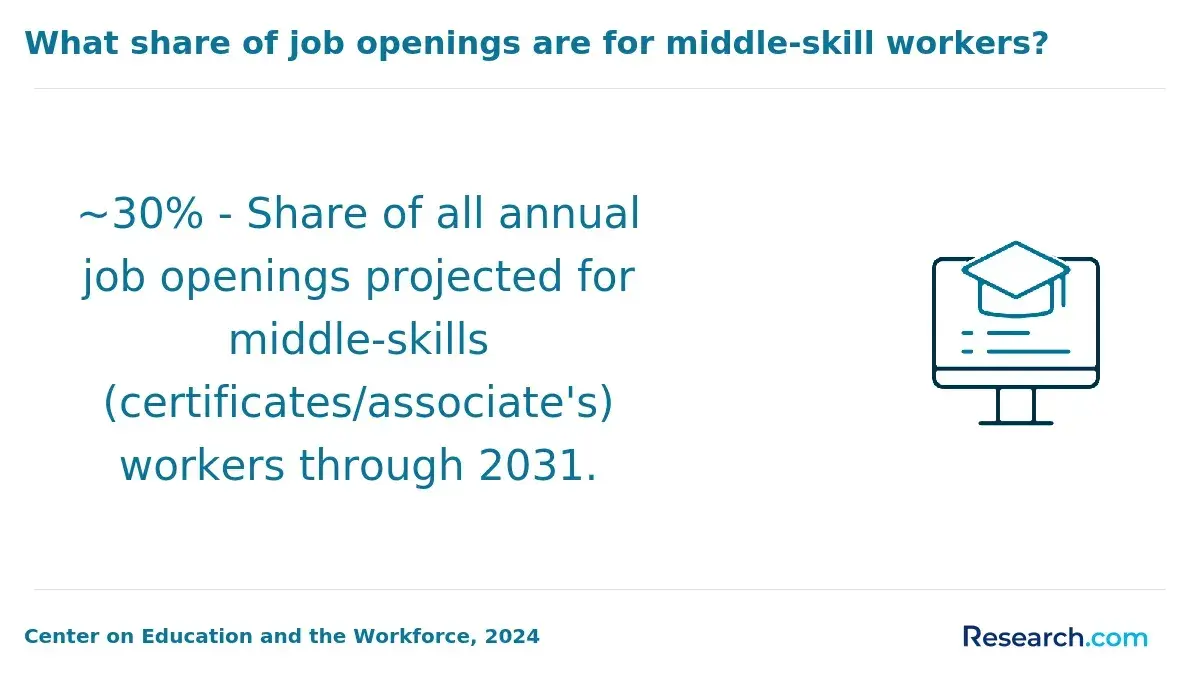
What Should I Look for in One-year Online Educational Studies Degree Programs?
The best one-year online Educational Studies program is not necessarily the fastest one. It is the program that is accredited, transparent about cost and completion time, aligned with your career goal, and structured well enough to support students through an accelerated workload.
Use the following factors to compare programs:
- Accreditation requirements for one-year online Educational Studies degree programs: Confirm that the institution is accredited by a recognized accrediting body. For educator preparation, also check whether the program is connected to the Council for the Accreditation of Educator Preparation when relevant. Accreditation affects employer trust, credit transfer, financial aid eligibility, and admission to future programs.
- Faculty expertise: Look for instructors with advanced degrees and practical experience in education, learning design, curriculum, child development, educational leadership, or research. Faculty background matters in a field where theory must connect to practice.
- Curriculum quality: Review required courses rather than relying on marketing language. Strong programs commonly include human development, learning theories, instructional design, assessment, diversity, education systems, research methods, and applied projects.
- Course delivery format: Determine whether courses are asynchronous, synchronous, or hybrid. Asynchronous learning can help working professionals, while live sessions may offer more interaction and structure.
- Transfer credit options for accelerated Educational Studies degrees: Ask for a transfer evaluation before enrolling. Generous transfer policies can shorten completion time, but accepted credits must still apply to the degree plan.
- Tuition costs and financial aid: Compare total program cost, not just cost per credit. Include fees, textbooks, technology charges, graduation fees, and any required background checks or fieldwork expenses. For broader cost comparisons, review the best inexpensive online colleges.
- Student support services: Accelerated online students need responsive advising, library access, tutoring, career counseling, writing support, disability services, and technical help.
- Alignment with academic and professional goals: Match the program to your intended outcome, whether that is educational program design, child development, policy, training, administration support, or preparation for further graduate study.
- Licensure clarity: If your goal is classroom teaching, verify whether the program leads to certification. Do not assume an education-related degree satisfies state licensure rules.
- Graduate outcomes: Ask about completion rates, alumni roles, employer partnerships, and whether graduates continue into teaching, leadership, training, or advanced study.
Before committing, request a sample degree plan and compare it with your weekly availability. A credible program should be able to show how the one-year timeline works, which courses are required each term, and what support is available if you need to slow down.
How Much Do One-year Online Educational Studies Degree Programs Typically Cost?
One-year online degrees in Educational Studies in the U.S. typically range from $8,000 to $12,000 for total tuition and required fees. For instance, the American College of Education offers a B.A. in Education Studies for $8,370 covering 30 semester credits completed in about a year. SUNY Empire State University's program costs roughly $8,480 annually.
Total cost can vary based on the school type, residency rules, transfer credits, program length, and required fees. Public institutions may price tuition differently for in-state and out-of-state students, while private institutions may use one tuition rate for all online learners. Students should also check whether the quoted price includes technology fees, online course fees, library access, textbooks, graduation charges, and any assessment or portfolio fees.
Transfer credit can significantly affect cost. A student who enters with many accepted credits may pay for fewer courses, while a student who needs additional prerequisites may spend more than the advertised one-year estimate. Accelerated programs can also affect financial planning because tuition may be charged in compressed terms rather than spread across multiple academic years.
Compared to traditional four-year on-campus degrees, which can exceed $18,900 per year, one-year online programs are considerably more affordable. They often cost less than half of a yearly campus-based degree, making them a cost-effective option for students seeking a faster path to qualifications in Educational Studies.
Cost questions to ask before enrolling
- What is the total tuition for the full program, not just one term?
- Are required fees included in the published cost?
- How many credits will transfer into my degree plan?
- Will I pay in-state, out-of-state, or online tuition?
- Are textbooks, software, background checks, or fieldwork expenses extra?
- Can I use federal financial aid for the accelerated schedule?
What Can I Expect From One-year Online Educational Studies Degree Programs?
Expect a demanding, structured online experience. One-year online Educational Studies degree programs are designed to move quickly, often within 10 to 20 months and across 30-32 credit hours. The pace can be manageable for disciplined students, but it requires consistent weekly study time, strong organization, and the ability to complete assignments without frequent in-person reminders.
Coursework typically focuses on how people learn, how education systems operate, and how instructional programs are designed and evaluated. Students may study human development stages, learning theories, instructional design, current teaching and mentoring methods, school reform challenges, educational research, and diversity in learning environments.
Many online programs use asynchronous delivery, allowing students to complete readings, discussion posts, papers, projects, and recorded lectures on their own schedule. This flexibility is useful for working adults, but it also shifts more responsibility to the student. If you procrastinate or fall behind in an accelerated term, catching up can be difficult.
Some programs include applied projects, research assignments, internships, or capstone experiences tied to professional goals. These experiences can help connect theory to practice, especially for students pursuing work in curriculum development, training management, educational policy, nonprofit education programs, or school support roles.
Skills you may build
- Interpreting learning theories and applying them to real education settings
- Designing instructional materials or learning activities
- Understanding child, adolescent, or adult development
- Analyzing education policy, reform, and institutional challenges
- Conducting basic educational research and evaluating evidence
- Supporting diverse learners and inclusive learning environments
The main challenge is workload intensity. You may need to manage multiple demanding courses at once while maintaining high-quality work. Students balancing employment and family responsibilities should compare course pacing, support services, and tuition carefully. If affordability is a concern, exploring low cost online schools for working adults may help you identify programs that better fit your budget.
Are There Financial Aid Options for One-year Online Educational Studies Degree Programs?
Yes. Students in eligible one-year online Educational Studies degree programs may be able to use financial aid, but availability depends on the institution, degree level, accreditation status, enrollment intensity, and whether the program qualifies for aid. Start the process early because accelerated programs may use shorter terms and different billing schedules.
Common financial aid options include:
- Federal and State Financial Aid: By submitting the FAFSA, students can qualify for federal grants, low-interest loans, or work-study positions based on financial need. Individual states may also offer supplemental grants or scholarships for residents enrolled in accelerated education programs.
- Scholarship Programs: Numerous organizations provide merit- or need-based scholarships targeted at education majors. These awards vary in amounts and requirements but can significantly reduce the cost of a one-year degree depending on academic performance or personal circumstances.
- Employer Tuition Reimbursement: Some employers assist employees pursuing further education by reimbursing tuition or covering partial costs. Eligibility often depends on job relevance or career advancement potential within the company, making this a practical option for working professionals.
Financial aid steps for accelerated students
- Confirm that the school is accredited and eligible to participate in federal student aid programs.
- Submit the FAFSA as early as possible and list every school you are considering.
- Ask the financial aid office how aid is packaged for accelerated terms.
- Check whether full-time, half-time, or part-time enrollment affects your eligibility.
- Apply for scholarships before the program starts, since one-year timelines leave little room to wait for later award cycles.
- Ask your employer whether tuition reimbursement requires preapproval, minimum grades, or continued employment after graduation.
Students should carefully check each institution's financial aid timeline and criteria, as accelerated one-year degrees sometimes follow different schedules than traditional programs. Private grants might also be accessible but tend to have more specific requirements and deadlines to track.
What Educational Studies Graduates Say About Their Online Degree
- : "Completing the one-year online Educational Studies degree accelerated my career switch into teaching without interrupting my full-time job. The program's competency-based approach allowed me to focus on mastering skills at my own pace, making the $15,000 average cost feel like a valuable investment. I'm now confident and prepared for the classroom ahead. — Lisa"
- : "The flexibility of the accelerated Educational Studies program was a game changer for me. Being able to finish the entire degree online in just twelve months gave me the freedom to balance family life while still progressing professionally. Reflecting on the experience, I appreciate how practical and relevant the coursework was. — Kyle"
- : "As a professional seeking advancement, I found the curriculum both rigorous and directly applicable to educational environments. The streamlined, one-year format made it possible to enhance my qualifications quickly and cost-effectively. Overall, this program sharpened my skills and expanded my perspectives on educational theory and practice. — Erika"
Other Things You Should Know About Pursuing One-Yeas Educational Studies Degrees
Yes, many one-year online Educational Studies programs focus on developing leadership skills relevant to educational settings. These programs often include coursework in educational policy, administration, and curriculum development, which can equip graduates for roles such as instructional coordinators or education program managers.
A one-year online degree in Educational Studies can serve as a foundational stepping stone for leadership roles. However, practical leadership roles often require further experience or advanced degrees, so additional qualifications or experience might be necessary to reach higher leadership positions.
References
- Why choose an education studies degree? - University of Sunderland https://www.sunderland.ac.uk/student-experience/explore/education-society/why-choose-an-education-studies-degree/
- 2025 Most Affordable Online Education Degrees https://www.onlineu.com/most-affordable-colleges/education-degrees
- 25 Cheapest Online EdD Programs of 2025 https://www.eddprograms.org/schools/affordable-online-doctor-of-education-programs/
- 10 Surprising Facts About Online Degrees https://www.waldenu.edu/resource/10-surprising-facts-about-online-degrees
- Programme Offer And Fees https://www.uni.lodz.pl/en/programme-offer-and-fees
- Master of Educational Studies - Study - The University of Queensland https://study.uq.edu.au/study-options/programs/master-educational-studies-5596
- 5 Reasons to Enroll in an Online Degree Program https://www.snu.edu/blog/5-reasons-to-enroll-in-an-online-degree-program
- How to Choose an Online Degree Program: 5 Helpful Tips | University of Cincinnati https://online.uc.edu/blog/5-tips-for-choosing-an-online-degree-program/
- 5 Pros and Cons for Studying a Distance Learning Degree in 2025 | Distancelearningportal https://www.distancelearningportal.com/articles/174/why-study-distance-learning-degree.html
- 5 Reasons Why an Online Master’s In Education Is Worth It https://www.uopeople.edu/blog/5-reasons-you-should-invest-in-an-online-masters-in-education/





