2027 Cheapest Accredited Online Physical Therapy Assistant Degree Programs: Tuition, Fees, and Financial Aid

Co-Founder and Chief Data Scientist
Choosing an affordable online Physical Therapy Assistant program is not just about finding the lowest tuition rate. PTA students must also compare CAPTE accreditation, mandatory fees, lab travel, clinical costs, and financial aid.
The decision matters because the U.S. Bureau of Labor Statistics projects 19% employment growth for physical therapist assistants and aides from 2023 to 2033, much faster than average. This guide helps future PTA students identify low-cost accredited online and hybrid options, estimate true program cost, and avoid hidden expenses before enrolling.
Key Things You Should Know
- San Juan College, Lake Area Technical College, and State Fair Community College are practical first stops for students seeking lower-cost CAPTE-accredited online or hybrid PTA options, but each school's current tuition, mandatory fees, residency rules, and lab-travel costs must be verified before enrollment.
- Advertised tuition is not the same as total cost. PTA associate programs commonly require about 60 to 75 credits, so even a $50 per-credit difference can change tuition by $3,000 to $3,750 before program fees, books, uniforms, background checks, immunizations, and travel.
- Net price matters more than sticker price because eligible students may reduce out-of-pocket cost with FAFSA-based aid, including the federal Pell Grant, which has a maximum award of $7,395 for the 2024-25 award year.
What Are the Cheapest Accredited Online Physical Therapy Assistant Degree Programs?
The cheapest accredited online Physical Therapy Assistant programs are usually not fully online. CAPTE-accredited PTA programs must include hands-on labs and supervised clinical education, so the lowest-cost options are typically public community or technical colleges that deliver some lecture courses online while requiring on-campus labs, local clinical placements, or short residency sessions.
The table below is a decision-oriented shortlist of affordable online or hybrid PTA programs to investigate first. It is not a substitute for a school-issued cost sheet because tuition, course fees, lab schedules, clinical placement rules, and residency classifications can change by cohort.
| Program to price first | Credential | Delivery format to verify | Why it may be affordable | Cost items students should request |
| San Juan College | Associate of Applied Science in Physical Therapist Assistant | Online or distance-supported coursework with required in-person labs and clinical education | Public community college structure can make it one of the first low-cost options for distance PTA students to compare | Current per-credit tuition, online course fees, lab fees, travel to campus, clinical placement requirements, books, and equipment |
| Lake Area Technical College | Associate-level Physical Therapist Assistant program | Hybrid or e-degree format to confirm by cohort | Public technical college pricing may be lower than private-sector PTA programs, especially when fees are transparent | Program-specific fees, tool or supply charges, clinical compliance costs, residency tuition policy, and total estimated program cost |
| State Fair Community College | Associate of Applied Science in Physical Therapist Assistant | Hybrid, online-supported, or campus-linked format to confirm | Community college tuition can be competitive for students who qualify for favorable residency or district rates | In-district and out-of-district tuition, online fees, lab fees, clinical travel, immunization and screening costs, and graduation fees |
| Other CAPTE-accredited community college PTA programs with online lecture components | Associate degree | Hybrid, low-residency, or online-supported | Local public colleges can sometimes beat well-known online options when students avoid relocation and qualify for in-state rates | Whether online students pay the same rate as campus students, whether clinical placements can be completed locally, and whether fees are charged per course or per term |
A low-tuition PTA program is only a good deal if it is CAPTE-accredited, accepts the credits you already have, fits your travel constraints, and qualifies for aid if you need it. Students comparing healthcare pathways may also want to compare PTA with adjacent online options such as fast track LPN programs online, especially if they are weighing hands-on patient care careers with different licensure routes.
How Were the Cheapest Online Physical Therapy Assistant Degree Programs Ranked?
The most reliable way to rank affordable online PTA programs is to start with accreditation and then compare total cost, not just advertised tuition. A program with lower tuition can become more expensive if it adds high lab fees, requires repeated campus travel, limits transfer credits, or cannot place students near home for clinical rotations.
For a practical affordability ranking, use the following sequence before treating any program as the cheapest choice:
- Confirm CAPTE programmatic accreditation and institutional accreditation before considering price.
- Request the current cohort cost sheet showing tuition, mandatory fees, program fees, lab fees, technology fees, clinical compliance costs, and estimated books and supplies.
- Calculate the total degree cost based on required credits, not only the per-credit rate listed on the tuition page.
- Separate costs that can be reduced with aid from costs that may be due upfront, such as background checks, drug screening, uniforms, CPR certification, and travel.
- Compare estimated net price after grants, scholarships, employer benefits, and transfer credits.
- Review outcomes that affect value, including graduation rates, NPTE pass-rate disclosures when available, clinical placement support, and state licensure fit.
In other words, the "cheapest" online PTA program is the accredited program with the lowest realistic net cost for your situation. That may be different for an in-district student, an out-of-state student, a student with transfer credits, or a student who must travel several times for labs.
How Can You Verify the Accreditation of an Online Physical Therapy Assistant Degree Program?
Accreditation is the first affordability filter because an inexpensive unaccredited PTA program can be a poor investment. For Physical Therapy Assistant education, students should look for both institutional accreditation and programmatic accreditation from the Commission on Accreditation in Physical Therapy Education, commonly known as CAPTE.
Use this quick comparison to understand what each accreditation type does and why both matter for students comparing low-cost online PTA options.
| Accreditation or approval type | What it means | Why it matters for cost and licensure |
| Institutional accreditation | The college or school is reviewed as an institution by a recognized accrediting agency | It is usually required for federal financial aid eligibility and credit transfer consideration |
| CAPTE programmatic accreditation | The PTA program meets professional education standards for physical therapist assistant preparation | It is central to licensure eligibility in most states and should be verified before paying application or enrollment fees |
| State authorization and clinical approval | The school is allowed to enroll students in your state and arrange clinical education where applicable | It affects whether online students can legally complete required fieldwork and pursue licensure where they live |
Before enrolling, take these verification steps:
- Search the CAPTE directory for the exact school and PTA program name, not just the college name.
- Confirm whether the program is accredited, probationary, or newly developing, and ask the school what that status means for your cohort.
- Check the school's institutional accreditation status through the U.S. Department of Education or the accreditor's own directory.
- Ask your state licensing board whether the program meets PTA licensure requirements in your state.
- Get written confirmation that your online or hybrid format is the same accredited program listed by CAPTE.
A common mistake is assuming that "accredited college" automatically means "accredited PTA program." Those are different checks, and both matter before you compare tuition.
The real cost of an accredited online PTA degree includes tuition, mandatory institutional fees, program-specific fees, clinical expenses, books, supplies, and travel. According to the College Board's 2024 pricing data, average published tuition and fees at public two-year colleges were about $4,050 for in-district students in 2024-25, but PTA students often pay additional program and clinical costs beyond standard tuition.
The table below separates the major cost categories so students can build a realistic estimate before committing to a program.
| Cost category | What it includes | Why it changes the affordability ranking |
| Tuition | Per-credit, per-term, or flat-rate academic charges for required PTA and general education courses | A low per-credit rate can still be expensive if the program requires more credits or charges a higher online rate |
| Mandatory institutional fees | Registration, technology, student services, online learning, graduation, and campus facility fees | These fees may apply even when courses are online and can narrow the gap between schools |
| Program and lab fees | PTA lab supplies, simulation materials, course packets, equipment use, and practical skills testing costs | Hands-on healthcare programs often have fees that general online degree programs do not |
| Clinical compliance costs | Background check, drug screening, immunizations, health insurance documentation, CPR certification, and physical exam | These costs are often paid before clinical placement and may not be included in advertised tuition |
| Books, supplies, and equipment | Textbooks, online access codes, uniforms, shoes, gait belts, blood pressure cuffs, and other required items | Some expenses are required in the first term, creating a cash-flow issue even for aid-eligible students |
| Travel and lodging | Campus lab visits, practical exams, clinical commuting, parking, and possible hotel stays | A program with cheap tuition can cost more if students must travel long distances several times |
To compare two schools fairly, multiply the required credits by the applicable tuition rate, add every mandatory fee, and then add travel and clinical expenses. Then subtract confirmed grants and scholarships to estimate net price.
Tuition models can make a big difference for PTA students because these programs combine general education, technical courses, labs, and clinical education. The lowest published rate is not always the least expensive model once enrollment pace and fees are considered.
Here are the tuition structures students are most likely to encounter when comparing online or hybrid PTA degrees:
- Per-credit tuition: This is easiest to compare, but students must multiply the rate by all required credits and check whether online courses have extra fees.
- In-district or in-state tuition: Public community colleges may offer the best value for local students, while out-of-state online students may pay more.
- Program-rate tuition: Some healthcare programs charge a specialized rate that differs from the college's standard tuition page.
- Flat-rate term tuition: This can reduce cost for students who can take a heavier full-time load, but it may not help students balancing work or caregiving.
- Cohort package pricing: A school may publish one estimated program cost, which is helpful only if it clearly includes tuition, fees, books, supplies, and clinical costs.
Competency-based tuition is less common in CAPTE-accredited PTA programs because lab competencies and clinical hours must be documented, but students interested in flexible healthcare degrees can compare how other health fields use different tuition structures.
For example, some learners researching clinical and nonclinical pathways also look at RN to BSN no clinicals programs, where prior licensure can change the structure and cost of online study.
FAFSA-based aid can help eligible online PTA students, but only when the school participates in federal student aid programs and the student is enrolled in an eligible program. Online delivery alone does not disqualify a student, but accreditation, program eligibility, enrollment level, satisfactory academic progress, and dependency status all matter.
Students should follow these steps before assuming that a low-cost PTA program will be affordable after aid:
- Confirm that the institution participates in Title IV federal student aid.
- Ask whether the specific PTA program and your enrollment format are eligible for federal aid.
- Submit the FAFSA and list every PTA program you are seriously considering.
- Compare financial aid offers by separating grants, scholarships, work-study, subsidized loans, unsubsidized loans, and private loans.
- Calculate your net price after gift aid first, then decide whether any loan amount is reasonable for your expected career path.
- Ask when aid disburses and which upfront clinical costs may need to be paid before disbursement.
The federal Pell Grant maximum of $7,395 for the 2024-25 award year is useful context, but not every student receives the maximum amount. Students comparing healthcare education routes may also review affordability patterns in programs designed to become a nurse practitioner, where graduate-level aid and employer tuition benefits often work differently from associate-degree funding.
Scholarships and grants are usually better than loans because they do not need to be repaid when students meet the award conditions. The best funding strategy is to combine federal aid, state aid, institutional awards, local scholarships, and employer benefits instead of relying on one source.
The table below summarizes common funding sources and how they affect the real cost of an online or hybrid PTA degree.
| Funding source | How it may help | What to verify before counting on it |
| Federal Pell Grant | Can reduce tuition and fee burden for eligible undergraduate students | Eligibility amount, enrollment intensity, lifetime limits, and program eligibility |
| State grants | May support residents attending public colleges or workforce-aligned healthcare programs | Residency rules, deadlines, minimum credit load, and whether online students qualify |
| Institutional scholarships | Can reduce direct school charges and may be renewable | Renewal GPA, full-time requirement, award duration, and whether funds apply to program fees |
| Healthcare foundation scholarships | May support students entering rehabilitation, allied health, or community healthcare roles | Service commitments, essay requirements, local residency rules, and award timing |
| Employer tuition assistance | Can help working students reduce out-of-pocket cost while staying employed | Annual cap, reimbursement timing, grade requirements, and whether PTA coursework is covered |
| Workforce or WIOA funding | May support eligible students training for in-demand local occupations | Local workforce-board approval, program eligibility, documentation, and funding availability |
Students should ask whether scholarships are renewable, whether they cover summer terms, and whether they can be stacked with federal or state grants. Learners comparing broader wellness and healthcare paths may also review funding approaches for an online nutrition masters, where scholarships may come from different professional associations and employer groups.
Transfer credit can reduce PTA degree cost, but students need to be realistic. General education courses such as English composition, psychology, anatomy and physiology, or college math may transfer more easily than hands-on PTA technical courses, which often must be completed within the accredited program sequence.
Before enrolling, ask each school these transfer and cost-saving questions:
- How many credits can transfer into the PTA degree?
- Which courses must be completed at the college because of residency requirements?
- Will anatomy and physiology credits expire after a certain number of years?
- Are transfer credits evaluated before the deposit deadline?
- Can prerequisite courses be completed at a cheaper local community college?
- Does the program accept CLEP, AP, military training, or prior learning for general education requirements?
- Will transferring credits shorten the program or only lighten the course load?
Competency-based study is limited in PTA education because CAPTE-accredited programs must document skills, labs, and clinical performance. However, prior college credit can still lower tuition if it reduces the number of billable credits.
Students considering advanced nursing later may also compare how bridge and certificate pathways, such as the shortest post master's FNP program, handle prior graduate coursework differently from associate-level PTA programs.
How Should Students Compare the Net Price, Quality, and Return on Investment of Online Physical Therapy Assistant Degree Programs?
Net price is the amount a student is likely to pay after grants and scholarships, before or after loans depending on how the school presents the aid offer. For PTA programs, net price should be compared with program quality indicators because the lowest-cost option may not be the best value if it has weak clinical support, poor completion outcomes, or licensure barriers in the student's state.
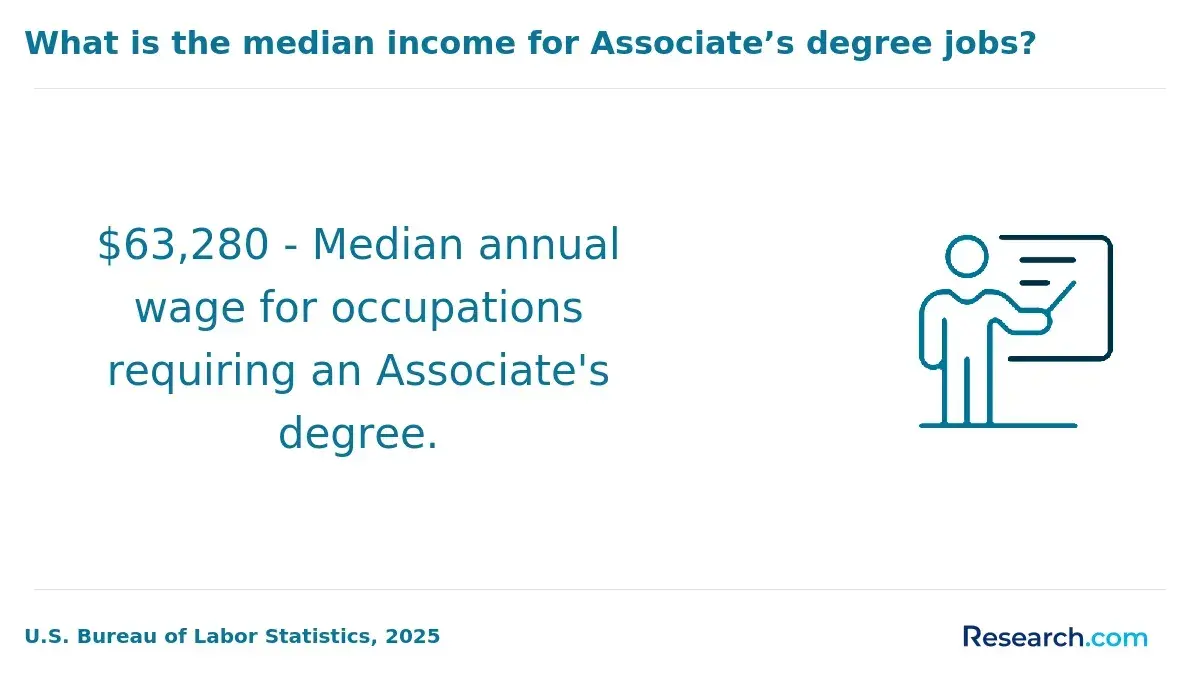
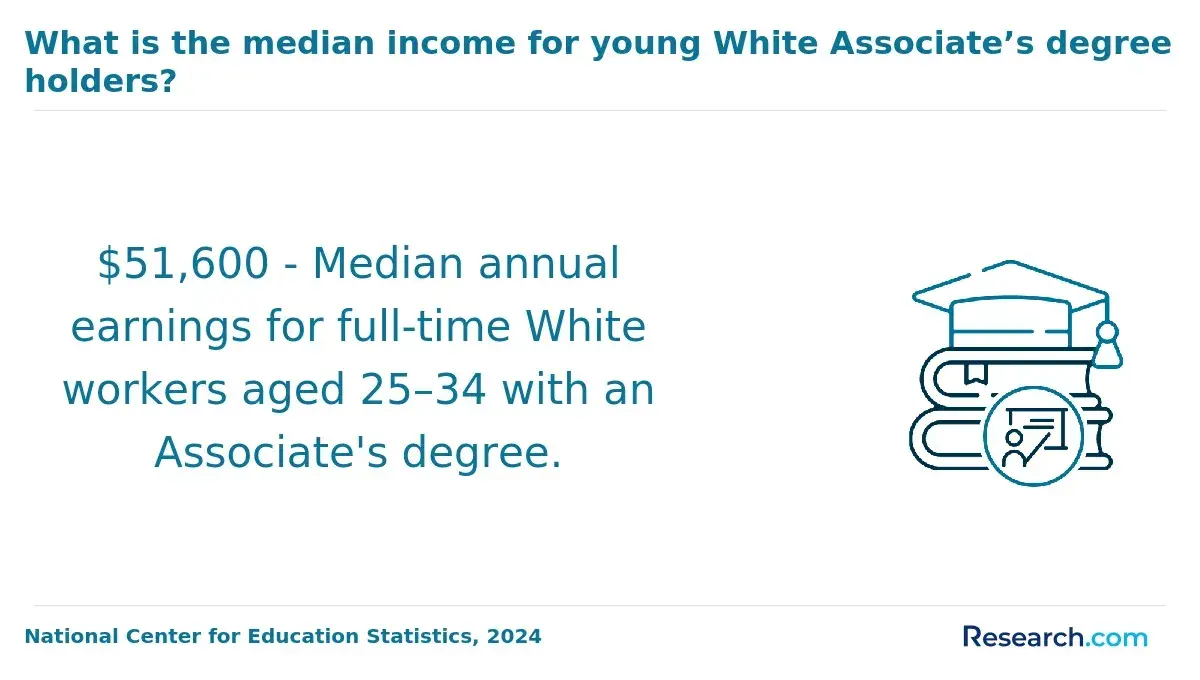
The median annual wage for physical therapist assistants was $64,080 in May 2023, according to BLS data released in 2024. That figure is not a guarantee for any graduate, but it gives students a labor-market reference point when deciding how much debt is reasonable for an associate-level healthcare credential.
Use this comparison framework before choosing a program:
- Calculate total cost before aid, including tuition, fees, books, supplies, clinical expenses, and travel.
- Calculate net price after grants, scholarships, employer aid, and transfer-credit savings.
- Separate gift aid from loans so you do not mistake borrowing for a discount.
- Confirm CAPTE accreditation and state licensure fit before paying nonrefundable fees.
- Compare program length, required campus visits, clinical placement support, and schedule flexibility.
- Ask for available student outcomes, including completion information and licensure exam performance disclosures.
- Choose the lowest net-cost program that still meets accreditation, licensure, clinical, scheduling, and career-support needs.
The strongest value choice is usually the program that keeps debt low while preserving licensure eligibility and clinical readiness. Students comparing long-term healthcare mobility may also consider whether PTA is their final target or one step in a broader plan that could later include other allied health, nursing, or rehabilitation-related education.
Other Things You Should Know About Physical Therapy Assistant Degrees
Usually no. Accredited PTA programs may offer online lecture courses, but students must complete hands-on labs and supervised clinical education in person. Be cautious with any school that claims a PTA degree can be completed entirely online without clinical requirements.
No. A physical therapist is a licensed clinician who evaluates patients and designs treatment plans. A physical therapist assistant works under the direction and supervision of a physical therapist to help carry out treatment plans, document care, and support patient progress.
Students who graduate from an eligible accredited PTA program typically pursue the National Physical Therapy Exam for PTAs and meet any additional state licensing requirements. Always confirm eligibility with the program and your state licensing board before enrolling.
The biggest mistake is choosing the lowest advertised tuition without calculating total cost and net price. Fees, lab travel, clinical compliance costs, and limited transfer credit can make a program more expensive than it first appears.
- Physical Therapist Assistant vs. Physical Therapist: What’s the Difference? https://blog.methodistcollege.edu/pta-versus-physical-therapist-whats-the-difference
- Physical Therapist Assistant | Kirkwood Community College | Cedar Rapids, Iowa https://www.kirkwood.edu/programs/degrees/health-wellness/physical-therapist-assistant
- Physical Therapist Assistant (PTA) & PT Aide - Certification & Salary https://www.healthcaredegree.com/physical/physical-therapist-assistant
- Scholarships https://onlinephysicaltherapyprograms.com/scholarships/
- Best Online Physical Therapy Degrees Of 2025 | AffordableCollegesOnline.org https://www.affordablecollegesonline.org/degrees/physical-therapy-schools/
- Physical Therapy Assistant https://www.fastweb.com/directory/scholarships-for-physical-therapy-assistant-majors
- Online Resources & Scholarships for Physical Therapy Assistant (PTA) Students https://www.edumed.org/financial-aid/scholarships/physical-therapist-assistant-programs/
- Commission on Accreditation in Physical Therapy Education https://www.capteonline.org/
- Physical Therapist Assistant | Central Piedmont https://www.cpcc.edu/programs/physical-therapist-assistant