2027 Anthropology Degree Jobs That Do Not Require Licensure

Co-Founder and Chief Data Scientist
What career options can a graduate pursue with an anthropology degree without needing licensure? Many seek roles that leverage their understanding of human behavior, culture, and history without the barriers posed by licensing exams. Approximately 35% of anthropology graduates find employment in sectors such as market research, cultural resource management, or nonprofit organizations where licensure is not required. These alternative career paths often capitalize on transferable skills like data analysis and communication. This article explores anthropology degree jobs that do not require licensure, offering insight into viable career options and guiding readers toward fulfilling professional opportunities.
Key Benefits of Anthropology Degree Jobs That Do Not Require Licensure
- Anthropology degree jobs without licensure allow faster workforce entry, eliminating certification delays that can extend career start times by over six months in related licensed fields.
- These roles span diverse sectors like cultural resource management, public policy, and market research, offering broad employment flexibility and varied career pathways beyond traditional anthropology work.
- Non-licensed positions help graduates gain transferable skills such as data analysis and communication early, fostering long-term career growth and adaptability in multiple professional environments.
What Jobs Can You Get With a Anthropology Degree Without Licensure?
Anthropology graduates have the flexibility to enter various career paths that do not require professional licensure, making the degree valuable beyond traditional roles. Approximately 30% of anthropology graduates secure positions in non-licensed roles, leveraging their knowledge in understanding human culture and social structures. Below are several prominent jobs illustrating non-licensed career options for anthropology graduates.
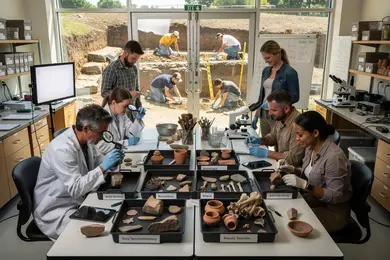
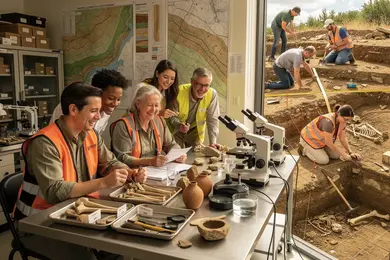
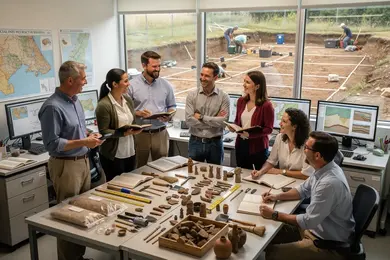
- Cultural Resource Manager: These professionals focus on preserving archaeological sites and cultural heritage. The anthropology degree equips graduates with essential knowledge of cultural laws and ethical practices necessary for managing and protecting historical properties without needing licensure.
- Research Assistant: Often found in academic or organizational settings, research assistants gather and analyze data related to human behavior and societies. A background in anthropology provides the critical research methodologies and analytical skills vital for contributing effectively in these roles.
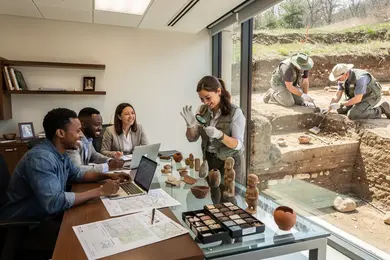
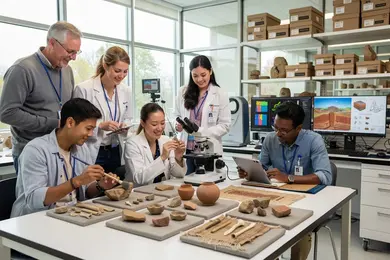
- Museum Technician or Curator Assistant: Working in museums, these roles involve cataloging exhibits, preparing displays, and educating visitors about cultural artifacts. Anthropology studies offer insight into material culture and curatorial processes, which are beneficial without requiring certification or licensure.
- Community Outreach Coordinator: These coordinators facilitate communication and engagement between institutions and diverse cultural communities. The understanding of social dynamics and cultural sensitivity from an anthropology education supports effective outreach efforts across various populations.
- Archivist Assistant: Responsible for organizing and preserving historical records, archivist assistants rely on anthropology's emphasis on historical context and cultural provenance. This expertise supports their work without the necessity for professional licensure.
For those exploring practical, non-licensed career options for anthropology graduates, gaining specialized knowledge and experience in these fields can enhance employability. Students can also refer to resources like good degrees to get to align their academic choices with market opportunities.
Which Industries Hire Anthropology Graduates Without Licensure?
Many industries prioritize transferable knowledge and broad academic skills over professional licensure when hiring anthropology graduates. According to the U.S. Bureau of Labor Statistics (2022), employment for anthropology and archeology professionals is projected to grow 6% over the next decade, mostly in areas where licensure is not required. This reflects a growing demand for applied research and cultural expertise across diverse sectors. Below are key industries known to hire anthropology graduates without professional credentials.
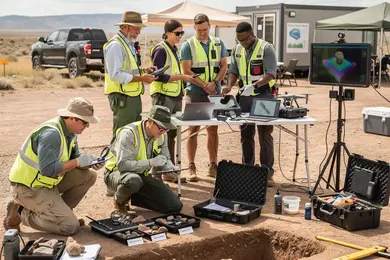
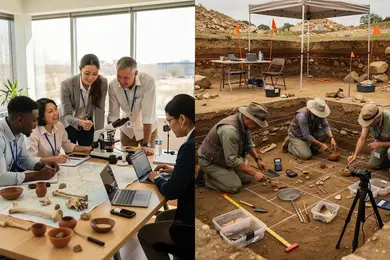
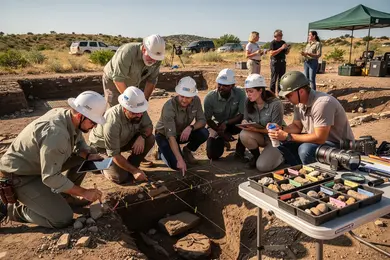
- Cultural Resource Management (CRM): CRM firms employ anthropology graduates to evaluate and protect archaeological sites and cultural artifacts. Their expertise in fieldwork methods and cultural analysis supports compliance with heritage protection laws, making formal licensure unnecessary.
- Museum and Heritage Sector: Museums and heritage organizations hire these graduates to curate exhibits, conduct ethnographic research, and develop educational programming. The focus on cultural interpretation and material culture fits well within roles centered on knowledge sharing rather than licensed practice.
- Non-Governmental Organizations (NGOs) and International Development: NGOs and development agencies use anthropology graduates for social research, community program design, and cultural impact assessments. Their skills promote culturally sensitive initiatives in health, education, and human rights without needing licensure.
- Market Research and Consumer Insights: This industry values anthropology graduates for ethnographic methods and understanding social behaviors. Their analysis of consumer trends helps shape product development and marketing strategies, favoring qualitative expertise over licensed qualifications.
What Entry-Level Jobs Are Available Without Anthropology Licensure?
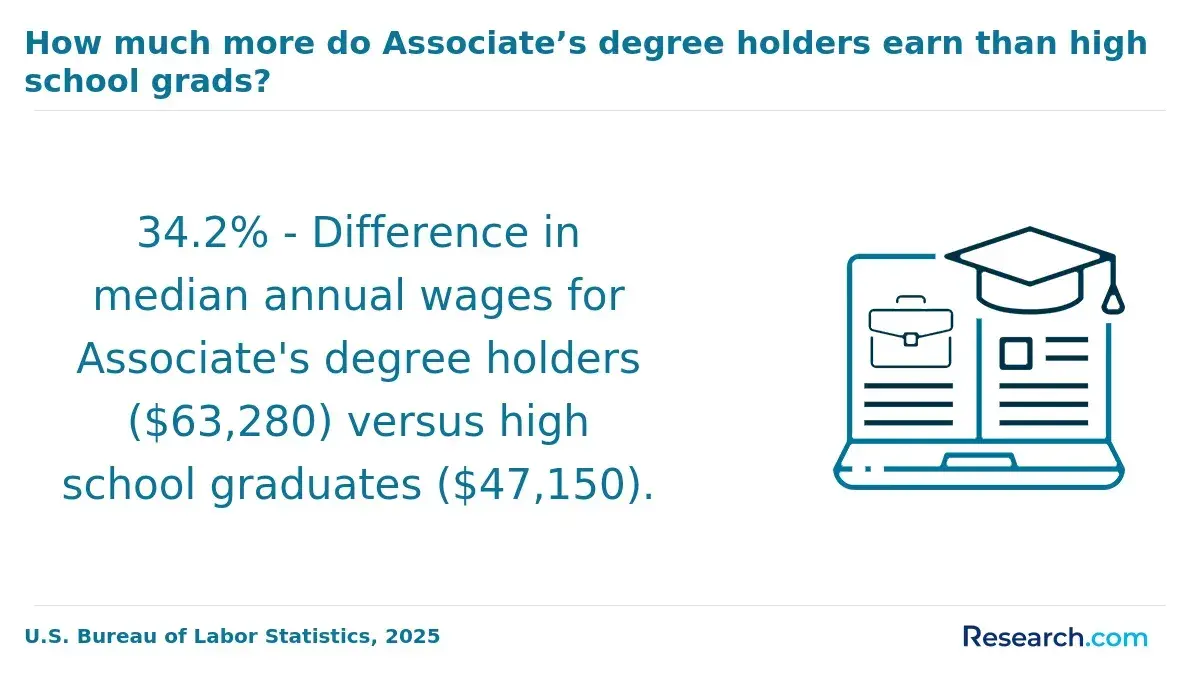
Many industries offer entry-level roles where a broad academic background and versatile skills are more important than licensing. For anthropology graduates, job prospects remain steady, with the U.S. Bureau of Labor Statistics projecting a 5% growth in anthropologist and archeologist employment between 2022 and 2032. Below are some entry-level positions that capitalize on anthropology knowledge without requiring formal licensure.
- Research Assistant: In this role, graduates support research teams by collecting and interpreting both qualitative and quantitative data. Their training in ethnography and fieldwork techniques helps them contribute valuable insights to studies across academic and applied settings.
- Cultural Resource Technician: This job involves documenting, preserving, and helping manage archaeological sites. Anthropology coursework equips individuals with the necessary skills to conduct field surveys and maintain site records without needing a professional certification.
- Museum Assistant: Graduates assist with organizing exhibits, cataloging artifacts, and engaging visitors. Their understanding of cultural significance and material history enhances public education and exhibit development.
- Community Outreach Coordinator: Anthropology graduates often excel at bridging communication between institutions and diverse communities. This role involves designing programs and fostering relationships that rely on cultural competence rather than licensure.
- Human Factors Specialist (Entry Level): Entry-level specialists apply anthropological methods to study human interactions with systems and environments. Their insights inform design and ergonomics projects, supporting teams without requiring advanced certification.
An anthropology graduate I spoke with shared that starting without a license meant focusing on gaining practical experience and building a network. "Initially, it was challenging to find positions that valued my degree without a formal certification," he explained, "but roles like research assisting allowed me to apply what I learned while proving my skills on the job." He highlighted the importance of patience and persistence, noting that these early roles laid the groundwork for his growing professional confidence and expertise.
Which Anthropology Jobs Pay the Highest Salaries Without Licensure?
Salary levels for non-licensed anthropology roles fluctuate based on industry demand, specialized skills, leadership duties, and business value. For professionals holding bachelor's degrees in social sciences, including anthropology, median wages hover around $62,000, with some positions offering significantly higher pay. Below are some top-paying anthropology degree careers with the highest salaries without licensure.
- Corporate Anthropologist: These specialists use ethnographic research to inform business strategies related to consumer habits, product design, and organizational culture. Their expertise directly impacts company decisions, earning them between $70,000 and $120,000 annually.
- UX Researcher: By applying anthropology techniques to technology interaction, UX researchers enhance user interfaces and experience. Their role bridges human behavior and tech design, with salaries typically ranging from $75,000 to $110,000, supported by strong qualitative research skills.
- Policy Analyst: Leveraging anthropology to assess social programs and recommend improvements, policy analysts focus on societal structures without needing professional licensure. Their analytical work commands pay between $60,000 and $95,000.
- Cultural Resource Manager: Managing and preserving archaeological sites, these managers apply anthropological knowledge to protect heritage. Salaries generally fall from $50,000 to $85,000 despite no formal licensing requirements.
- Market Researcher: With anthropology backgrounds, market researchers analyze social trends and consumer behavior to guide marketing efforts. This role typically offers salaries between $60,000 and $90,000, relying heavily on behavioral insights.
For those considering how to advance in this field, pursuing an accelerated bachelor's degree psychology might offer complementary skills enhancing career prospects in anthropology-related roles.
What Skills Help Anthropology Graduates Get Hired Without Licensure?
Employers often value practical skills and adaptability over licensure when hiring anthropology graduates without formal certifications. A 2023 workforce survey revealed that over 60% of hiring managers prioritize candidates with strong data-handling and communication abilities. The following key skills enhance employability for anthropology graduates in diverse work environments.
- Qualitative Research and Data Analysis: Proficiency in collecting and interpreting complex cultural and social data equips graduates to contribute effectively in areas like market research and heritage management. These skills enable critical evaluation and informed decision-making that employers seek.
- Cross-Cultural Communication: Anthropology graduates excel at engaging across cultural boundaries, making them valuable for international teams and organizations. Clear communication of diverse perspectives fosters collaboration and community outreach success.
- Critical Thinking and Problem-Solving: The ability to assess situations from multiple angles and craft innovative solutions is vital in varied sectors, from public policy to consulting. This skill promotes adaptability and strategic insight highly regarded by employers.
- Project Management: Experience managing fieldwork and coordinating logistics translates into strong organizational and deadline-driven capabilities. Such skills support efficient task execution in many professional contexts.
- Technical Proficiency: Familiarity with tools like GIS, statistical software, and data visualization enhances graduates' competitiveness. As data-centric roles grow, mastery of these digital tools remains a top employer preference.
Can Certifications Replace Licensure in Some Anthropology Careers?
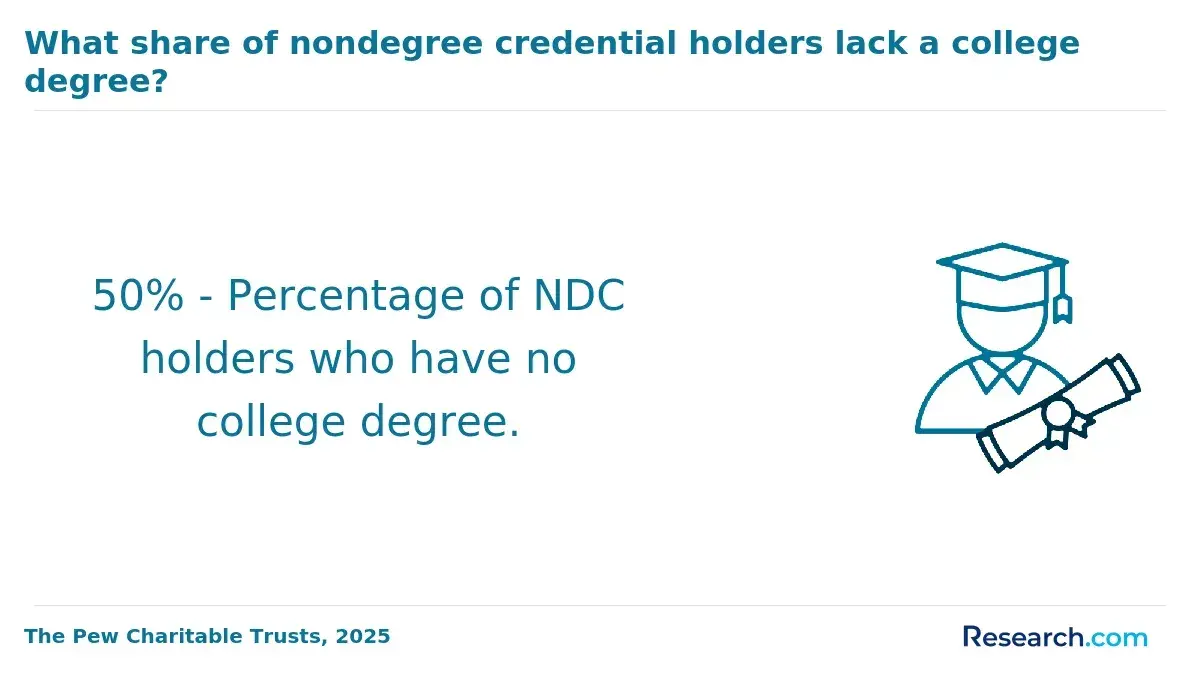
Certifications and licensure serve different purposes in professional anthropology careers. Licensure is a government-mandated authorization required for legally regulated professions, granting the right to practice under law. Certifications, on the other hand, are voluntary credentials awarded by professional or educational organizations to demonstrate specialized expertise. While certifications do not confer legal practice rights, they can serve as substitutes for licensure in certain roles where no formal government licensing is required. In fact, a workforce survey found that 48% of employers prefer certifications over licensure or academic degrees for hiring technical or specialized positions, highlighting the growing value of professional certification benefits for anthropology graduates.
Certifications are particularly useful in non-regulated or industry-based anthropology careers, such as cultural resource management, archaeological fieldwork, or museum studies, where formal licensure is neither mandatory nor available. These credentials enhance employability and validate a practitioner's knowledge in applied anthropology, heritage conservation, or corporate cultural analysis roles. However, certification cannot replace licensure in contexts demanding legal accountability, such as forensic anthropology in criminal investigations, where licensure or equivalent legal credentials remain essential. Students and professionals exploring career paths without professional licensure can find valuable options, especially when combined with recognized certifications.
Those seeking the easiest MSW to get into for complementary qualification might also benefit from understanding how certifications offer practical alternatives in anthropological fields.
What Remote Jobs Can Anthropology Graduates Get Without Licensure?
Remote work has surged significantly with advancements in digital tools and virtual collaboration, with recent data showing a 50% increase in remote job postings across various sectors since 2020. This expansion offers anthropology graduates diverse opportunities tailored to their expertise without the need for licensure. Below are some key remote roles suited to their skills.
- Research Analyst: These professionals gather and interpret data related to consumer habits or social phenomena, leveraging anthropology's deep understanding of cultural behavior to inform market research or social science studies. Tasks often include data collection, analysis, and report preparation, all performed remotely via digital platforms.
- Content Creator: Anthropology graduates can develop educational materials, articles, or blog posts focusing on cultural topics and human behavior. Remote opportunities abound in publishing, museums, and educational websites where storytelling rooted in anthropological insight enhances content quality.
- UX Researcher: Specializing in user experience, these roles involve studying human interactions with technology to improve product design. Utilizing qualitative research methods, anthropology grads contribute valuable cultural context and behavioral analysis without needing formal certification, often collaborating virtually.
- Grant Writer and Program Coordinator: Many nonprofits and international development agencies hire remotely for roles involving cross-cultural communication, proposal writing, and program management. Anthropology skills help synthesize complex social data, supporting efficient outreach and funding initiatives worldwide.
- Online Educator: Teaching anthropology or social sciences remotely allows graduates to share their knowledge via virtual classrooms or tutoring platforms. This role capitalizes on their academic background without requiring licensure, offering flexible engagement with students globally.
A professional with an Anthropology degree shared how navigating the remote job market without licensure initially felt daunting. She recalled, "I had to pivot from looking for traditional academic roles to exploring alternatives where my skillset truly mattered." The process involved identifying roles where cultural analysis and research abilities were valued over certifications. Over time, she found satisfaction in remote UX research, noting, "It was rewarding to apply anthropological methods to real-world tech challenges, all while working from home." Her experience highlights how adaptability and leveraging core competencies can open fulfilling remote career paths beyond licensed professions.
What Challenges Do Non-Licensed Applicants Face?
Applicants without licensure in anthropology often face competitive disadvantages in several specialized fields. Research shows that around 35% of job listings in applied anthropology require professional certification or licensure, highlighting a notable barrier for those without credentials. These challenges influence hiring decisions and limit access to certain employment sectors. Below are some key obstacles non-licensed anthropology graduates encounter:
- Employer Preference: Many organizations prioritize candidates with professional licenses, viewing them as more credible or qualified. This preference particularly affects non-licensed anthropology graduates seeking roles in regulated environments, reducing their chances of being hired.
- Credential Barriers: Although anthropology itself does not always mandate licensure, closely related careers like forensic anthropology or cultural resource management often do. Without required licenses, non-licensed applicants can be excluded from these specialized positions despite relevant academic backgrounds.
- Experience Requirements: Employers frequently require prior licensed experience, making it harder for non-licensed candidates to gain necessary work history. This cyclical issue limits opportunities to build the experience needed for professional growth within anthropology.
- Regulatory Restrictions: Certain jobs, such as archaeological work on protected lands or forensic case involvement, legally require licensure. These regulations restrict non-licensed anthropology graduates from accessing a wide range of positions in their fields of interest.
Are There Career Limitations for Non-Licensed Professionals?
Career limitations do exist for anthropology graduates pursuing roles without professional licensure, though they are not universal. According to data from the U.S. Bureau of Labor Statistics, approximately 15% of social science occupations-including anthropology-related jobs-require a license or certification. This indicates that while most positions remain accessible to non-licensed professionals, there are still notable restrictions in certain parts of the job market. These limitations primarily reflect regulatory demands rather than general employment barriers, clarifying the extent of job prospects and restrictions without anthropology licensure.
The nature of these limitations involves restricted entry to specialized or regulated professions where legal compliance and public safety are critical, such as forensic anthropology or clinical work. Non-licensed anthropology professionals may experience slower career progression in these areas as employers prefer candidates with formal credentials. Consequently, they often need to depend more on gaining experience, further education, or alternative credentials to remain competitive. Nevertheless, many fields within anthropology, such as research, museum work, or cultural resource management, remain viable career paths without licensure, often enhanced by pursuing an online MBA entrepreneurship degree.
What Factors Should Students Consider Before Skipping Licensure?
Deciding whether to skip licensure is a pivotal choice for anthropology graduates shaping their career paths. Approximately 15% of anthropology-related roles require some form of professional credentials or licensure, making this decision essential for long-term planning. Here are key factors students should consider before foregoing licensure.
- Career Goals: Aligning licensure with intended job functions is crucial. Graduates targeting research, academic, or institutional roles may not need licensure, whereas those eyeing federally regulated or clinical positions often do. This distinction helps avoid missed opportunities or unnecessary credentialing.
- Industry Requirements: Different sectors vary in their emphasis on licensure, with some employers strictly requiring licensed professionals. Understanding these requirements can affect job accessibility and influence where and how anthropology graduates seek employment.
- Long-Term Growth: Licensure can enhance professional credibility and open avenues for leadership or advancement within some organizations. Conversely, skipping licensure might limit upward mobility but could offer flexibility in alternative career tracks.
- Job Accessibility: Non-licensed roles may be more abundant initially, but students should assess whether these positions support sustainable career development or risk stagnation. Early clarity can prevent costly additional education or certifications down the line.
For Anthropology students interested in related fields like art therapy, exploring specialized programs such as art therapy masters programs can also inform decisions about licensure and career trajectory.
What Graduates Say About Anthropology Degree Jobs That Do Not Require Licensure
- Dante: "Pursuing a career in anthropology without seeking licensure allowed me to jump straight into the field and gain hands-on experience early on. I appreciated how my degree opened doors in cultural resource management and nonprofit sectors where licensure isn't required. This pathway gave me the freedom to explore diverse roles without the constraints of additional certification, which was perfect for my adventurous spirit."
- Collin: "Choosing not to pursue licensure was a deliberate decision based on my career goals within applied anthropology. It was both practical and empowering to know that many job opportunities, particularly in research and education, value experience and skills over credentials. This choice provided me with flexibility and the chance to contribute meaningfully in interdisciplinary teams without waiting on licensure processes."
- Dylan: "Starting a career without licensure in anthropology proved to be incredibly rewarding, especially in jobs related to social research and community outreach. I found that my degree alone was sufficient to establish credibility and make a real impact. It was refreshing to work in roles that prioritized my knowledge and passion, demonstrating that licensure is not always necessary to thrive professionally."
Other Things You Should Know About Anthropology Degrees
Networking plays a significant role in securing anthropology jobs without licensure. Building connections with professionals in museums, cultural institutions, research organizations, and academia can lead to job referrals and collaborative opportunities. Attending conferences and joining anthropology associations also helps graduates learn about unadvertised positions and internships.
Practical research experience in ethnography, archaeology, cultural studies, or biological anthropology enhances employability. Hands-on skills such as data collection, fieldwork, qualitative analysis, and report writing demonstrate competence to employers. Participating in faculty-led projects or independent studies contributes to a stronger resume for non-licensed roles.
Anthropology graduates can stay current through continuing education, attending seminars, and subscribing to professional journals. Engaging with ongoing debates in anthropology and evolving methodologies maintains professional relevance. Many professionals also join online forums and networks dedicated to anthropology research and practices.
References
- When Students Do Not Aspire To Become Professional Anthropologists https://www.teachinganthropology.org/ojs/index.php/teach_anth/article/view/504
- Position Listings - NAPA https://practicinganthropology.org/mentoring-career/position-listings/
- The Many Perils Of Accepting Certifications As Qualifications (Problems with accepting certifications instead of college degrees during hiring) - Dr John Sullivan https://drjohnsullivan.com/articles/certifications-as-qualifications-instead-college/
- 12 Jobs for Anthropology Majors | The University Network https://www.tun.com/blog/12-jobs-for-anthropology-majors/
- Attending to Undergraduate Desire — American Anthropologist https://www.americananthropologist.org/online-content/attending-to-undergraduate-desire
- Vacancies for "anthropology" | UNjobs https://unjobs.org/skills/anthropology
- Are Certifications Replacing Degrees In Hiring Decisions? - GradSimple https://gradsimple.com/are-certifications-replacing-degrees-in-hiring-decisions/
- Anthropological Job-hunting (and gathering): Finding Non-Academic Work (1 of 3) - Allegra Lab https://allegralaboratory.net/anthropological-job-hunting-and-gathering-finding-non-academic-work-1-of-3/
- Academic Precarity in American Anthropology https://www.culanth.org/fieldsights/academic-precarity-in-american-anthropology
- What Can You Do With an Anthropology Degree? https://www.snhu.edu/about-us/newsroom/social-sciences/what-can-you-do-with-an-anthropology-degree