2027 Cheapest Anthropology Degree Programs for Working Adults

Co-Founder and Chief Data Scientist
Balancing a full-time job and family obligations often leaves little time or financial flexibility for pursuing higher education. For many working adults, an affordable, accredited anthropology degree with flexible scheduling can open doors to career changes or advancement.
According to the U. S. Bureau of Labor Statistics, employment for anthropologists is projected to grow 5% from 2021 to 2031, highlighting increasing opportunities in this field. Many programs now offer asynchronous courses and generous transfer credit policies to accommodate busy schedules.
This article explores the cheapest anthropology degree programs for working adults and key factors for evaluating affordability, flexibility, and long-term value.
Key Things to Know About the Cheapest Anthropology Degree Programs for Working Adults
- Cheapest anthropology degree programs often feature low per-credit tuition, fully online formats, generous transfer credit policies, and flexible schedules to accommodate work and family commitments.
- Low-cost options provide accessibility and accelerated timelines but may vary in employer recognition and accreditation, so tradeoffs include potential limitations on career advancement.
- Prospective students must assess total costs, financial aid, state eligibility, institutional accreditation, student support, and career outcomes before enrolling to ensure long-term value.
What Are the Cheapest Accredited Anthropology Degree Programs Online?
Accredited online anthropology degree programs offer working adults affordable and flexible pathways to complete their education while managing work and family commitments. Factors such as tuition structure, transfer credit acceptance, and institutional accreditation significantly affect the overall cost and convenience of these programs.
Recent reports show that more than 30% of college students enrolled in online courses are aged 25 or older, reflecting the growing preference of adult learners for flexible, low-cost degree options.
Several important considerations help prospective students evaluate the most affordable and practical programs available:
- Accreditation Status: Choosing a program with regional or national accreditation ensures the degree is recognized by employers and qualifies for federal financial aid. Accreditation also guarantees educational quality and the validity of transfer credits.
- Tuition and Fee Structure: Programs with flat-rate tuition or per-credit pricing provide cost predictability, especially beneficial for extended degree completion timelines. Some institutions offer in-state tuition rates to online learners, which can markedly reduce expenses.
- Transfer Credit Acceptance: Generous transfer policies enable students with prior coursework or degrees to shorten study time and reduce tuition costs. Understanding how many credits can transfer and their alignment with degree requirements is essential for maximizing savings.
- Scheduling Flexibility: Asynchronous classes and self-paced formats allow adult learners to accommodate study around professional and family obligations. Such flexibility reduces stress and improves learning outcomes by enabling students to engage with coursework at optimal times.
- Financial Aid Opportunities: Access to scholarships, employer tuition reimbursement programs, and robust student support services can lower the financial burden and aid persistence through degree completion. Reviewing these options is key to assessing a program's true affordability.
Working adults seeking affordable accredited online anthropology degree programs should also explore options like affordable online DNP programs for insights into financial aid models and flexible course delivery that many institutions adopt across disciplines.
How Much Does an Online Anthropology Degree Cost for Working Adults?
The cost of an online Anthropology degree for working adults varies significantly depending on tuition structure, school type, transfer credit policies, residency, and program format. Affordability and flexible scheduling often guide choices for nontraditional learners who balance work or family responsibilities.
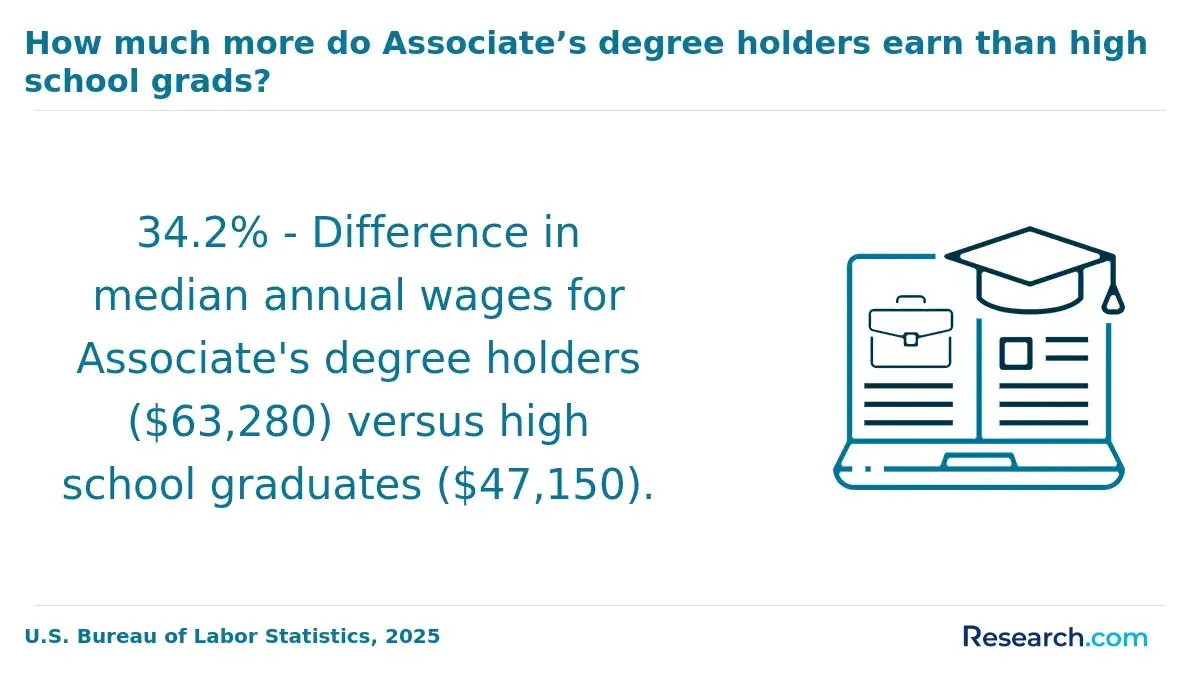
According to the National Center for Education Statistics, about 56% of undergraduates receive financial aid, which plays a key role in managing overall expenses beyond tuition alone.
Key factors influencing total costs include the following:
- Tuition Models: Many programs charge per credit hour, making the total cost dependent on course load and program length. Some institutions offer flat-rate tuition for full-time enrollment, but part-time students, common among working adults, often pay per credit, potentially extending costs if degree completion is slower.
- Transfer Credit Acceptance: Recognizing credits from accredited colleges can significantly reduce the total tuition by allowing students to skip previously completed coursework. This is especially advantageous for working adults seeking to shorten time-to-degree and minimize fees.
- Financial Aid and Employer Assistance: Scholarships, grants, and employer tuition reimbursement can lower out-of-pocket costs. These aid forms are essential for adults managing education expenses alongside living costs and may determine affordability for many learners.
- Technology and Course Fees: Additional charges may cover online platform access, software, and required materials. These fees vary by institution and should be considered when budgeting for an affordable tuition rate in an online anthropology program.
- Program Format and Enrollment Status: Accelerated paths enable quicker completion but demand intensive study. Conversely, part-time enrollment offers greater flexibility but can increase the total tuition due to extended study periods.
For those interested in related fields, reviewing online RN programs can provide insight into how flexible, affordable online education structures support working learners across disciplines.
Are Cheap Anthropology Degree Programs Legitimate and Respected by Employers?
Affordability does not automatically reflect the quality or legitimacy of an anthropology degree program. Employer respect often depends more on accreditation, institutional reputation, curriculum rigor, and how well the program aligns with workplace expectations.
According to the National Center for Education Statistics, around 70% of employers recognize accredited online degrees, signaling increasing acceptance of distance education credentials.
Key elements that determine whether inexpensive anthropology degrees are credible and valued by employers include:
- Institutional Accreditation: Accreditation from a recognized agency is essential to confirm that a school meets established academic standards. This validation reassures employers about the legitimacy of the degree and graduate capabilities.
- Program Quality: Programs designed around established disciplinary standards ensure students gain relevant skills and theoretical grounding, which employers expect from qualified anthropology graduates.
- Faculty Expertise: Experienced and credentialed instructors contribute to delivering academic depth and practical knowledge, enhancing both the student experience and employer trust in the program's rigor.
- Credit Transfer Options: Flexible policies that accept transfer credits help adult learners reduce time and cost while maintaining degree honesty and facilitating educational continuity.
- Curriculum Relevance: Courses that reflect current anthropological methods and workplace needs increase employer confidence in graduates' readiness to apply their education effectively.
A graduate with an anthropology degree shared that navigating the program while working full-time was challenging yet rewarding. He highlighted that beyond technical knowledge, the curriculum helped him develop critical thinking, cultural sensitivity, and communication skills.
He explained, "I often had to balance deadlines and job demands, but learning to see problems from multiple perspectives was invaluable. It wasn't just about memorizing facts, but about understanding people and contexts in ways that really enhanced my problem-solving at work."
This personal experience illustrates how anthropology programs foster essential soft skills that resonate in varied professional environments.
What Are the Best Anthropology Degree Programs for Working Adults?
The best affordable anthropology degree programs for working adults combine cost-effectiveness with flexibility, accreditation, and strong student support. These programs accommodate nontraditional learners managing careers or family responsibilities, often through online or hybrid learning formats that have greatly expanded access for adult students.
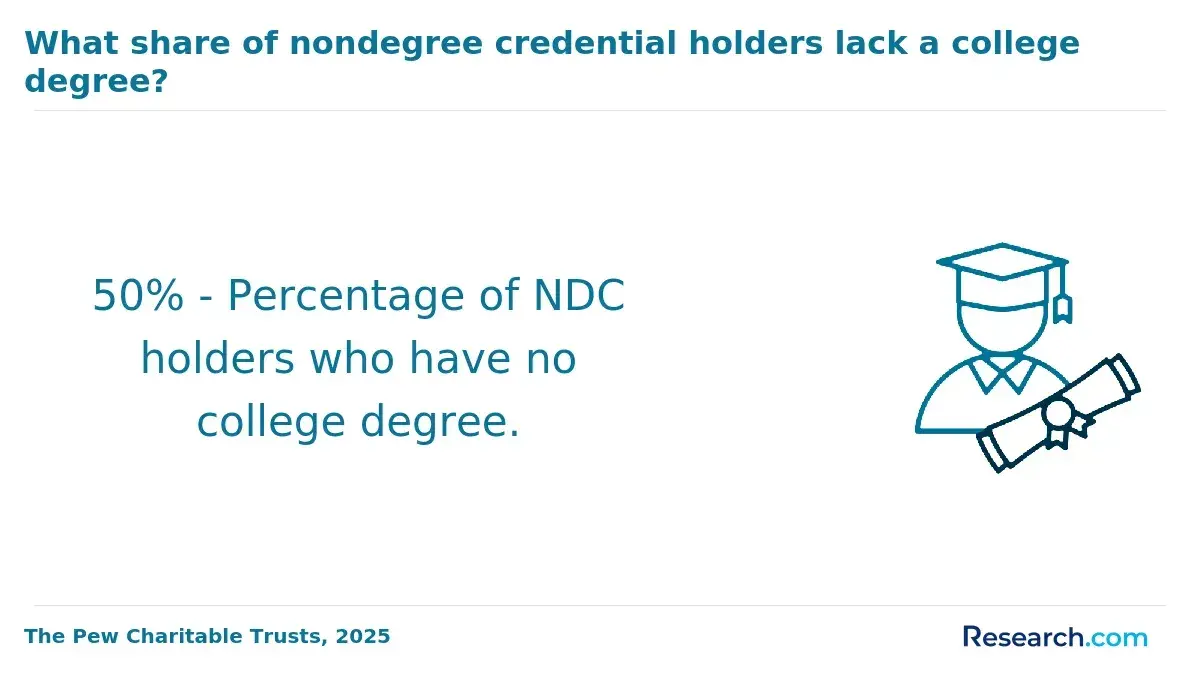
According to the National Center for Education Statistics, more than 40% of postsecondary students are age 25 or older, reflecting a growing demand for flexible degree completion options.
Several key features distinguish strong anthropology degree programs for working adults:
- Accreditation and Quality: Accredited programs meet rigorous academic standards, ensuring that coursework is recognized both by employers and other institutions. This external validation maintains the value of the degree for both career advancement and further education.
- Flexible Scheduling: Many programs offer asynchronous classes allowing students to access lectures and submit assignments on their own schedule. This flexibility is crucial for adult learners balancing work and personal commitments without compromising academic progress.
- Transfer Credit Policies: Accepting prior college credits and offering accelerated pathways can shorten the time and cost required to earn a degree. Programs with generous transfer options help working adults apply previous learning toward degree completion efficiently.
- Affordability and Financial Aid: Transparent tuition rates combined with financial support resources like scholarships, grants, or employer tuition reimbursement enhance accessibility. These options help reduce student debt burdens, making anthropology degrees more attainable.
- Student Support Services: Dedicated advising, tutoring, and career counseling tailored to adult learners improve retention and success. Support services ensure working adults receive guidance suited to their unique challenges and professional goals.
For those exploring career options that integrate an anthropology background, understanding workforce credential demand is vital. For example, those interested in related fields such as medical coding may find valuable insights about a certified medical coder salary and pathways that link to anthropology studies and workforce needs.
Which Anthropology Degree Programs Offer the Most Flexible Schedules?
Flexible scheduling helps working adults pursue an anthropology degree while managing jobs, families, and personal commitments. Online and hybrid formats have broadened access to education, with nearly 40% of adult learners taking some form of online courses. However, flexibility can differ depending on the institution, program design, or course delivery model.
Several features contribute to more adaptable anthropology programs for nontraditional students:
- Asynchronous Coursework: Many programs offer classes without set meeting times, allowing students to complete assignments and watch lectures when convenient, fitting study around work and family demands.
- Part-Time Enrollment: Reducing course loads per term enables learners to progress steadily without overwhelming their schedules, extending the time to degree completion but improving balance.
- Multiple Start Dates: Programs providing fall, spring, and summer entry points grant students the flexibility to begin studies at times that best suit their lives.
- Evening and Weekend Classes: Hybrid formats often schedule required sessions outside traditional work hours, helping employed students participate in on-campus or live activities without disrupting jobs.
- Transfer Credit Acceptance: Recognizing credits from previous study shortens degree timelines and avoids repeating coursework, offering both time and financial benefits.
A professional with an anthropology degree shared that navigating work and family alongside studies was challenging, especially early on. She appreciated the ability to take asynchronous classes and start courses multiple times a year, which eased stress when unexpected obligations arose.
Although managing deadlines required discipline, the flexibility helped her maintain steady progress. Reflecting on her experience, she noted that transfer credit policies saved significant time, allowing focus on new material relevant to her career goals.
Overall, the adaptable schedule made earning her degree achievable despite a busy life.
What Are the Fastest and Cheapest Anthropology Degree Programs?
Several accredited anthropology degree programs cater to working adults by offering flexible schedules, accelerated coursework, opportunities to transfer credits, and online learning options. Balancing affordability, program duration, and academic quality is essential for nontraditional students aiming to complete their degrees efficiently.
Recent data show that enrollment in accelerated postsecondary programs has risen by more than 20%, reflecting increased demand among adult learners.
Key features that support faster and more cost-effective anthropology degrees include:
- Accelerated Course Formats: Shortened semesters, often lasting 5 to 8 weeks instead of the traditional 15, enable students to complete more classes annually. This approach helps reduce the total time needed to finish a degree while maintaining academic rigor.
- Transfer Credit Acceptance: Many programs accept prior college credits or coursework from other institutions, allowing learners to avoid repeating similar classes. This policy shortens program length and decreases overall tuition expenses.
- Asynchronous Scheduling Flexibility: Self-paced lectures and assignments let students select when they study, which is ideal for balancing education with job responsibilities. This format eliminates the need to attend live sessions at set times, enhancing accessibility.
- Prior Learning Assessments (PLAs): Evaluating relevant work experience or prior knowledge for academic credit helps reduce the number of courses required. PLAs lower costs and accelerate progress by validating existing skills.
- Flexible Enrollment Options: Programs commonly offer both part-time and full-time pathways with multiple start dates throughout the year. This flexibility assists students in crafting a personalized schedule that aligns with their professional and personal commitments.
Which Schools Accept the Most Transfer Credits for a Anthropology Degree?
Transfer credit policies can greatly reduce the time and cost for working adults completing an anthropology degree by applying previous college coursework, military training, professional certifications, or other learning experiences toward degree requirements.
Transfer flexibility varies depending on institutional accreditation, program design, and the rigor of equivalency evaluations. Nearly 38% of undergraduates nationwide are transfer students, highlighting the growing trend and importance of accommodating credit transfers.
Several key factors influence how many transfer credits an Anthropology program may accept for adult learners:
- Accreditation Compatibility: Schools often accept credits only from institutions with similar regional or national accreditation to ensure academic quality. This alignment helps streamline transfer evaluations and maintain program standards.
- Transfer Equivalency Evaluations: Institutions assess course content and learning outcomes to determine credit comparability with their Anthropology curriculum. A thorough, transparent process can maximize credit acceptance and shorten degree completion times.
- Prior Learning Assessments (PLAs): Many programs award credits for professional experience, certifications, military training, or experiential learning relevant to Anthropology. PLAs broaden access and allow working adults to progress faster through degree requirements.
- Articulation Agreements: Formal partnerships between community colleges and four-year universities provide clear pathways for Anthropology majors. These agreements simplify credit transfer, reduce duplication, and can improve scheduling flexibility for students balancing work and study.
- Residency Requirements: Schools often require students to complete a minimum number of credits onsite to graduate. Programs with lower residency thresholds enable working adults to transfer more credits, saving both time and tuition costs.
What Financial Aid Options Are Available for Anthropology Students?
Financial aid opportunities can significantly reduce the cost of earning an anthropology degree for working adults by offering grants, scholarships, employer assistance, federal aid, or institutional support. Affordability concerns influence many adult learners returning to school, with nearly 45% utilizing employer-sponsored tuition assistance according to a Lumina Foundation report.
The following financial aid options commonly assist anthropology students in managing educational expenses and balancing work commitments:
- Federal Grants and Loans: Pell Grants provide need-based funding that does not require repayment, lowering out-of-pocket expenses. Federal student loans offer flexible repayment plans tailored to adult learners, helping spread the cost over time while minimizing financial strain.
- Employer Tuition Assistance: Many working adults benefit from employer-sponsored programs that reimburse part or all of tuition costs, easing immediate financial burdens and aligning education with career advancement goals.
- Scholarships for Adult Learners: Specialized scholarships target nontraditional students, recognizing their unique challenges and sometimes covering tuition, books, or materials. These awards ease costs and make programs more accessible.
- Military and Veteran Education Benefits: Programs like the GI Bill and Tuition Assistance offer substantial financial support for military members, veterans, and their families, including flexible scheduling suited to working students.
- Transfer Credit and Prior Learning Assessment: Some colleges grant credit for relevant work experience or prior learning through examinations or portfolio reviews, shortening degree timelines and reducing tuition fees.
For those considering advanced study, resources related to a doctorate in healthcare administration illustrate how financial aid can support nontraditional students balancing education and career goals.
What Jobs Can You Get With a Anthropology Degree?
An anthropology degree equips working adults with versatile skills suited for entry-level, mid-level, or specialized career opportunities based on their educational background, professional experience, certifications, and long-term goals.
Affordable and flexible degree pathways support adult learners in career advancement or transitions, with social science employment, including anthropology-related roles, projected to grow by 6% from 2022 to 2032.
Common career paths for anthropology degree graduates include the following:
- Support Roles: Positions in museums, cultural institutions, or government agencies often involve managing collections, assisting research, or supporting public education. These roles leverage skills in research, communication, and cultural awareness developed during the degree programs.
- Technical Occupations: Jobs such as archaeological technicians or cultural resource management specialists require hands-on fieldwork skills and knowledge of preservation laws and technologies. Flexible degree options help working adults gain qualifications while maintaining employment.
- Management Roles: Supervisory positions in nonprofits, heritage sites, or community outreach programs benefit from an anthropology degree's emphasis on leadership, strategic thinking, and project coordination focused on cultural or social initiatives.
- Community-Based Careers: Working as cultural liaisons, social service coordinators, or advocacy professionals, graduates use anthropological insights into social dynamics and cultural diversity to foster effective communication and program development.
- Industry-Specific Jobs: Opportunities in market research, human factors design, or public policy analysis utilize knowledge of human behavior, cultural trends, and ethics typically included in accredited degree programs for adult learners.
These pathways complement other fields, similar to degrees such as an online bachelor's in kinesiology.
What Should Working Adults Look for When Choosing a Anthropology Degree Program?
Working adults selecting an anthropology degree program often weigh factors like affordability, flexibility, accreditation, and career alignment while managing job and family duties. Online and hybrid formats have broadened access to higher education for these learners, with over 40% of postsecondary students now aged 25 or older.
Key considerations working adults should evaluate include:
- Accreditation: Confirming regional accreditation ensures the program meets rigorous academic standards and that the degree holds value with employers and graduate schools.
- Scheduling Flexibility: Programs offering asynchronous or hybrid options enable students to balance coursework with personal and professional commitments by allowing access to materials at convenient times.
- Transfer Credit Acceptance: Policies that recognize prior college credits can reduce the time and expense required to complete the degree, benefiting those with previous academic experience.
- Affordability and Financial Aid: Transparent tuition rates combined with available scholarships or aid options help ease financial strain, making education more attainable for working learners.
- Student Support Services: Access to resources such as academic advising, career counseling, and technology assistance improves persistence and success, tailoring support to adult learner needs.
What Do Students Say About Affordable Anthropology Degree Programs?
- Dante: "Choosing an anthropology degree program as a working adult means balancing affordability with accreditation. I found that prioritizing accredited programs that accept transfer credits saved me both time and money. Flexible scheduling was also a must, as it allowed me to study without sacrificing my job hours, which made this journey much more manageable."
- Collin: "Exploring anthropology degree options, I learned to carefully vet whether cheap programs were actually respected by employers. It's easy to be tempted by low-cost options, but ensuring the school's reputation and accreditation is crucial for long-term career goals. Flexibility in course delivery helped me fit studies around my unpredictable work schedule, making a real difference for me."
- Dylan: "Reflecting on my experience, the key was finding an anthropology degree with the most adaptable schedules and clear transfer credit policies. Working full-time, I appreciated programs that recognized prior learning and didn't force me to start from scratch. The combination of affordability and legitimate accreditation gave me confidence that my degree would open doors professionally."
Other Things You Should Know About Anthropology Degrees
Cheaper anthropology degree programs for working adults typically necessitate access to a reliable computer and internet connection. Basic software for documents and presentations is essential, and some programs might require additional tools, like statistical software. Check specific course requirements to ensure your tech setup is adequate.
Most anthropology degrees include some form of fieldwork or hands-on experience to develop essential research skills. In cheaper programs, especially those accommodating working adults, fieldwork requirements may be designed to be flexible, such as local projects or virtual simulations, to support students balancing work and study.
Graduates with affordable anthropology degrees from accredited institutions maintain eligibility for many graduate programs. Admissions committees tend to focus on academic performance, letters of recommendation, and research experience rather than only the program cost, but attending an accredited school remains essential.
References
- Best Online Anthropology Courses and Programs | edX https://www.edx.org/learn/anthropology
- How to Pick an Anthropology Graduate Program | ProFellow https://www.profellow.com/tips/how-to-pick-an-anthropology-graduate-program/
- Top 10 Anthropology Scholarships to apply for in December 2025 https://bold.org/scholarships/by-major/anthropology-scholarships/
- Study Anthropology Abroad: Top Universities, Costs, Scope https://www.aeccglobal.com/study-abroad/courses/anthropology
- What Can You Do With an Anthropology Degree? https://www.snhu.edu/about-us/newsroom/social-sciences/what-can-you-do-with-an-anthropology-degree