2027 Best Online Anthropology Degrees for Jobs

Co-Founder and Chief Data Scientist
Choosing the best online anthropology degree for job prospects presents unique challenges-accreditation standards vary widely, curriculum rigor can differ dramatically, and hidden costs may undermine return on investment. For working adults and career changers, a program's ability to provide practical experience and robust student support is critical. Recent data reveal that 67% of anthropology graduates employed within two years cite internship opportunities as key to their success.
This article analyzes top online anthropology programs through a comprehensive lens-evaluating factors that directly impact career outcomes-so readers can confidently identify high-value degrees aligned with their professional goals.
Key Things to Know About the Best Online Anthropology Degrees for Jobs
- Accreditation ensures program credibility-regional accreditation, including recognition by the Council for Higher Education Accreditation, impacts employer acceptance and graduate licensure.
- Curriculum rigor-top programs feature interdisciplinary coursework and research methods, boosting analytical skills vital for 85% of anthropology-related roles.
- Cost and return on investment-affordable programs with strong alumni employment rates offer graduates median starting salaries near $60,000, optimizing long-term career value.
What Is a Anthropology Degree, and What Can It Do for Your Career?
Anthropology is the scientific study of humans-past and present-and the cultural, social, biological, and linguistic factors that shape human life. Accredited bodies like the American Anthropological Association define it as a holistic discipline that integrates multiple perspectives to explain human evolution, behavior, and societies worldwide. This integrative approach sets anthropology apart from related fields such as sociology or archaeology by combining cultural examination with biological and linguistic insights.
A degree in anthropology equips students with foundational knowledge in key domains:
- Cultural Anthropology: Investigates human societies, traditions, and social organization.
- Biological Anthropology: Explores human evolution, genetics, and physical variation.
- Archaeology: Analyzes material remains to reconstruct historical human activity.
- Linguistic Anthropology: Studies language's influence on social life and identity.
- Theoretical Frameworks and Methods: Covers ethnographic research, mixed-method analysis, and critical theory.
Academic offerings range from associate's degrees preparing students for entry-level roles or transfer opportunities, to bachelor's degrees that develop research skills and applied knowledge suited for the job market. Graduate programs-master's and doctoral levels-offer specialization paths tailored to academic, policy, curation, or advanced research careers. Doctoral programs particularly emphasize original scholarship and leadership in the field.
This discussion focuses on the best online anthropology degree programs for career advancement-targeting diverse learners who require flexible study options. It evaluates programs by accreditation, curriculum rigor, cost versus career benefit, experiential learning, and student support. Readers also interested in accelerated credentials may find valuable information by exploring online EdD programs. This article aims to empower prospective students to identify high-value options that convert investment into meaningful jobs and professional growth in anthropology.
How Do Online Anthropology Degree Programs Compare to Traditional Campus Programs?
Accreditation stands as a critical benchmark-top online anthropology degree programs hold regional or national accreditation equivalent to their campus counterparts, assuring curriculum quality and faculty expertise meet rigorous academic standards. This foundation supports prospective students evaluating online anthropology degree benefits compared to traditional programs.
- Curriculum Depth and Rigor: Both online and campus formats present comprehensive coursework in cultural, biological, linguistic, and archaeological anthropology. Empirical data confirm that leading online programs maintain academic rigor through syllabi mirroring on-campus content and inclusion of current research.
- Faculty Qualifications: Faculty in online anthropology departments often match or exceed campus counterparts in credentials-with many holding doctoral degrees and active research portfolios-ensuring consistent scholarly mentorship.
- Student-Faculty Interaction: Synchronous video sessions, discussion boards, and virtual office hours create meaningful engagement despite fewer face-to-face moments. Some programs enhance connection through small cohorts, replicating traditional community dynamics.
- Peer Collaboration: Online programs utilize forums, video conferencing, and shared digital workspaces to facilitate teamwork. Though campus programs may offer richer in-person networking, virtual tools still provide valuable peer collaboration.
- Practicum and Fieldwork: Recognizing the hands-on nature of anthropology, many online degrees incorporate local internships, on-campus residencies, or partnerships with cultural organizations to fulfill experiential learning requirements.
- Employer Perception and Career Outcomes: Surveys reveal employers acknowledge well-recognized online anthropology degrees-particularly when accompanied by robust field experience. Data comparing career outcomes of online versus campus anthropology degrees show competitive salaries and strong return on investment.
- Target Learners: Online delivery uniquely benefits working adults, caregivers, remote workers, and military veterans, allowing them flexibility without sacrificing education quality. These groups often balance education with other life responsibilities, making online programs structurally advantageous.
- Technological Innovations: Advanced learning management systems, virtual labs, and interactive media offset geographic distance. Some programs incorporate short-term on-campus residencies to enhance hands-on training while preserving flexibility.
Those exploring advanced credentials can also benefit from specialized options such as the online MSW programs, which similarly balance flexibility with career-focused training.
What Are the Accreditation Standards That Define a Reputable Online Anthropology Degree?
Regional accreditation remains the foremost standard validating online Anthropology degree programs in the United States. These accreditors assess institutions comprehensively-examining faculty expertise, academic rigor, student support, and administrative practices. Key regional bodies include the Middle States Commission on Higher Education (MSCHE), which oversees schools in the mid-Atlantic; the Southern Association of Colleges and Schools Commission on Colleges (SACSCOC), covering southern institutions; and the Higher Learning Commission (HLC), responsible for the central US.
Unlike some fields, Anthropology programs usually lack specialized national programmatic accreditation. Instead, institutional accreditation through these regional agencies provides the primary assurance that a program meets academic and professional standards recognized by employers and graduate programs alike.
Enrolling in unaccredited or substandard online Anthropology degrees can significantly hinder future opportunities. Students risk ineligibility for federal financial aid, face difficulties transferring credits, and may find their qualifications undervalued by employers or graduate admissions. Such degrees can even create roadblocks for professional licensure or advanced study.
Prospective students should verify accreditation status through reliable resources-primarily the U.S. Department of Education's database and the Council for Higher Education Accreditation (CHEA) directory. These tools provide official, up-to-date listings of legitimately accredited institutions and programs, preventing enrollment in suspect or unrecognized programs.
A professional who earned an online Anthropology degree shared the challenges he faced navigating accreditation concerns early on: "I remember feeling overwhelmed trying to figure out which programs were truly credible. It wasn't just about picking a convenient or affordable school-ensuring the program had solid accreditation was critical. Once I confirmed that, the process felt more secure. Knowing the degree was recognized by employers and grad schools gave me confidence every time I applied for a new job or considered further education." His experience highlights the real-world importance of accreditation beyond paperwork-a key factor shaping his career journey."
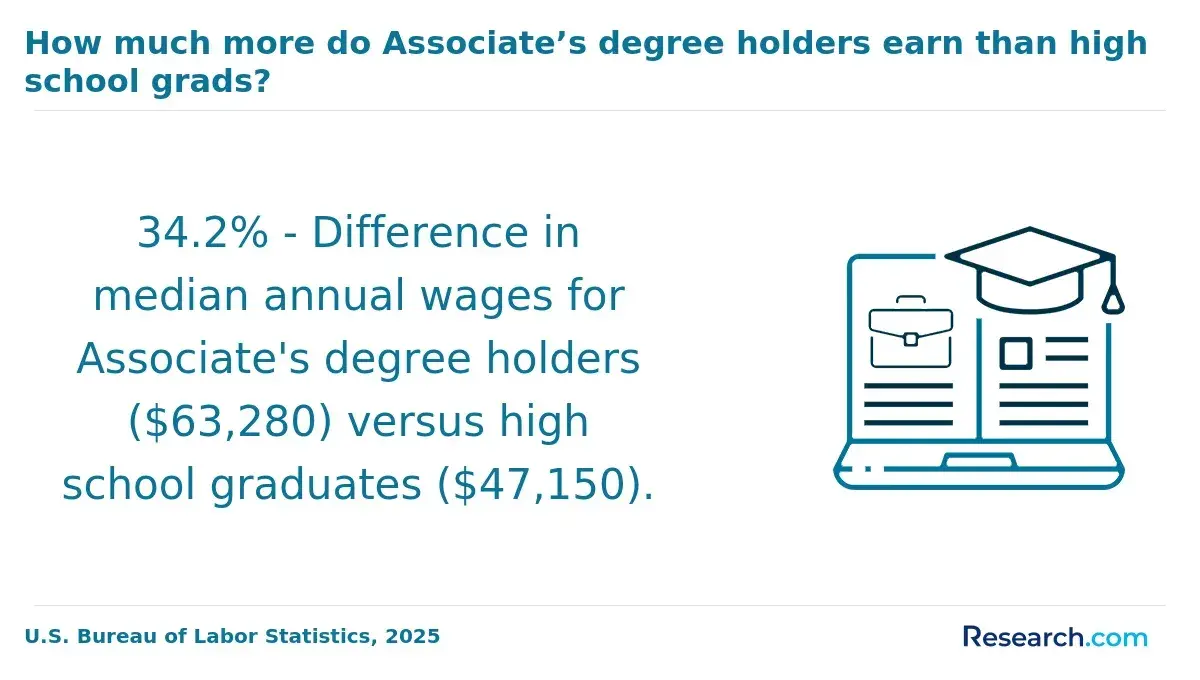
Online anthropology degree programs by level include several distinct options tailored to different educational backgrounds and career ambitions. Associate's degrees typically last about two years and emphasize foundational knowledge-ideal for recent high school graduates or those seeking entry-level roles. Graduates often find positions in research assistance or local community services, though salaries remain modest.
- Bachelor's Completion Programs: Targeted at students who began but did not finish a bachelor's degree, these programs usually require an associate's degree or prior college credits. They deepen understanding of cultural, archaeological, and biological anthropology and prepare graduates for professional or government positions within 1 to 2 years.
- Master's Degrees: These 1.5 to 3-year programs expect a bachelor's-often in anthropology or a closely related field-and sometimes professional experience. They focus on advanced research and applied skills, opening doors to careers in policy analysis, cultural resource management, and academia, with noticeably higher median salaries.
- Doctoral Programs: Spanning 4 to 6 years, PhD studies demand a master's or a strong bachelor's background alongside significant research capability. Graduates emerge ready for academic, leadership, or specialized research roles, though completion rates vary due to program rigor.
- Post-Baccalaureate Certificates: Designed for professionals seeking to enhance expertise quickly-often in under a year-these can stack toward advanced degrees, reducing overall time and expense.
Stackable credentials allow students to accumulate credits through certificates and bachelor's toward master's degrees. Accreditation, cost, and practical experience requirements differ widely among accredited online bachelor's master's anthropology degrees, so evaluating these factors closely is key. According to IPEDS data, completion rates are higher for associate and bachelor's programs compared to doctoral paths, reflecting varying demands.
Prospective students interested in interdisciplinary options should consider expanding their search to fields related to anthropology. For example, exploring game design schools online may provide unique opportunities blending cultural studies and digital media.
Tuition costs for online anthropology degrees vary widely depending on institution type and residency status. Public universities typically charge in-state students between $4,000 and $12,000 annually, while out-of-state attendees face higher fees-often $12,000 to $30,000 per year. Private nonprofit schools usually demand between $20,000 and $40,000 annually, with for-profit institutions potentially exceeding those amounts. Beyond tuition, additional expenses-including technology fees, course materials, and occasional travel or residency requirements-can significantly impact the total cost.
It's important to evaluate the complete program cost instead of just the per-credit tuition rate. Online tools such as the College Scorecard's net price calculator help prospective students estimate actual out-of-pocket expenses after factoring in grants and scholarships, offering a clearer financial picture before committing.
- Federal Financial Aid: Eligible students may receive Pell Grants-which do not require repayment-based on financial need. Subsidized and unsubsidized federal loans remain viable borrowing options with flexible repayment terms. Veterans and active military personnel can tap into GI Bill benefits that substantially offset educational expenses.
- Scholarships: Various awards target anthropology students, including grants from professional associations, state workforce development programs emphasizing high-demand skills, and institution-based merit scholarships. Applying early boosts the chances of securing these funds.
- Hidden Expenses: Costs for specialized software, virtual lab access, and occasional fieldwork or residency travel can add unexpected financial burdens.
- Cost Comparison: When assessing programs, consider included student support services such as advising, career counseling, and tutoring-which may justify a higher price by improving completion rates and job prospects.
A professional who built her career after completing an online anthropology degree reflected, "Initially, budgeting for tuition was straightforward, but I quickly realized extra fees for software and field trips added up. Using financial aid and scholarships made a huge difference. It wasn't just about the sticker price-it was understanding the full cost and available support that helped me commit confidently." Her experience highlights how personalized financial planning is essential for navigating program expenses and achieving long-term career goals.
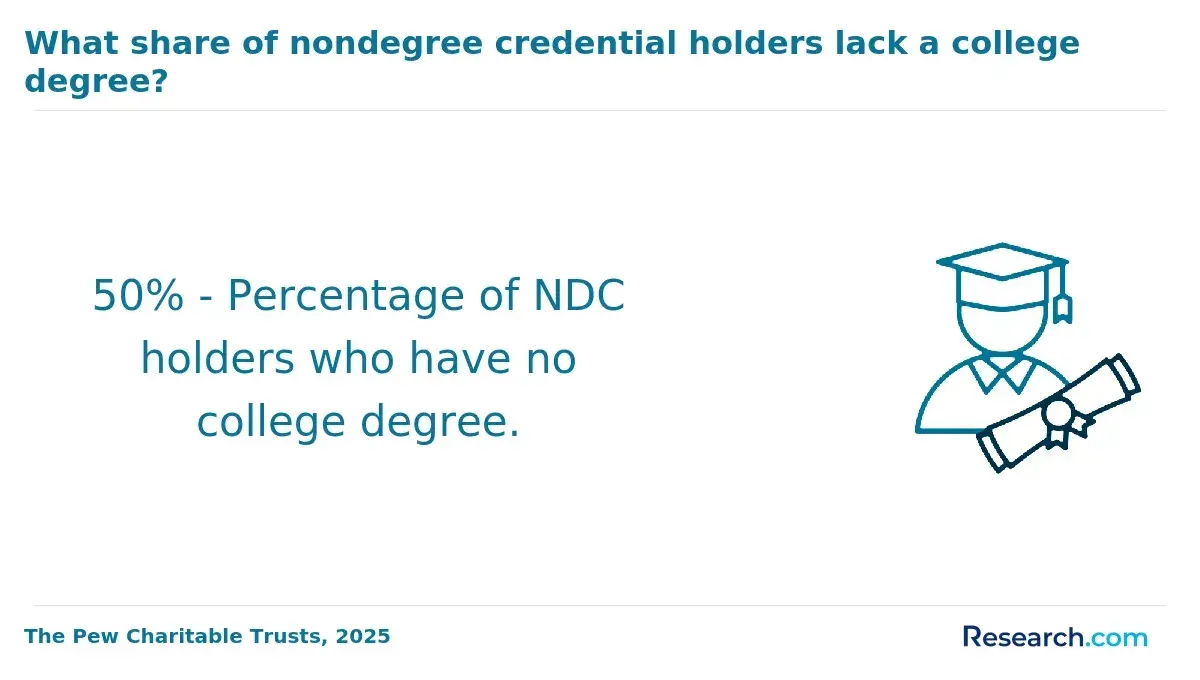
Completion times for online anthropology degrees vary widely-from about two years for associate programs to seven or more years for doctoral studies-depending on degree level and individual circumstances.
- Degree Level: Associate degrees usually require around two years of full-time study; bachelor's degrees generally take four years. Master's programs often add two to three years beyond the bachelor's, while doctoral studies can last from four to seven years, influenced by research demands and dissertation progress.
- Enrollment Status: Full-time students typically finish close to published timelines, but part-time study-common for working adults-extends completion time by several semesters or years.
- Transfer Credits and Prior Learning: Many accredited programs accept transfer credits or prior learning assessments (PLA), enabling students to shorten degree duration. PLA is especially beneficial in competency-based models where professional experience counts.
- Program Flexibility: Some schools offer accelerated and year-round enrollment or competency-based progression, letting self-motivated learners complete faster by demonstrating mastery rather than accumulating seat time.
- Time Limits and Financial Aid: Programs often set minimum and maximum timeframes. Exceeding these may risk financial aid eligibility due to satisfactory academic progress (SAP) rules and affect veteran benefits or loan repayment terms.
- Average Completion Data: Real-world timelines often exceed advertised durations-particularly for bachelor's degrees-reflecting part-time status and life responsibilities, highlighting the importance of planning based on personal pace and commitments.
High-quality online anthropology programs feature a robust core curriculum that spans cultural, biological, linguistic, and archaeological anthropology-aligned with accreditation standards set by leading bodies like the American Anthropological Association. These standards ensure a well-rounded blend of theoretical frameworks and practical methodologies essential for workforce readiness.
Key elements of rigorous programs include:
- Foundational Courses: Covering anthropological theory, research methods, and ethics, these courses build expertise in qualitative and quantitative approaches, including essential fieldwork techniques and data analysis tools.
- Subdiscipline Integration: Coursework across cultural, biological, linguistic, and archaeological anthropology fosters broad competence and interdisciplinary insight.
- Capstone or Integrative Experience: A final project or thesis challenges students to apply their knowledge to real-world or research problems-enhancing analytical, communication, and problem-solving skills.
- Competency-Based Outcomes: Graduates must demonstrate critical thinking, cultural literacy, ethical reasoning, cross-cultural communication, and applied research capabilities-skills highly sought after in public policy, healthcare, education, and heritage management sectors.
- Curriculum Currency: The best programs regularly update their content to include emerging approaches such as digital ethnography and bioinformatics, reflecting evolving regulatory frameworks and research ethics.
- Advisory and Review Processes: Continuous curriculum review involves industry advisory boards with practitioners and academics to maintain relevance and alignment with workforce demands.
Prospective students should request sample course sequences, syllabi, and detailed learning outcomes from programs rather than relying solely on marketing materials to verify academic rigor. Demand for anthropology-related expertise, particularly in cultural resource management and public health research, has grown nearly 15% over five years-highlighting the value of a contemporary, comprehensive curriculum that prepares graduates for diverse career paths.
When evaluating the best online anthropology degrees for career advancement, working adults should weigh tuition costs against employment rates, median earnings, and loan default statistics. Public universities with competitive tuition and strong employer connections frequently deliver the top ROI-especially those with in-state tuition reciprocity agreements that reduce costs for non-resident students. For career-focused adult learners, these factors are critical in selecting a program that balances affordability and quality.
- Cost Efficiency: State universities tend to offer lower tuition compared to private institutions, making their programs more accessible. Many also provide scholarships and financial aid targeted at online learners, along with employer tuition reimbursement options that can significantly offset expenses.
- Employment Outcomes: Top ROI anthropology programs report employment rates above average within a year of graduation, offering roles in cultural resource management, government agencies, and education sectors where salaries often increase with experience.
- Median Earnings: Considering median earnings at six and ten years post-enrollment is vital for assessing long-term value. Programs with active industry partnerships often produce alumni whose salary growth surpasses peers, reflecting effective career support and networking.
- Loan Default Rates: Low default rates highlight programs that prepare students for sustainable careers, supported by academic advising and career counseling that mitigate financial risks.
- Program Rigor and Accreditation: High-value online anthropology degrees maintain regional accreditation and offer rigorous curricula emphasizing practical experience, which helps ensure credential recognition and credit transferability.
- Additional Savings: In-state tuition reciprocity and veteran education benefits can further improve ROI, reducing debt burdens for working professionals and military personnel.
Beyond rankings, prospective students should scrutinize outcome data-especially median earnings and employment metrics-to identify top ROI anthropology programs for working professionals. For those also exploring other fields, similar return analyses can be found in sports management online programs, which emphasize career readiness and affordability.
Admissions requirements for top online anthropology degree admissions requirements vary widely across institutions-reflecting differences in program selectivity, degree level, and academic standards. Competitive graduate-level programs generally require a holistic review to assess candidates' academic readiness and relevant experience.
Common admissions elements include the following:
- Minimum GPA: Many master's programs require an undergraduate GPA of around 3.0 on a 4.0 scale, although highly selective schools may expect higher. Open-enrollment programs such as those offered through community colleges usually have more flexible GPA standards.
- Standardized Test Policies: A growing number of online anthropology programs have adopted test-optional policies for the GRE or comparable exams. Nevertheless, some research-focused graduate programs may still require test scores. Applicants should confirm requirements with each program, as policies can change each admissions cycle.
- Letters of Recommendation: Typically, two or three letters are needed-often from faculty or professional supervisors who can attest to an applicant's academic potential and work ethic.
- Personal Statement: A clearly written personal statement or statement of purpose is vital for expressing interest in anthropology, career objectives, and alignment with the program.
- Prerequisite Coursework: Many master's programs require foundational coursework in anthropology or related disciplines such as archaeology, sociology, or cultural studies. Applicants without this background may be asked to complete prerequisite classes before or early in the program.
- Professional Experience: Some graduate programs value or require documented relevant experience like internships, fieldwork, or cultural research, which demonstrate practical knowledge and dedication.
Admissions requirements vary significantly-from minimal requirements at open-access community colleges to rigorous standards at research universities. This range enables applicants to self-assess where their credentials may be most competitive. For those interested in interdisciplinary opportunities, exploring paths such as an MS in applied artificial intelligence can also complement an anthropology background and career goals.
Prospective students should always contact admissions advisors directly for the most current information, given that GPA thresholds, test-optional policies, and prerequisite coursework expectations can shift from year to year. Understanding typical prerequisites for top online anthropology programs is essential to aligning qualifications with the desired program's requirements.
Graduates with online anthropology degrees can pursue diverse career opportunities across sectors like cultural institutions, government, healthcare, and private companies. Bachelor's holders typically start in roles emphasizing field research, data collection, and foundational analysis, gaining practical skills crucial for advancement.
- Research Assistant: Supports data collection and fieldwork in settings such as universities, museums, or cultural resource organizations. This entry point often leads to specialist or project leadership roles.
- Museum Technician or Curatorial Assistant: Manages artifact care, documentation, and educational outreach, primarily within museums or historical societies. Career progression includes positions like curator or collections manager.
- Community Outreach Coordinator: Works with communities to promote cultural awareness and assist anthropological initiatives, usually employed in nonprofits or government programs.
Advanced roles generally require graduate degrees, certifications, or extensive experience, focusing on project management, specialized research, or clinical applications where anthropological knowledge shapes policies, health strategies, or legal proceedings.
- Applied Anthropologist: Addresses societal challenges in sectors such as public health, urban development, or consulting, requiring master's or doctoral credentials and expertise in subfields like forensic, medical, or environmental anthropology.
- Cultural Resource Manager: Oversees heritage site preservation, collaborating with regulatory agencies and developers to ensure legal compliance.
- Academic Researcher or Professor: Conducts original research and teaches at universities, usually needing a PhD and a strong publication record.
An anthropology degree also facilitates career changes for professionals from related disciplines like sociology or history-targeted certifications or graduate studies can enable transitions into roles that leverage prior knowledge combined with cultural and social insights.
Median salaries differ by educational attainment. Those with a bachelor's degree in anthropology typically earn between $50,000 and $65,000 annually. Advanced degrees-master's or doctoral-often open doors to higher-paying roles in research, academia, or applied fields, with median incomes surpassing $75,000 and some exceeding six figures.
- Experience: Compensation increases notably with time in the field. Entry-level anthropologists start near the lower salary range, but after 5 to 10 years, earnings generally rise by 20% to 40%. Senior professionals leading major projects or managing complex programs often receive the highest pay.
- Industry Sector: Salary expectations vary by employer type. Government and consulting positions tend to offer premium wages, reflecting specialized expertise. Academic jobs provide steady salaries that may be lower depending on institution and resources. Nonprofit and cultural organizations usually pay less but may offer career-building experiences.
- Geographic Location: Pay rates fluctuate across regions. Urban centers with higher costs of living such as Washington, D.C., New York, and California usually present above-average salaries, while rural or economically less developed areas show lower compensation.
- Specialization: Focus areas like forensic anthropology, medical anthropology, and digital ethnography command higher salaries due to niche demand. Specialists in business anthropology or user experience research also tend to earn more than average.
- Certifications: Credentials such as the Registered Professional Archaeologist (RPA) designation or Geographic Information Systems (GIS) certificates provide verified salary premiums. Online degree holders can obtain these certifications through accredited programs to enhance employability and income.
- Future Outlook: Employment growth in applied anthropology is projected at a moderate pace-around 5% to 8% over the next decade. Inflation-adjusted salaries are expected to increase modestly as demand stays stable.
- Data Verification: It is essential to consult current BLS wage data and industry surveys frequently, since salary trends may shift over time due to economic or market changes.
What Graduates Say About the Best Online Anthropology Degrees for Jobs
- Danielle: "Choosing an online anthropology degree with proper accreditation standards made all the difference for me-it gave me confidence that my education would be recognized by employers. The curriculum rigor was impressive too, challenging me to think critically and deeply about human societies. For anyone prioritizing quality and credibility in their degree, these are the factors you can't overlook."
- Collin: "Reflecting on my online anthropology studies, I truly appreciated the balance between cost and return on investment-affordable tuition combined with strong career outcomes meant my degree paid off quickly. The student support infrastructure also stood out-a quick response from advisors and access to resources made my learning journey smoother. These insights are essential for anyone wanting practical value alongside academic quality."
- Dylan: "From a professional standpoint, practical experience requirements were crucial in my online anthropology program-they bridged theory with real-world applications and prepared me for the job market. Career outcomes were encouraging as well, with many graduates finding relevant positions in diverse fields. If you want a program that equips you for employment immediately after graduation, these are the points to focus on."
Other Things You Should Know About Anthropology Degrees
The top online anthropology programs focus on developing critical thinking, cross-cultural communication, and research skills. Graduates gain proficiency in qualitative and quantitative analysis methods, including ethnographic fieldwork and statistical tools relevant to anthropological study. These programs also emphasize ethical considerations and cultural sensitivity, preparing students for diverse professional environments.
Most quality online anthropology programs require some form of practical experience, such as internships, practicums, or fieldwork. These placements are often arranged locally to accommodate students' locations and ensure direct, real-world exposure. Programs maintain partnerships with museums, cultural institutions, nonprofits, and government agencies to facilitate hands-on learning essential for career readiness.
Most online anthropology bachelor’s programs require a 2.5 to 3.0 minimum GPA and college preparation in English, math, and social sciences. Transfer applicants often need at least 24 semester credits in good standing, and some schools require introductory anthropology or statistics before upper-level major courses.
An online anthropology degree from a leading program in 2027 can lead to diverse career paths, including roles such as cultural resource manager, market researcher, policy analyst, museum curator, and public health consultant. These professions value the analytical and cultural insights that anthropology graduates bring to their fields.
- Careers in Anthropology https://discoveranthropology.org.uk/careers-in-anthropology/
- Online Anthropology Degree | Programs & Career Options https://www.learnhowtobecome.org/best-online-bachelors-in-anthropology-degree-programs/
- Best Online Degrees for Working Adults in 2026 https://straighterline.com/blog/degreecompletion-best-online-degrees-for-working-adults-in-2026
- Anthropology – Online Degree Opportunities - Peterson's https://www.petersons.com/blog/anthropology-online-degree-opportunities/
- What Can You Do With an Anthropology Degree? https://www.snhu.edu/about-us/newsroom/social-sciences/what-can-you-do-with-an-anthropology-degree
- Top 20 Low-Cost Online Bachelor's in Anthropology https://www.greatvaluecolleges.net/rankings/online-bachelors-anthropology/
- Online Degree vs. Traditional: Choosing the Right Path https://beal.edu/online-degree-vs-traditional/
- Online Anthropology Degrees: Program Options https://bestaccreditedcolleges.org/articles/online-anthropology-degrees-program-options.html
- 7 Unexpected Ways Anthropology Graduates Apply Their Skills in Diverse Career Fields | 7 Answers - Featured.com https://featured.com/questions/online-anthropology-degree-career-paths-and-marketability
- Online Anthropology, B.A. - Earn Your Anthropology Degree Online https://www.msudenver.edu/online/anthropology-ba/