2027 Anthropology Degree Completion Programs for Working Adults

Co-Founder and Chief Data Scientist
Working adults aiming to complete an anthropology degree often face obstacles-balancing job commitments, family responsibilities, and financial constraints can disrupt educational progress. High-quality anthropology degree completion programs address these challenges with flexible scheduling, robust credit transfer policies, and proper accreditation ensuring employer and licensure recognition. Studies indicate that anthropology graduates enjoy a median annual salary increase of 15% compared to non-degree holders in related fields, highlighting the tangible career benefits.
This article examines key program features-structural design, credit acceptance, cost factors, and career outcomes-to help prospective students determine if such programs fit their goals and circumstances.
Key Things to Know About Anthropology Degree Completion Programs for Working Adults
- Maximize credit for prior learning by submitting military transcripts and professional certifications-ACE estimates veterans gain up to 30 transferable credits toward anthropology degrees.
- Choose programs accredited by regional bodies and recognized by employers-over 70% of anthropology graduates cite accreditation as key for job placement.
- Access financial aid specifically designed for working adults-federal aid combined with employer tuition assistance covers 60% of anthropology degree completion costs on average.
What Are Anthropology Degree Completion Programs, and Who Are They Designed For?
Anthropology degree completion programs provide targeted pathways for adults who started but did not finish their undergraduate anthropology studies. These programs differ from traditional four-year degrees by emphasizing accelerated pacing and credit-for-prior-learning policies. Such policies recognize military training, relevant work experience, or previous coursework, enabling students to reduce time and cost toward degree completion.
Designed mainly for working adults balancing career and family, these programs offer flexible scheduling-such as online, evening, or weekend courses-making higher education accessible without needing to pause employment. There are numerous online anthropology degree completion options for adult learners in the United States, broadening accessibility to diverse populations.
- Target Audience: Adults who completed some college but left without a degree; military veterans with American Council on Education (ACE)-accredited training; mid-career professionals seeking promotions that require credentials; and career changers entering anthropology fields.
- Structural Features: Accelerated courses, credit transfer systems honoring prior learning, flexible schedules, and curricula focused on finishing remaining anthropology requirements.
- Accreditation and Quality: Programs usually meet standards recognized by organizations like the American Association of State Colleges and Universities (AASCU), ensuring employer and licensure acceptance.
- Financial and Logistical Support: Access to financial aid tailored for adult learners and advising to maximize credit transfer and reduce debt.
Research from the National Student Clearinghouse and the Lumina Foundation highlights these programs as efficient, legitimate routes for adults to reengage with higher education. Prospective students aiming for efficient degree pathways may also explore the easiest EdD programs as alternative accelerated graduate options.
How Do Anthropology Degree Completion Programs Differ From Traditional On-Campus Degree Programs?
Anthropology degree completion programs for working adults offer a flexible alternative to traditional on-campus degrees, designed to fit the distinct needs of busy learners balancing career and family commitments. These programs differ notably in key areas that impact accessibility and student success.
- Scheduling Formats: Degree completion programs often provide evening, weekend, online, and hybrid course options, accommodating work schedules more effectively than traditional daytime classes.
- Pacing Options: Students can choose between accelerated cohorts, advancing together on a set timeline, or self-paced enrollment, which adapts to personal time constraints-unlike traditional programs fixed to semester-based, full-time attendance.
- Residency Requirements: Completion programs typically minimize or waive on-campus residency, with many courses offered fully online or requiring only brief campus visits, contrasting with the regular in-person attendance typical of traditional degrees.
- Asynchronous Coursework: A significant share of coursework is asynchronous, allowing study anytime, which is rarely feasible in conventional classroom settings.
- Structural Accommodations: These programs feature rolling or multiple start dates and provide streamlined advising tailored to adult learners, focusing on efficient credit transfer and degree progress.
- Credit Transfer Flexibility: They maximize acceptance of prior learning credits-including ACE-evaluated military training and previous undergraduate credits-shortening time to degree more than traditional programs.
- Enrollment Trends: Data from NCES and IPEDS indicate steady growth in degree completion enrollment over the past decade, while traditional full-time, residential undergraduate numbers have remained stable or declined slightly.
While the diploma-typically a Bachelor of Science or Bachelor of Arts in Anthropology-is the same, the pathways differ substantially. Completion programs prioritize minimal disruption to professional and personal lives, a key factor for veterans, career changers, and mid-career professionals. For those evaluating differences between anthropology online completion and on-campus degrees, understanding program structure and credit policies is essential.
Prospective students should also consider financial factors, exploring options like financial aid tailored for working adults. For those seeking cost-effective solutions aligned with their career goals, investigating options such as the cheapest online business management degree programs can provide comparative insights into affordable, flexible education paths.
What Prior Credits and Experiences Count Toward a Anthropology Degree Completion Program?
Anthropology degree completion programs commonly accept a range of prior learning credits that help working adults shorten degree timelines and cut costs. These include:
Transfer Credits: Anthropology degree completion programs commonly accept credits from regionally accredited institutions, yet each school's policy differs-some limit transfer amounts or require course similarity to their Anthropology curriculum for credit approval.
Military Training Credits: Many reputable programs honor credits recommended by the American Council on Education (ACE) for military service, offering veterans significant credit recognition. Applicants with military backgrounds should seek schools aligned with ACE evaluations to optimize their credit transfer.
Professional Certifications and Prior Learning Assessment (PLA): Mid-career professionals can earn academic credit through PLA, which evaluates workplace experience, volunteer service, or informal education portfolios relevant to Anthropology. This pathway values experiential knowledge and accelerates degree progress.
Credit-by-Examination: Standardized exams like CLEP and DSST provide an efficient option to demonstrate mastery of foundational Anthropology subjects, with many programs accepting these credits to replace standard coursework.
Accreditation and Institutional Policies: The origin of transfer credits plays a pivotal role-credits from regionally accredited schools are generally preferred, while those from national or unaccredited institutions may face limitations. Prospective students should always obtain official transcripts and request thorough pre-enrollment credit evaluations to understand transferable credits fully.
Quality Assurance: Beware of colleges that disregard ACE-recommended military credits or impose unsubstantiated transfer caps. The American Association of Collegiate Registrars and Admissions Officers (AACRAO) guidelines offer a trusted standard for fair credit acceptance practices.
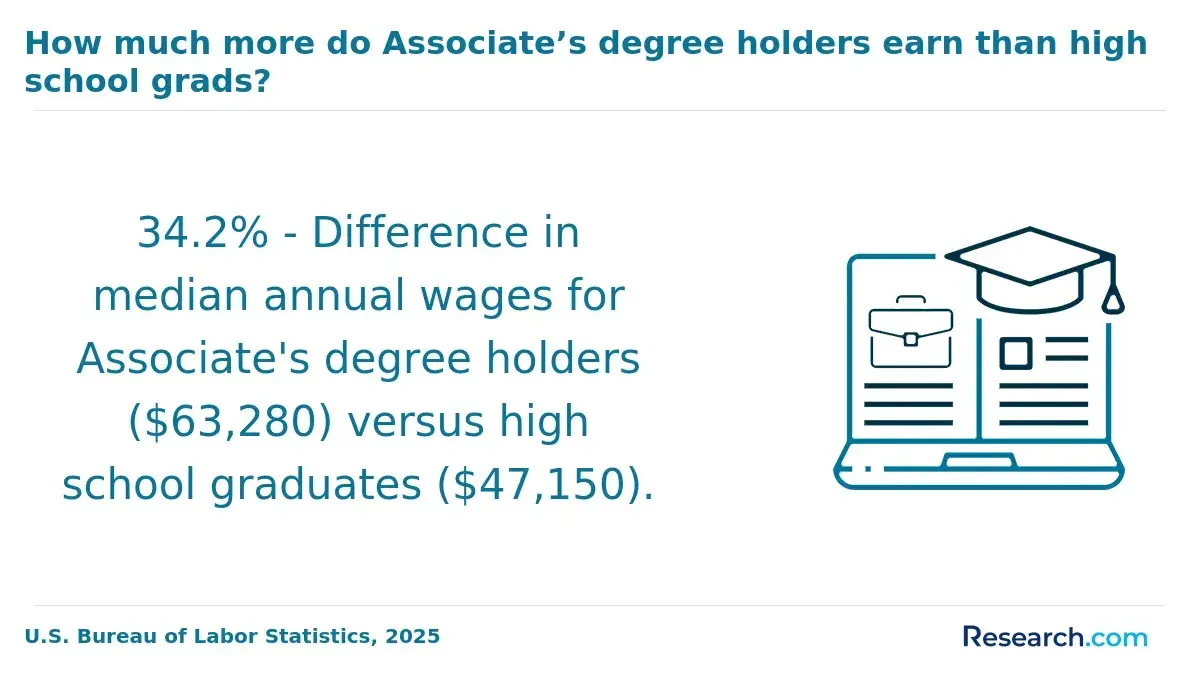
Time and Cost Benefits: Research by the Council for Adult and Experiential Learning (CAEL) shows that recognizing prior learning-through transfer credits or PLA-can reduce degree completion time by six months to a year or more, significantly decreasing tuition costs and speeding career advancement.
A professional who recently completed his anthropology degree described navigating the credit transfer process as both challenging and rewarding. He recalled how submitting detailed documentation of his military training and work experience initially seemed daunting, but once institutional advisors confirmed his credits, his path became clearer. "It felt empowering to see years of practical learning translate into academic progress," he shared, emphasizing that persistence in obtaining a clear credit evaluation was key to finishing sooner than expected and aligning the degree with his career goals.
What Is the Minimum GPA Requirement for Anthropology Degree Completion Programs?
Anthropology degree completion programs commonly set a minimum cumulative GPA between 2.0 and 2.5 on a 4.0 scale as a baseline for admission, ensuring students demonstrate sufficient academic preparation. Conditional admissions may be granted to those with lower GPAs by providing tutoring, developmental courses, or advising to support academic success. Some programs waive GPA criteria altogether for applicants who present extensive professional or military experience, often validated through ACE credit evaluations, reflecting a flexible approach for working adults.
- GPA Thresholds: A standard minimum cumulative GPA is typical to confirm readiness for advanced anthropology coursework.
- Conditional Admission: Institutions may offer provisional entry linked with academic support to foster progress.
- Open Admission: Professional experience can substitute GPA requirements in select adult-oriented programs.
- Holistic Review: GPA is integrated with elements like letters of recommendation, personal statements, and relevant work history, especially in HLC-accredited schools.
- Academic Forgiveness: Returning students may benefit from policies that reset GPA calculations after a break, providing a fresh start.
- Pre-Admission Evaluation: Requesting academic eligibility assessments upfront helps applicants understand admission likelihood before applying.
Adults seeking to navigate minimum GPA requirements for anthropology degree completion should consider how these academic criteria interact with credit transfer policies and financial aid eligibility. Exploring programs recognized by employers and licensure boards is vital for career advancement. For a broader perspective on program quality and flexibility, reviewing rankings of the best online universities can provide useful guidance.
How Are Anthropology Degree Completion Programs Structured Around Full-Time Work Schedules?
Anthropology degree completion programs for full-time workers often offer flexible scheduling such as evening cohorts, weekend intensives, or fully asynchronous online courses combined with occasional live sessions. These formats allow students managing 40+ hour workweeks to maintain steady progress without sacrificing academic interaction. Typically, programs suggest a manageable course load of 6 to 9 credits per term, balancing momentum with competing professional and personal obligations.
Many programs adopt a cohort learning model, where students advance through coursework as a fixed group. This structure fosters accountability and peer encouragement-vital for sustaining motivation over time. It also provides predictable scheduling months in advance, helping working adults coordinate education alongside job and family needs.
Data from the National Student Clearinghouse Research Center shows that working adults enrolled in cohort-based programs tend to have higher persistence and graduation rates than those in traditional formats. The consistent structure and peer network create conditions that improve completion outcomes.
Prospective students should inquire about key operational policies to ensure program fit:
- Course Cancellation: Frequency and alternatives to avoid delays.
- Make-Up Provisions: Options for rescheduling due to unavoidable work or family conflicts.
- Student Success Advisors: Availability of dedicated staff to assist with scheduling and academic hurdles.
When reflecting on how these structures support working adults, a professional who completed an Anthropology degree highlighted the importance of reliable scheduling and community. She recalled,"Balancing full-time work and courses wasn't easy-there were moments when work travel threatened my progress." Yet, having a cohort moving together kept her motivated, and knowing that advisors were available to help navigate conflicts made a critical difference. She described how the blend of online and occasional live sessions allowed her to study during odd hours while still feeling connected to peers and instructors. Her experience illustrates how thoughtful program design can turn a challenging journey into a manageable and ultimately rewarding one.
Is Online or Hybrid Delivery Available for Anthropology Degree Completion Programs?
As of 2023, about 68% of adult learners in anthropology degree completion programs opt for fully online formats, while roughly 22% enroll in hybrid models mixing digital and in-person components, according to the NCES Integrated Postsecondary Education Data System. The pandemic accelerated advancements in technology, faculty preparation, and student services that many institutions leveraged to enhance online education quality across disciplines like anthropology, boosting student satisfaction and retention per the Online Learning Consortium.
Delivery formats vary to accommodate diverse learner needs:
- Synchronous Online: Real-time video sessions simulate classroom interaction-ideal for students who prefer structured schedules but can pose challenges for those in differing time zones.
- Asynchronous Online: Pre-recorded lectures provide flexibility to fit study around other commitments but demand strong self-discipline from students.
- Hybrid Models: Mostly online coursework supplemented by periodic on-campus intensives facilitate networking and hands-on learning but require travel and scheduling accommodations.
Evaluating program quality involves critical criteria:
- Faculty Credentials: Instructors should have relevant expertise and actively engage with online students.
- Student-to-Faculty Ratios: Smaller cohorts often allow for more personalized support.
- Academic Support: Virtual access to tutoring, libraries, and career counseling is essential for success.
- Accreditation: Programs must hold the same institutional accreditation as on-campus offerings to ensure credit transferability and professional recognition.
When consulting enrollment advisors, prospective students should inquire about scheduling flexibility, technology platforms and support, frequency of required in-person sessions, and credit transfer policies-especially for military or prior learning credits-to choose the delivery method best aligned with their location, learning preferences, and career goals.
How Long Does It Take to Complete a Anthropology Degree Completion Program?
Completion time for an Anthropology degree completion program varies significantly depending on factors such as prior credits, enrollment status, and program specifics. Students entering with approximately 60 prior credits generally need about two to three years of full-time study to finish. Those starting with 90 prior credits-often nearing junior standing-may graduate in as little as one year of full-time coursework. Students with substantial prior learning assessments (PLA), including military credits formally evaluated through organizations like ACE, can often accelerate their timeline further, sometimes completing the degree faster than traditional paths.
- Credit Transfer: The number of credits accepted from previous colleges or PLA is a major determinant of completion speed. Transfer policies vary widely, so students should verify how many credits apply toward degree requirements for their specific program.
- Enrollment Status: Full-time enrollment typically shortens time to degree, but many working adults choose part-time study. Accelerated courses can reduce duration but require a significant time commitment.
- Fixed Requirements: Field experiences, internships, and capstone projects often have minimum time commitments that cannot be shortened, creating fixed blocks in the completion timeline irrespective of course load.
- Financial Impact: Faster completion reduces total tuition costs, limits lost income from delaying full-time work, and enables earlier access to post-degree salary increases-making an accelerated timeline financially advantageous rather than merely a personal preference.
- Advisory: Prospective students should request in writing average time-to-degree estimates for their credit standing instead of relying on minimum advertised timelines, which usually reflect ideal scenarios with maximum credit transfers and intensive course loads.
What Accreditation Should a Anthropology Degree Completion Program Hold?
Accreditation is a crucial factor when choosing accredited anthropology degree completion programs in the US-especially for working adults balancing career and education. Employers, graduate schools, and licensure boards generally prefer degrees from regionally accredited institutions, which meet rigorous standards set by bodies like the Higher Learning Commission (HLC), the Middle States Commission on Higher Education, and the Southern Association of Colleges and Schools Commission on Colleges (SACSCOC). Regional accreditation also ensures eligibility for federal financial aid, an important consideration for many students.
- Regional Accreditation: This is the most widely recognized institutional accreditation in the United States, endorsed by employers and graduate programs for its rigorous evaluation of curriculum, faculty qualifications, and student support.
- National Accreditation: Granted by organizations such as the Distance Education Accrediting Commission (DEAC), national accreditation primarily applies to vocational or distance education schools. Although legitimate, these institutions' credits often have limited transferability and their degrees may be less valued by employers and graduate schools.
- Programmatic Accreditation: Unlike fields with clear professional accreditors-such as ABET for engineering, ACBSP/AACSB for business, or CSWE for social work-anthropology lacks a specialized programmatic accreditor. However, related interdisciplinary tracks should be assessed for alignment with professional standards, as this can impact job prospects and licensure eligibility.
- Risks of Unrecognized Accreditation: Some institutions claim accreditation from bodies not recognized by the U.S. Department of Education or the Council for Higher Education Accreditation (CHEA). Degrees from these schools may not be respected, resulting in lost time and money.
- Verification and Due Diligence: Prospective students should consult the U.S. Department of Education's Database of Accredited Postsecondary Institutions and Programs (DAPIP) to confirm accreditation-avoiding reliance on marketing claims ensures programs meet educational and professional goals.
For adults navigating anthropology degree programs with recognized regional accreditation, understanding these distinctions is key to selecting a pathway that supports career advancement and licensure goals. Those interested in flexible learning options may also explore online real estate degree programs as a comparative example of affordable, regionally accredited options tailored for working adults.
How Much Do Anthropology Degree Completion Programs Cost, and What Financial Aid Is Available?
Anthropology degree completion programs vary widely in cost depending on the institution type. Public regional universities often charge between $250 and $450 per credit hour, resulting in tuition costs of approximately $7,500 to $13,500 for a 30-credit completion segment. Private nonprofit institutions typically range from $500 to $900 per credit hour, while for-profit providers may exceed $900 per credit hour. Mandatory fees, technology charges, and required residency or intensive components usually add $500 to $2,000 annually. These additional expenses are essential to factor into the total cost of attendance when comparing options for the cost of anthropology degree completion programs for working adults.
Working adult students have access to tailored financial aid opportunities. Federal Pell Grants remain available to part-time adult learners with demonstrated need. Military-affiliated students may benefit from GI Bill or MyCAA programs, which extend tuition coverage and sometimes provide housing stipends. Employers often offer tuition reimbursement plans covering part or all of anthropology degree expenses-these plans commonly require pre-approval and service commitments. Additionally, many colleges provide institutional scholarships aimed specifically at non-traditional adult enrollees. Exploring these options early in the admission process is advised.
Adult learners typically file the Free Application for Federal Student Aid independently-updating financial records and tax returns accordingly. Those paying tuition out-of-pocket should consider education-related tax advantages such as the Lifetime Learning Credit and the employer-provided educational assistance exclusion under IRS Section 127. Due to variable eligibility and income thresholds, consulting a tax professional is recommended. Connecting with resources for working adults pursuing anthropology degrees can often streamline this process.
When evaluating anthropology degree completion programs, working adults should look beyond sticker prices. Important factors include:
- Credit Transfer: Maximizing prior college credits or military training reduces the number of paid credits needed.
- Employer Reimbursement: Understanding employer policies can significantly lower net costs and influence program choice.
- Net Tuition After Aid: Estimating out-of-pocket expenses after grants, scholarships, and tax benefits delivers a clearer financial picture.
Many mid-career professionals and career changers-such as those transitioning from teacher to speech language pathologist roles-find that thoughtfully navigating financial aid and transfer credit policies improves affordability. This comprehensive approach helps align cost considerations with professional and personal goals.
What Career Outcomes Can Working Adults Expect After Completing a Anthropology Degree?
Completing a bachelor's degree in Anthropology significantly enhances career trajectories for working adults-those balancing employment, prior learning credits, or military training. Research from the Georgetown University Center on Education and the Workforce highlights a notable salary increase-often upwards of 20%-compared to peers with some college but no degree. This financial gain also reflects improved access to roles that mandate a completed bachelor's credential.
Data from the Bureau of Labor Statistics shows that Anthropology degree holders commonly pursue careers in cultural resource management, market research, social science research, and museum curation. These positions often require a bachelor's degree as a credential gate-essential for promotion or entry. Unlike recent high school graduates, working adults finishing their degree tend to leverage their work history to advance directly into senior analyst, project lead, or managerial roles, bypassing entry-level jobs.
- Career Advancement: Degree completers frequently experience expanded promotion opportunities-especially in government agencies, nonprofits, and consulting firms where specific credentials are prerequisites.
- Salary Premium: Median earnings rise substantially after degree completion, positioning graduates for stronger negotiation of pay and benefits.
- Targeted Job Access: A completed Anthropology degree unlocks eligibility for specialized roles requiring licensure or graduate study admission.
- Experience Leverage: Adults finishing their degree while employed use prior professional experience to secure higher-level positions immediately after graduation.
- Credential Research: Prospective students should verify that their chosen degree program meets employer, licensure, or graduate school requirements pertinent to their career goals before enrolling.
How Do Employers View a Anthropology Degree Completed Through a Completion Program?
Employer perceptions of anthropology degrees earned through completion programs focus mostly on the institution's accreditation and recognition, rather than how the degree was completed. Surveys from the Society for Human Resource Management (SHRM) and the National Association of Colleges and Employers (NACE) reveal that employers prioritize the legitimacy and quality of the credential over whether the degree involved prior learning assessment or adult-completion formats.
- Diploma Uniformity: Degrees from accredited institutions do not differentiate between graduates of completion programs and those from traditional paths, ensuring the diploma holds the same status and appearance.
- Resume Presentation: Candidates should list their anthropology degree without highlighting the completion program structure. When asked in interviews, framing the degree as an accelerated or adult-focused pathway emphasizes commitment and effective time management instead of drawing potential bias.
- Employer Scrutiny: Certain federal jobs adhering to Office of Personnel Management (OPM) standards, and state-licensed professions, may require detailed verification of degree completion methods. It is important for candidates in regulated fields to confirm credential acceptance with licensing boards or HR before enrolling.
- Private Sector Hiring: In most nonregulated anthropology roles, demonstrated skill sets, relevant experience, and professional references carry more weight than how the degree was obtained.
- Credential Value: Completion programs offer a valid pathway to finish a degree, enhancing career prospects rather than signaling inferior qualifications.
What Graduates Say About Anthropology Degree Completion Programs for Working Adults
- Dionne: "Completing my anthropology degree as a working adult was made manageable thanks to the flexible scheduling formats offered-night classes and asynchronous options meant I could balance work and study without sacrificing either. The program's accreditation standards gave me confidence that my diploma would be recognized across industries. What truly stood out was their generous credit transfer policies, allowing me to leverage previous coursework and accelerate my graduation timeline."
- Collin: "Reflecting back on my experience, I appreciate how cost considerations shaped my decision to enroll-affordable tuition rates combined with clear financial aid pathways made the program accessible despite my full-time job. Additionally, the structural features of the curriculum provided a thorough yet focused approach that aligned well with professional skill-building in anthropology. Graduating opened up career outcomes I hadn't anticipated, including opportunities in research and cultural resource management that matched my long-term goals."
- Dylan: "From a professional standpoint, the strongest aspect of this anthropology completion program was its strict adherence to accreditation standards-a sign of quality that employers value highly. The scheduling formats also played a crucial role, as evening and weekend classes allowed me to maintain a full workload while pursuing my degree. Finally, the career outcomes reported by alumni helped me feel confident that investing in this credential would lead to meaningful advancement in my field."
Other Things You Should Know About Anthropology Degrees
Anthropology degree completion programs frequently provide tailored support services for working adults, including academic advising, career counseling, and tutoring. Many programs also offer flexible online learning options and dedicated staff to assist with balancing studies and professional commitments. These services help ensure students stay on track and achieve their degree within their unique time constraints.
Credits earned in anthropology degree completion programs often transfer to graduate programs-particularly if the undergraduate program is regionally accredited. Students should verify articulation agreements or transfer policies with prospective graduate schools. This credit flexibility allows working adults to plan long-term educational pathways efficiently.
Yes, many 2027 anthropology degree completion programs for working adults include networking opportunities such as online and in-person events, career workshops, and alumni connections, which help build professional relationships and facilitate career advancement.
Military veterans can leverage education benefits such as the GI Bill to enroll in anthropology degree completion programs that recognize ACE credits from military training. Accredited programs often have dedicated veterans' advisors to help navigate benefits and credit transfers. This support streamlines the path toward degree completion while honoring veterans' prior learning and service.
References
- Major differences between online and traditional college programs - Peterson's https://www.petersons.com/blog/major-differences-between-online-and-traditional-college-programs/
- How fast to an Anthropology Ph.D.? | Savage Minds https://savageminds.org/2012/05/16/how-fast-to-an-anthropology-ph-d/
- Online Degree vs. Traditional: Choosing the Right Path https://beal.edu/online-degree-vs-traditional/
- What Can You Do With an Anthropology Degree? https://www.snhu.edu/about-us/newsroom/social-sciences/what-can-you-do-with-an-anthropology-degree
- Study Anthropology Abroad: Top Universities, Costs, Scope https://www.aeccglobal.com/study-abroad/courses/anthropology
- Anthropological Job-hunting (and gathering): Finding Non-Academic Work (1 of 3) - Allegra Lab https://allegralaboratory.net/anthropological-job-hunting-and-gathering-finding-non-academic-work-1-of-3/
- Career outlook https://clas.wayne.edu/anthropology/programs/career-outlook
- 2026 Best Online Anthropology Degrees https://www.onlineu.com/degrees/anthropology
- Top 20 Low-Cost Online Bachelor's in Anthropology https://www.greatvaluecolleges.net/rankings/online-bachelors-anthropology/