2027 Work Experience Requirements for Anthropology Degree Programs

Co-Founder and Chief Data Scientist
Prospective students face a complex hurdle, deciphering varied work experience requirements for anthropology degree programs across U. S. institutions. Experience thresholds differ widely between undergraduate, master's, doctoral, and professional tracks, complicating admissions preparation and documentation.
Some programs prioritize paid roles, while others accept unpaid internships or international work, all weighted against academic goals and career intent. Notably, anthropology graduates report a median starting salary of $57,000 in 2024, highlighting the tangible impact of accepted experience on career trajectories.
This article clarifies how accredited programs set, assess, and verify work experience, guiding applicants through nuanced criteria and practical documentation strategies.
Key Things to Know About Work Experience Requirements for Anthropology Degree Programs
- Work experience requirements vary by degree level. Undergraduate programs may recommend internships, while master's and doctoral programs often mandate documented fieldwork or research participation.
- Admissions committees evaluate experience through letters of recommendation, detailed resumes, and reflective statements, emphasizing relevance to concentration areas within anthropology.
- International and unpaid experiences are accepted when properly verified. Approximately 65% of U.S. anthropology graduate programs permit alternative documentation like translated work records or supervisor affidavits.
What Are the Work Experience Requirements for Anthropology Degree Programs at the Undergraduate Level?
Accredited anthropology degree programs across US community colleges and four-year institutions generally do not require prior work experience for undergraduate admission. Most institutions treat work experience as supplemental rather than mandatory, emphasizing academic preparedness and critical thinking instead.
This approach aligns with the focus on foundational knowledge for students entering directly from secondary education-consistent with typical undergraduate anthropology admissions work experience documentation guidelines in US institutions.
Some programs encourage gaining relevant experience to strengthen applications and prepare students for graduate studies. Additionally, certain schools award academic credit for internships or applied projects through experiential learning policies, allowing students to blend practical exposure with their coursework.
This option is particularly useful for career changers and international applicants who may have earned work experience abroad and seek to document it within US admissions. Those entering directly from high school should prioritize the most affordable online colleges or programs embedding internships to maximize work exposure during study.
How Much Professional Experience Do Anthropology Graduate Programs Typically Require Before Admission?
Graduate programs in anthropology across the United States set varying professional experience requirements that reflect program level, specialization, and prestige. These criteria shape applicant evaluations in master's, doctoral, and professional degree formats.
- No Experience: Many master's programs welcome recent graduates with no professional background, focusing instead on academic readiness and research potential. Such programs prioritize undergraduate performance over prior work history.
- Recommended Experience: A notable share of programs, particularly those with applied or cultural anthropology concentrations, prefer candidates with two to three years of relevant experience. This may include fieldwork, internships, or roles in research, museums, or community organizations, offering practical insights that enhance coursework and thesis development. This aligns with common expectations on typical work experience needed for admission to US anthropology master's and doctoral programs.
- Advanced Requirements: Select elite doctoral programs ask for five or more years of substantial professional experience, often involving significant research or field engagement, reflecting readiness to contribute original scholarship and navigate advanced academic challenges.
- Applicant Backgrounds: The applicant pool is diverse, comprising recent undergraduates, mid-career professionals, and international students. Many combine paid, unpaid, full-time, or part-time roles, necessitating careful admissions assessment of varying experiences across geographic and cultural contexts.
- Experience as a Baseline: Most programs treat experience requirements as minimum thresholds rather than ceilings. Applicants with richer or lengthier professional histories frequently stand out in competitive admissions.
For those weighing career options, understanding what degree makes the most money can also influence decisions about advancing in anthropology or pivoting to other fields.
What Types of Work Experience Are Considered Relevant for Admission Into Anthropology Programs?
What counts as relevant work experience in anthropology graduate admissions varies widely, with many programs leaving the term undefined. Typically, committees seek professional involvement that reflects engagement with anthropological techniques, ethical frameworks, or subject areas, indicating preparedness beyond coursework.
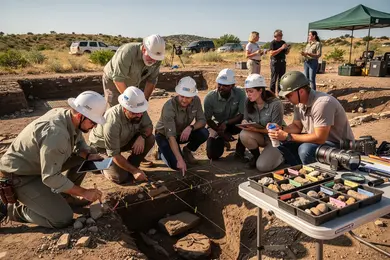
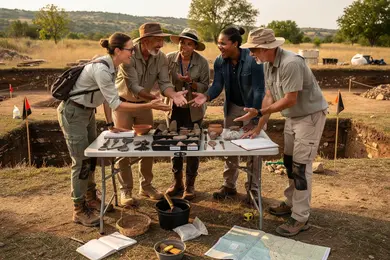
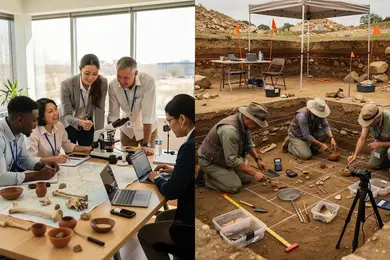
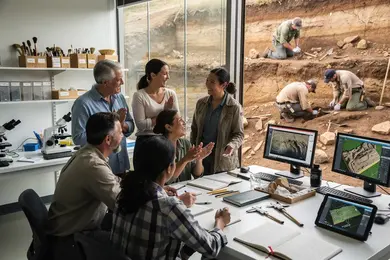
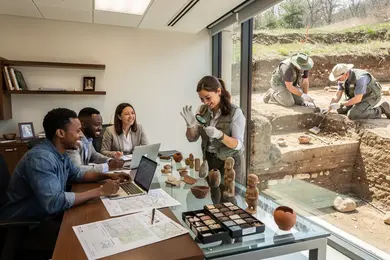
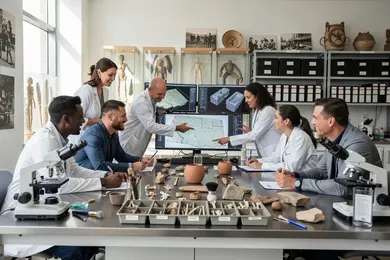
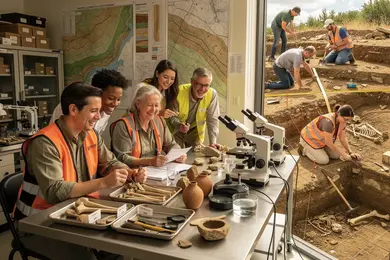
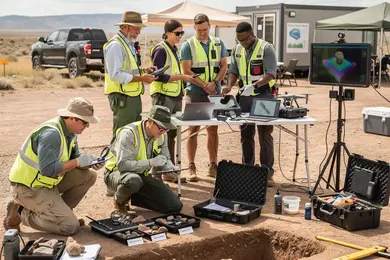
- Fieldwork: Roles in archaeological excavations, ethnographic studies, or collecting biological samples stand out for demonstrating hands-on research skills aligned with graduate expectations.
- Community Engagement: Experiences working with diverse cultural populations, nonprofit initiatives, or cultural resource management highlight applied anthropological practice.
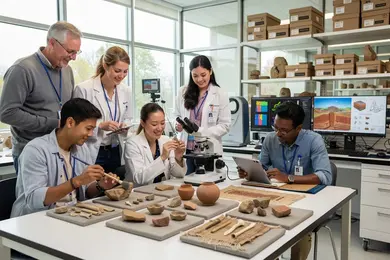
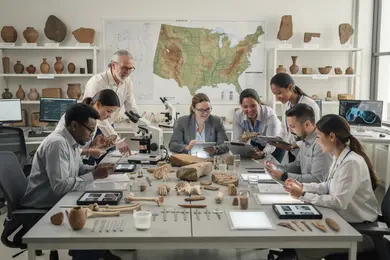
- Museum or Heritage Work: Positions related to curation, archival research, or preservation showcase expertise in artifact care and historical context.
- Health and Social Services: Jobs in public health, social services, or human rights intersect with applied and medical anthropology, emphasizing understanding of social determinants and human variation.
- Less Relevant Experience: General office work, unrelated retail, or technical jobs without cultural or biological connections usually hold less weight unless combined with anthropology coursework or volunteering.
- Program Specificity: Generalist anthropology tracks accept broader experience, while specialized paths demand more targeted backgrounds.
- International and Part-time Experience: Unpaid or overseas roles can be valuable but require thorough documentation to align with U.S. academic standards.
Applicants should closely review program criteria and reach out when their background is unclear to ensure their experience is appropriately understood.
Reflecting on the question of which work experiences count, a professional who earned an anthropology degree shared that navigating unclear guidelines was daunting. "I wasn't sure if my part-time role at a local museum would qualify," he explained, "so I contacted admissions to clarify. Their feedback helped me frame my experience effectively in my application."
He noted the process involved patience and clear communication but ultimately bolstered his confidence that his background matched the program's expectations.
How Do Anthropology Master's Programs Evaluate Part-Time or Volunteer Work Experience?
Master’s programs in anthropology often evaluate part-time and volunteer work experience based on its relevance to the field. Admissions committees typically assess how closely these experiences align with program learning outcomes.
- Relevance: Admissions committees in master's anthropology programs give considerable weight to non-traditional work experience when the tasks performed closely align with anthropology concepts, research methods, or cultural engagement. Positions involving activities like ethnographic fieldwork, data gathering, or community liaison often enhance an application's strength even without conventional employment status.
- Responsibility: Demonstrating meaningful contributions, decision-making, or project management within these roles is crucial. Admissions panels prefer experiences sustained over longer periods instead of brief or sporadic involvement, emphasizing the quality and impact of duties over mere time commitment.
- Skills Development: Applicants should highlight specific capabilities acquired and articulate their relevance to graduate-level anthropology studies. Properly framing these competencies helps admissions committees appreciate the practical readiness of candidates coming from diverse backgrounds with part-time work experience evaluation.
- Documentation: Letters of recommendation from supervisors or collaborators who can vouch for an applicant's reliability, growth, and applied skills in anthropology contexts serve as important endorsements, often compensating for a lack of full-time professional history.
- Program Flexibility: Programs focused on applied anthropology or community engagement, as well as those with interdisciplinary curricula or fieldwork components, tend to be more welcoming to applicants presenting volunteer work recognition in US anthropology graduate admissions processes.
Candidates with primarily part-time or volunteer experiences should emphasize their decision-making roles and skill acquisition instead of formal titles or hours worked. For those seeking accelerated or flexible pathways in related fields, exploring options like an accelerated construction management degree may also offer alternative routes to advanced study.
What Is the Minimum Work Experience Requirement for Anthropology MBA or Professional Degree Programs?
Work experience requirements for anthropology MBA and related professional degrees vary widely depending on program format and student focus. Evening, online, and part-time programs generally expect two to five years of relevant experience, catering to mid-career professionals who enrich discussions with practical insights.
Meanwhile, traditional full-time programs often accept recent graduates with minimal or no formal work history, emphasizing academic potential and considering internships or volunteer roles as valuable experience.
- Program Type: Executive and part-time master's degrees prioritize applicants with substantial professional backgrounds, whereas full-time tracks usually admit younger candidates.
- Experience Calculation: Admissions committees often report the median work experience of their incoming class, an indicator that helps applicants assess competitiveness beyond stated minimums.
- Paid Versus Unpaid Experience: While paid employment holds more weight, many programs accept documented unpaid roles, such as volunteer research or internships, if clearly relevant.
- International Experience: Foreign work history requires thorough documentation and context to be evaluated against U.S. standards, which can complicate admissions for international candidates.
- Applicant Guidance: Investigating median experience data rather than only minimums gives a fuller picture of applicant profiles and realistic chances of admission.
- Concentration Impact: Certain subfields within anthropology may require experience specifically aligned with the chosen specialization.
A professional who built her career after completing an anthropology degree described the application process as a balancing act. She emphasized, "It wasn't just about having years on my résumé but showing how my experiences connected to the program's focus." Navigating the varied expectations, she found that highlighting volunteer roles alongside paid positions was crucial.
"Admissions valued my diverse background because it demonstrated genuine engagement with anthropological work," she reflected. This nuanced approach helped her secure a spot in a competitive cohort tailored to experienced practitioners.
How Do Anthropology Doctoral Programs Distinguish Between Industry Experience and Academic Research Experience?
Doctoral programs in anthropology distinctly separate applied professional work from academic research experience, as each carries different significance depending on the program's emphasis. Ph.D. tracks focused on research often value academic research exposure because these activities reflect an applicant's potential for independent scholarly work and directly inform dissertation projects.
Conversely, professional or practice-oriented doctorates place greater importance on hands-on industry experience, which offers practical perspectives and enriches research outcomes and classroom discussions.
Applicants should be aware of several crucial points when presenting their experience backgrounds:
- Program Emphasis: Research-based doctoral programs typically prioritize academic achievement and documented research history, whereas professional doctorates may emphasize internships, community or corporate engagements, and applied initiatives.
- Evaluation Materials: Academic pathways usually request a detailed research record or publication list, while professional programs may prefer a comprehensive professional portfolio or resume highlighting relevant employment.
- Weight of Experience: The relative value assigned to work experience versus GPA and standardized test results varies; applicants are encouraged to communicate with program directors to clarify this balance.
- Narrative Adaptation: Customizing personal statements and CVs to emphasize the type of experience favored by the specific program enhances application strength.
- Diverse Backgrounds: Programs increasingly consider international and nontraditional work histories, often requiring contextual explanations or translations to ensure fair assessment.
According to recent trends reported in 2024, over 60% of anthropology doctoral programs now explicitly incorporate professional experience as a valued component alongside academic credentials, reflecting broader shifts toward interdisciplinary and applied scholarship.
Which Anthropology Degree Programs Accept Internships or Co-Op Experience in Lieu of Full-Time Work History?
Several anthropology degree programs accept co-op placements, structured internships, or supervised field practicums as substitutes for traditional full-time work experience. This practice is common where fieldwork or practical engagement plays a central role in the curriculum.
When these experiences align closely with academic goals and include proper documentation, they can fulfill experiential prerequisites effectively.
- Program Recognition: Accredited anthropology programs often count co-op or internship experiences as equivalent to work experience, especially when supported by clear learning objectives and faculty oversight. This flexibility benefits career changers and students with limited prior employment.
- Co-op vs. Internship: Co-ops typically require greater academic integration, longer time commitments, and are frequently paid positions arranged through the university. Internships tend to be shorter, sometimes unpaid, and emphasize hands-on exposure rather than extensive credit-bearing responsibilities.
- Documentation Requirements: Official recognition generally demands detailed logs of activities, reflective essays, supervisor evaluations, and formal confirmation of placement duration and duties.
- Admissions Considerations: Competitive anthropology programs may value internship experience positively within holistic admissions, making it especially advantageous for recent graduates and career changers.
- Advisory Note: Students should obtain written confirmation from their program that any planned internship or co-op will satisfy experiential requirements to avoid misunderstandings and ensure smooth academic progress.
Recent data from the National Association of Colleges and Employers (NACE) indicates that over 65% of social sciences graduates secured internships related to their fields, a trend that highlights the increasing significance of experiential learning in anthropology and related disciplines.
How Do Anthropology Online Programs Handle Work Experience Verification During the Admissions Process?
Online anthropology degree programs serving adult and non-traditional learners rely on robust methods to verify work experience, a critical component in the admissions process work experience requirements for anthropology online degrees.
Without in-person interviews, these programs use multiple evidence sources to confirm applicants' professional histories accurately and fairly.
- Resume Submission: Applicants typically submit a detailed resume highlighting relevant paid, unpaid, part-time, or internationally earned experience. This document provides the foundational overview for reviewers assessing the scope of practical work in anthropology or related fields.
- Employer Confirmation Letters: Programs often request letters from employers or supervisors to validate job duties, employment dates, and demonstrated competencies. These letters serve as third-party verification, enhancing the credibility of experience claims.
- Professional References: At least one reference familiar with the applicant's applied skills, often an academic mentor or former employer, is usually required. This helps substantiate work ethic and practical capabilities within anthropology.
- LinkedIn and Online Profiles: Some institutions use LinkedIn or similar platforms as supplementary confirmation tools. Though not standalone evidence, these profiles provide accessible snapshots of career trajectories relevant to work experience verification for online anthropology programs in the United States.
- Challenges: Verifying experience without face-to-face contact involves risks such as assessing document authenticity and evaluating self-reported information. Programs mitigate these challenges through cross-referencing and clear documentation standards to maintain admissions integrity.
- Program Variability: The importance of work experience varies-some programs require it formally, while others view it as an application enhancer. This affects how experience is weighted across undergraduate, master's, doctoral, and professional degree formats.
- Advice for Applicants: Preparing a comprehensive resume and securing at least one employer or supervisor reference familiar with practical skills significantly supports the application. Applicants navigating competitive admissions in anthropology or considering accelerated pathways can also explore the fastest executive MBA programs for alternative graduate options.
What Role Does Work Experience Play in Anthropology Program Rankings and Selectivity?
Work experience significantly influences program rankings and selectivity factors in US anthropology degree admissions, shaping metrics used by accreditation bodies and ranking organizations. These metrics include average entering student work experience, employer reputation scores, and alumni career outcomes, each signaling the importance of professional experience as a distinctive factor in rankings.
Programs with cohorts that hold more extensive work experience tend to rank higher, reflecting stronger employer connections and more successful graduate trajectories. This dynamic forms a feedback loop: applicants with richer professional backgrounds often target higher-ranked programs, while those competitive programs continue to attract experienced candidates.
Prospective students should leverage selectivity data as a strategic tool when building their application lists. Targeting programs where their experience aligns closely with or exceeds typical cohort profiles can improve admission chances. This strategy is especially useful for recent graduates, career changers, and international applicants managing the complexity of translating foreign work records into U.S. admissions contexts.
Work experience expectations vary by degree level-undergraduate, master's, doctoral, and professional degrees each impose different thresholds based on program type and concentration requirements. Paid, unpaid, part-time, and international experiences are weighted differently depending on program timelines and subfield focus.
It's also worth noting that applicants exploring interdisciplinary areas such as art therapy masters programs may encounter unique criteria within related anthropology or social science contexts.
How Do Anthropology Programs With Accelerated Tracks Adjust Their Work Experience Expectations?
Accelerated Anthropology degree programs, including 12-month master's tracks and combined bachelor's-to-master's options, adjust work experience expectations according to their intended students. Programs targeting recent graduates often require little to no professional background, focusing instead on academic strength and research engagement.
Conversely, fast-track programs aimed at mid-career professionals usually expect several years of relevant work, valuing leadership and real-world application within a compressed schedule.
- Experience Requirements: Entry-level accelerated programs lower barriers to work history, while executive-style tracks prioritize substantial professional experience in Anthropology-related roles.
- Cohort Diversity: Reduced experience demands can expand demographic and educational diversity but may limit the breadth of practical perspectives shared among students.
- Coursework Depth: Condensed timelines streamline curricula, potentially sacrificing deeper exploration of ethnographic methods and extended fieldwork typical of lengthier programs.
- Career Support: Less experienced cohorts often access foundational career guidance, whereas seasoned professionals benefit from targeted networking and leadership development services.
- Peer Learning Dynamics: Students lacking substantive work histories might find it harder to contribute to practice-based discussions, affecting collaborative learning and comparative performance.
- Supplemental Preparation: Applicants without robust experiential backgrounds should bolster their profiles with leadership roles, research endeavors, or internships to strengthen admissions prospects.
Data from 2024 reveal approximately 35% of accelerated Anthropology master's entrants transition directly from undergraduate studies, highlighting the growing appeal of rapid advancement pathways for early-career learners.
Which Anthropology Degree Concentrations Require the Highest Levels of Prior Professional Experience?
Certain anthropology degree concentrations demand substantial prior work experience, often targeting mid-career professionals instead of those just starting. These specializations require applicants to bring practical knowledge from healthcare, social services, government, or corporate environments to effectively engage with applied challenges and leadership topics.
Accreditation standards typically reinforce these experience expectations to uphold academic rigor and industry relevance. Many programs address this divide by offering distinct tracks: foundational options tailored for early-career students with minimal prerequisites, alongside advanced paths designed for those with significant professional backgrounds.
To discern which tier a program fits, applicants should examine course descriptions and note any specified prerequisites or recommended experience levels. Researching the professional profiles of current cohorts and alumni can uncover implicit experience requirements not always detailed in official literature.
A 2024 survey revealed that roughly 40% of students enrolling in clinical and policy concentrations had over seven years of relevant experience, highlighting the competitive nature of these fields.
What Graduates Say About the Work Experience Requirements for Anthropology Degree Programs
- Dante: "What impressed me most about the work experience requirements in the anthropology degree was how clearly the expectations were set from the undergraduate level through to the doctoral programs. The thresholds vary significantly depending on the degree level, and they're thoughtfully evaluated through a combination of fieldwork hours, research projects, and internships. Documenting this experience was surprisingly straightforward once I understood the institution's preferred formats. It really made me appreciate how structured and rigorous these programs are across the United States."
- Collin: "Reflecting on my journey through graduate anthropology studies, I found that the way experience thresholds are calibrated is quite nuanced, especially when comparing master's and professional degree requirements. Institutions emphasize not just quantity but also quality and relevance of experience, which often involves detailed evaluations by faculty committees. Personally, I learned the value of maintaining a detailed portfolio of my fieldwork and research activities; this documentation turned out to be crucial in meeting accreditation standards and advancing smoothly through the program."
- Dylan: "The professional anthropology degree demanded a very systematic approach to documenting field experience, much more so than I anticipated. Experience thresholds are clearly defined, yet the evaluation process includes reviews of both practical skills and academic insights, reflecting the interdisciplinary nature of the field. From my perspective, this dual emphasis enhanced my learning and made me feel professionally prepared, knowing that all experience I accumulated was closely scrutinized and valued by accredited institutions nationwide."
Other Things You Should Know About Anthropology Degrees
Applicants without formal work experience in anthropology can emphasize relevant volunteer positions, internships, or academic research projects. Participation in fieldwork, museum internships, or community-based programs related to cultural or archaeological studies can also demonstrate practical skills. Highlighting transferable skills such as data analysis, ethnographic interviewing, or language proficiency is important to strengthen the overall application.
Typically, applicants must submit official letters from supervisors or employers outlining the nature, duration, and responsibilities of the work experience. These letters should include contact information for verification purposes. Some programs may also request detailed resumes or CVs and, in rare cases, work samples or project reports to substantiate practical involvement.
In 2027, international applicants typically document foreign work experience for anthropology programs through official letters or certificates from employers, translations of these documents if necessary, and detailed descriptions of their roles. Schools may also require a validation process to ensure applicants' experiences align with the program’s expectations.
Work experience often plays a significant role in scholarship and fellowship evaluations, especially for programs emphasizing applied anthropology or professional training. Candidates with substantial practical involvement may be favored for funding opportunities geared toward fieldwork or research projects. However, each institution sets its own criteria, so some awards weigh academic merit more heavily than experiential background.
References
- How to get work experience in anthropology https://unifresher.co.uk/practical-advice/jobs-and-careers/how-to-get-work-experience-in-anthropology/
- Anthropology Internships & Research Experiences https://campus.kennesaw.edu/colleges-departments/radow/academics/geography-anthropology/anthropology-internships-research-experiences/index.php
- What Can You Do With an Anthropology Degree? https://www.snhu.edu/about-us/newsroom/social-sciences/what-can-you-do-with-an-anthropology-degree
- Teaching Anthropology in an Age of Unrecognizability — American Anthropologist https://www.americananthropologist.org/undergraduate-desire/teaching-anthropology-in-an-age-of-unrecognizability
- Anthropology Experience and Career Guide https://students.wlu.ca/career-and-experiential-learning/experience-record/assets/experience-guides/arts/anthropology.html
- What Work Experience Do You Need For an MBA? | Articles | Unimy https://www.unimy.com/article/blog-mba-preparation-admissions-mba-work-experience