2027 Addiction Psychology Degree Master's Programs You Can Start Without Meeting All Requirements

Co-Founder and Chief Data Scientist
Many prospective students face hurdles when applying to addiction psychology master's programs due to strict prerequisite coursework or professional experience requirements. This barrier often delays career advancement in a field that urgently needs qualified specialists; the Bureau of Labor Statistics projects a 22% growth in substance abuse counseling jobs over the next decade. Such growth underscores the demand for accessible education pathways. This article explores addiction psychology master's programs that offer flexible admission criteria, enabling applicants without full traditional qualifications to start their studies. It aims to guide readers through viable options that facilitate timely entry into this critical profession.
Key Benefits of Addiction Psychology Degree Master's Programs You Can Start Without Meeting All Requirements
- Flexible or conditional admissions pathways allow students to begin master's programs while completing outstanding prerequisites, expanding access beyond traditional eligibility criteria.
- Many programs offer opportunities to finish missing prerequisite coursework during enrollment, supporting academic progression without delaying graduate training.
- Students gain faster access to graduate-level Addiction Psychology education, enabling earlier entry into the workforce despite initial gaps in credentials or experience.
What Addiction Psychology Degree Master's Programs You Can Start Without Meeting All Requirements?
Some master's programs in addiction psychology now offer flexible or alternative entry pathways that enable qualified applicants to begin coursework while completing remaining requirements. Approximately 30% of graduate programs have adopted conditional or alternative admissions to better support diverse students. The following program types often provide these flexible admission opportunities.
- Clinical Counseling Tracks: These programs emphasize hands-on experience in substance abuse treatment settings. They may permit provisional enrollment, allowing students to start while finishing prerequisite courses.
- Behavioral Health Programs: Designed for those with relevant professional competencies or credentials in addiction services, these tracks often allow immediate coursework start through conditional admission.
- Psychopharmacology Specializations: Prior coursework or licensure related to psychopharmacology can sometimes substitute for formal prerequisites. Flexible start options let students engage in graduate study sooner.
- Prevention Science and Community Services: These programs prioritize applicants' fieldwork experience and permit completion of academic requirements alongside graduate coursework.
- Interdisciplinary Addiction Studies: Integrating psychology, social work, and public health, these degrees accommodate varied admission backgrounds via provisional or conditional status, facilitating prompt enrollment.
Students interested in master's programs in addiction psychology with flexible admission criteria or those looking for addiction psychology graduate programs without prerequisite courses can explore options tailored to their professional experience. For prospective candidates weighing education choices, consulting the top 10 best majors for the future may offer valuable insights into growing fields related to addiction psychology.
What Are the Typical Admission Requirements for a Addiction Psychology Master's Degree?
Graduate admissions standards for addiction psychology master's programs in the United States typically involve common academic and application criteria to assess candidate readiness. About 65% of these programs consider multiple factors beyond traditional metrics like test scores, reflecting a more holistic approach to evaluating applicants. Below are five of the most frequent requirements prospective students should be prepared to meet.
- Undergraduate Degree: Applicants usually need an accredited bachelor's degree, preferably in psychology, social work, or a related discipline. Some programs accept applicants with degrees in other fields if they have completed necessary prerequisite coursework.
- Grade Point Average: A minimum GPA of around 3.0 to 3.5 on a 4.0 scale is commonly expected to demonstrate academic proficiency and readiness for graduate-level study in addiction psychology master's degree admission requirements in the United States.
- Standardized Tests: While historically required, many programs now waive or make GRE test scores optional. This shift aligns with graduate admissions standards for addiction psychology master's programs that focus more on a candidate's overall qualifications.
- Recommendation Letters: Two to three letters from professors or professionals familiar with the applicant's abilities and character are typically requested. These letters provide insight into the candidate's professionalism and potential for success.
- Personal Statement: Applicants must submit a statement outlining their motivation for pursuing addiction psychology and their career goals. This helps admissions committees evaluate personal qualities and commitment to the field.
Some addiction psychology master's degree programs offer flexible or conditional admission pathways, enabling students who do not meet all traditional criteria to start coursework while completing prerequisites or gaining relevant experience. This flexibility supports career changers and those with nontraditional backgrounds. For prospective students exploring options, understanding what is the easiest degree to get online can be a helpful step in choosing the right path toward graduate studies.
Can You Get Into a Addiction Psychology Master's Program Without the GRE or GMAT?
Graduate programs in addiction psychology increasingly evaluate candidates through varied criteria and often permit applications without requiring GRE or GMAT scores. As of 2022, nearly 80% of U.S. graduate programs have adopted test-optional or test-waiver policies, easing access for many prospective students. Below are common situations where standardized test scores might not be necessary for admission.
- Test-Optional Policies: Many programs allow applicants to decide if they want to submit GRE or GMAT scores. This flexibility enables candidates to highlight other strengths in their applications instead of relying solely on standardized exams.
- Professional Experience: Applicants with relevant backgrounds in counseling, social work, or related fields often demonstrate practical skills and understanding that programs value, sometimes substituting for test requirements.
- GPA-Based Waivers: A strong undergraduate academic record meeting or exceeding specific thresholds can qualify students for test waivers, reflecting consistent performance over time instead of a single exam score.
- Holistic Admissions: Programs employing comprehensive review processes consider essays, letters of recommendation, volunteer roles, and research involvement, providing a fuller picture of the candidate's potential.
- Practical Skills Emphasis: Some formats prioritize fieldwork and hands-on experience, rewarding applicants who have demonstrated real-world competencies relevant to addiction psychology practice.
A graduate student who recently enrolled in an addiction psychology master's program shared that navigating admissions without GRE or GMAT scores was both relieving and uncertain. "I worried at first whether my application would stand out without test scores," he noted, "but focusing on my work experience and personal statement helped me showcase my dedication and readiness." He appreciated how the admissions team valued diverse experiences, emphasizing that "it felt like they saw the person behind the application, not just numbers." This approach opened doors for him as a working professional changing careers, easing the transition into graduate studies without the barrier of exam pressures.
GPA plays a key role in admissions for addiction psychology master's programs but is not always a fixed barrier for applicants with lower grades. Approximately 40% of graduate psychology programs utilize holistic admissions or offer conditional acceptance to candidates with less competitive GPAs. Below are common scenarios where students with a low GPA might still gain entry into addiction psychology master's programs.
- Conditional Admission: Some programs permit students to enroll on a probationary basis, requiring a set GPA in initial classes to secure full admission. This pathway allows applicants to demonstrate their academic capability despite earlier challenges.
- Professional Experience: Relevant work or volunteer roles in addiction counseling or behavioral health may offset a low GPA by showcasing practical expertise and dedication to the field.
- Strong Prerequisite Performance: Excelling in foundational courses related to psychology or addiction studies can convince admissions committees of an applicant's readiness for graduate-level work.
- Recommendation Letters: Positive endorsements from academic or professional mentors emphasizing the candidate's strengths and potential can influence admissions decisions.
- Holistic Review: Admissions teams often assess personal statements, career goals, and research interests to evaluate how well applicants align with program values beyond mere academic metrics.
Prospective students interested in a low-GPA admission route for an addiction psychology master's degree should explore programs embracing these flexible criteria. For those considering alternatives, options like pursuing the cheapest engineering degree online may also provide valuable educational opportunities.
Many addiction psychology master's programs now offer options that let students begin coursework while completing prerequisite classes simultaneously. About 40% of programs provide flexible pathways, such as bridge courses or other special admissions routes, to accommodate diverse educational backgrounds. Below are common scenarios where students may start without meeting all prerequisites upfront.
- Provisional Admission: Students may receive conditional acceptance that requires completing missing prerequisite courses during the early semesters of graduate study, enabling immediate program entry with structured support.
- Bridge Courses: Designed specifically to build foundational knowledge, these preparatory classes allow students to gain essential skills before fully starting the core curriculum.
- Concurrent Enrollment: Some programs permit taking undergraduate-level prerequisites at the same time as graduate courses, speeding up progress and reducing delays in degree completion.
- Professional Experience Substitution: Relevant work experience in addiction services or psychology can sometimes replace formal prerequisite requirements if evaluated and approved by the admissions committee.
- Competency-Based Assessment: Instead of traditional course completion, certain programs assess applicants' knowledge and abilities through exams or portfolios to verify eligibility for starting the master's coursework.
A professional who completed an addiction psychology master's shared that beginning her program without all prerequisites was initially daunting yet ultimately manageable. She recalled feeling uncertain about meeting the requirements but appreciated how provisional admission allowed her to integrate bridge courses early on. Balancing concurrent classes and graduate work was challenging but motivated her to stay focused. Her experience showed that with flexibility and support, it's possible to advance without the usual preparatory delays, making graduate study more accessible for nontraditional students.
Bridge programs offer a valuable pathway for students who don't fully meet the traditional admission standards, helping them develop the essential knowledge and skills needed for success in a master's program in addiction psychology. These programs incorporate key features that prepare and support learners as they transition into graduate study.
- Preparatory Coursework: Students complete focused classes covering fundamentals like psychology principles, research methods, and substance use topics, building a strong academic base before starting graduate-level work.
- Skill Development: Emphasizing critical thinking, academic writing, and data analysis, bridge programs equip learners with the tools necessary to thrive in rigorous graduate courses and clinical practice.
- Conditional Admission: Many programs allow students to begin graduate studies provisionally while finishing bridge requirements, offering a structured path to full acceptance based on demonstrated progress.
- Curriculum Alignment: Coursework is often designed to overlap with master's program content, ensuring a smoother, more integrated transition that can accelerate overall degree completion.
- Enhanced Readiness: By reinforcing theoretical knowledge and practical skills, these programs speed students' ability to engage confidently in advanced academic and clinical components of addiction psychology.
This approach expands educational access for diverse students, including career changers and those with less conventional backgrounds, by providing supportive, targeted preparation for graduate study in addiction psychology.
Online addiction psychology master's programs with flexible entry have become increasingly popular, offering access to advanced education without strict traditional prerequisites. This flexibility, however, can cause prospective students to question whether such programs are truly legitimate. Several key factors can help verify the credibility of these offerings.
- Accreditation: Legitimate programs hold accreditation from recognized regional or national agencies, ensuring they meet rigorous academic standards. Without this, degrees may have limited value with employers or licensing boards.
- Institutional Reputation: Programs offered by well-established universities or colleges with a strong history in graduate education tend to maintain higher standards and program quality. Researching an institution's background can provide important insights.
- Curriculum Quality: A credible program delivers a thorough curriculum covering addiction psychology theories, research methodologies, and real-world practical applications. It should align with the competencies required for professional success in the field.
- Faculty Qualifications: Experienced instructors holding advanced degrees and clinical or research expertise in addiction psychology ensure training remains relevant and evidence-based.
- Student Support Services: Robust support-including academic advising, career counseling, and technical help-facilitates student success, especially important for flexible entry programs that may attract diverse learners.
Evaluating these factors helps students confidently pursue an online addiction psychology master's degree without meeting all traditional admission requirements, securing educational value and professional recognition.
Conditional admission enables students to start a master's program in Addiction Psychology before meeting all traditional entry requirements, such as completing prerequisite courses or submitting test scores. This option offers a flexible pathway for those showing promise but needing to address specific academic areas first. Since financial aid options can be affected by conditional status, it is important to understand the key factors impacting eligibility. Approximately 56% of graduate students in the U.S. receive some form of financial aid, underscoring the relevance of planning early. Here are crucial conditions influencing whether students with conditional acceptance can qualify for financial aid for addiction psychology master's programs.
- Enrollment Status: Federal student aid typically requires students to be enrolled at least half-time in a degree-seeking program. Conditional admission students must verify that their enrollment level meets the institution's definition of eligible enrollment to access aid.
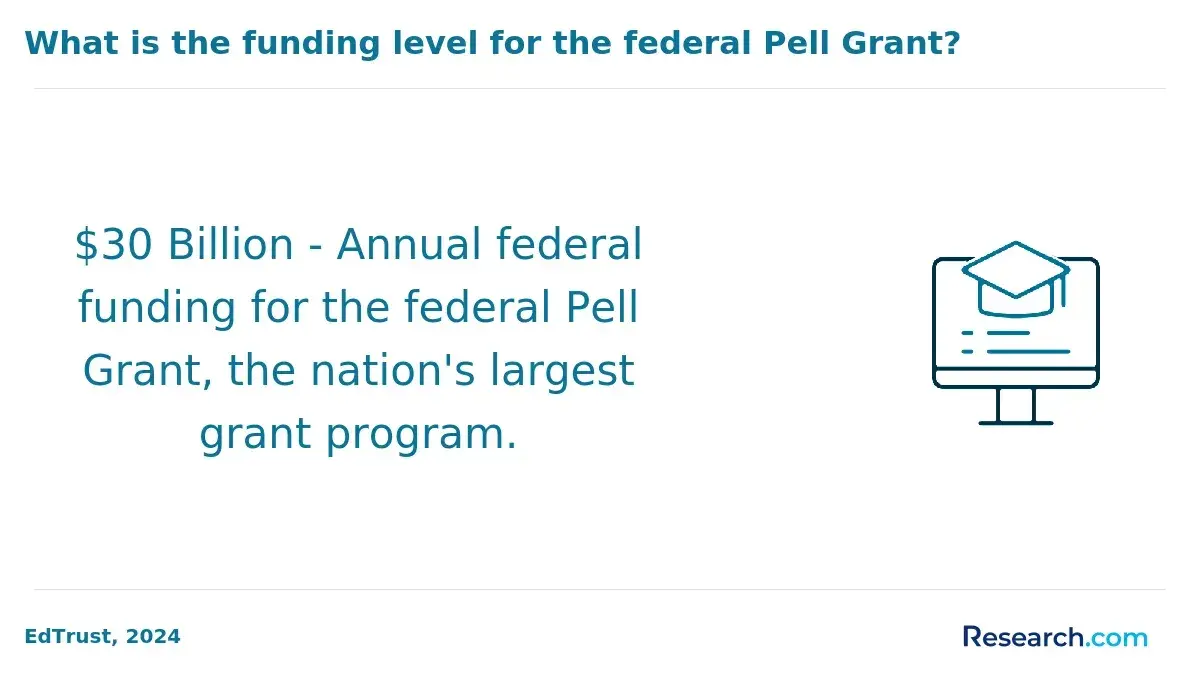
- Accreditation: Aid availability depends on attending an institution accredited by recognized agencies. Only accredited schools offering addiction psychology programs can disburse federal financial aid like Pell Grants and Direct Loans.
- FAFSA Timing: Early and accurate submission of the Free Application for Federal Student Aid (FAFSA) is essential. Conditional admission students should submit their FAFSA promptly, especially if classes begin immediately, to maximize their chances of receiving aid.
- Institutional Policies: Colleges may impose additional conditions on conditional students, such as academic progress requirements or timelines for completing outstanding prerequisites to maintain eligibility for financial aid.
- Documentation Requirements: Some programs ask conditional students to provide extra documentation, including letters of recommendation, academic plans, or progress reports. Meeting these requirements supports financial aid approval and funding disbursement.
Students curious about related education costs might explore how much does a doctorate in education cost to consider wider financial planning. For those exploring options, financial aid options for addiction psychology master's programs with conditional acceptance depend heavily on institutional and federal guidelines, making attentive navigation essential.
Many applicants interested in addiction psychology master's programs may not meet all traditional admission requirements due to varied undergraduate backgrounds or missing prerequisites. However, strategic preparation can significantly enhance admission prospects, especially since an estimated 15% of students are admitted through flexible or conditional pathways that assess potential beyond rigid criteria. The following strategies can help strengthen your application and improve your chances.
- Professional Experience: Highlighting relevant work in counseling, social services, or healthcare settings demonstrates practical knowledge and commitment. This direct experience often compensates for academic gaps and aligns well with strategies for conditional admission in addiction psychology graduate programs.
- Prerequisite Courses: Completing missing prerequisite courses before or during the application process, either through community colleges or online study, shows readiness for graduate-level work. This approach is a valuable tip to qualify for addiction psychology master's programs without prerequisite courses.
- Strong Recommendations: Obtain letters of recommendation from supervisors or professionals who can attest to your skills, dedication, and potential. Such endorsements provide insights that test scores and GPAs cannot convey.
- Compelling Personal Statement: Craft a narrative that clearly states your professional goals, motivations, and resilience. Aligning your personal story with the program's mission helps distinguish your application.
- Relevant Certifications: Demonstrate preparedness by presenting certifications or specialized training in substance abuse counseling or behavioral health. This signals a proactive approach to developing expertise in the field.
Prospective students might also explore accelerated marriage and family therapy programs as complementary or alternative pathways to enhance their credentials while pursuing addiction psychology graduate studies.
Conditional admission allows students to start their addiction psychology master's studies despite not meeting all entry criteria upfront. Completing required conditions on time is crucial for maintaining active enrollment and progressing without interruption. Missing these deadlines can lead to several challenges affecting academic and financial standing.
- Probationary Status: Students who delay meeting conditions may face academic probation, which involves formal warnings and potential limits on course enrollment or campus resource access.
- Loss of Enrollment Privileges: Failure to fulfill requirements promptly can result in suspension or withdrawal from the program, halting further progress until conditions are met.
- Delayed Graduation: Outstanding admission conditions often postpone degree completion, as students cannot advance in coursework or fulfill program milestones until requirements are satisfied.
- Additional Coursework: Some programs mandate extra classes or assessments to address gaps caused by incomplete conditional admission terms, adding time and effort to the academic plan.
- Financial Aid Impact: Students risk losing eligibility for financial aid tied to satisfactory academic progress, which can affect funding and increase out-of-pocket expenses.
What Graduates Say About Addiction Psychology Degree Master's Programs You Can Start Without Meeting All Requirements
- Major: "When I applied, my undergraduate GPA was just below the usual threshold, which made me nervous about getting accepted. However, the conditional admission allowed me to prove myself, and I was fortunate to find the program's tuition quite reasonable compared to others. Completing the addiction psychology master's degree has truly opened doors for me in clinical counseling, far beyond what I initially expected."
- Douglas: "I wasn't able to meet the required prerequisite courses before applying, so conditional admission was a blessing. The program cost was a bit higher than I anticipated, but considering the specialized knowledge and networking opportunities I gained, it was money well spent. Professionally, earning this degree has significantly enhanced my ability to advocate for and support clients dealing with substance use disorders."
- Eunice: "My main hurdle was lacking relevant work experience, which led to conditional acceptance that required extra coursework. Although it stretched my budget, the cost felt justified due to the quality of education and faculty support. Pursuing this addiction psychology master's degree has elevated my career, allowing me to contribute more effectively within healthcare settings and policy development."
Other Things You Should Know About Addiction Psychology Degrees
In 2027, some addiction psychology master's programs consider significant work experience in related fields as a substitute for academic prerequisites. This is particularly beneficial for candidates with extensive professional backgrounds who wish to transition into addiction psychology without formal academic credentials.
When enrolling in flexible entry addiction psychology master's programs in 2027, ensure the institution is accredited by recognized bodies like the American Psychological Association (APA). Accreditation validates the program's quality and its graduates' eligibility for certification and licensing, regardless of entry criteria flexibility.
No. Provisional admission usually means full enrollment with extra monitoring, while conditional admission requires you to complete specific missing items, such as a bachelor’s GPA minimum of 2.75, prerequisite courses, or a statistics class, within a set period, often the first 1–2 semesters.
- Online Master's in Addiction Counseling | Hazelden Betty Ford https://www.hazeldenbettyford.org/graduate-school-addiction-studies/online-masters
- Master's in Addiction Counseling - Carlow University - Pittsburgh, PA https://www.carlow.edu/academic-programs/psychology-degrees/masters-addiction-counseling/
- Admission Requirements | Adler Graduate School https://www.alfredadler.edu/admission-aid/status-levels/
- Applying for your Psychology Masters? https://nickyabdinor.com/applying-for-your-psychology-masters/
- How a Master's in Addiction Studies Can Transform Your Future https://www.ucumberlands.edu/blog/masters-in-addiction-studies-transform-your-future
- 2025's Best Online Master’s Programs: No GRE Required https://www.onlinemastersdegrees.org/best-programs/no-gre/
- 6 Steps Qualify for a Psychology MA Without the Major https://www.prereqcourses.com/how-to-qualify-psychology-masters-non-psych/
- Admission Requirements - Psychology https://www.vsu.edu/cnhs/departments/psychology/ms-programs/admissions-requirements.php
- Admission Requirements & FAQ's https://www.pacifica.edu/admissions/admission-requirements/
- Clinical Mental Health Counseling Program FAQs | Pitt SHRS https://www.shrs.pitt.edu/academics/cbh/counseling/faq/